Saved
Inventor

Nintendo

Website →
2
briefs
10:07
average
20 min
in total
On technology.briefs2
10:33

Wii

Nintendo · 2006

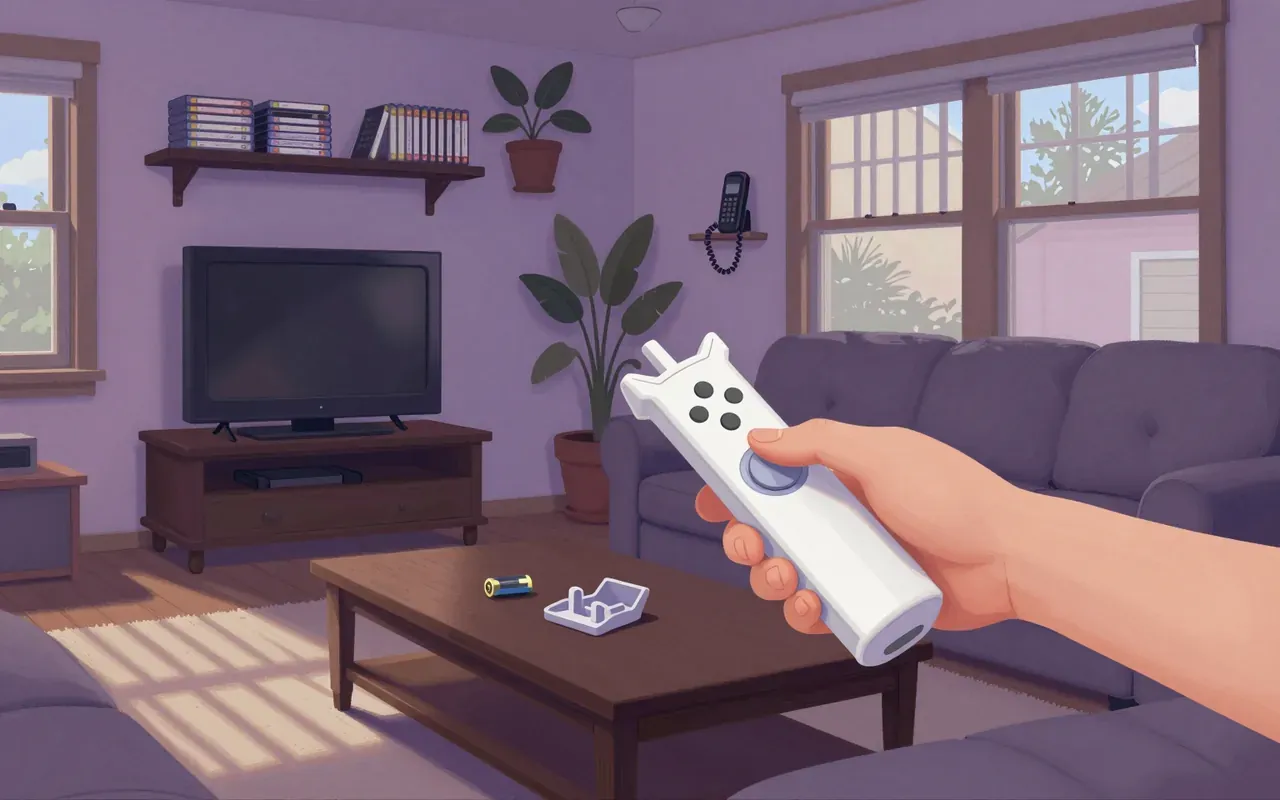
The Wii is Nintendo’s seventh-generation home video game console, launched in November 2006. It prioritises accessible motion-based interaction over computational power. Its innovation is the Wii Remote—using MEMS accelerometers and infrared sensors for gesture recognition and pointing—supported by the Sensor Bar. It introduced native Internet connectivity (802.11b/g Wi-Fi and Bluetooth), digital distribution via the Wii Shop Channel, and backward compatibility with GameCube software and accessories in early models. It achieved massive commercial success—over 101 million units sold by 2016—by appealing to non-traditional audiences through intuitive controls, low price, and family-friendly software like Wii Sports. Its hardware uses off-the-shelf components, prioritising cost efficiency and energy savings over high-definition graphics or processing power.
9:40

Super Nintendo Entertainment System

Nintendo · 1990

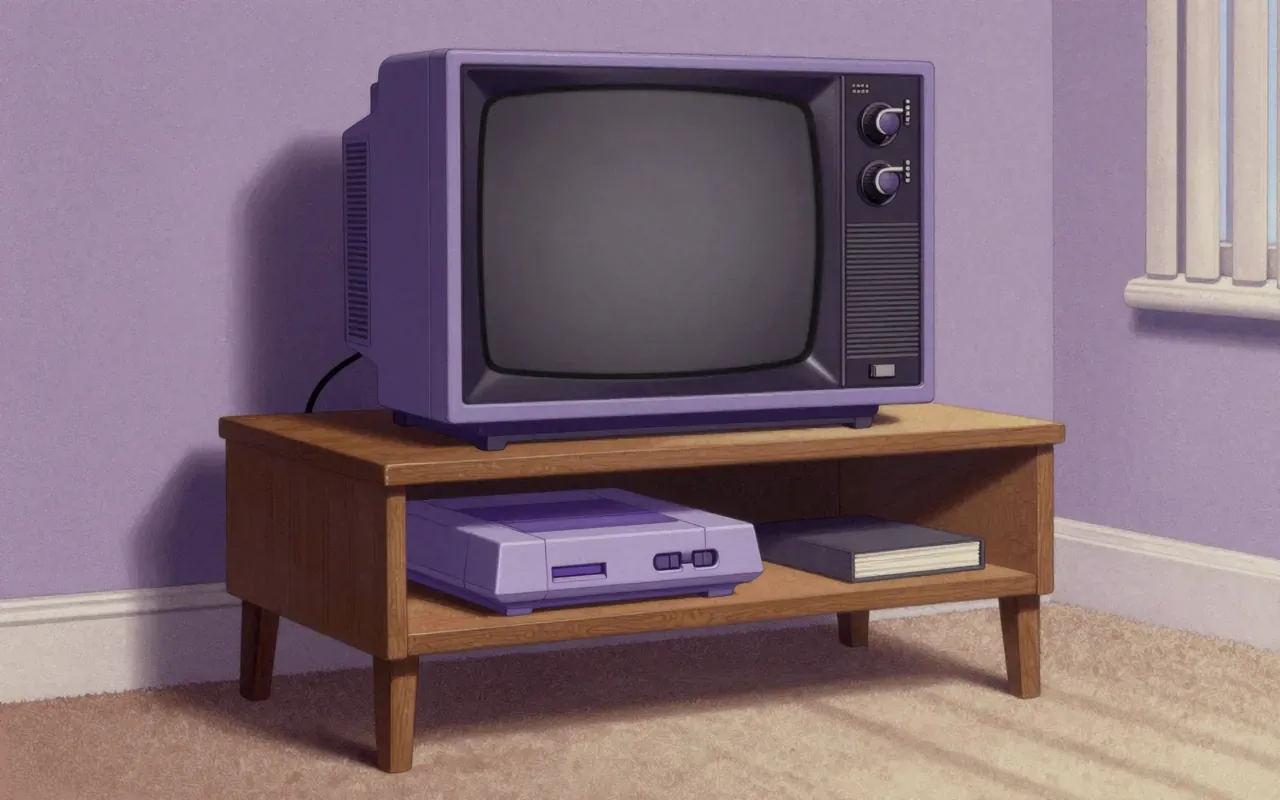
The SNES is a 16-bit fourth-generation home console developed by Nintendo as its second programmable system. Designed by Masayuki Uemura in response to the Sega Genesis and TurboGrafx-16, it launched in Japan on 21 November 1990 as the Super Famicom. Its technical strengths—Mode 7 graphics, eight-channel ADPCM audio, and cartridge-compatible enhancement chips—enabled expressive game design within strict hardware boundaries. It competed directly with the Genesis, achieved rapid early sales (300,000 units sold out in hours in Japan), and reached over 46 million combined units sold by mid-1992. Its life cycle extended until 1999 in the US and 2003 in Japan. It did not deliver true 3D, multitasking, networking, or firmware updates. Its legacy lies in proving that modular, cartridge-based hardware extensions could sustain a platform across a full generation.