9:07in productionCh. 1 · A Mission, Not a Product/ 9:07 · ceiling 15 min
Failures · Hardware
Google Glass
2012
Ubiquitous computing failed because people refused to be constantly watched—even by themselves.
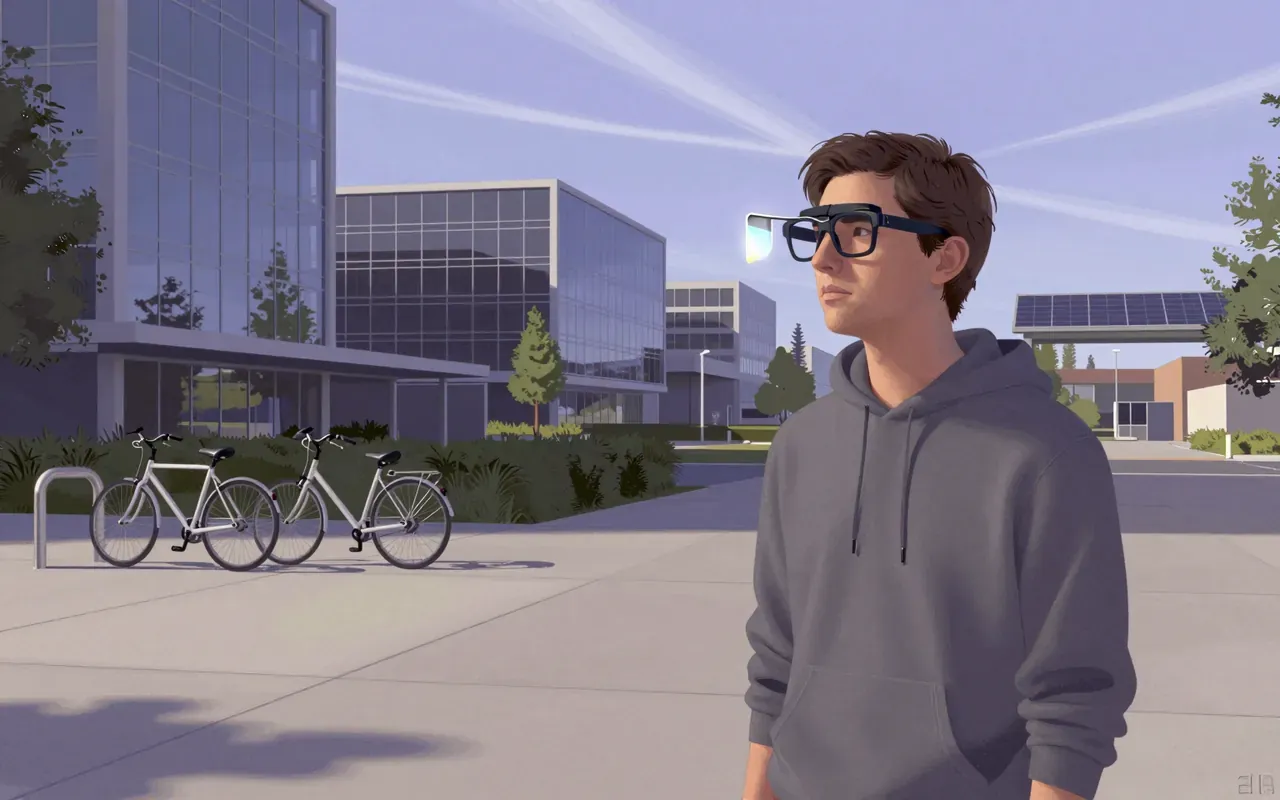
Google Glass attempted to embed computing into daily life using voice, vision, and persistent display. It proved that technical feasibility does not guarantee social viability. Its failure was not in engineering—but in assuming ubiquity could be imposed without consent.
Google Glass wasn’t a product—it was a mission statement: to build a ubiquitous computer.
2:05
What Actually Worked
It worked mechanically: voice commands, HUD display, and a 5 MP / 720p camera all functioned as specified.
3:20
Why It Was Pulled
It failed because its core capability—unannounced recording—clashed with privacy law and social norms.
4:42
The Explorer Launch
Google sold $1,500 prototypes to 'Glass Explorers' from June 27, 2012—before any public release.
5:50
The Short Lifespan
It lasted seven months in the UK and was withdrawn globally in 2015—less than two years after public availability.
Worth your time?
Yes. Study the whole thing.
2.5/ 5
What works
voice command parsing in controlled settings
5 MP image capture
HUD projection via liquid crystal on silicon
What does not
establish a viable wearable platform
resolve ambient recording ethics
justify its $1,500 price point
Study it if
historians of tech culture
product designers studying failure modes
Skip it if
developers building consumer wearables
policy makers seeking live-use cases
The written brief1 min read
What it is and the problem it solves
Google Glass is a discontinued smart glasses platform designed to make computing ubiquitous. It solves no specific user problem better than existing devices; instead, it tests whether constant networked presence can be socially and legally sustainable.
How it works
Google Glass uses a head-up display to project information into the wearer’s field of view. It accepts natural language voice commands to interface with the Internet. It includes an integrated 5 megapixel still/720p video camera.
What works
The hardware functions: voice recognition works in quiet environments, the camera captures usable 5 MP stills and 720p video, and the liquid crystal on silicon display renders legible text. But these capabilities serve a premise that collapsed under scrutiny.
What does not
It does not establish a viable model for ubiquitous computing. The head-up display and voice interface failed to overcome social friction or legal ambiguity around recording. Privacy concerns were structural, not cosmetic.
What it changes
It changed public expectations of wearable surveillance. It forced regulators, venues, and developers to confront ambient recording as a default—not an exception.
Is it worth your time
No. It was discontinued in 2015 after failing to resolve privacy backlash and cost barriers. Its mechanism did not scale beyond demonstration.

Up next in Technology
Google Search
1997 · 10:12
Google Search didn’t organise the web—it redefined authority as a function of linkage, then language, then generation.