Crucial
Crucial was the brand under which Micron Technology sold its consumer memory and storage products, until the brand was discontinued in 2026.

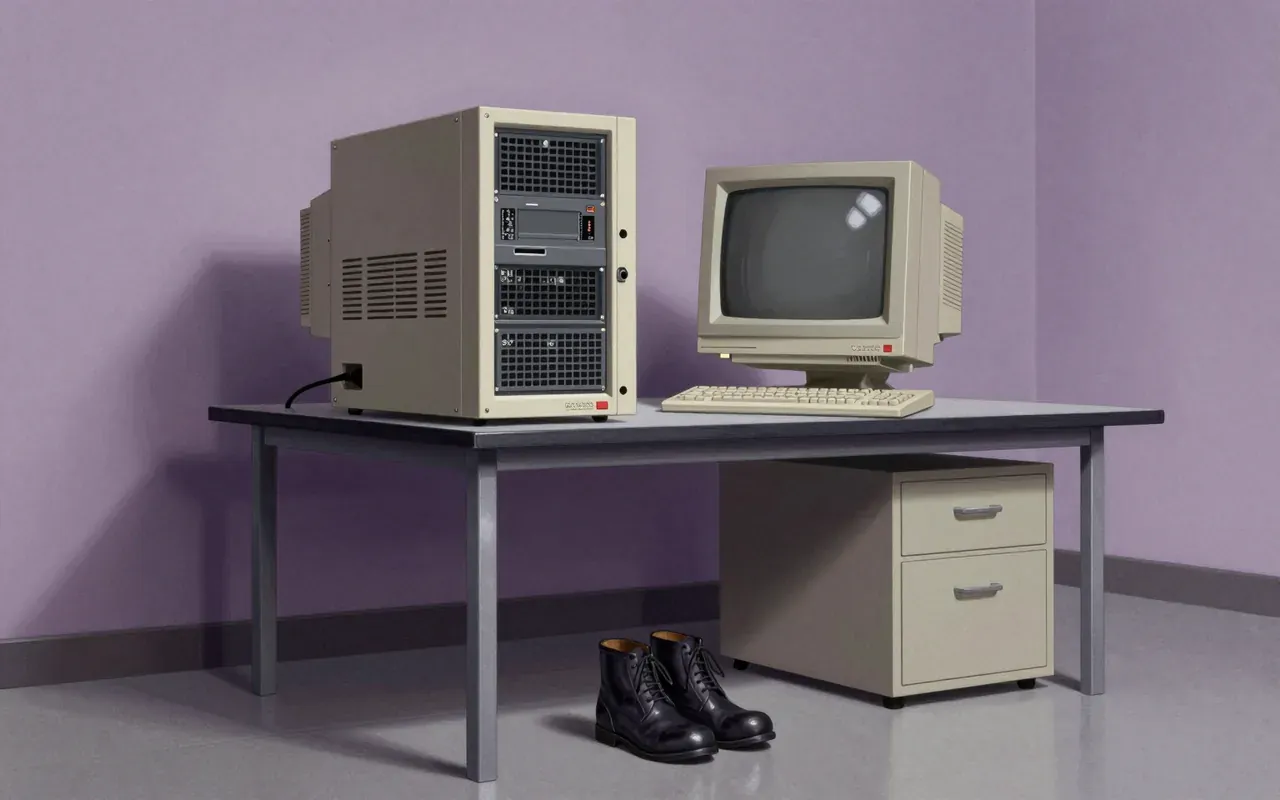
Silicon Graphics built the first practical hardware-accelerated 3D graphics systems. Its Geometry Engine — designed at Stanford under ARPA — delivered ~6 million geometry operations per second. It pioneered scalable cc-NUMA architectures in the mid-1990s. But its reliance on proprietary MIPS and failed transitions to Itanium and Xeon eroded its position as PC graphics commoditised. It filed for bankruptcy in 2009.
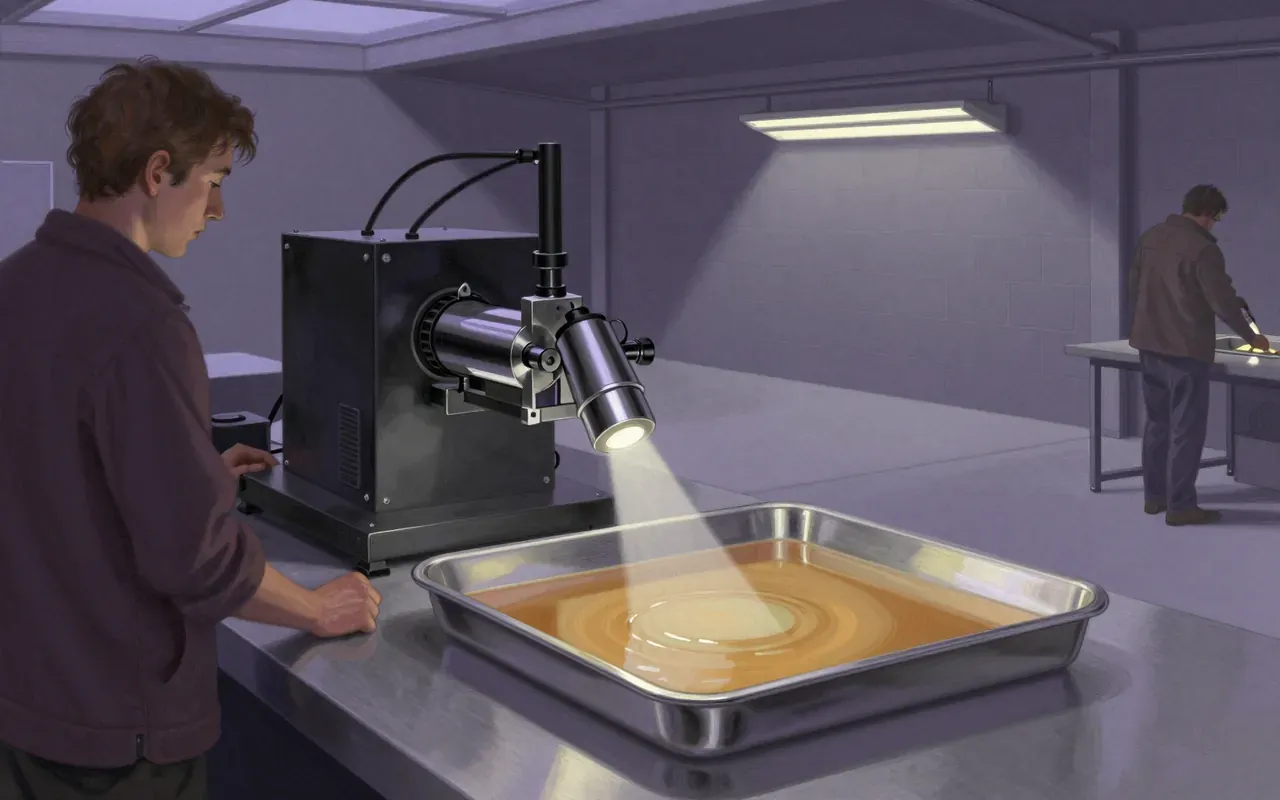
Chuck Hull’s stereolithography system is the origin point of digital additive manufacturing—not because it printed everything, but because it defined how digital models become physical things: via slicing, STL, and controlled solidification. It works for prototyping. It fails for production. Its legacy is infrastructural, not material.

AirPods are Apple-designed wireless Bluetooth earbuds announced 7 September 2016 and launched 20 December 2016. They use optical sensors and accelerometers to detect ear placement and pause audio automatically. A proprietary W1 SoC chip enables efficient Bluetooth 4.2 audio and battery management. Full feature support requires iOS 10, macOS Sierra or watchOS 3 or later. On non-Apple devices, they function only as standard Bluetooth headphones. Within two years, they became Apple’s most popular accessory.
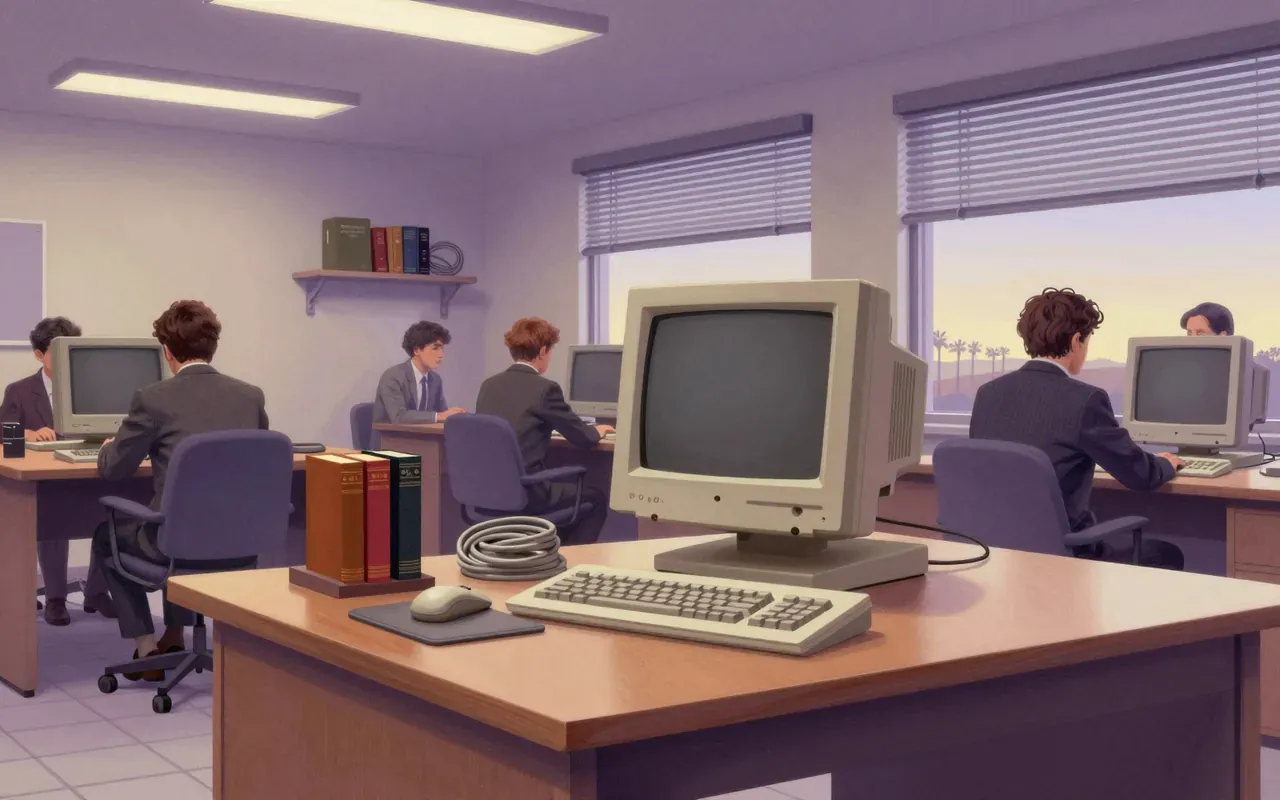
The Macintosh 128K delivers a complete graphical interface in a sealed, unexpandable box. It works by tightly integrating hardware and firmware — not by scaling up, but by locking down. Its success comes from constraint, not capability.

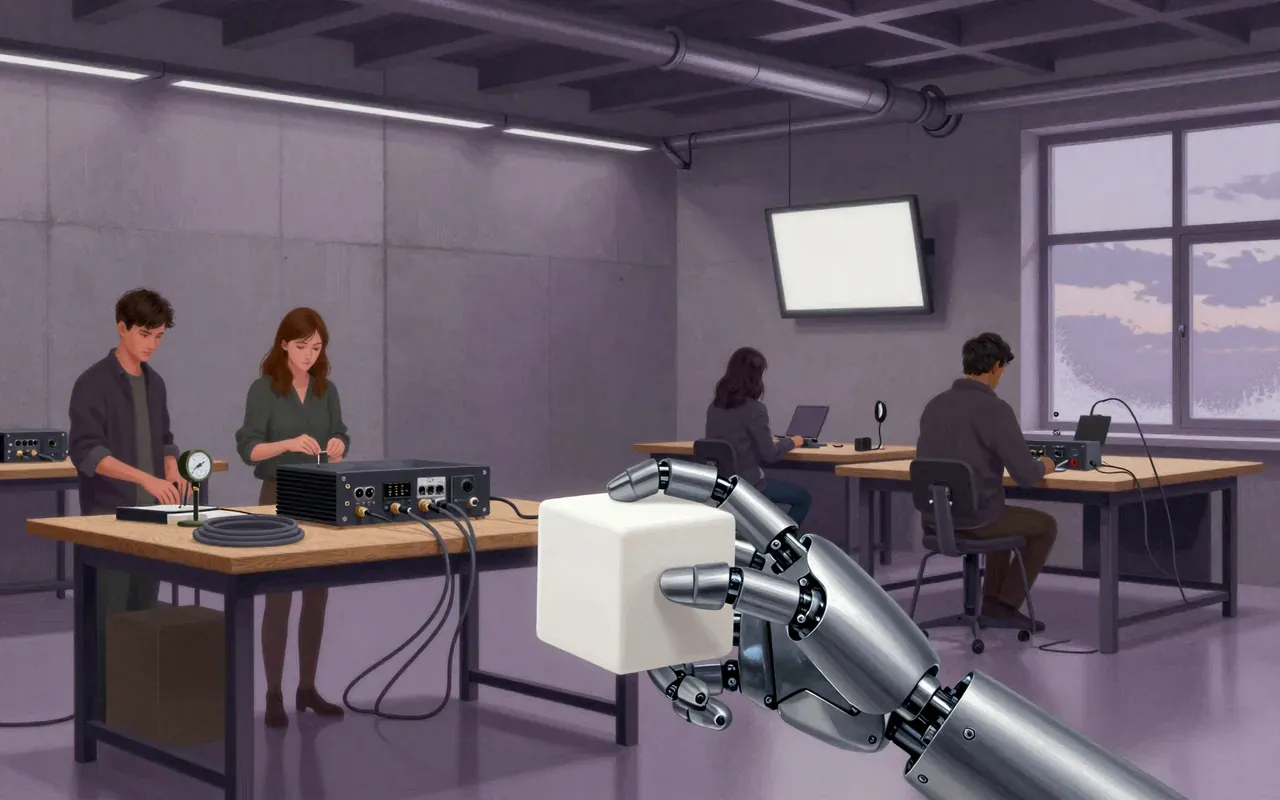
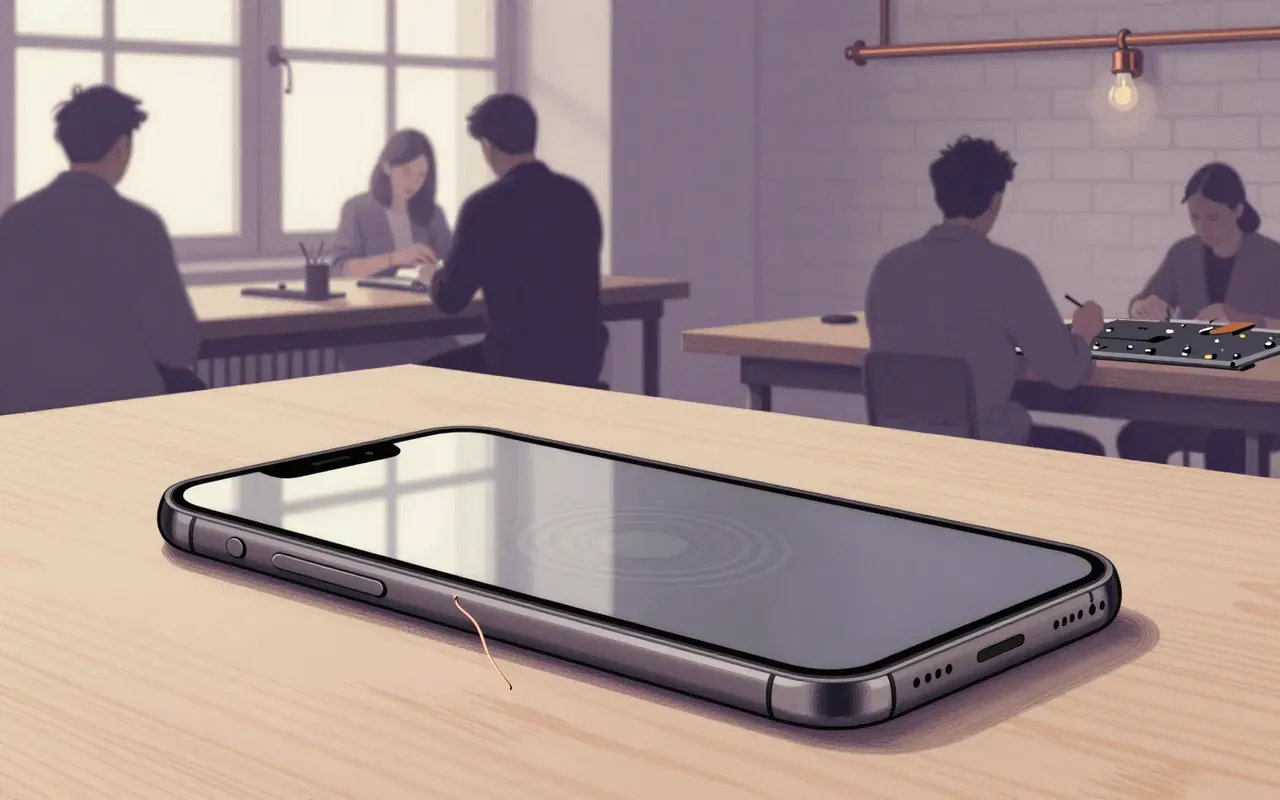
Capacitive sensing is not an invention by E.A. Johnson. He is a Canadian ecologist whose work concerns climate change, fire management, and geoscience-ecology interfaces. Capacitive sensing is an engineering method with no documented link to him. The technology relies on measurable electric field disruption—not intuition, ecology, or field observation.
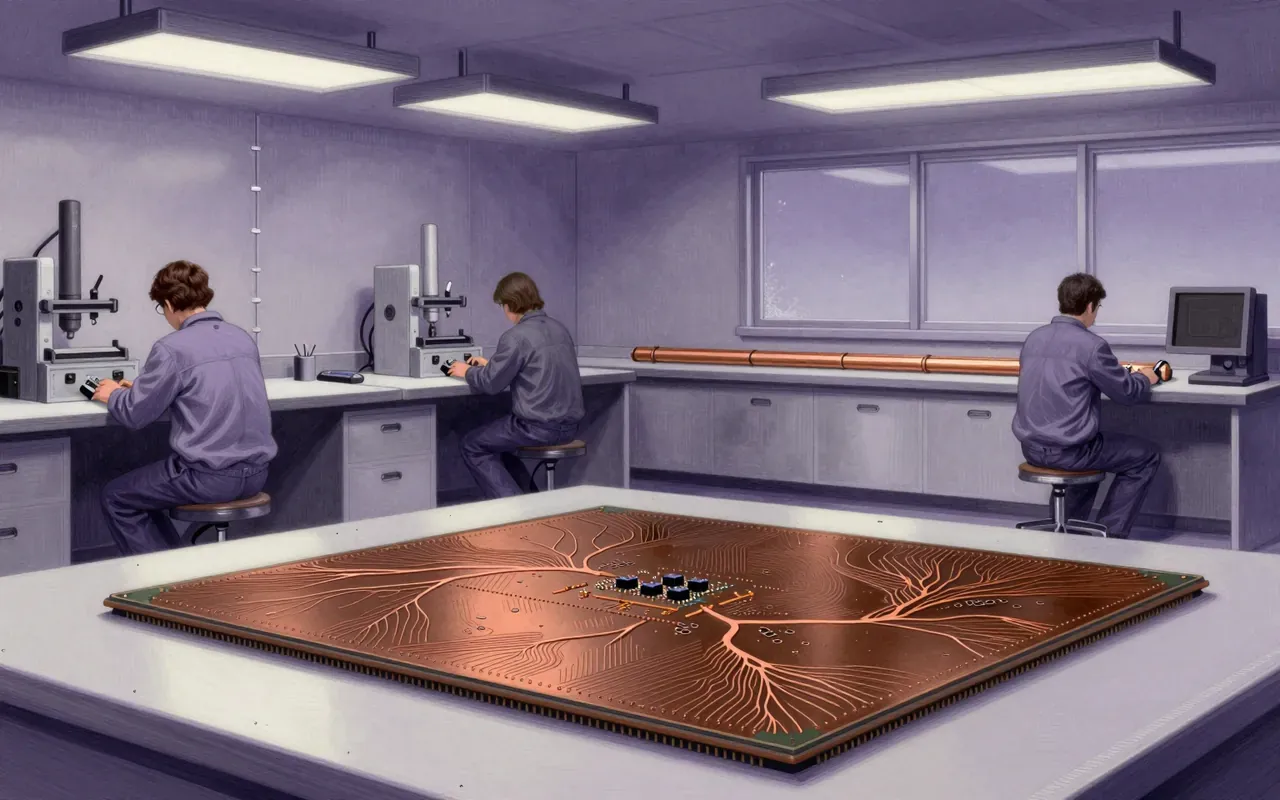

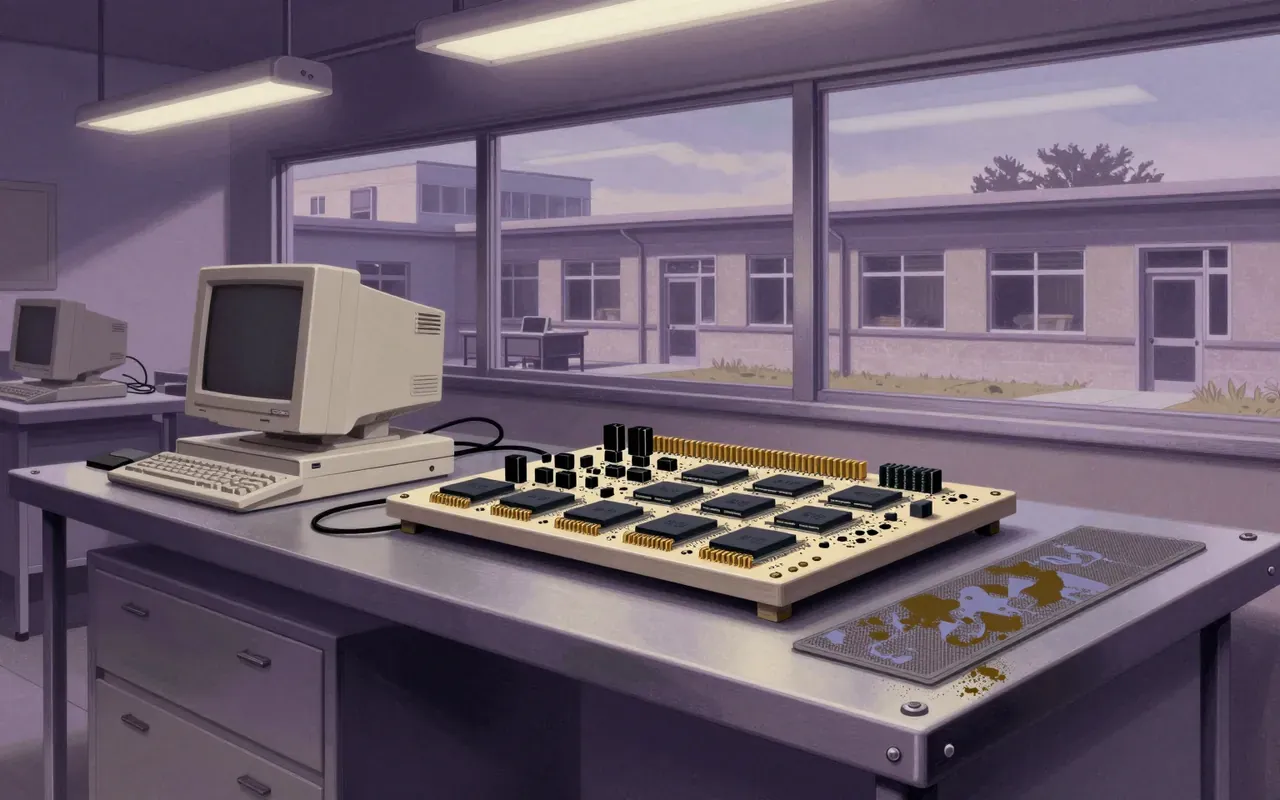
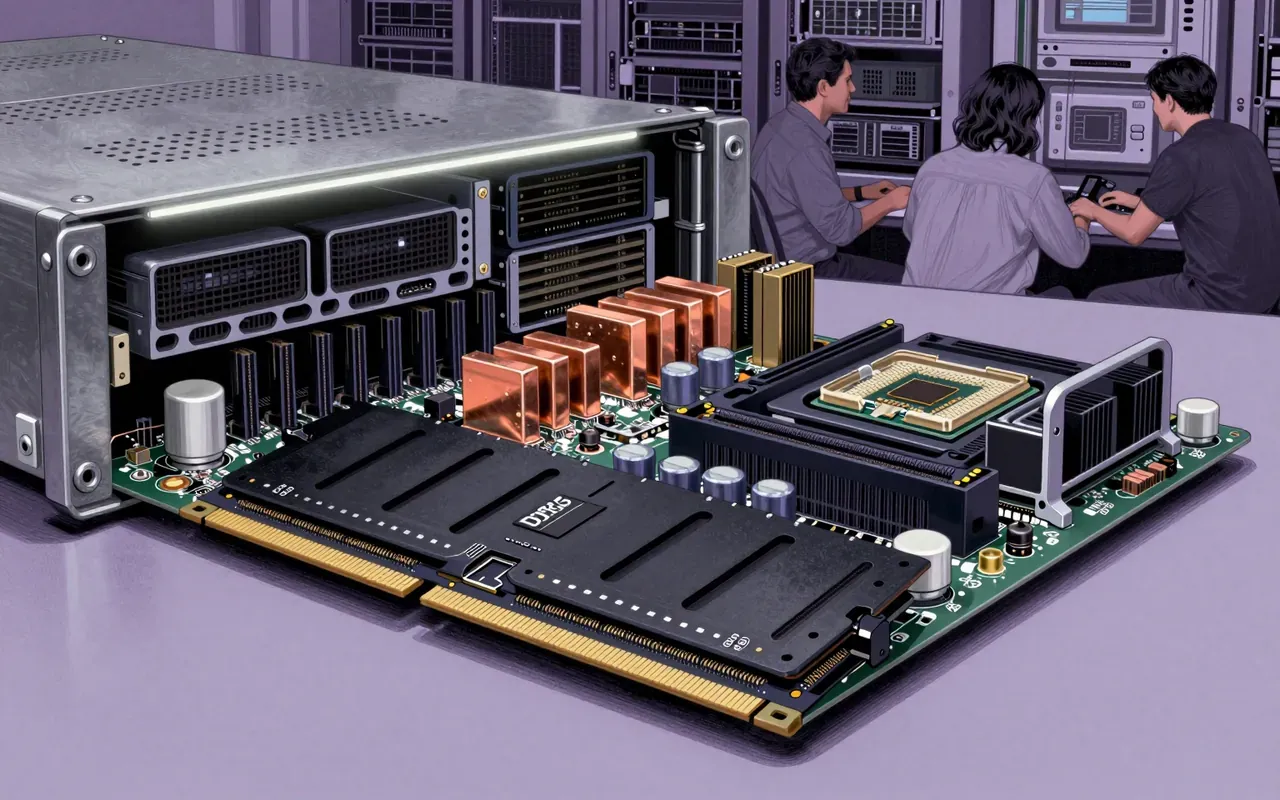
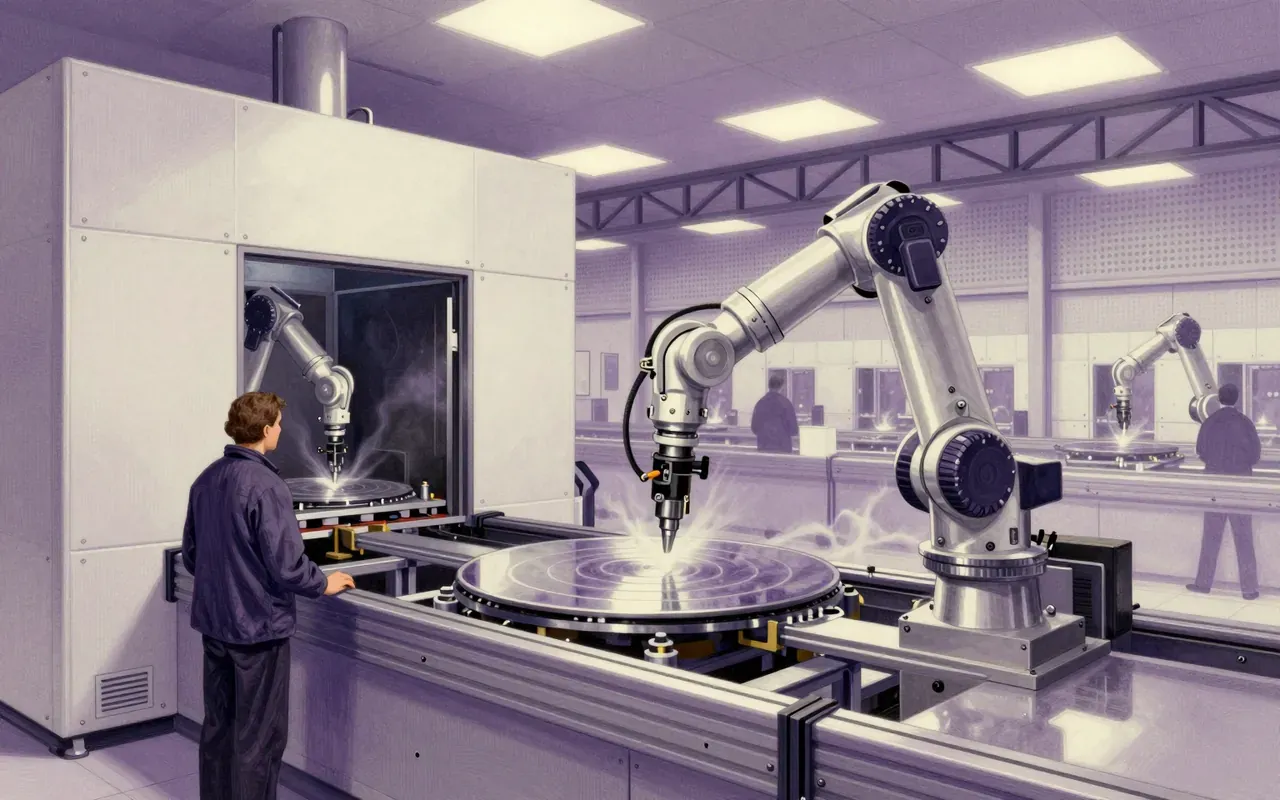


Fused filament fabrication is fused deposition modeling repackaged: same thermoplastic extrusion mechanism, same 1988 origin, same patent. RepRap renamed it to escape Stratasys’ trademark. Its real impact arrived only after the 2009 patent expiry enabled open hardware development. It delivers functional prototypes—not precision parts. It trades repeatability for accessibility.
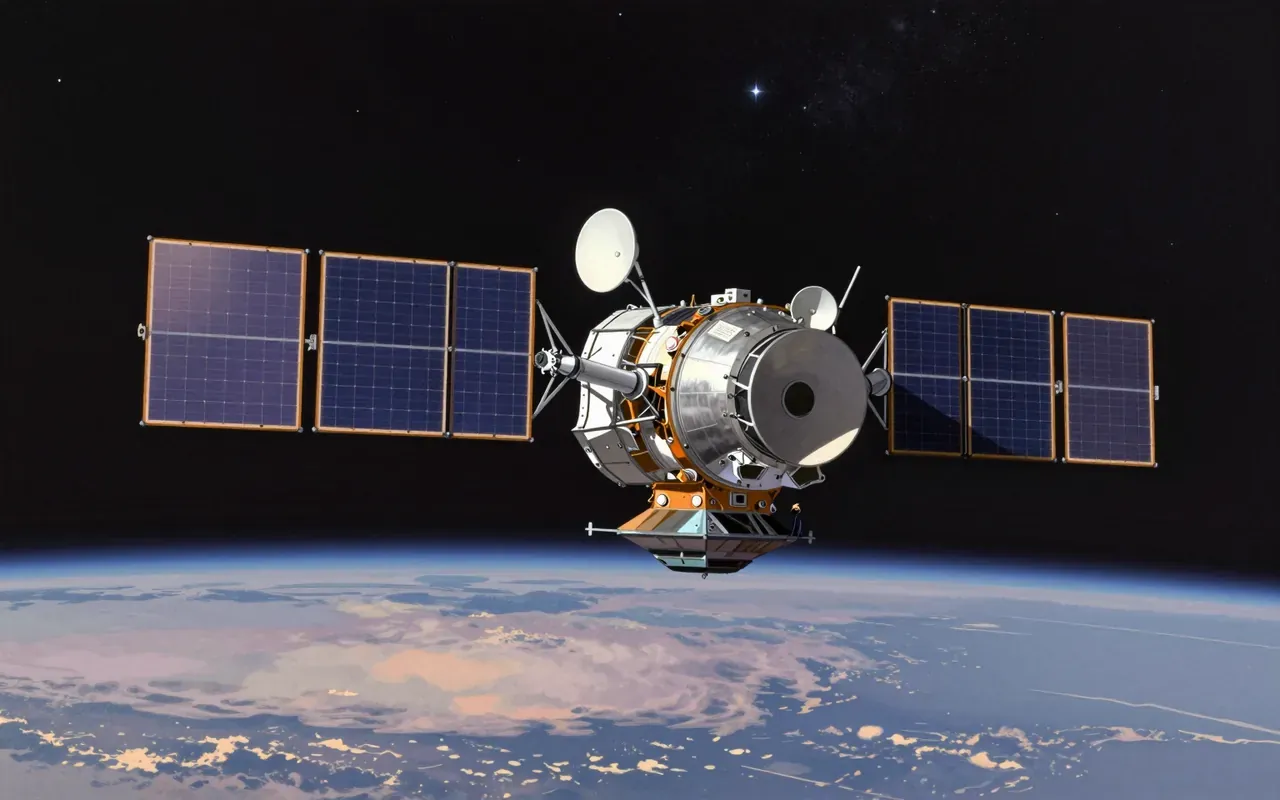
GPS signals are a U.S. Department of Defense standard defining CDMA-based ranging signals and structured navigation messages. They enable position and time determination—but only if receivers correctly decode Gold codes, resolve millisecond ambiguities, and parse ephemeris data. The standard delivers what it promises: signal formats. It does not deliver accuracy, reliability, or resilience.
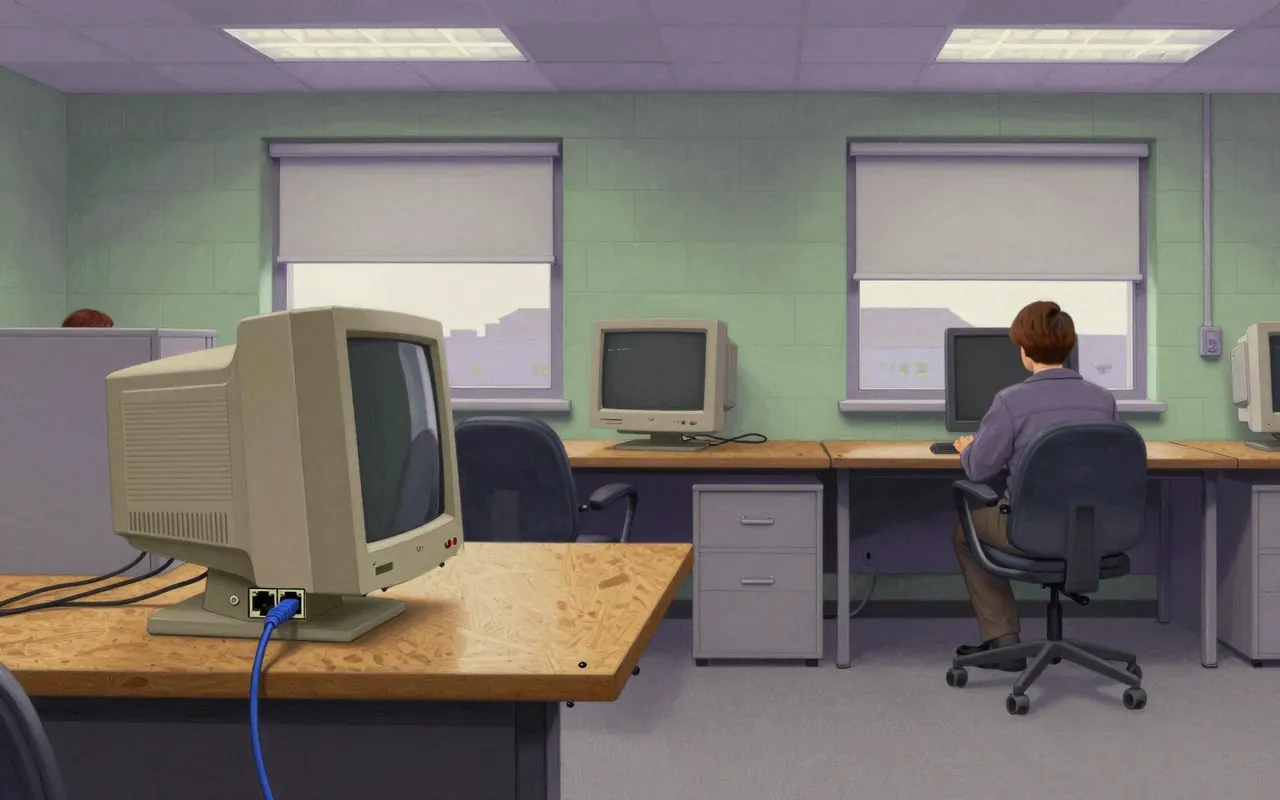
IEEE 802.3 standardises wired Ethernet’s physical and MAC layers using CSMA/CD. It succeeded by enabling interoperability—not speed or novelty. Its mechanism became obsolete before the standard did. It remains essential infrastructure, not evolutionary architecture.



Magnetic tape is a plastic-backed iron-oxide medium for analog sound recording. It solved portability and repeatability in audio capture—replacing wire—but required mechanical precision, careful handling, and post-war reverse-engineering to spread. Its value lies not in fidelity alone, but in making recorded sound a transportable, storable, and re-broadcastable commodity.


RISC-V is a free and open instruction set architecture developed in 2010 at UC Berkeley. Its specifications were published openly in 2011 and stewardship transferred to RISC-V International in 2015. It enables royalty-free processor design—but does not eliminate the engineering, tooling, or ecosystem work required to deploy it.



Blu-ray delivered on its central promise: 1080p video on a 50 GB optical disc, using a blue laser. It beat HD DVD not through superiority but through earlier hardware shipments, studio backing, and Toshiba’s withdrawal. It did not solve physical media’s cost, fragility, or obsolescence—and never replaced streaming for most users.

The spinning mule is a hybrid spinning machine invented by Samuel Crompton between 1775 and 1779. It combines Arkwright’s roller drafting with Hargreaves’s moving carriage to produce strong, thin, uniform yarn—specifically for muslin—using an intermittent draw-and-wind process. Its first version had 48 spindles and produced one pound of 60s thread daily. It raised yarn value sharply: 80s thread sold for 42 shillings per pound versus 14 shillings for coarser 40s. But its stop-start operation limited throughput and required manual intervention for clamping and reversal—making it powerful for quality, not speed.
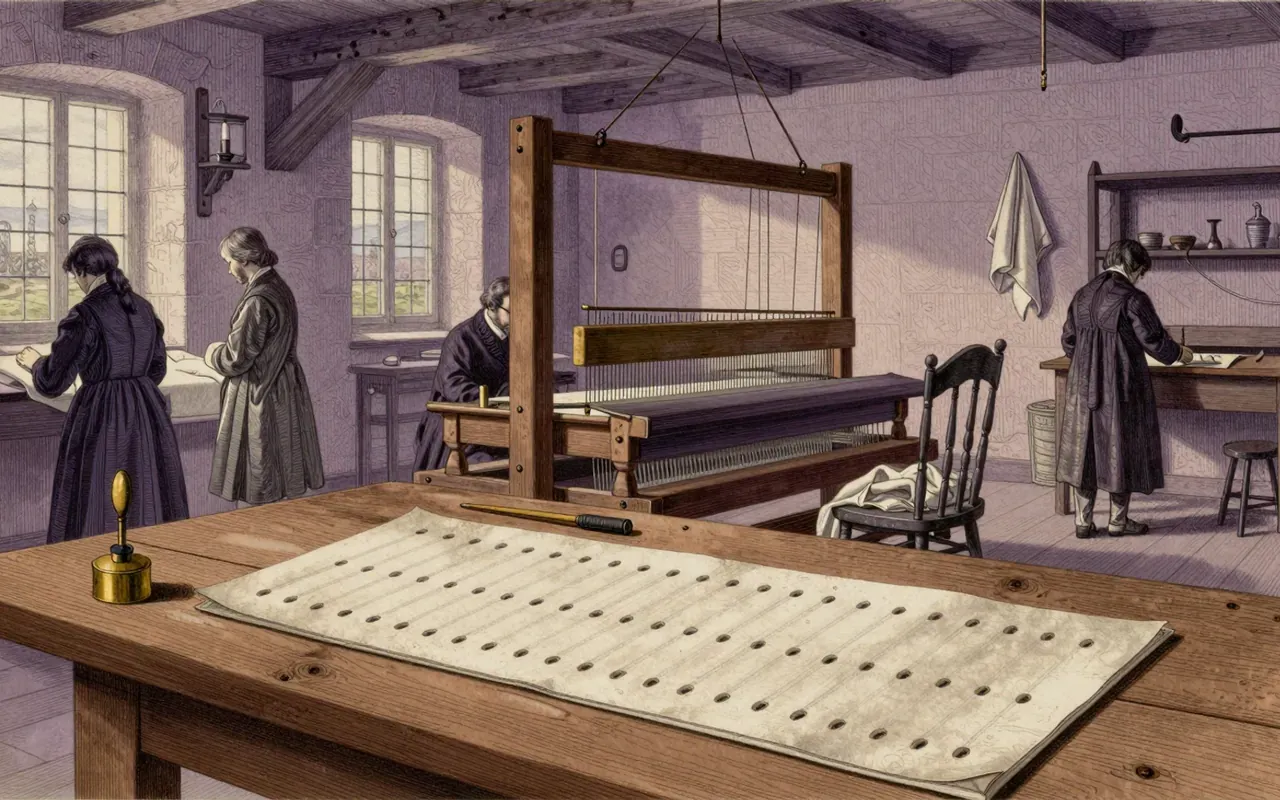
The Jacquard machine automated textile pattern weaving using replaceable punched cards — each encoding one row — to control warp threads individually. It improved fabric definition by drawing the figuring shed on every shot, not every fourth. It built directly on Bouchon, Falcon and Vaucanson, replaced Vaucanson’s paper strip with Falcon’s card chain by 1805, and was declared public property that year. Its use of external, swappable instructions influenced Babbage and became a conceptual precursor to programming — though it performed no computation, stored no state, and had no logic.

The Wii is Nintendo’s seventh-generation home video game console, launched in November 2006. It prioritises accessible motion-based interaction over computational power. Its innovation is the Wii Remote—using MEMS accelerometers and infrared sensors for gesture recognition and pointing—supported by the Sensor Bar. It introduced native Internet connectivity (802.11b/g Wi-Fi and Bluetooth), digital distribution via the Wii Shop Channel, and backward compatibility with GameCube software and accessories in early models. It achieved massive commercial success—over 101 million units sold by 2016—by appealing to non-traditional audiences through intuitive controls, low price, and family-friendly software like Wii Sports. Its hardware uses off-the-shelf components, prioritising cost efficiency and energy savings over high-definition graphics or processing power.
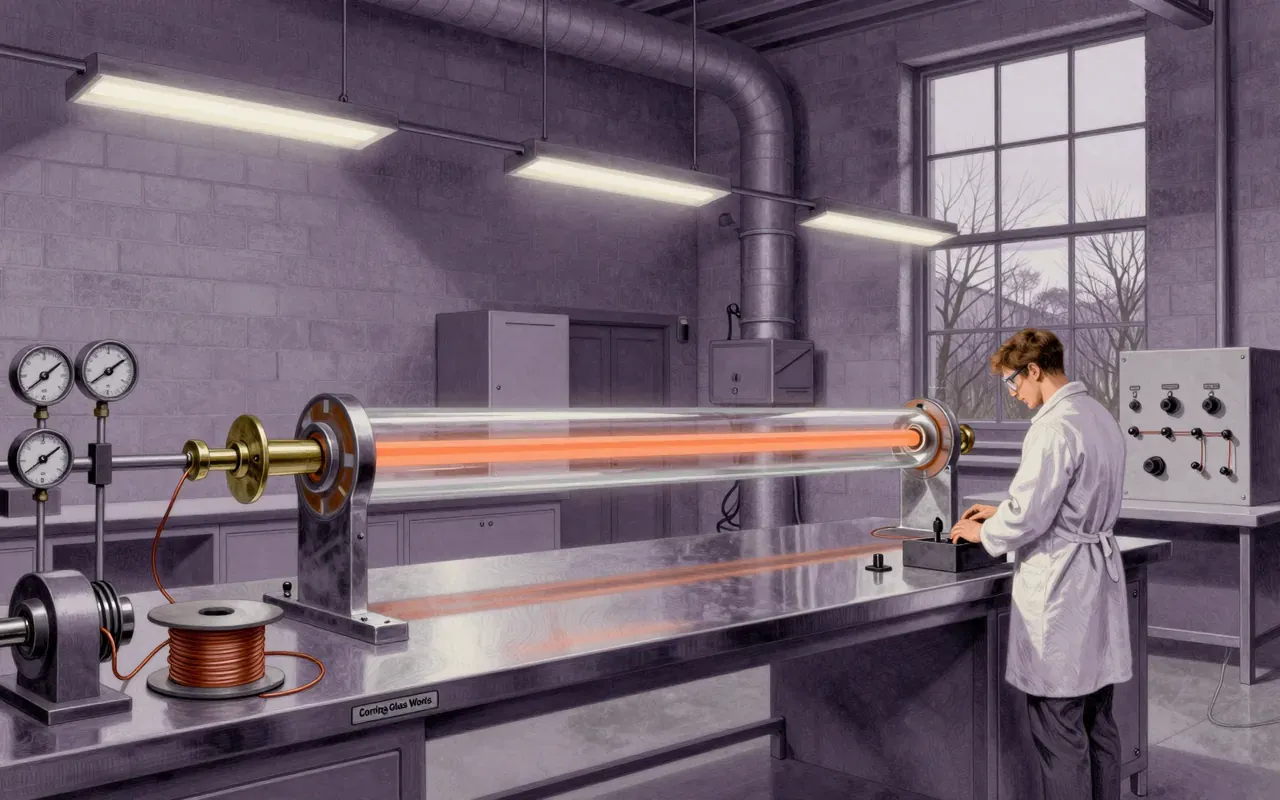
Kao and Hockham redefined optical fibre from a failed material into an engineering challenge. They showed attenuation was removable—not fundamental. That shifted R&D from ‘can we?’ to ‘how clean can we get?’. Corning hit 20 dB/km in 1970. Kao measured 4 dB/km in fused silica in 1969. Single-mode fibre became standard—but only after decades of laser and amplifier development. The invention is the insight, not the cable.

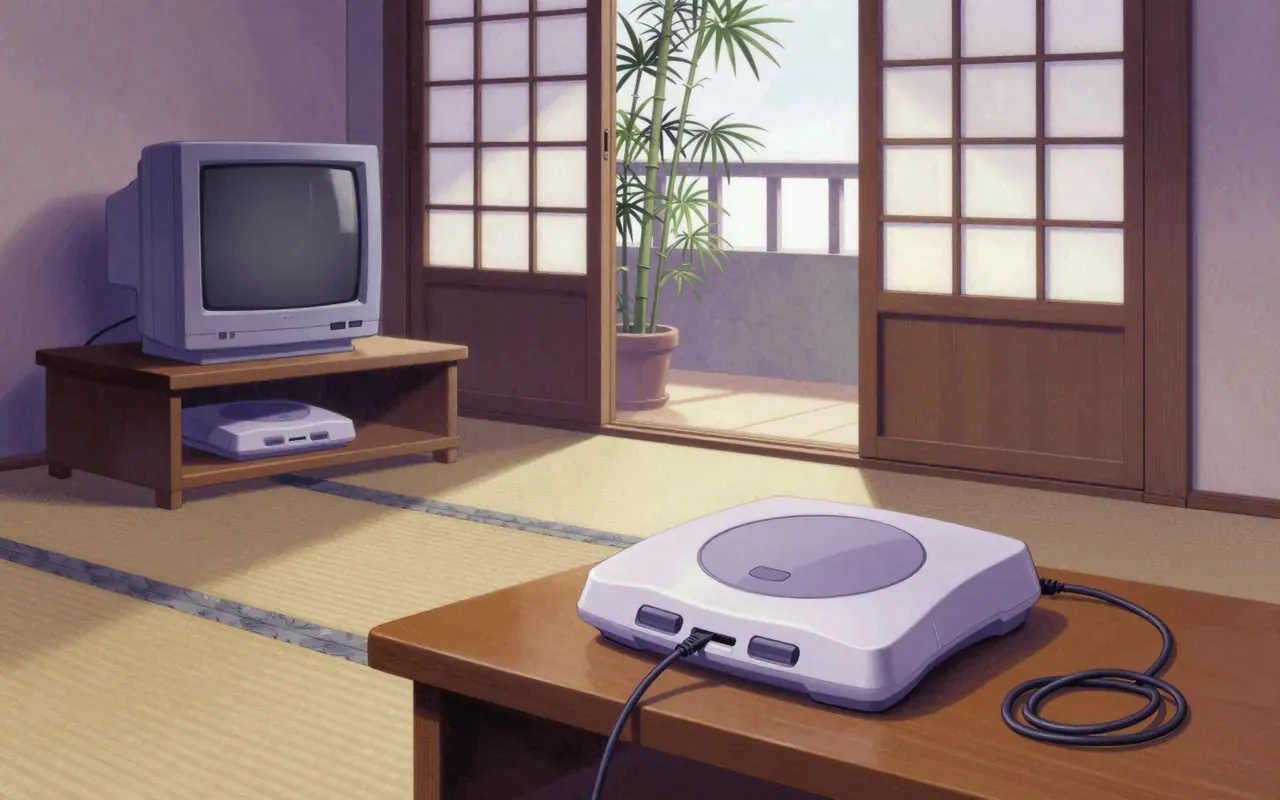
The Dreamcast was Sega’s final home video game console. It launched in Japan on November 27, 1998, and globally in late 1999. It used off-the-shelf components, shared hardware with the NAOMI arcade board, avoided DVD licensing with GD-ROM, and shipped with a built-in dial-up modem — the first console to do so. It achieved strong initial sales: 150,000 units sold out in Japan on day one; over 225,132 sold in North America in 24 hours; more than 500,000 in two weeks; and 31% of US video game revenue by Christmas 1999. But momentum collapsed in 2000. Competition from PlayStation 2 and Xbox, weak third-party support, and financial strain forced Sega to discontinue the console on March 31, 2001 — ending its hardware business. Total sales: 9.13 million units. Games released: over 600.

The ZX Spectrum is an 8-bit home computer developed by Sinclair Research and launched in Britain on 23 April 1982. It prioritised low cost, simplicity, and compactness—using minimal components and transmitting video to televisions while loading software from audio cassettes. Its name highlighted its colour display, a key upgrade over the monochrome ZX81. Rick Dickinson designed its iconic case, rainbow motif, and rubber keyboard. Development began in September 1981, reusing parts from earlier models to accelerate production and reduce cost. The hardware centred on the Zilog Z80 microprocessor running at 3.5 MHz.
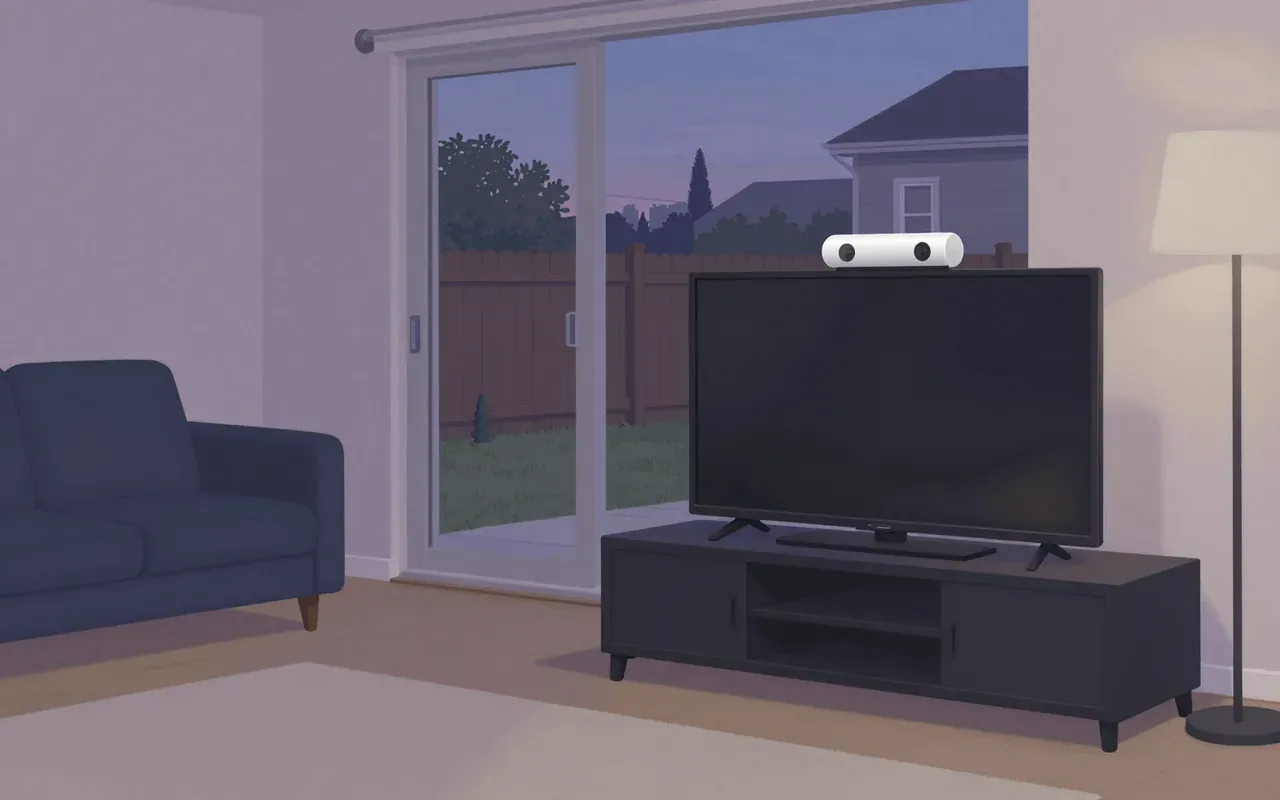
PlayStation VR is a tethered virtual reality headset developed by Sony Interactive Entertainment and released in October 2016. It requires a PlayStation 4, uses camera-based tracking via nine LEDs, and enforces a minimum 60 fps across all software. It sold at least 5 million units before being succeeded by PlayStation VR2 in 2023.

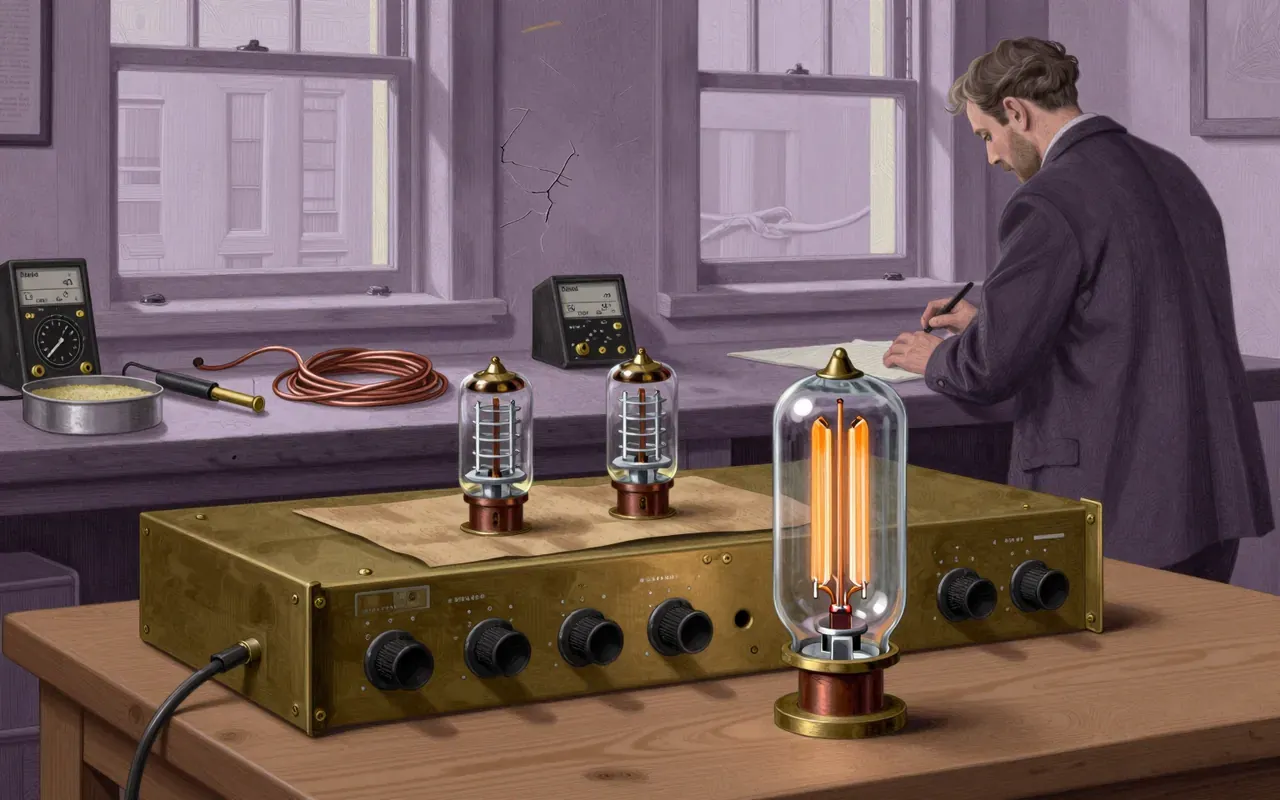
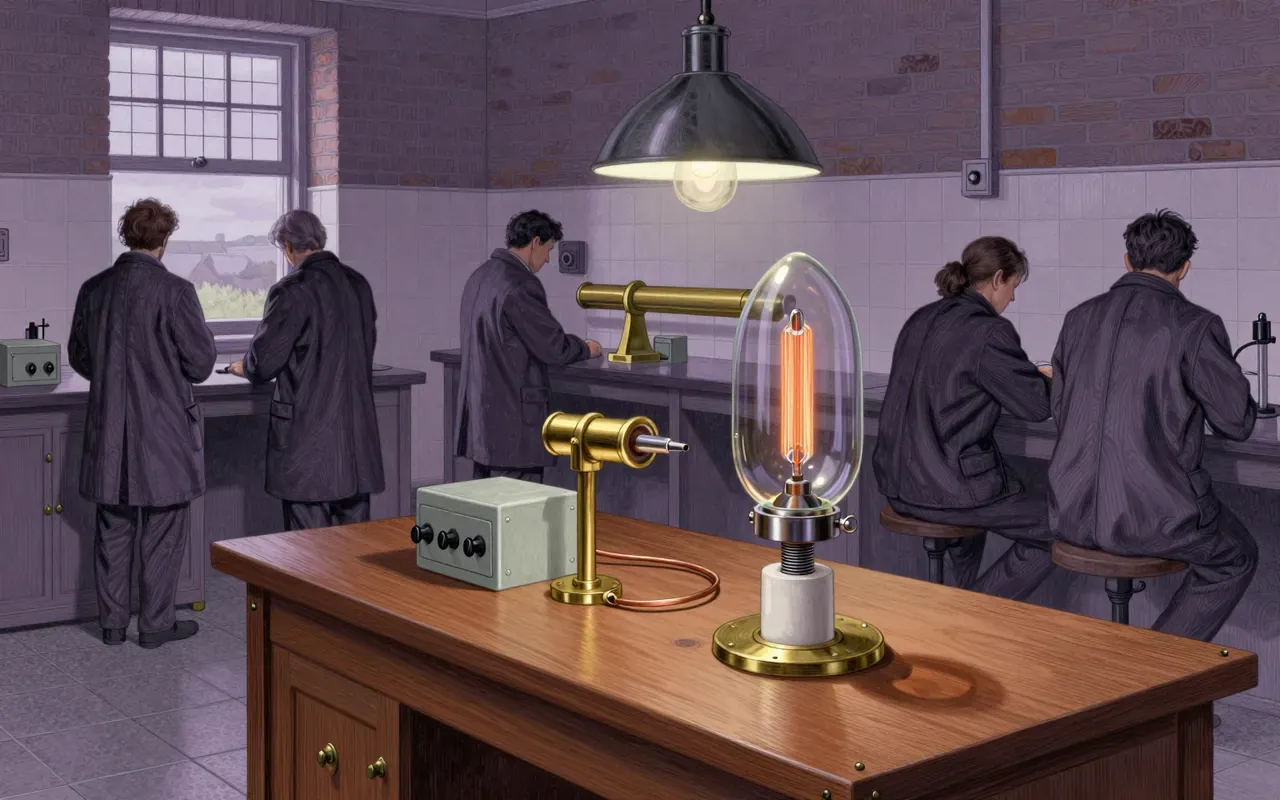
Lee de Forest’s triode valve amplifier is the first electronic amplifying device. It uses a control grid to modulate current flow. It first regenerated long-distance telephony signals. It amplified radio signals only slightly. It required residual gas and was initially unreliable. It enabled radio broadcasting, telephony, television, and computing.

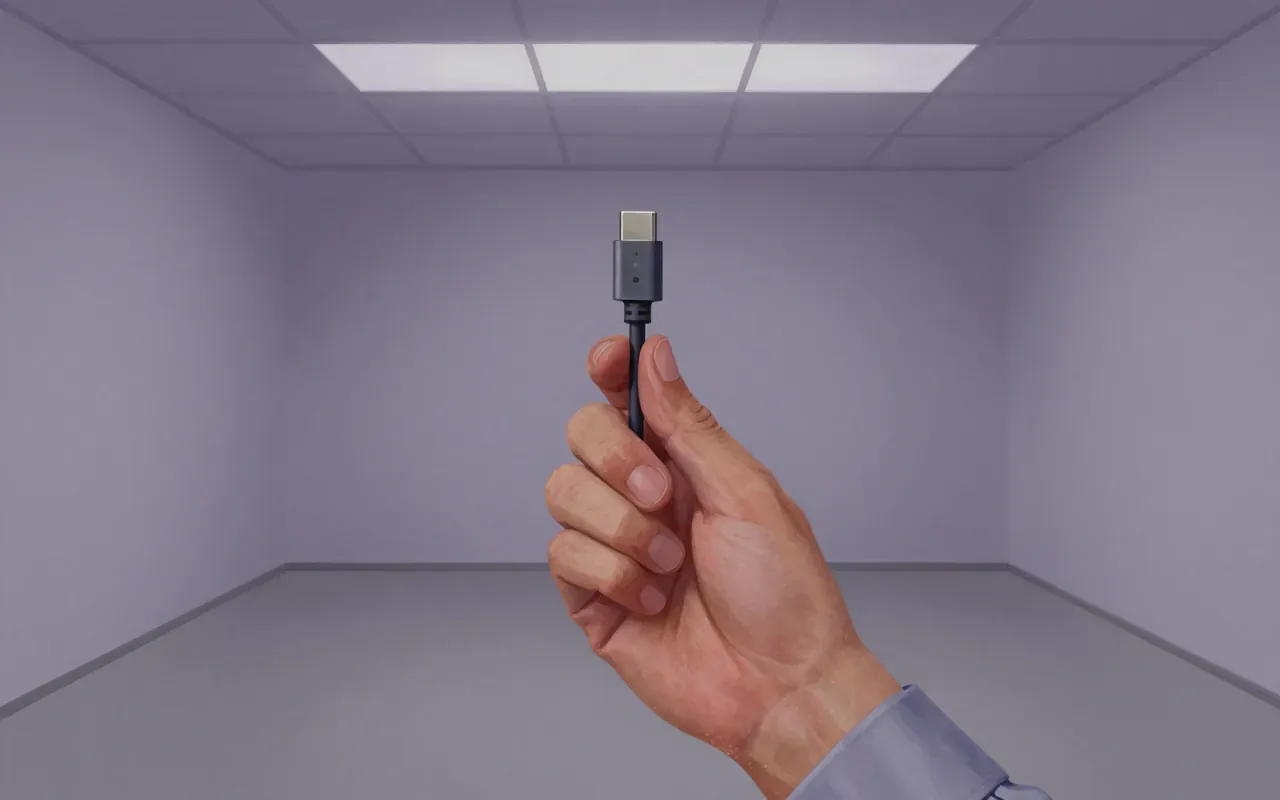
USB-C is a 24-pin reversible physical connector standardised by the USB-IF in August 2014. It replaces all prior USB connectors—designated legacy that year—and also supplants Mini DisplayPort and Lightning as a physical interface. Its capabilities depend entirely on supporting protocols (e.g., USB 3.2, USB4, Thunderbolt) and optional features like Power Delivery and Alternate Modes. USB4 (2019) is the first USB protocol usable only over USB-C. The standard mandates mechanical reversibility and symmetry but delegates electrical and logical behaviour to the Configuration Channel and external specifications. Compliance, certification, and security extensions—including Authentication and E-Marker chips—are defined across multiple revisions.

FM broadcasting is a noise-resilient analog transmission method that trades bandwidth for fidelity and static immunity. Armstrong engineered it deliberately—not as an evolution of AM, but as its functional alternative. Its mechanism works. Its early promise did not. Its regulatory impact did.

The chain drive is a mechanical transmission system using a roller chain and sprockets to move torque across distance. Hans Renold’s 1880 bush roller chain solved critical wear and slippage problems of earlier pin-and-link designs—and became the basis for all modern precision roller chains. It enables adjustable gear ratios and higher torque via duplex configurations. But it inherently produces speed variation (chordal effect) due to discrete link engagement. Its first commercial validation came in James Starley’s tricycles using his 1877 differential. It remains essential hardware—not legacy tech—where reliability, torque and spacing outweigh the need for constant velocity.



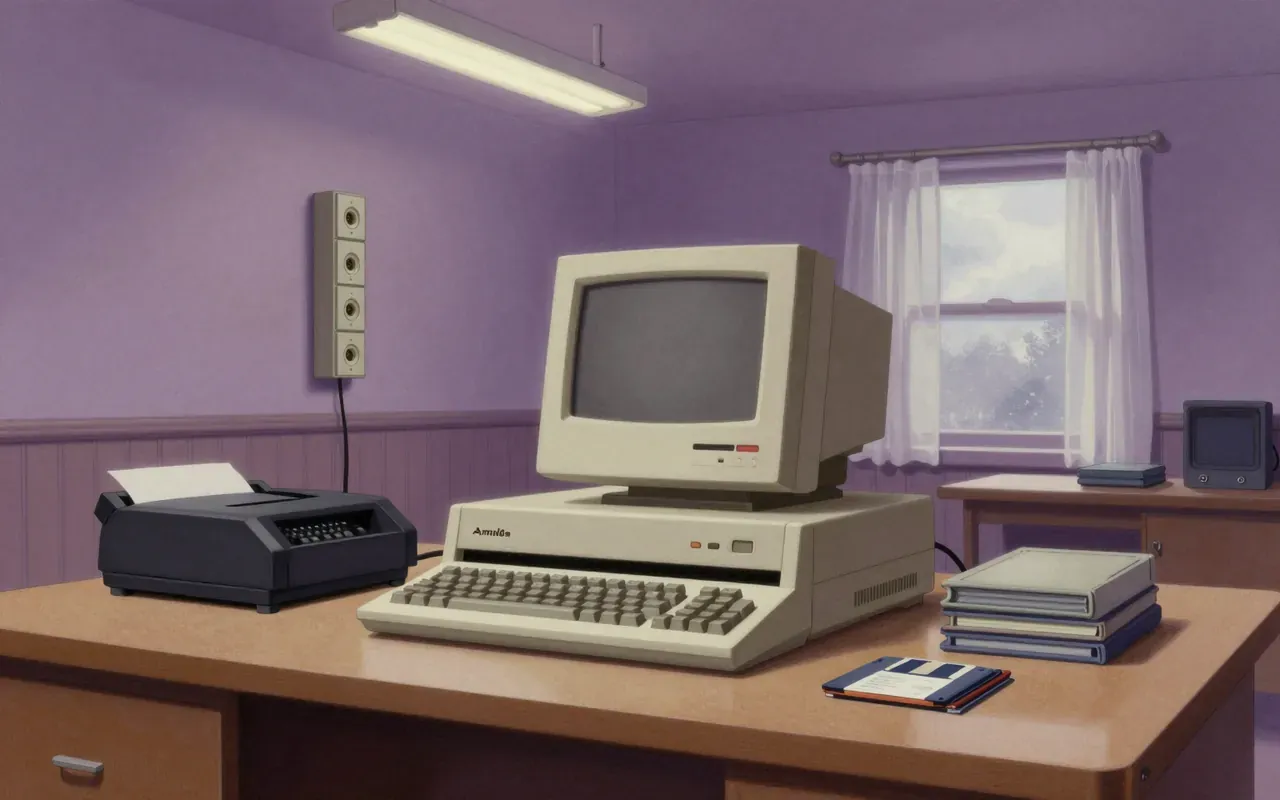







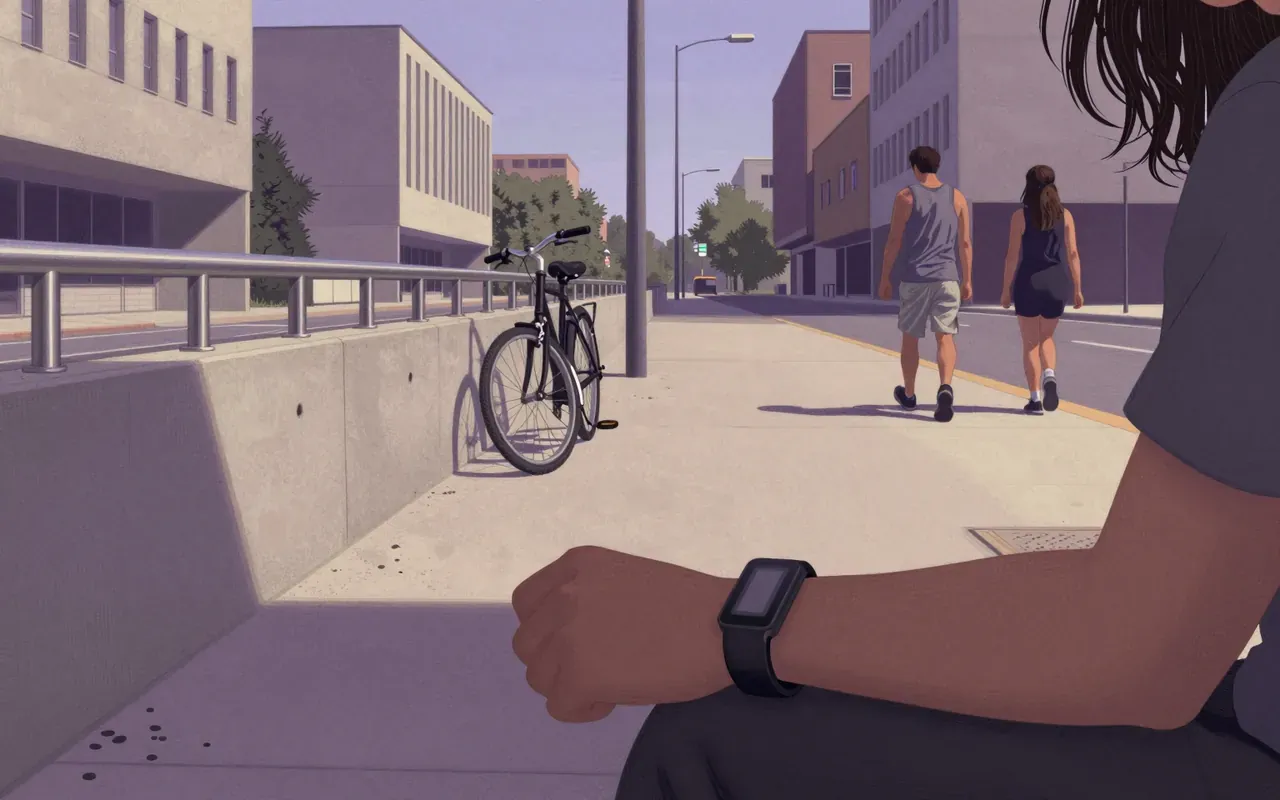
Fitbit is a hardware product that delivers verified, location-dependent accuracy for step counting and heart rate—but fails at wrist-based calorie estimation and caused documented allergic reactions. It changed consumer expectations for passive tracking, not clinical standards.


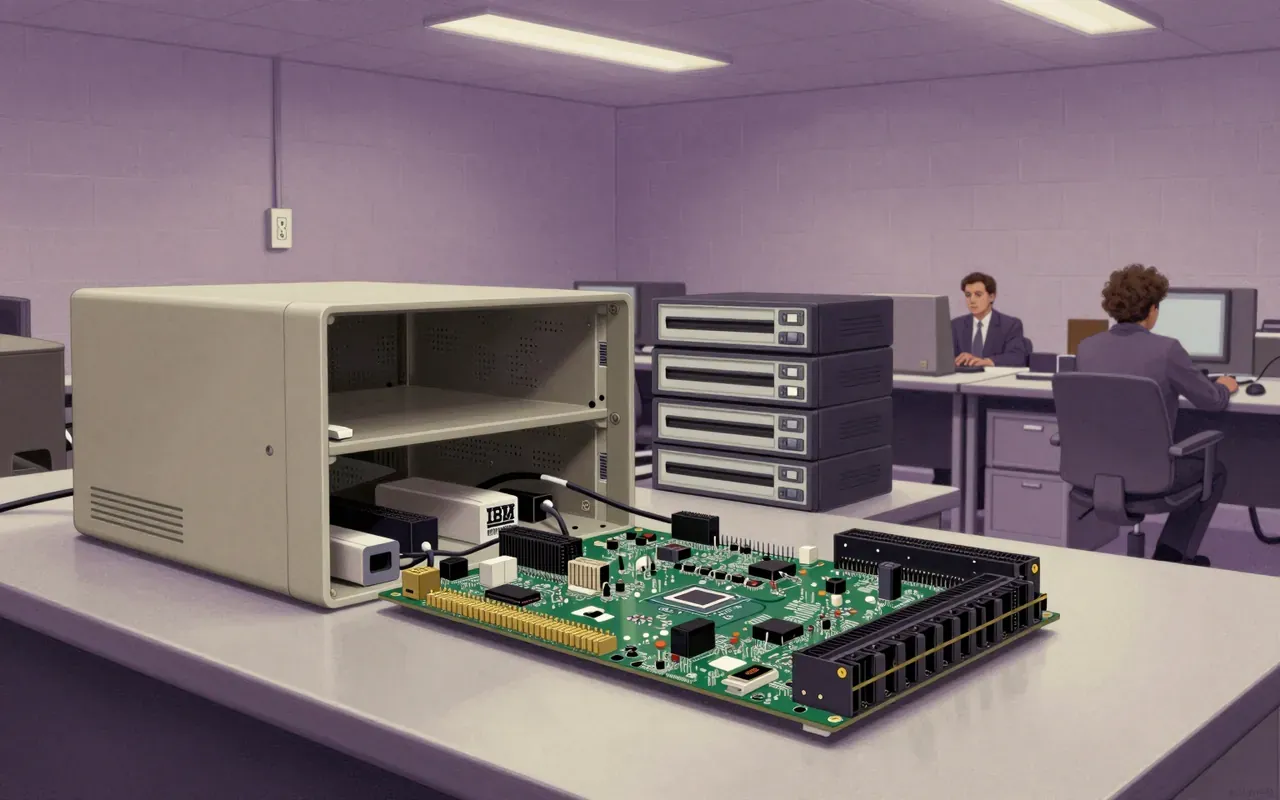
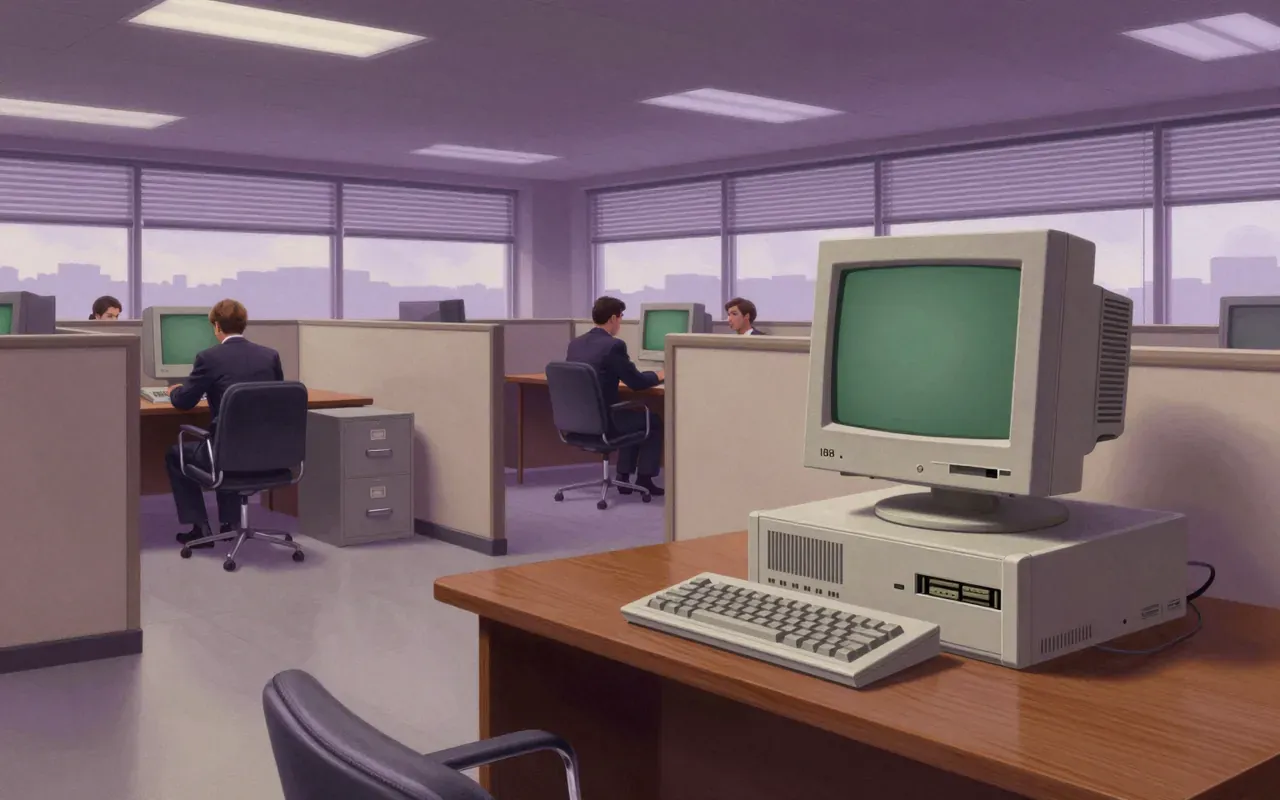
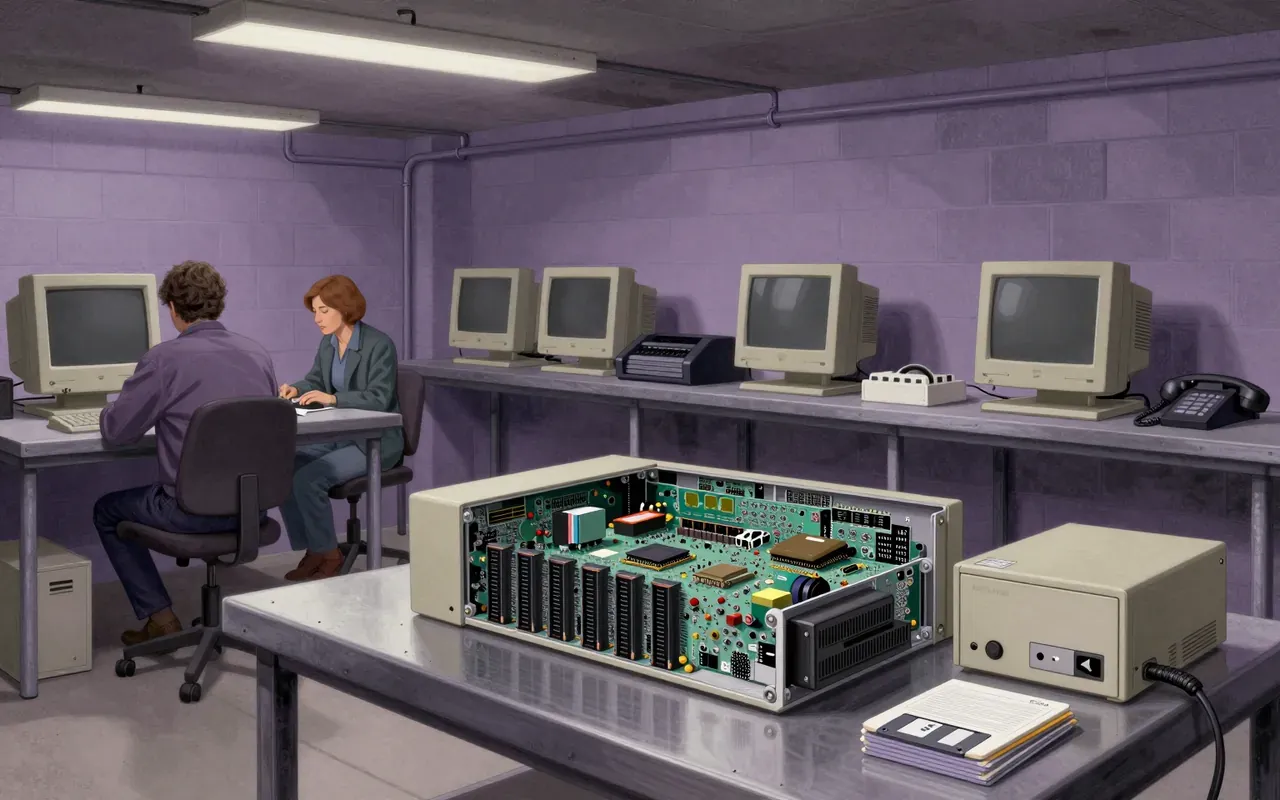











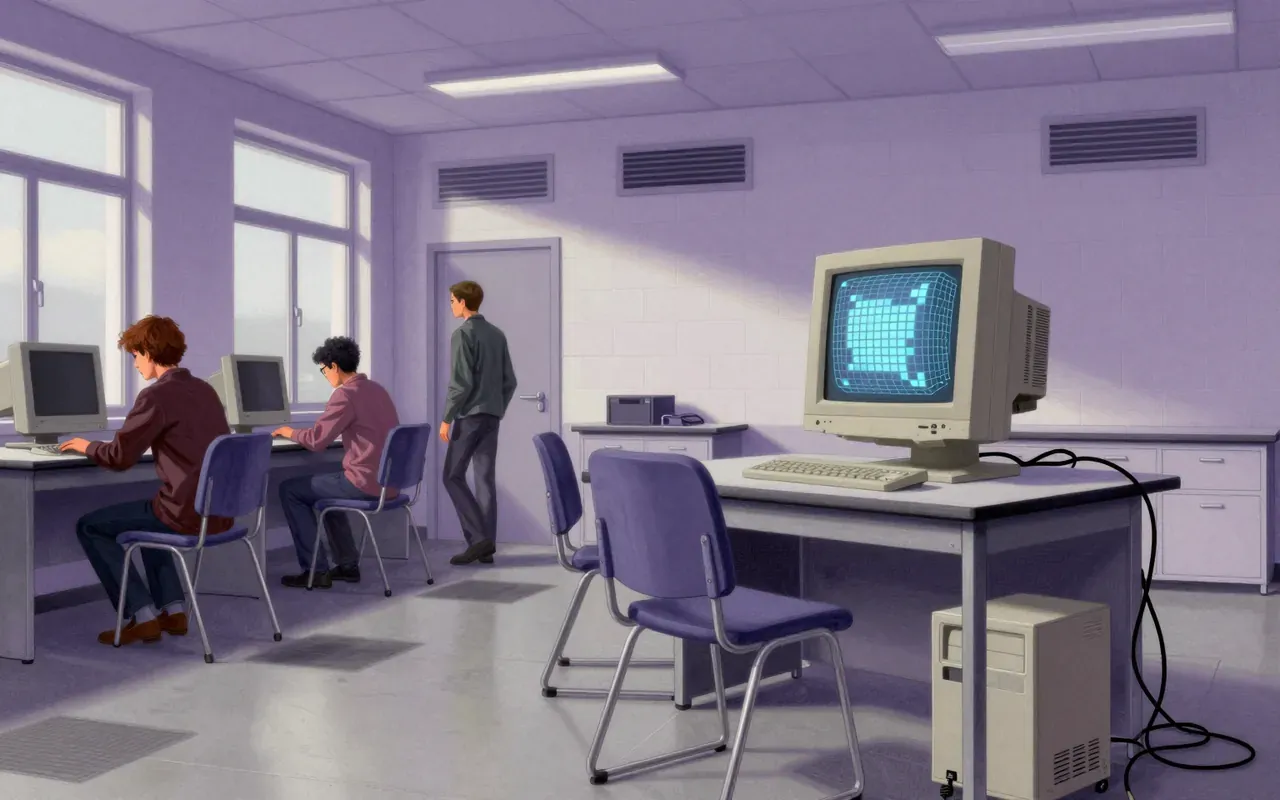
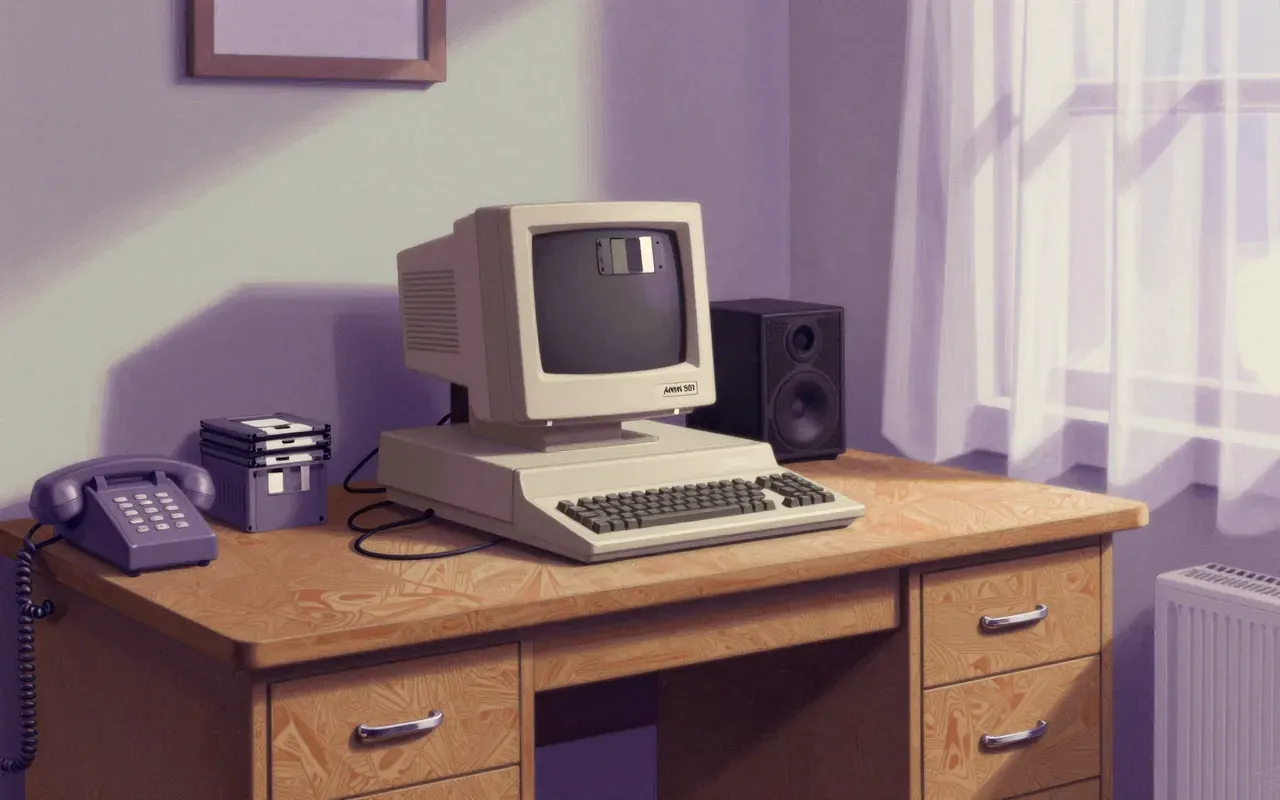
The Amiga 500 is a pivotal hardware milestone—not because it introduced new silicon, but because it delivered proven multitasking and colour graphics to mainstream retail at a time when competitors treated those features as optional or impossible in home systems. Its success relied on reuse, repackaging, and distribution—not invention.
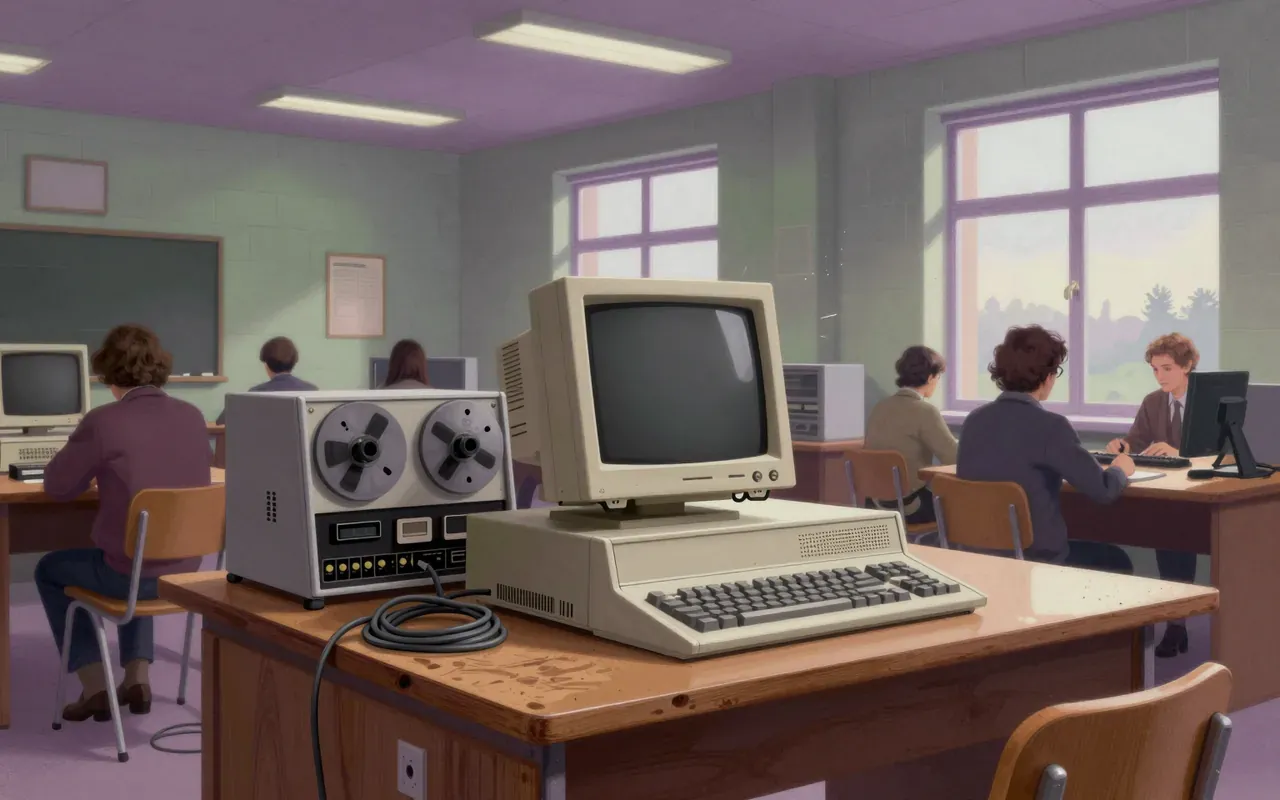
The BBC Micro was a procurement win first, an educational tool second. It succeeded because it met rigid broadcast and policy constraints—not because it was inherently superior to alternatives. Its architecture prioritised demonstrable compliance over user flexibility. Its dominance was guaranteed by subsidy rules, not market preference.
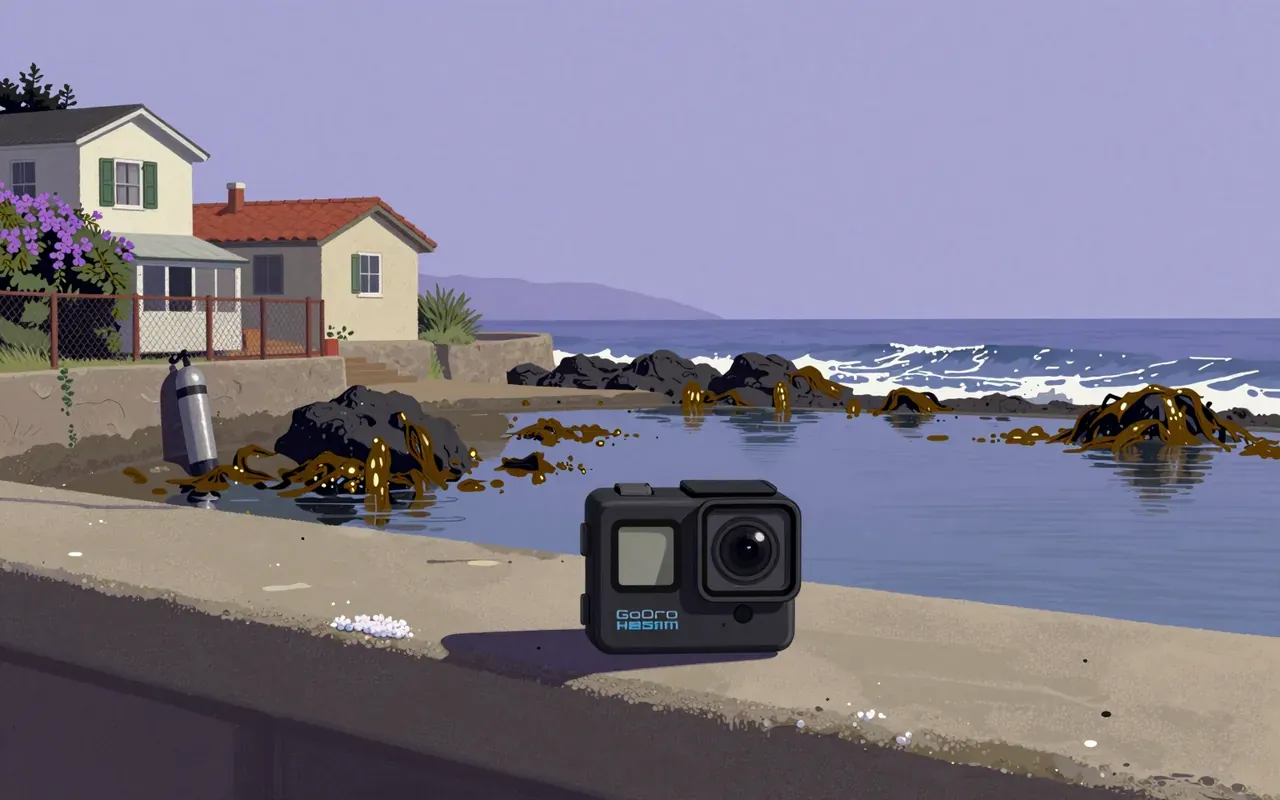
GoPro is a hardware product line defined by physical constraints and use-case discipline—not AI, cloud, or ecosystem. Its value lies in solving one narrow problem exceptionally well: rugged, wide-angle, first-person video capture. Its evolution from 35mm film to digital HD reflects adaptation—not disruption.

The iPad is a commercially dominant, long-lived tablet product line. It succeeded by committing to a specific form factor and interaction model—touch-first, app-centric, tightly integrated—then adapting its OS to sustain that model. Its scale (670M+ units) and market share (34.6%) confirm its category-defining role. It does not replace laptops or phones. It occupies the space between them—and has done so continuously since 2010.
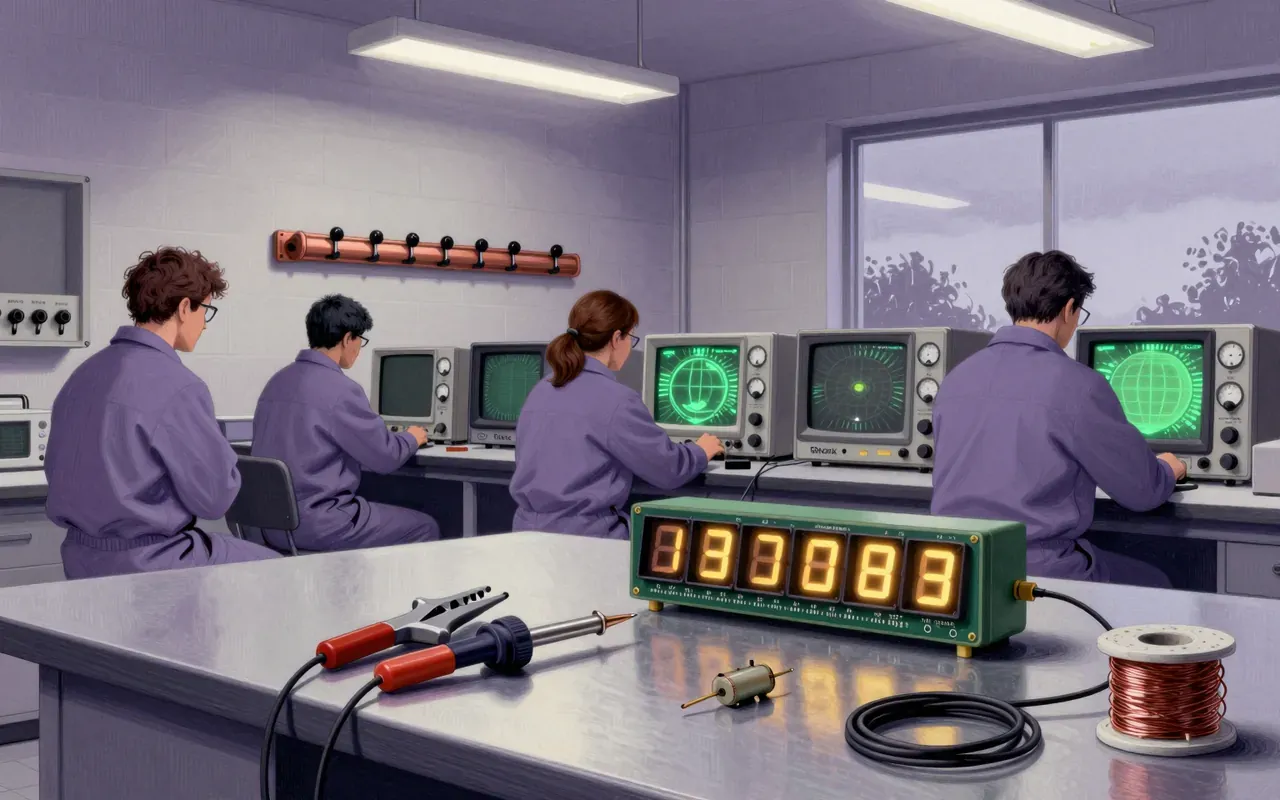
The LED display is not Holonyak’s invention — it is HP’s. Holonyak’s 1962 GaAsP LED enabled it. HP’s 1969 Model 5082-7000 was the first intelligent, IC-integrated numeric display — fast, solid-state, low-power, and monochromatic. It displaced Nixie tubes but could not render text, graphics, or colour. Later all-LED flat panels remained monochrome and experimental.

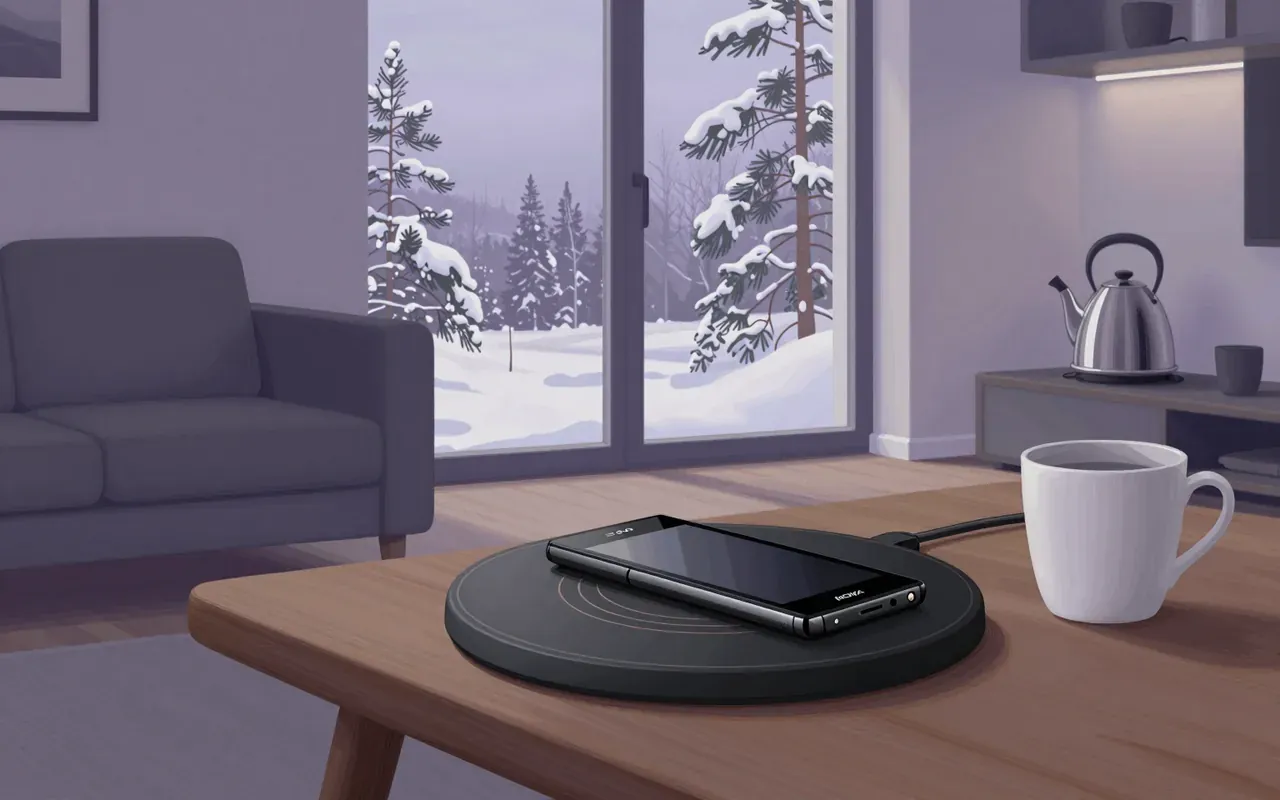
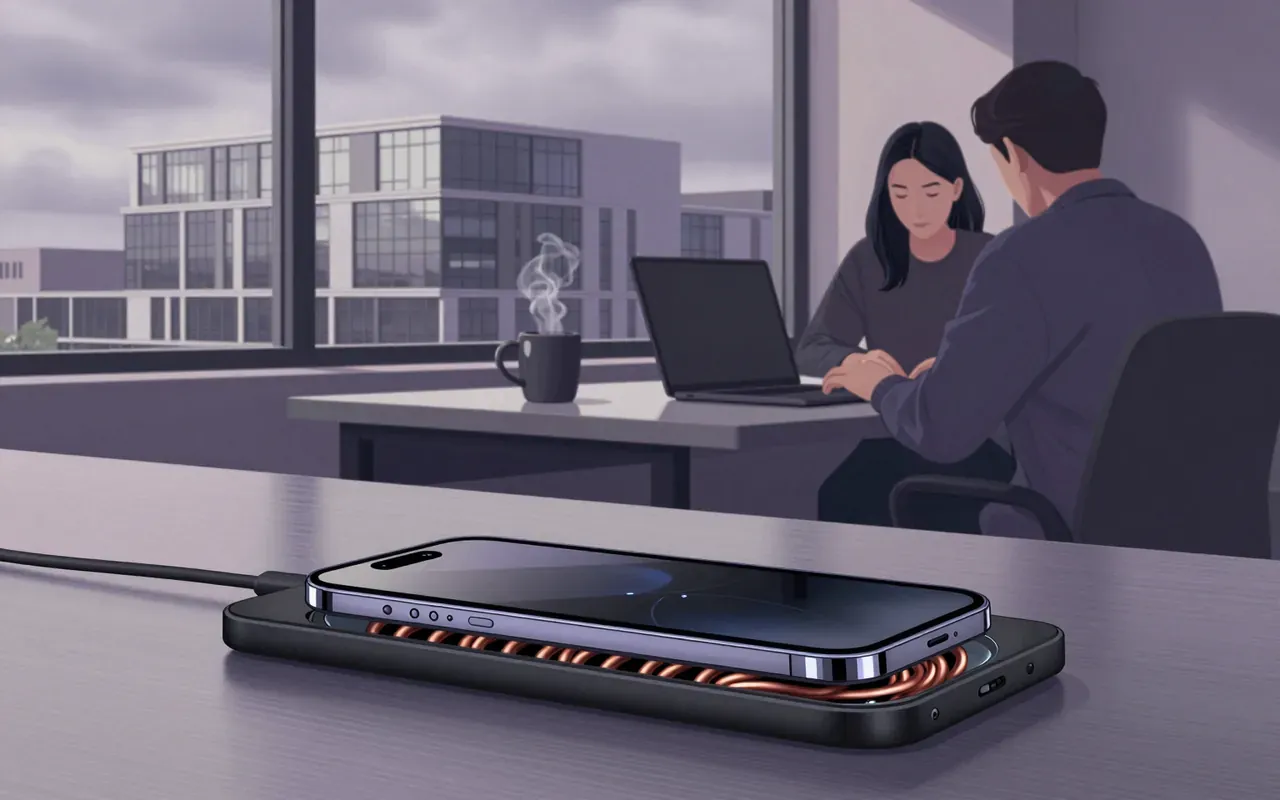
The Nokia Lumia 920 is a hardware statement—not a platform victory. It shipped in November 2012 with three industry-first features: optical image stabilization, Qi inductive charging, and a sub-9 ms display response time. Its 8.7-megapixel BSI sensor and f/2.0 Carl Zeiss Tessar lens delivered tangible low-light gains. But its sealed 2000 mAh battery limited serviceability. Its Windows Phone 8 OS remained constrained by app scarcity and developer neglect. The device generated press optimism and internal hope at Nokia—but did not reverse the platform’s trajectory. It matters today as a case study in where hardware differentiation can—and cannot—compensate for ecosystem weakness.


The PlayStation 2 is a home video game console developed by Sony Computer Entertainment, first released in Japan on March 4, 2000. It is the successor to the original PlayStation and a sixth-generation console that competed with Nintendo's GameCube, Sega's Dreamcast, and Microsoft's Xbox. It featured a built-in DVD drive and full backward compatibility with original PlayStation games and accessories. Its hardware included a custom-built Emotion Engine processor co-developed with Toshiba. It remains the best-selling video game console of all time, having sold 160 million units worldwide.

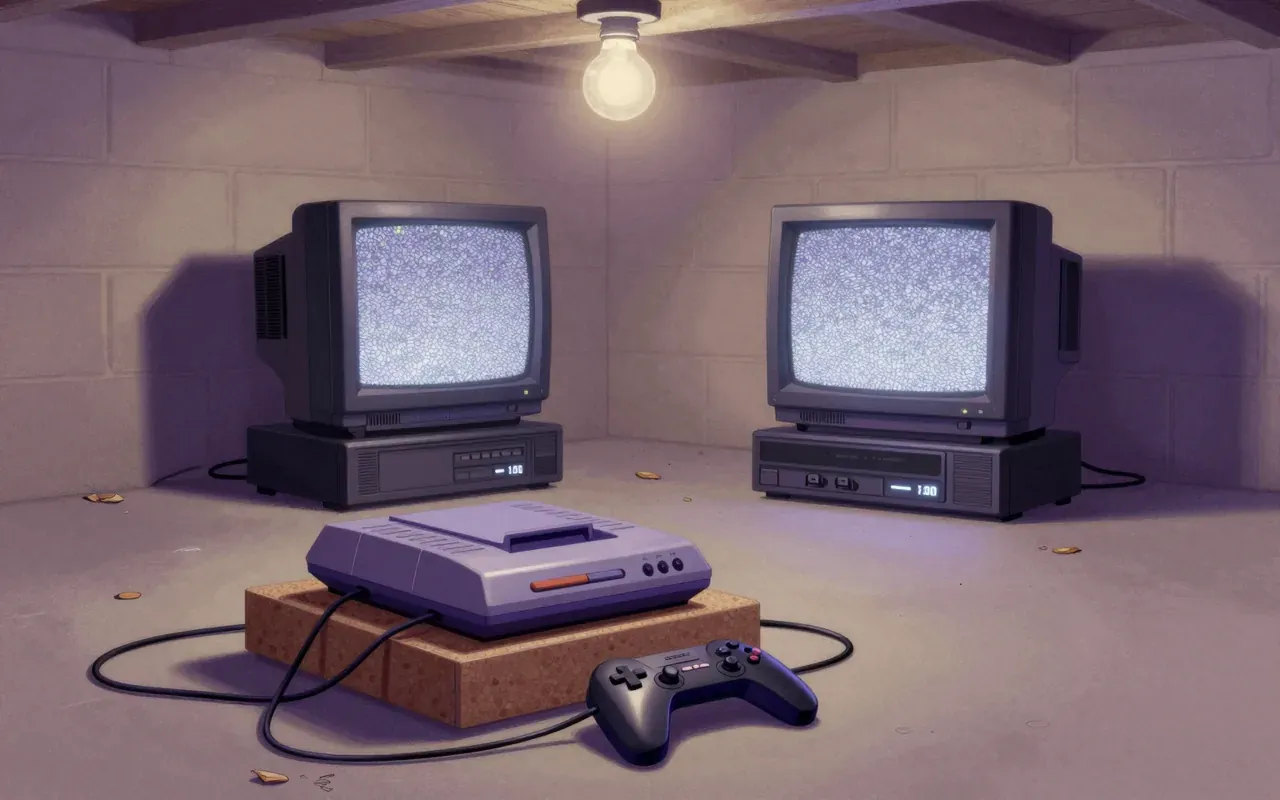
The Sega Genesis is a 16-bit fourth-generation home video game console adapted from Sega's System 16 arcade board, using a Motorola 68000 CPU and Zilog Z80 sound controller, released in Japan in October 1988 and North America in August 1989, playing over 800 ROM cartridge games, supporting add-ons like the Power Base Converter for Master System compatibility, and backed by two network services: Sega Meganet and Sega Channel.
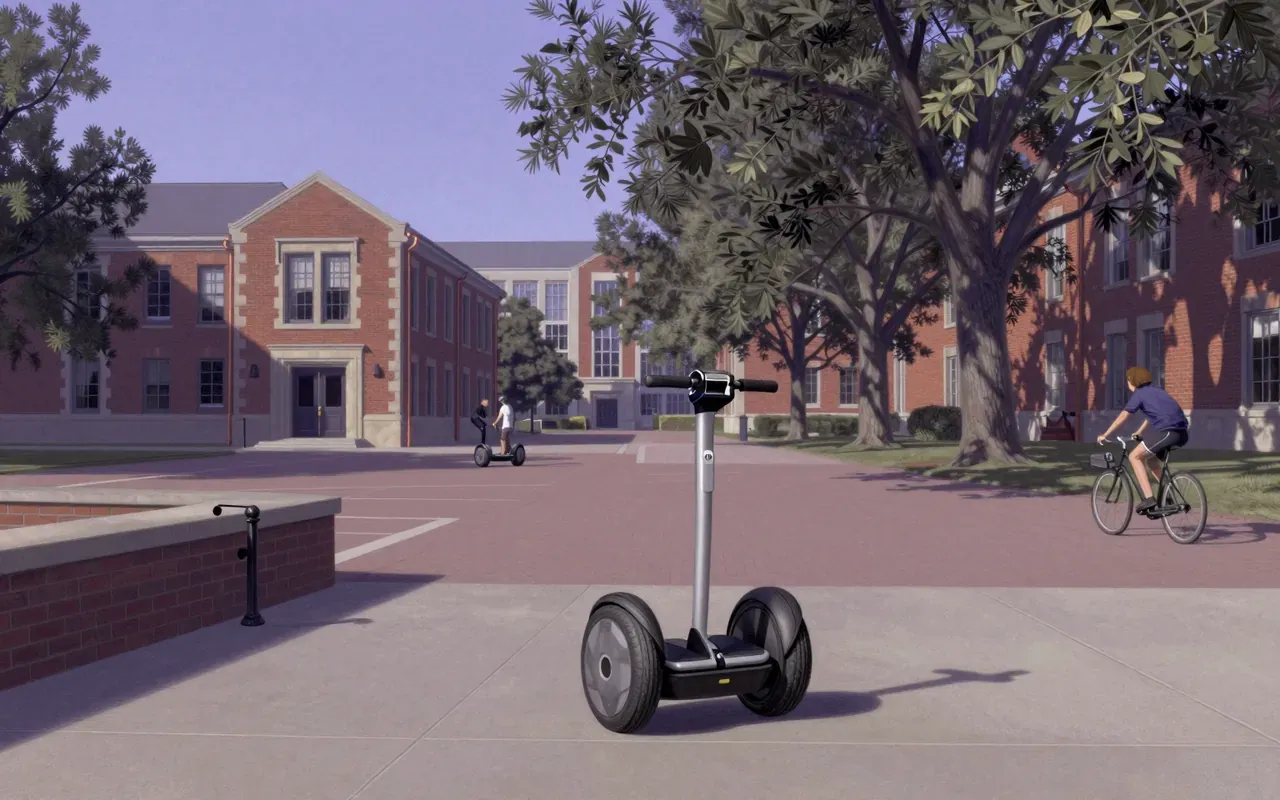
The Segway PT is a mechanically elegant, narrowly useful device born from medical robotics. It solved balance precisely, but failed to solve adoption. Its legacy is not in streets, but in patents, pivots, and the cautionary weight of overpromising hardware.

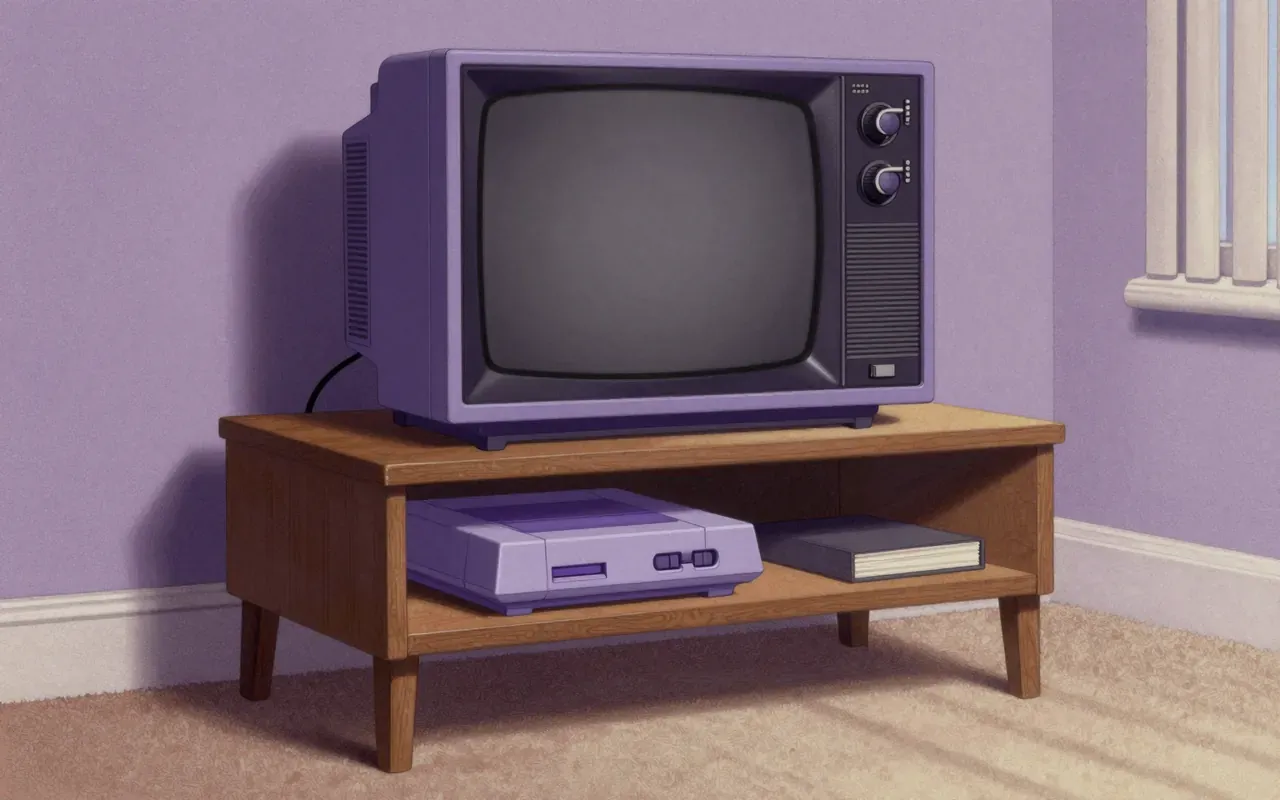
The SNES is a 16-bit fourth-generation home console developed by Nintendo as its second programmable system. Designed by Masayuki Uemura in response to the Sega Genesis and TurboGrafx-16, it launched in Japan on 21 November 1990 as the Super Famicom. Its technical strengths—Mode 7 graphics, eight-channel ADPCM audio, and cartridge-compatible enhancement chips—enabled expressive game design within strict hardware boundaries. It competed directly with the Genesis, achieved rapid early sales (300,000 units sold out in hours in Japan), and reached over 46 million combined units sold by mid-1992. Its life cycle extended until 1999 in the US and 2003 in Japan. It did not deliver true 3D, multitasking, networking, or firmware updates. Its legacy lies in proving that modular, cartridge-based hardware extensions could sustain a platform across a full generation.


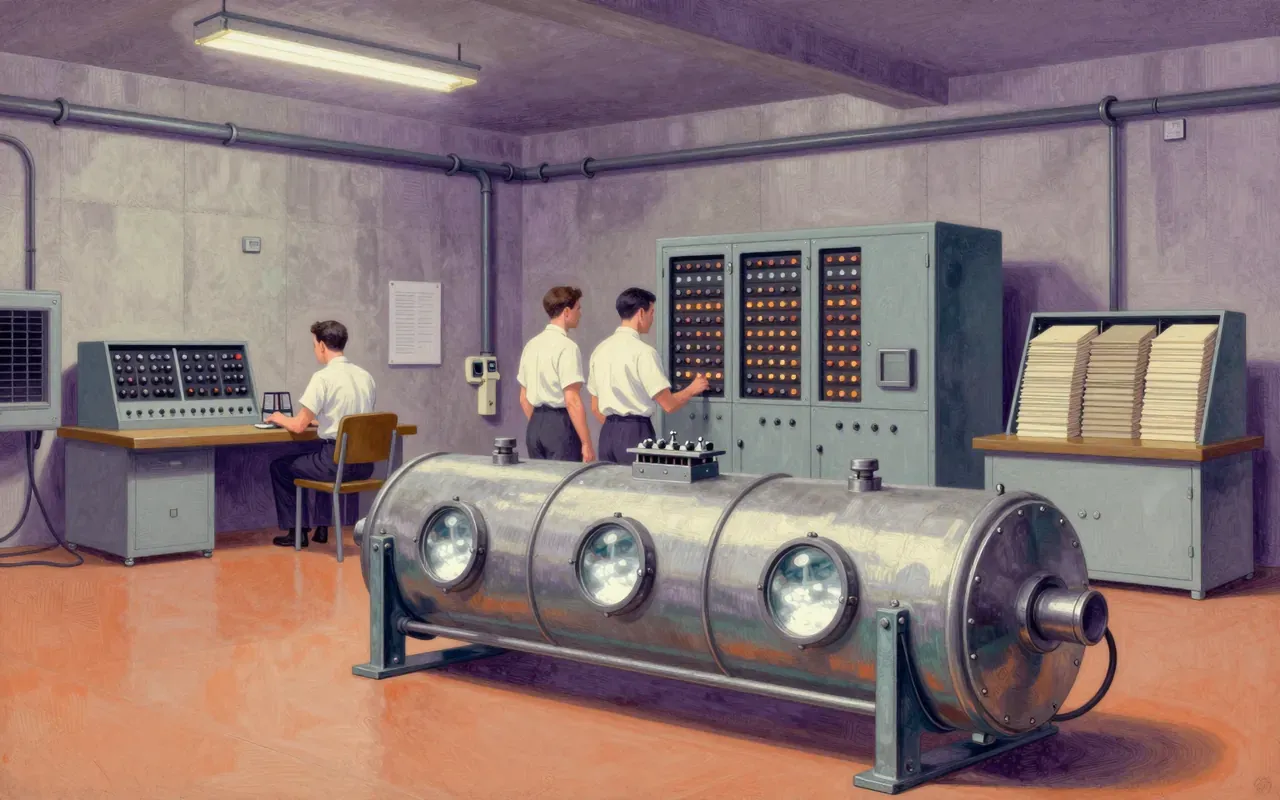




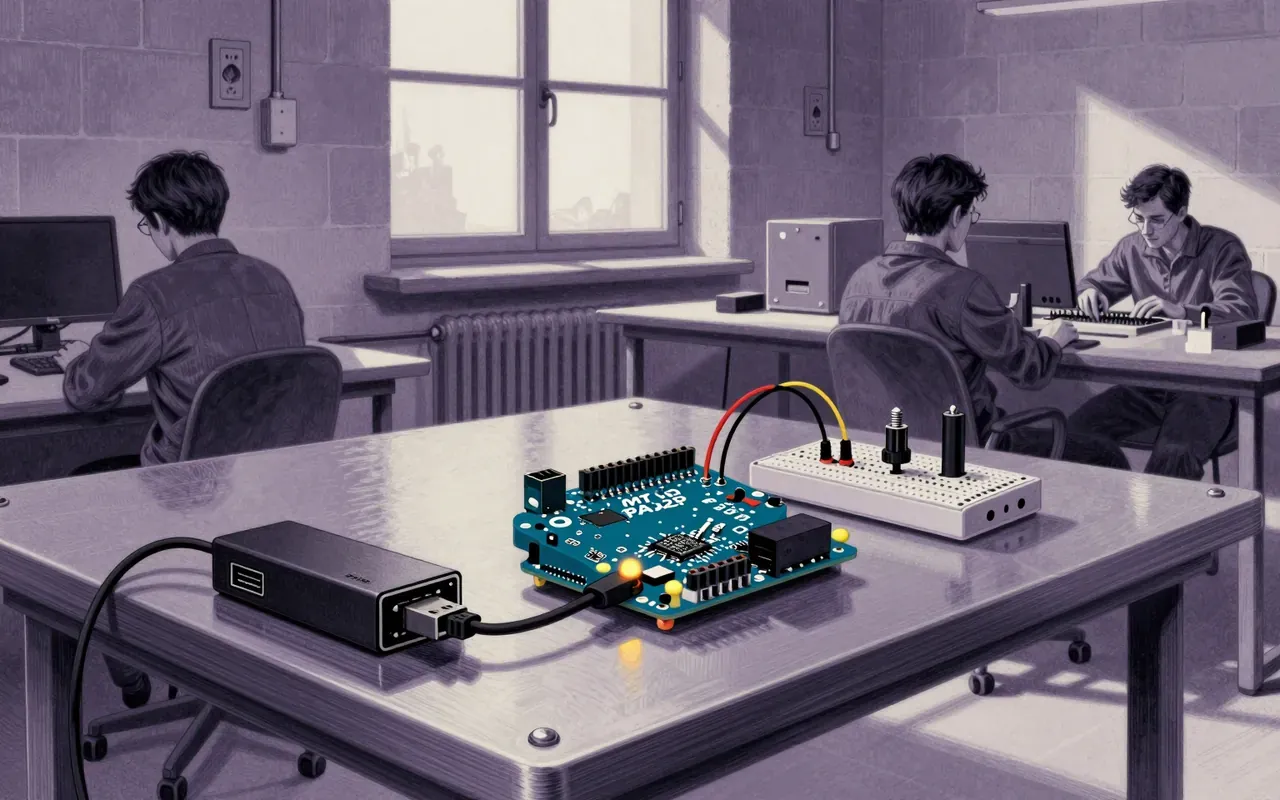




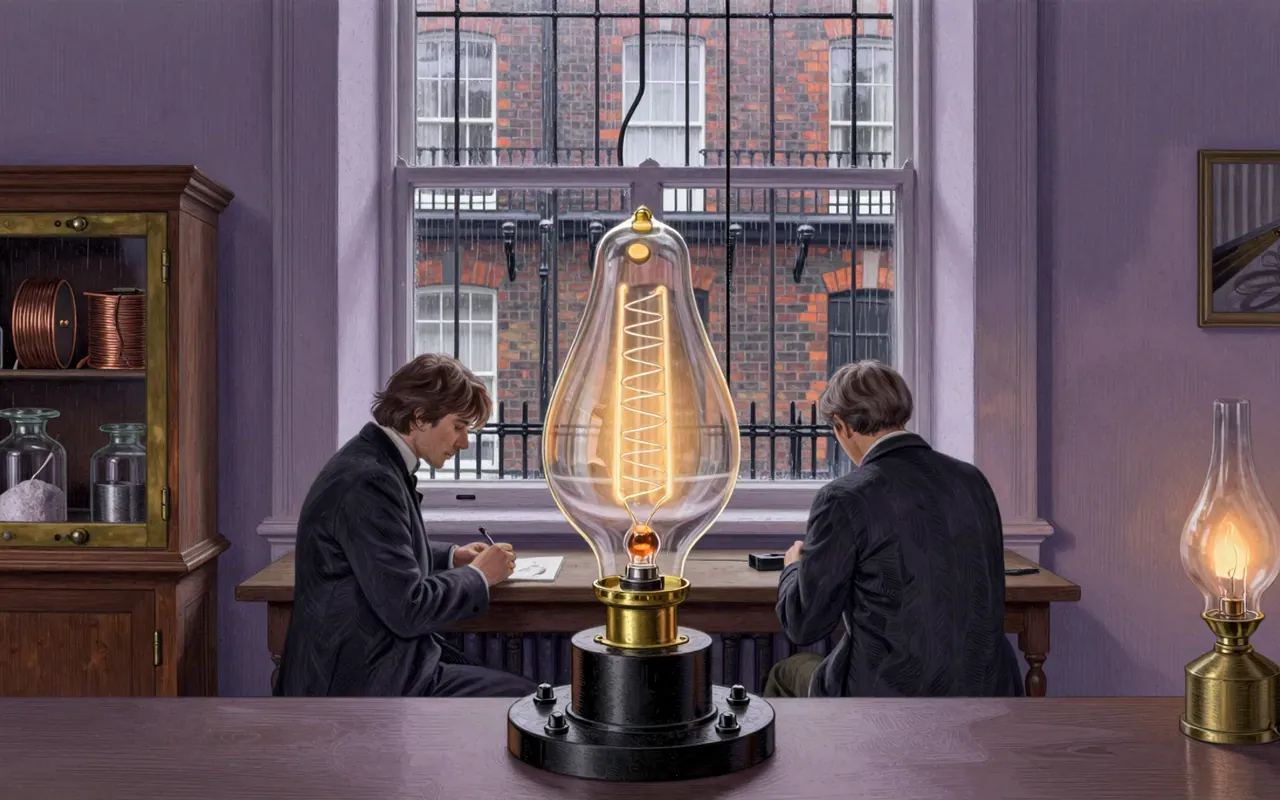
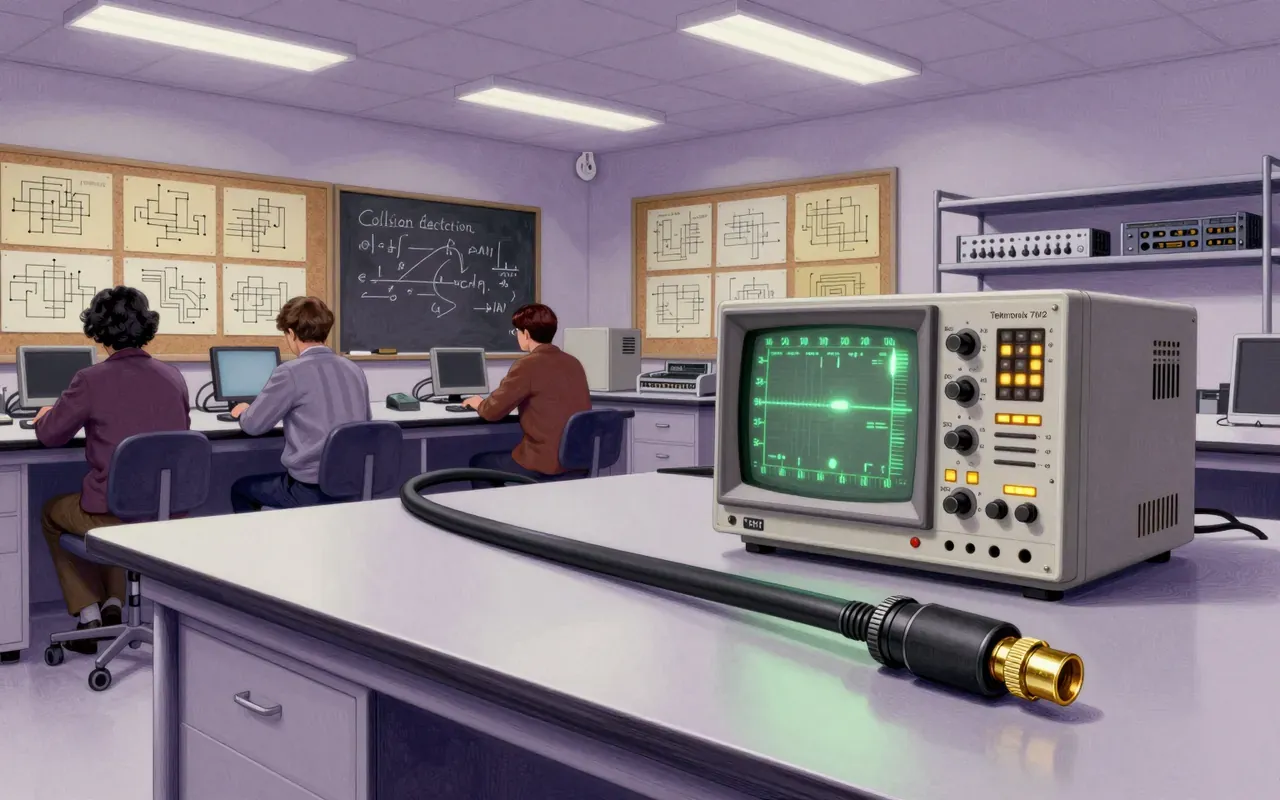
Ethernet is the coaxial-cable LAN co-invented by Metcalfe and Boggs at Xerox PARC in 1973 to link Alto computers to printers and ARPANET. It introduced CSMA/CD—carrier sensing before transmission, plus collision detection and random back-off—to adapt ALOHAnet for wired use. It ran first on November 11, 1973 at 2.94 Mbit/s. A 1980 Xerox report measured 98% throughput under heavy load. It was standardised as IEEE 802.3 in 1983. CSMA/CD does not scale or support modern requirements like QoS or determinism—and was phased out in favour of switched, full-duplex Ethernet.
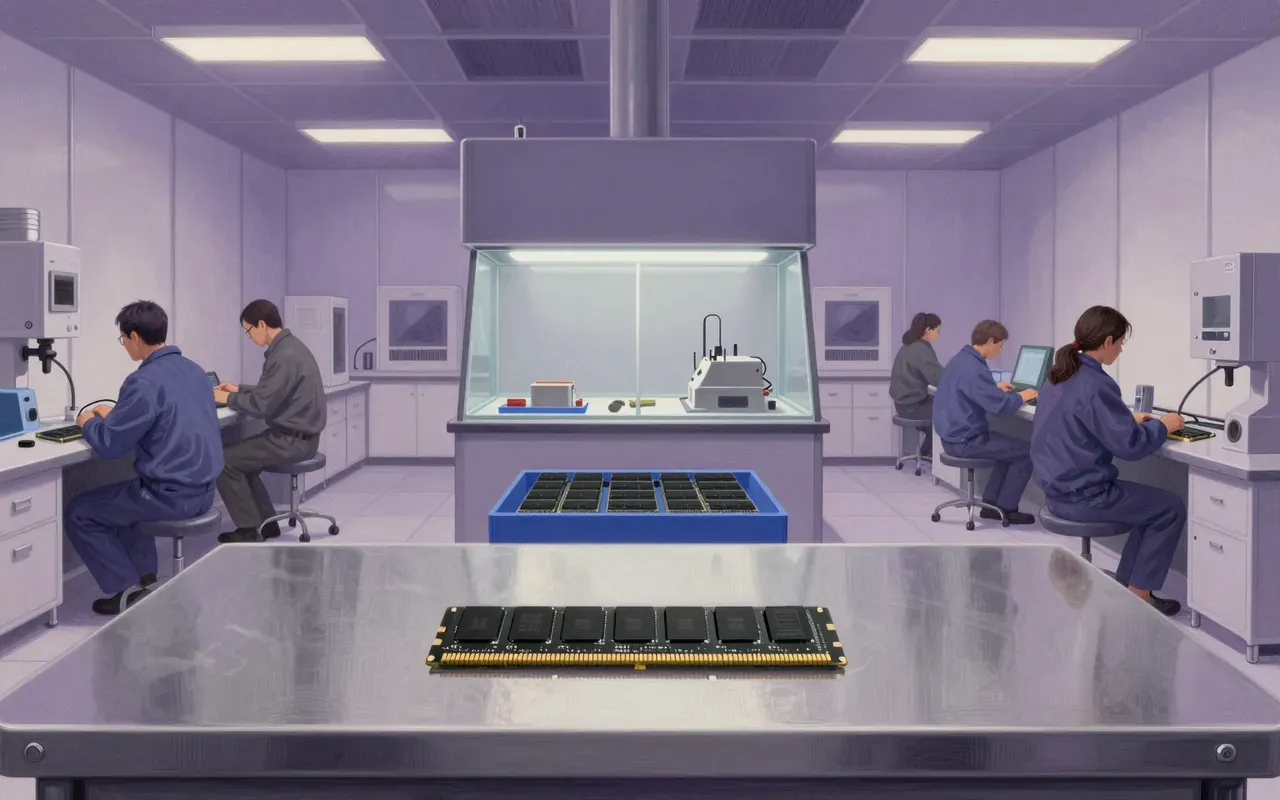
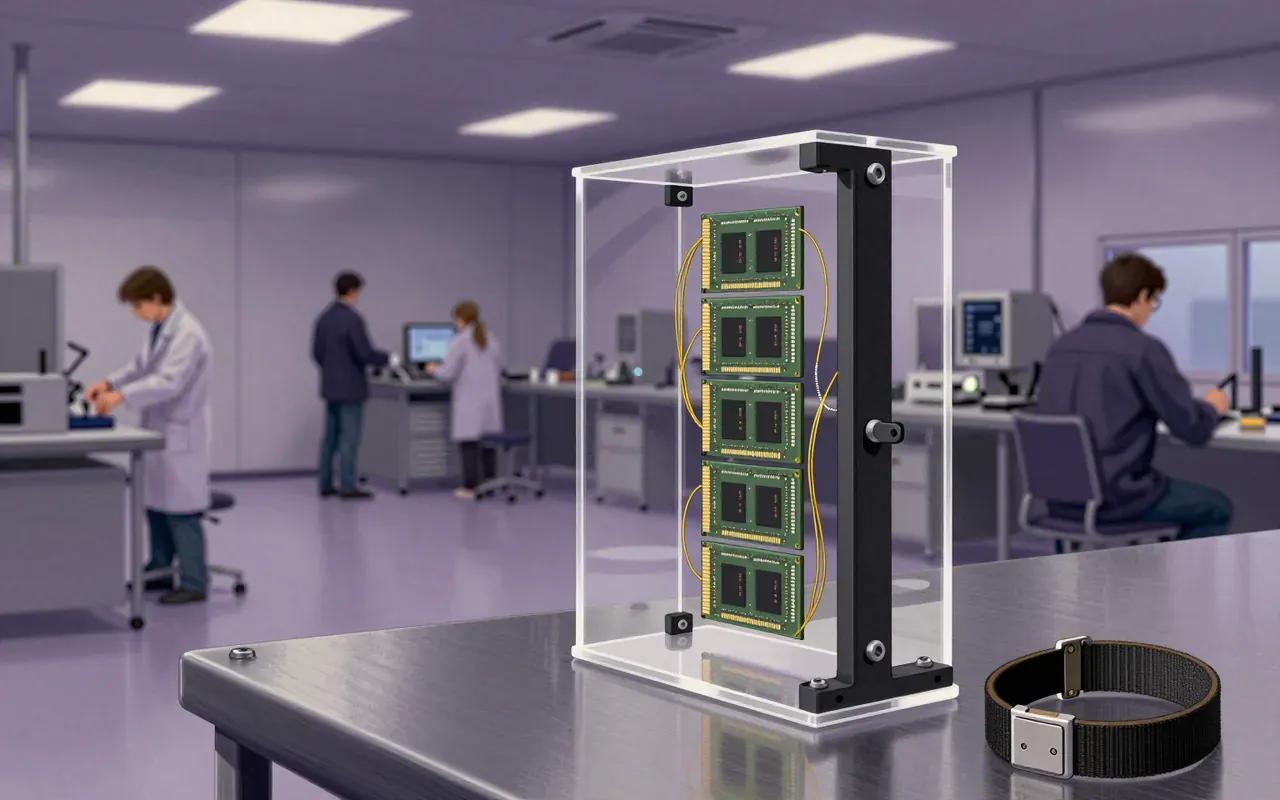
Flash memory is a block-erasable, non-volatile semiconductor memory invented by Fujio Masuoka at Toshiba in 1980. It builds on EEPROM but replaces byte-wise erasure with faster block-wise erasure — enabled by floating-gate transistor design. The name 'flash' was coined by colleague Shōji Ariizumi to reflect that speed. Masuoka and colleagues presented NOR flash in 1984 and NAND flash at the 1987 IEDM. Toshiba began marketing flash memory and commercially launched NAND flash — both in 1987. The first published implementation held only 8192 bytes but became the basis for larger-capacity versions. Flash does not support byte-level writes or in-place updates; erasure is all-or-nothing per block. It cannot replace RAM or true EEPROM where fine-grained modification is required. Flash changed how portable devices store firmware and user data, enabling compact, shock-resistant, low-power storage that scales without moving parts — a prerequisite for digital cameras, USB drives, SSDs and smartphones.

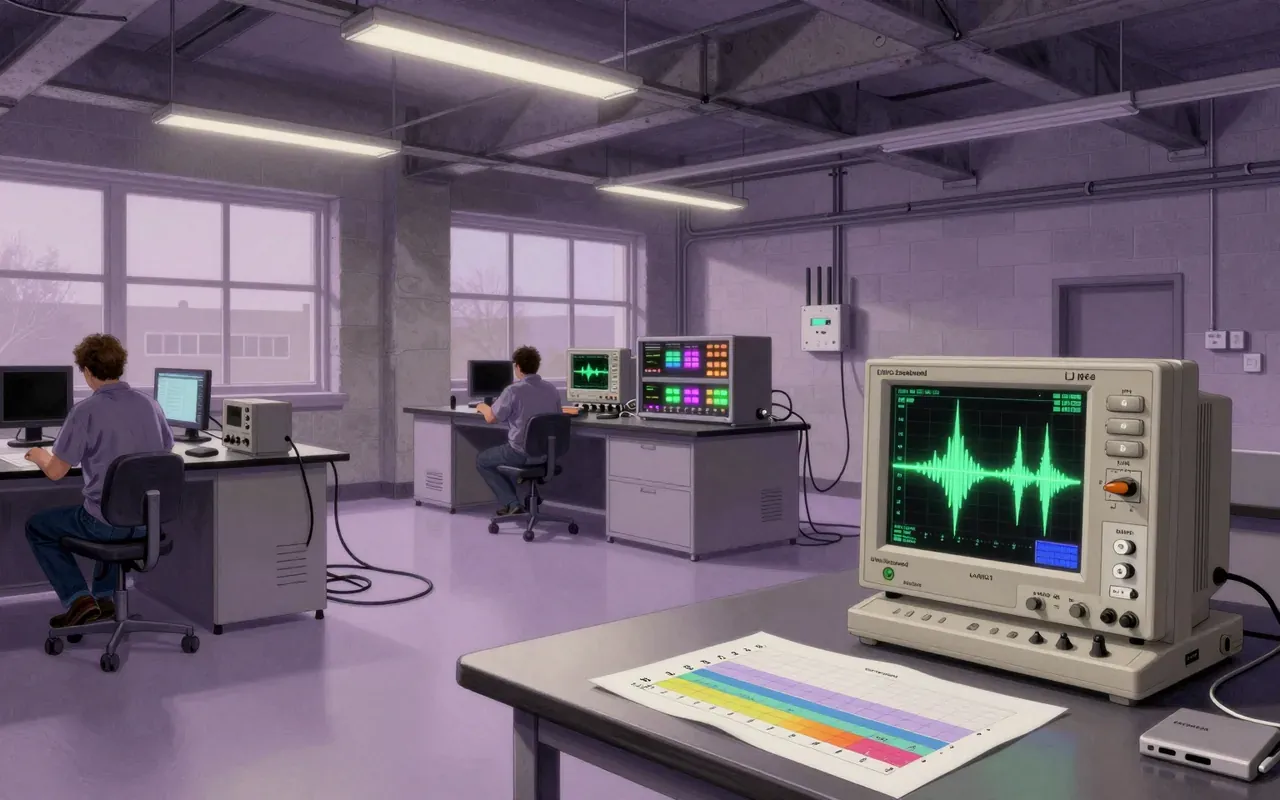
IEEE 802.11 is the foundational WLAN standard family. It defines MAC and PHY protocols for wireless local area networking. It uses CSMA/CA for channel access. It supports multiple bands and modulation schemes. It enables interoperability with Ethernet and IP. It was first released in 1997. Amendments extend functionality without replacing the base.
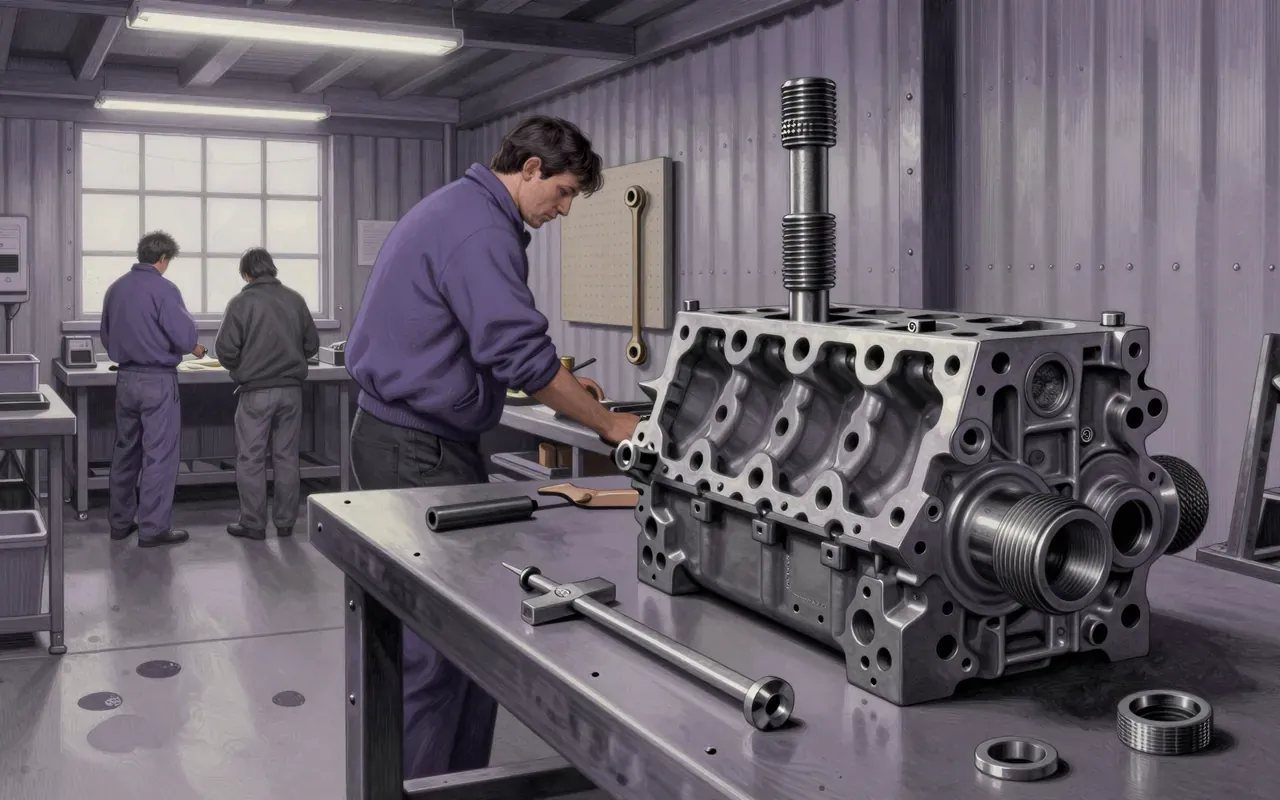
The ISO metric screw thread is a foundational hardware standard that enforces dimensional predictability across global manufacturing. Its value lies not in novelty but in binding force: once adopted, divergence carries real cost. It works where geometry matters more than brand—and fails where tolerance, material, or practice undermines its assumptions.
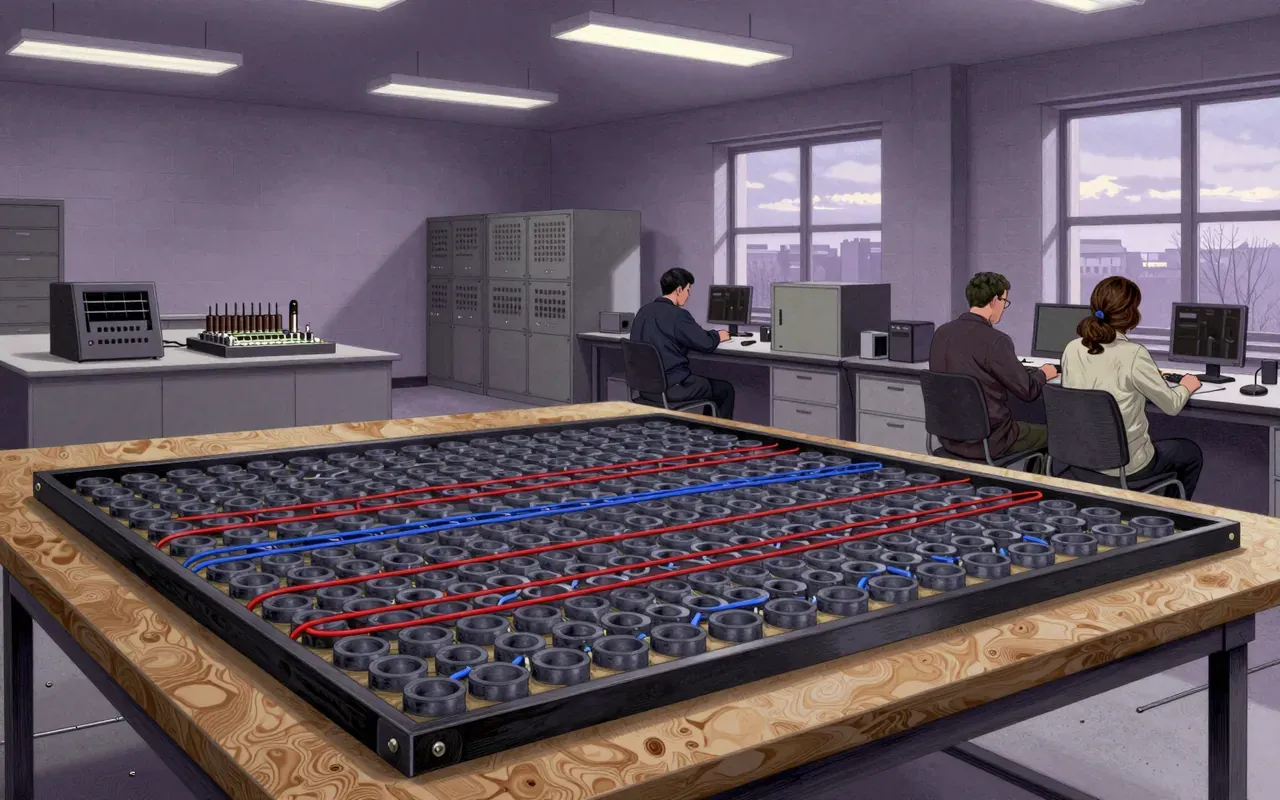

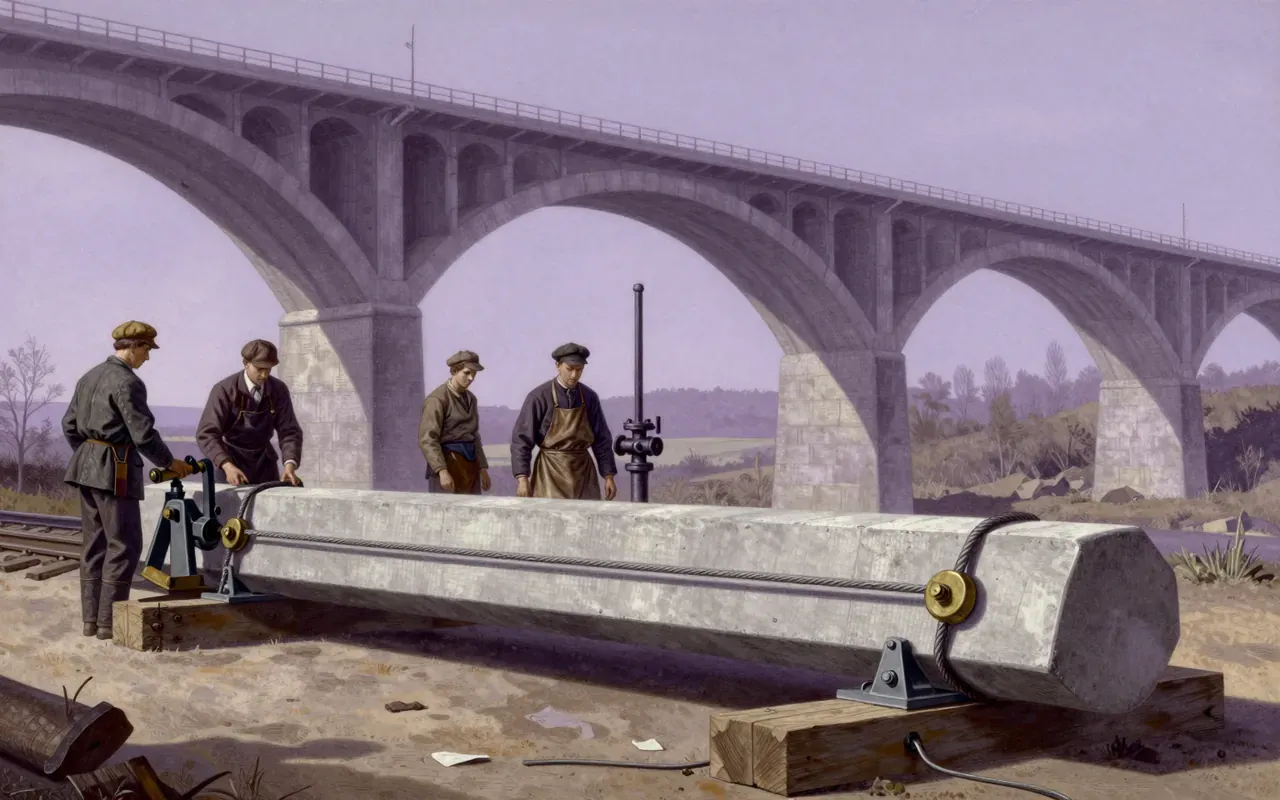
Prestressed concrete redefines concrete’s role in tension-critical structures—not by making it stronger, but by ensuring it never has to carry tension alone.
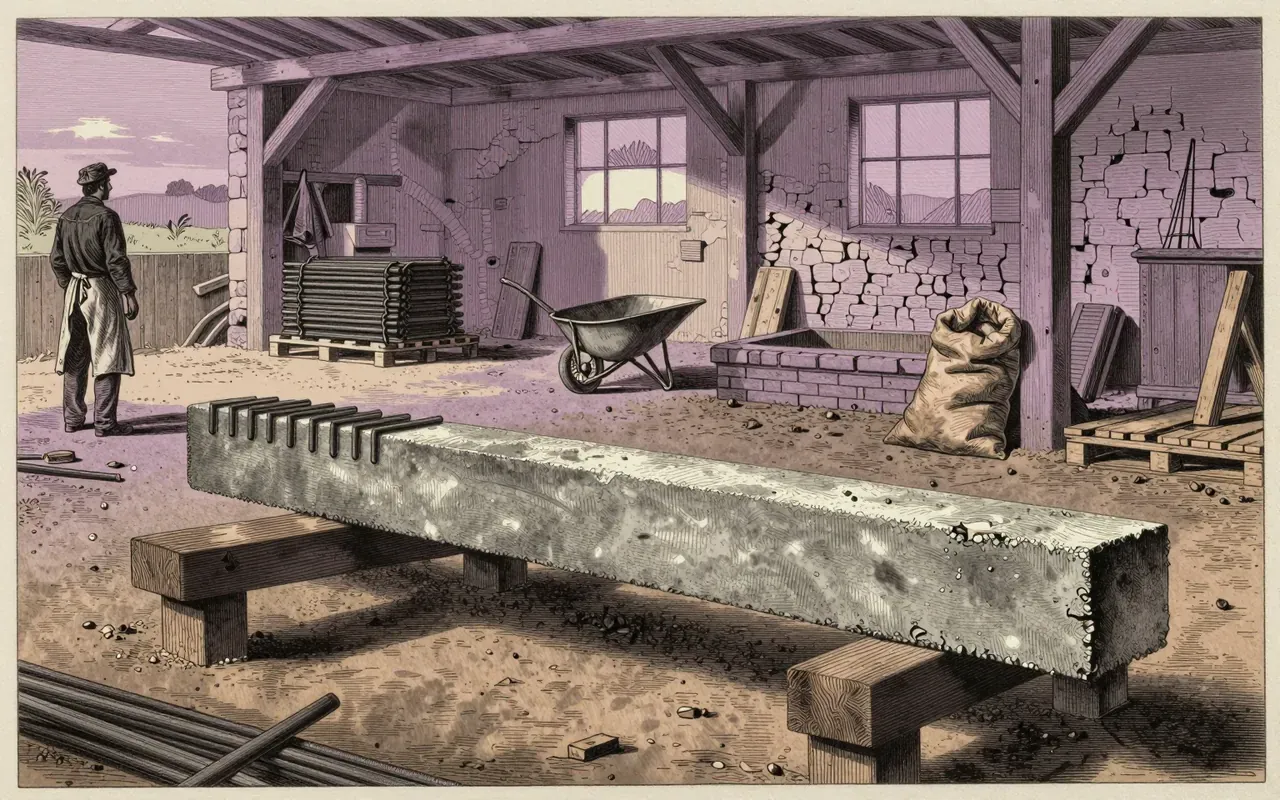
Reinforced concrete is not a theoretical breakthrough—it is a gardener’s empirical fix scaled into infrastructure. Monier solved flowerpot instability by embedding iron, then patented successive forms (wire mesh in 1867, iron rods in 1877) without quantifying mechanical gains. He proved thermal compatibility and rust protection through experiment—not calculation. His method enabled T-beams and pipes by 1878, but left tensile improvement unmeasured and corrosion science unexplored. It matters today because it reveals how material innovation begins in constraint, not abstraction.
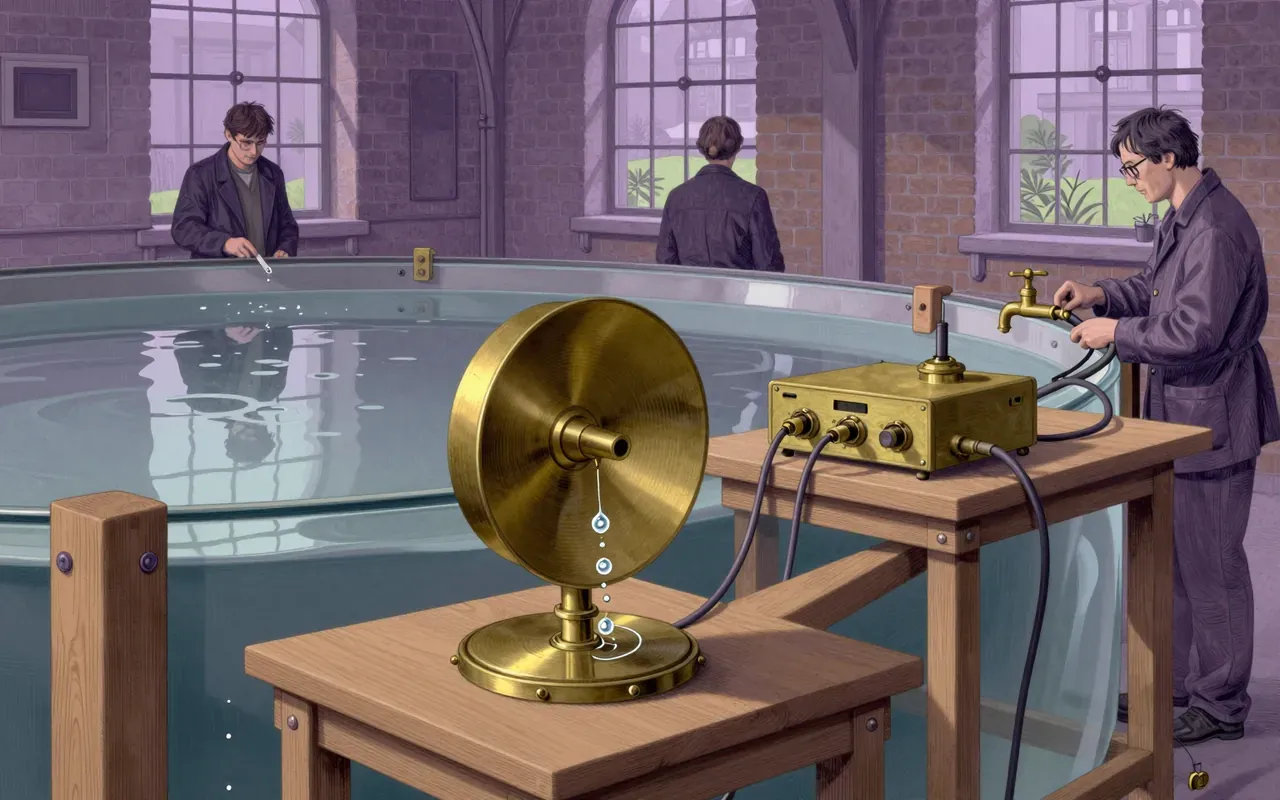
Langevin’s 1915 sonar was the first active underwater echo-ranging system. It used electrostatic and quartz piezoelectric transducers to send and receive ultrasound. Distance was calculated from signal time-of-flight. Though patented and physically demonstrated, it did not become operational before World War I ended. Electrostatic transducers were soon abandoned; quartz piezoelectric methods endured and scaled. The invention established the core mechanism of modern sonar — but delivered no tactical utility in its intended conflict.
Synthetic rubber begins as a chemical demonstration, not an industrial replacement. Hofmann’s 1909 work proves isoprene polymerisation yields rubber — and nothing more. No performance, scale, or economics are stated. Its value lies in reframing rubber as synthesizable — not in delivering a usable material.
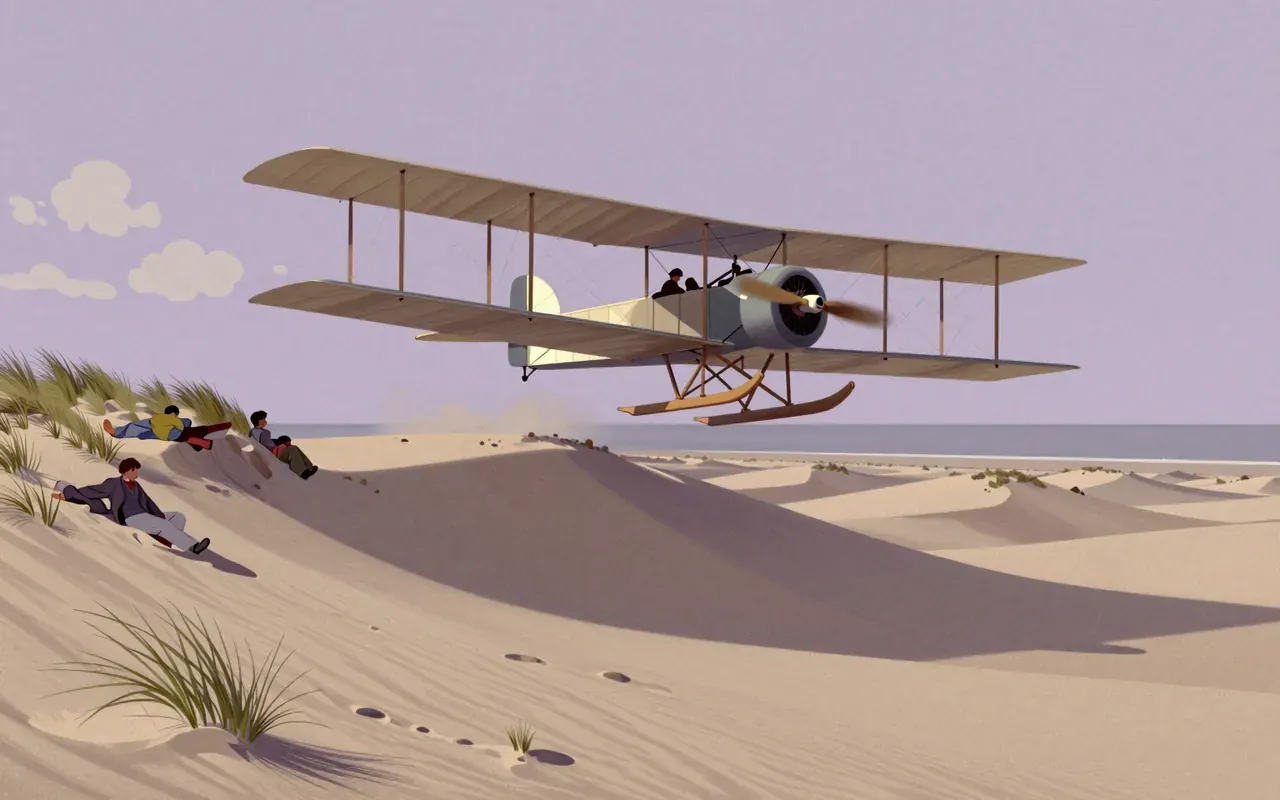
The Wright brothers solved the flying problem by inventing a three-axis control system—not an engine or airframe—but their patent, glider, and first flight all hinge on one insight: without reliable pilot control, powered flight is impossible.


The Benz Patent-Motorwagen is the first gasoline-powered automobile built in series and proven in extended real-world use. Its mechanism—four-stroke engine, belt-and-chain drive, evaporative cooling—was functional but limited. Its breakthrough was not theoretical elegance but empirical validation: Bertha Benz’s 1888 journey forced immediate, field-driven improvements. It changed nothing overnight—but it created the first reproducible template for what a car could be: a product, not a demonstration.

The barcode is a mechanically simple but commercially premature solution: a direct optical translation of Morse code into bars, read with repurposed cinema hardware. It worked in lab conditions but failed in practice—fading ink, no scanners, no standards, no buyers. Its value emerged only when retail infrastructure caught up, not because the invention matured.
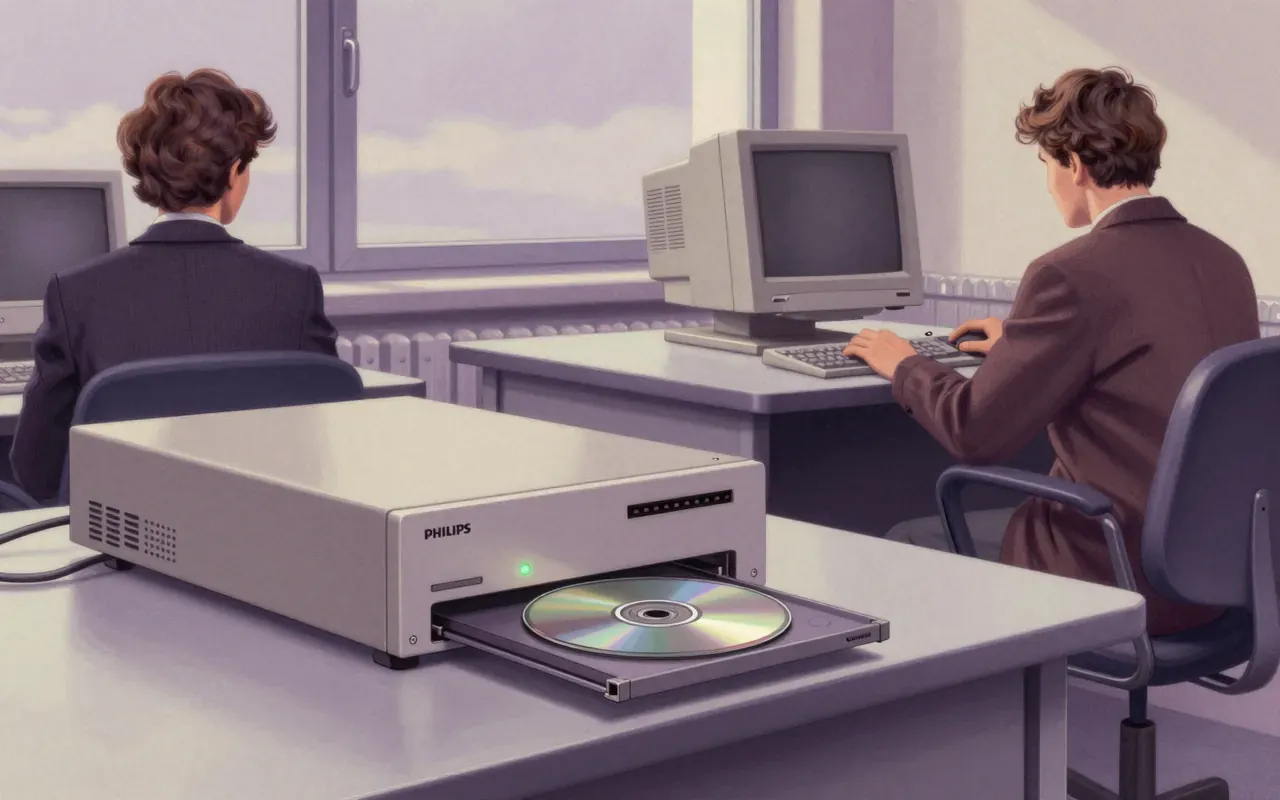
CD-ROM is a read-only optical data format co-developed by Philips and Sony, formalised in the 1983 Yellow Book. It reuses the CD-DA’s physical design and laser-read mechanism but repurposes pits and lands for arbitrary digital data—delivering 553 MB via destructive interference physics. It launched publicly in 1985 with Philips’ CM 100 drive. It solved mass-distribution problems for static software and reference material but failed as an archival or interactive medium—prompting Sony to launch write-once and magneto-optical variants by 1986 and 1988.


The 1835 Moore combine was a singular integration of three harvest operations — reaping, threshing, winnowing — in one horse-drawn machine. It proved the concept could function at scale (20+ ha by 1839) but introduced no labour savings, required massive animal power (20 horses), and left no operational legacy. Its importance is archival, not agronomic.
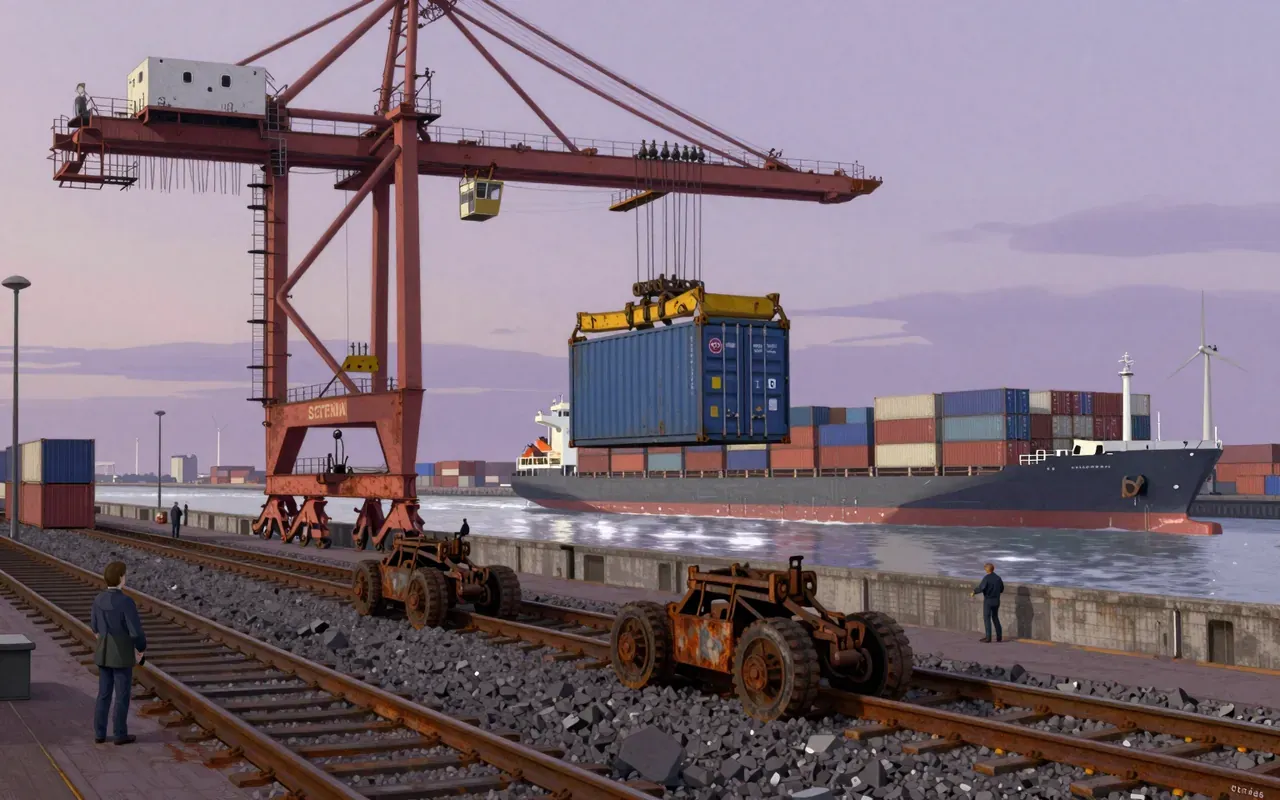

The crumple zone is a hardware solution that redefined automotive safety by separating function across the car body: rigid for survival, deformable for energy absorption. It works. It spread. It remains indispensable.
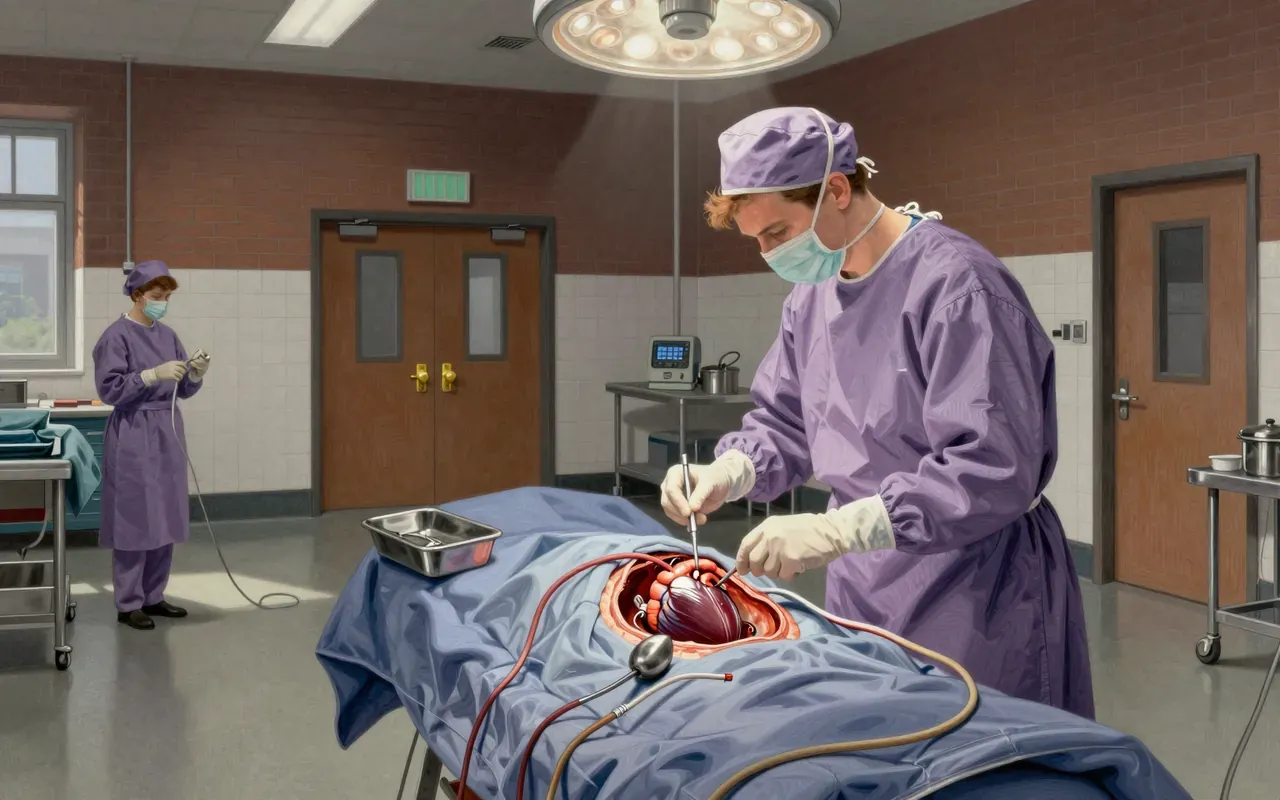
The AED is not one invention but three: Beck’s 1947 surgical intervention, Pantridge’s 1957 portable ambulance unit, and the Heart-Aid’s late-1970s public automation. Only the last meets the definition of 'automated external'. Its mechanism—real-time ECG analysis, voice-guided operation, and rhythm-dependent shock delivery—removes interpretation from the user. But it only works if pads are correctly placed and the patient is untouched during analysis. It does not diagnose other rhythms. It does not treat asystole or PEA. Its value lies in speed, not intelligence.
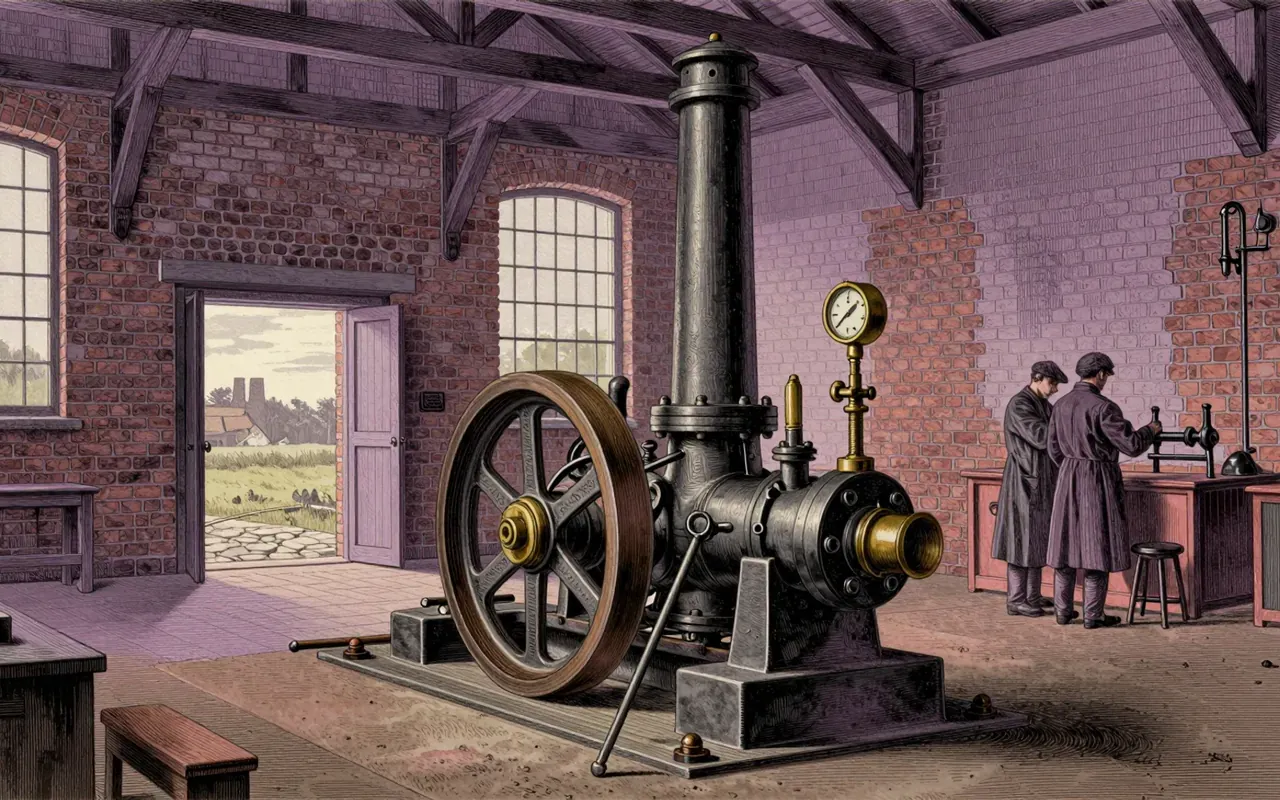
The diesel engine is a compression-ignition internal combustion engine that replaces spark-based ignition with heat from air compression. It solves the low efficiency of steam engines by achieving 26.2% effective efficiency by 1897 — 75% above steam’s 10% theoretical limit. Its core mechanism works: air compression alone ignites fuel. But its original isothermal-cycle theory failed — abandoned after criticism revealed it demanded physically impossible compression ratios. Diesel corrected to a constant-pressure cycle by June 1893, filed two patents, published a treatise, and proved the concept with petrol ignition on 10 August 1893. The first successful engine, Motor 250/400, was tested in 1897. It changes energy conversion by establishing compression ignition as a scalable, high-efficiency alternative — but only after discarding its founding premise. Worth your time if you work on thermodynamics, engine design, or historical technology development.
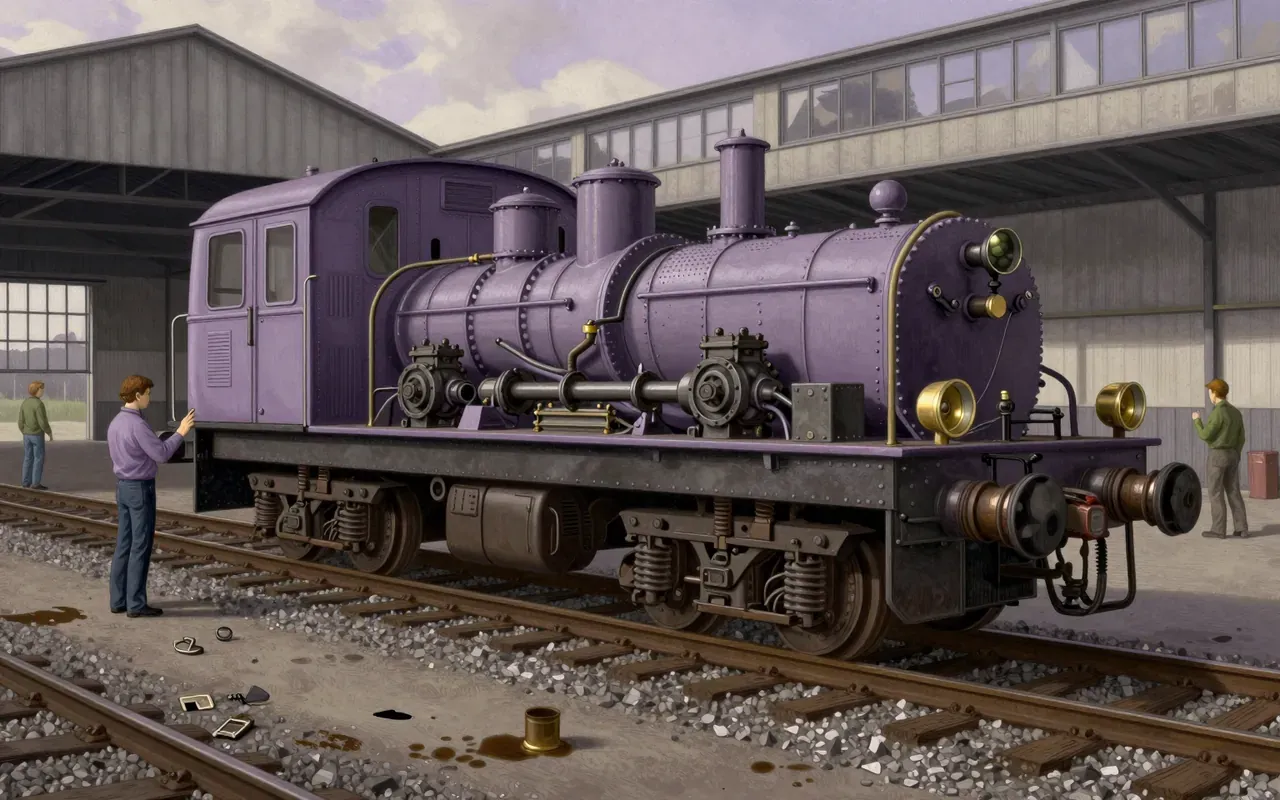
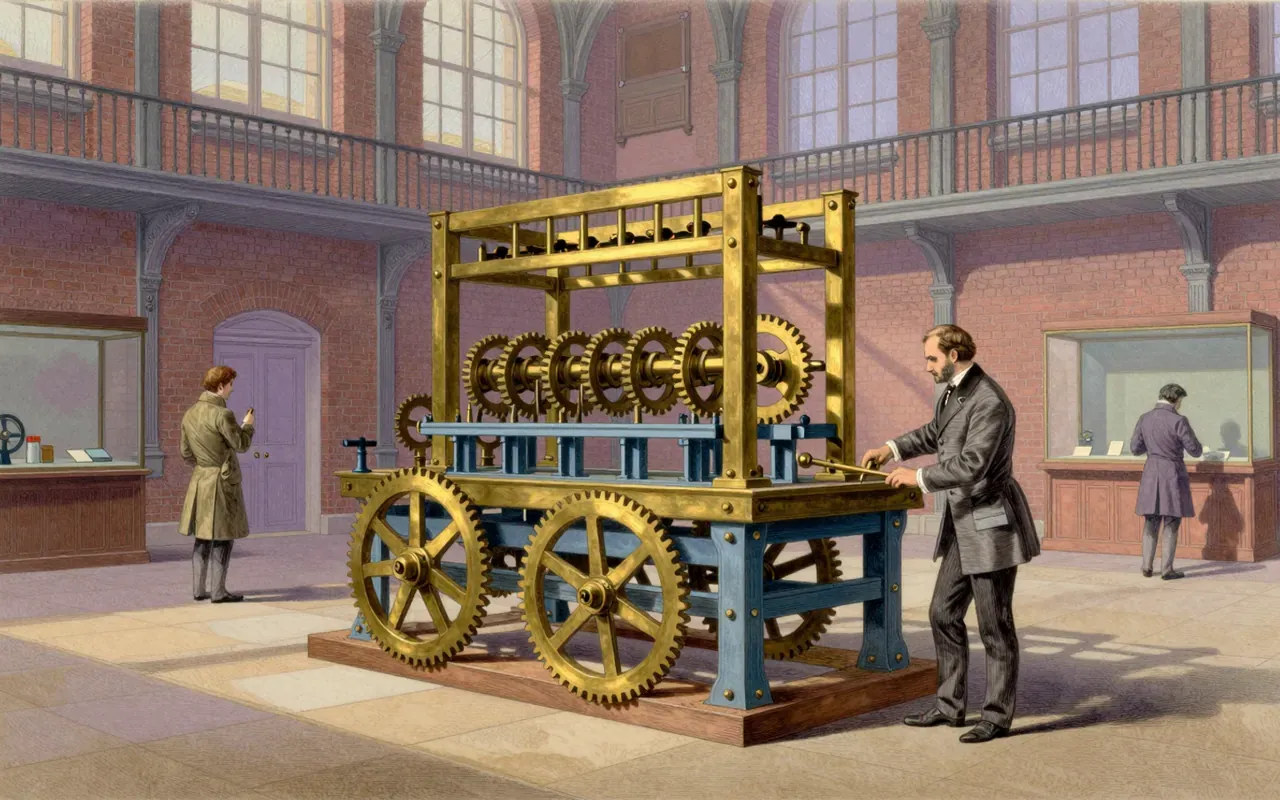
The difference engine is a proof that mechanical computation at high precision was possible in the 1820s—but only for one narrow class of problems, and only if built correctly. Its value lies not in what it delivered, but in what it demonstrated could be delivered.

DVD is a standardised optical storage format invented in 1995 and released in Japan on 1 November 1996. It stores any digital data. Its key advance over CD is higher capacity—up to 17.08 GB—achieved within identical physical dimensions via tighter pit geometry and layering. It succeeded commercially for video and software distribution but failed to unify playback due to format wars (DVD±R), region locks, and copy protection.
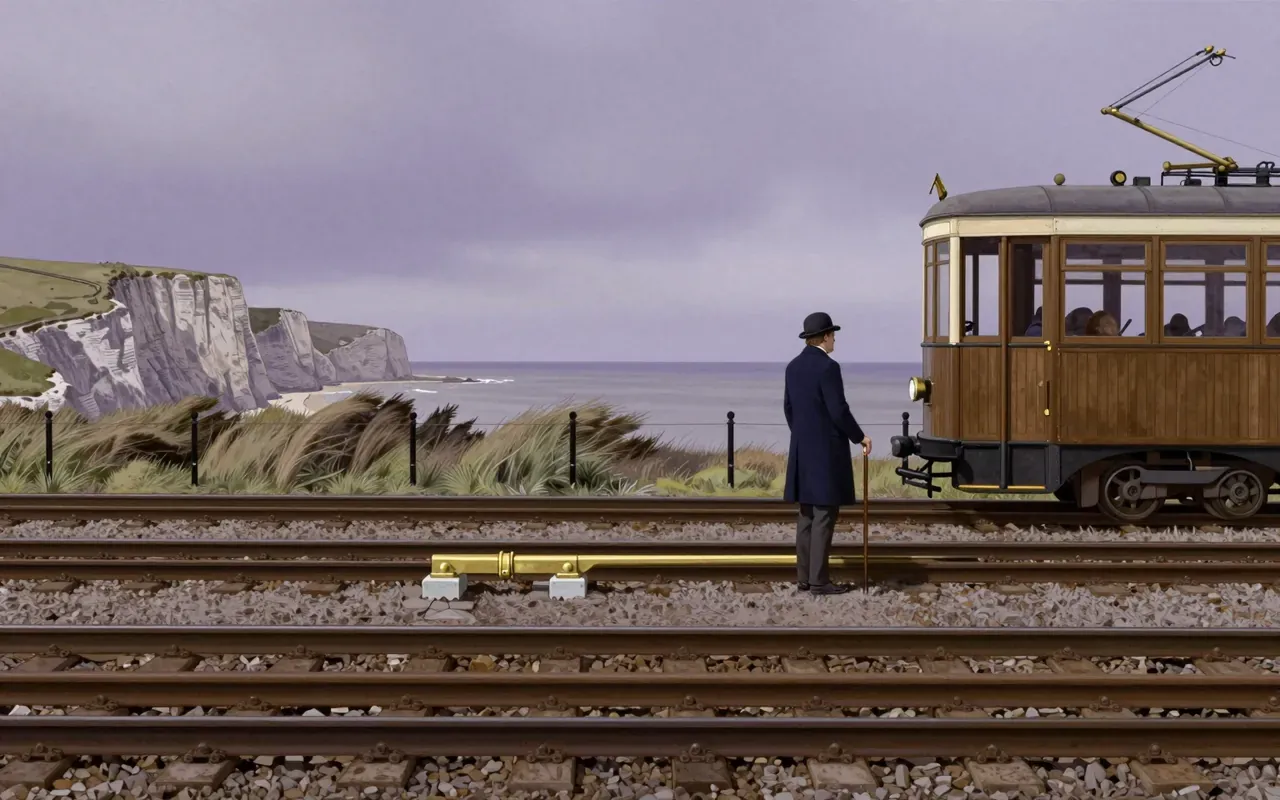
Volk's Electric Railway is operationally continuous but technically marginal. It demonstrates longevity, not leadership. Its engineering adaptations were local fixes — not transferable standards. Siemens set the template. Volk kept a line alive.

The floppy disk is a hardware innovation that enabled portable, standardised, low-capacity digital data exchange in IBM mainframe environments. It succeeded where earlier media failed — not by being faster or denser, but by being specifiable, licensable, and physically durable enough for daily use in controlled settings.
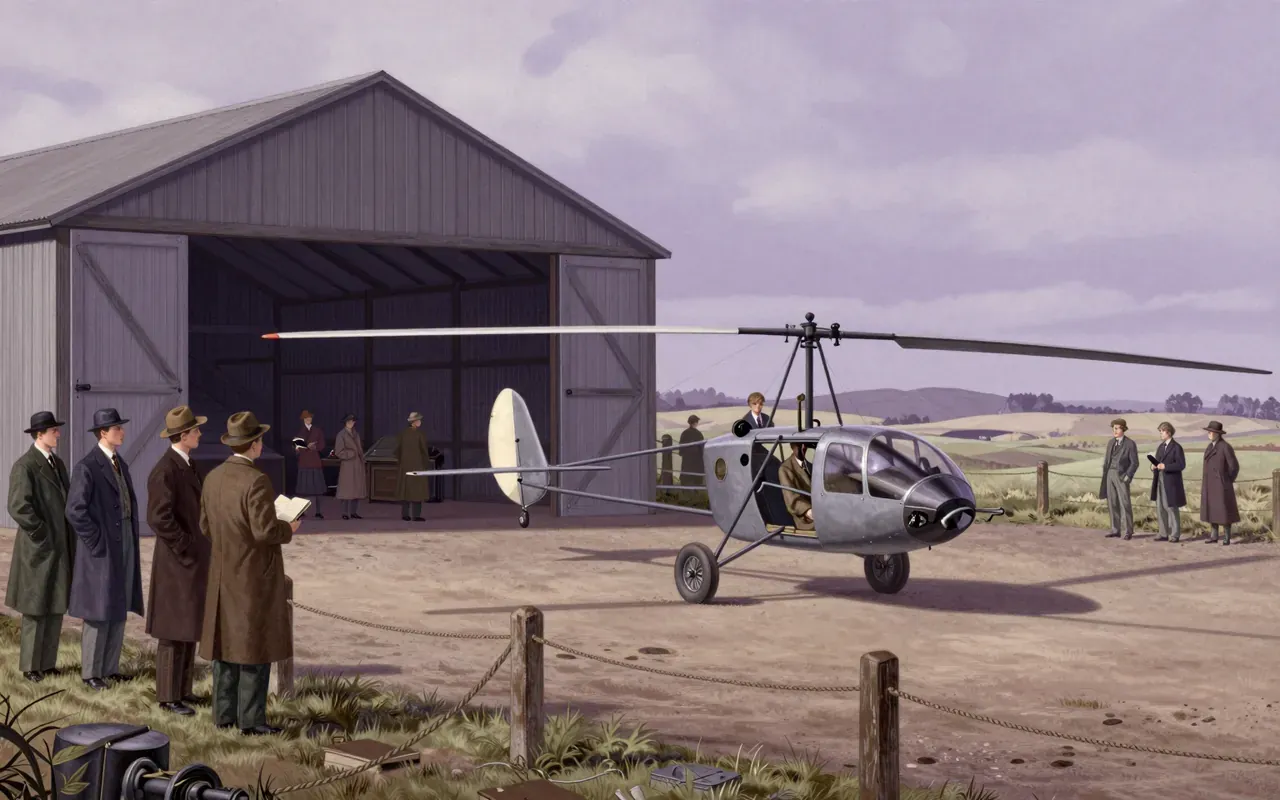
The articulated rotor solved dissymmetry of lift in autogyros using mechanical hinges—not powered rotation. It enabled stable forward flight and jump take-off, but did not enable hovering or VTOL. Its influence on helicopters is real but indirect: it provided the hinge architecture, not the propulsion model.
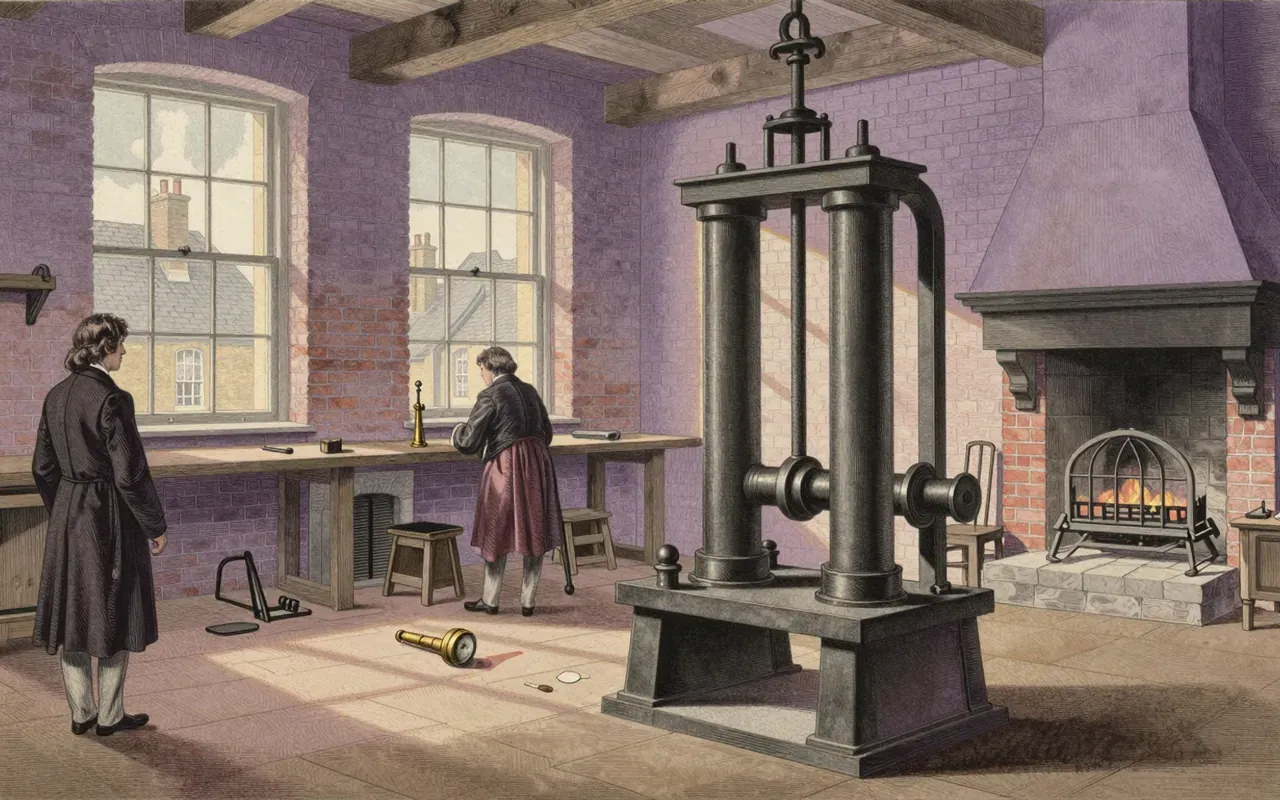
The hydraulic press is a force-amplifying apparatus built on Pascal’s principle. Bramah patented it in 1795. It works. It scales. It leaks. It endures.
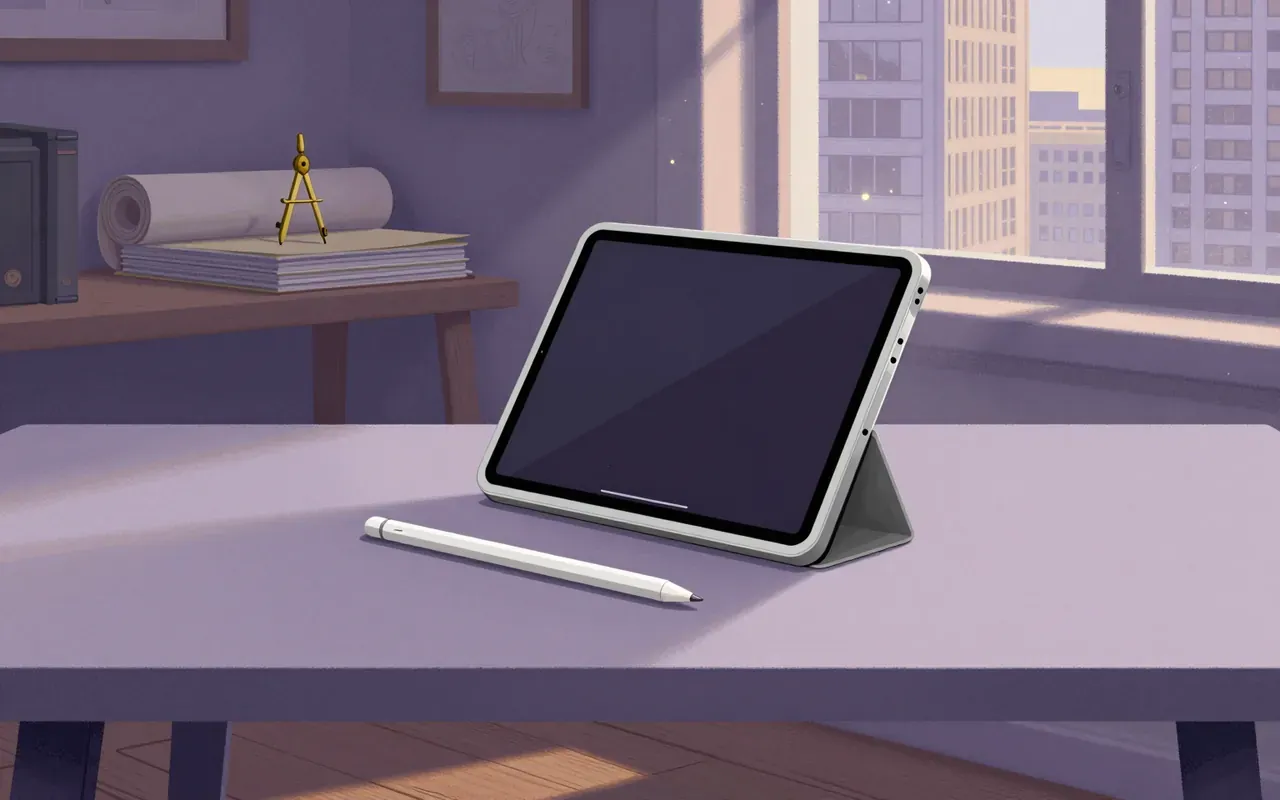
The 2016 iPad Pro is a hardware upgrade without a software foundation for professional work. It extends iOS 9’s constraints rather than replacing them.
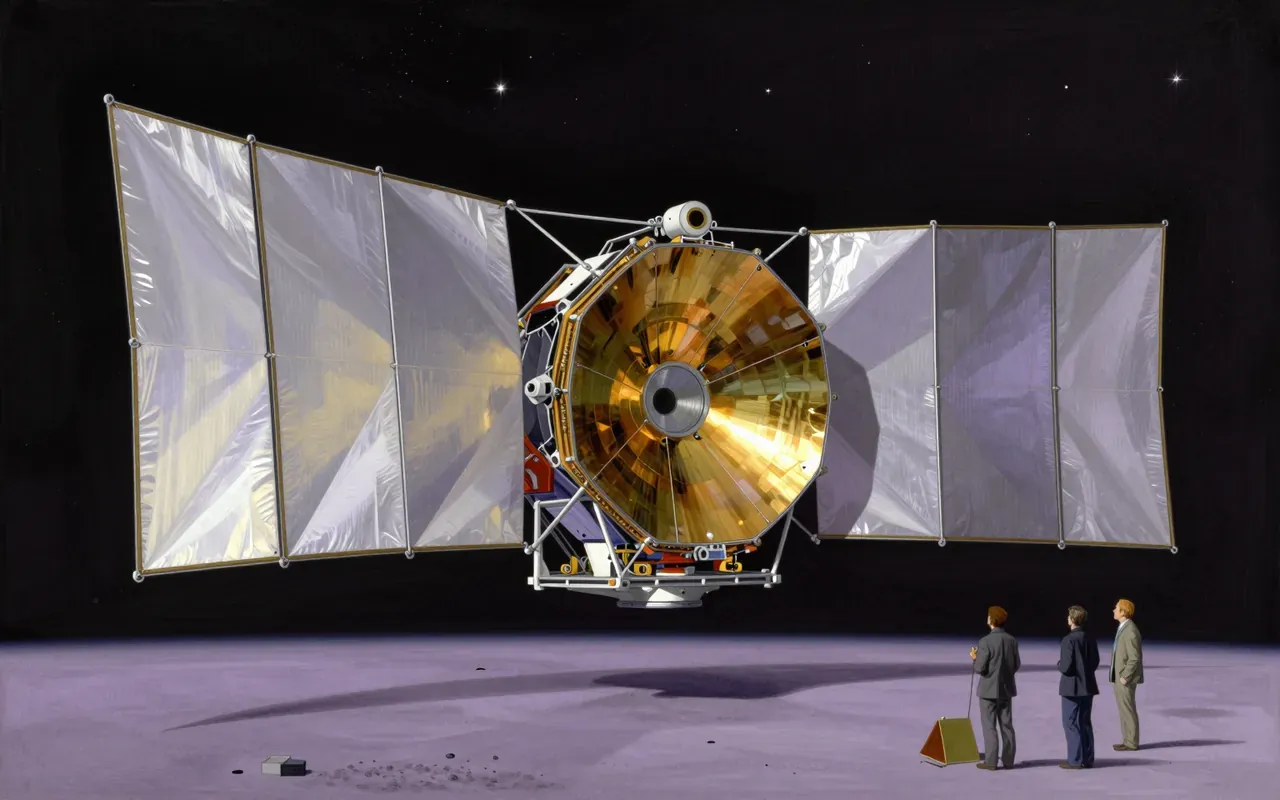

The jet engine solved thrust scaling for high-speed flight, but Whittle’s and von Ohain’s first implementations were experimental dead ends — low-efficiency, non-production designs that proved the principle but not the path.
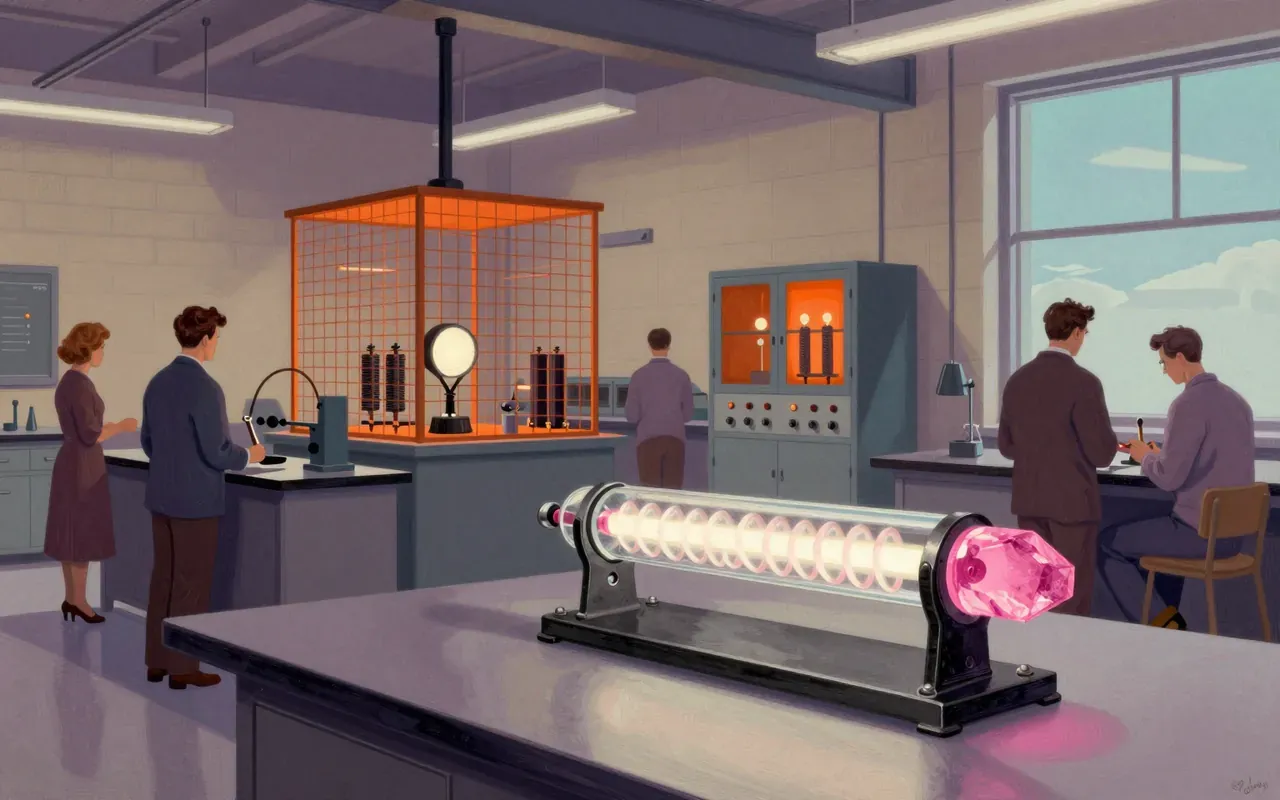
Theodore Maiman’s 1960 laser is a milestone in quantum electronics—not because it launched applications, but because it proved coherence could be engineered in a solid, at room temperature, using flashlamp excitation. Its limitations are structural: three-level pumping demands high peak power and prevents continuous operation. Its success lies in specificity: 694 nm, pulsed, ruby, May 16, Malibu.

The Linotype machine is a hot metal line-casting system invented by Ottmar Mergenthaler and first commercially installed in July 1886 at the New York Tribune. It assembles matrices into lines and casts them as single slugs of type metal, returning matrices for reuse. It delivered three to five times faster composition than hand-setting and was immediately deployed on both daily newsprint and book production — beginning with The Tribune Book of Open-Air Sports. It did not eliminate metal handling, support proportional spacing, or function outside hot metal infrastructure. Its value lies in its immediate, measurable acceleration of mechanical typesetting — not in conceptual novelty or long-term inevitability.
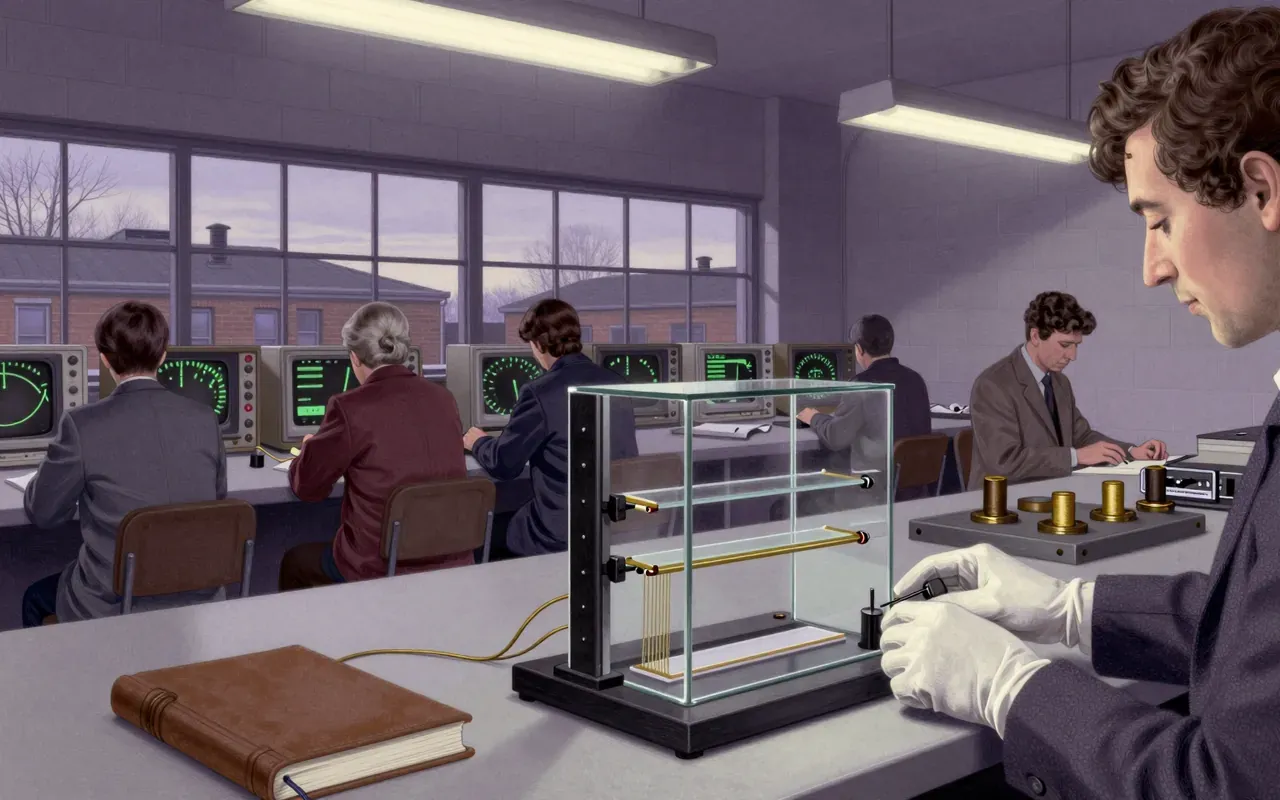
The Liquid-crystal display (LCD) invented by George H. Heilmeier at RCA in 1964 was the first operational display based on dynamic scattering mode (DSM). It solved the problem of achieving solid-state visual output by exploiting field-induced light scattering in liquid crystals — not alignment-based modulation. DSM works by applying voltage to switch the layer from transparent to turbid, enabling rudimentary on/off display states in transmissive or reflective modes. It required considerable current, limiting practical use. Though credited as the invention of the LCD, DSM was superseded within a decade due to its power demands and lack of scalability. It changed display R&D by proving liquid crystals could be electrically switched, but it did not deliver on low-power, high-density, or long-life promises.
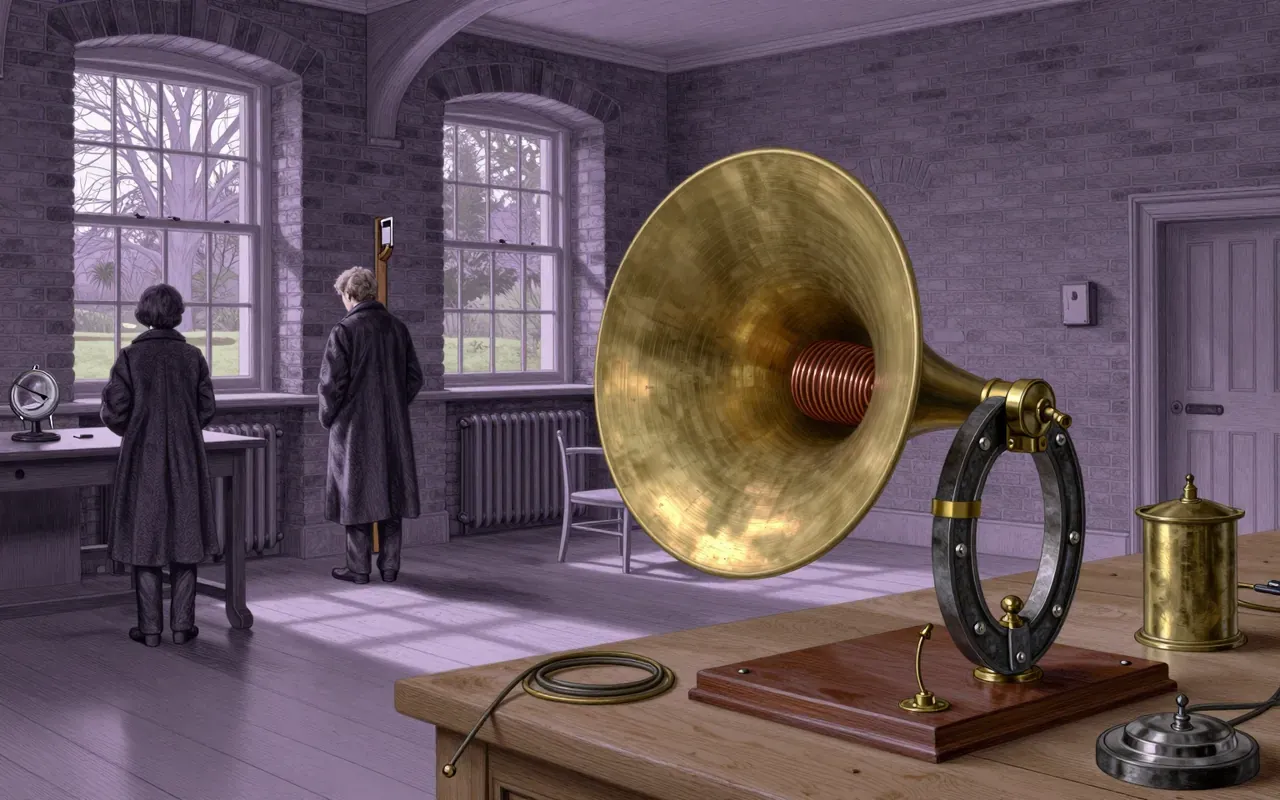
Lodge’s 1898 invention is the origin point of the moving-coil loudspeaker—but it was experimental, uncommercialised, and functionally limited. It proved electromagnetic transduction could move air. It did not solve amplification, fidelity, or scalability. Its value lies in principle, not performance.

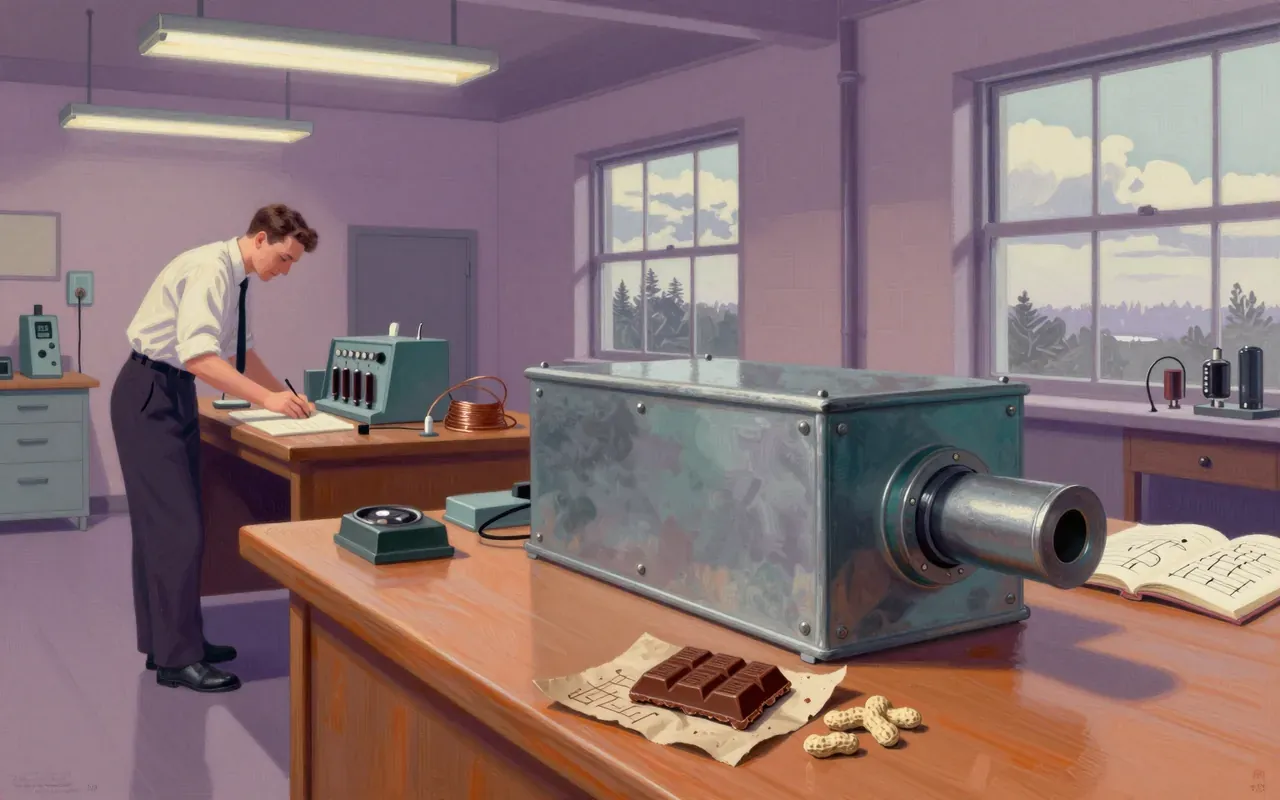
Percy Spencer’s 1945 microwave oven invention repurposed radar magnetrons for cooking. It works by dielectric heating in a sealed metal cavity. Popcorn and candy heat reliably. Eggs explode. The first commercial unit—the Radarange—arrived in 1947. No claim about speed, size, price, or adoption beyond what sources state.

Claude’s neon tube lighting was not the first gas-discharge light—but it was the first commercially viable one. Its success hinged on solving two engineering problems: keeping neon pure inside a sealed tube, and stopping electrodes from eroding under electrical stress. It turned air liquefaction waste into revenue. It did not enable low-power indicators—that came later, with Moore’s coronal-discharge lamp. It did not eliminate maintenance—it deferred it. Its real innovation was industrial integration, not physics.



The Beckman pH meter is the first patented, commercially successful electronic instrument for measuring pH. It solved a specific industrial problem — Sunkist’s inability to track acidity during citric acid production due to sulfur dioxide interference — by amplifying fragile glass electrode signals via vacuum-tube circuitry. It worked reliably enough to displace bench-scale setups, generate $60,000 in sales by 1936, and establish the template for electronic chemical instrumentation. It did not solve electrode drift, temperature error, or field durability — those came later. Its value lies not in universality, but in proving that electronic amplification could make previously unmeasurable chemistry quantifiable in real-world conditions.
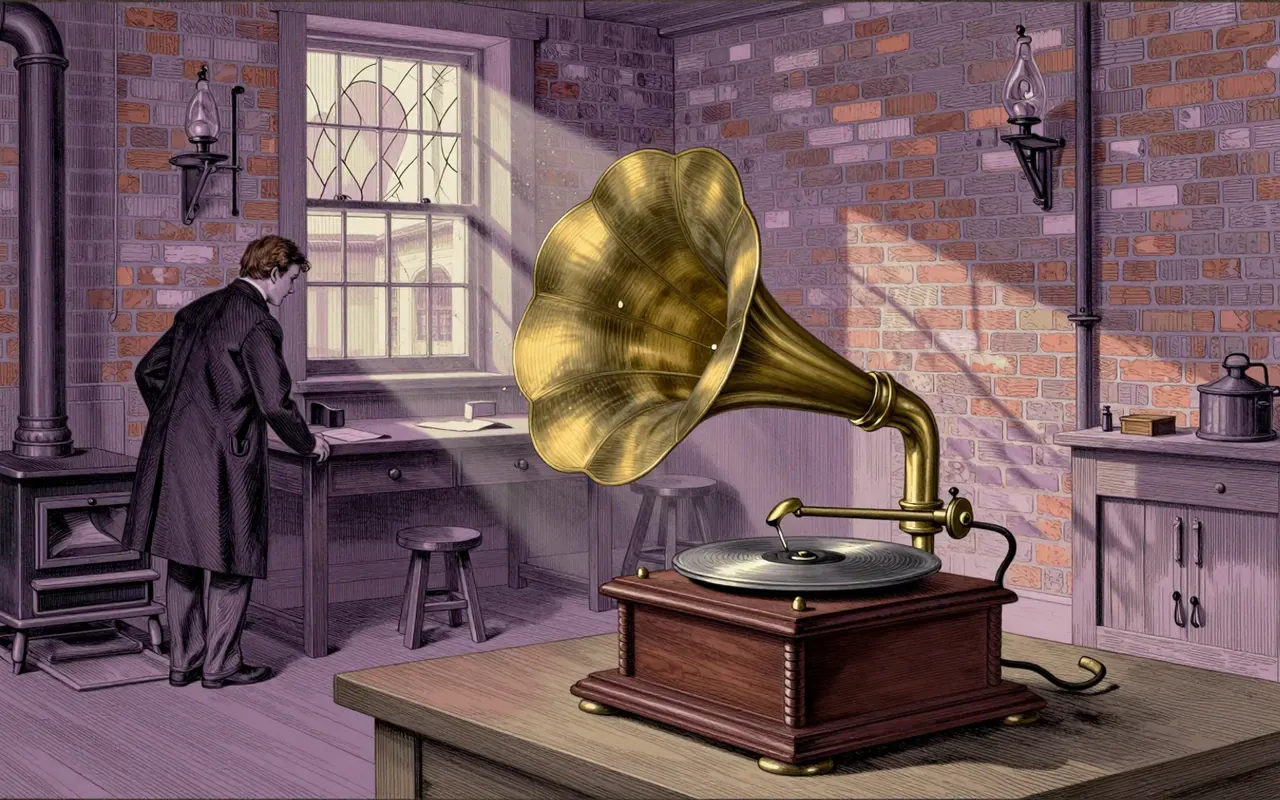
The phonograph established mechanical sound recording as possible — but delivered nothing usable. Its tinfoil medium broke, distorted, and wore out. Edison patented it in 1878 but shelved it for a decade. Only Bell’s wax-cylinder rival in the 1880s forced him to act.


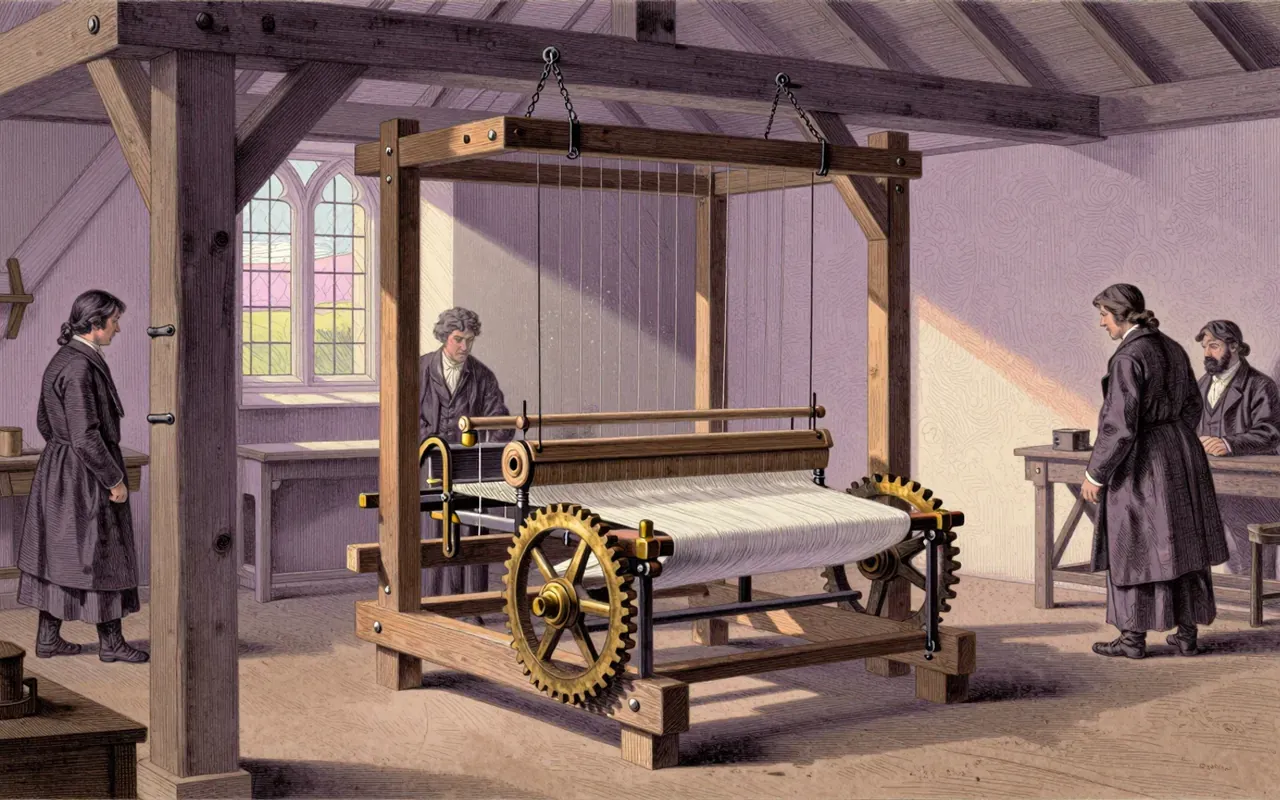
The power loom is a foundational failure: it proved automated weaving possible but could not sustain production. Its value lies in its mechanism—not its output—and its legacy is structural, not operational.


The QR code is a pragmatic, narrowly scoped hardware interface — not a digital protocol or cultural platform. It solved a specific logistics bottleneck in Japanese automotive manufacturing. Its longevity stems from mechanical robustness and open licensing, not technical novelty or user experience.
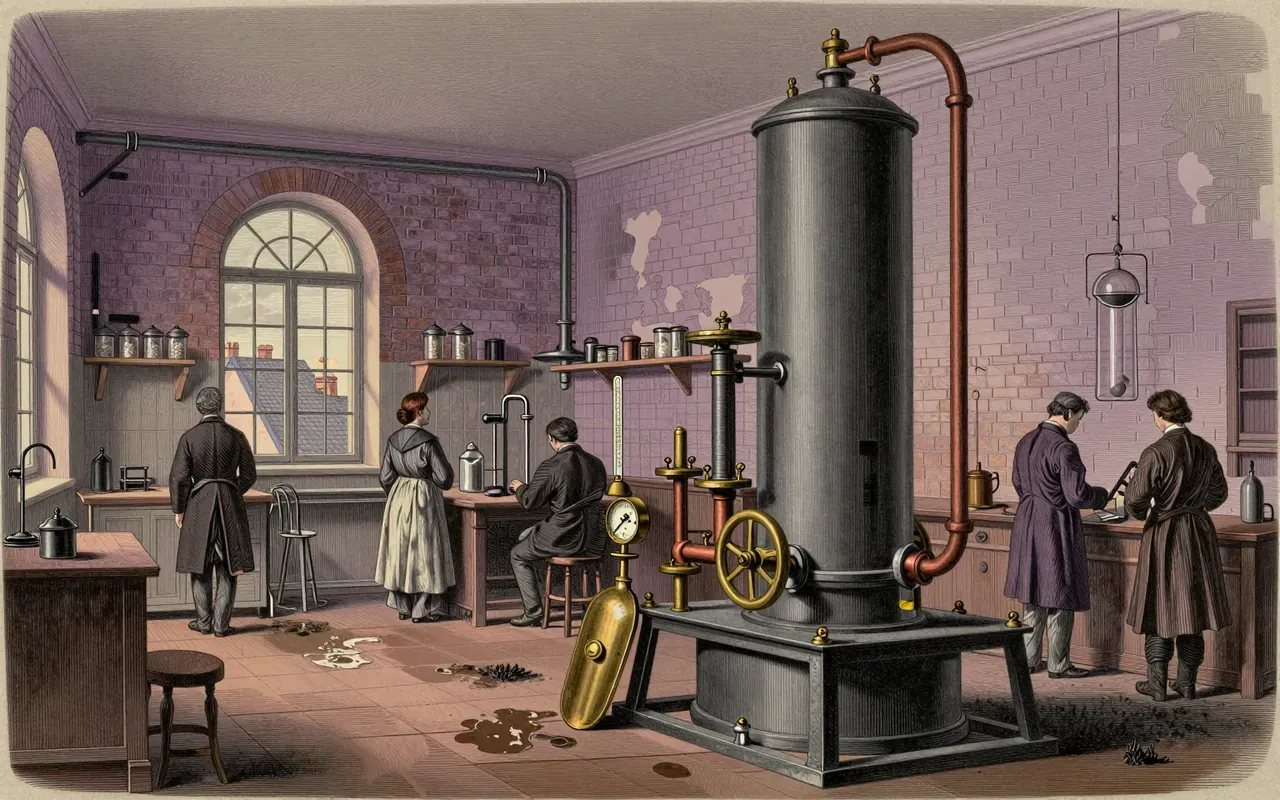
Linde’s 1876 compressed-ammonia refrigerator was the first practical, compact, and reliable vapor-compression system. It solved industrial spoilage by enabling stable low-temperature control — starting with the Spaten Brewery in 1873. Its mechanism relied on compression, condensation, expansion, and evaporation, later formalised as the refrigeration cycle in 1895. But it used toxic refrigerants without safeguards — a trade-off baked into its design. Its legacy is real: ammonia remains in industrial use today. Its failure is structural: safety was deferred, not designed.
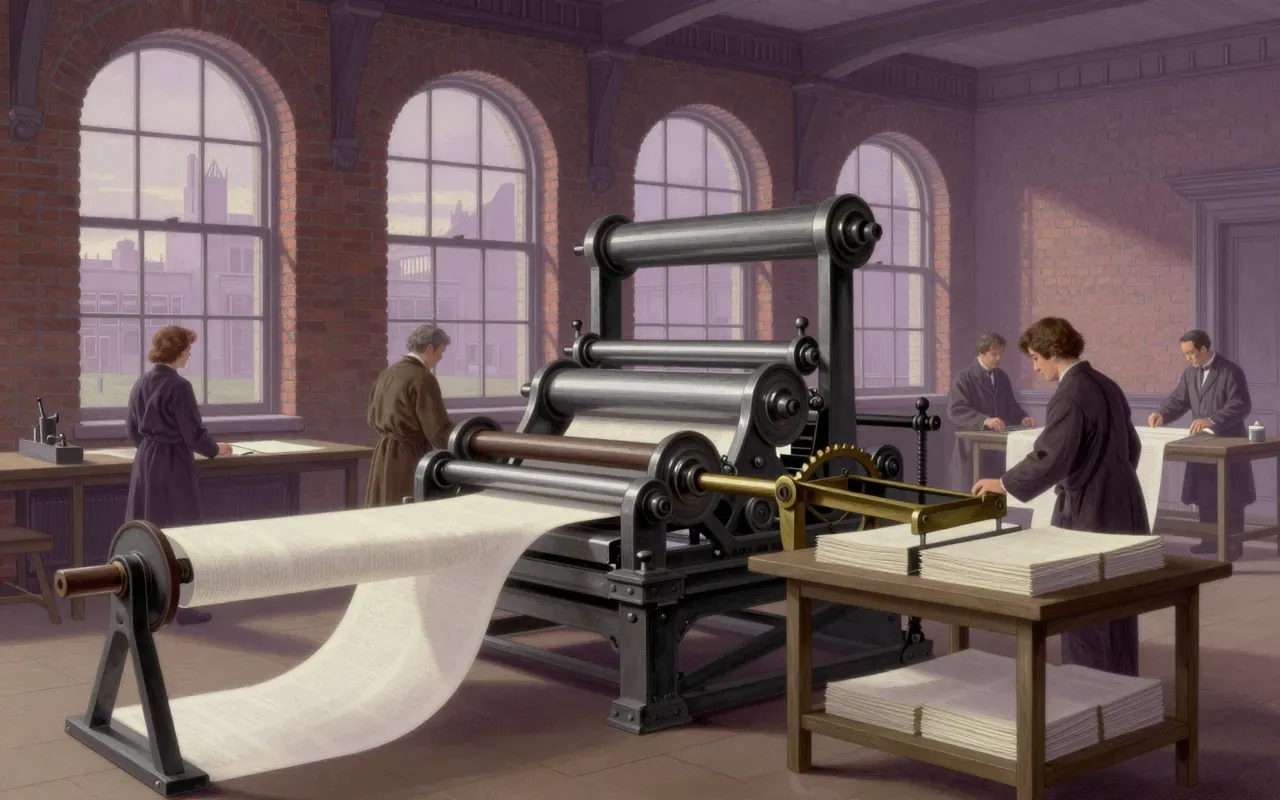
The rotary printing press solved the bottleneck of flatbed impression speed by rotating type cylinders against a fixed platform. It worked because rotation enabled stable, repeatable contact at scale. Its 1846 form was deployable; its 1870 web perfecting variant automated cutting and folding at 18,000 papers/hour. It did not eliminate manual feeding until the 1870 version. It changed publishing by making daily mass print economically viable. It matters for anyone studying how mechanical standardisation enables information scale.
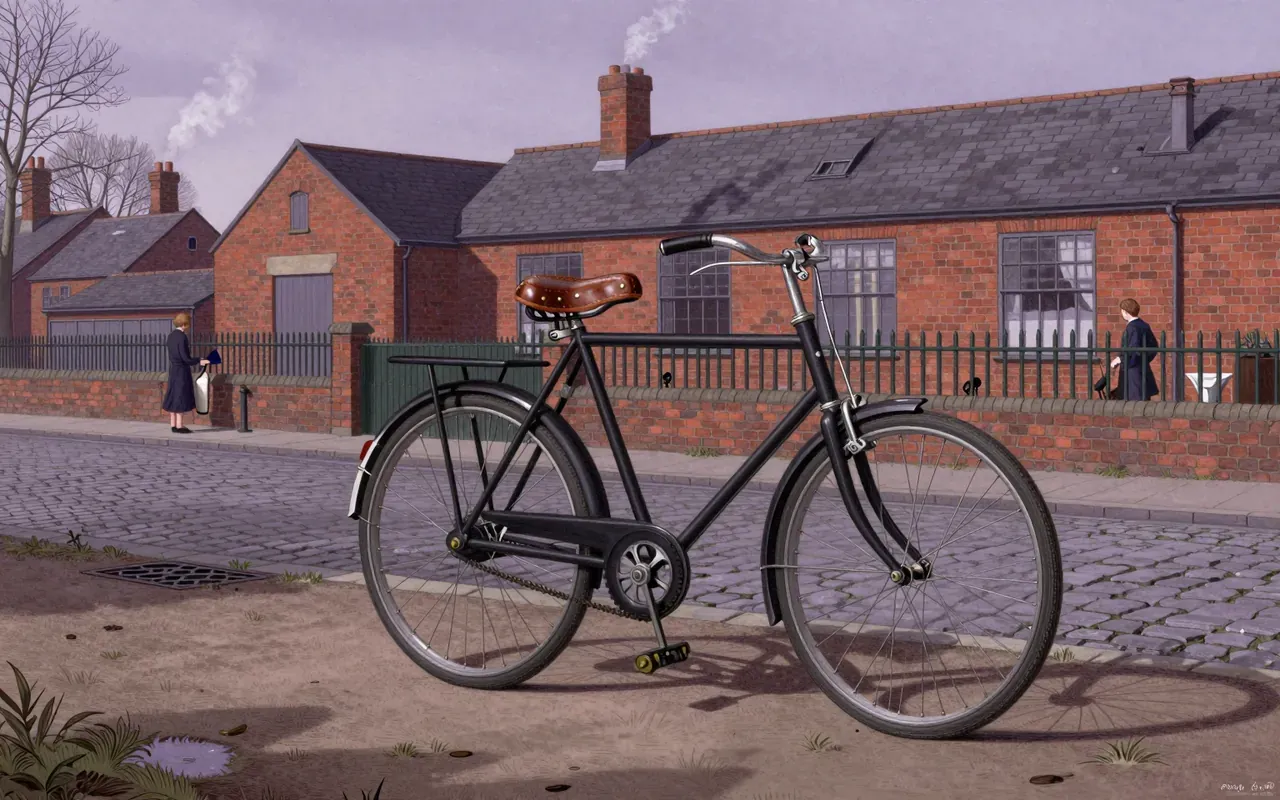
The safety bicycle solved the penny-farthing’s fatal instability by lowering the rider, equalising wheel size, and moving power to the rear wheel via chain. Starley’s 1885 Rover succeeded not because it was first, but because it combined rear-chain drive, direct steering, and balanced geometry — while most contemporaries still used front drives or indirect steering. It made cycling broadly usable, but only after overcoming real mechanical and ergonomic trade-offs.

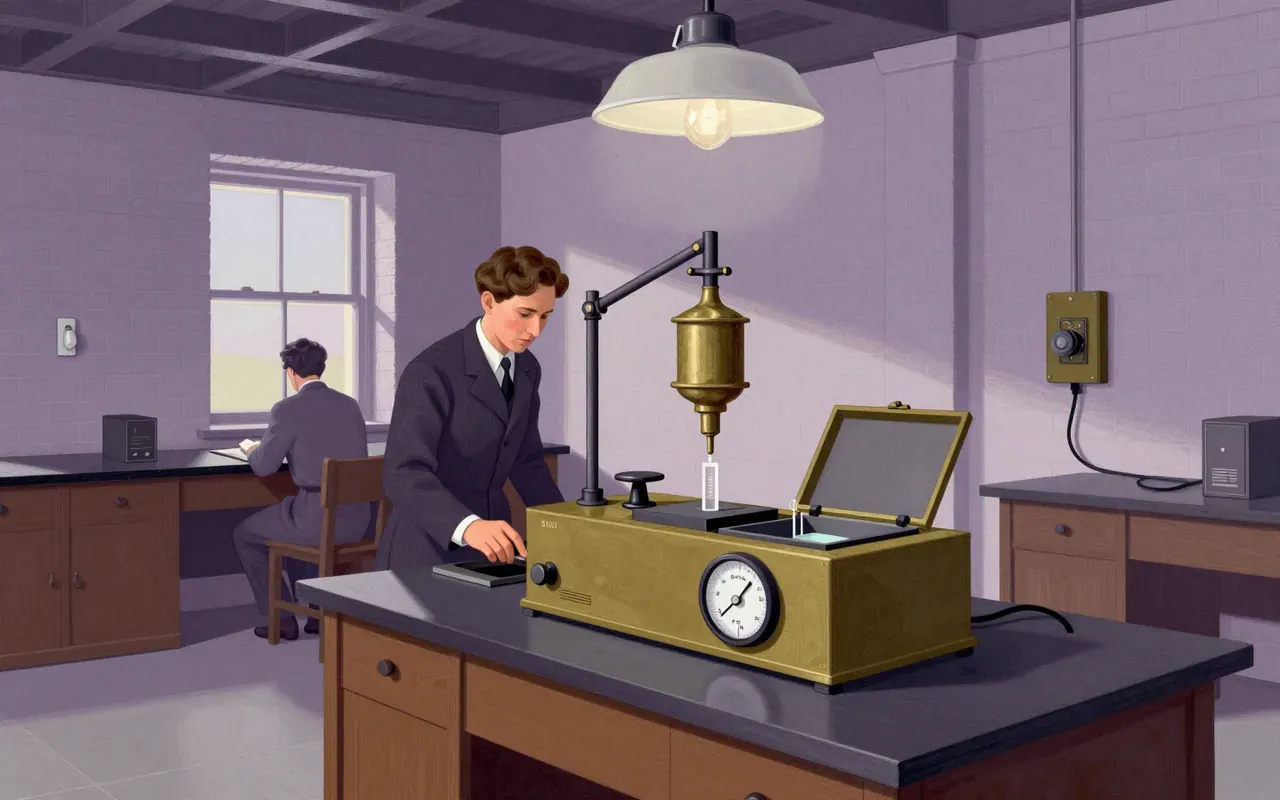
The DU spectrophotometer was not a leap in physics — it was a consolidation of optics, electronics, and procedure into one certified, usable tool. It replaced artisanal interpretation with repeatable numbers. Its value lies in enforced standardisation, not novelty.
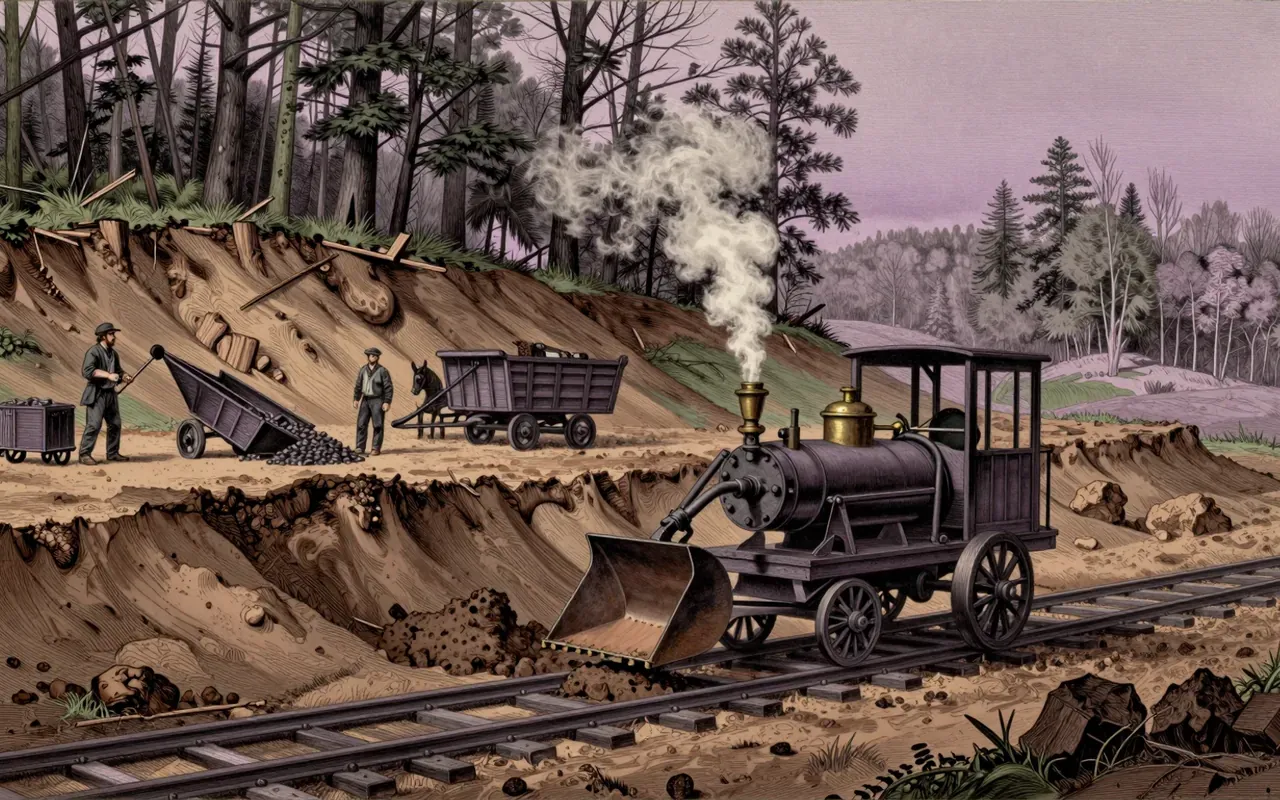
The steam shovel is a pivotal hardware innovation that mechanised excavation but remained tethered to rail logistics and partial rotation. It delivered measurable productivity gains (380 m³/day) in specific contexts — railroads, canals — yet offered no autonomy, adaptability, or terrain independence. Its legacy is infrastructural, not operational.
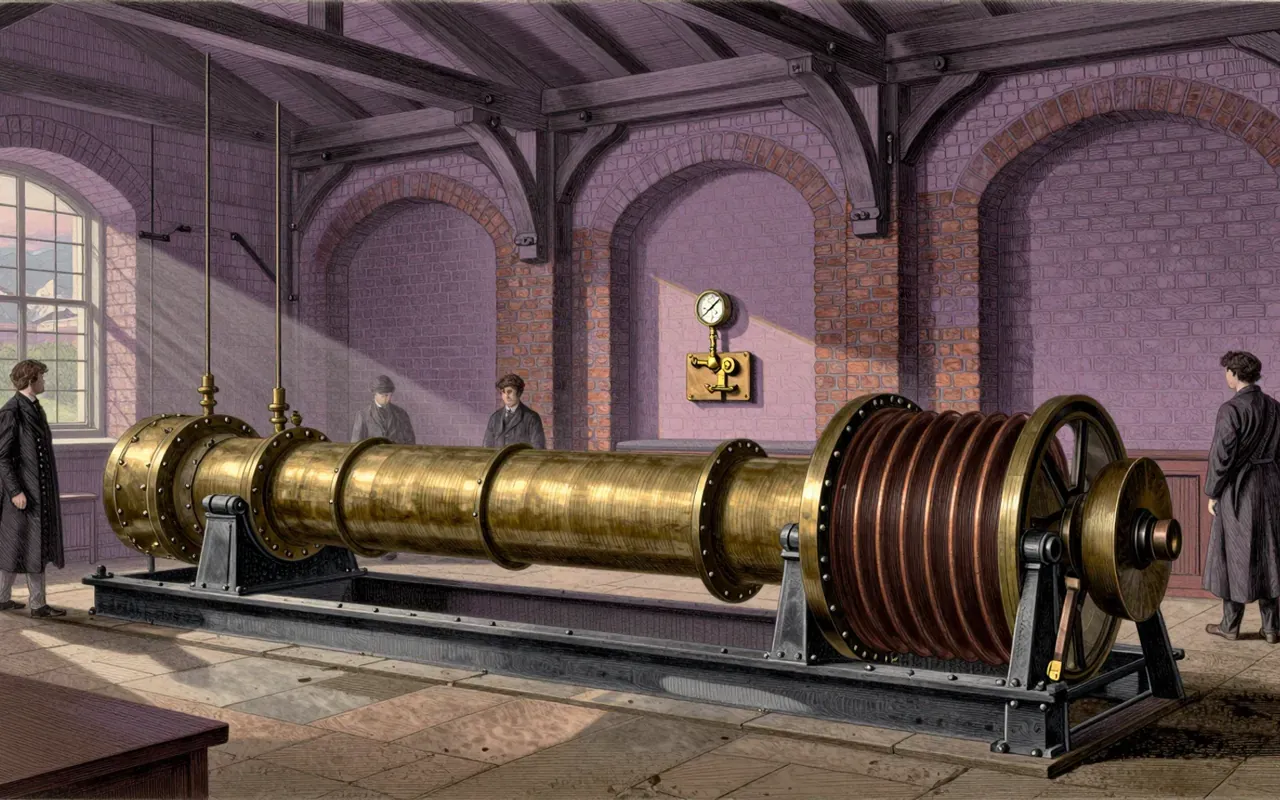
The steam turbine was not an incremental upgrade. It was a new mechanical paradigm: reaction-based, inherently scalable, and immediately deployable for electricity and propulsion. Its success came from eliminating reciprocating inertia, enabling higher speeds, smoother operation, and orders-of-magnitude growth in unit size. It delivered what it promised—cheap electricity and naval transformation—without hedging or delay.
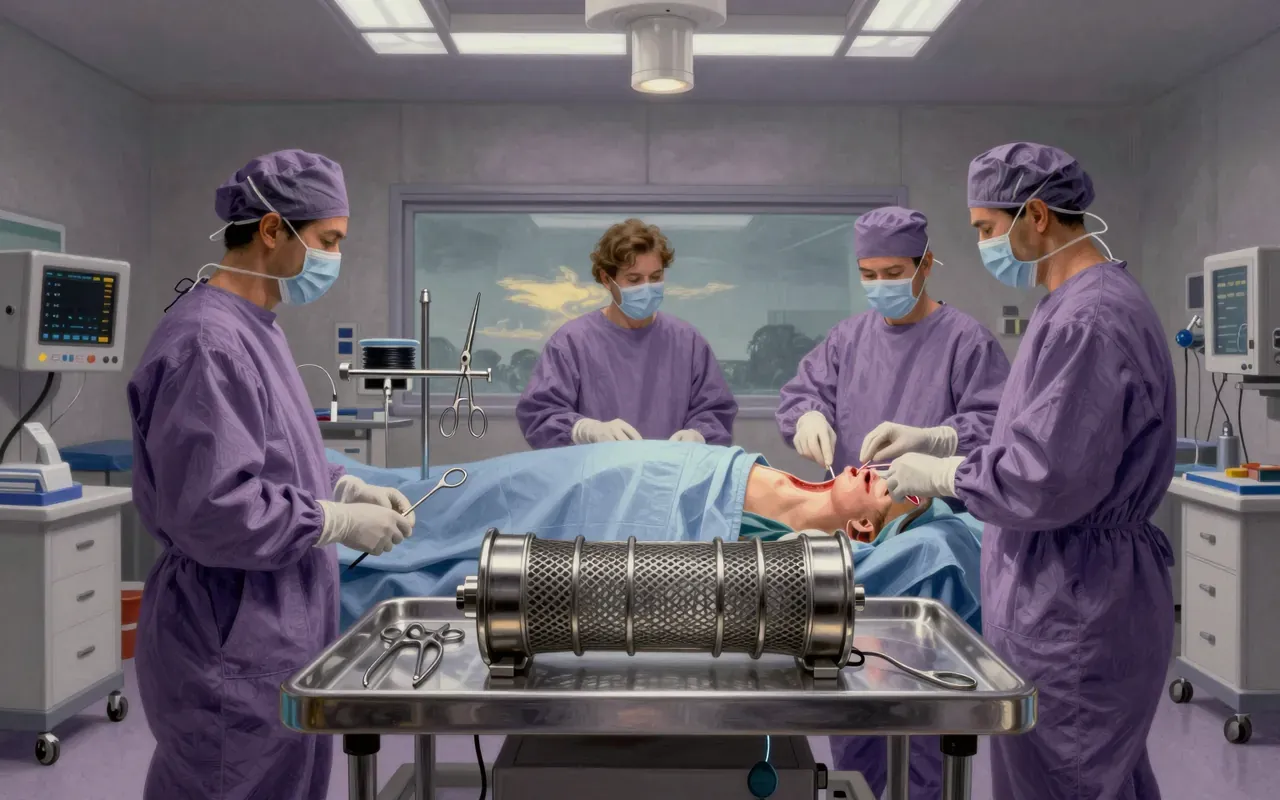
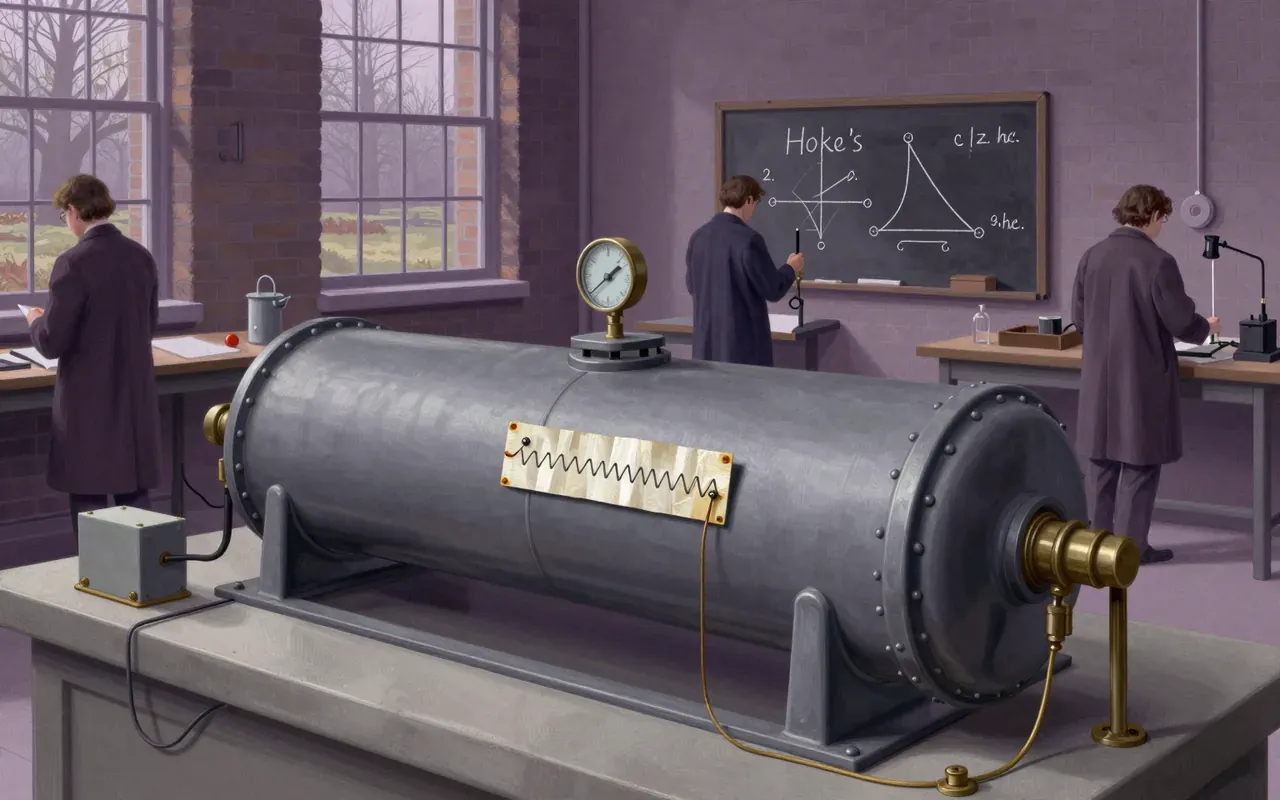
The strain gauge is a bonded metallic foil sensor that translates mechanical strain into resistance change via conductor geometry. Invented independently in 1938 by Simmons (for shock-load metallurgy) and Ruge (for seismological water tank modelling), it solved measurement gaps where optical methods failed. It works reliably within elastic limits—but fails without precise adhesion or thermal control. Its legacy is not novelty but adoption: it became the standard interface between force and electronics because it was simple, scalable, and grounded in first principles—not hype.


The Tesla Model X is a battery electric mid-size luxury crossover SUV developed from the Model S platform and distinguished by falcon wing doors. It shares ~30% of its parts with the Model S—half the originally planned 60%—and weighs ~10% more. Unveiled in Hawthorne on 9 February 2012, it entered production in Fremont and began deliveries in September 2015. In 2016, it ranked seventh among the world’s best-selling plug-in cars. A 2021 refresh added the Plaid model and updated interior, powertrain, and suspension.
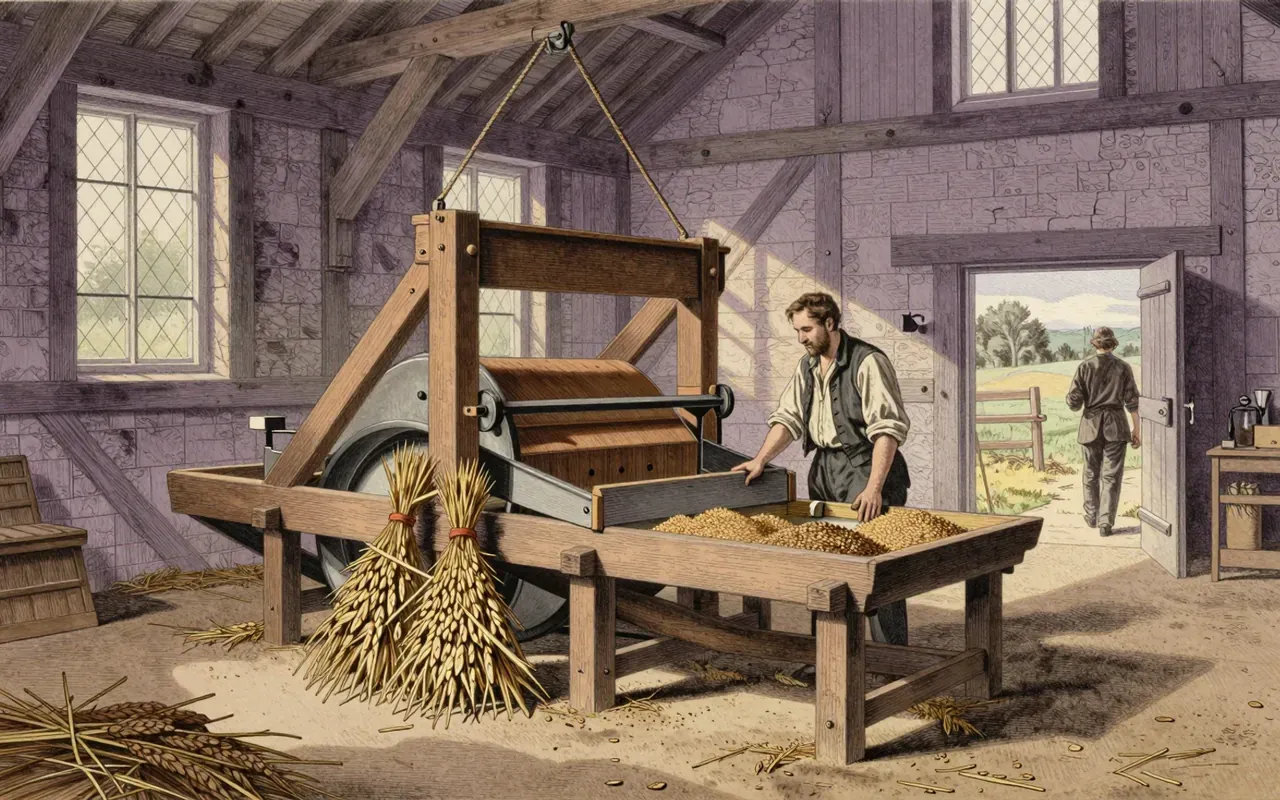
The threshing machine was the first agricultural device to mechanise grain separation—but its initial form solved only one step of a three-step process. Meikle’s 1786 invention used velocity-driven fixed beaters to dislodge grain. Early output remained mixed: straw, chaff, and grain formed a single heap. Only with added rakes, shakers, and fanners did it deliver clean, market-ready grain. It reduced labour by ~25%, lifted yield by up to 5%, and cut total processing cost below prior cleaning-only expense. It did not eliminate human oversight. It did not scale without infrastructure. It did not win immediate adoption. It established that mechanisation required integration—not just substitution.


Greathead’s shield was not a tunnel boring machine in the modern sense — it did not rotate cutters or automate excavation. It was a pressurised, jacked, lined, and grouted soft-ground tunnelling system. It succeeded where earlier shields failed because it managed water, pressure, and ground movement as an integrated mechanism — not a collection of parts.
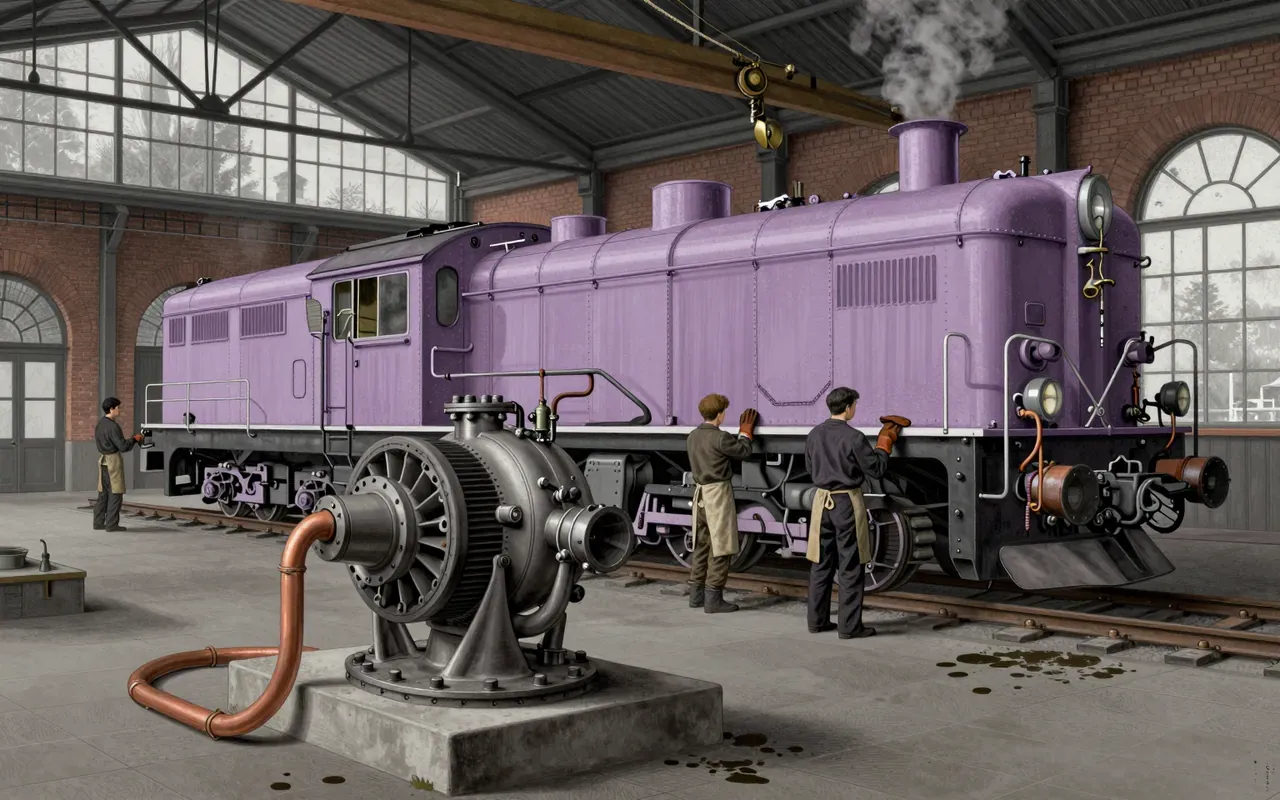
Alfred Büchi’s 1905 turbocharger patent established the axial turbine–compressor-on-common-shaft architecture still used today. It solved no immediate problem: the 1915 aircraft prototype failed. Its first functional applications were marine diesel engines in 1923 (1750 → 2500 hp) and stationary diesel engines in 1925 (1,300 → 1,860 kW, +40% efficiency). All verified successes occurred under Büchi’s direct supervision. No verified application existed outside large, slow-speed diesel systems before 1925.