What it is and the problem it solves
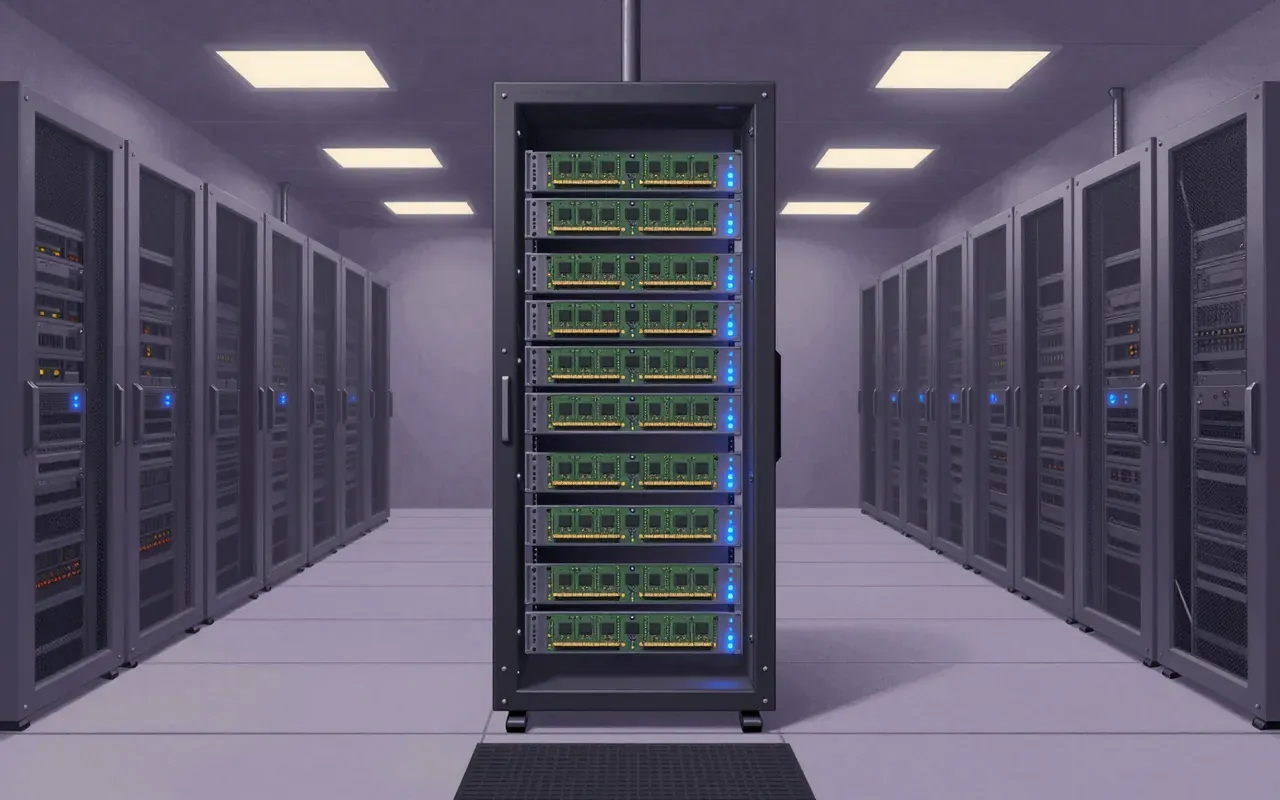
Apache Spark is an open-source unified analytics engine for large-scale data processing. It solves the high-latency bottleneck of Hadoop MapReduce by enabling in-memory computation and arbitrary DAG-based execution.
How it works
Spark uses resilient distributed datasets (RDDs) as its core abstraction: read-only, fault-tolerant collections of data partitioned across cluster nodes. Workflows are compiled into directed acyclic graphs (DAGs), where nodes represent RDDs and edges represent transformations or actions. This avoids MapReduce’s forced disk-to-disk linear pipeline.
What works
Iterative algorithms—like machine learning training loops—and interactive data exploration work significantly faster. Spark’s implicit parallelism and fault tolerance let developers write cluster code without managing low-level distribution logic.
What does not
Spark does not eliminate disk dependency. RDDs are in-memory only by default; persistence must be explicitly configured. It does not replace storage systems, scheduling frameworks, or security layers. It provides no native resource isolation or multi-tenancy.
What it changes
It changes how engineers structure distributed computation: from rigid, stateless batch pipelines to flexible, stateful, multi-stage workflows with shared intermediate data. It moves latency-sensitive analytics from hours to seconds—but only for workloads that fit in cluster memory.
Is it worth your time
Yes—if you run iterative algorithms or exploratory queries on large datasets and can provision memory-heavy clusters. It demands more RAM than MapReduce and offers no built-in storage, so operational cost shifts from I/O to memory management.