Crucial
Crucial was the brand under which Micron Technology sold its consumer memory and storage products, until the brand was discontinued in 2026.
The machine that ate every other machine.

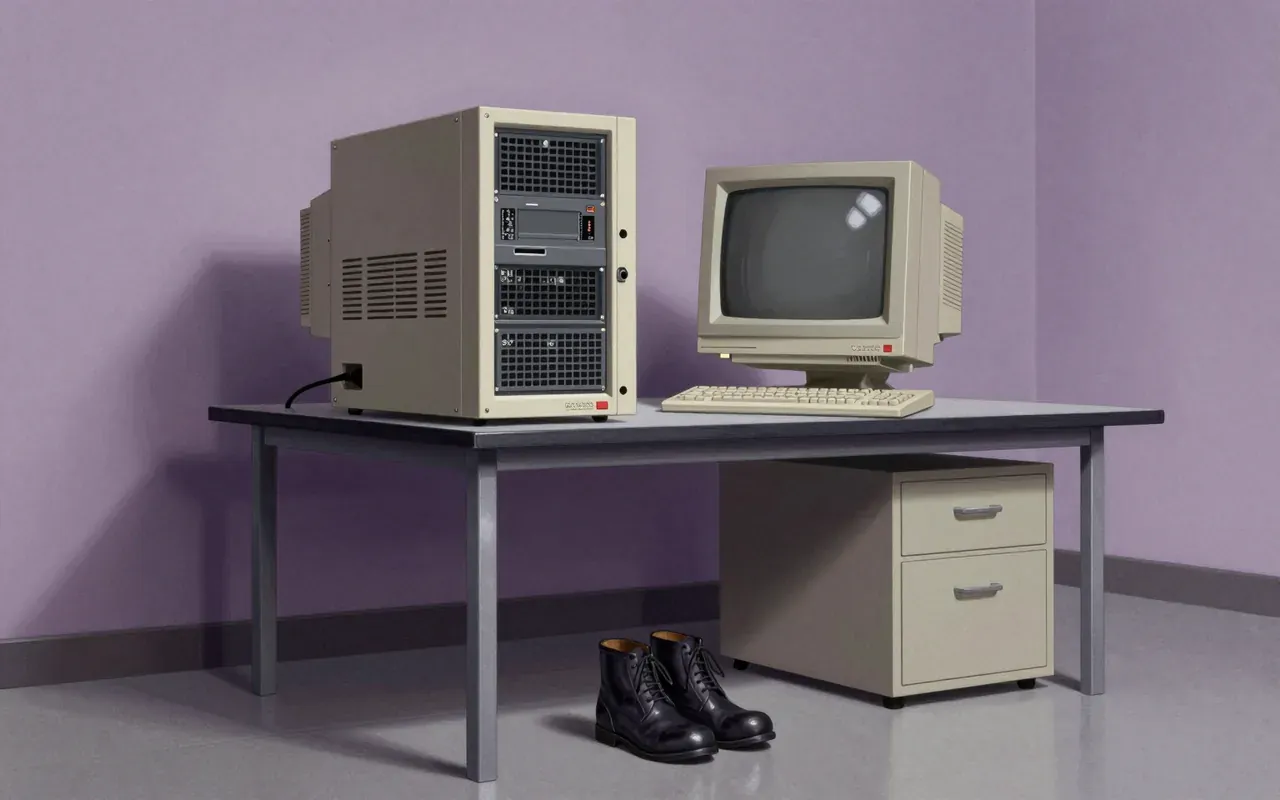
Silicon Graphics built the first practical hardware-accelerated 3D graphics systems. Its Geometry Engine — designed at Stanford under ARPA — delivered ~6 million geometry operations per second. It pioneered scalable cc-NUMA architectures in the mid-1990s. But its reliance on proprietary MIPS and failed transitions to Itanium and Xeon eroded its position as PC graphics commoditised. It filed for bankruptcy in 2009.
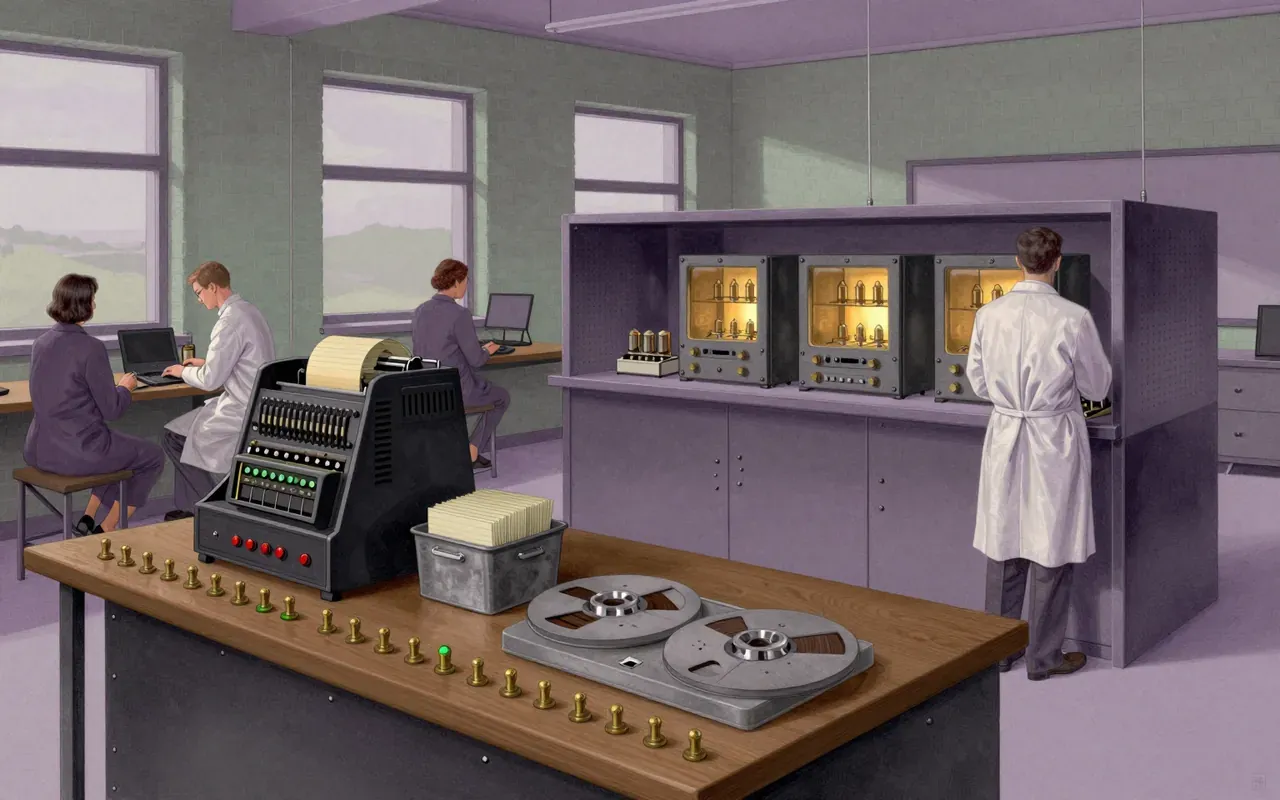
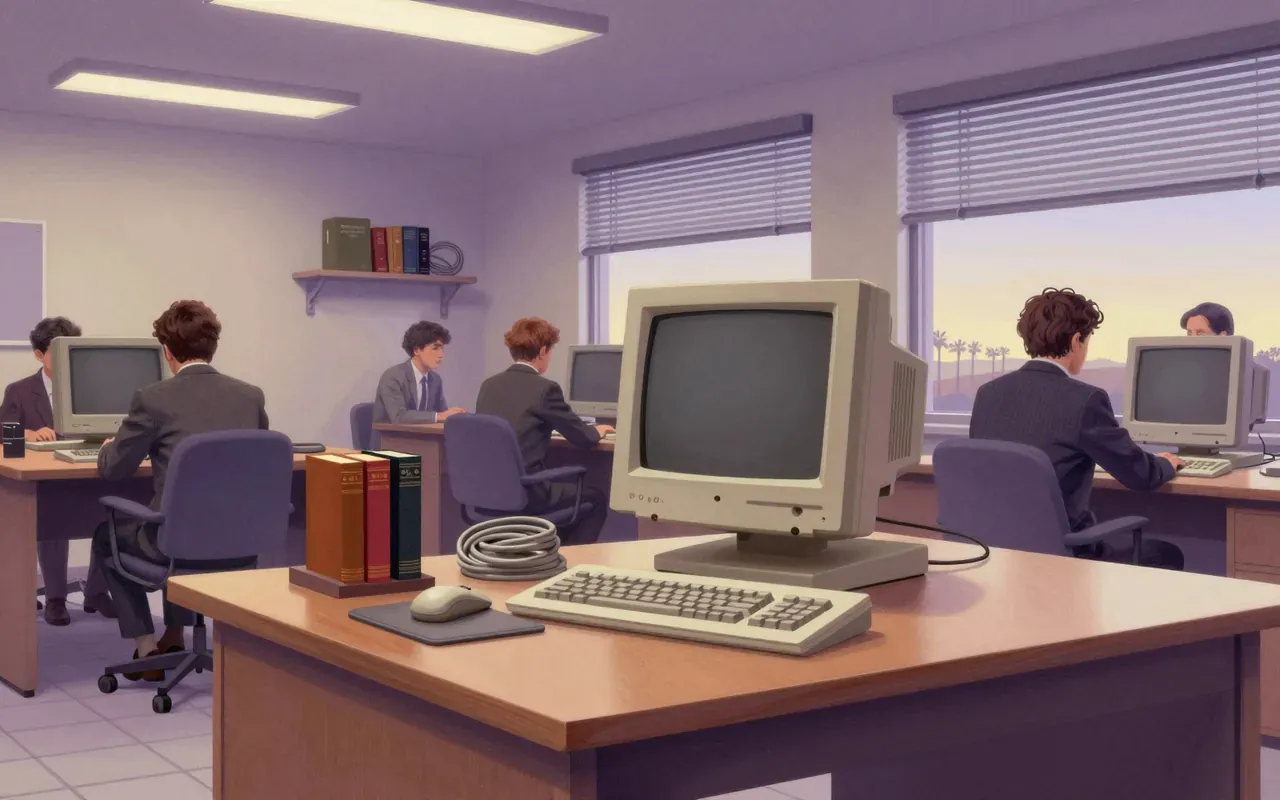
The Macintosh 128K delivers a complete graphical interface in a sealed, unexpandable box. It works by tightly integrating hardware and firmware — not by scaling up, but by locking down. Its success comes from constraint, not capability.

Capacitive sensing is not an invention by E.A. Johnson. He is a Canadian ecologist whose work concerns climate change, fire management, and geoscience-ecology interfaces. Capacitive sensing is an engineering method with no documented link to him. The technology relies on measurable electric field disruption—not intuition, ecology, or field observation.


Codd’s 1969 relational model is a formal specification—not software, not SQL, not a product. It defines data as tuples in relations, enforces consistency via logic, and insists all information be explicit. Real databases violate it daily. That gap is where data engineering begins.
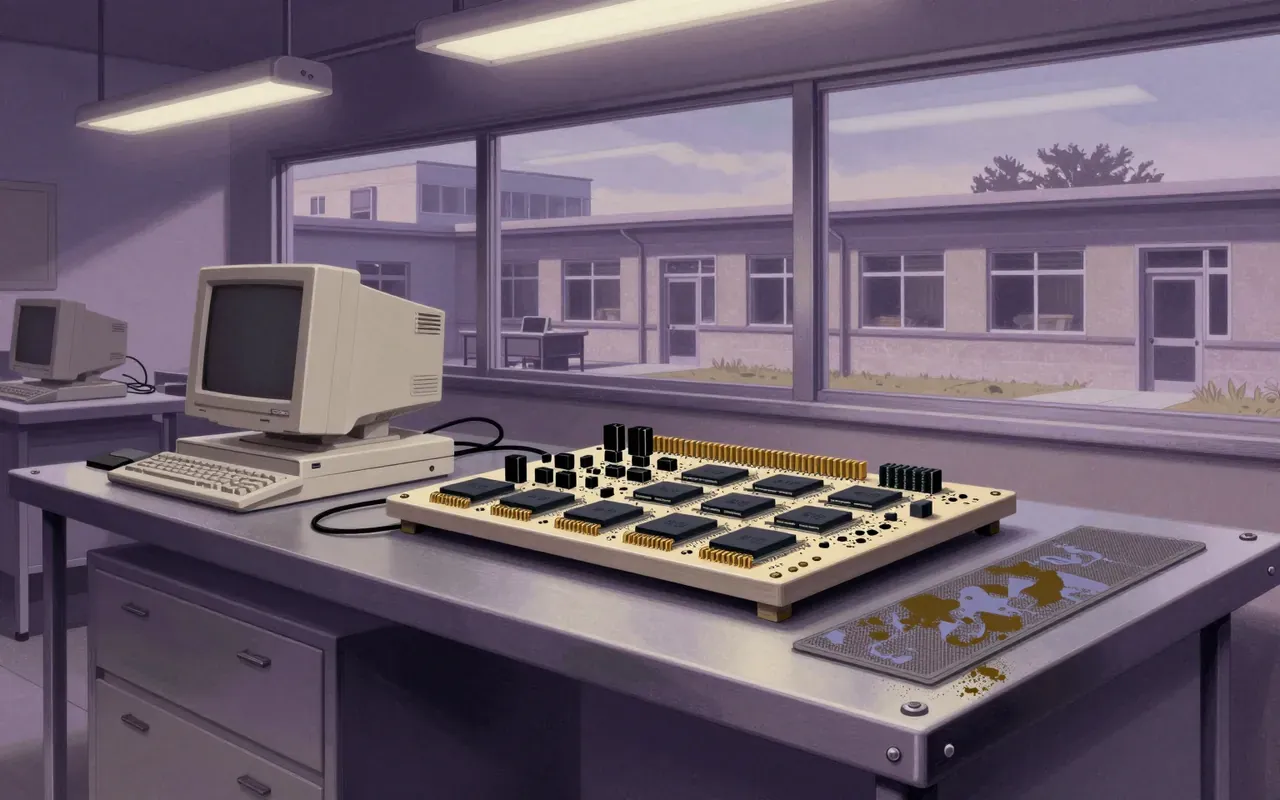
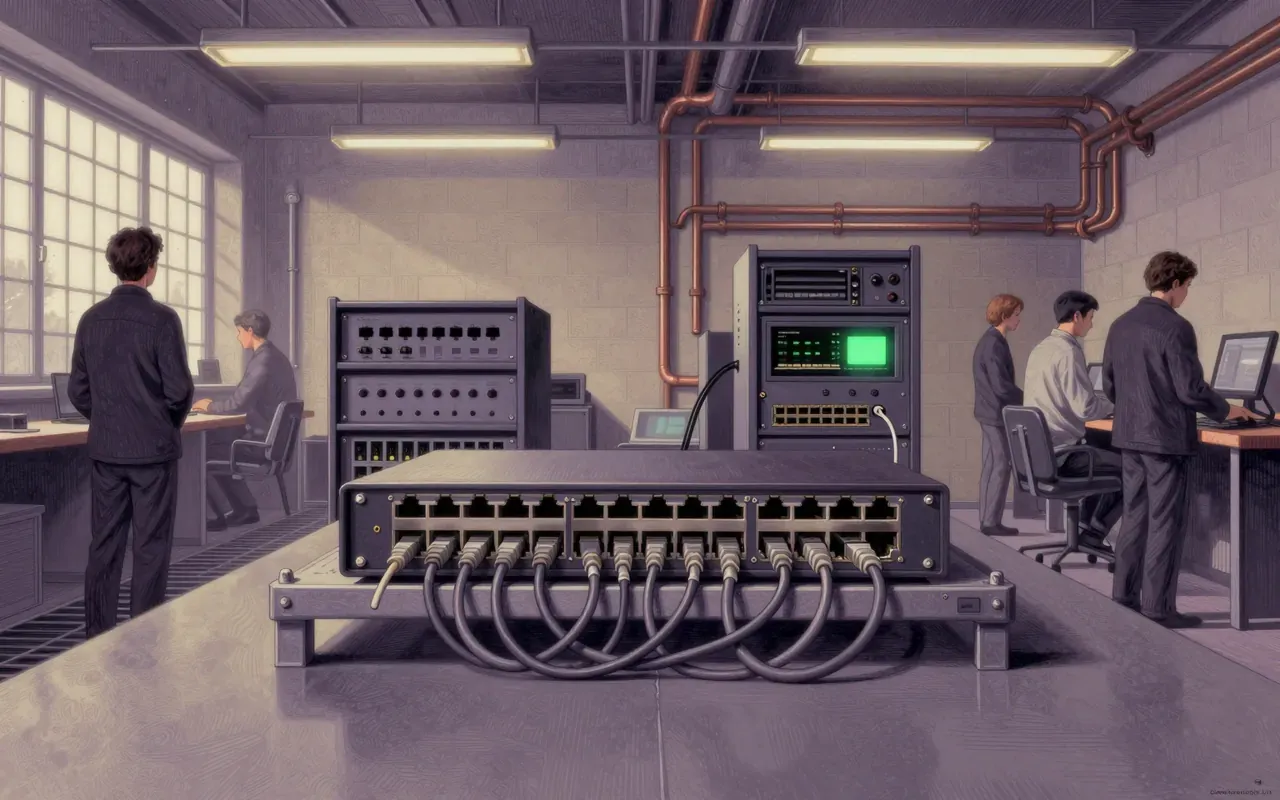
DNS is the distributed name-resolution system invented by Paul Mockapetris in 1983. It replaced the ARPAnet’s central hosts file. It uses a hierarchical zone model and originally ran over UDP. Later concerns about reliability, security, and privacy drove TCP use and protocol extensions. RFCs 882, 883, 973, 1034, and 1035 define its evolution. Mockapetris implemented the first version, 'Jeeves', for TOPS-20 the same year.
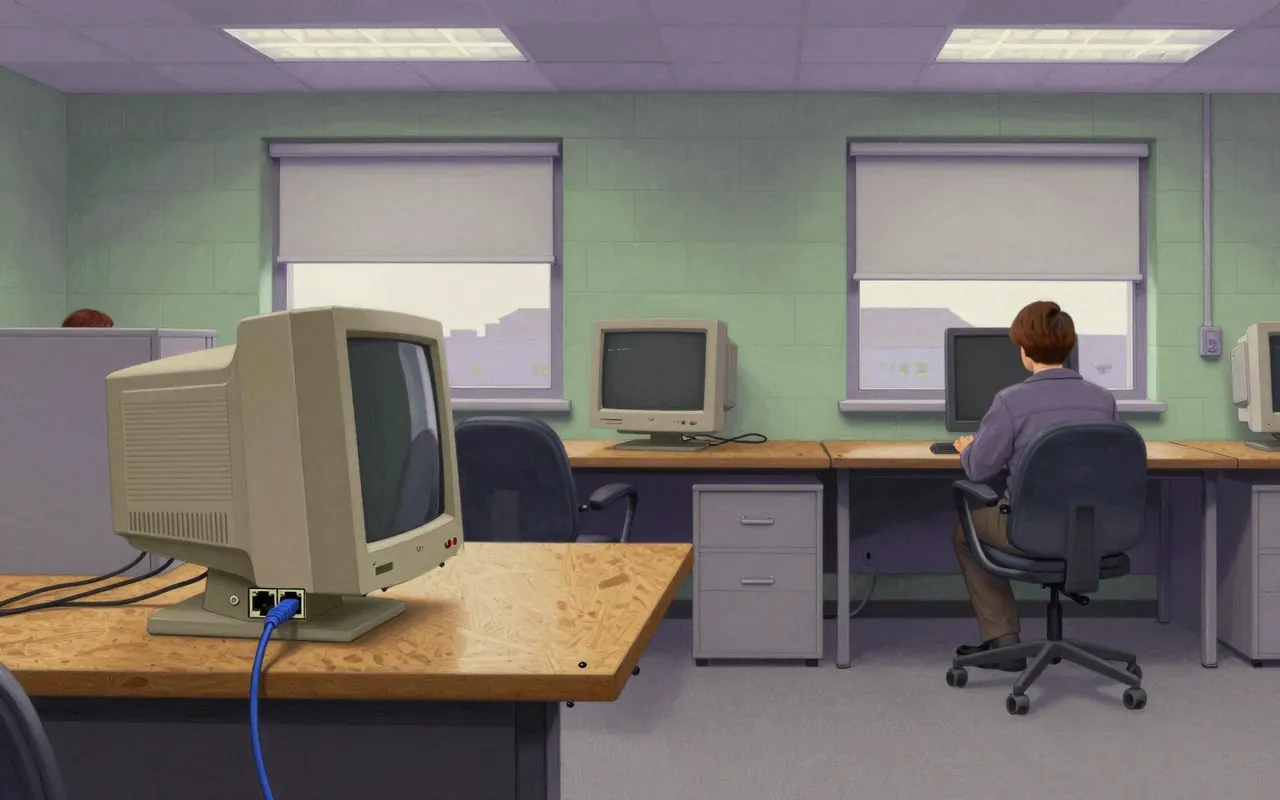
IEEE 802.3 standardises wired Ethernet’s physical and MAC layers using CSMA/CD. It succeeded by enabling interoperability—not speed or novelty. Its mechanism became obsolete before the standard did. It remains essential infrastructure, not evolutionary architecture.
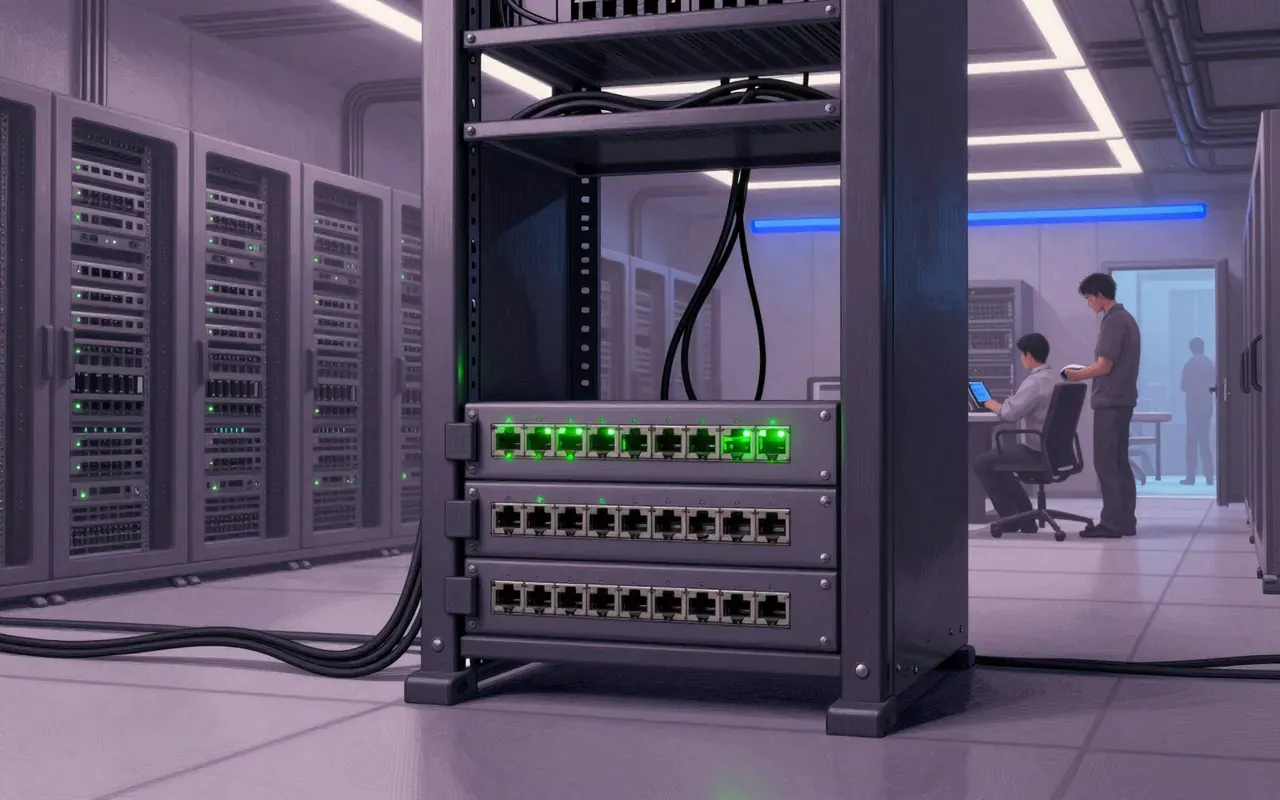


Prometheus is a pull-based, label-driven time-series monitoring system built by SoundCloud in 2012 to replace StatsD/Graphite for containerised infrastructure. It works well for short-lived services and dimensional querying—but requires operational discipline around scrape targets and lacks native horizontal scaling or logging integration.



REST is Roy Fielding’s 2000 architectural style for the Web. It defines constraints—not rules—to diagnose scalability failures in distributed hypermedia systems. Its power lies in exposing gaps between promise and practice, especially around statelessness and HATEOAS. Most so-called RESTful APIs ignore its core mechanism: hypermedia-driven state transitions.

RISC-V is a free and open instruction set architecture developed in 2010 at UC Berkeley. Its specifications were published openly in 2011 and stewardship transferred to RISC-V International in 2015. It enables royalty-free processor design—but does not eliminate the engineering, tooling, or ecosystem work required to deploy it.


TCP/IP is a layered framework for end-to-end data communication. It specifies how data should be packetised, addressed, transmitted, routed, and received. Its architecture rests on the end-to-end principle—placing intelligence at the edges—and uses encapsulation and the robustness principle (conservative sending, liberal receiving) to achieve interoperability across heterogeneous networks. Developed by Cerf and Kahn starting in 1973 under DARPA, it replaced the ARPANET's NCP with a modular, host-responsible reliability model. IPv4 was installed in the ARPANET in 1983, and TCP/IP was formally adopted as the US DoD standard in March 1982. The defining technical specifications are RFC 1122 and RFC 1123, which codify its four-layer abstraction model.

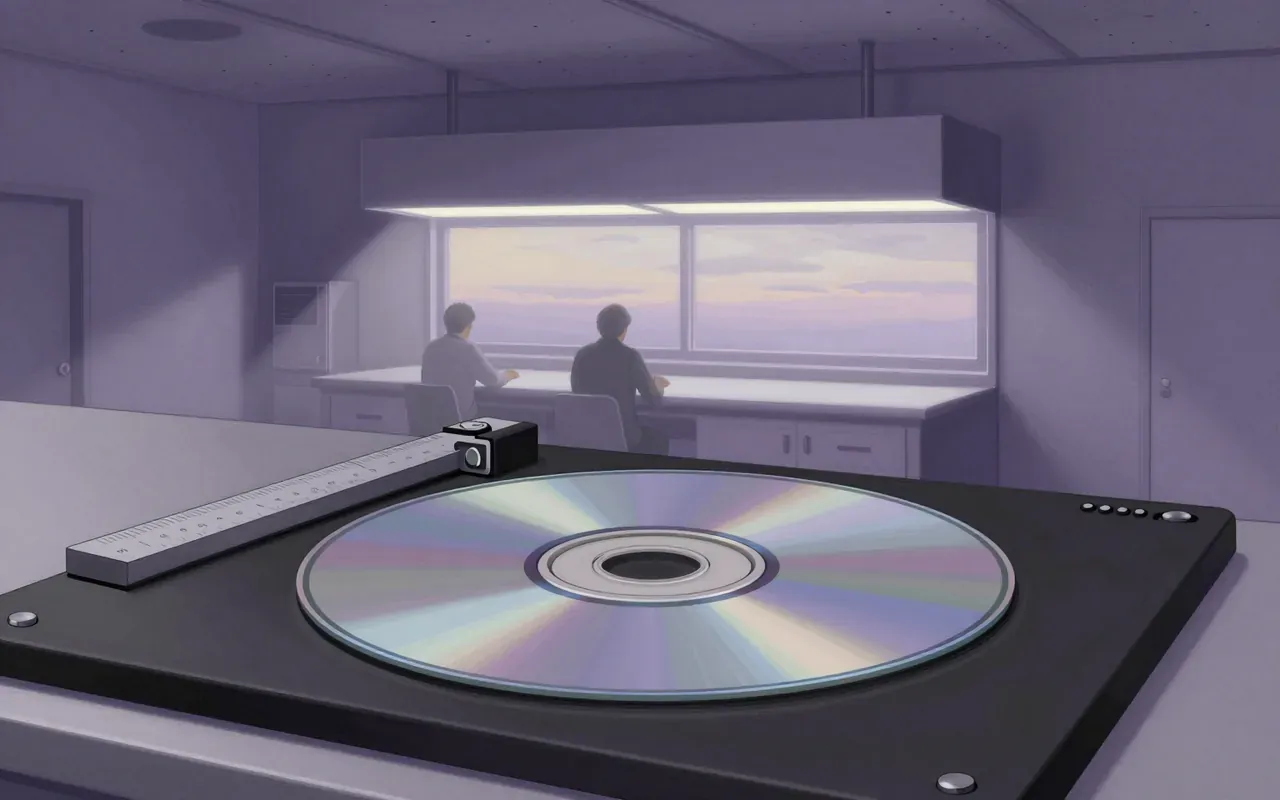
Blu-ray delivered on its central promise: 1080p video on a 50 GB optical disc, using a blue laser. It beat HD DVD not through superiority but through earlier hardware shipments, studio backing, and Toshiba’s withdrawal. It did not solve physical media’s cost, fragility, or obsolescence—and never replaced streaming for most users.
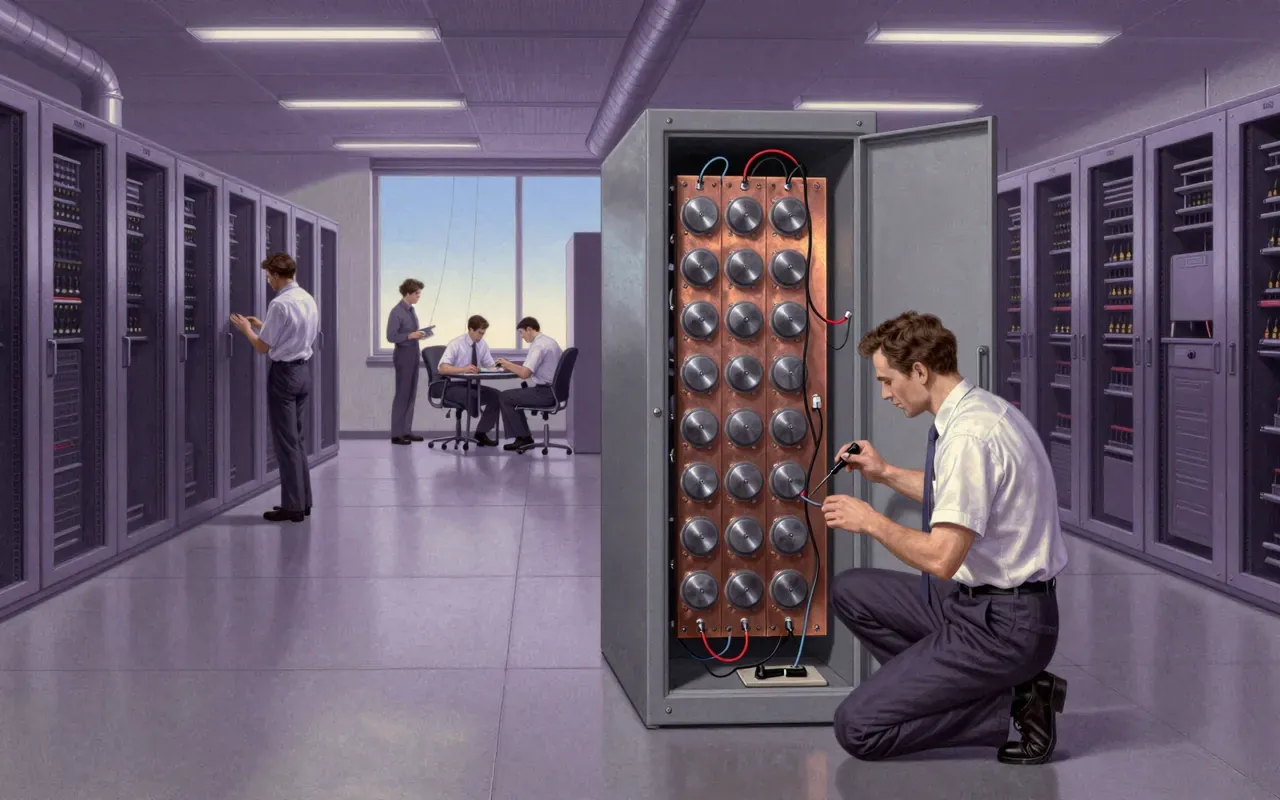

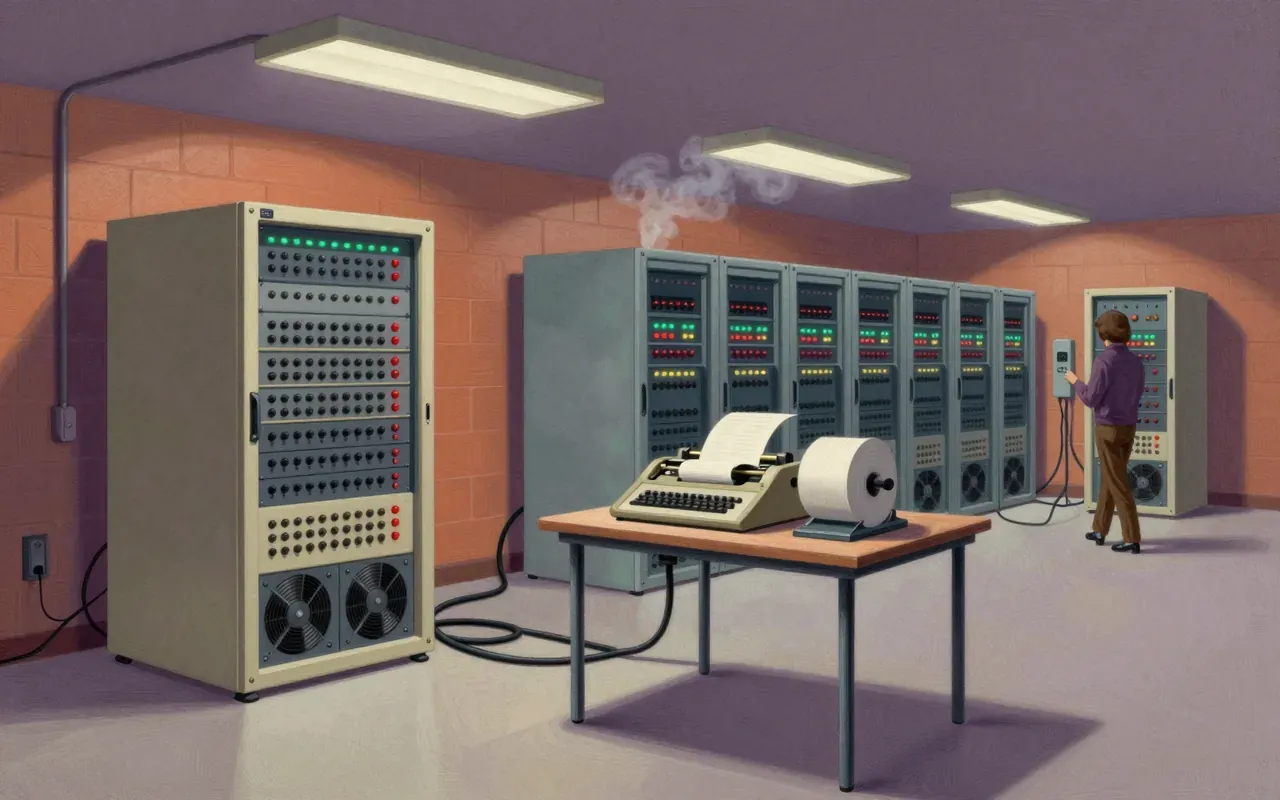
The Internet is a system for internetworking—designed to link disparate networks using standardised protocols. DARPA commissioned its core development in the 1970s. TCP/IP standardisation in 1982 enabled global proliferation. Its layered architecture and decentralised governance remain defining features—and enduring constraints.
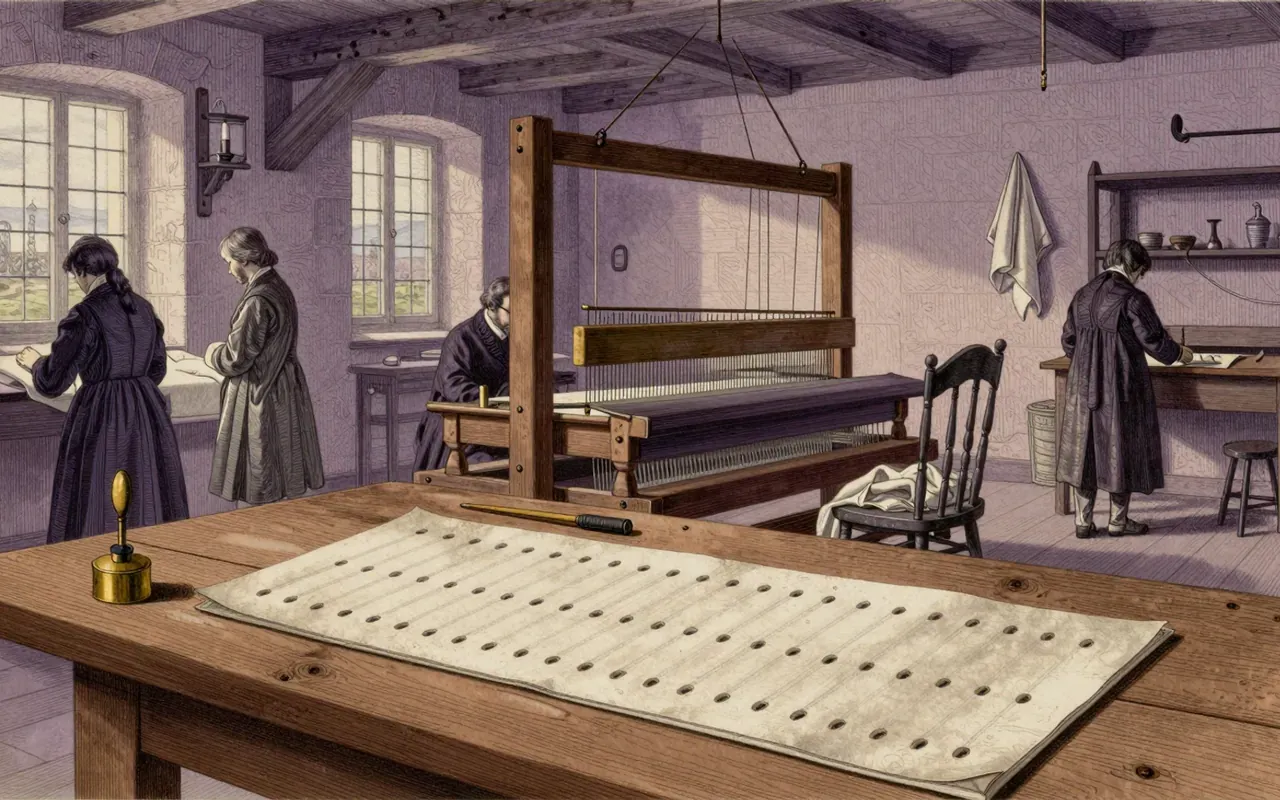
The Jacquard machine automated textile pattern weaving using replaceable punched cards — each encoding one row — to control warp threads individually. It improved fabric definition by drawing the figuring shed on every shot, not every fourth. It built directly on Bouchon, Falcon and Vaucanson, replaced Vaucanson’s paper strip with Falcon’s card chain by 1805, and was declared public property that year. Its use of external, swappable instructions influenced Babbage and became a conceptual precursor to programming — though it performed no computation, stored no state, and had no logic.

PDF delivers guaranteed visual consistency for static documents—but only by freezing layout, embedding everything, and avoiding runtime logic. Its shift to ISO control removed Adobe’s proprietary hooks, yet its security model remains brittle under active exploitation.

The ZX Spectrum is an 8-bit home computer developed by Sinclair Research and launched in Britain on 23 April 1982. It prioritised low cost, simplicity, and compactness—using minimal components and transmitting video to televisions while loading software from audio cassettes. Its name highlighted its colour display, a key upgrade over the monochrome ZX81. Rick Dickinson designed its iconic case, rainbow motif, and rubber keyboard. Development began in September 1981, reusing parts from earlier models to accelerate production and reduce cost. The hardware centred on the Zilog Z80 microprocessor running at 3.5 MHz.

Cassandra is a distributed, wide-column database built for write-heavy, multi-datacentre workloads. It prioritises availability and scalability over consistency. It requires upfront schema design aligned to access patterns. It was developed at Facebook for inbox search and released open-source in July 2008.
Hadoop is not a database or a query engine. It is a fault-tolerant batch-processing substrate built for scale, not speed or simplicity.
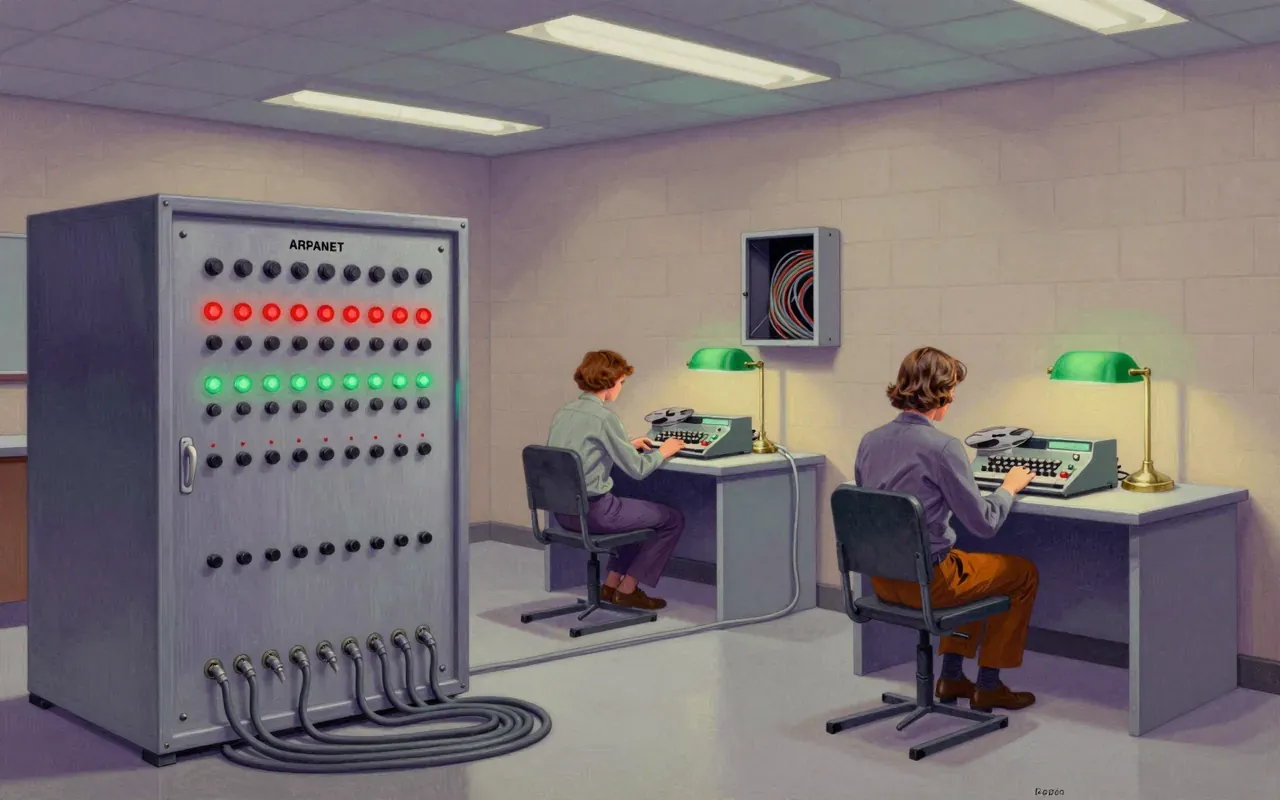
FTP is a foundational but fatally flawed protocol. It delivered interoperable file transfer in 1971, but its reliance on unencrypted channels and rigid two-connection architecture made it unsustainable. It changed how machines shared data — then became the textbook example of inherited insecurity.

AES is a narrow, standardised, symmetric cipher mandated by NIST in 2001. It works reliably only when implemented correctly. It solves no problems beyond confidentiality of bulk data under fixed parameters. It demands careful key handling and side-channel mitigation — which it does not provide.





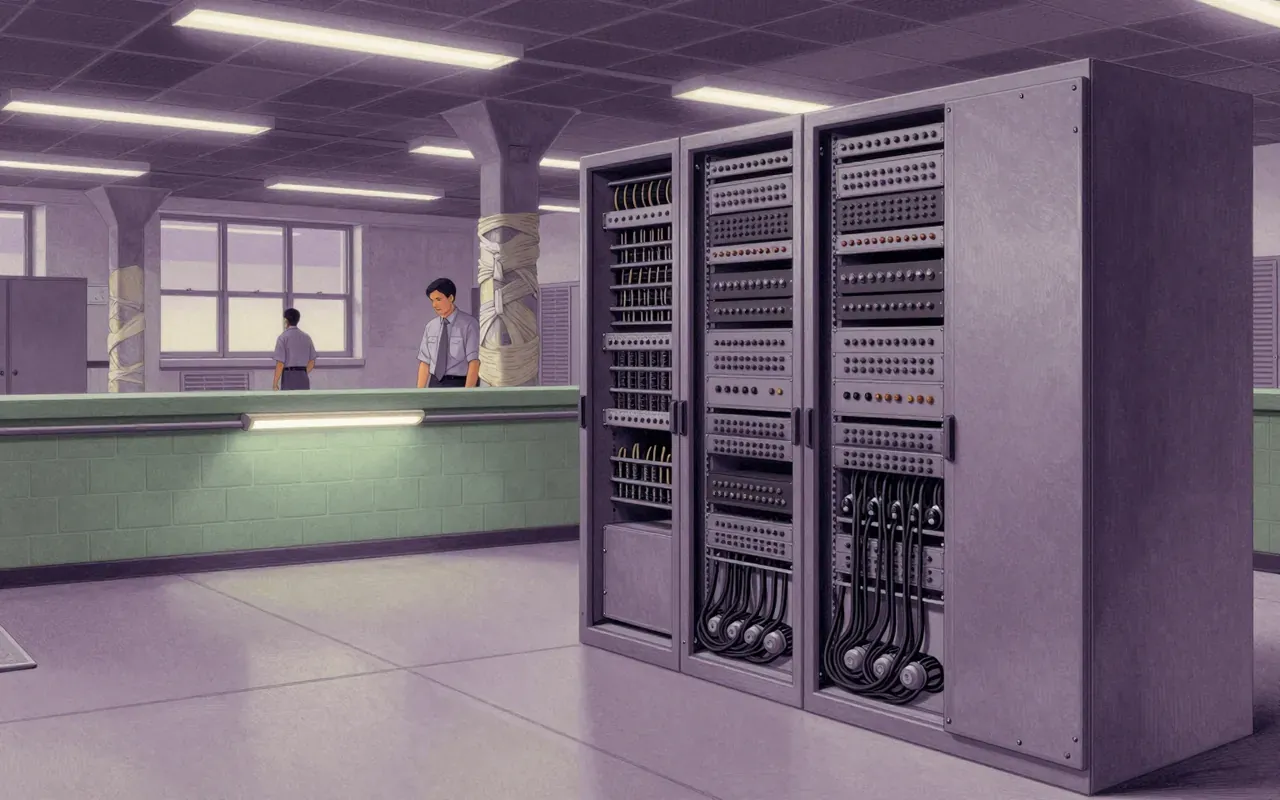
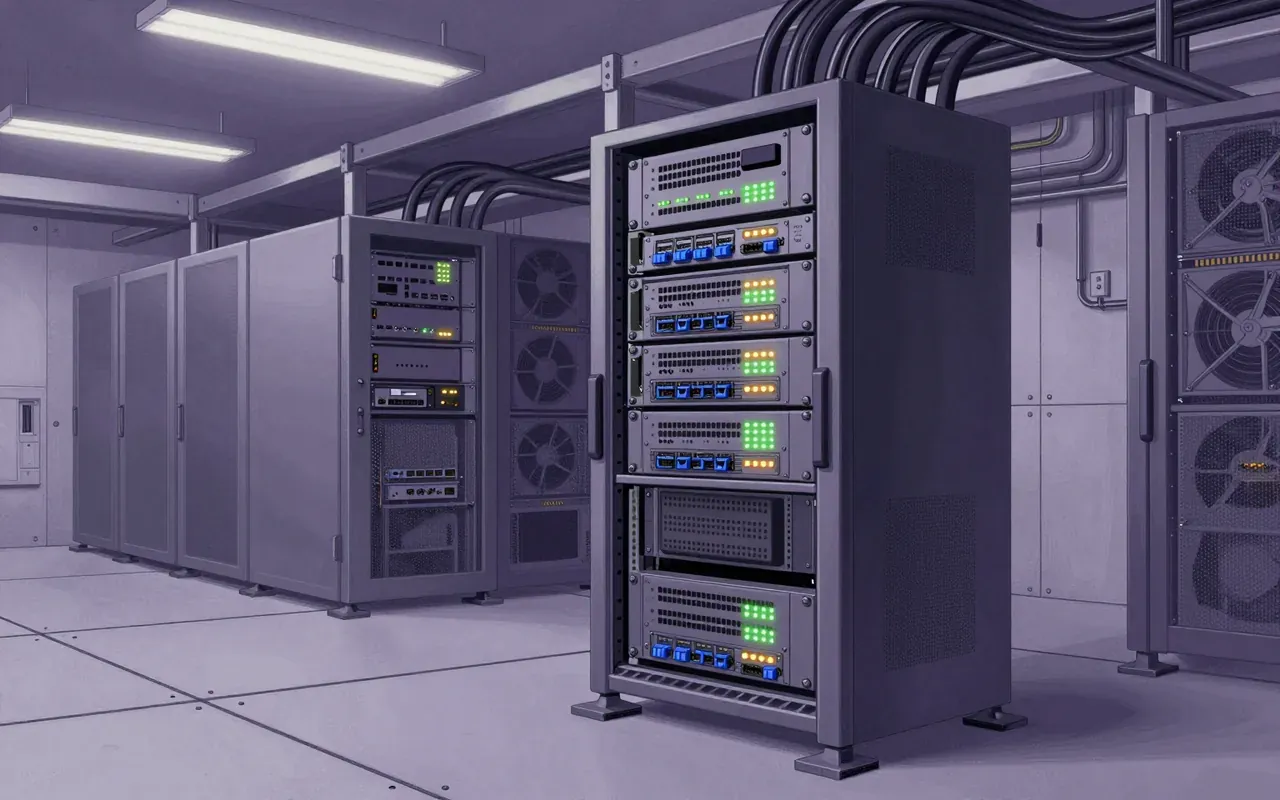

Kafka is a distributed, open-source event store and stream-processing platform developed at LinkedIn and open sourced in early 2011. It uses a binary TCP-based protocol and a 'message set' abstraction to optimise efficiency, enabling linear writes from bursty streams. It guarantees ordering within partitions, retains messages in a durable append-only log, supports manual offset management, and introduced share groups in 2025 for queue-like semantics. Kafka Connect and Kafka Streams were added in versions 0.9.0.0 and 0.10.0.0 respectively.
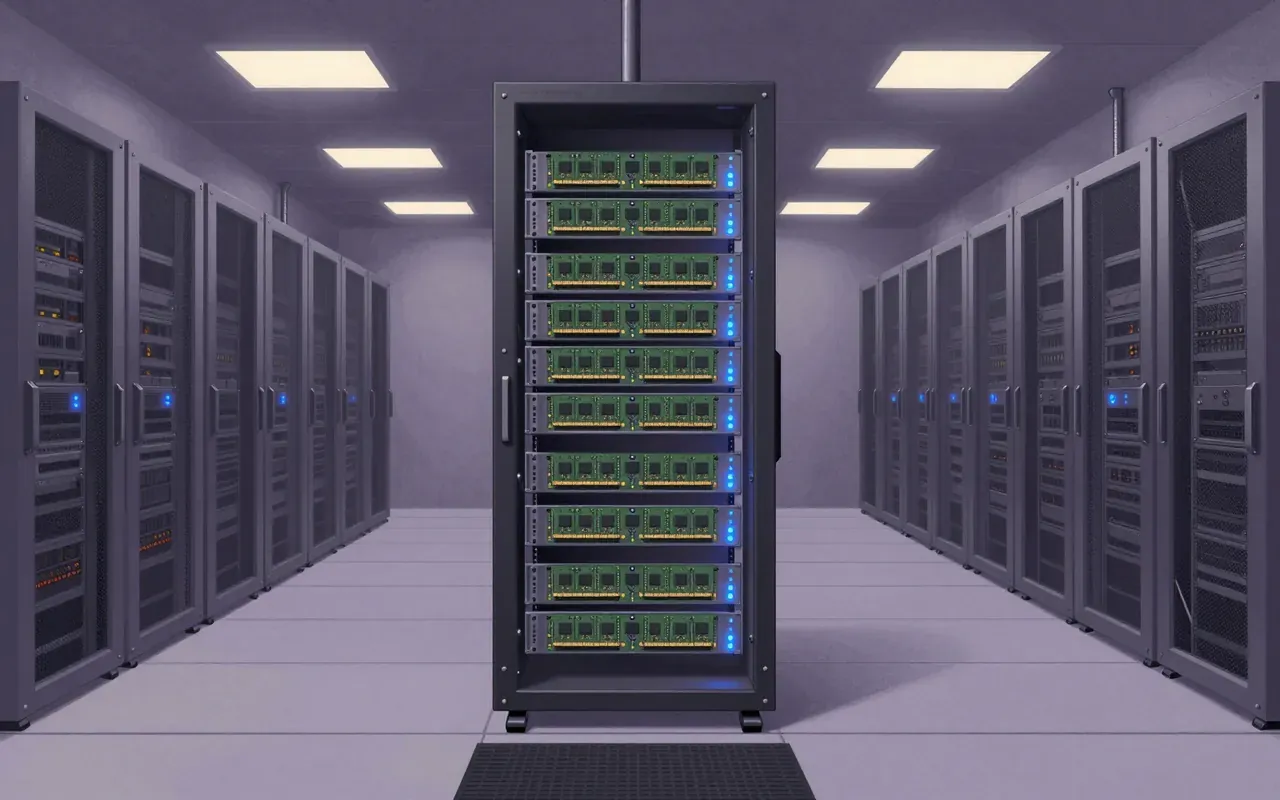

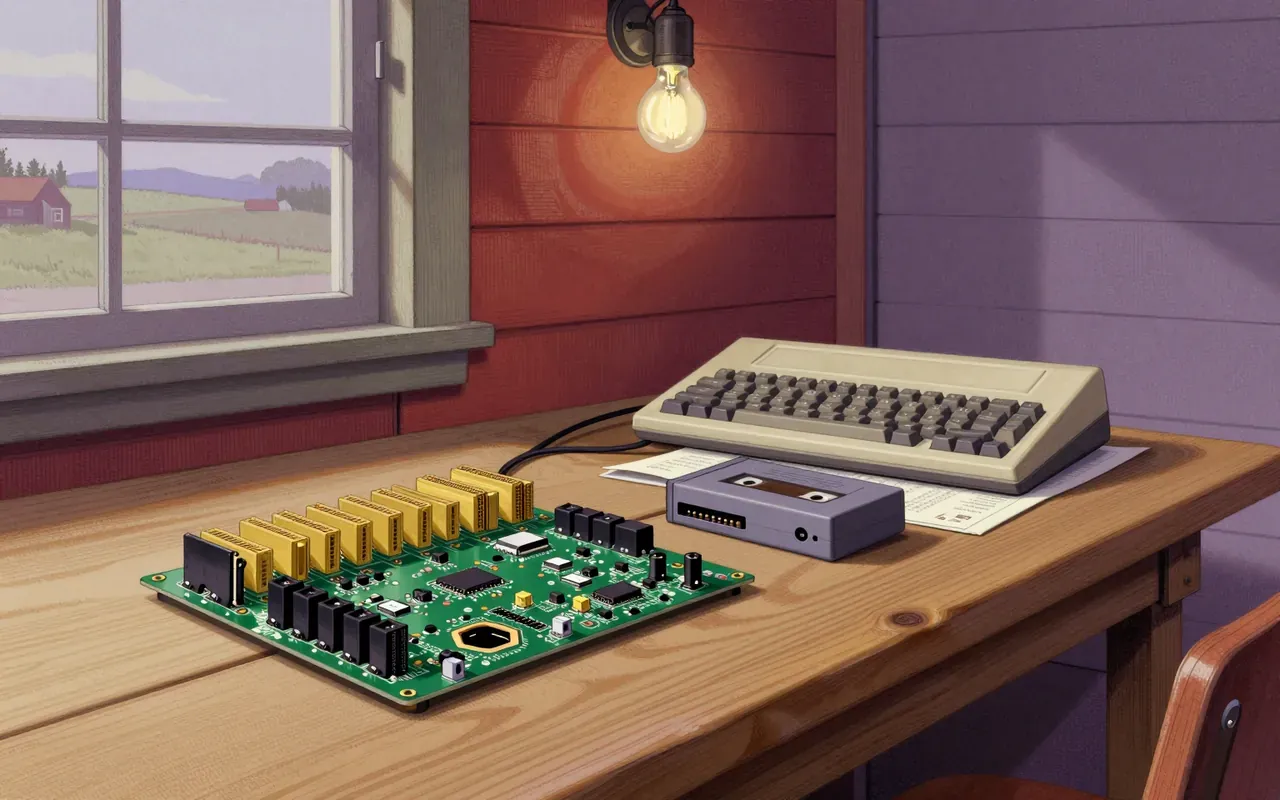








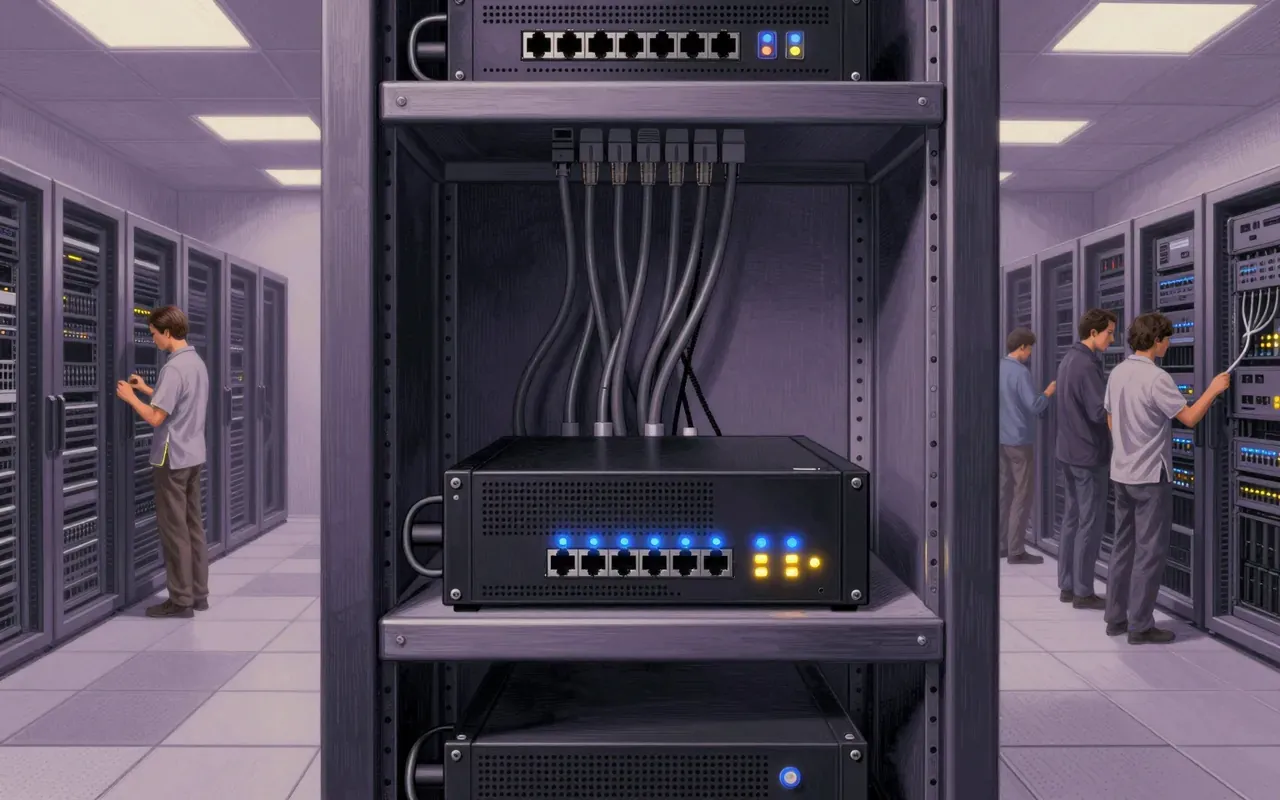




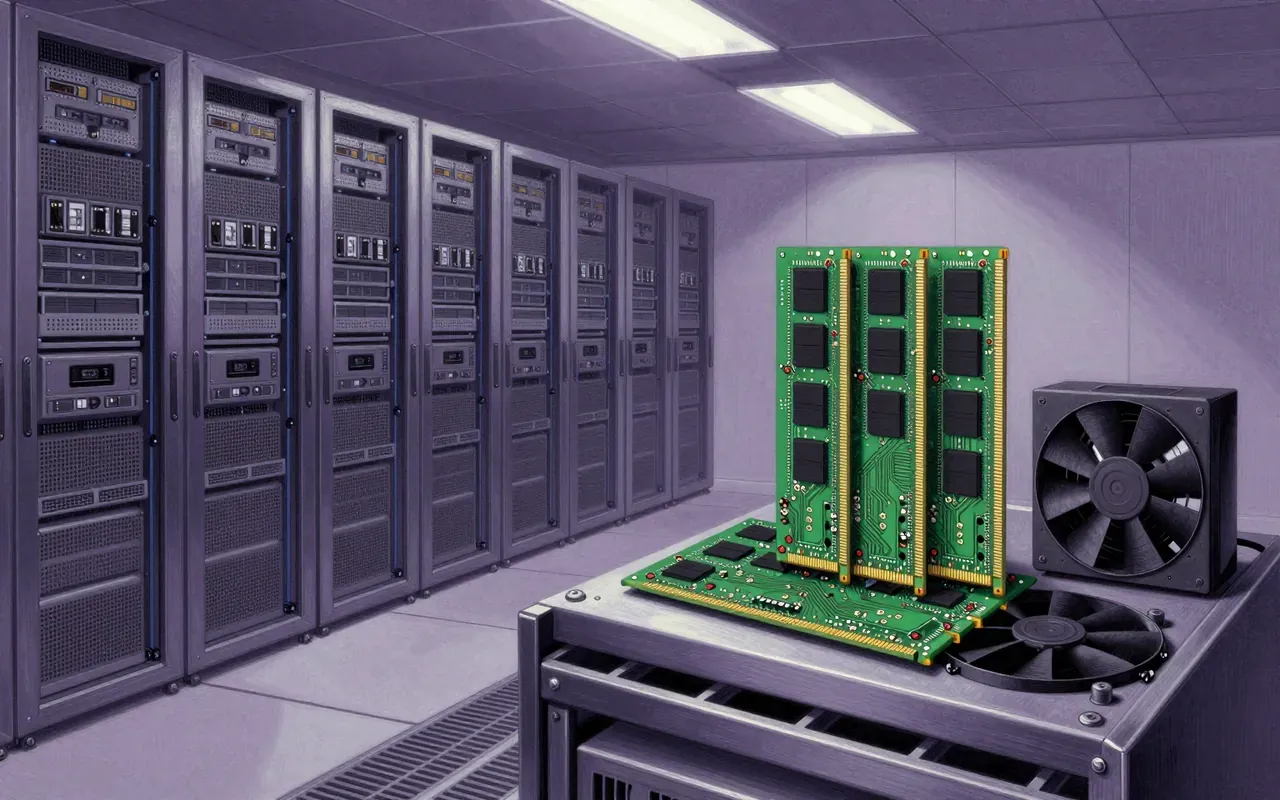
Memcached is a distributed in-memory key-value store designed to reduce load on databases in dynamic web applications. It delivers speed by bypassing disk and network I/O—but requires manual cache management, offers no consistency guarantees, and assumes trust within the network. It works because it is minimal, not because it is clever.

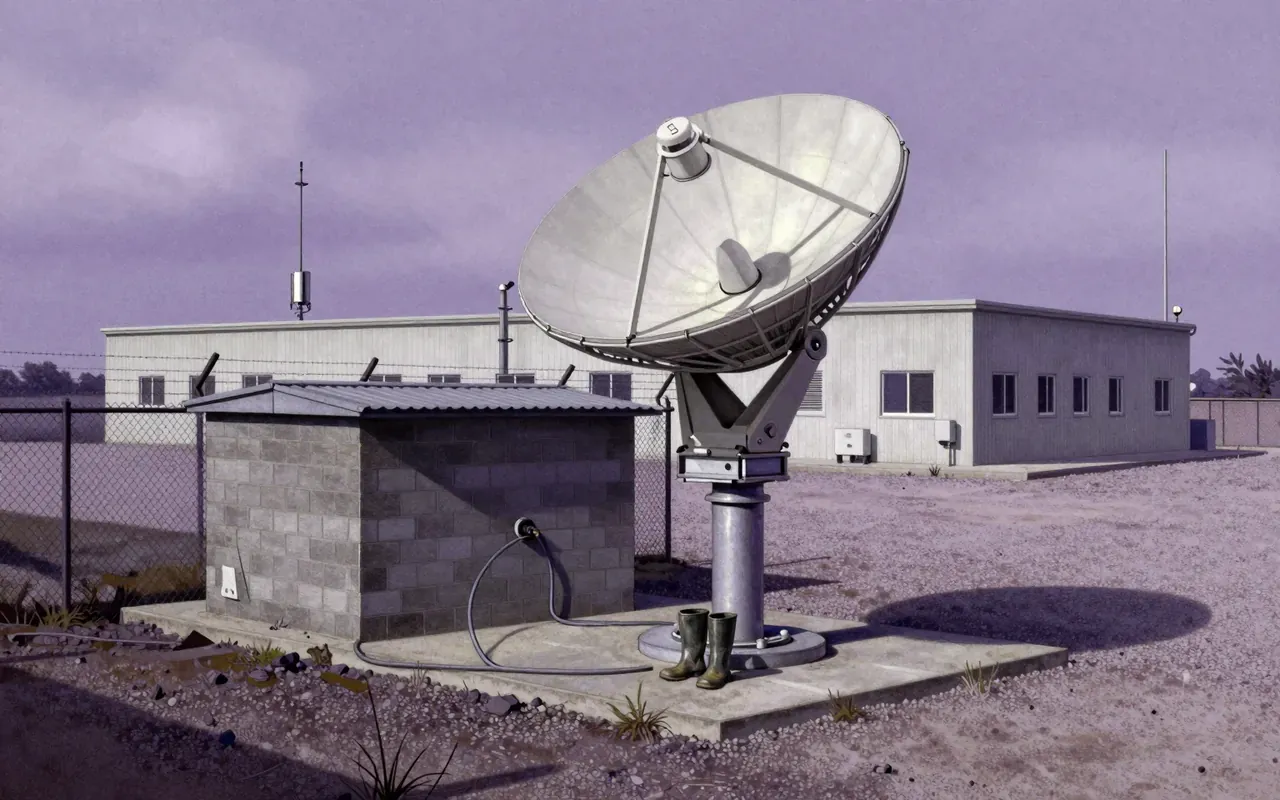
MQTT delivers what it promised in 1999: a lean, brokered telemetry protocol for expensive, low-bandwidth links. It works — but only where its constraints match your environment. Its standardisation cemented utility, not evolution.
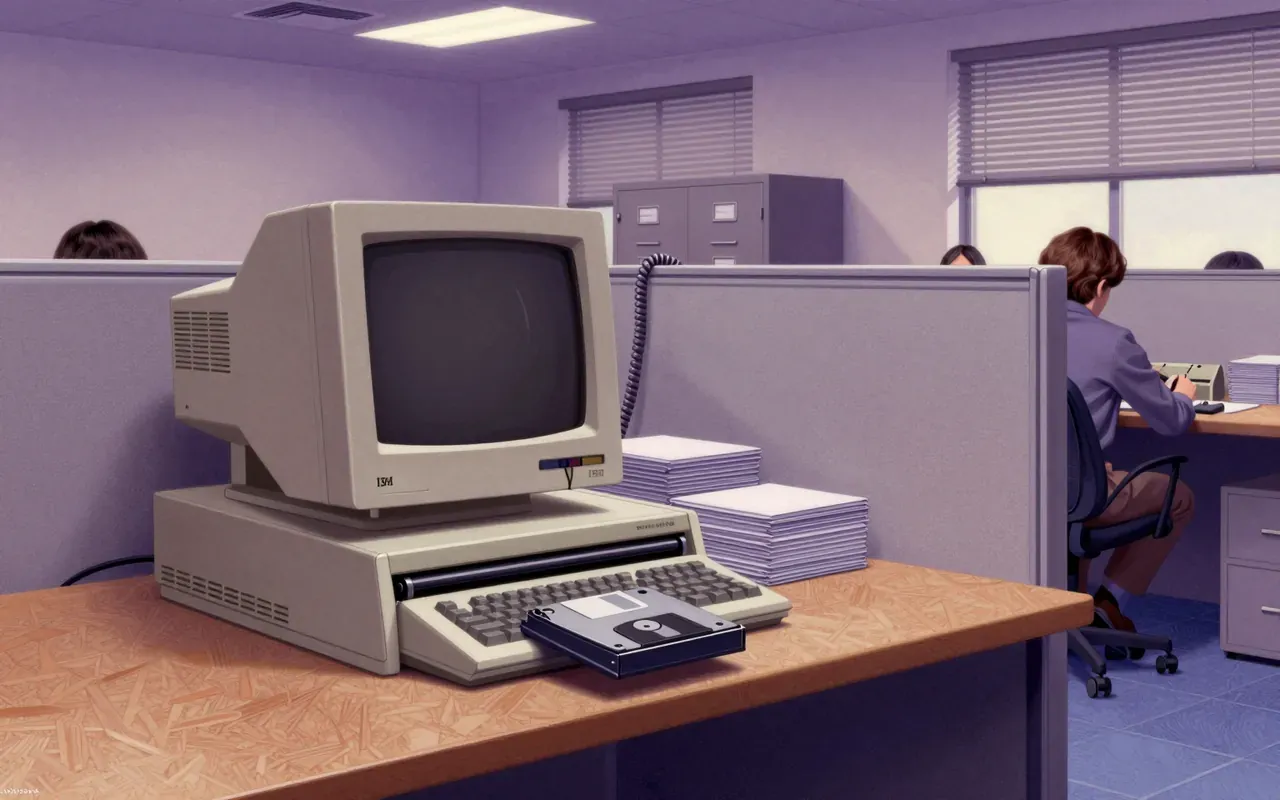
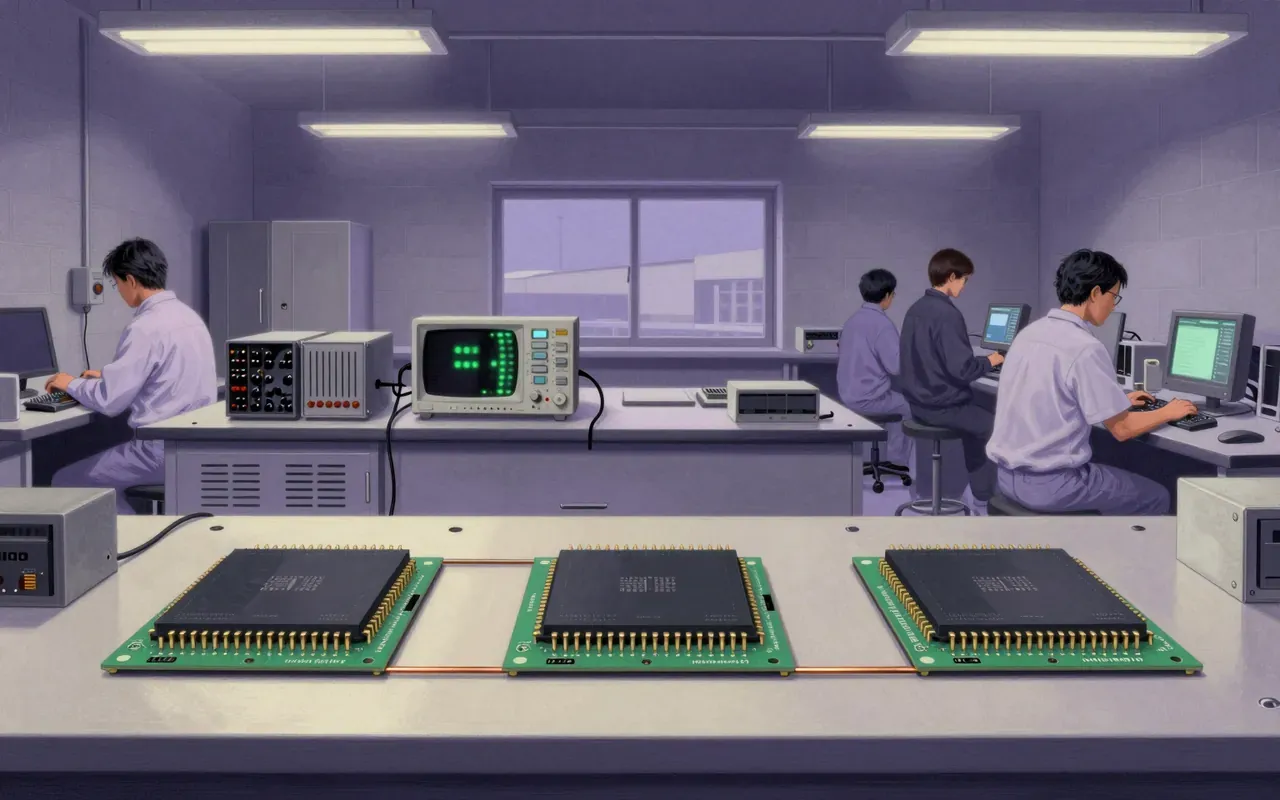
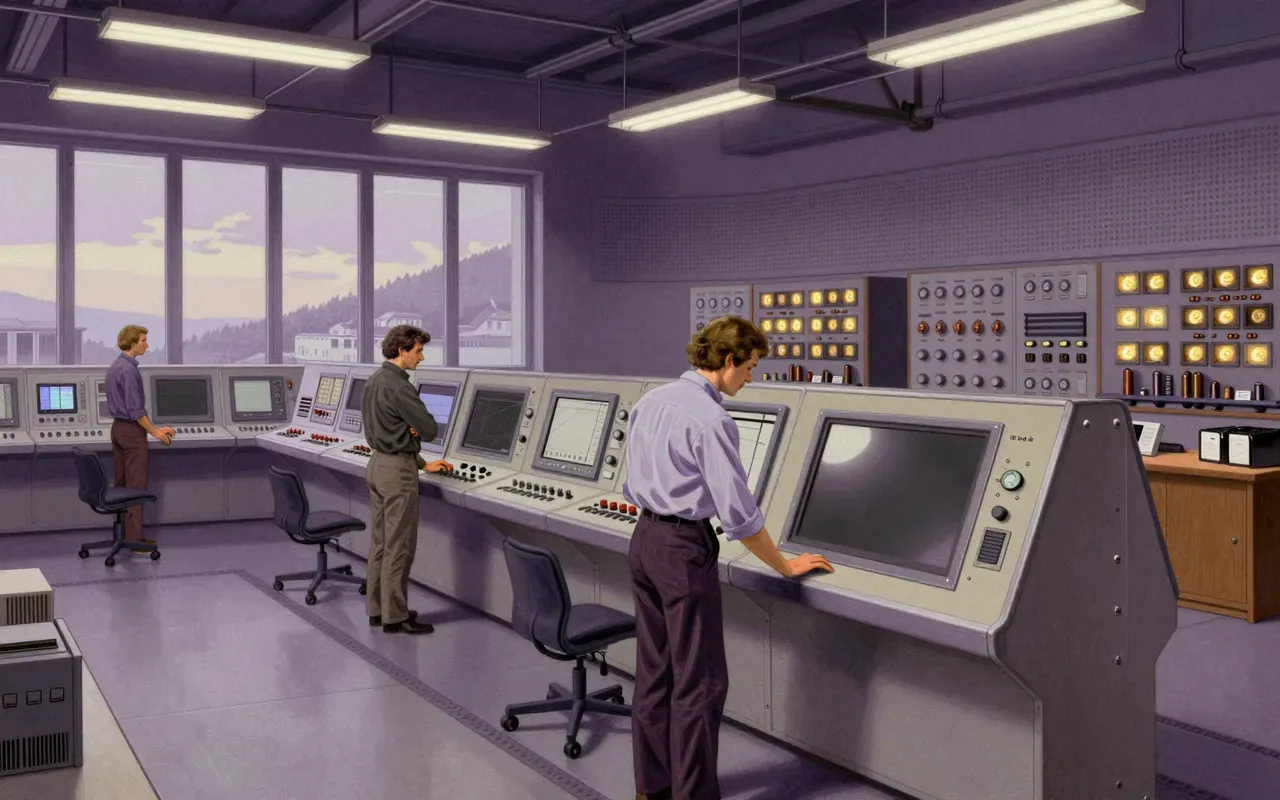
MySQL AB’s 2001 product was a lightweight, open-source RDBMS built to replace mSQL. It solved developer pain around speed and licensing—but deferred complexity into operational trade-offs. Its success hinged on embedding itself into LAMP, not on technical superiority.

Neo4j is a graph database built for relationship-heavy workloads. It delivers expressive querying and transactional safety—but horizontal scaling, vector search, and unified standards arrived over a decade after launch. Its value is real, but bounded by what it ships—not what it promises.





PostgreSQL is a free and open-source RDBMS that solves the problem of building reliable, scalable, and standards-compliant relational data systems without vendor lock-in. It emerged from Berkeley’s POSTGRES project in 1985 to address limitations in contemporary databases, especially Ingres’ lack of SQL support and type extensibility.



Redis is an in-memory key-value database introduced in 2009 by Salvatore Sanfilippo to solve scalability issues at his startup LLOOGG. It delivers low-latency operations by holding all data in memory and using the fork system call to enable concurrent client service and disk persistence. It supports two persistence methods—RDB snapshotting and AOF journaling—with journaling introduced in version 1.1 and considered safer. Default configuration limits data loss to a few seconds upon full system failure. Redis supports master-replica replication with hierarchical trees and introduced clustering in April 2015 with version 3.0. It grew into one of the world’s most popular databases for caching, message brokering, and primary storage. In December 2024, Sanfilippo returned to Redis and implemented the Vector Set data structure for vector similarity search.
Smalltalk is a pure object-oriented language built for constructionist learning at Xerox PARC in the 1970s. Its first interpreter, Smalltalk-72, was written by Dan Ingalls in about 700 lines of BASIC for the Data General Nova in October 1972. It emerged from Alan Kay’s September 1972 bet that a message-passing core could fit on a page of code—and did so by the eighth morning. Smalltalk-80, released publicly in 1980, introduced foundational OOP ideas, featured an integrated development environment from inception, and established total reflection—both structural and computational. It has no primitive types: all values are objects, and all computation occurs via message passing. ANSI Smalltalk was ratified in 1998.

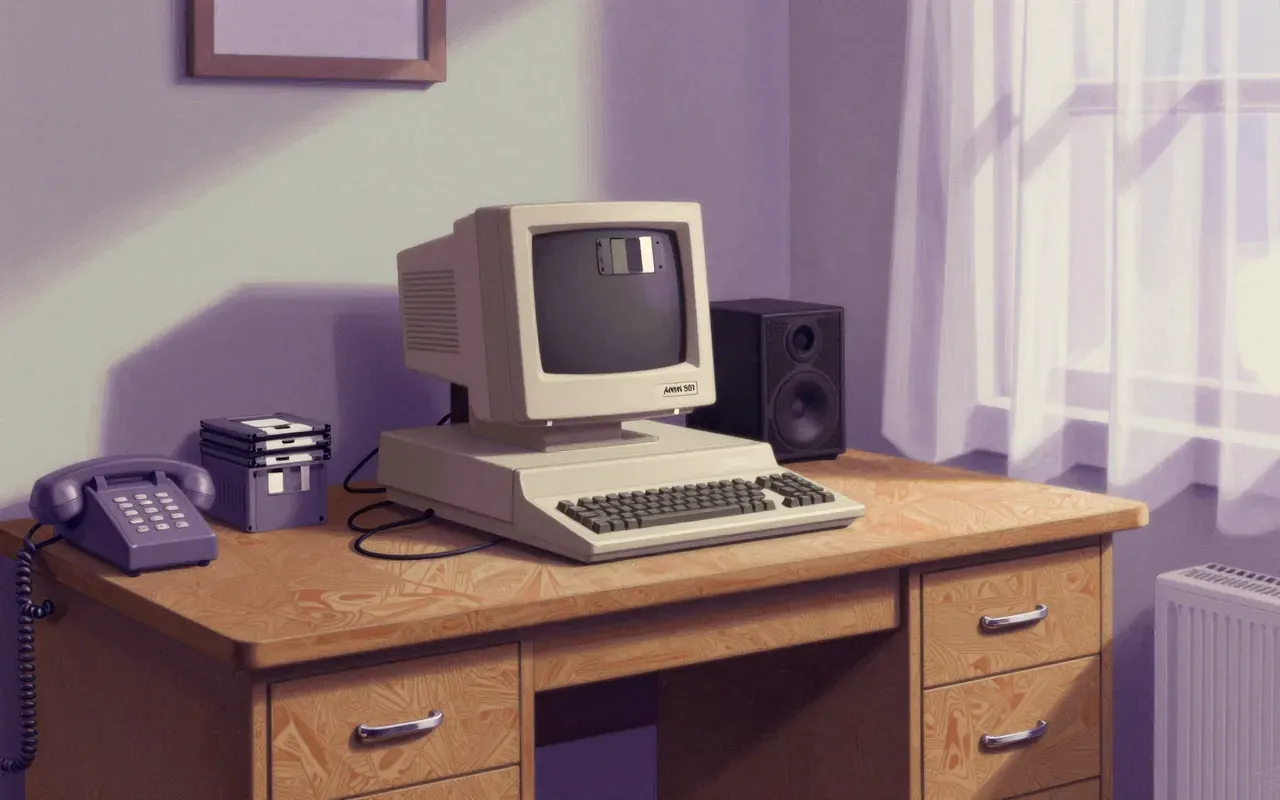
The Amiga 500 is a pivotal hardware milestone—not because it introduced new silicon, but because it delivered proven multitasking and colour graphics to mainstream retail at a time when competitors treated those features as optional or impossible in home systems. Its success relied on reuse, repackaging, and distribution—not invention.
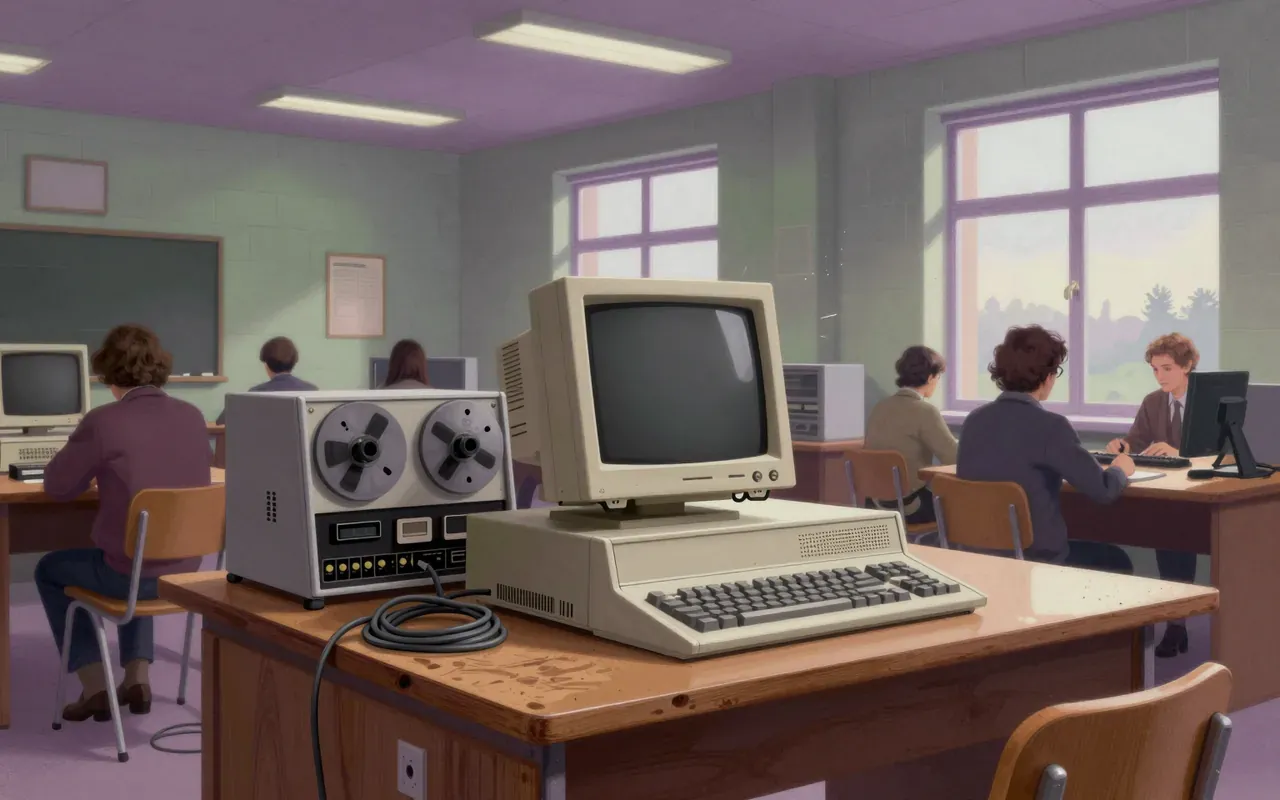
The BBC Micro was a procurement win first, an educational tool second. It succeeded because it met rigid broadcast and policy constraints—not because it was inherently superior to alternatives. Its architecture prioritised demonstrable compliance over user flexibility. Its dominance was guaranteed by subsidy rules, not market preference.
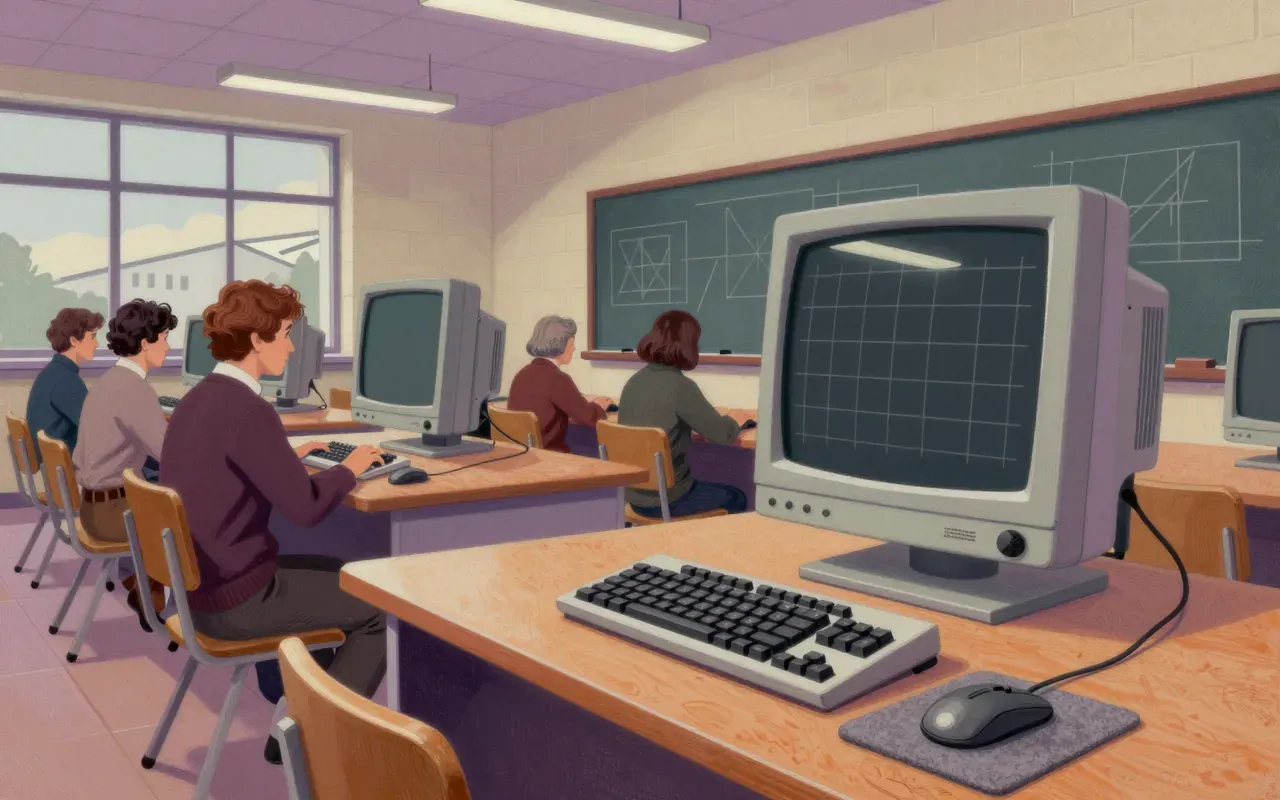


The iPad is a commercially dominant, long-lived tablet product line. It succeeded by committing to a specific form factor and interaction model—touch-first, app-centric, tightly integrated—then adapting its OS to sustain that model. Its scale (670M+ units) and market share (34.6%) confirm its category-defining role. It does not replace laptops or phones. It occupies the space between them—and has done so continuously since 2010.

The PlayStation 2 is a home video game console developed by Sony Computer Entertainment, first released in Japan on March 4, 2000. It is the successor to the original PlayStation and a sixth-generation console that competed with Nintendo's GameCube, Sega's Dreamcast, and Microsoft's Xbox. It featured a built-in DVD drive and full backward compatibility with original PlayStation games and accessories. Its hardware included a custom-built Emotion Engine processor co-developed with Toshiba. It remains the best-selling video game console of all time, having sold 160 million units worldwide.
UTF-8 is a variable-width Unicode encoding co-designed by Ken Thompson and Rob Pike in 1992. It guarantees ASCII compatibility, supports all 1,112,064 Unicode code points, and became the dominant web encoding — over 90% of pages in 2019. Its strength is pragmatic interoperability; its weakness is zero tolerance for malformed input and no compression benefit.




ASCII is a cost-driven, committee-built encoding that prioritised transmission efficiency and hardware simplicity over linguistic coverage. Its rigid separation of control and graphic codes enabled early parsing — but its 28 reserved slots and lack of international support created immediate pressure for extension.
BASIC is a pedagogical tool, not a general-purpose language. It succeeded by narrowing scope — to Dartmouth, to undergraduates, to time-shared interaction, to FORTRAN II’s grammar stripped of complexity. Its value lies in what it excluded.

C++ is a systems programming language that enables high-level abstractions without runtime overhead. It delivers performance and control—but only to those who master its intricate, unforgiving rules.




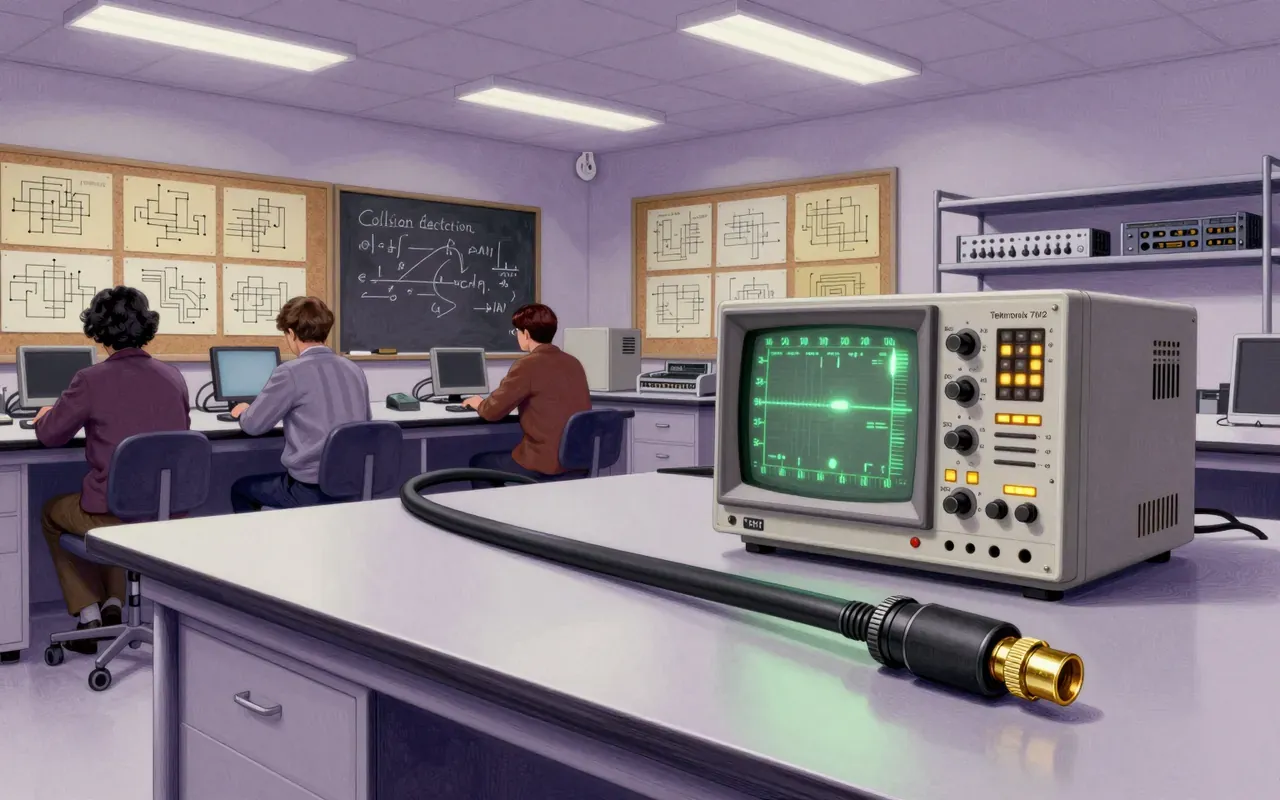
Ethernet is the coaxial-cable LAN co-invented by Metcalfe and Boggs at Xerox PARC in 1973 to link Alto computers to printers and ARPANET. It introduced CSMA/CD—carrier sensing before transmission, plus collision detection and random back-off—to adapt ALOHAnet for wired use. It ran first on November 11, 1973 at 2.94 Mbit/s. A 1980 Xerox report measured 98% throughput under heavy load. It was standardised as IEEE 802.3 in 1983. CSMA/CD does not scale or support modern requirements like QoS or determinism—and was phased out in favour of switched, full-duplex Ethernet.

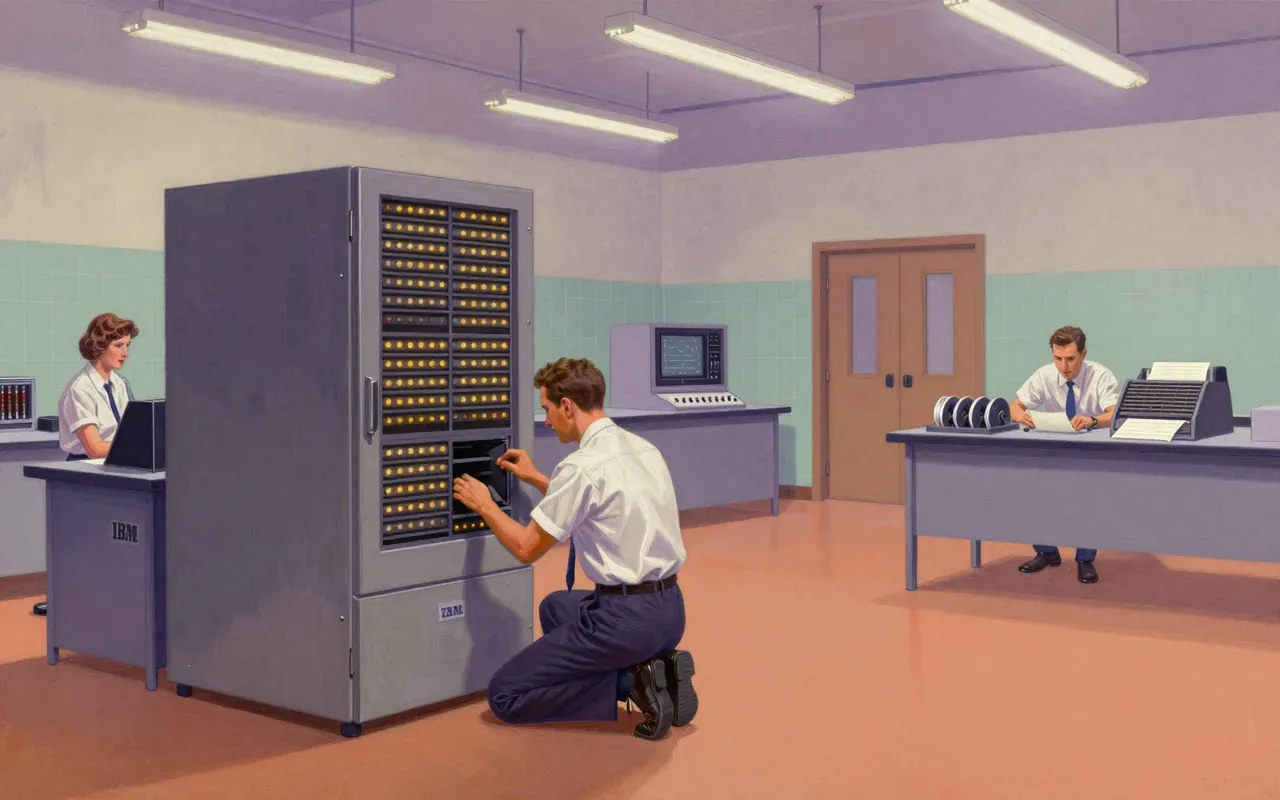
Fortran is the first high-level programming language to achieve broad use. It succeeded not by abstracting away hardware, but by proving abstraction could coexist with assembly-level performance — specifically for numeric computation on the IBM 704. Its compiler introduced the basic block and Monte Carlo–driven memory layout, establishing techniques that remain standard. It made computing accessible to scientists — but only those doing number-crunching, and only on IBM hardware.

HTTP is the minimal, functional core that made the Web possible — not because it was elegant, but because it was small, implementable, and free.

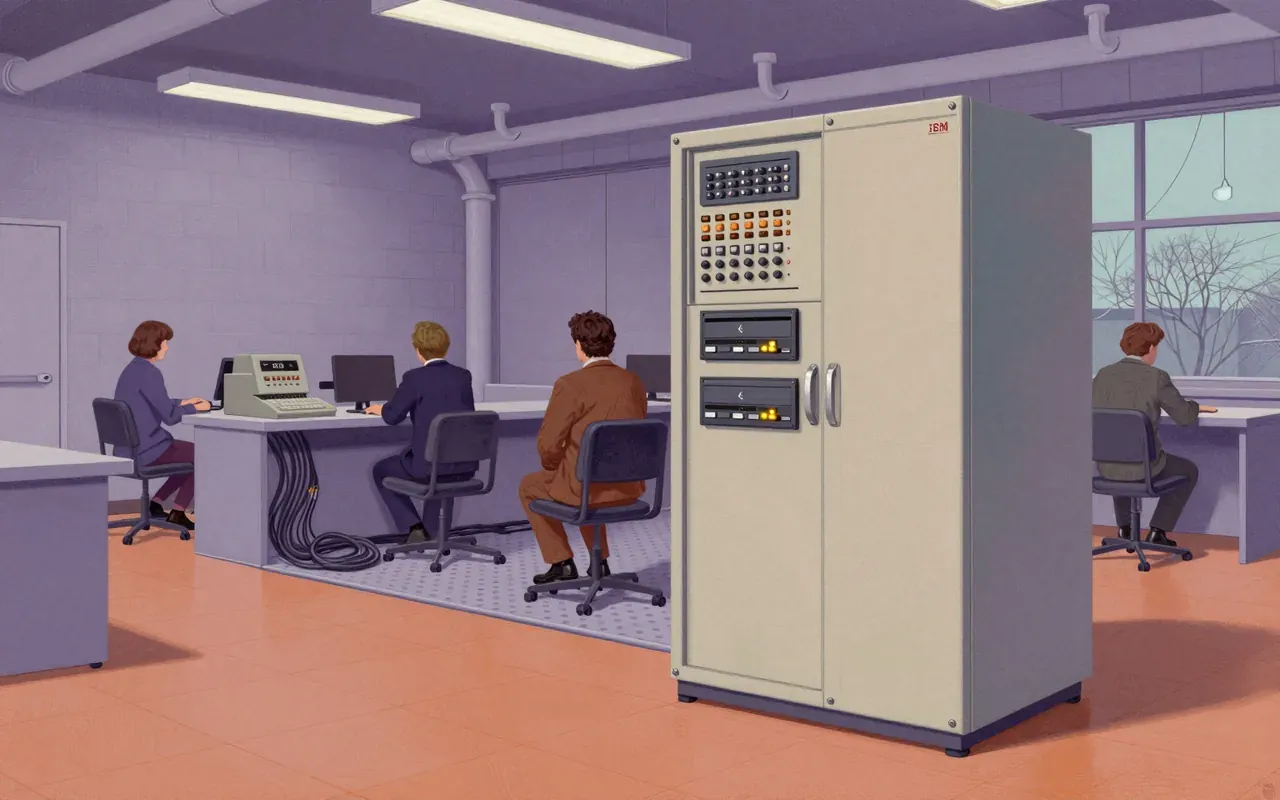
The IBM System/360 established architectural compatibility as a design principle — not a marketing claim. It delivered real portability across a wide performance range using microcode and custom transistor packaging. Its limitations — no ICs, partial model incompatibility, rare max-memory deployments — are as instructive as its successes.
IEEE 802.11 is the foundational WLAN standard family. It defines MAC and PHY protocols for wireless local area networking. It uses CSMA/CA for channel access. It supports multiple bands and modulation schemes. It enables interoperability with Ethernet and IP. It was first released in 1997. Amendments extend functionality without replacing the base.
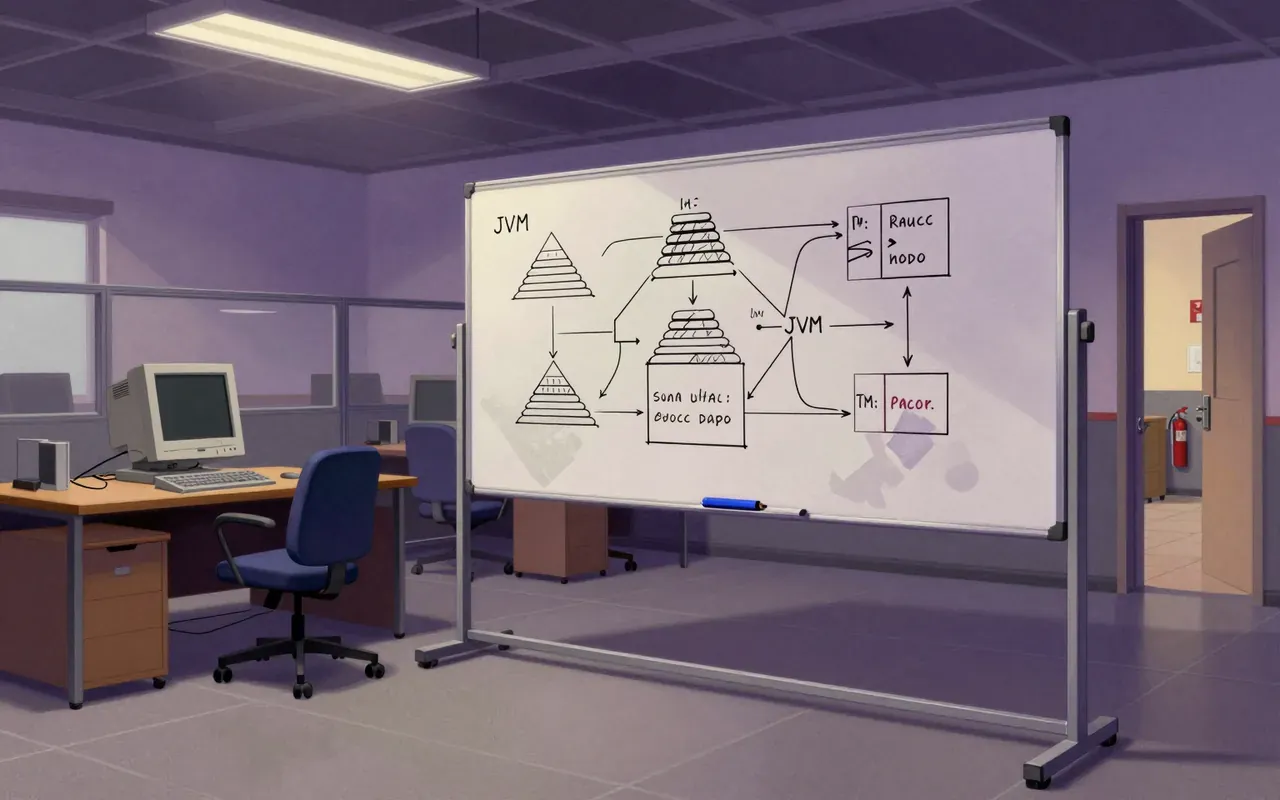
Java is a programming language built to enforce portability through mandatory compilation to JVM bytecode and strict memory safety via garbage collection and pointer omission. It solves cross-platform inconsistency at the cost of runtime overhead and abstraction rigidity. Its success rests on standardisation—not inevitability.

JPEG is a 1992 DCT-based lossy compression standard. It delivers predictable 10:1 size reduction with acceptable visual trade-offs. It defines only the codec—not the file format. Its lossless mode is unused. It remains dominant not by superiority but by inertia.
JSON is a syntactic constraint, not a data model. It works because it refuses to be more than a wire format — and fails wherever meaning, safety, or evolution is required.


Linux is a Unix-like kernel, not an operating system. It filled GNU’s missing-kernel gap. It works by reimplementing Unix system calls from documentation—not AT&T code. It succeeded because GPLv2 enforced openness, and because it ran on cheap x86 hardware. It failed to be a standalone OS or POSIX-compliant out of the box. It changed how software projects scale: through licence-driven collaboration, not top-down design. It is worth your time if you need control, transparency, and the ability to rebuild every layer.
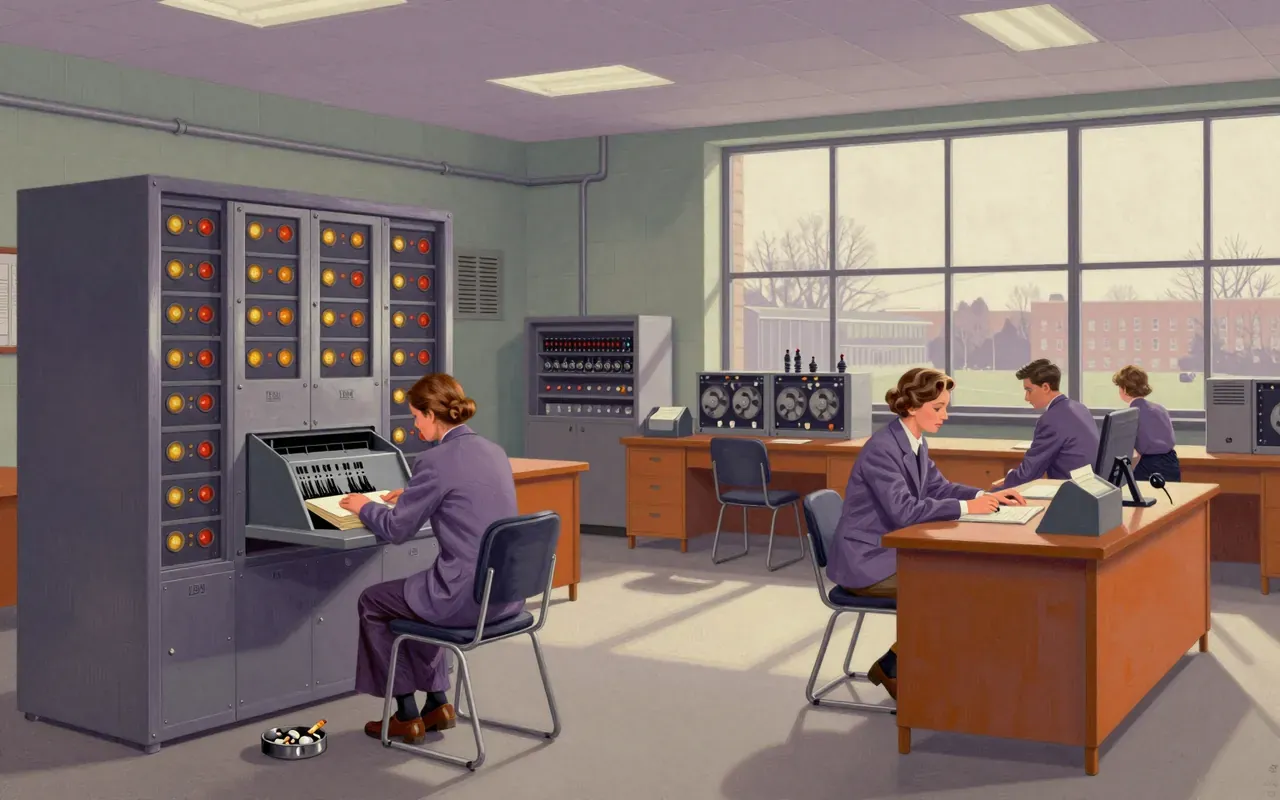
Lisp is the first language to treat code as data—and the first to prove that a small set of primitives plus eval suffices for universal computation. Its cost is runtime overhead; its payoff is programmable programmability.
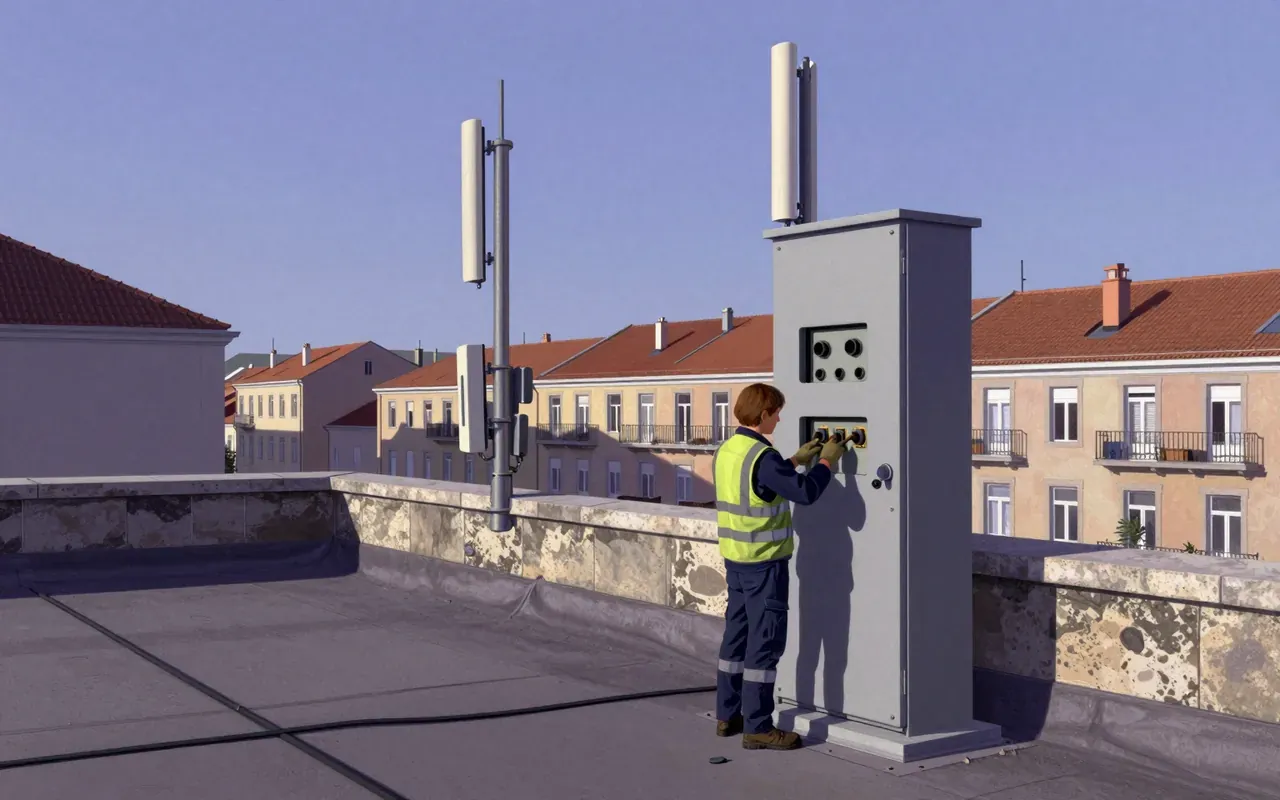
LTE is a 3GPP Release 8 standard finalised in December 2008. It replaces GSM/EDGE and UMTS/HSPA radio interfaces and the GPRS Core Network with a new air interface and IP-based Evolved Packet Core. It delivers peak downlink/uplink rates of 300/75 Mbit/s and sub-5 ms radio access network latency. It supports scalable bandwidths (1.4–20 MHz) and both FDD and TDD. It enables seamless handovers to GSM, UMTS, and CDMA2000. Its specifications span hundreds of documents per Release, organised into stages defining service requirements, architecture, and protocol implementation. It became the de facto upgrade path for carriers with both GSM/UMTS and CDMA2000 networks.

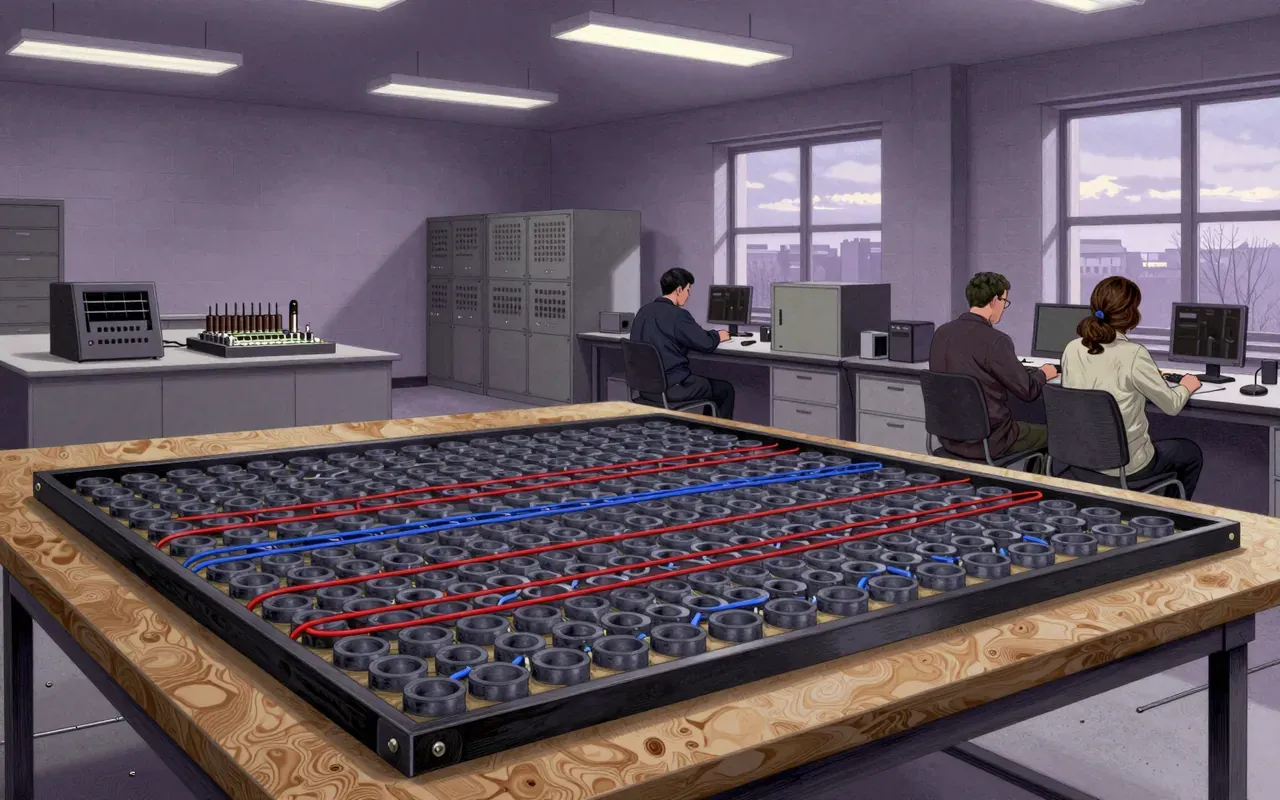

MIME is the foundational container syntax for internet messaging. It succeeded by being minimal, modular, and mandatory for interoperability — not by being elegant or complete.

NCSA Mosaic (1993) was the first browser to display images inline with text, submit forms, and explore collaborative annotation. Developed at NCSA by Marc Andreessen and Eric Bina, it launched in January 1993 as alpha/beta 0.5, reached version 1.0 in April, and shipped to Windows, Mac, and Amiga by October. Its blue/purple link convention and cross-platform ports catalysed explosive growth—from 50 to 10,000 websites and from 1% to 25% of internet users within a year. Collaborative annotation remained unshipped. It established the visual and functional grammar of the web—but offered no security model, no dynamic updating, and no scripting.
Pascal is a disciplined, small-language experiment from 1970. It delivers on teaching structured programming and safe data modelling. It fails as a general-purpose systems language. Its influence lies in its constraints — not its adoption.

PNG is a specification, not a product. It is a response to legal constraint, not technical ambition. It works where it was designed to work — and fails where it was never meant to go.
Python is a dynamically typed, whitespace-delimited programming language conceived by Guido van Rossum in December 1989 as a successor to ABC. Its first release was Python 0.9.0 in 1991. It introduced a strict visual grammar for code blocks, paired dynamic typing with reference counting and cycle detection for memory management, and codified its philosophy in PEP 20. Python 3.0 (2008) broke backward compatibility. Optional static typing arrived in 3.5. Van Rossum named it after Monty Python's Flying Circus and wrote the first interpreter as a Christmas holiday project.
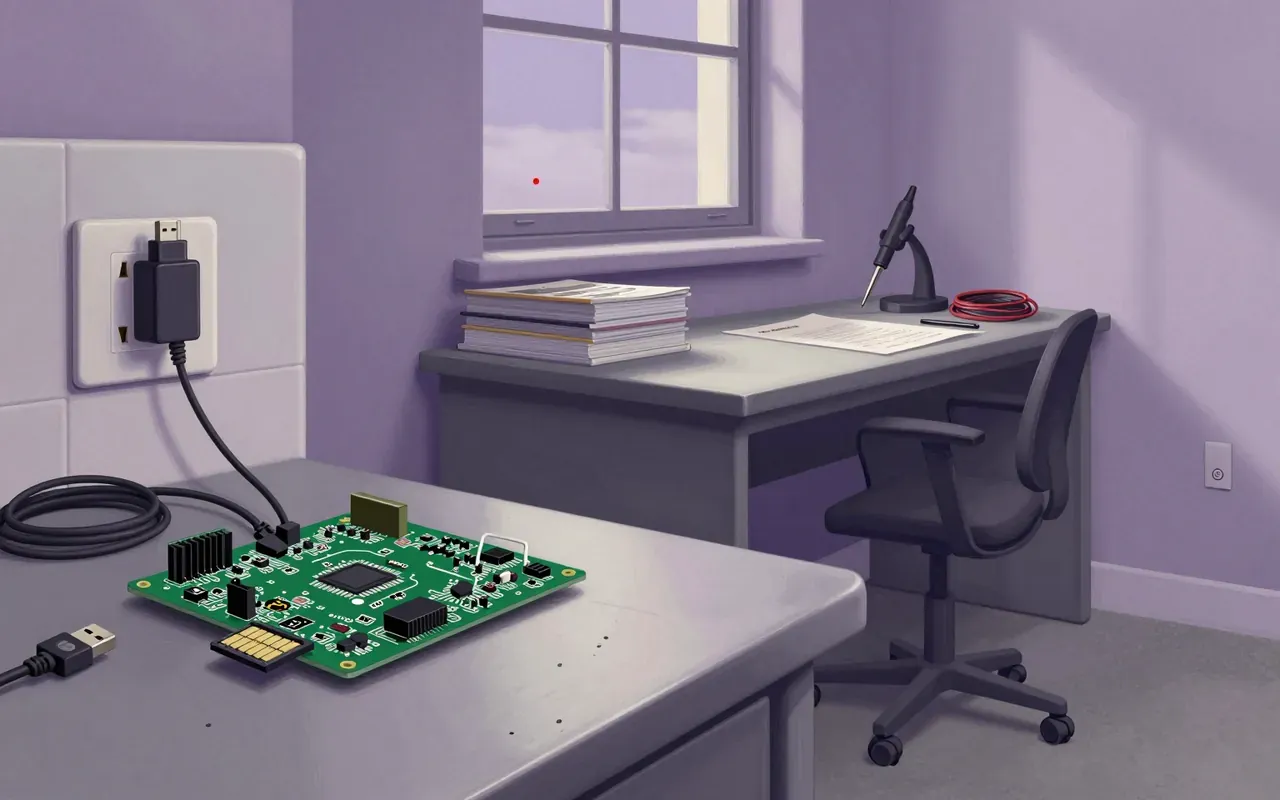

Rust delivers provable memory and thread safety through compile-time ownership and borrowing rules—not runtime enforcement. It works where it is applied strictly, fails where those rules are bypassed or ignored, and demands upfront investment in reasoning over runtime convenience. Its success lies not in eliminating trade-offs, but in making them explicit, auditable, and unignorable.
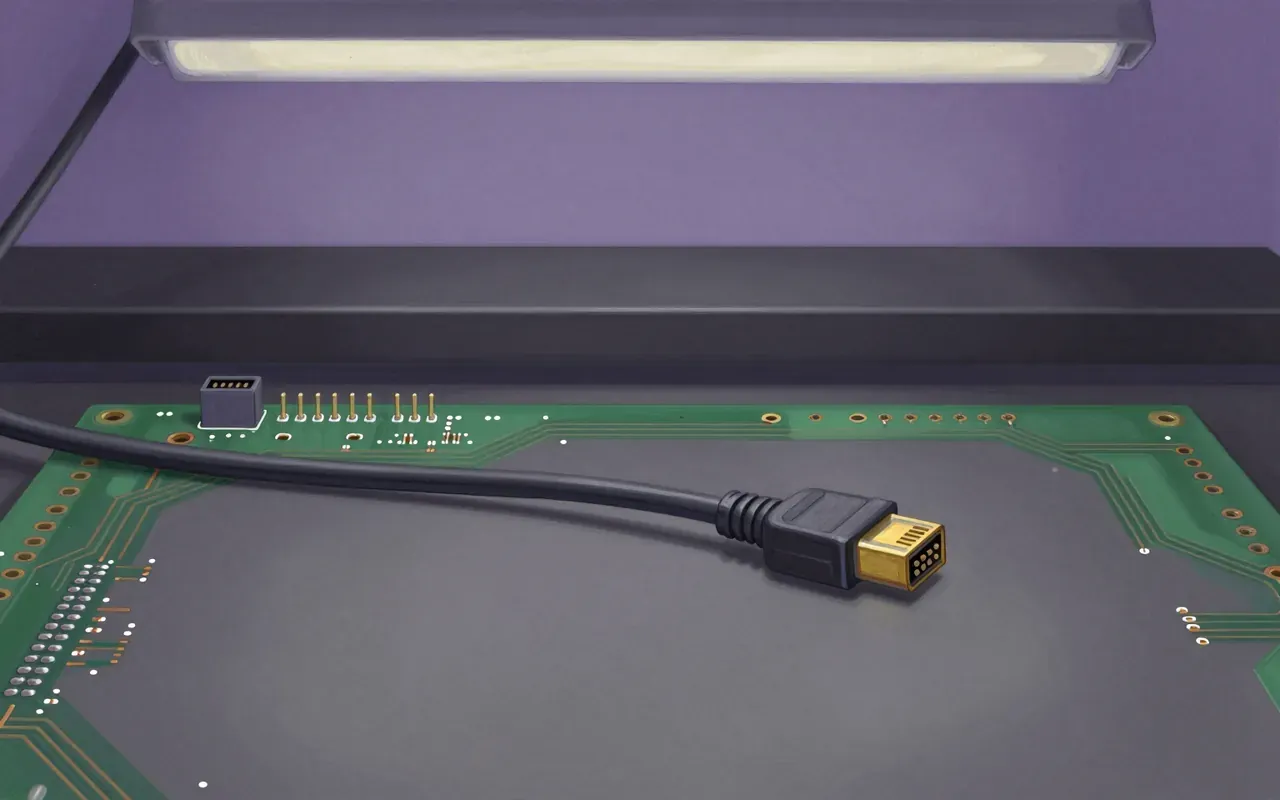
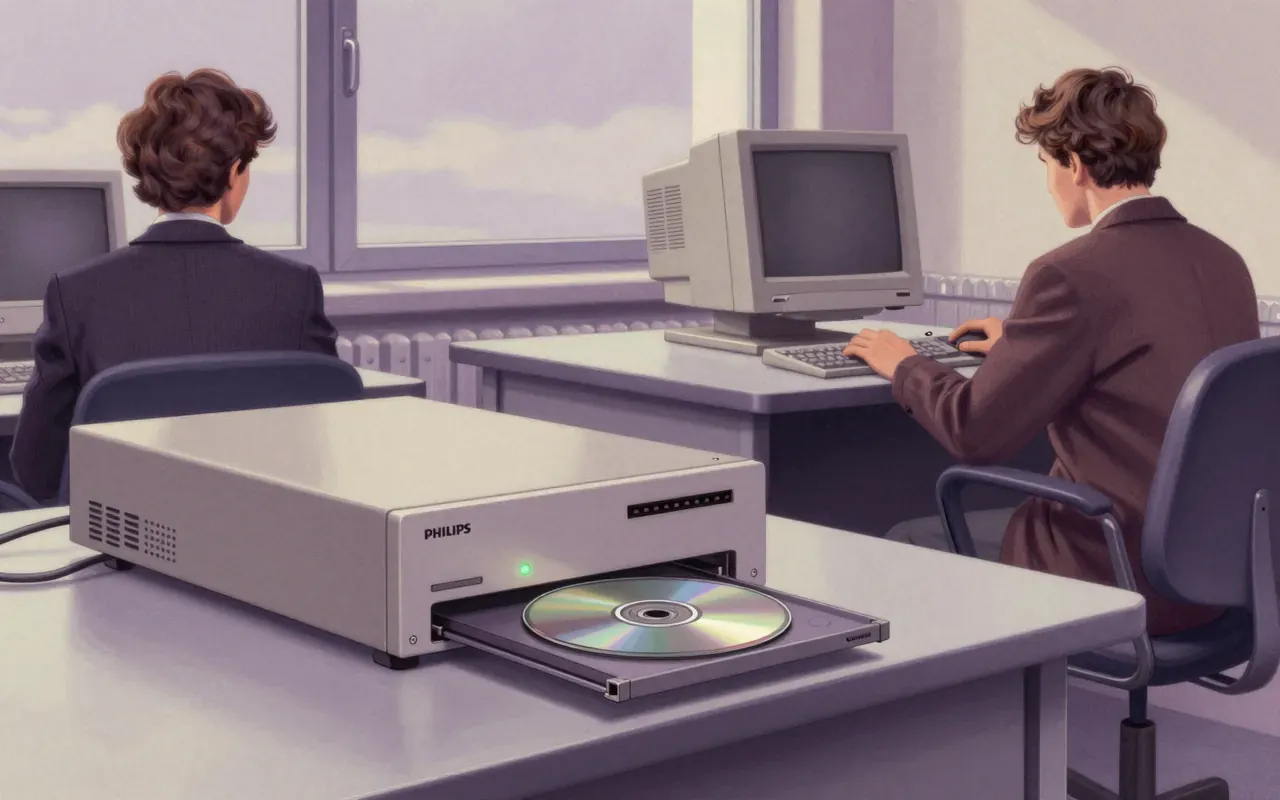
CD-ROM is a read-only optical data format co-developed by Philips and Sony, formalised in the 1983 Yellow Book. It reuses the CD-DA’s physical design and laser-read mechanism but repurposes pits and lands for arbitrary digital data—delivering 553 MB via destructive interference physics. It launched publicly in 1985 with Philips’ CM 100 drive. It solved mass-distribution problems for static software and reference material but failed as an archival or interactive medium—prompting Sony to launch write-once and magneto-optical variants by 1986 and 1988.
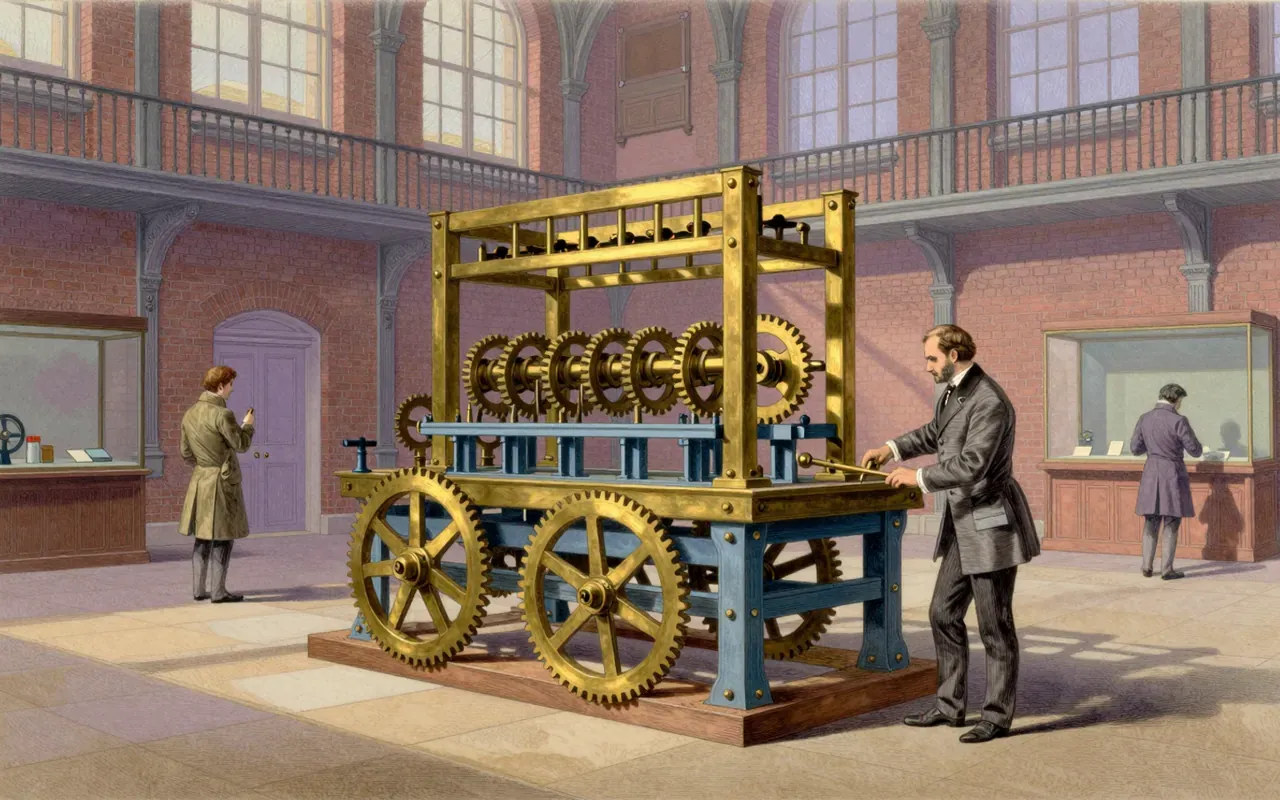
The difference engine is a proof that mechanical computation at high precision was possible in the 1820s—but only for one narrow class of problems, and only if built correctly. Its value lies not in what it delivered, but in what it demonstrated could be delivered.

DVD is a standardised optical storage format invented in 1995 and released in Japan on 1 November 1996. It stores any digital data. Its key advance over CD is higher capacity—up to 17.08 GB—achieved within identical physical dimensions via tighter pit geometry and layering. It succeeded commercially for video and software distribution but failed to unify playback due to format wars (DVD±R), region locks, and copy protection.

ECC is a public-key method based on elliptic curves over finite fields. Proposed independently by Koblitz and Miller in 1985. Delivers equivalent security to RSA and ElGamal with smaller keys. Security rests on the hardness of the elliptic curve discrete logarithm problem — specifically, recovering scalar k from points P and Q = kP — and on efficient yet irreversible point multiplication for appropriate parameters.

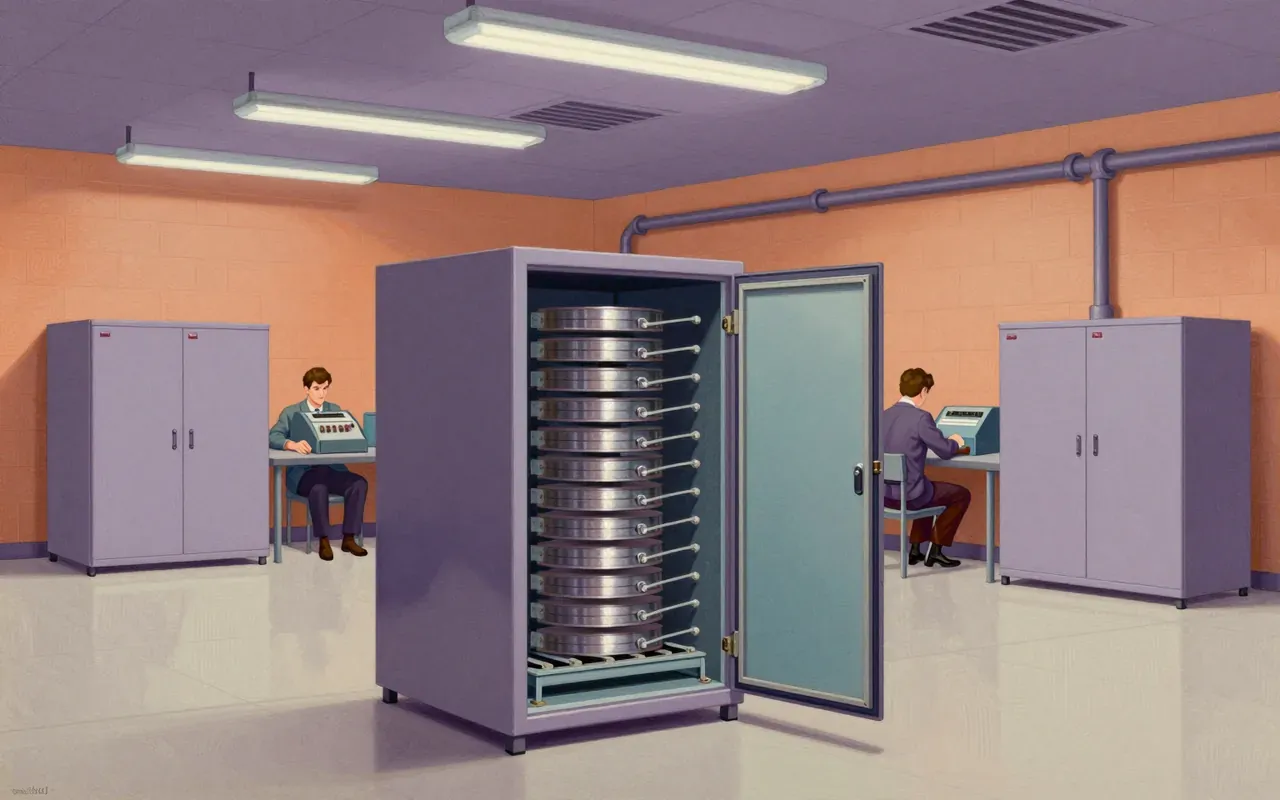
The floppy disk is a hardware innovation that enabled portable, standardised, low-capacity digital data exchange in IBM mainframe environments. It succeeded where earlier media failed — not by being faster or denser, but by being specifiable, licensable, and physically durable enough for daily use in controlled settings.
The GNU Manifesto is not code. It is a deliberate, public, repeatable act of movement-building—written to recruit, not just explain.

The Liquid-crystal display (LCD) invented by George H. Heilmeier at RCA in 1964 was the first operational display based on dynamic scattering mode (DSM). It solved the problem of achieving solid-state visual output by exploiting field-induced light scattering in liquid crystals — not alignment-based modulation. DSM works by applying voltage to switch the layer from transparent to turbid, enabling rudimentary on/off display states in transmissive or reflective modes. It required considerable current, limiting practical use. Though credited as the invention of the LCD, DSM was superseded within a decade due to its power demands and lack of scalability. It changed display R&D by proving liquid crystals could be electrically switched, but it did not deliver on low-power, high-density, or long-life promises.




The World Wide Web solved CERN’s internal document chaos by replacing rigid hierarchies and keyword tagging with decentralised, cross-computer hyperlinks. It shipped as a working stack—browser, server, HTTP, HTML, URLs—by December 1990. It assumed voluntary adoption, required no central authority, and offered no search or persistence. Its 1993 royalty-free release enabled scale—but not control.
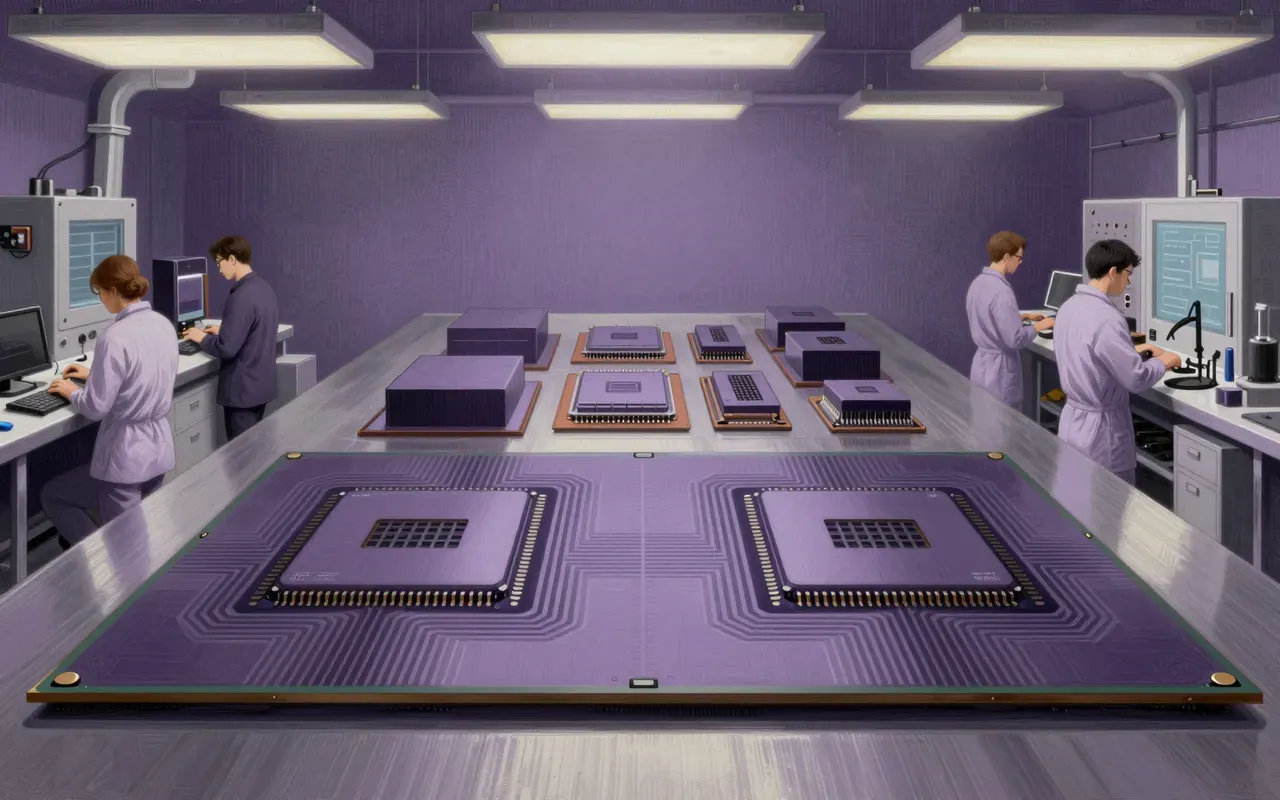


Unix is the first operating system whose portability was achieved by rewriting it in a high-level language still under construction—and whose influence stems not from completeness, but from what it omitted, deferred, or forced developers to build themselves.
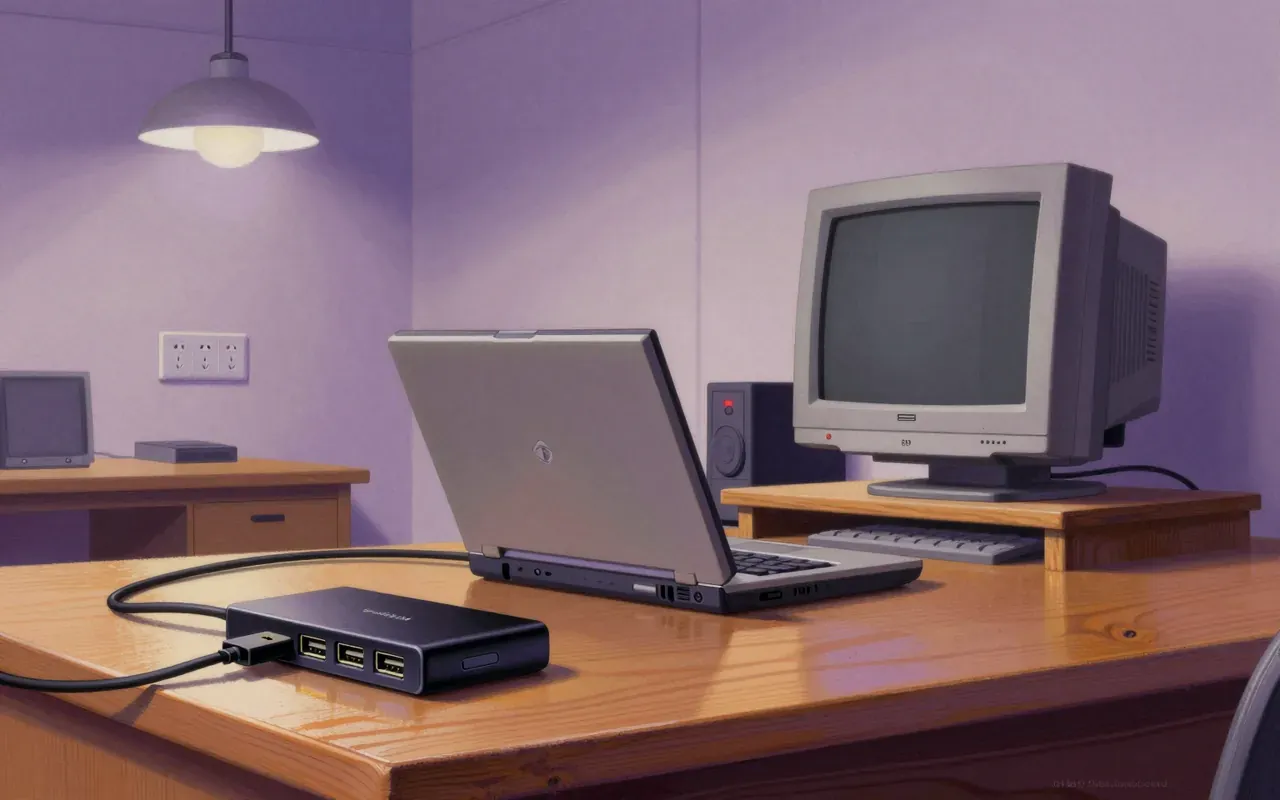



XML is a deliberately constrained application profile of SGML, standardised by W3C in 1998. It delivers strict, interoperable document structure at the cost of verbosity, parsing overhead, and zero runtime semantics. It succeeded where SGML failed—not by being simpler, but by being bounded.