10:23in productionCh. 1 · Barry County, 1980/ 10:23 · ceiling 15 min
Systems · Tech history
Charter Communications
1993
Charter didn’t build infrastructure — it bought geography.
Charter Communications is a cable operator built on acquisition, not invention. Its 1993 consolidation created a vehicle for scaling regional CATV systems — not for upgrading infrastructure. It delivers broadband and video over legacy coaxial networks. Its growth reflects market concentration, not technical innovation. Its value lies in reach, not re-engineering.
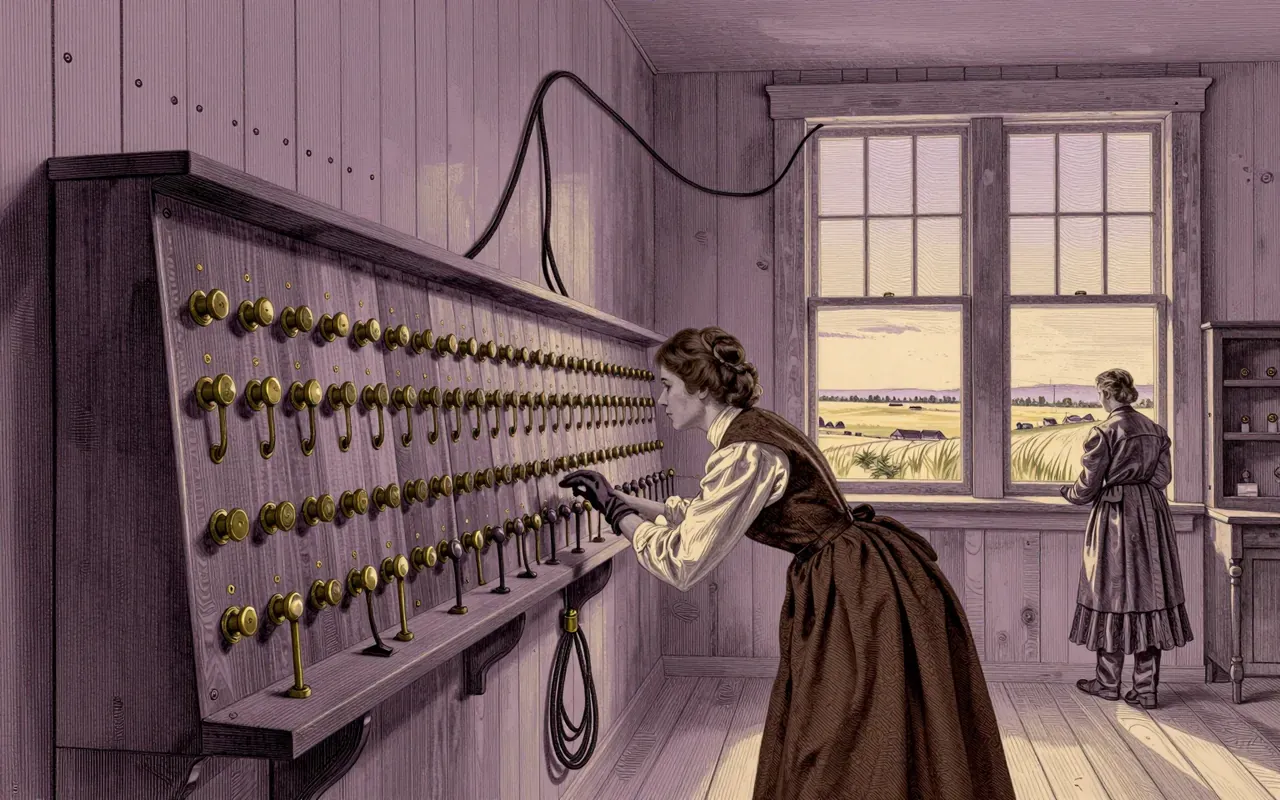
Charter began as a single CATV system in rural Michigan, not as a national strategy.
2:07
St. Louis, 1993
Its 1993 Missouri incorporation marks the pivot from local operator to consolidated holding company.
3:40
Stamford, 2012
The 2012 move to Stamford signals alignment with Wall Street and pay-TV investors, not engineering hubs.
4:59
May 18, 2016
The 2016 acquisitions doubled its footprint but did not change its underlying coaxial delivery architecture.
6:20
32 Million, 2022
Its 'largest by subscribers' status in 2022 reflects aggregation, not technological leadership.
Worth your time?
Yes. Study the whole thing.
3.5/ 5
What works
subscriber aggregation
brand standardisation
regional billing unification
What does not
build fibre networks
own spectrum licences
operate mobile networks
develop proprietary hardware
Study it if
regulatory analysts
M&A strategists
local ISP advocates
Skip it if
network engineers
open-internet advocates
5G infrastructure planners
The written brief1 min read
What it is and the problem it solves
Charter Communications is a vertically integrated cable operator that solves the problem of fragmented local CATV service by aggregating systems under one brand and operational platform.
How it works
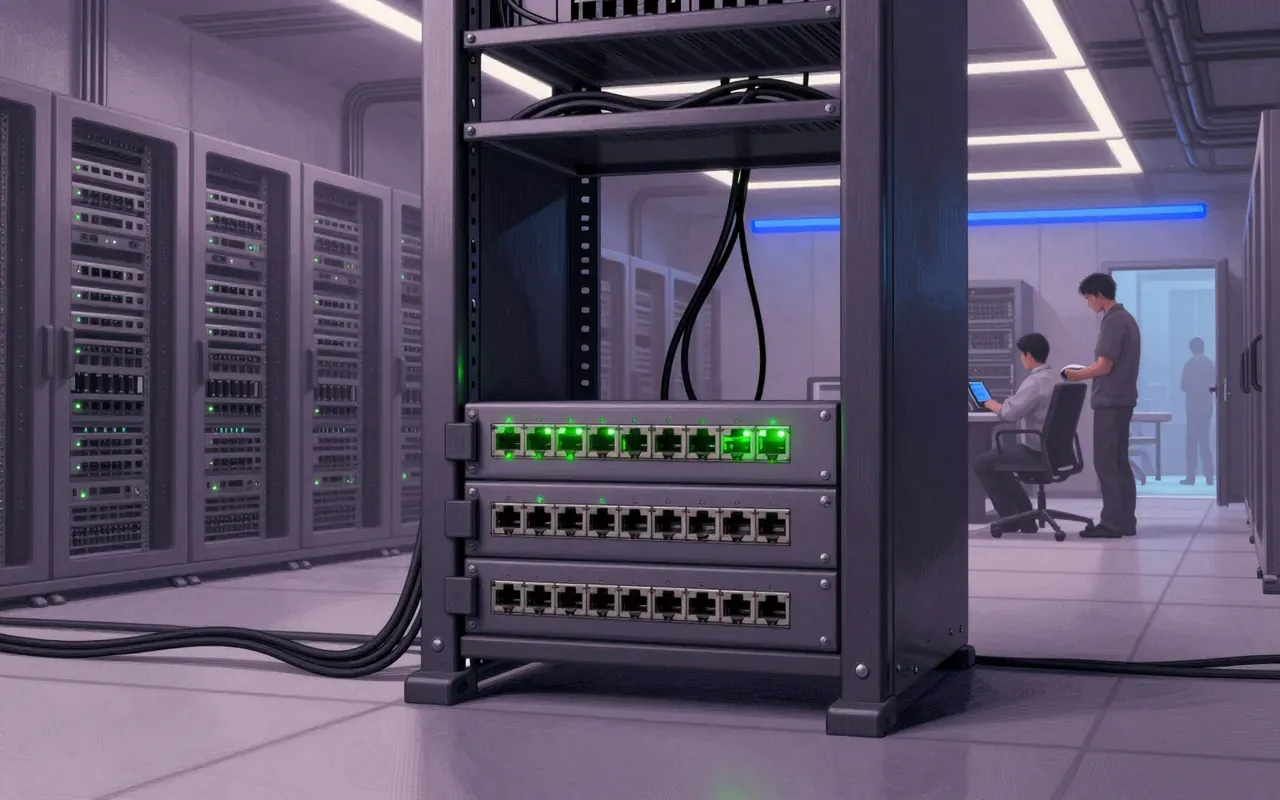
Charter Communications operates as a cable television and broadband internet provider, delivering services over hybrid fibre-coaxial infrastructure.
What works
Its consolidation model works for subscriber growth: it became the largest US cable operator by subscribers as of 2022, ahead of Comcast.
What does not
It does not operate its own nationwide fibre backbone. It does not offer mobile network infrastructure. It does not own content studios or produce original programming.
What it changes
It changes the scale of regional cable operators by absorbing them into a single national billing and provisioning system — demonstrated by the 2016 acquisition of Time Warner Cable and Bright House Networks.
Is it worth your time
It matters if you are assessing consolidation patterns in US telecoms or evaluating spectrum-based service delivery models — not if you are tracking fibre-to-the-home deployment or open-access infrastructure policy.