
1G
1G wasn’t the dawn of mobile—it was the last gasp of analog radio dressed as a network.
What everything runs on, noticed only when it fails.



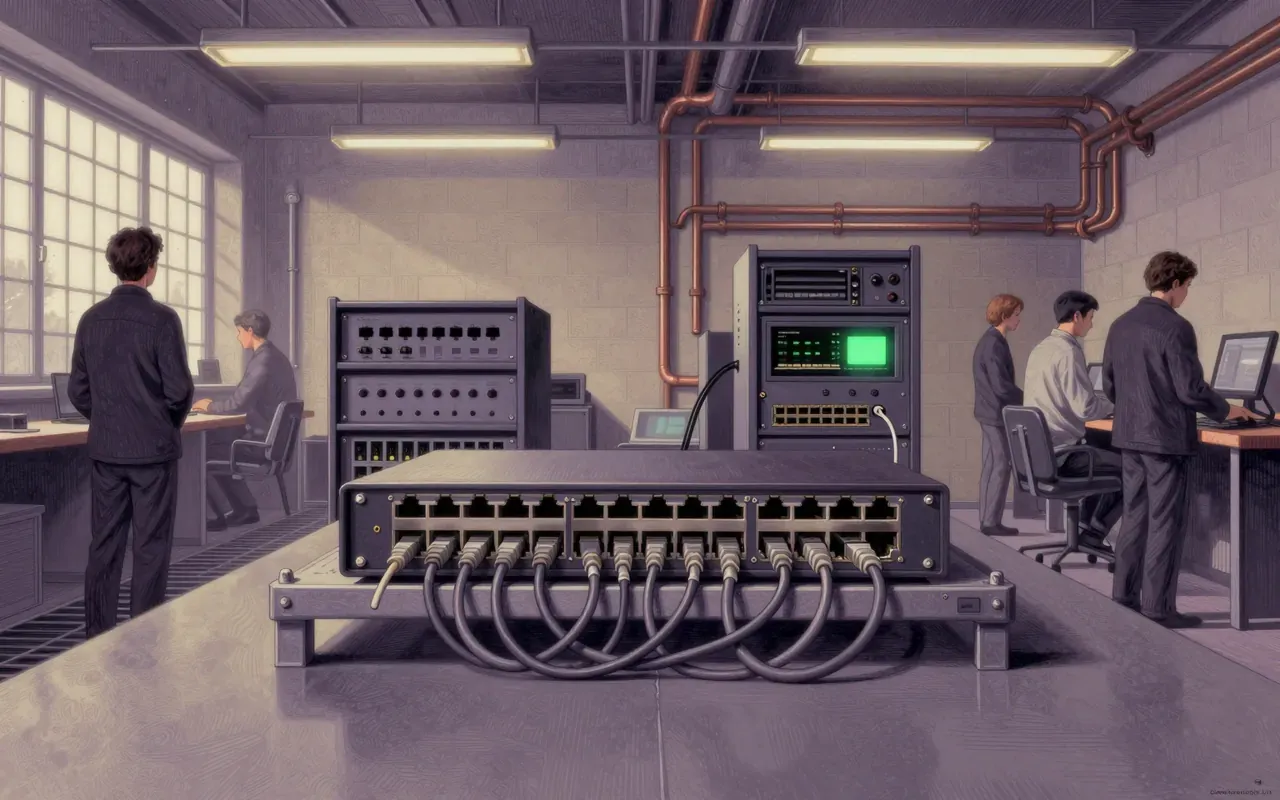
DNS is the distributed name-resolution system invented by Paul Mockapetris in 1983. It replaced the ARPAnet’s central hosts file. It uses a hierarchical zone model and originally ran over UDP. Later concerns about reliability, security, and privacy drove TCP use and protocol extensions. RFCs 882, 883, 973, 1034, and 1035 define its evolution. Mockapetris implemented the first version, 'Jeeves', for TOPS-20 the same year.
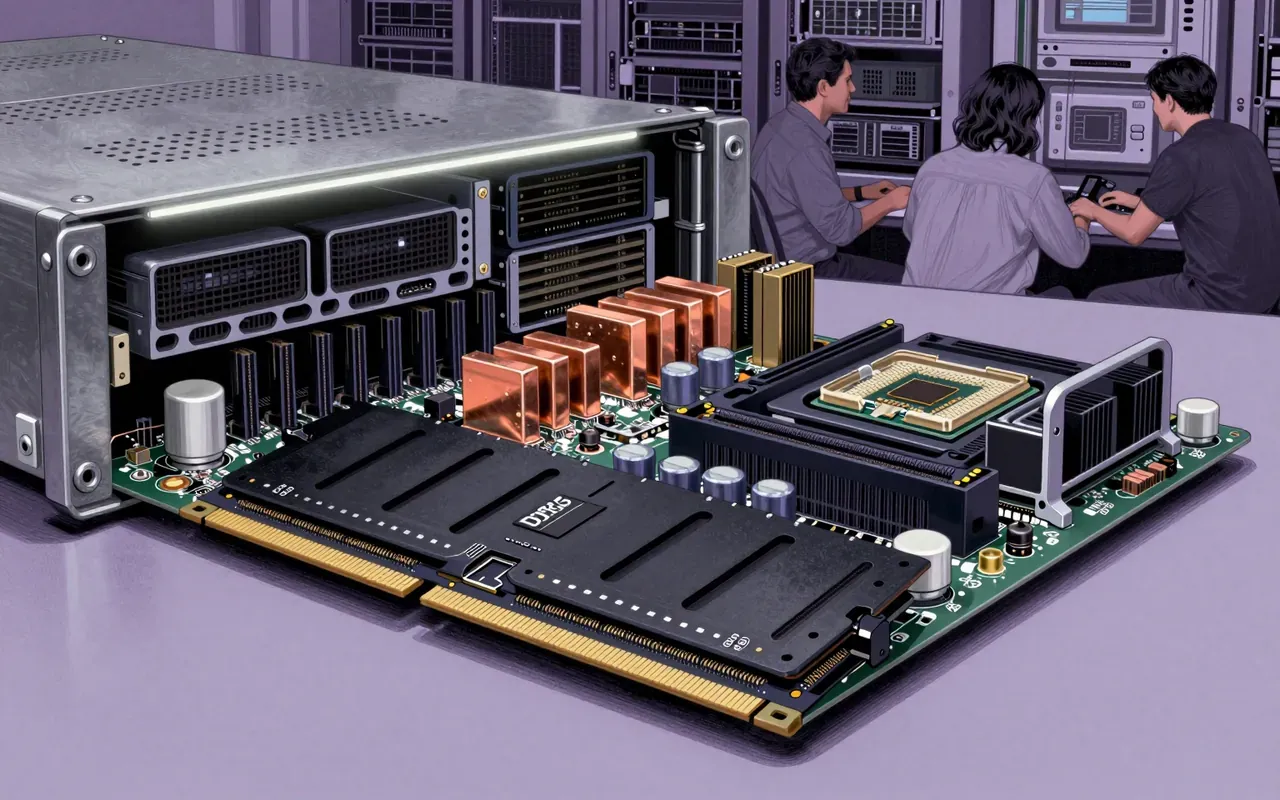
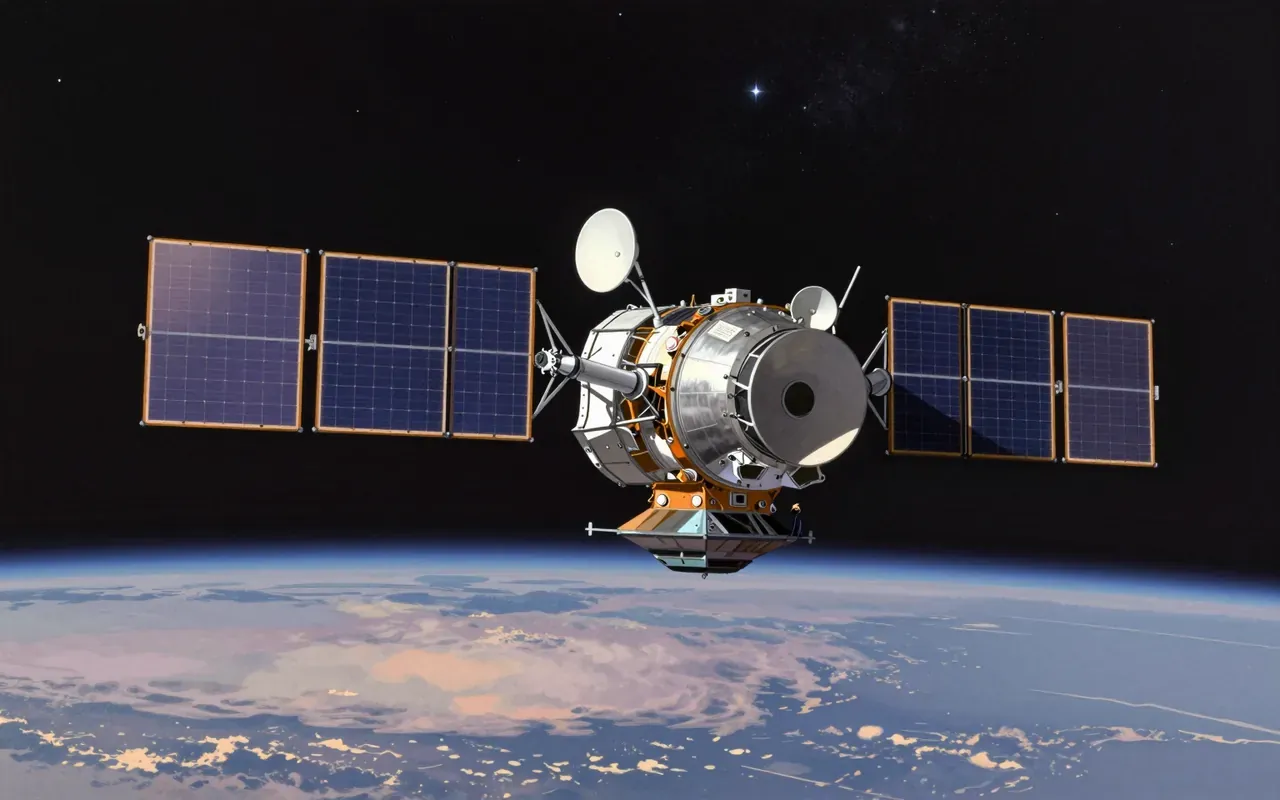
GPS signals are a U.S. Department of Defense standard defining CDMA-based ranging signals and structured navigation messages. They enable position and time determination—but only if receivers correctly decode Gold codes, resolve millisecond ambiguities, and parse ephemeris data. The standard delivers what it promises: signal formats. It does not deliver accuracy, reliability, or resilience.
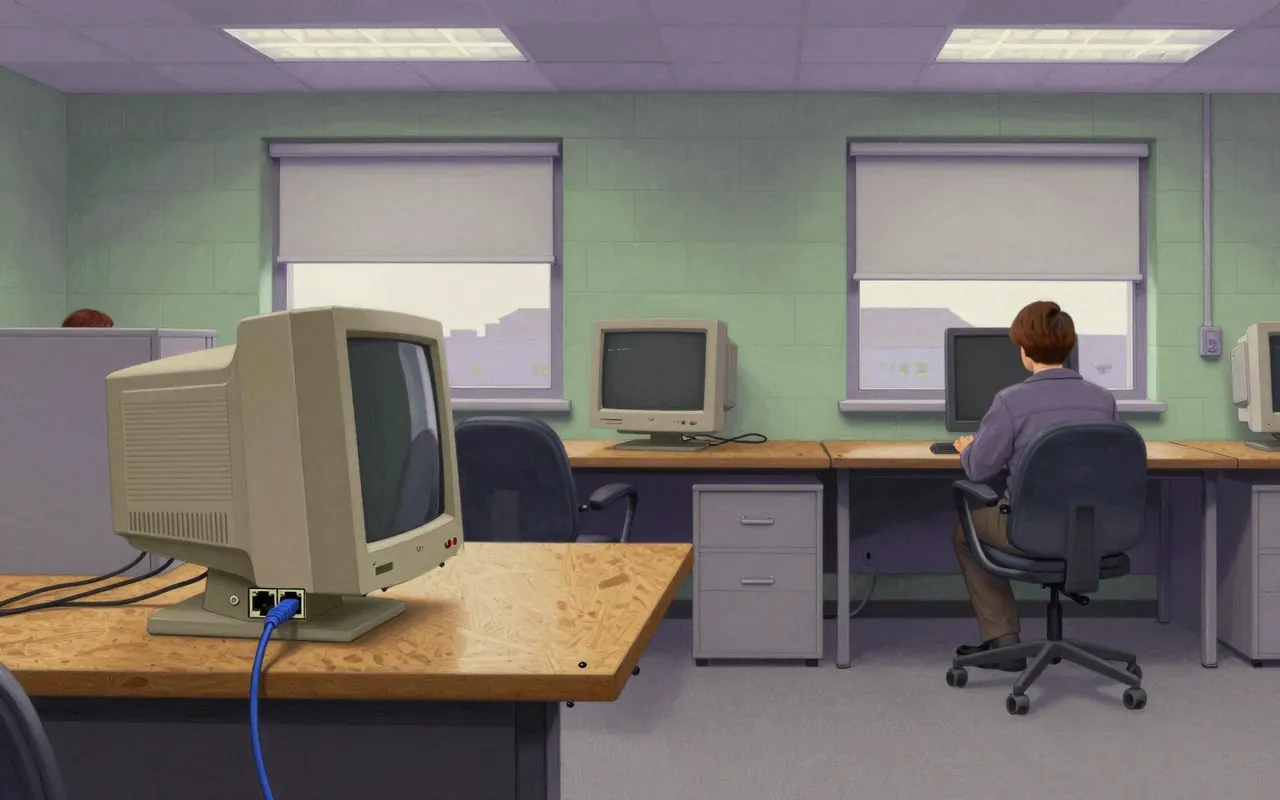
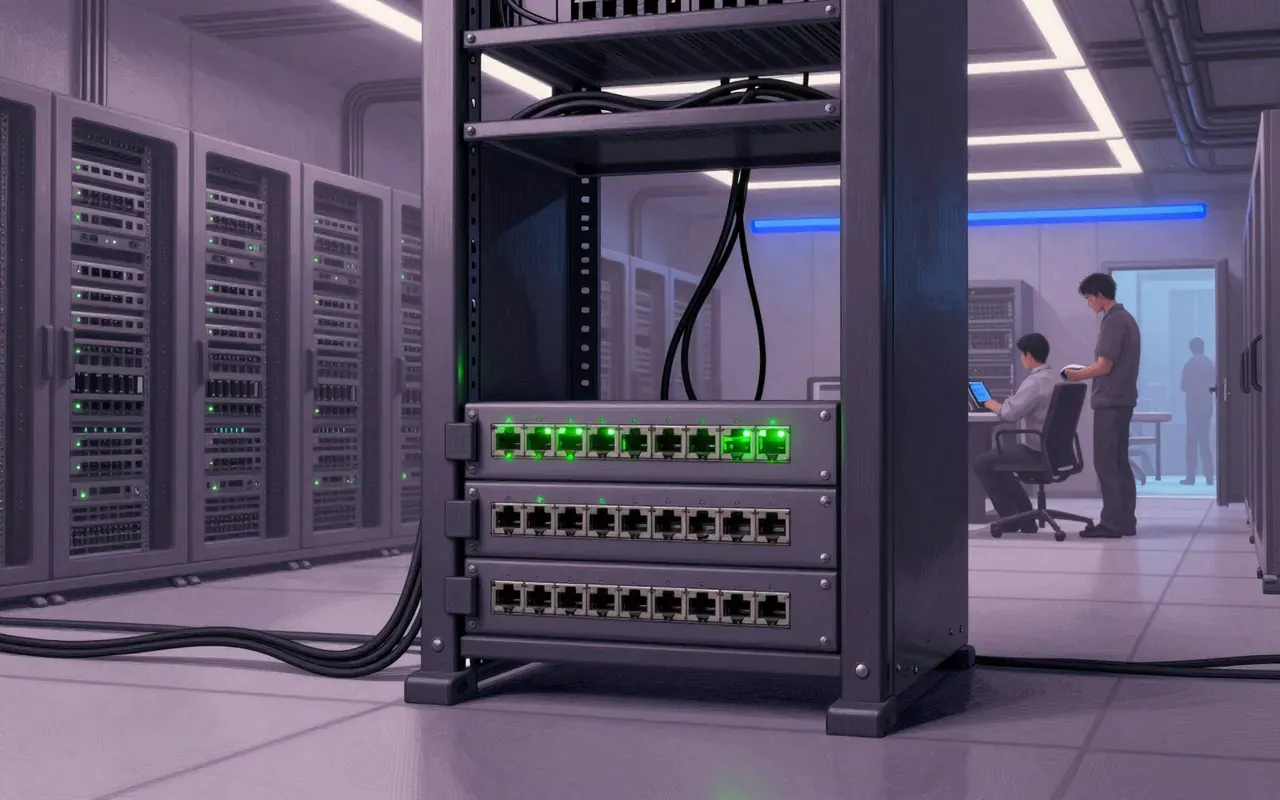
IEEE 802.3 standardises wired Ethernet’s physical and MAC layers using CSMA/CD. It succeeded by enabling interoperability—not speed or novelty. Its mechanism became obsolete before the standard did. It remains essential infrastructure, not evolutionary architecture.
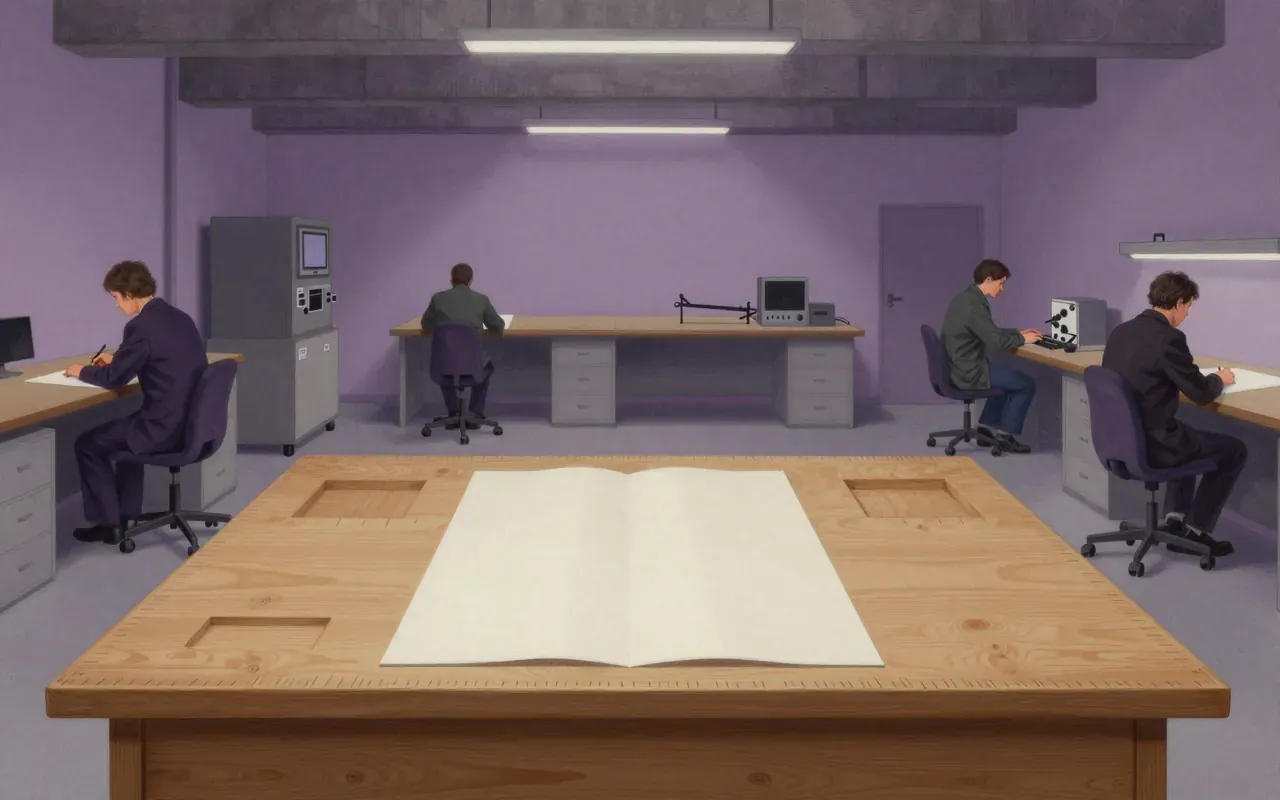
ISO 216 is the international paper size standard. It originated as DIN 476 in Germany in 1922. It was adopted globally as ISO 216 in 1975. It uses a √2 aspect ratio. Each size halves the area of the next larger size. Tolerances are specified per dimension range. It governs usage everywhere except the US and Canada.
Prometheus is a pull-based, label-driven time-series monitoring system built by SoundCloud in 2012 to replace StatsD/Graphite for containerised infrastructure. It works well for short-lived services and dimensional querying—but requires operational discipline around scrape targets and lacks native horizontal scaling or logging integration.
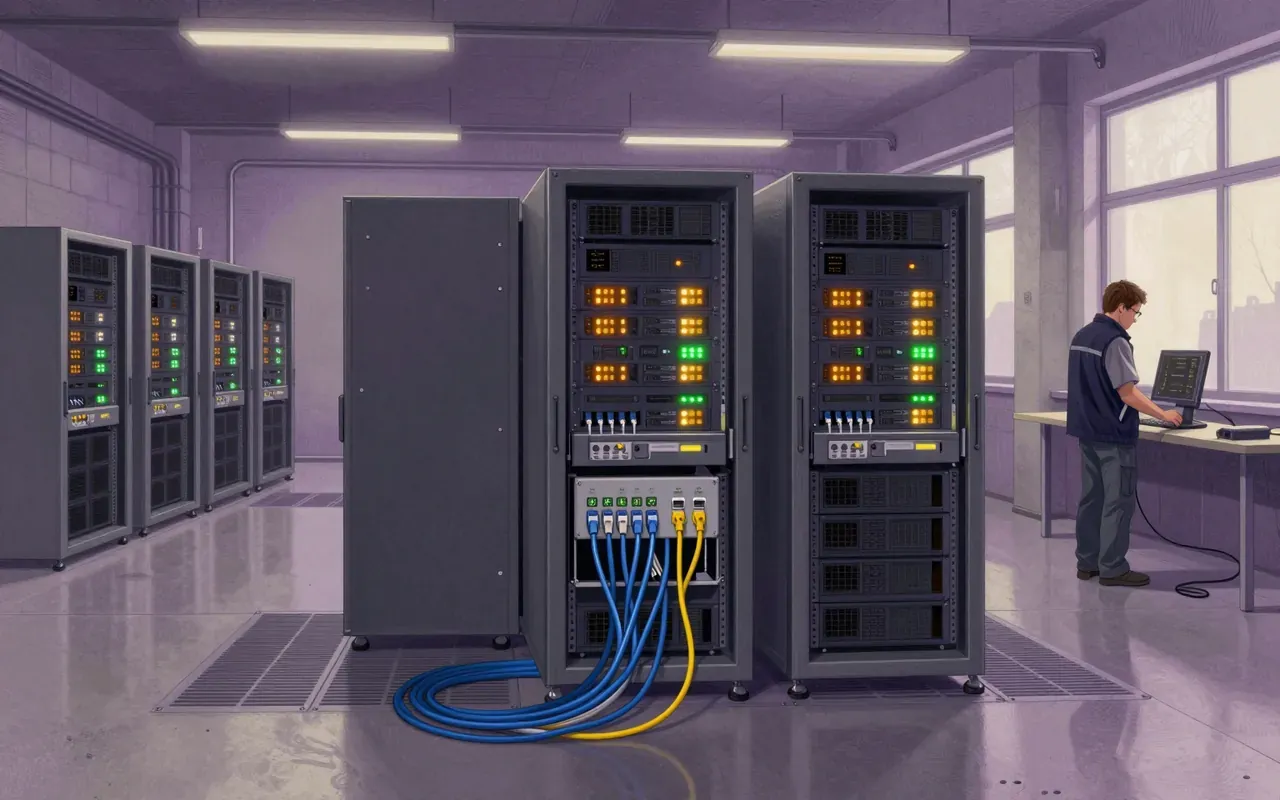
Terraform is infrastructure-as-code software developed by HashiCorp in 2014. It uses declarative configuration (HCL or JSON) and provider plugins to manage infrastructure across clouds and on-prem systems. It shifted from MPL 2.0 to BUSL on 10 August 2023, restricting commercial use by competitors and prompting the OpenTofu fork. It supports automation in large-scale service-oriented development but requires strict state management and does not enforce security or runtime behaviour.
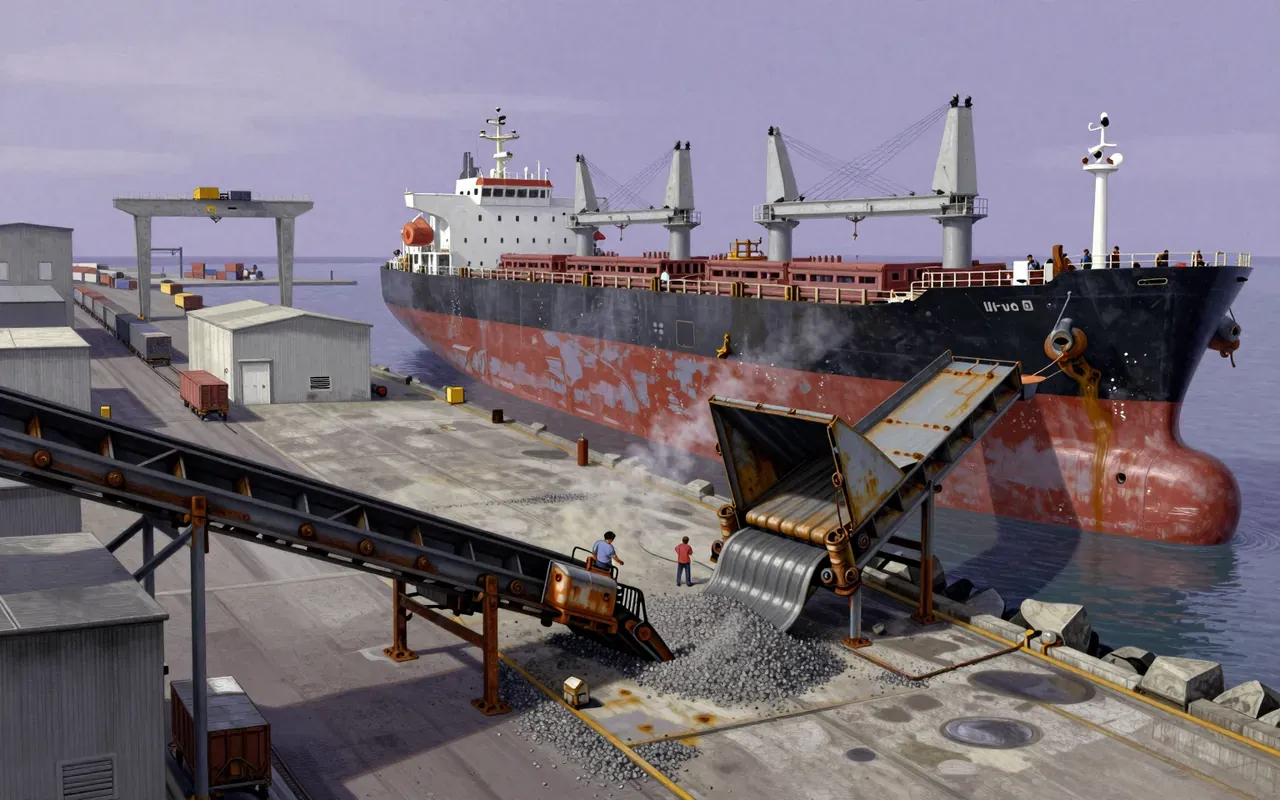
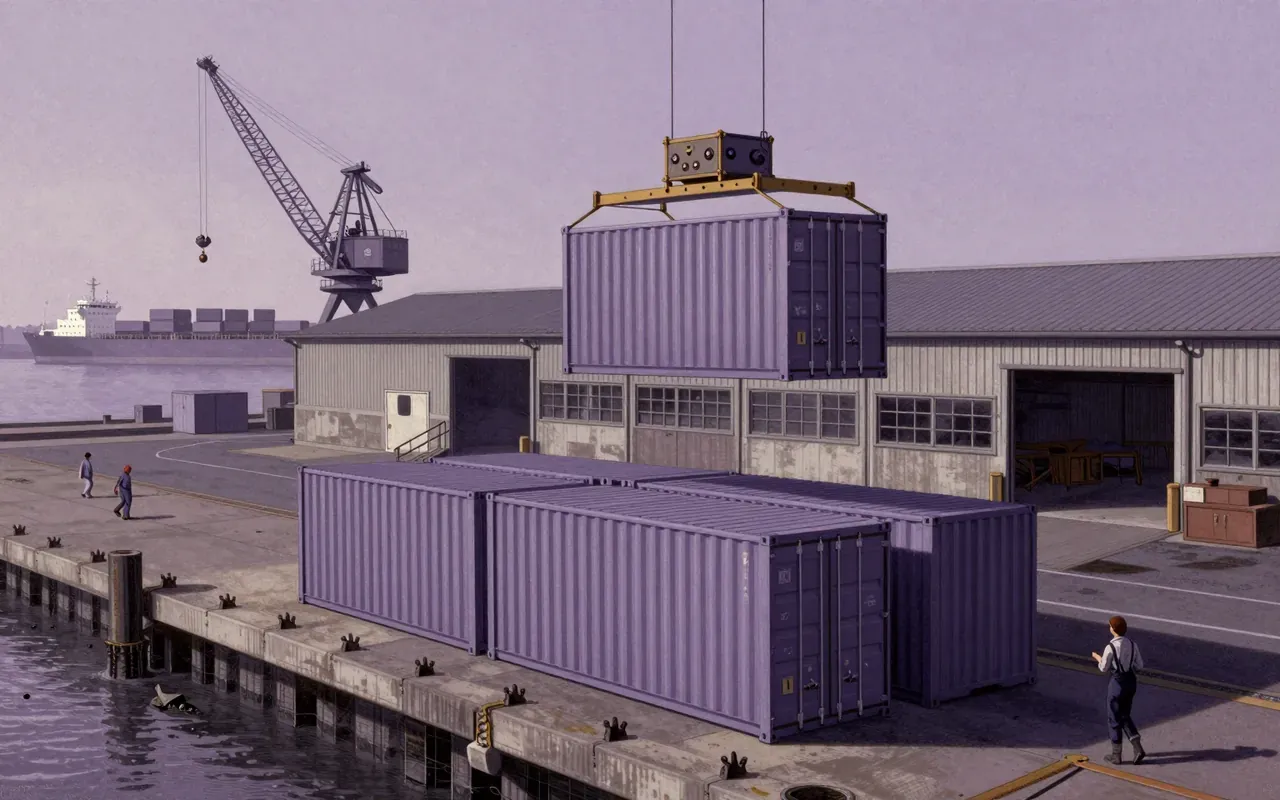
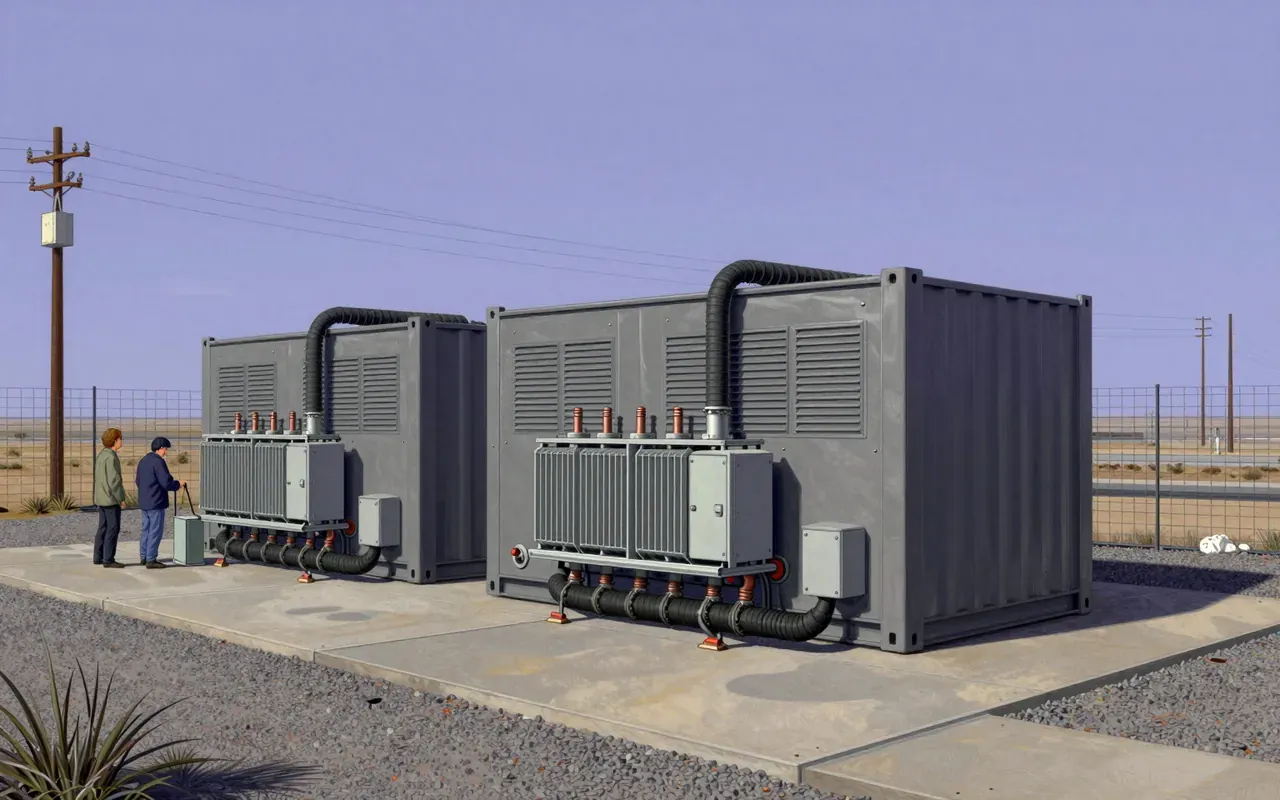
Containerization is the physical standardisation of cargo transport. It replaced break-bulk handling with sealed, stackable, crane-liftable steel boxes. McLean and Tantlinger designed it in 1955. Its twistlock corners enabled secure intermodal transfer. SeaLand released the patent in 1963. The design became the American and international standard in September 1965. It reduced cost and time. It displaced dock labour. It enabled just-in-time manufacturing. It remains the dominant form of non-bulk cargo transport.
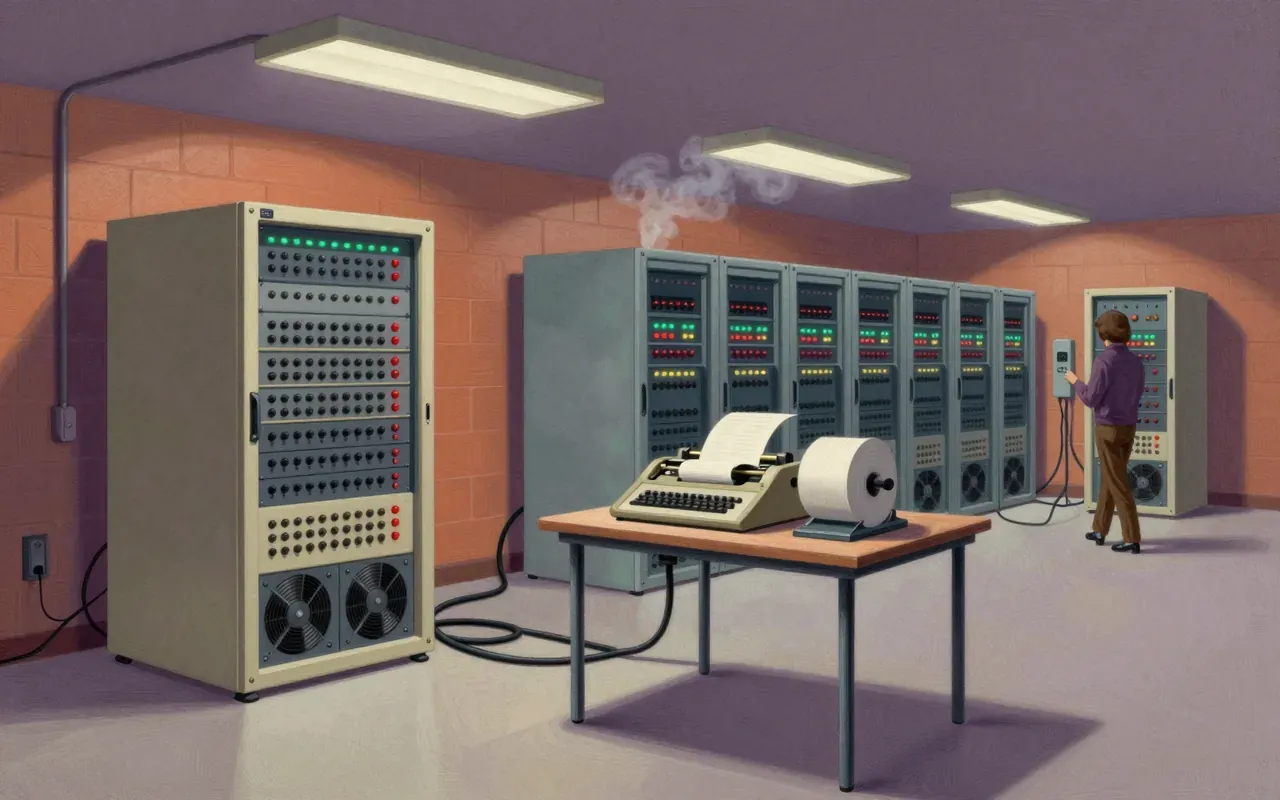
The Internet is a system for internetworking—designed to link disparate networks using standardised protocols. DARPA commissioned its core development in the 1970s. TCP/IP standardisation in 1982 enabled global proliferation. Its layered architecture and decentralised governance remain defining features—and enduring constraints.
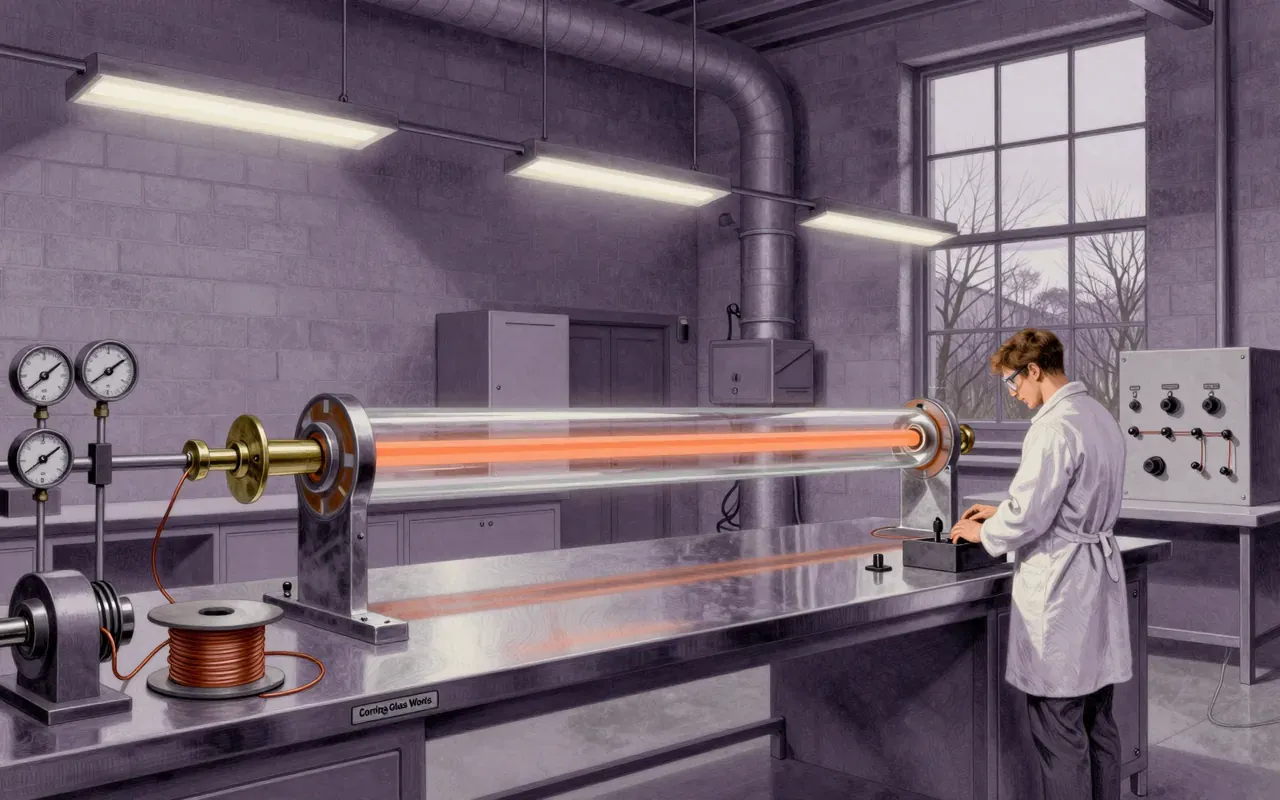
Kao and Hockham redefined optical fibre from a failed material into an engineering challenge. They showed attenuation was removable—not fundamental. That shifted R&D from ‘can we?’ to ‘how clean can we get?’. Corning hit 20 dB/km in 1970. Kao measured 4 dB/km in fused silica in 1969. Single-mode fibre became standard—but only after decades of laser and amplifier development. The invention is the insight, not the cable.

The Dreamcast was Sega’s final home video game console. It launched in Japan on November 27, 1998, and globally in late 1999. It used off-the-shelf components, shared hardware with the NAOMI arcade board, avoided DVD licensing with GD-ROM, and shipped with a built-in dial-up modem — the first console to do so. It achieved strong initial sales: 150,000 units sold out in Japan on day one; over 225,132 sold in North America in 24 hours; more than 500,000 in two weeks; and 31% of US video game revenue by Christmas 1999. But momentum collapsed in 2000. Competition from PlayStation 2 and Xbox, weak third-party support, and financial strain forced Sega to discontinue the console on March 31, 2001 — ending its hardware business. Total sales: 9.13 million units. Games released: over 600.

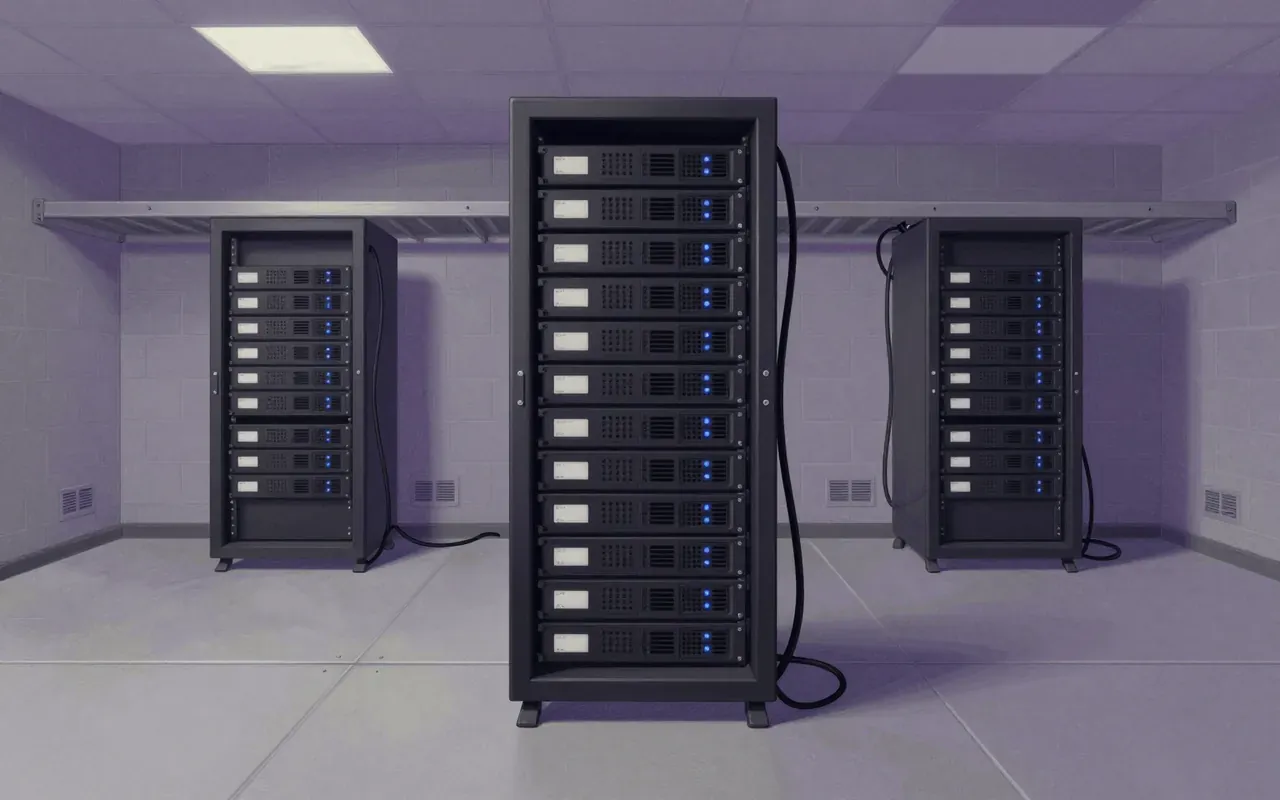
Cassandra is a distributed, wide-column database built for write-heavy, multi-datacentre workloads. It prioritises availability and scalability over consistency. It requires upfront schema design aligned to access patterns. It was developed at Facebook for inbox search and released open-source in July 2008.
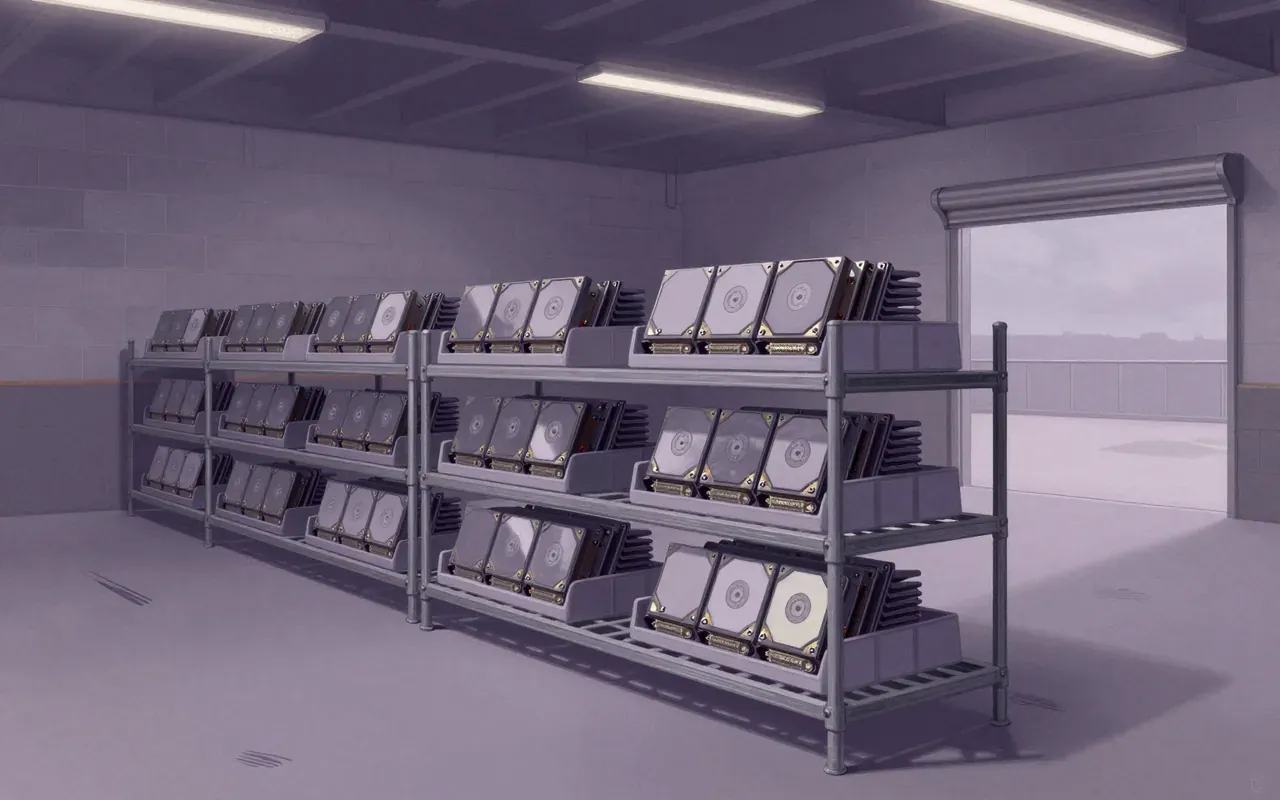
Hadoop is not a database or a query engine. It is a fault-tolerant batch-processing substrate built for scale, not speed or simplicity.

IBAN is a validation layer—not a payment rail, not a registry, not a protocol. It catches human input errors in account identifiers before they trigger costly rejections downstream. Its mechanism is simple: a fixed-position country code, two check digits, and a national account identifier, all validated via MOD-97-10. It works where people type numbers. It fails where logic, intent, or authority is required.
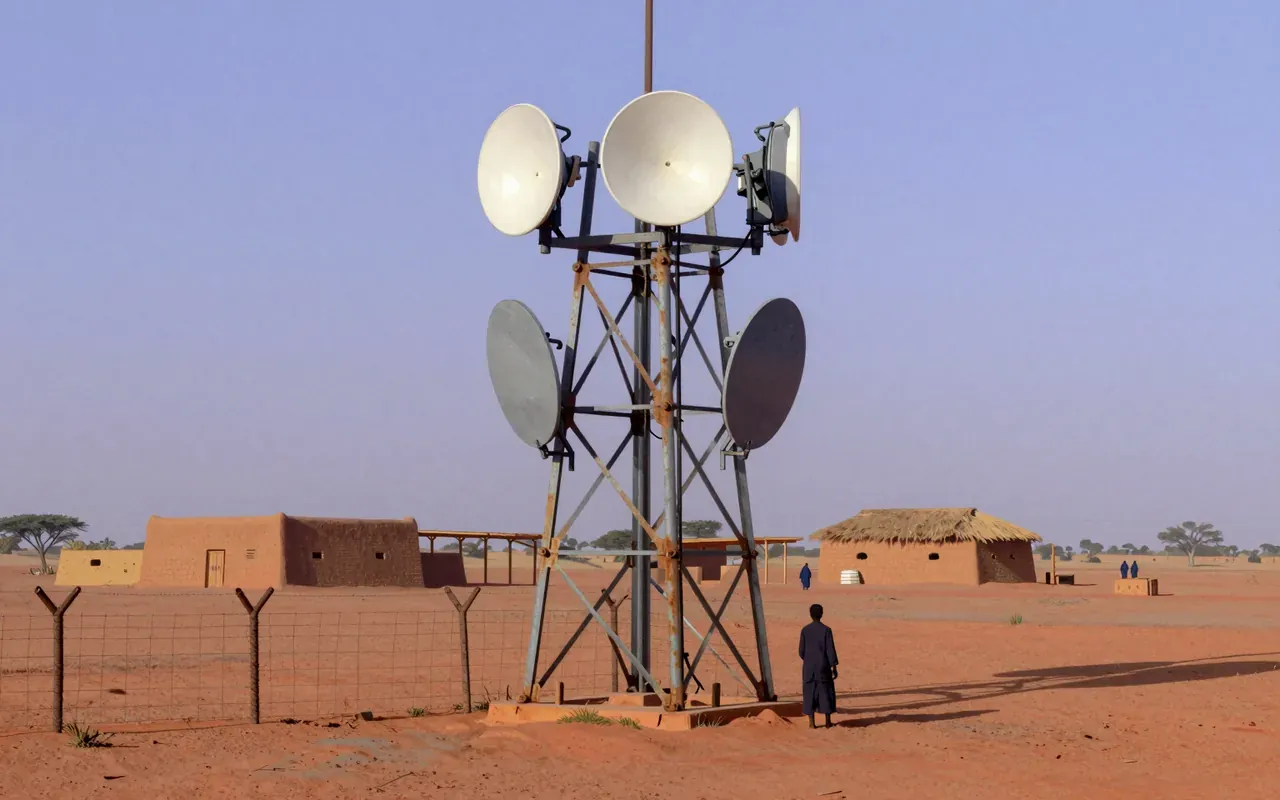

Kafka is a distributed, open-source event store and stream-processing platform developed at LinkedIn and open sourced in early 2011. It uses a binary TCP-based protocol and a 'message set' abstraction to optimise efficiency, enabling linear writes from bursty streams. It guarantees ordering within partitions, retains messages in a durable append-only log, supports manual offset management, and introduced share groups in 2025 for queue-like semantics. Kafka Connect and Kafka Streams were added in versions 0.9.0.0 and 0.10.0.0 respectively.




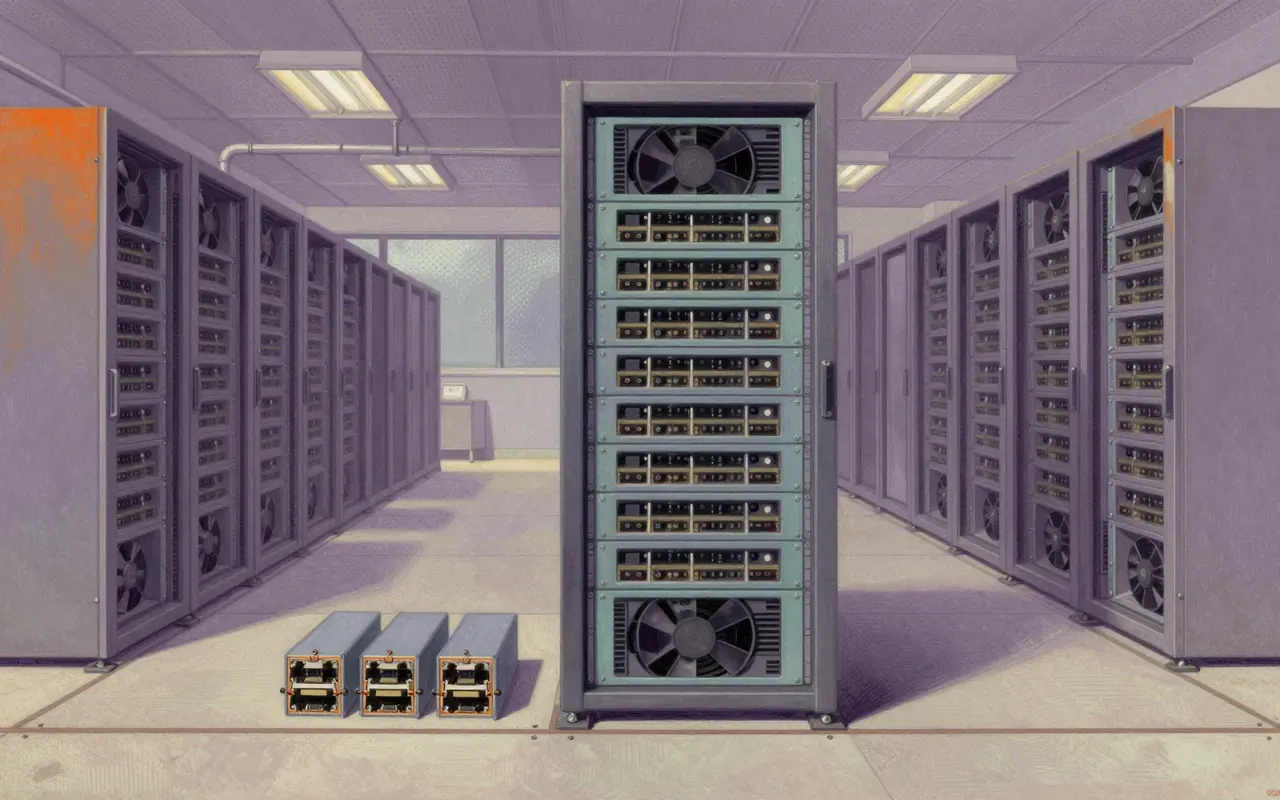

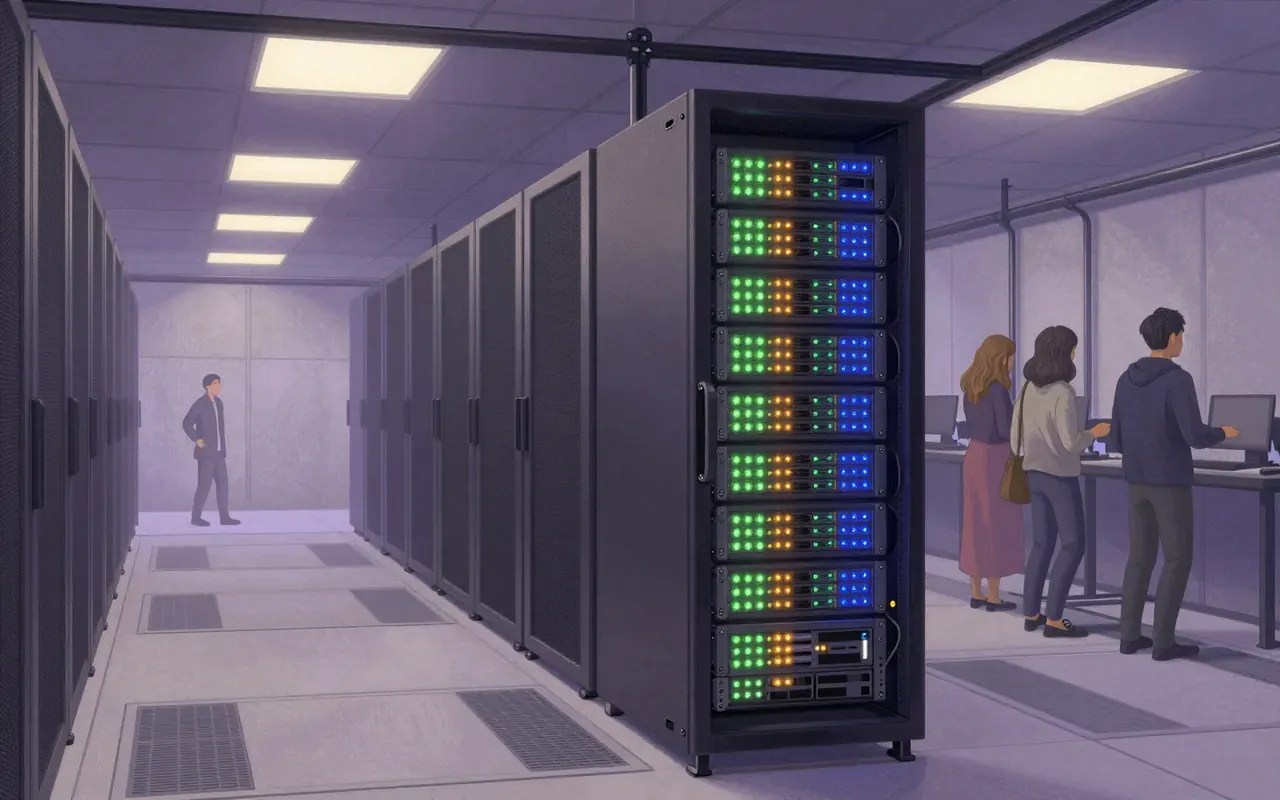


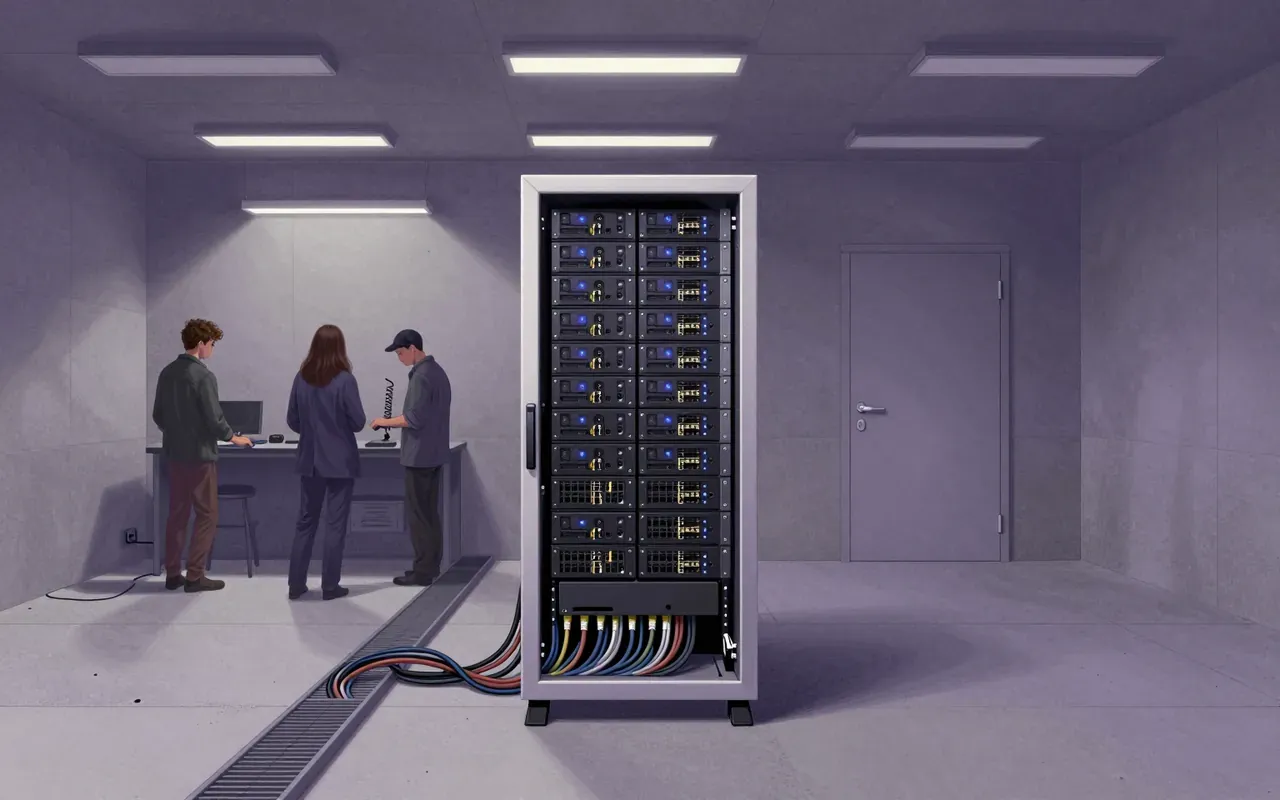
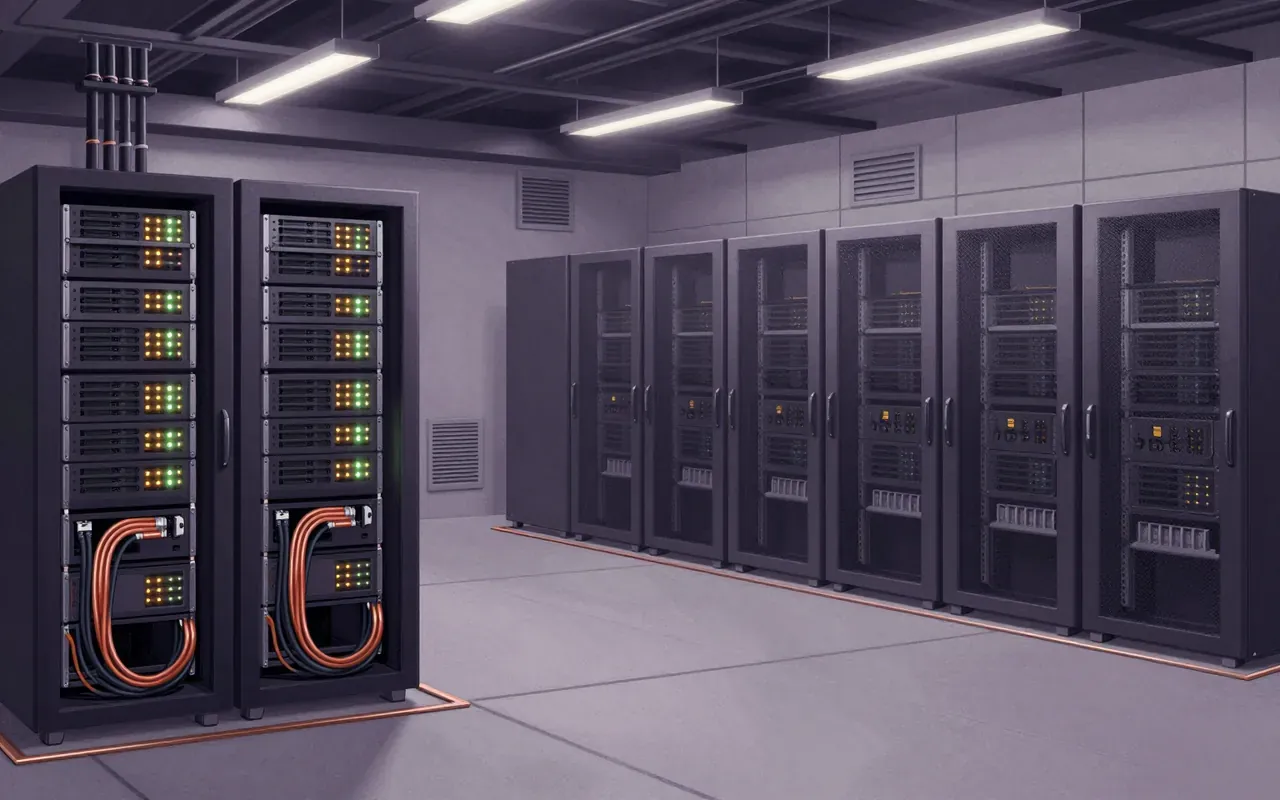



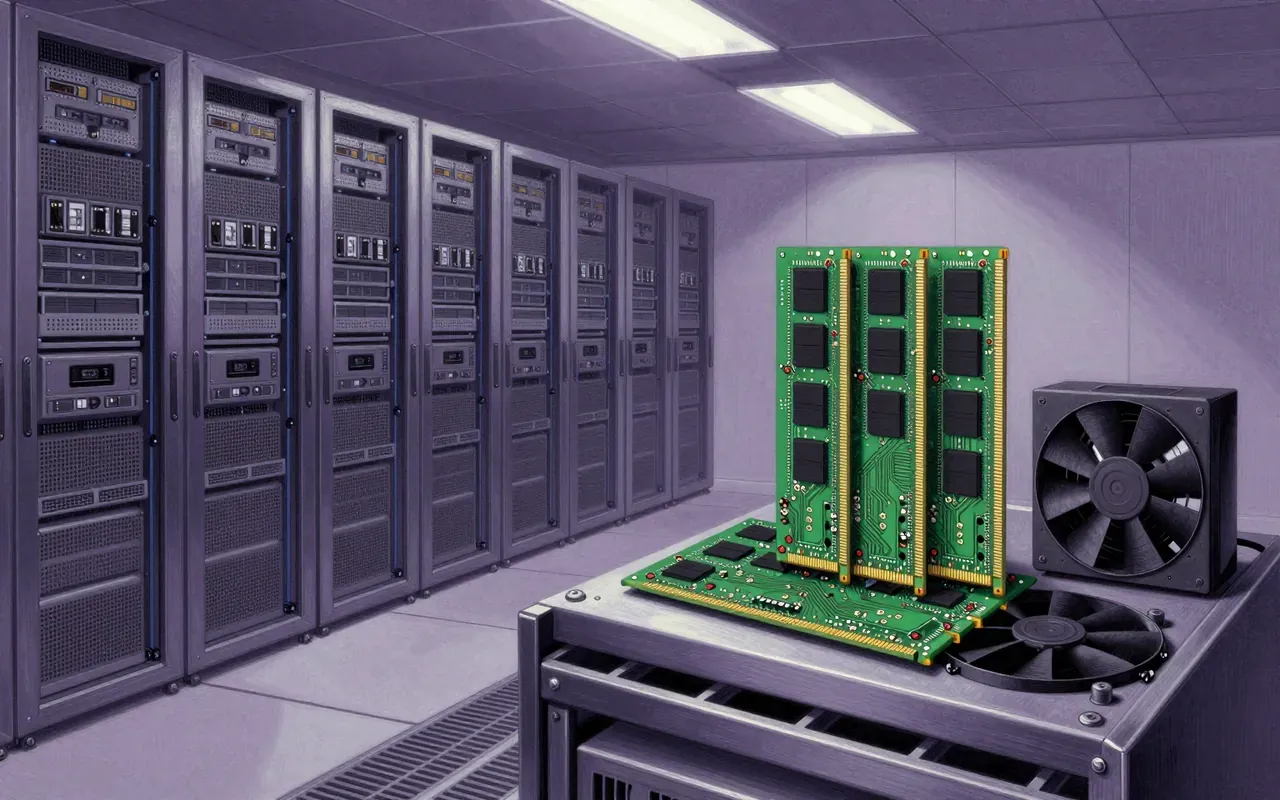
Memcached is a distributed in-memory key-value store designed to reduce load on databases in dynamic web applications. It delivers speed by bypassing disk and network I/O—but requires manual cache management, offers no consistency guarantees, and assumes trust within the network. It works because it is minimal, not because it is clever.
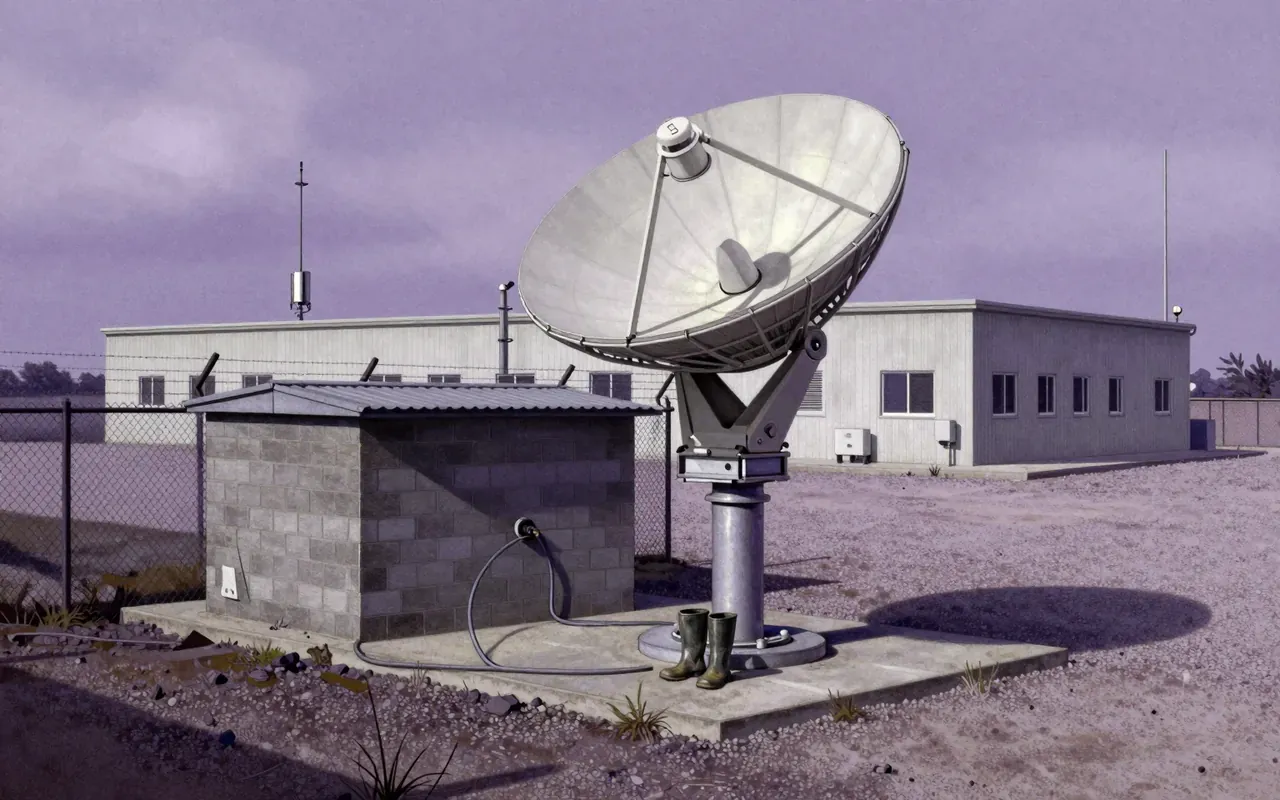
MQTT delivers what it promised in 1999: a lean, brokered telemetry protocol for expensive, low-bandwidth links. It works — but only where its constraints match your environment. Its standardisation cemented utility, not evolution.

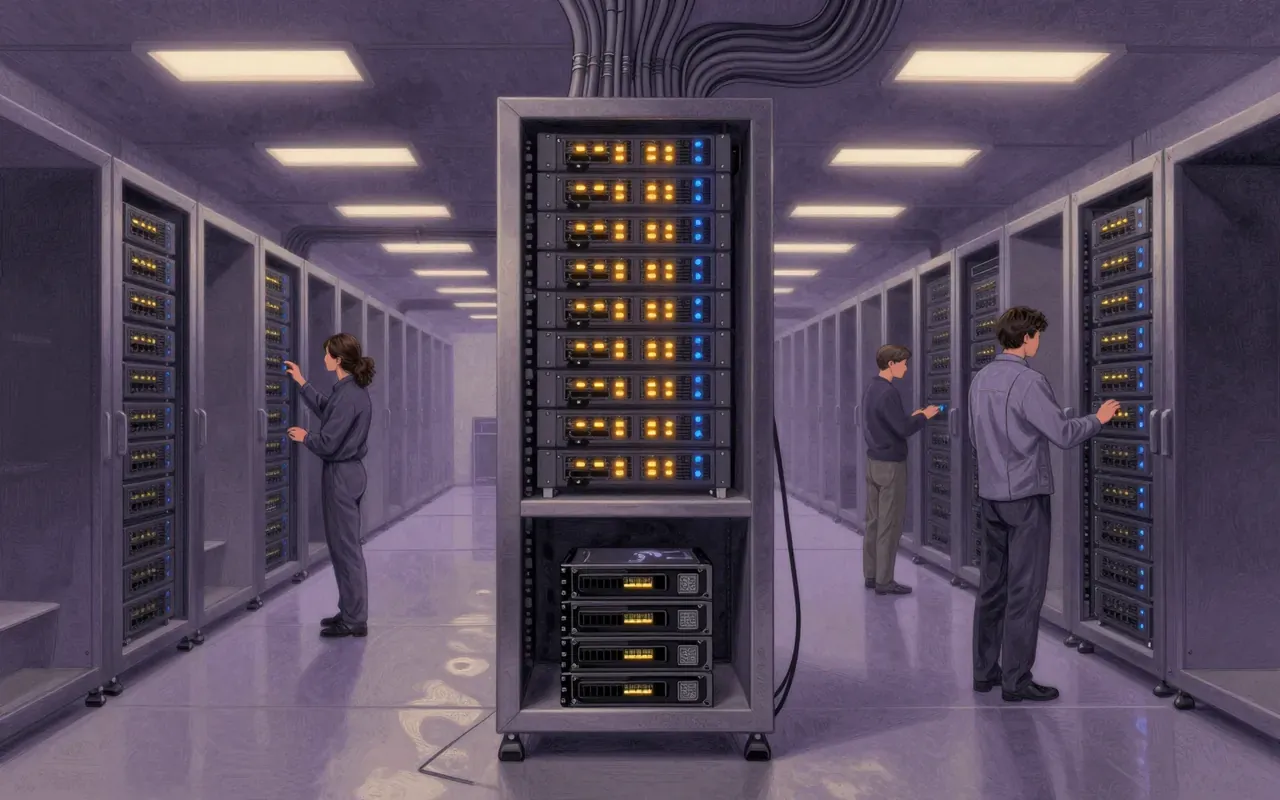










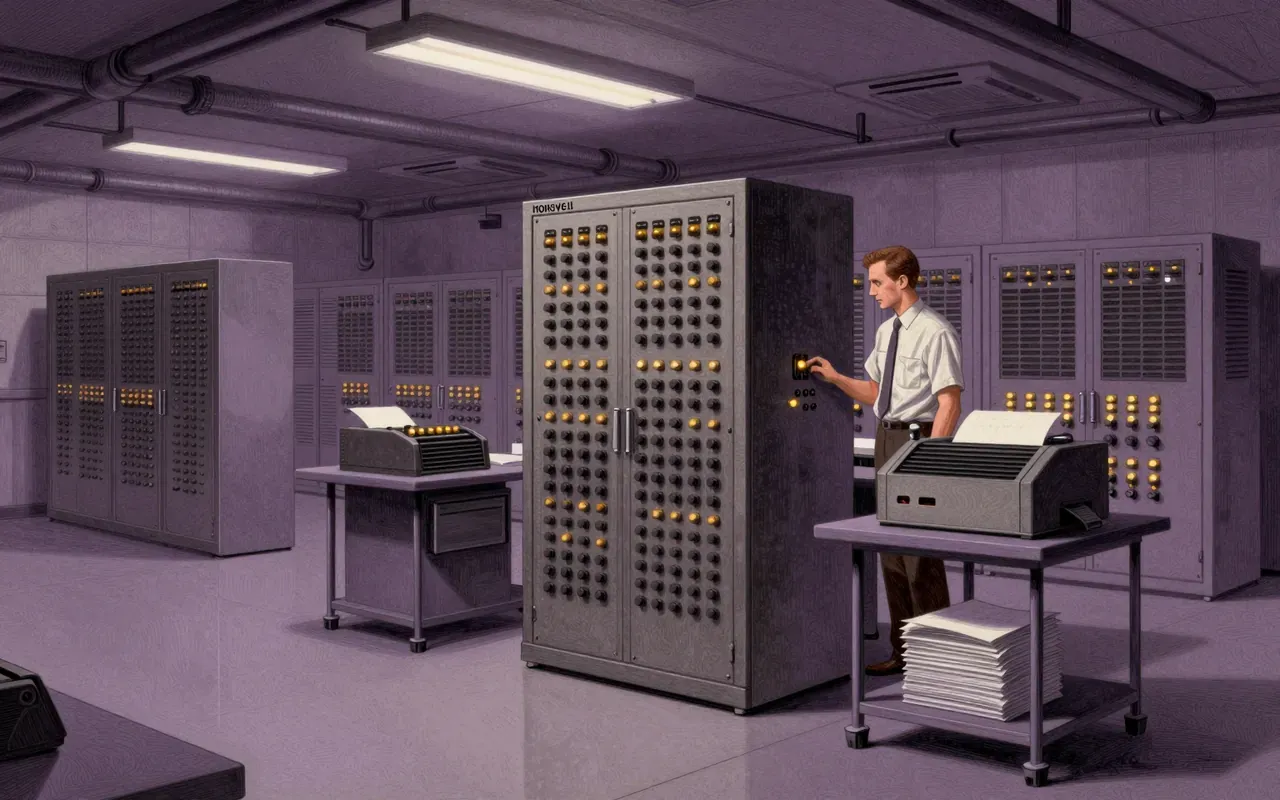


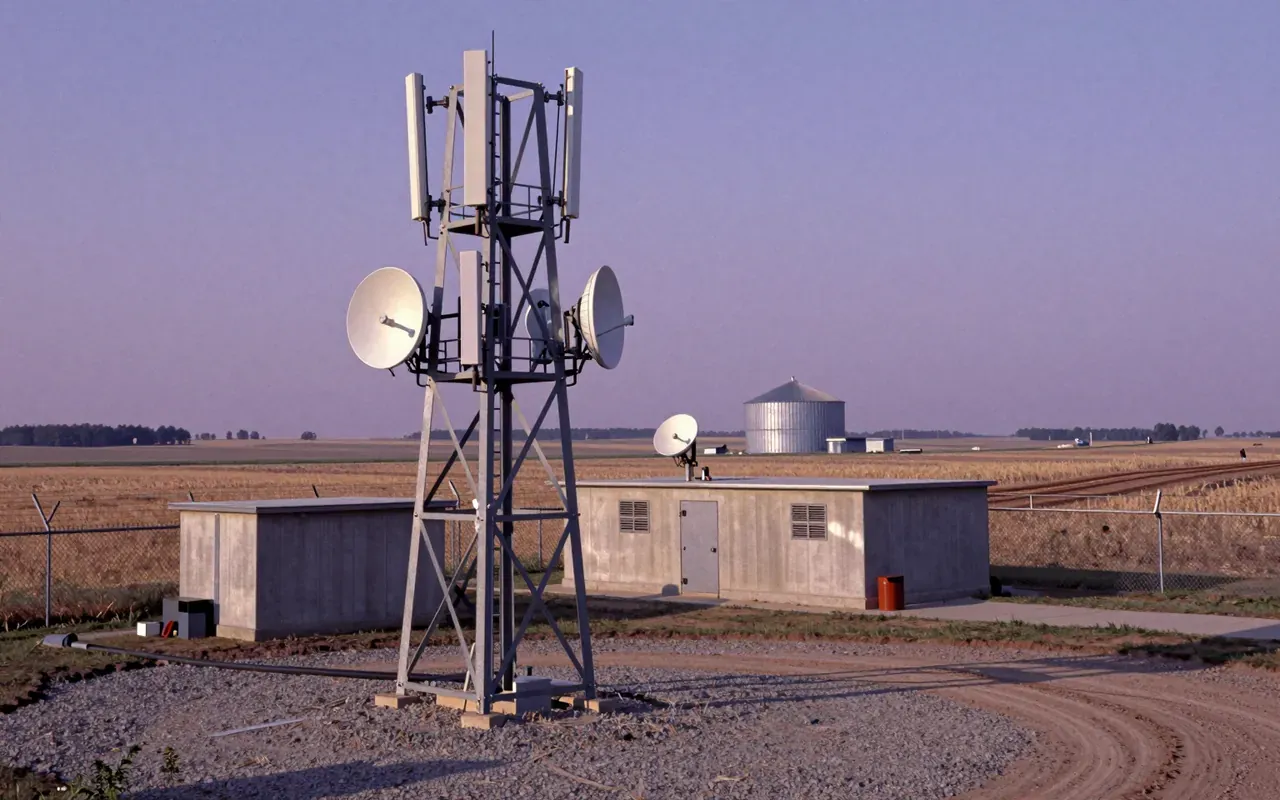
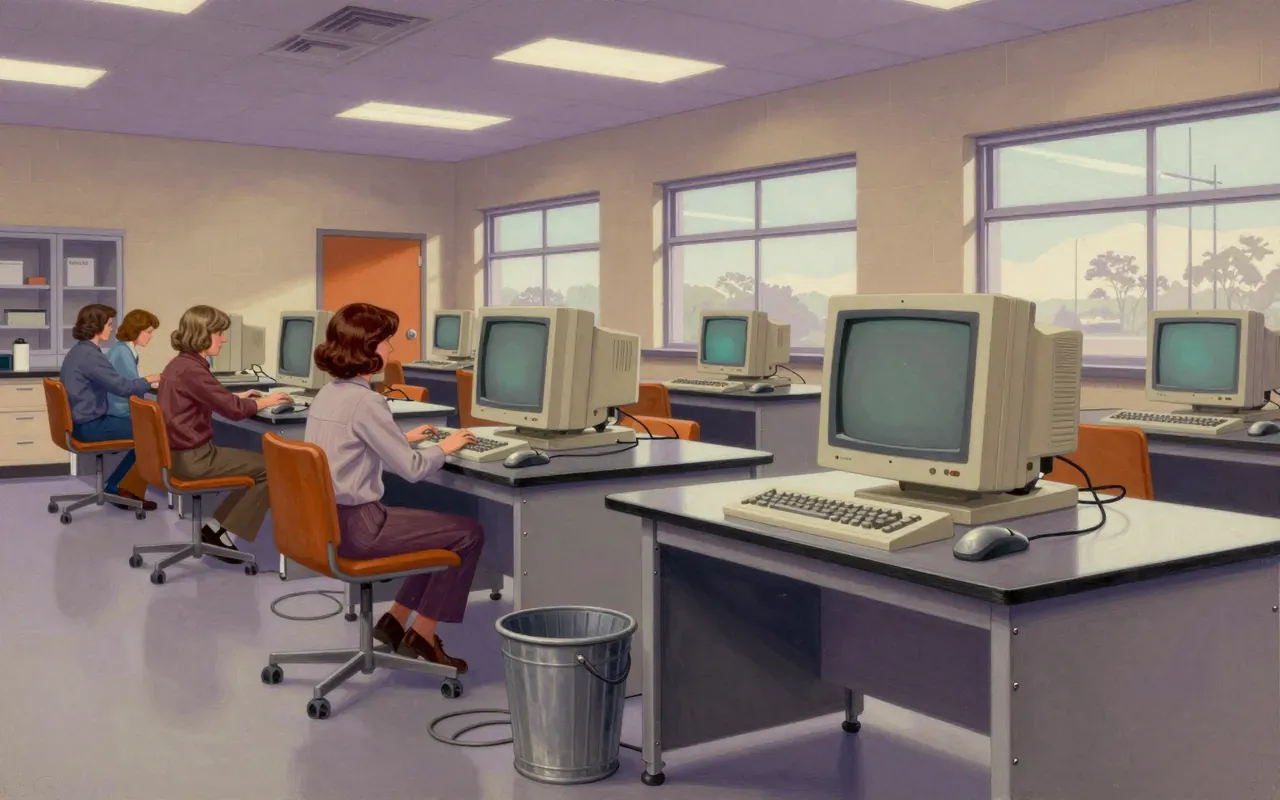

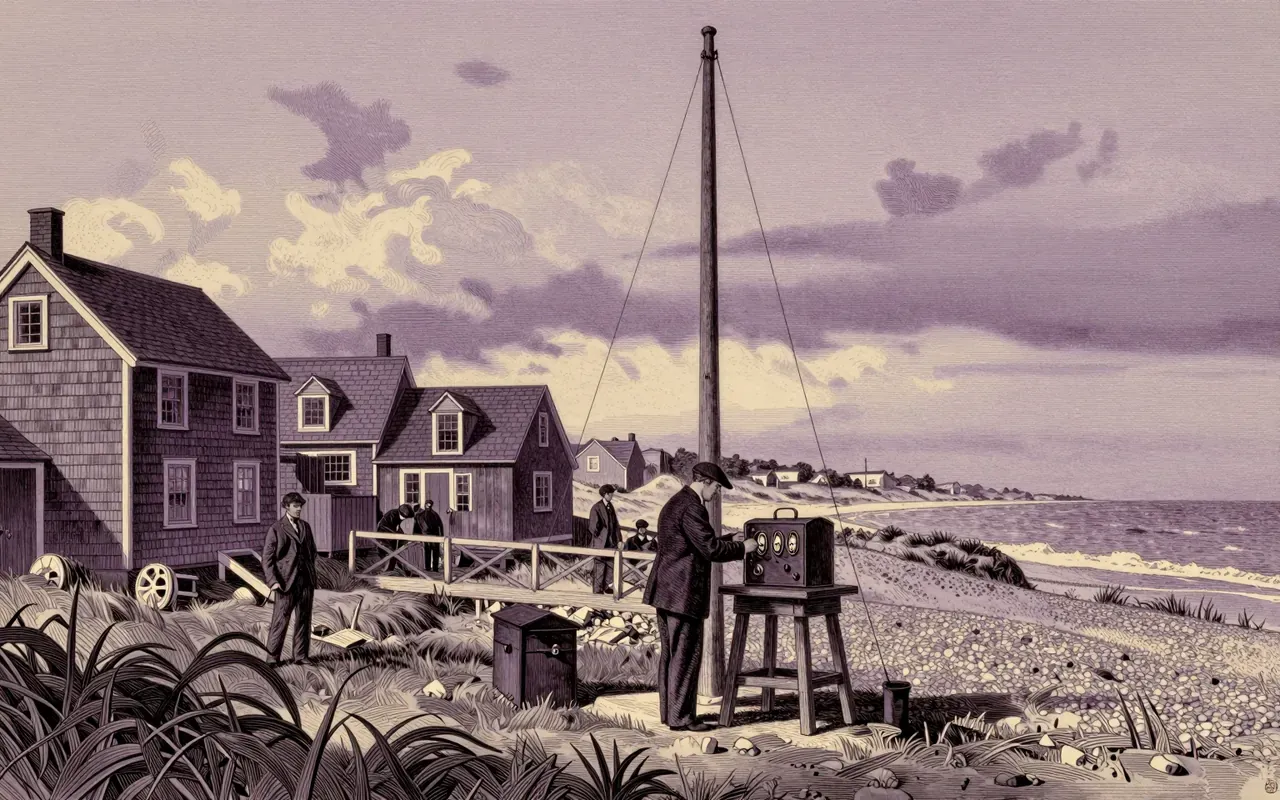
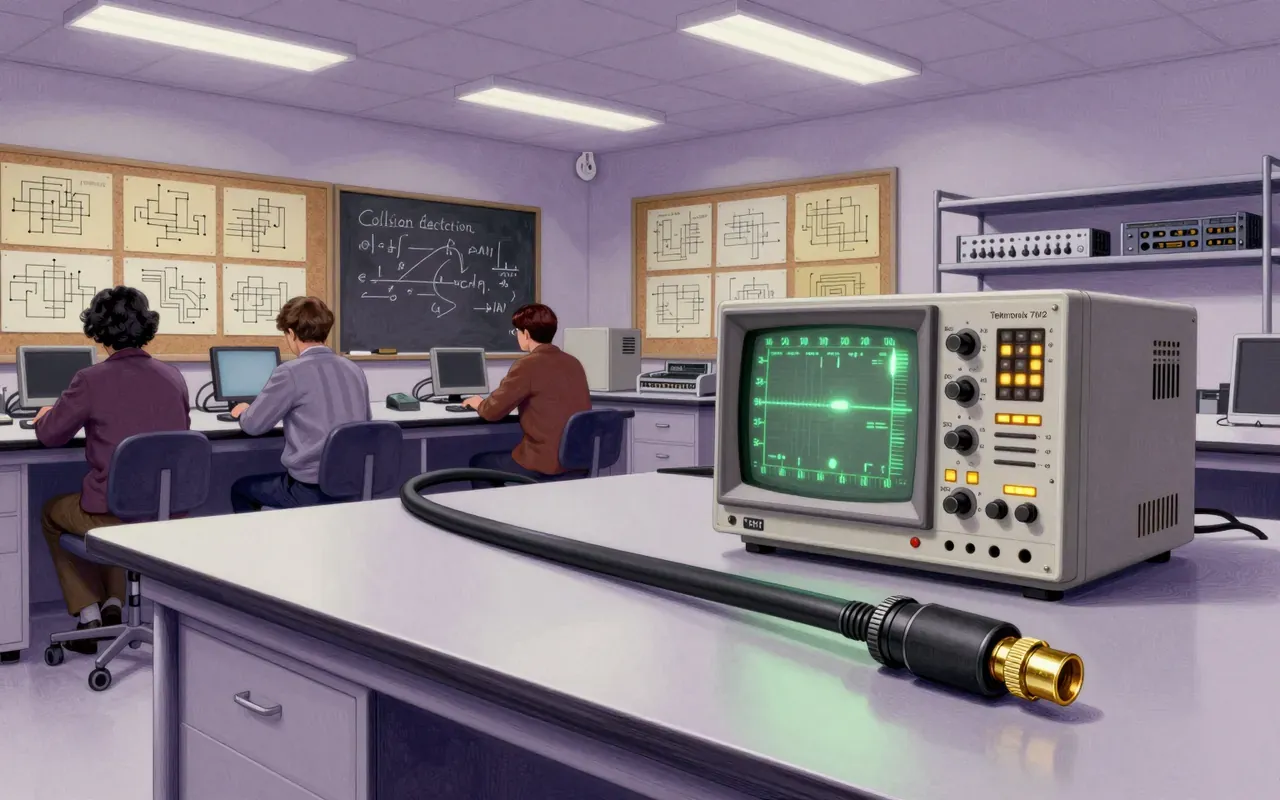
Ethernet is the coaxial-cable LAN co-invented by Metcalfe and Boggs at Xerox PARC in 1973 to link Alto computers to printers and ARPANET. It introduced CSMA/CD—carrier sensing before transmission, plus collision detection and random back-off—to adapt ALOHAnet for wired use. It ran first on November 11, 1973 at 2.94 Mbit/s. A 1980 Xerox report measured 98% throughput under heavy load. It was standardised as IEEE 802.3 in 1983. CSMA/CD does not scale or support modern requirements like QoS or determinism—and was phased out in favour of switched, full-duplex Ethernet.

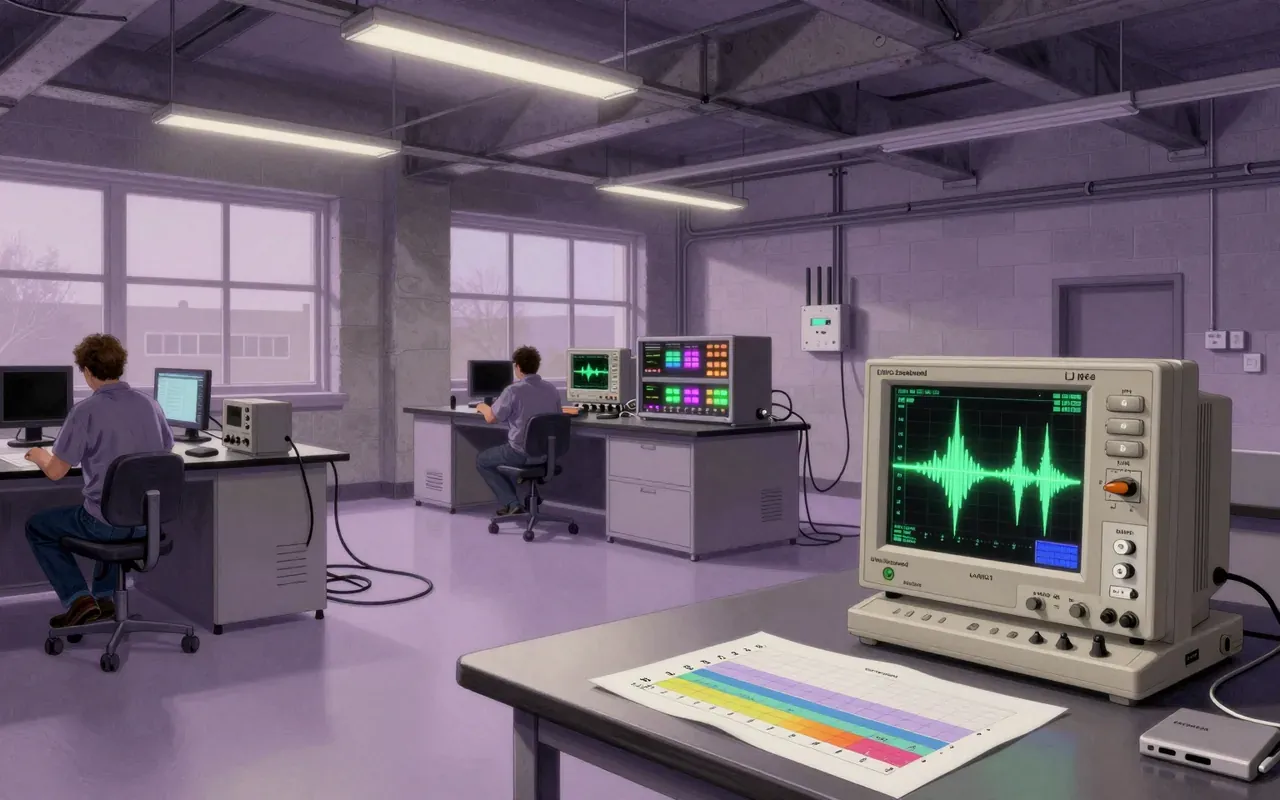
IEEE 802.11 is the foundational WLAN standard family. It defines MAC and PHY protocols for wireless local area networking. It uses CSMA/CA for channel access. It supports multiple bands and modulation schemes. It enables interoperability with Ethernet and IP. It was first released in 1997. Amendments extend functionality without replacing the base.
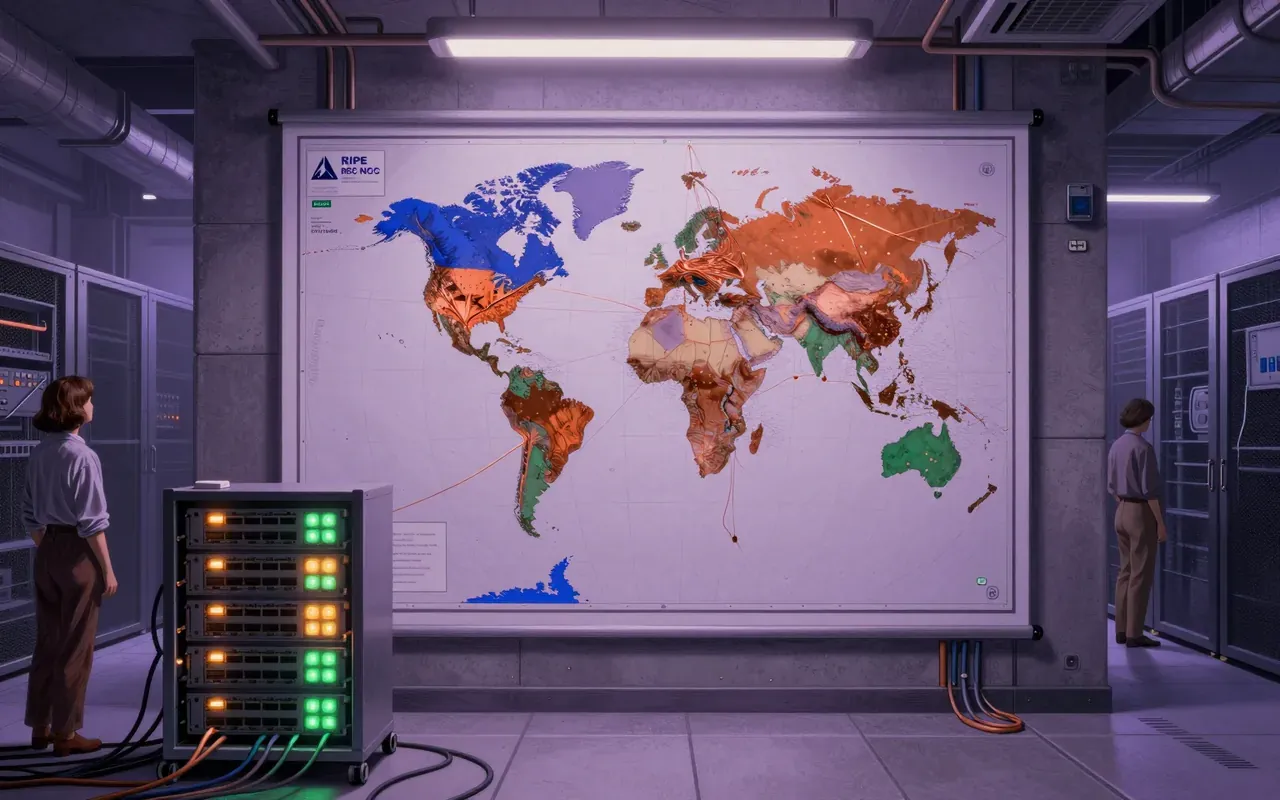
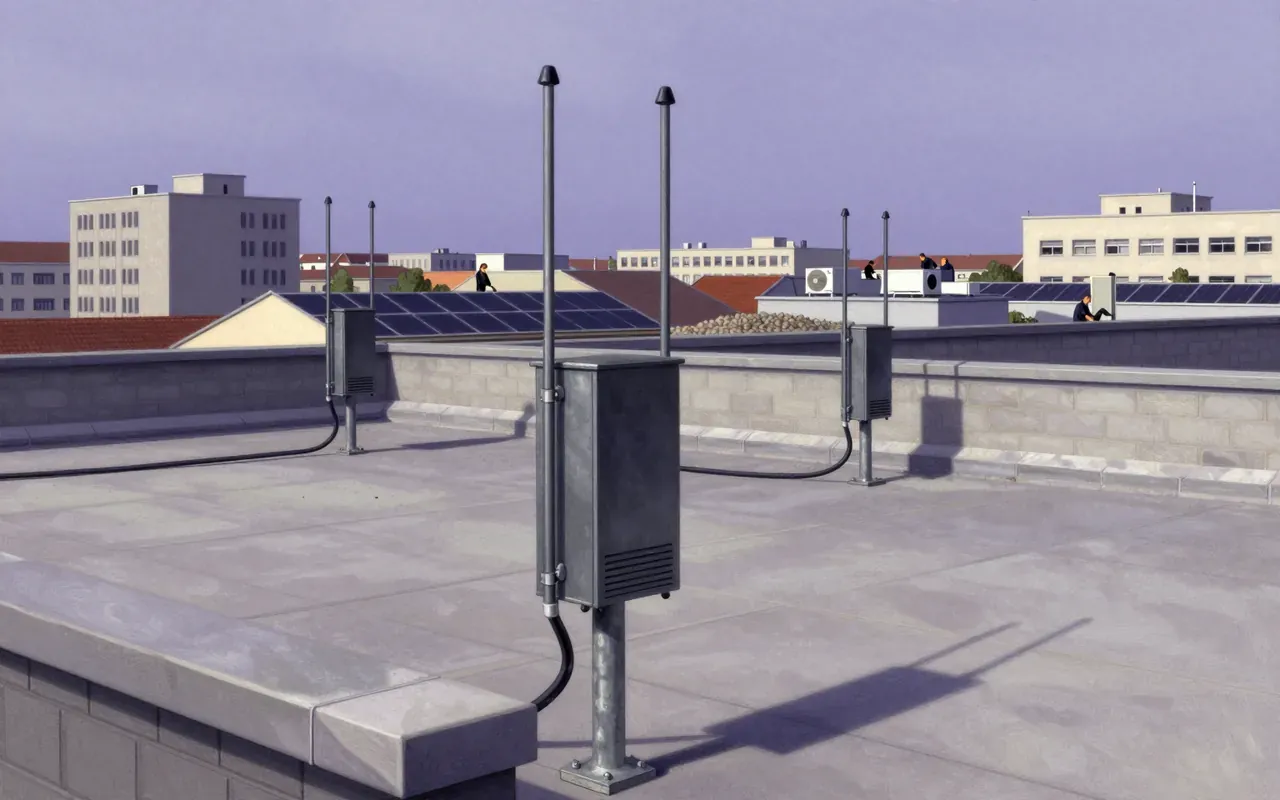
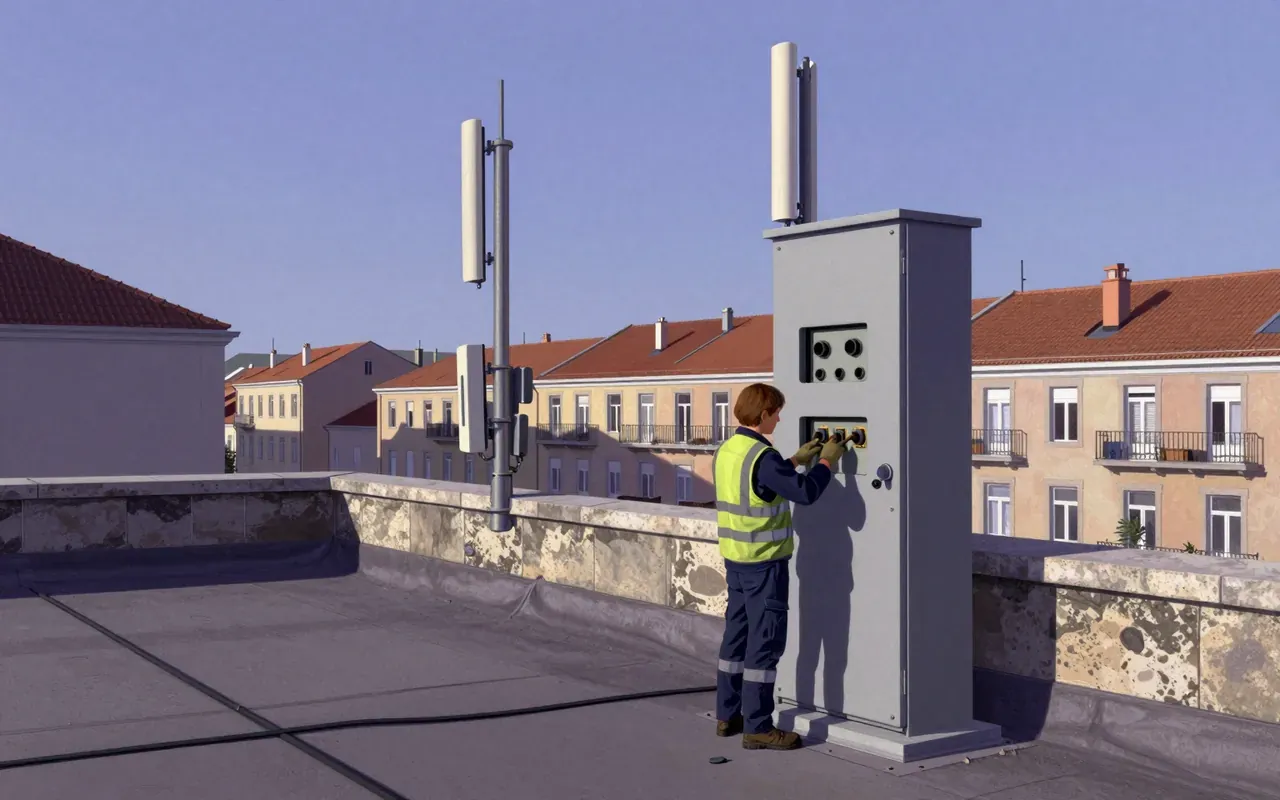
LTE is a 3GPP Release 8 standard finalised in December 2008. It replaces GSM/EDGE and UMTS/HSPA radio interfaces and the GPRS Core Network with a new air interface and IP-based Evolved Packet Core. It delivers peak downlink/uplink rates of 300/75 Mbit/s and sub-5 ms radio access network latency. It supports scalable bandwidths (1.4–20 MHz) and both FDD and TDD. It enables seamless handovers to GSM, UMTS, and CDMA2000. Its specifications span hundreds of documents per Release, organised into stages defining service requirements, architecture, and protocol implementation. It became the de facto upgrade path for carriers with both GSM/UMTS and CDMA2000 networks.
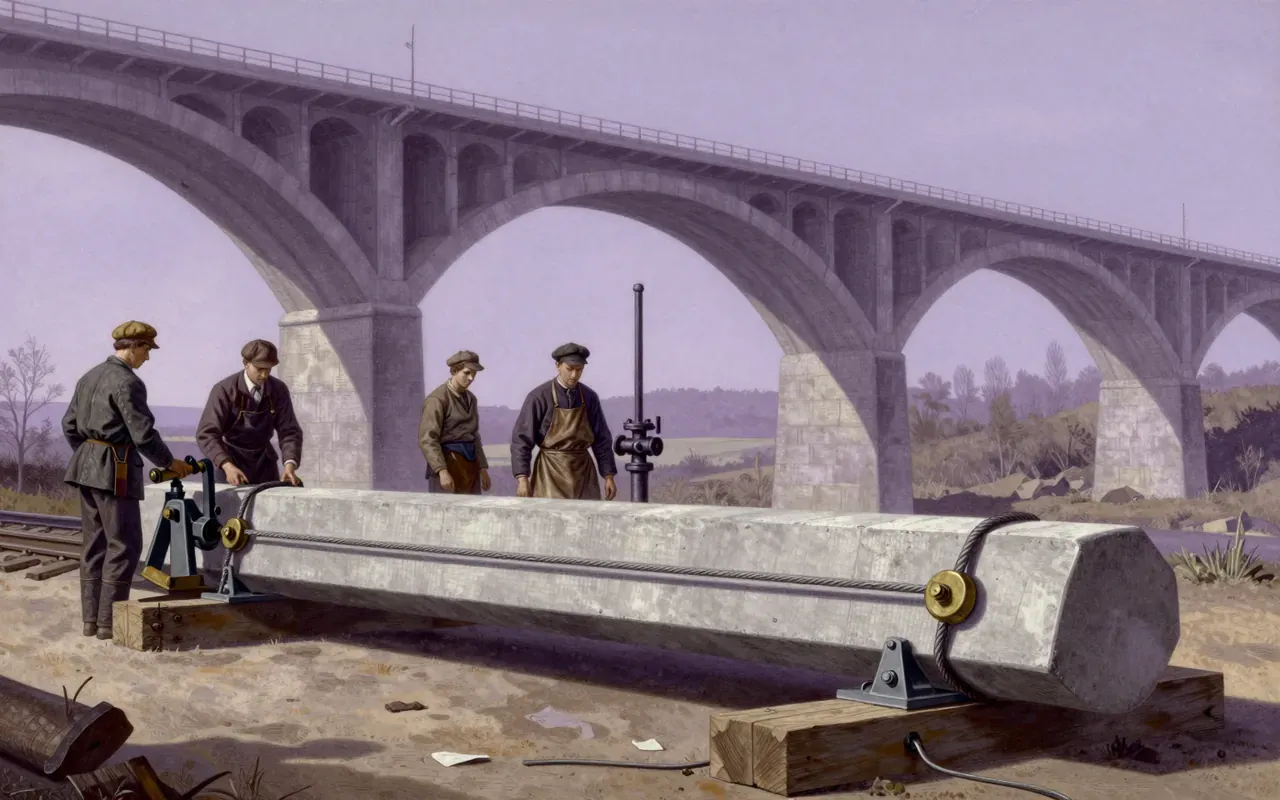
Prestressed concrete redefines concrete’s role in tension-critical structures—not by making it stronger, but by ensuring it never has to carry tension alone.
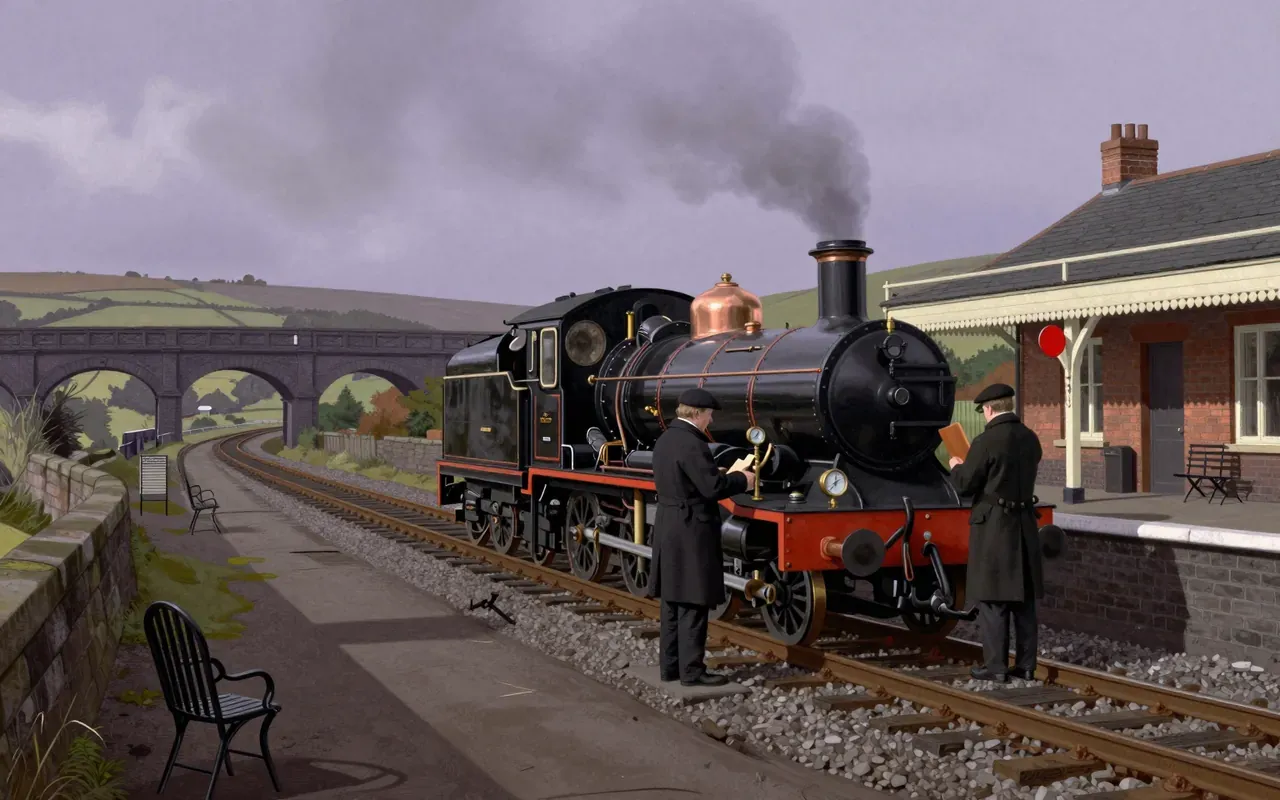
The standard-gauge railway is a deliberate, legislated solution to fragmentation — not an inevitable outcome of engineering progress.
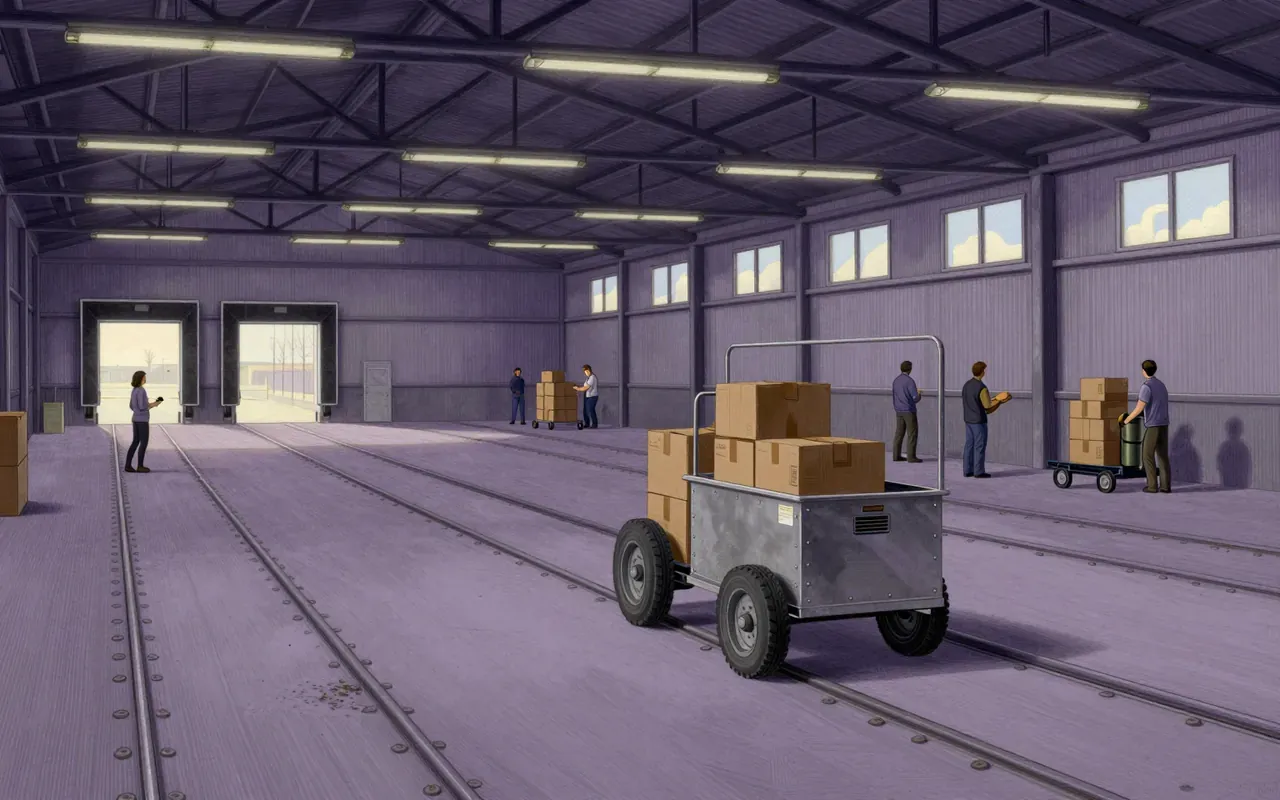
The Barrett Electronics AGV established guided vehicle automation as a physical layer—not a cognitive one. It moved payloads predictably, cheaply, and without rails—but demanded infrastructure, not intelligence. Its legacy is in floor plans, not algorithms.




The floppy disk is a hardware innovation that enabled portable, standardised, low-capacity digital data exchange in IBM mainframe environments. It succeeded where earlier media failed — not by being faster or denser, but by being specifiable, licensable, and physically durable enough for daily use in controlled settings.


The ISBN is a pragmatic, nationally administered, error-checked identifier for book editions. It succeeded because it solved a narrow operational problem—inventory control—with minimal abstraction. It does not describe content, authorship, or meaning. Its longevity comes from institutional adoption, not technical elegance.



Greathead’s shield was not a tunnel boring machine in the modern sense — it did not rotate cutters or automate excavation. It was a pressurised, jacked, lined, and grouted soft-ground tunnelling system. It succeeded where earlier shields failed because it managed water, pressure, and ground movement as an integrated mechanism — not a collection of parts.