Personal computer
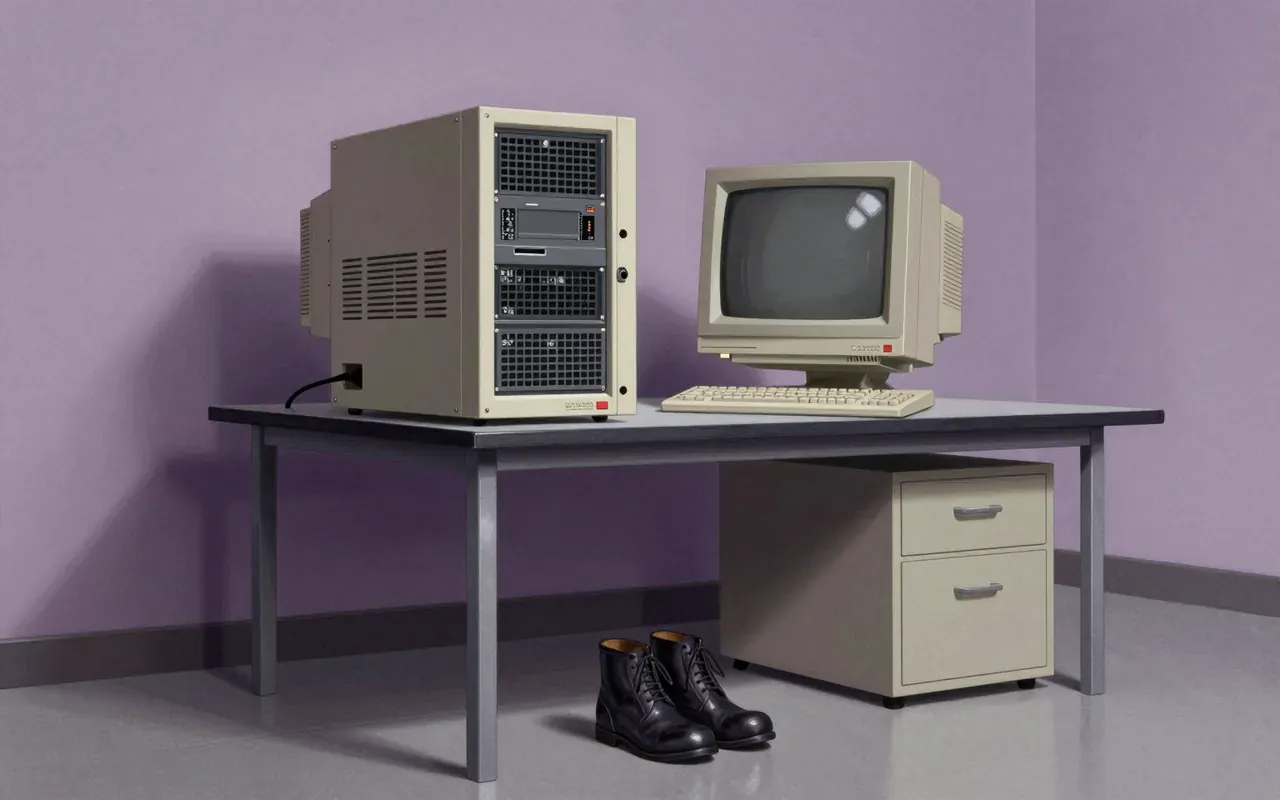
A personal computer is a computer designed for personal use and operated directly by its user, rather than shared through time-sharing on a mainframe or minicomputer.
Silicon Graphics built the first practical hardware-accelerated 3D graphics systems. Its Geometry Engine — designed at Stanford under ARPA — delivered ~6 million geometry operations per second. It pioneered scalable cc-NUMA architectures in the mid-1990s. But its reliance on proprietary MIPS and failed transitions to Itanium and Xeon eroded its position as PC graphics commoditised. It filed for bankruptcy in 2009.
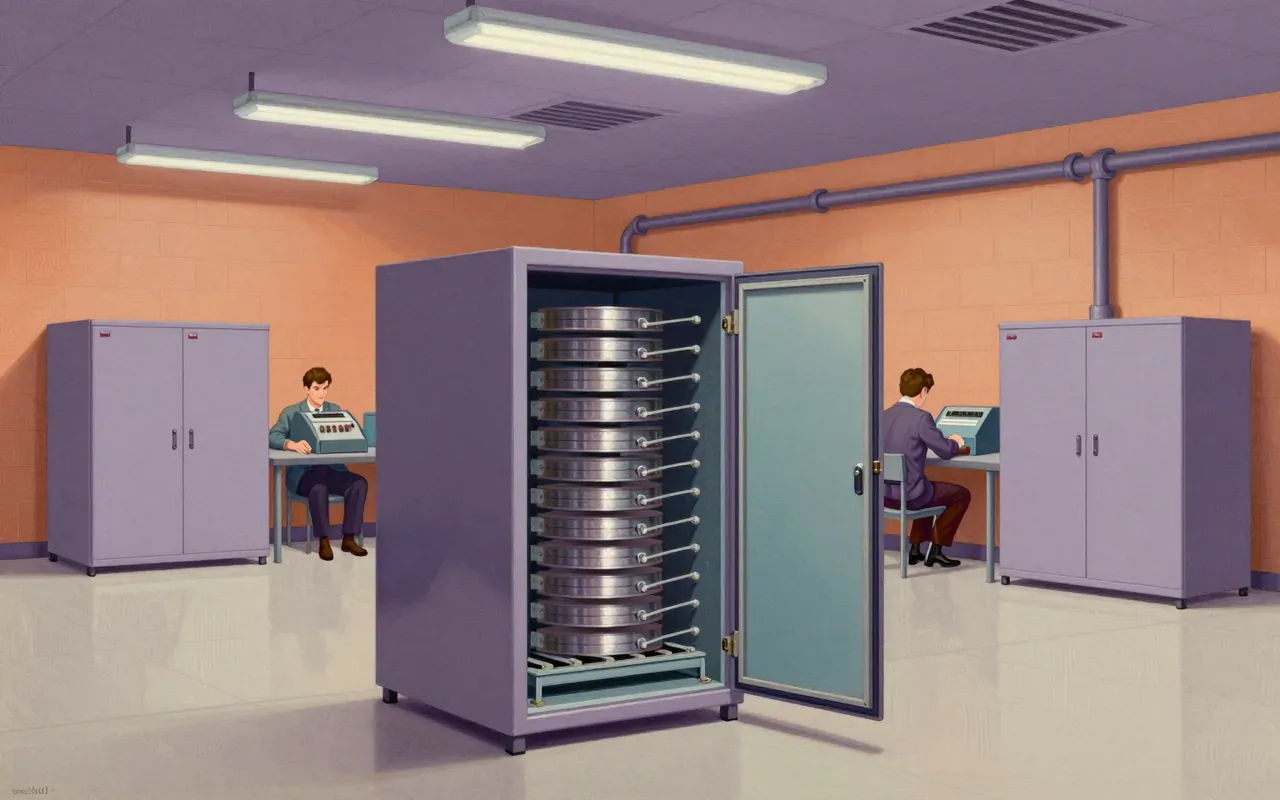

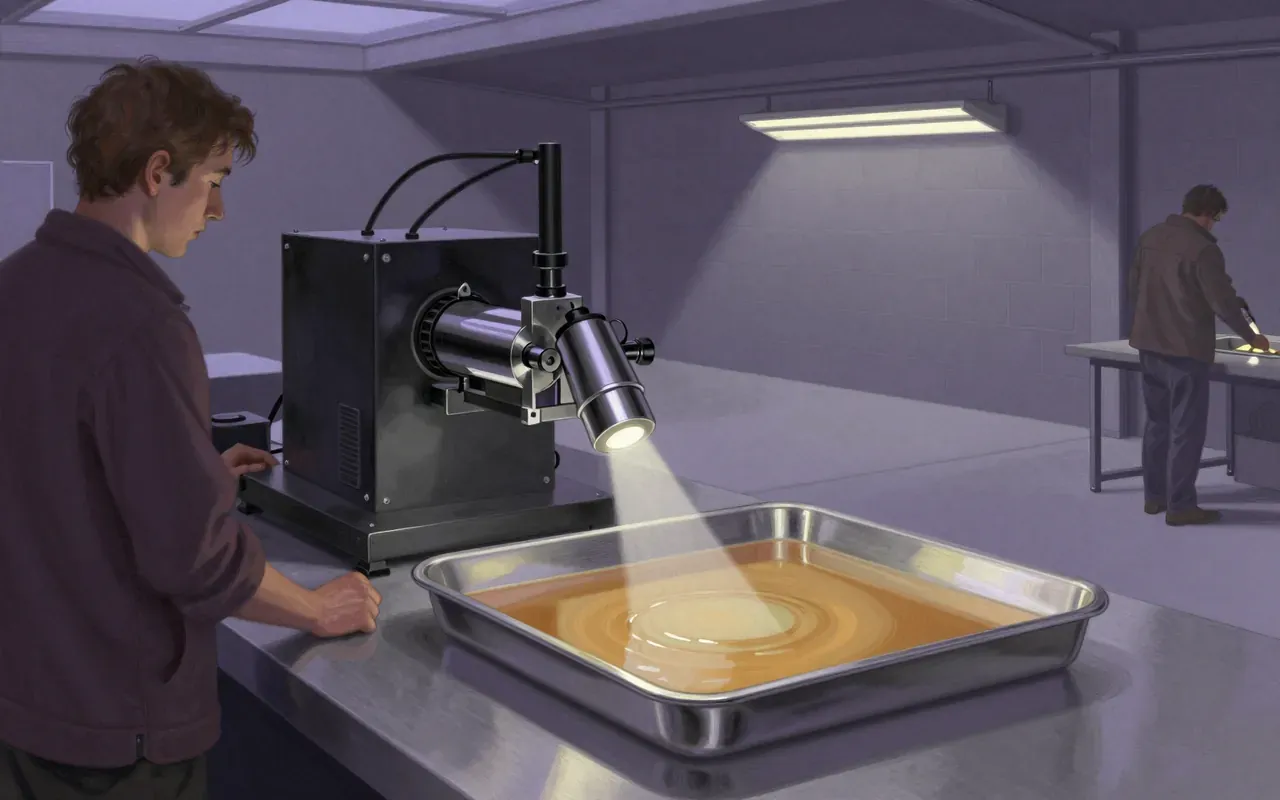
Chuck Hull’s stereolithography system is the origin point of digital additive manufacturing—not because it printed everything, but because it defined how digital models become physical things: via slicing, STL, and controlled solidification. It works for prototyping. It fails for production. Its legacy is infrastructural, not material.

The Macintosh 128K delivers a complete graphical interface in a sealed, unexpandable box. It works by tightly integrating hardware and firmware — not by scaling up, but by locking down. Its success comes from constraint, not capability.
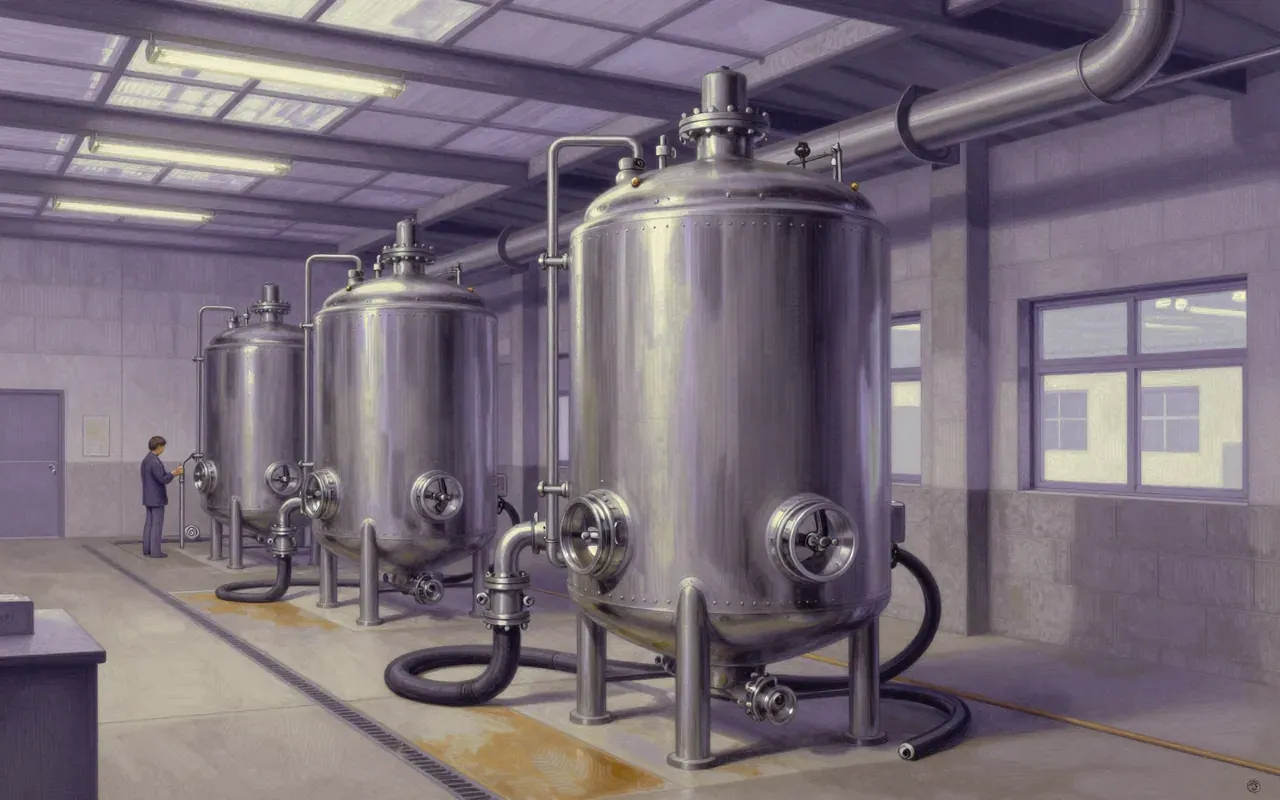

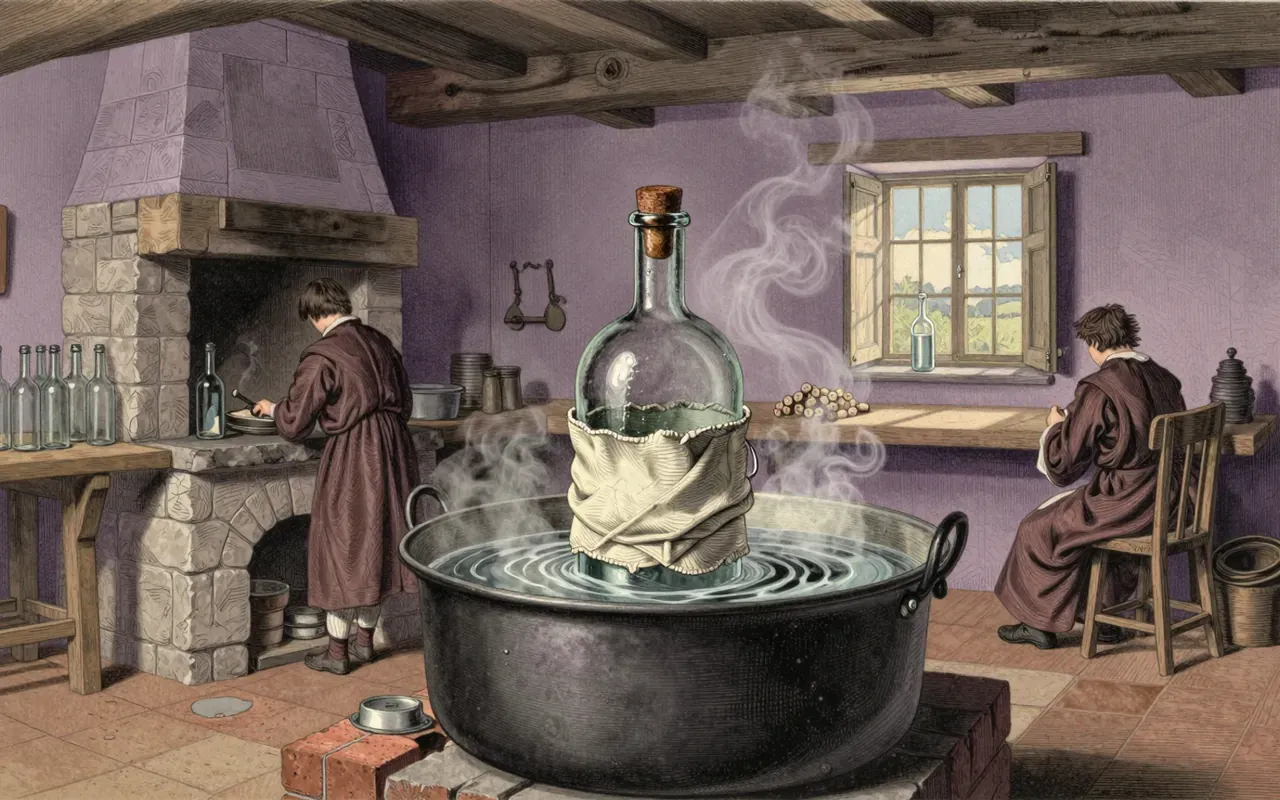
Appert’s canning was an empirical fix for spoilage: cook food inside a sealed glass jar, and it lasts — unless the seal leaks. He never knew why. He avoided tinplate. He boiled for variable times. He built the world’s first bottling factory in 1804. His 1810 prize recognised a working solution, not a scientific insight.

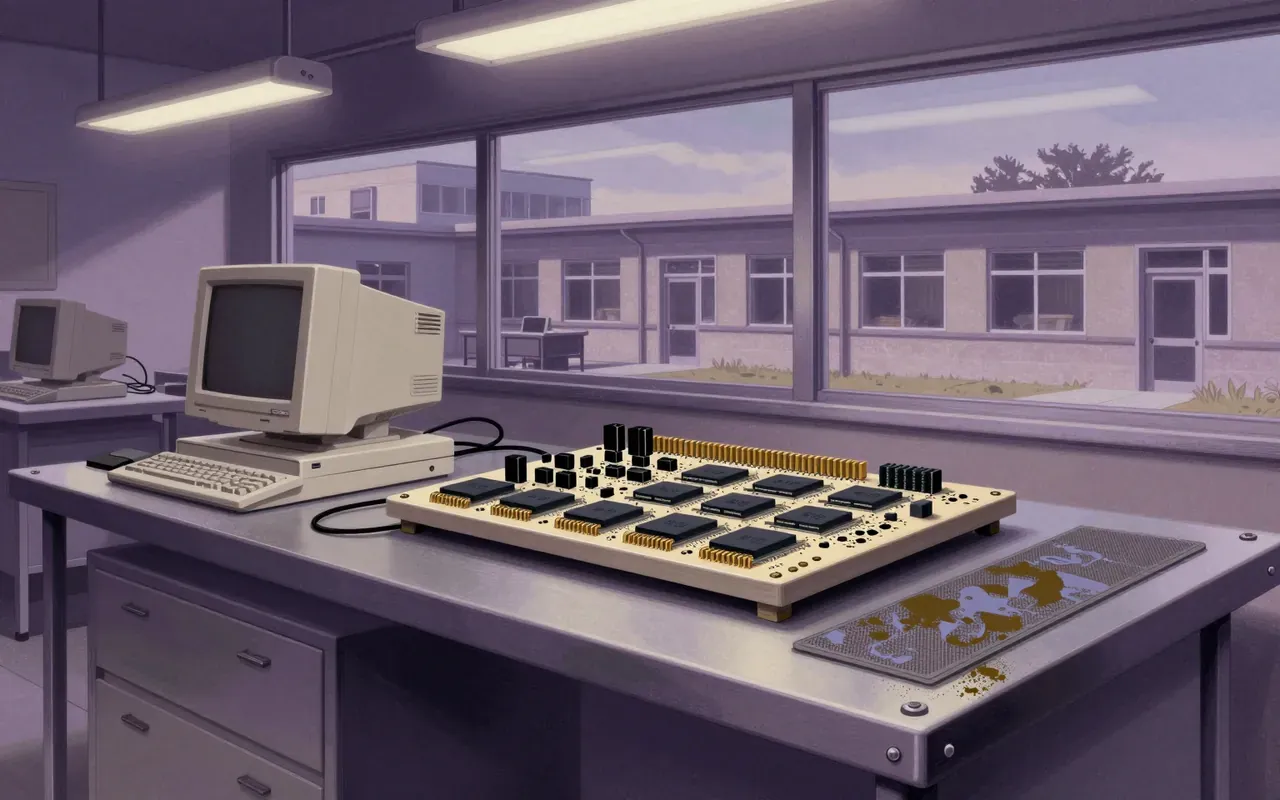

Fused filament fabrication is fused deposition modeling repackaged: same thermoplastic extrusion mechanism, same 1988 origin, same patent. RepRap renamed it to escape Stratasys’ trademark. Its real impact arrived only after the 2009 patent expiry enabled open hardware development. It delivers functional prototypes—not precision parts. It trades repeatability for accessibility.

Hybrid seed is a deliberate reproductive system—not a discovery, but an industrial workaround. It locks heterosis into a commercial cycle: high yield in year one, zero reliability in year two. Jones’ double-cross method made it viable. But the mechanism demands constant parental line upkeep, excludes farmer autonomy, and treats genetic diversity as a cost—not a resource.
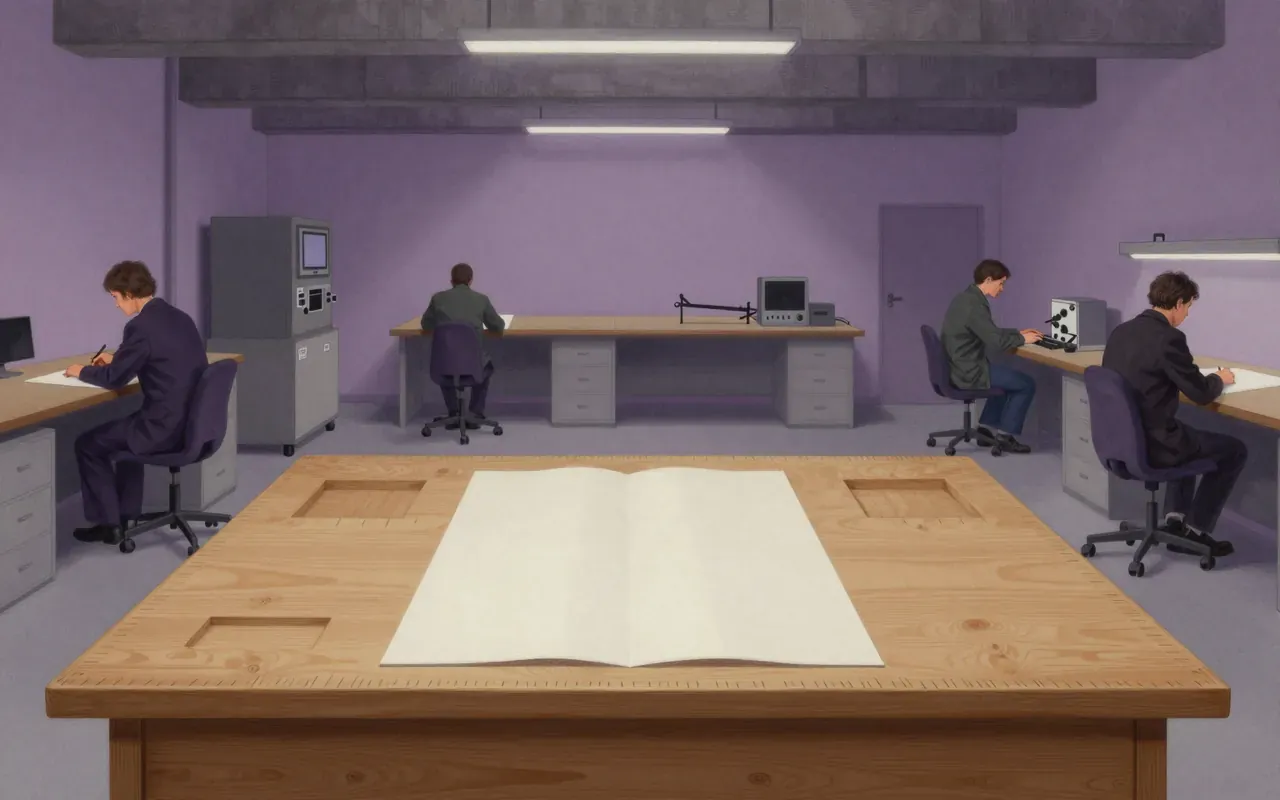
ISO 216 is the international paper size standard. It originated as DIN 476 in Germany in 1922. It was adopted globally as ISO 216 in 1975. It uses a √2 aspect ratio. Each size halves the area of the next larger size. Tolerances are specified per dimension range. It governs usage everywhere except the US and Canada.

Magnetic tape is a plastic-backed iron-oxide medium for analog sound recording. It solved portability and repeatability in audio capture—replacing wire—but required mechanical precision, careful handling, and post-war reverse-engineering to spread. Its value lies not in fidelity alone, but in making recorded sound a transportable, storable, and re-broadcastable commodity.



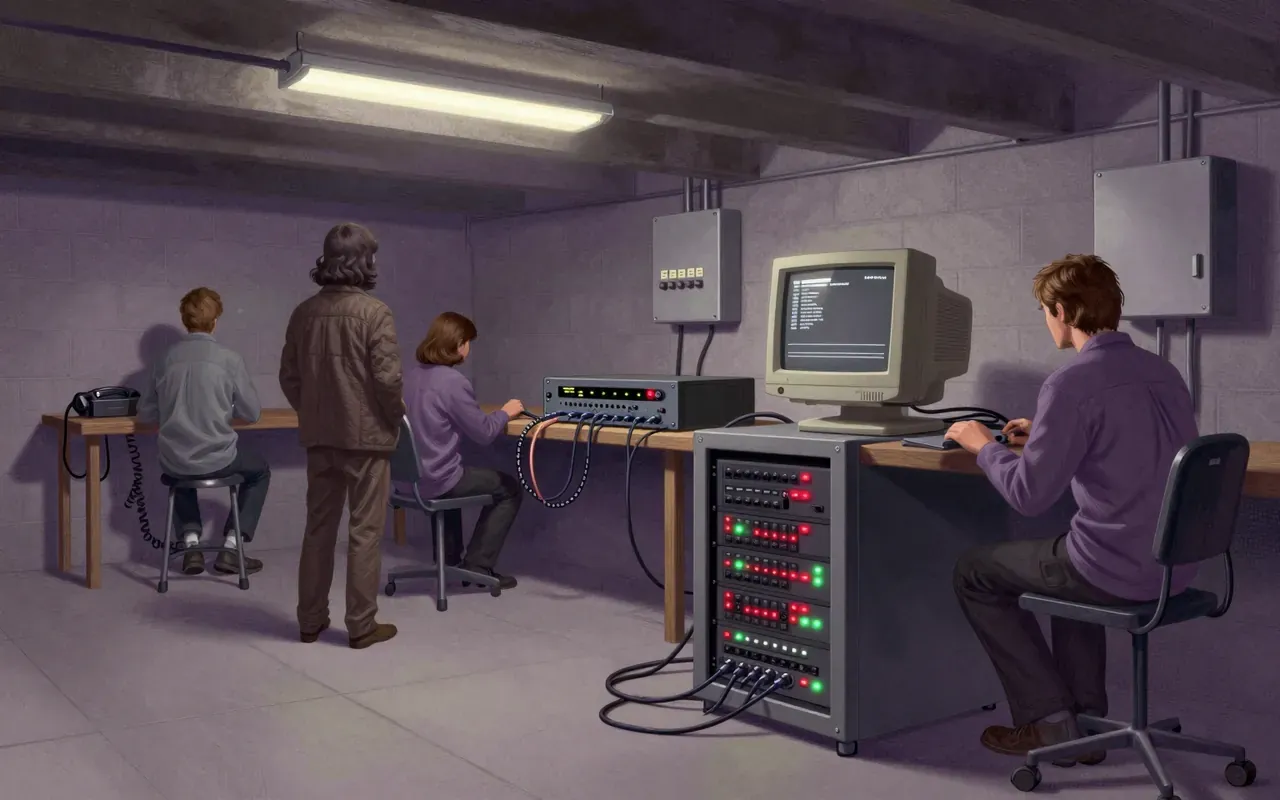

TCP/IP is a layered framework for end-to-end data communication. It specifies how data should be packetised, addressed, transmitted, routed, and received. Its architecture rests on the end-to-end principle—placing intelligence at the edges—and uses encapsulation and the robustness principle (conservative sending, liberal receiving) to achieve interoperability across heterogeneous networks. Developed by Cerf and Kahn starting in 1973 under DARPA, it replaced the ARPANET's NCP with a modular, host-responsible reliability model. IPv4 was installed in the ARPANET in 1983, and TCP/IP was formally adopted as the US DoD standard in March 1982. The defining technical specifications are RFC 1122 and RFC 1123, which codify its four-layer abstraction model.
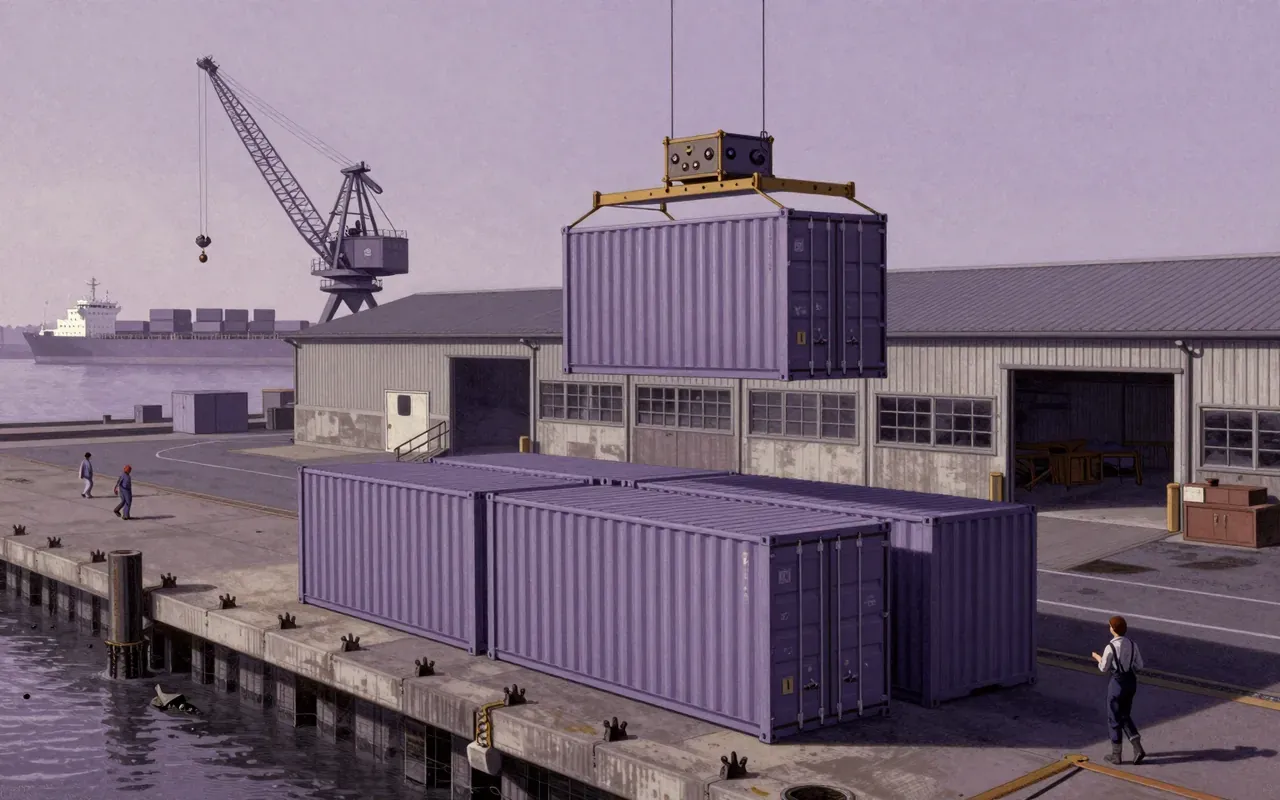
Containerization is the physical standardisation of cargo transport. It replaced break-bulk handling with sealed, stackable, crane-liftable steel boxes. McLean and Tantlinger designed it in 1955. Its twistlock corners enabled secure intermodal transfer. SeaLand released the patent in 1963. The design became the American and international standard in September 1965. It reduced cost and time. It displaced dock labour. It enabled just-in-time manufacturing. It remains the dominant form of non-bulk cargo transport.

The spinning mule is a hybrid spinning machine invented by Samuel Crompton between 1775 and 1779. It combines Arkwright’s roller drafting with Hargreaves’s moving carriage to produce strong, thin, uniform yarn—specifically for muslin—using an intermittent draw-and-wind process. Its first version had 48 spindles and produced one pound of 60s thread daily. It raised yarn value sharply: 80s thread sold for 42 shillings per pound versus 14 shillings for coarser 40s. But its stop-start operation limited throughput and required manual intervention for clamping and reversal—making it powerful for quality, not speed.
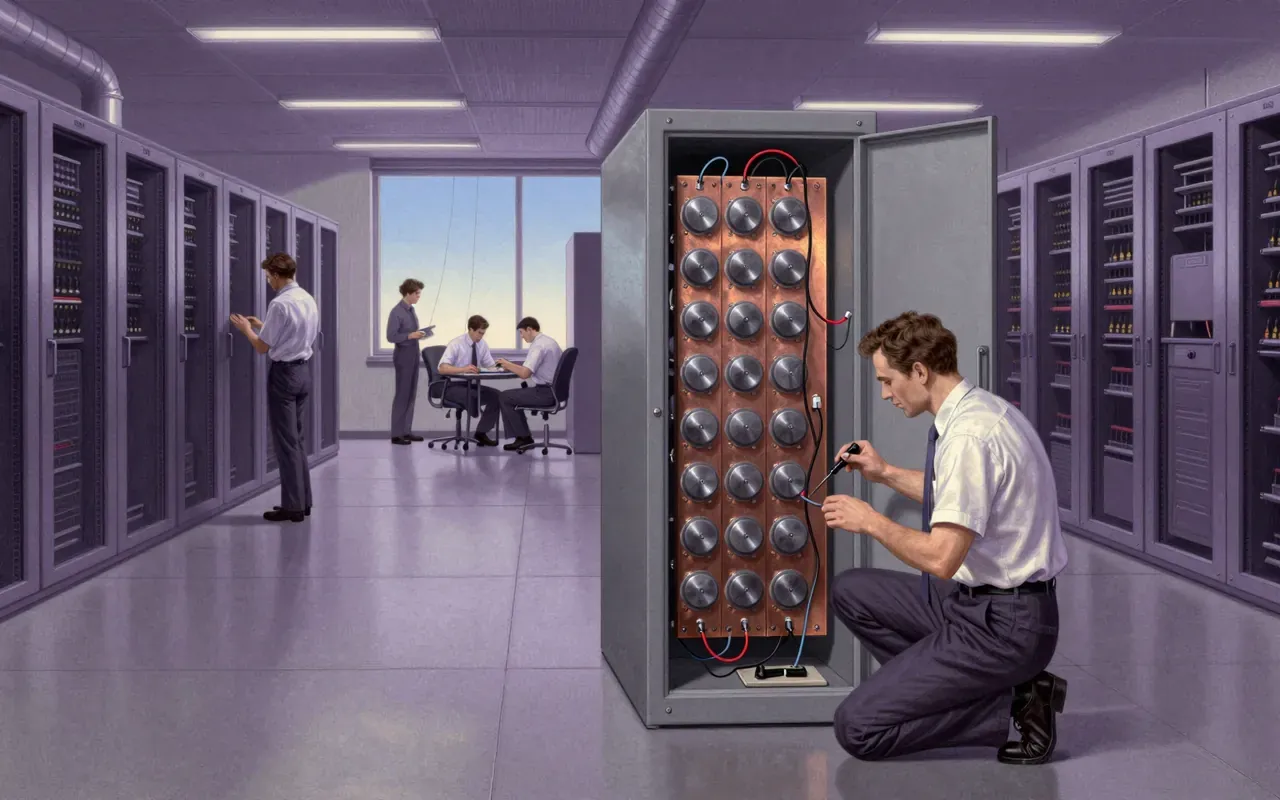
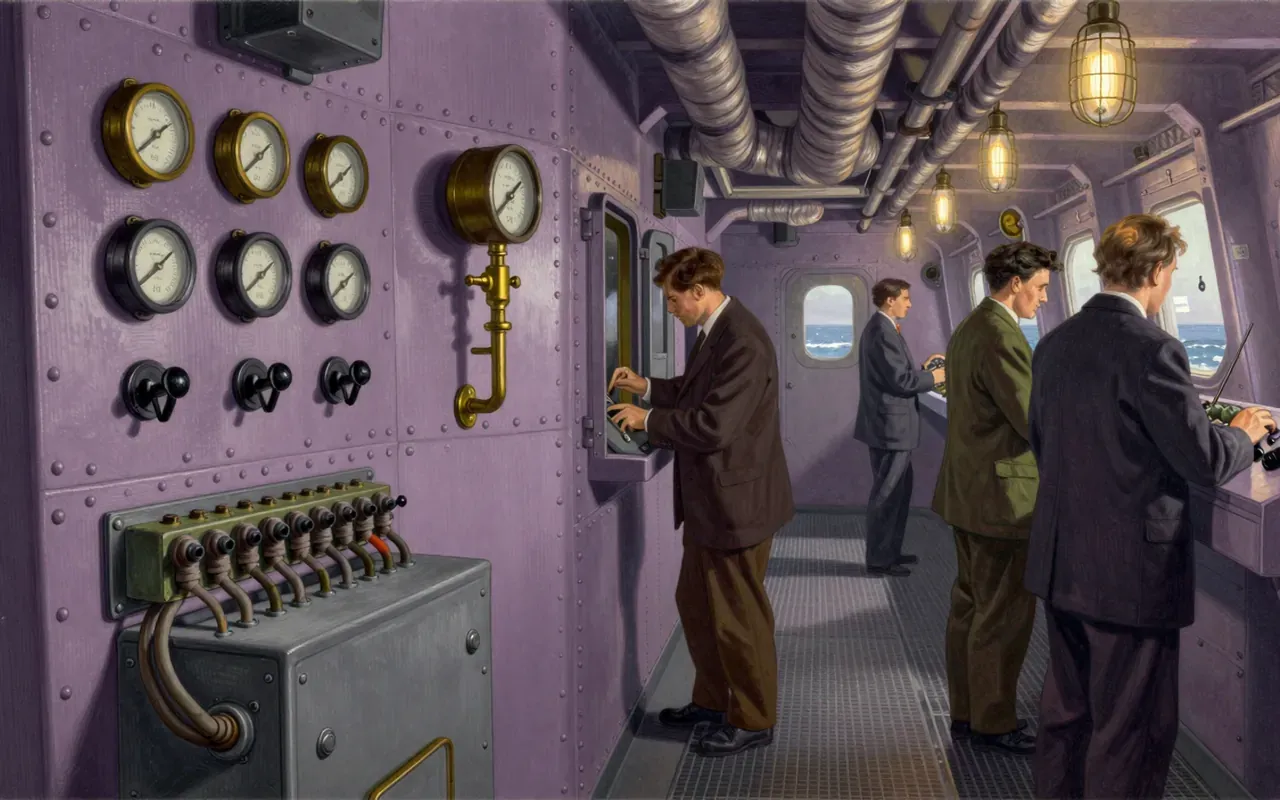
Closed-loop control uses feedback to regulate dynamical systems. It requires sensors, a controller, actuators, and a plant. It improves disturbance rejection, stability, and accuracy over open-loop methods—but depends entirely on correct implementation, sensor fidelity, and controller design. Nicholas Minorsky is not mentioned in the source material.
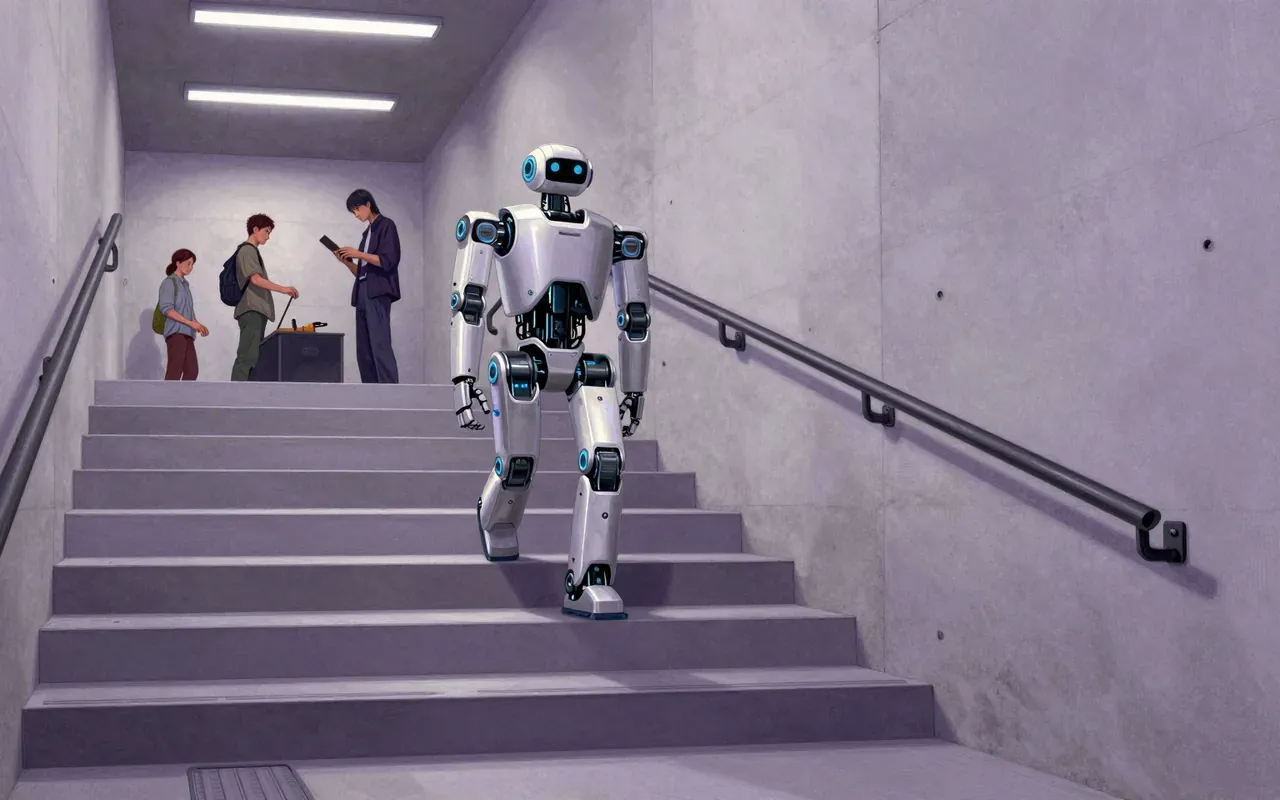
ASIMO was Honda’s eleventh humanoid robot, built to test bipedal navigation in human environments. It worked — but only in narrow conditions. It climbed stairs autonomously, yet fell twice. It recognised faces and gestures, but only pre-trained ones. It ran one hour on lithium-ion power, but never left the lab. Retired in 2022, it changed robotics research, not robotics use.
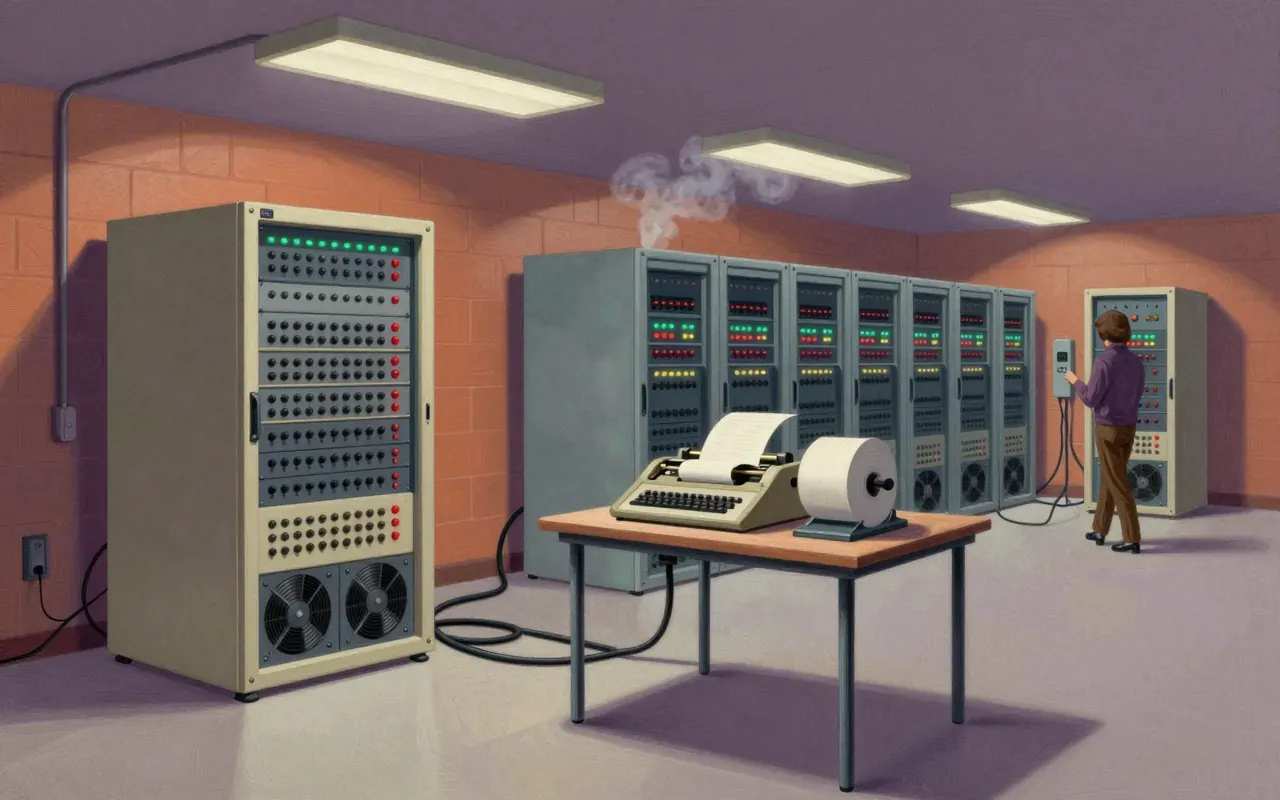
The Internet is a system for internetworking—designed to link disparate networks using standardised protocols. DARPA commissioned its core development in the 1970s. TCP/IP standardisation in 1982 enabled global proliferation. Its layered architecture and decentralised governance remain defining features—and enduring constraints.
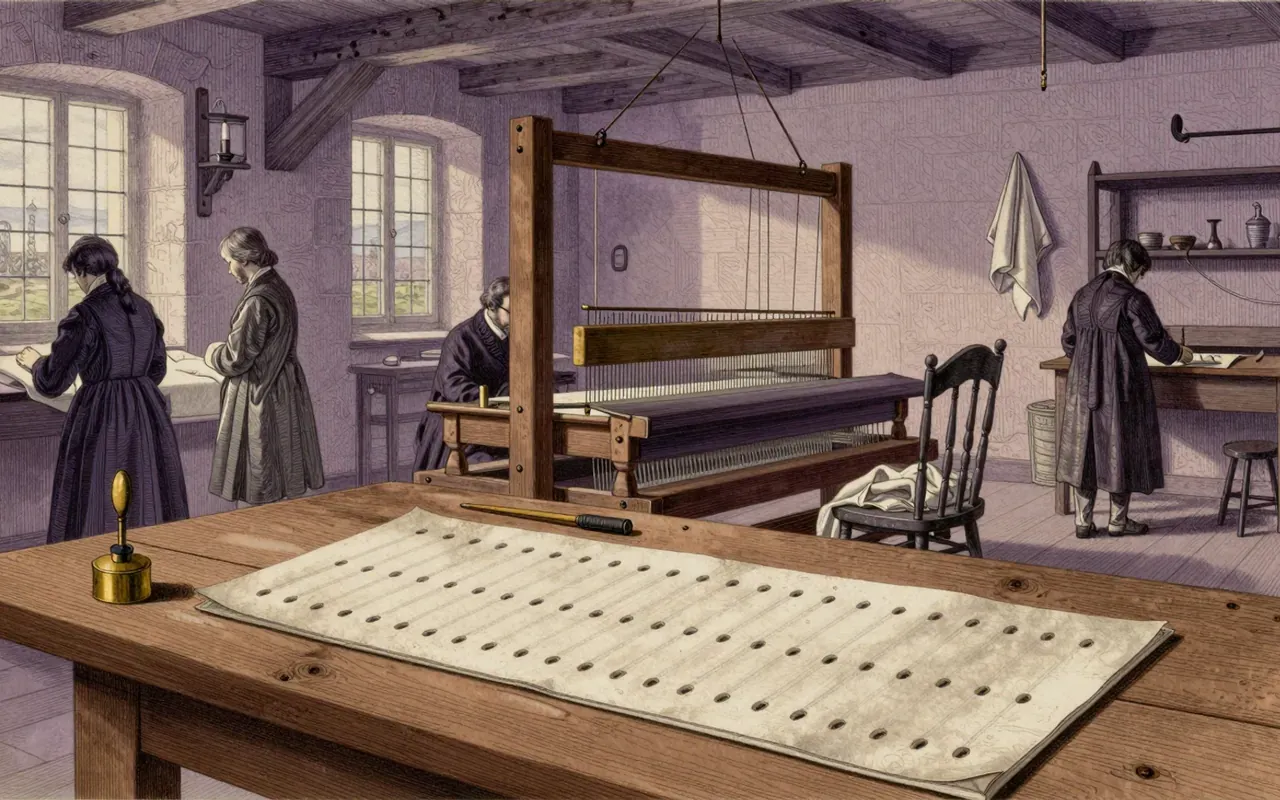
The Jacquard machine automated textile pattern weaving using replaceable punched cards — each encoding one row — to control warp threads individually. It improved fabric definition by drawing the figuring shed on every shot, not every fourth. It built directly on Bouchon, Falcon and Vaucanson, replaced Vaucanson’s paper strip with Falcon’s card chain by 1805, and was declared public property that year. Its use of external, swappable instructions influenced Babbage and became a conceptual precursor to programming — though it performed no computation, stored no state, and had no logic.
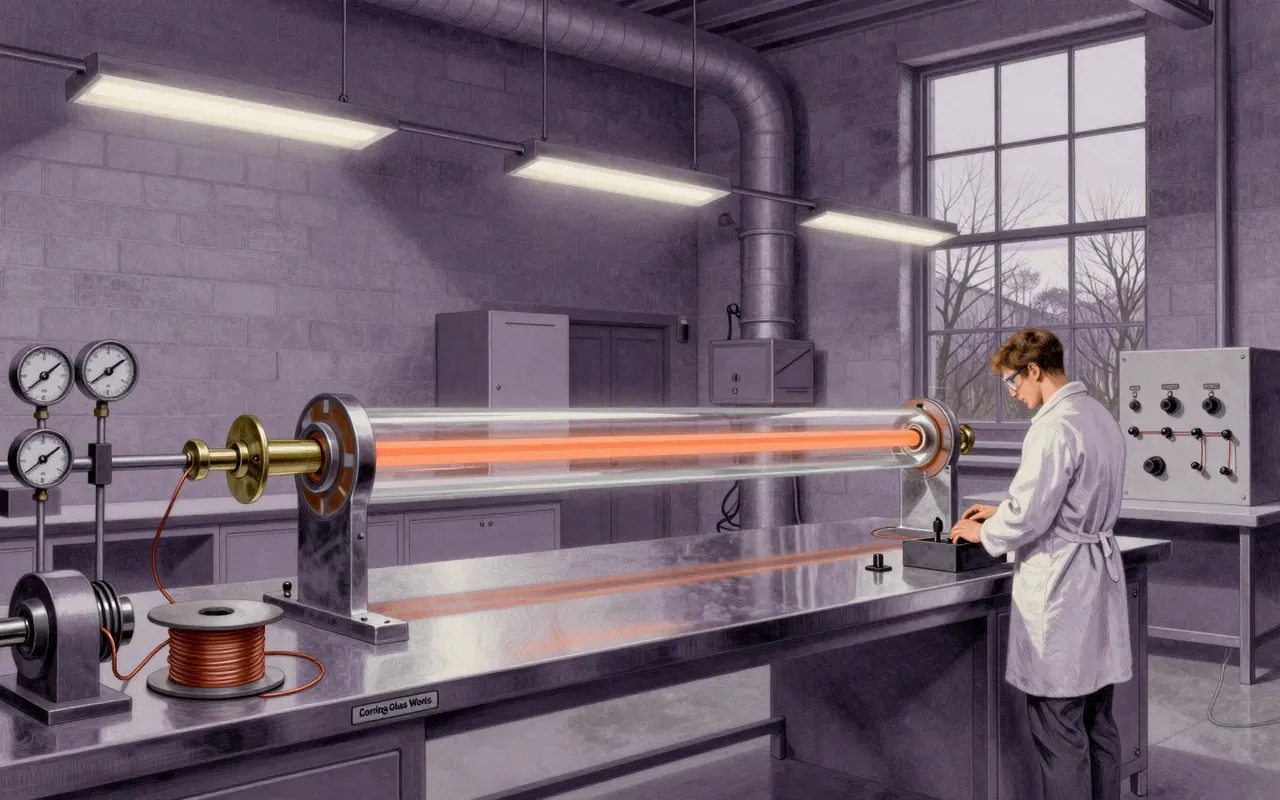
Kao and Hockham redefined optical fibre from a failed material into an engineering challenge. They showed attenuation was removable—not fundamental. That shifted R&D from ‘can we?’ to ‘how clean can we get?’. Corning hit 20 dB/km in 1970. Kao measured 4 dB/km in fused silica in 1969. Single-mode fibre became standard—but only after decades of laser and amplifier development. The invention is the insight, not the cable.
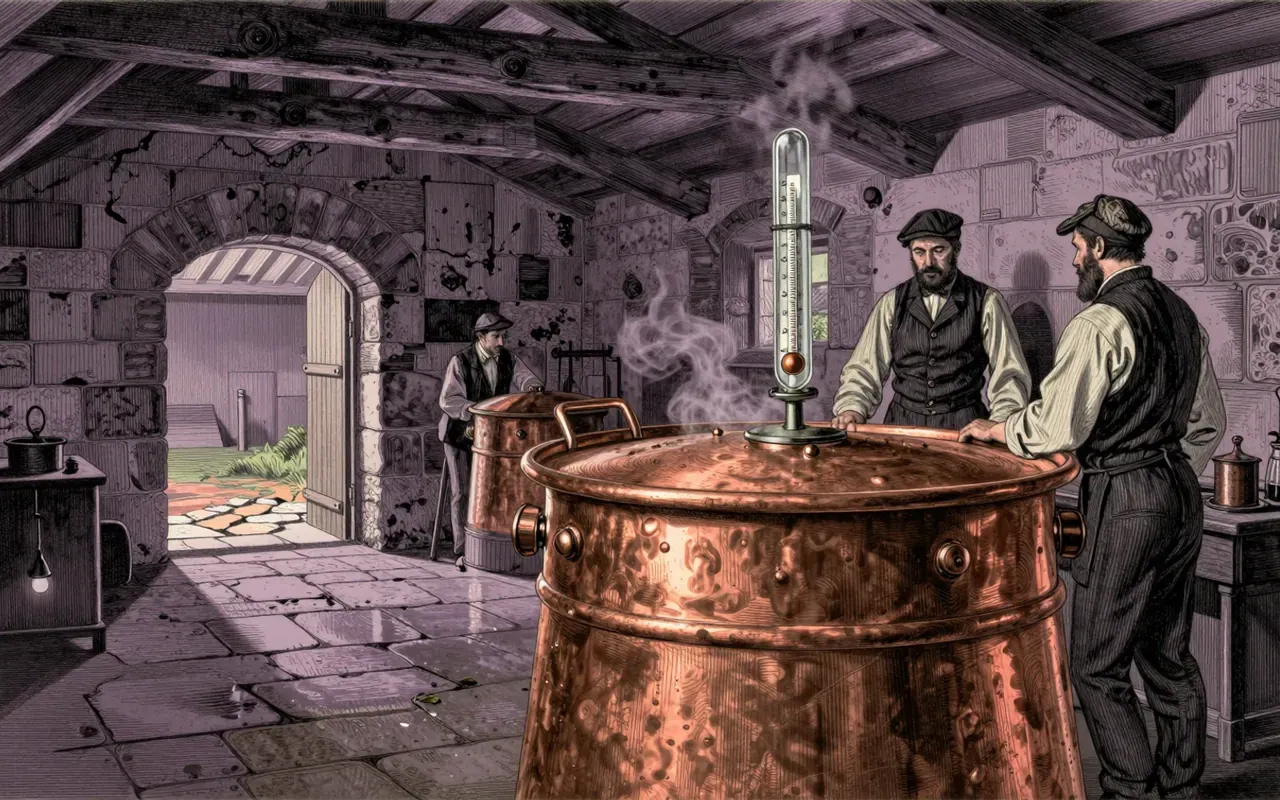
Pasteurization is a calibrated thermal intervention that stops microbial spoilage in liquids by killing vegetative bacteria and deactivating enzymes — without sterilising. It works because Pasteur proved microbes cause spoilage, not oxidation or time. Its limits are strict: spores survive, and efficacy depends on uniform heat delivery to every particle. It changed food safety from craft tradition to measurable process — but only where temperature can be controlled, verified, and sustained.



The ZX Spectrum is an 8-bit home computer developed by Sinclair Research and launched in Britain on 23 April 1982. It prioritised low cost, simplicity, and compactness—using minimal components and transmitting video to televisions while loading software from audio cassettes. Its name highlighted its colour display, a key upgrade over the monochrome ZX81. Rick Dickinson designed its iconic case, rainbow motif, and rubber keyboard. Development began in September 1981, reusing parts from earlier models to accelerate production and reduce cost. The hardware centred on the Zilog Z80 microprocessor running at 3.5 MHz.

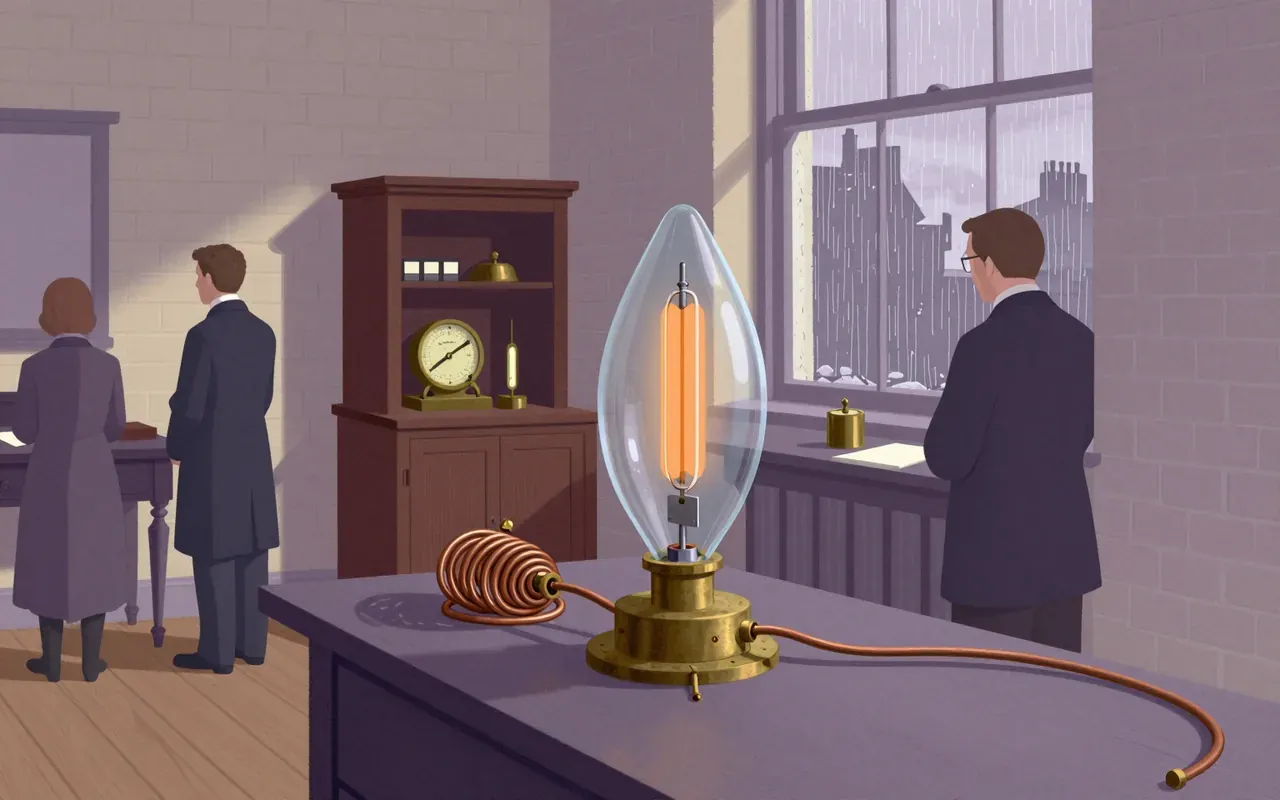
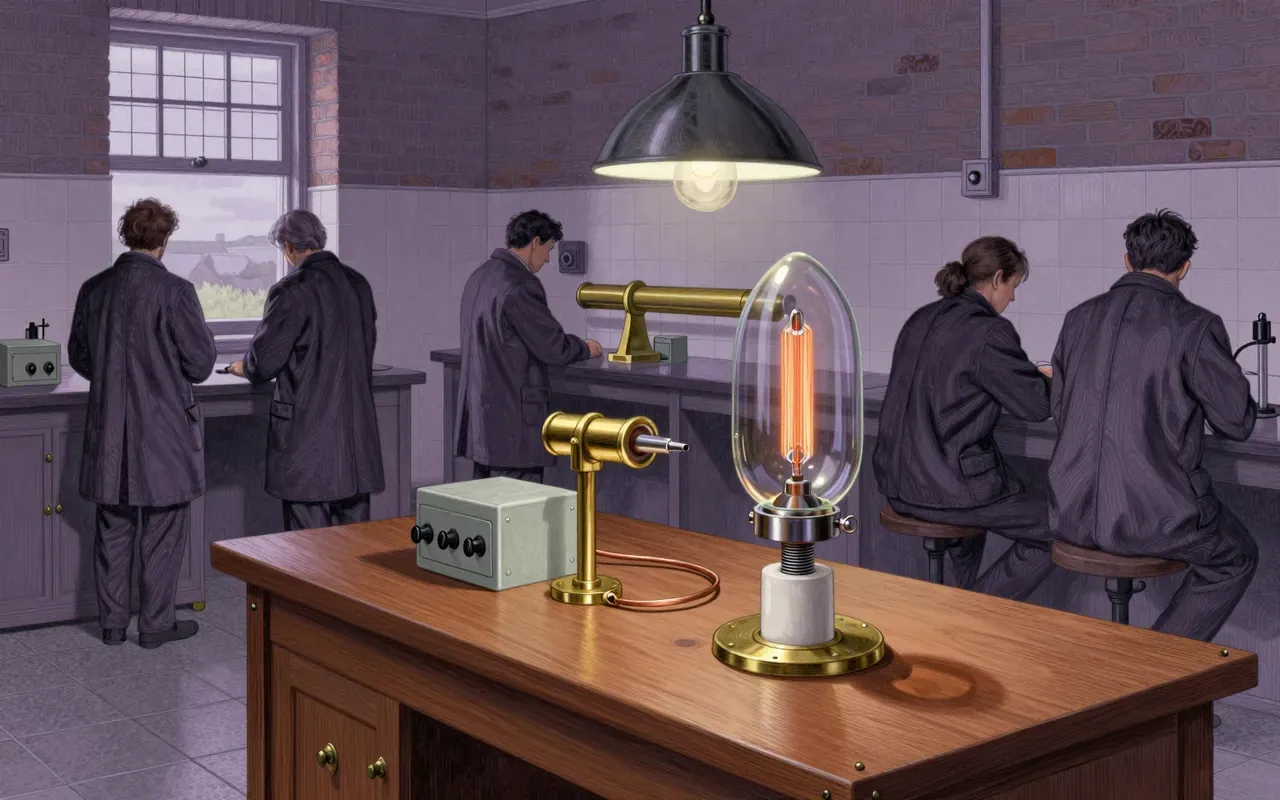
The Fleming valve is a two-electrode thermionic diode invented in 1904 to detect high-frequency radio signals in wireless telegraphy. It rectifies AC by permitting electron flow only from heated filament to positive anode — exploiting the Edison effect. It replaced the coherer in Marconi’s transatlantic receiver. It does not amplify. It requires continuous filament heating. It was used in radio and radar for over 50 years before being superseded by solid-state devices.

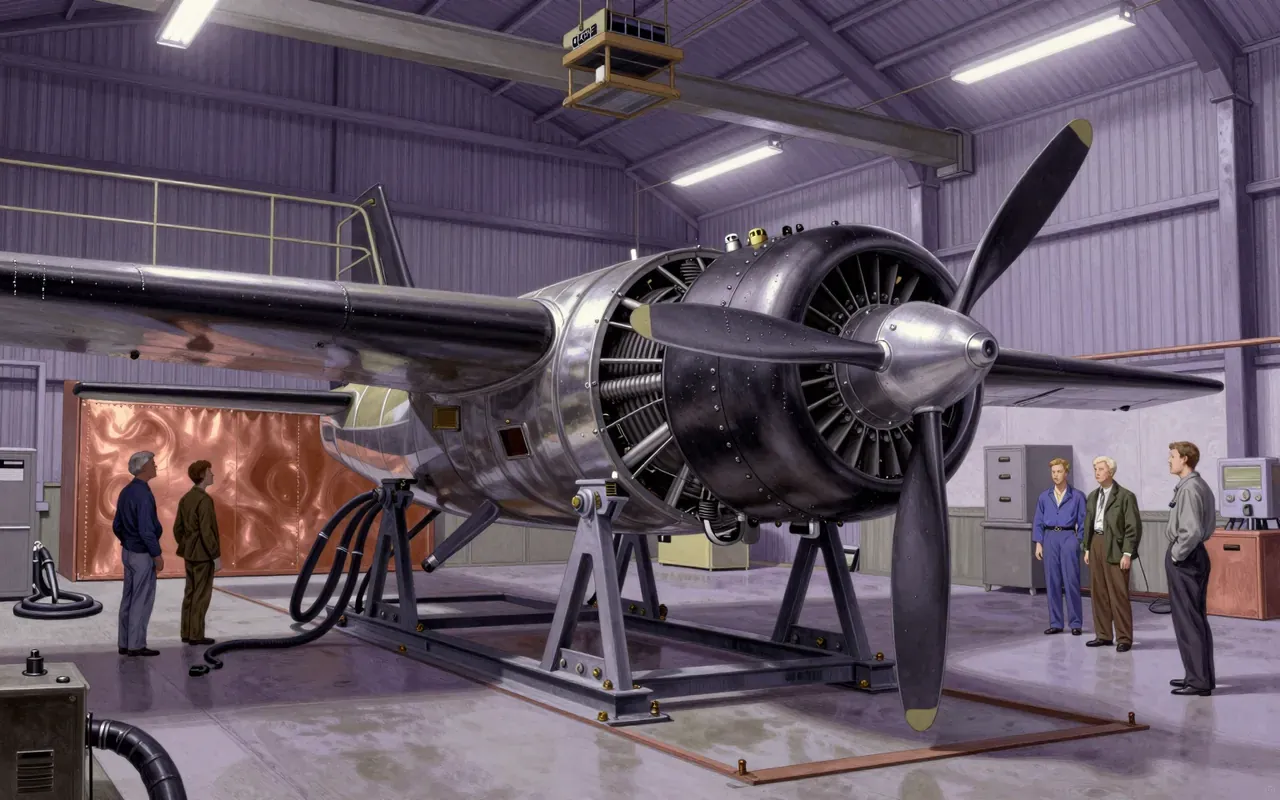
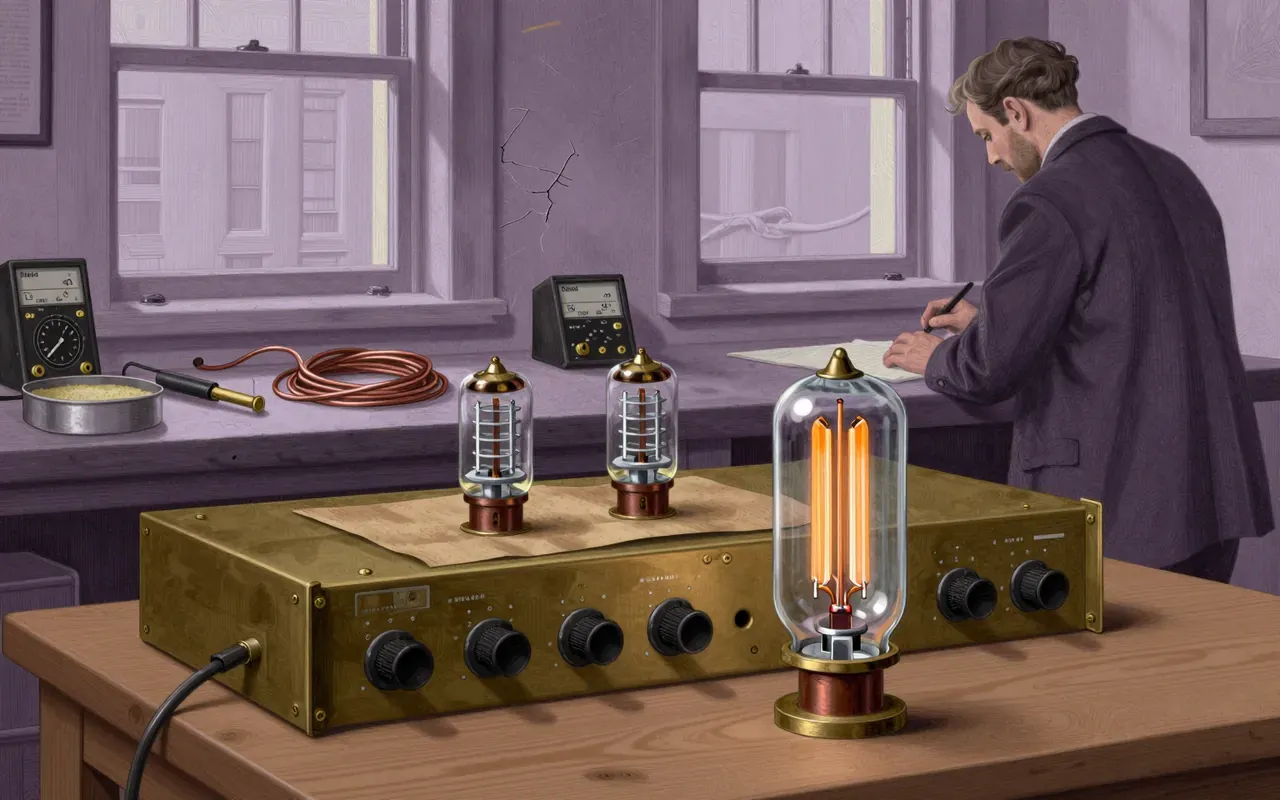
Lee de Forest’s triode valve amplifier is the first electronic amplifying device. It uses a control grid to modulate current flow. It first regenerated long-distance telephony signals. It amplified radio signals only slightly. It required residual gas and was initially unreliable. It enabled radio broadcasting, telephony, television, and computing.
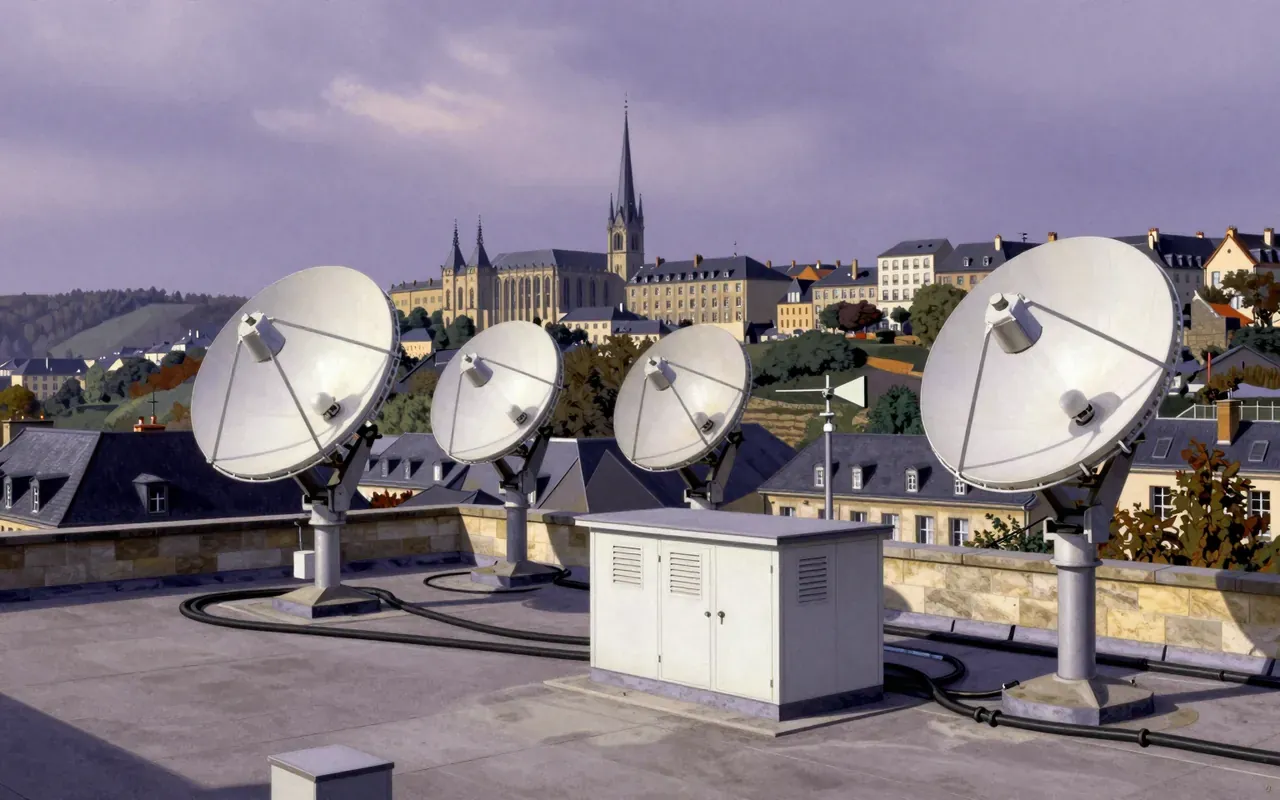

FM broadcasting is a noise-resilient analog transmission method that trades bandwidth for fidelity and static immunity. Armstrong engineered it deliberately—not as an evolution of AM, but as its functional alternative. Its mechanism works. Its early promise did not. Its regulatory impact did.

AES is a narrow, standardised, symmetric cipher mandated by NIST in 2001. It works reliably only when implemented correctly. It solves no problems beyond confidentiality of bulk data under fixed parameters. It demands careful key handling and side-channel mitigation — which it does not provide.
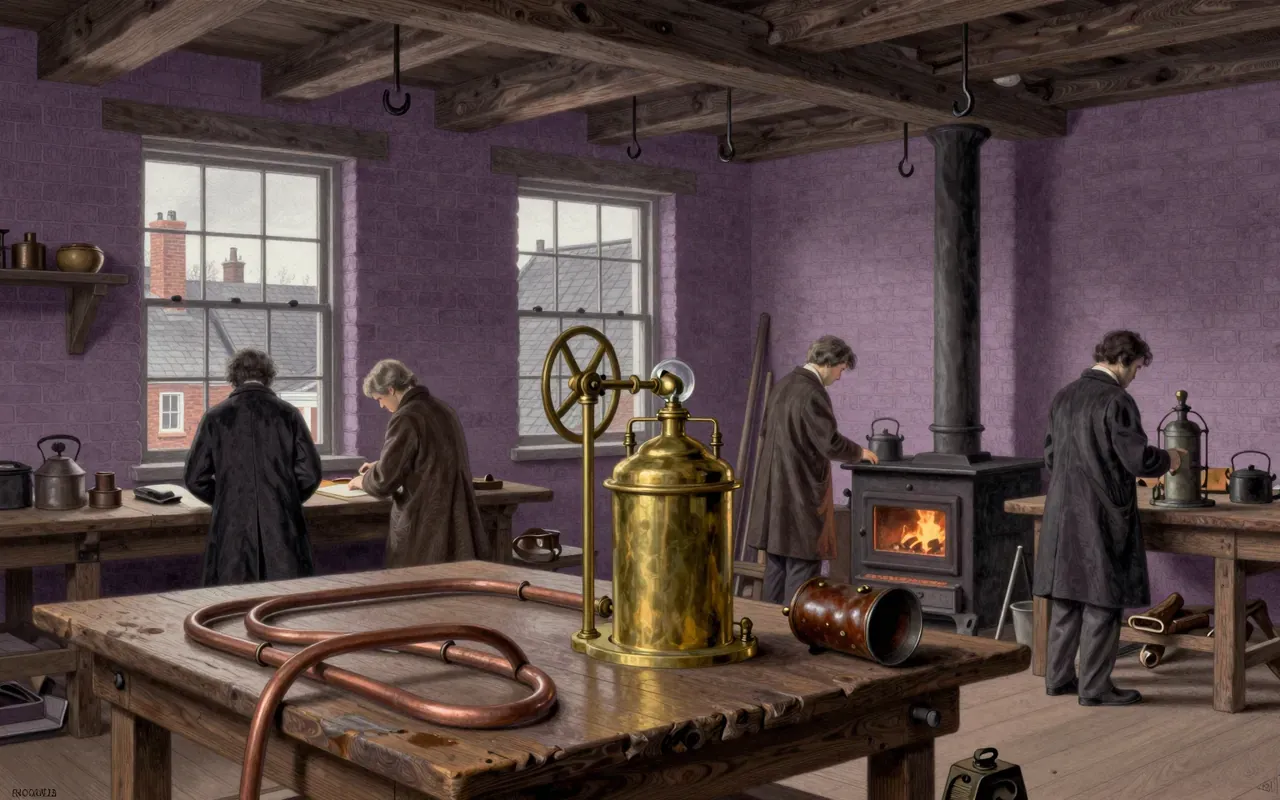
Perkins’s icemaker was the first working vapor compression refrigeration system. It used ether, not ammonia. It proved artificial cold could be generated mechanically — but produced no usable ice beyond lab-scale demonstration. Its legacy is procedural: it fixed the method before the market existed.

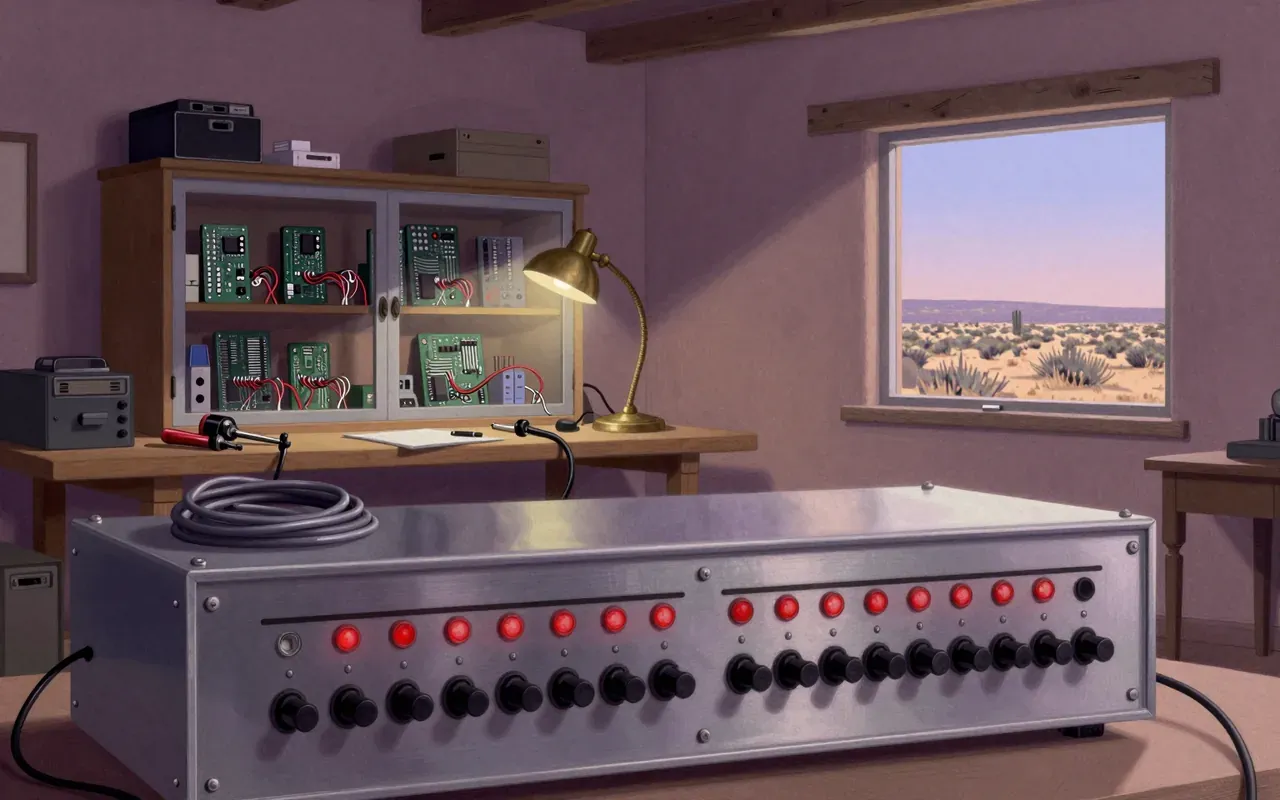




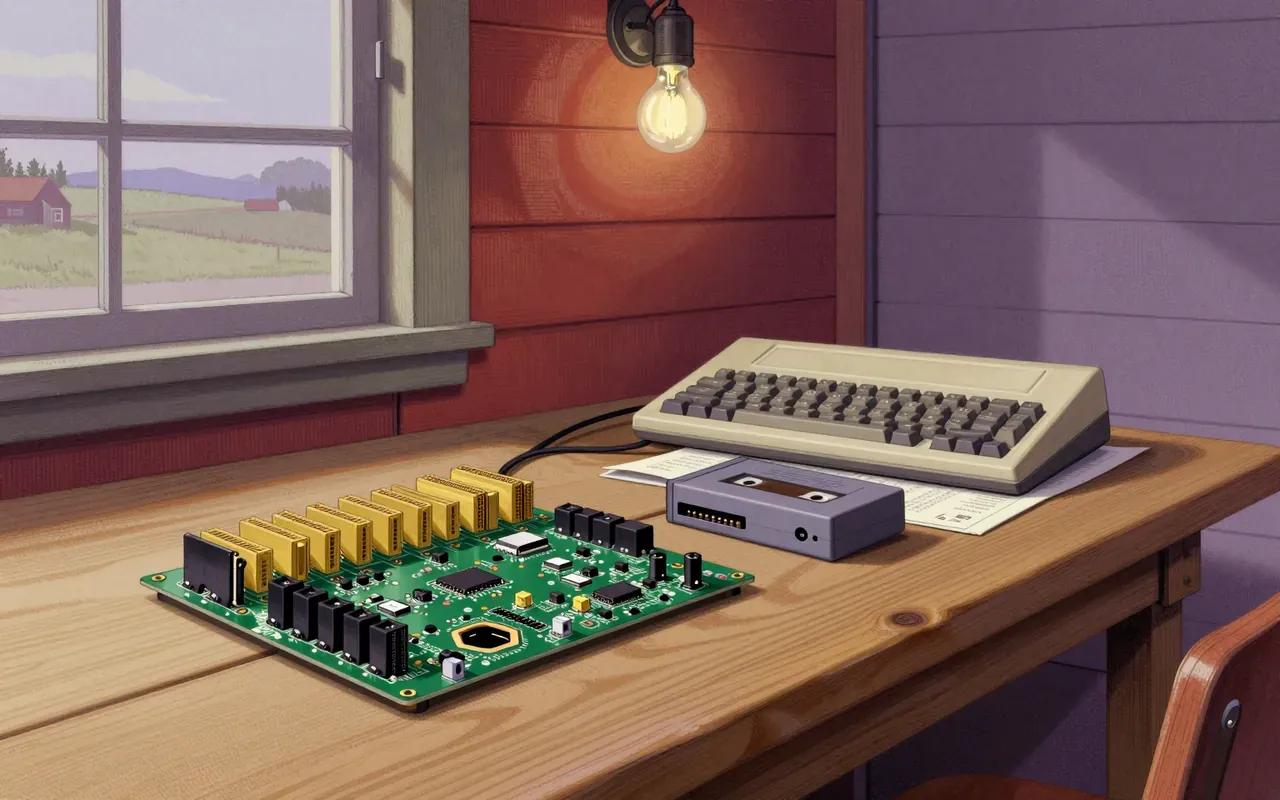











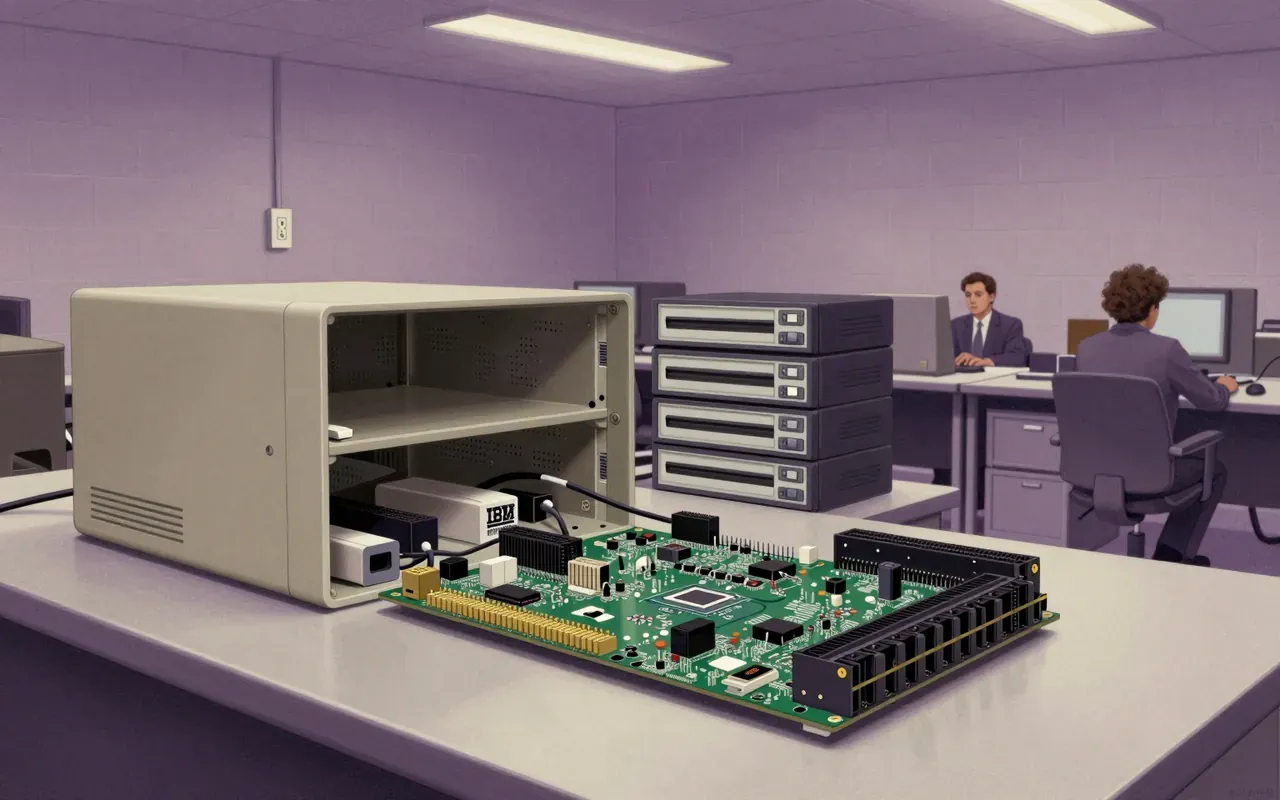
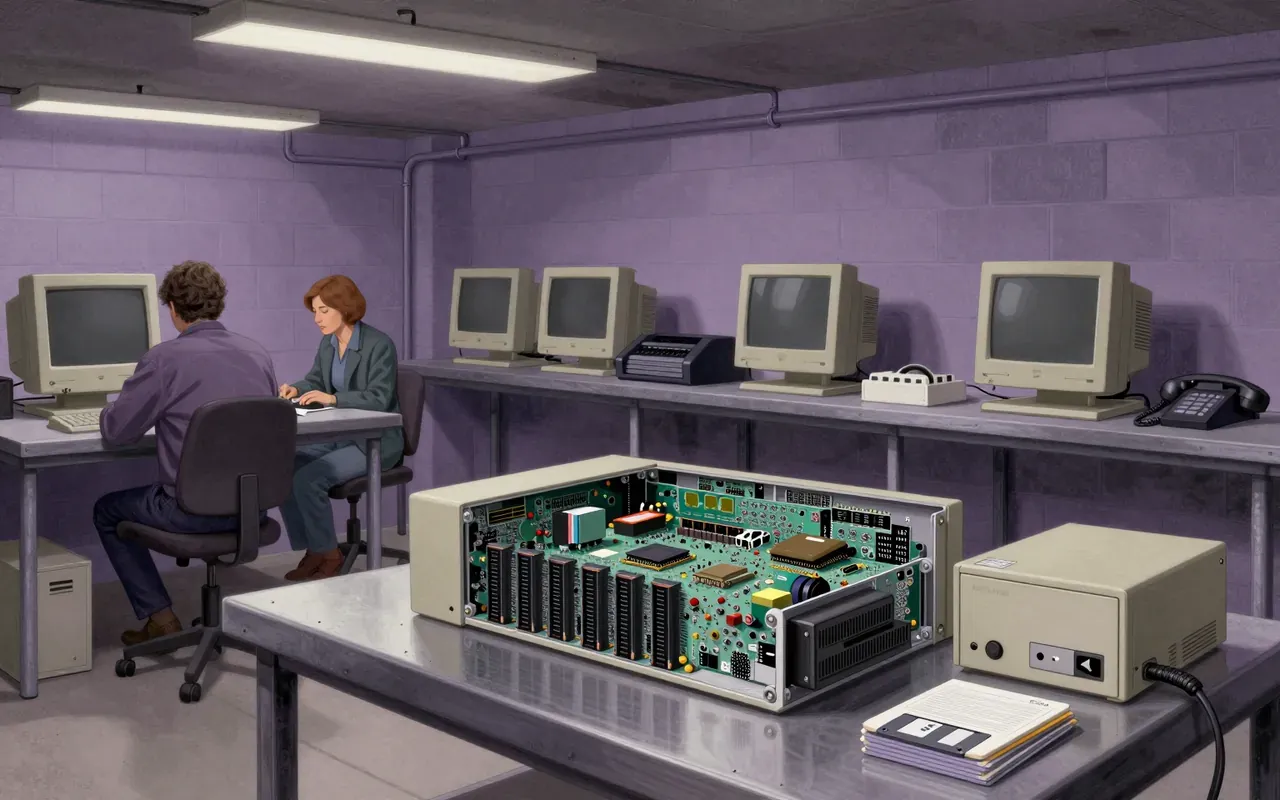









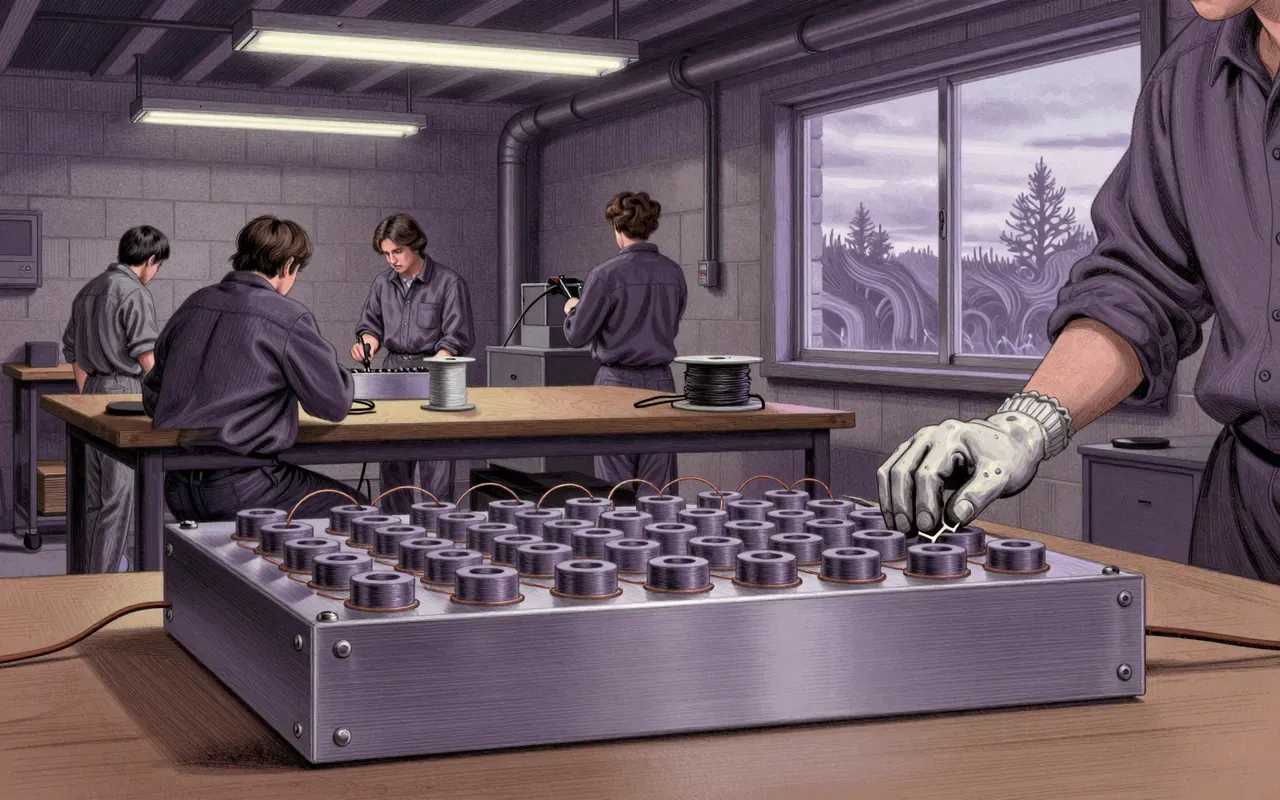


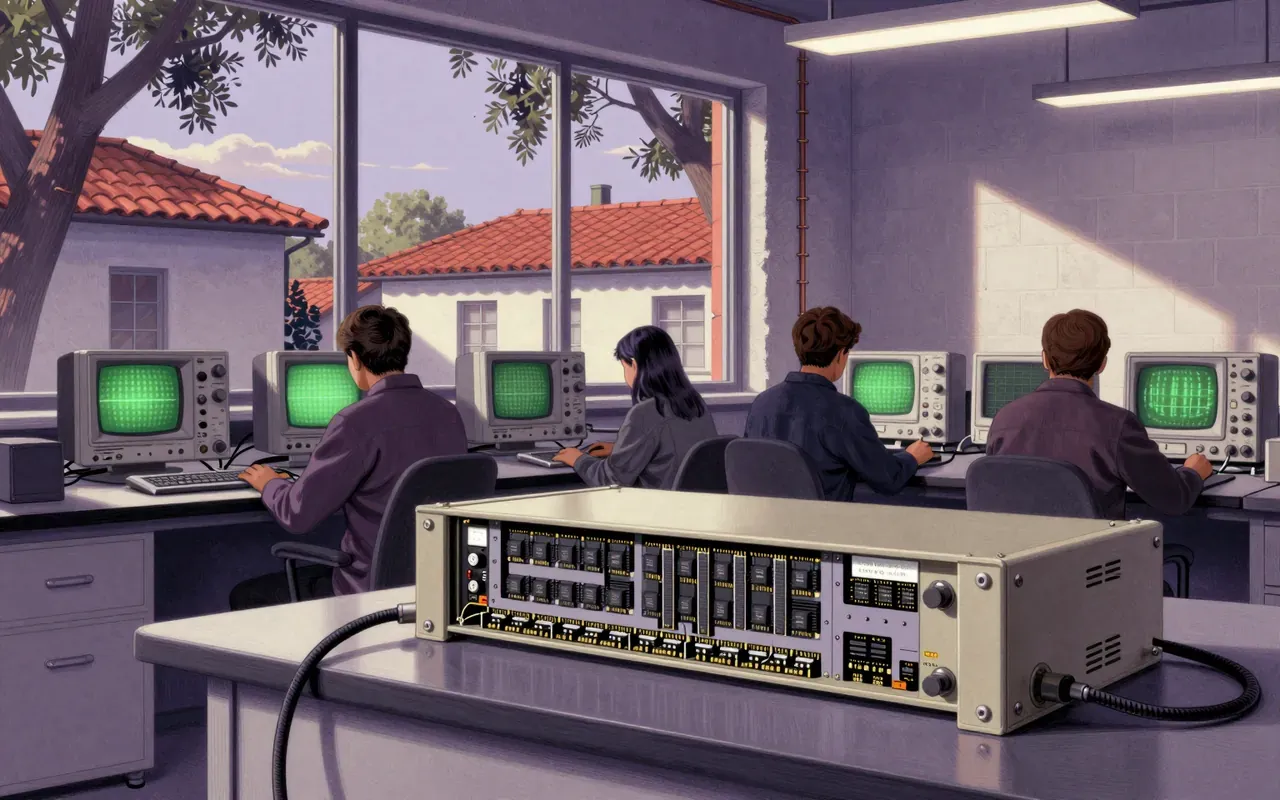





The Amiga 500 is a pivotal hardware milestone—not because it introduced new silicon, but because it delivered proven multitasking and colour graphics to mainstream retail at a time when competitors treated those features as optional or impossible in home systems. Its success relied on reuse, repackaging, and distribution—not invention.
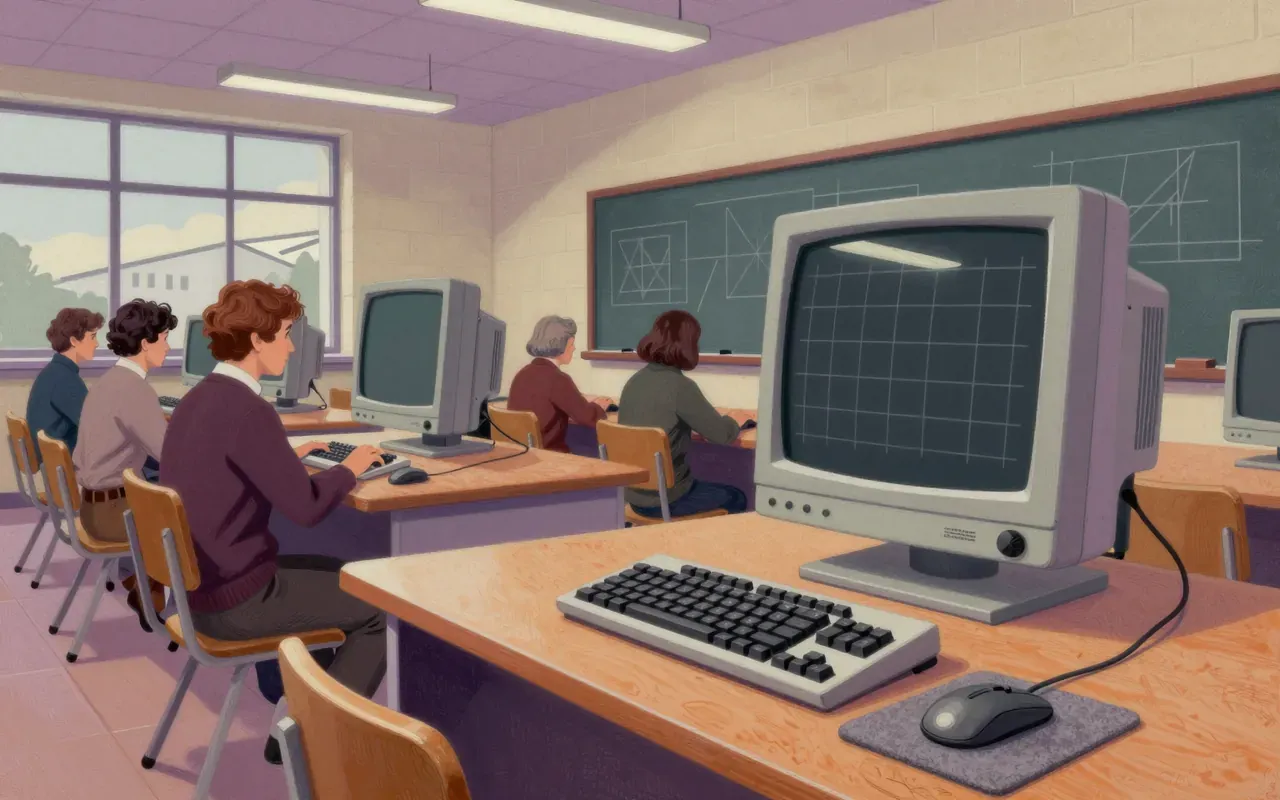


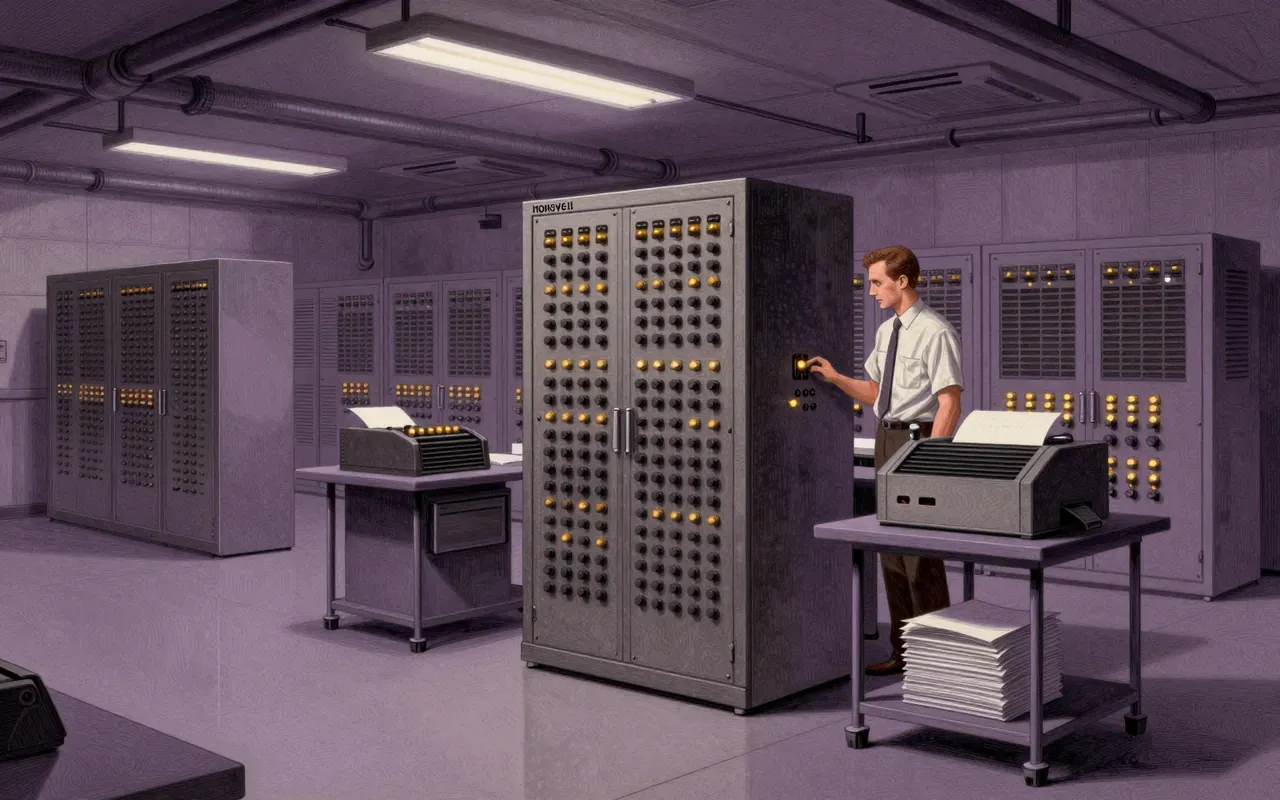

The Sega Genesis is a 16-bit fourth-generation home video game console adapted from Sega's System 16 arcade board, using a Motorola 68000 CPU and Zilog Z80 sound controller, released in Japan in October 1988 and North America in August 1989, playing over 800 ROM cartridge games, supporting add-ons like the Power Base Converter for Master System compatibility, and backed by two network services: Sega Meganet and Sega Channel.


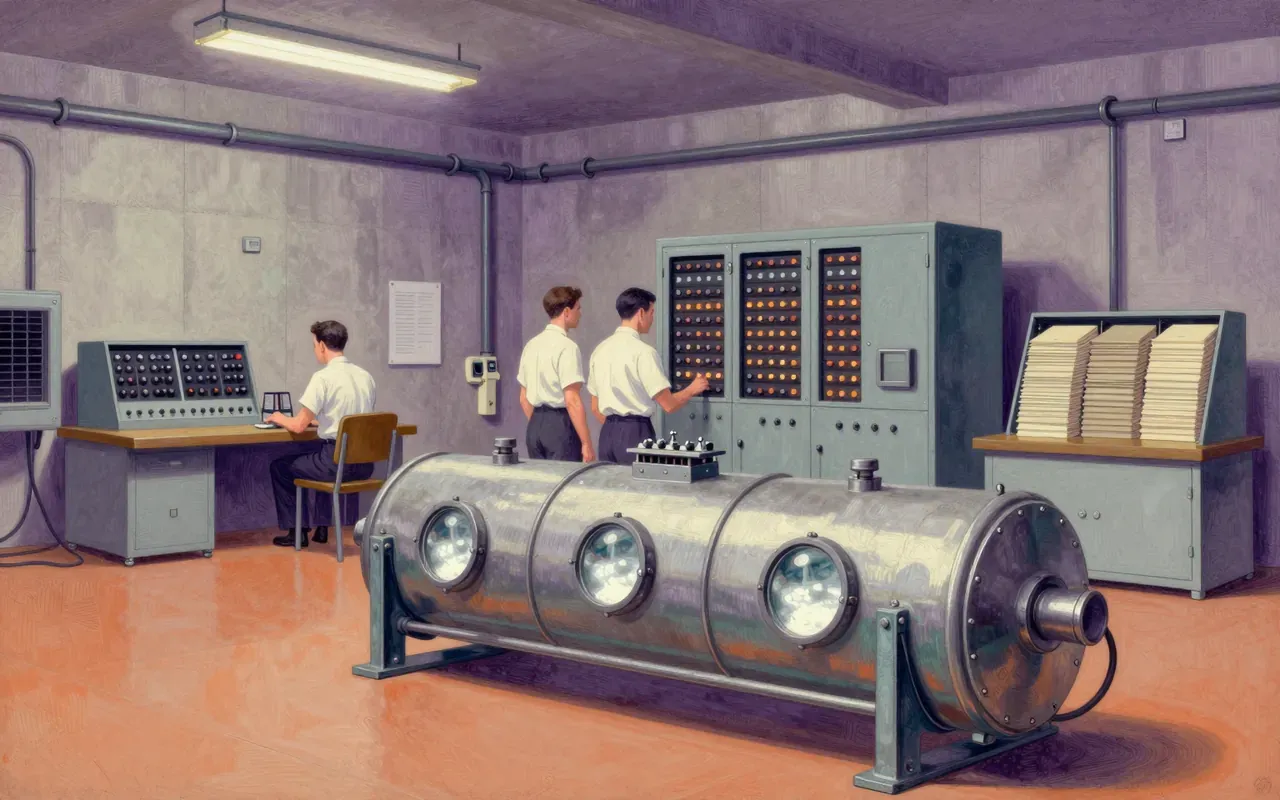
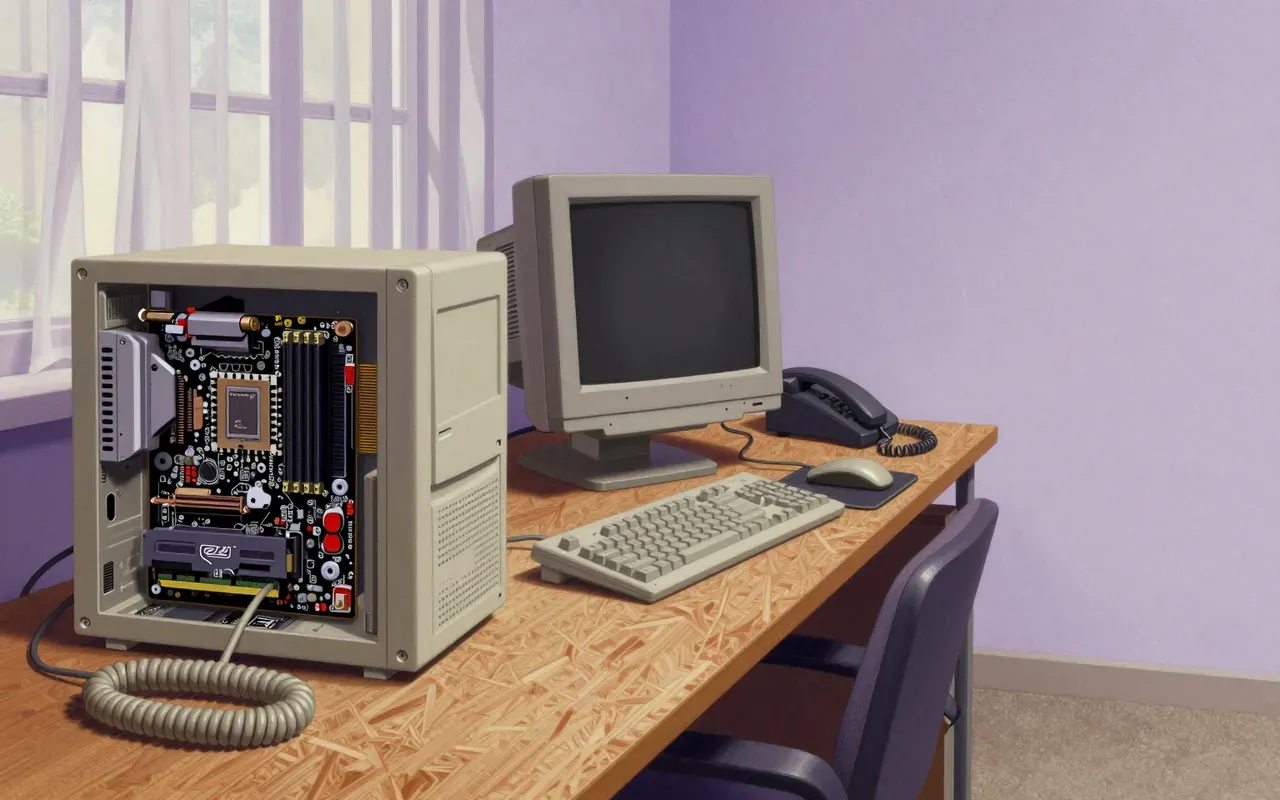
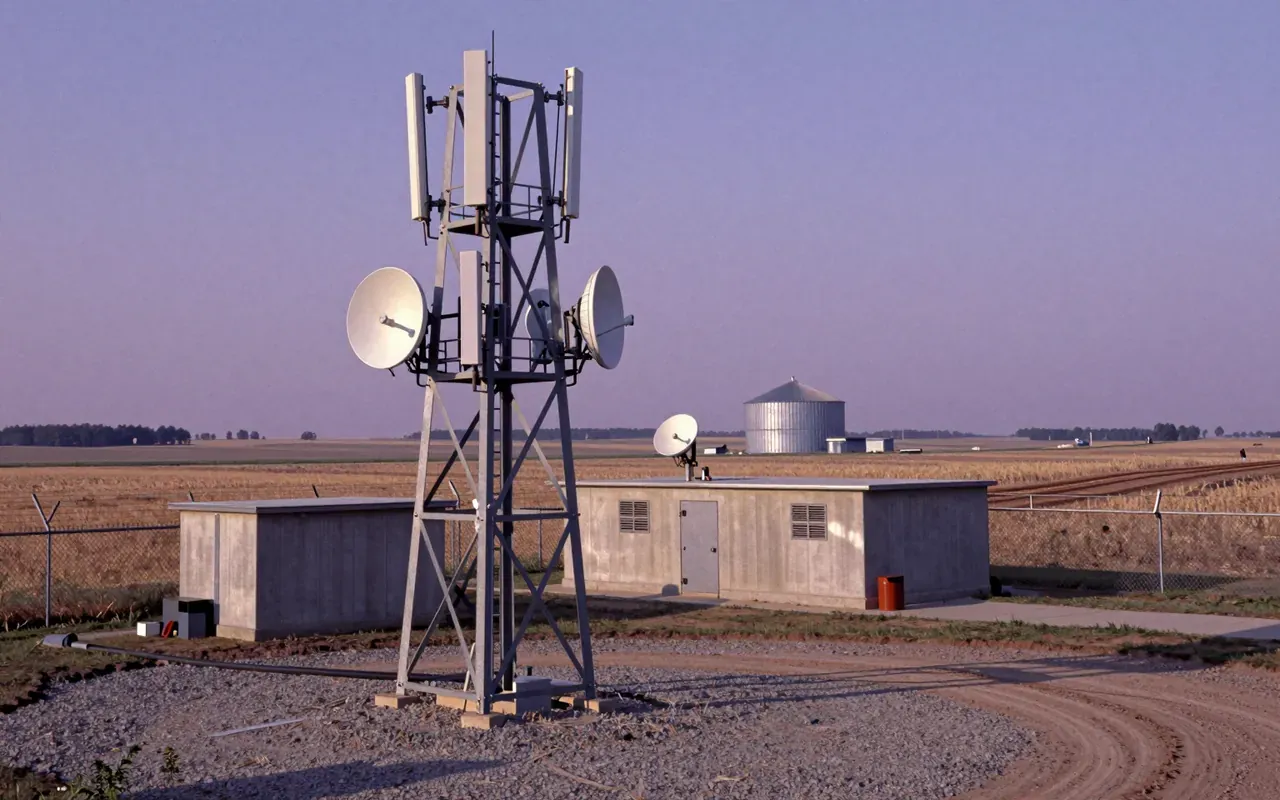
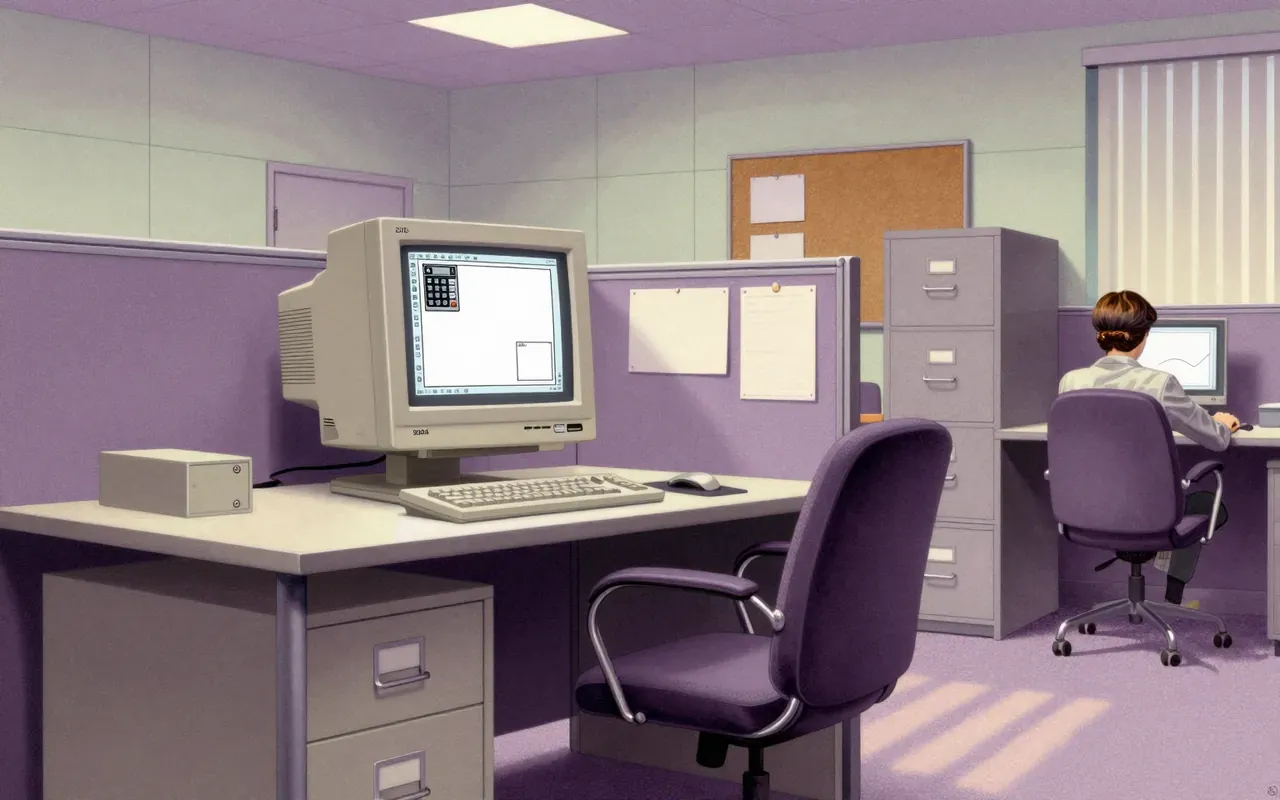

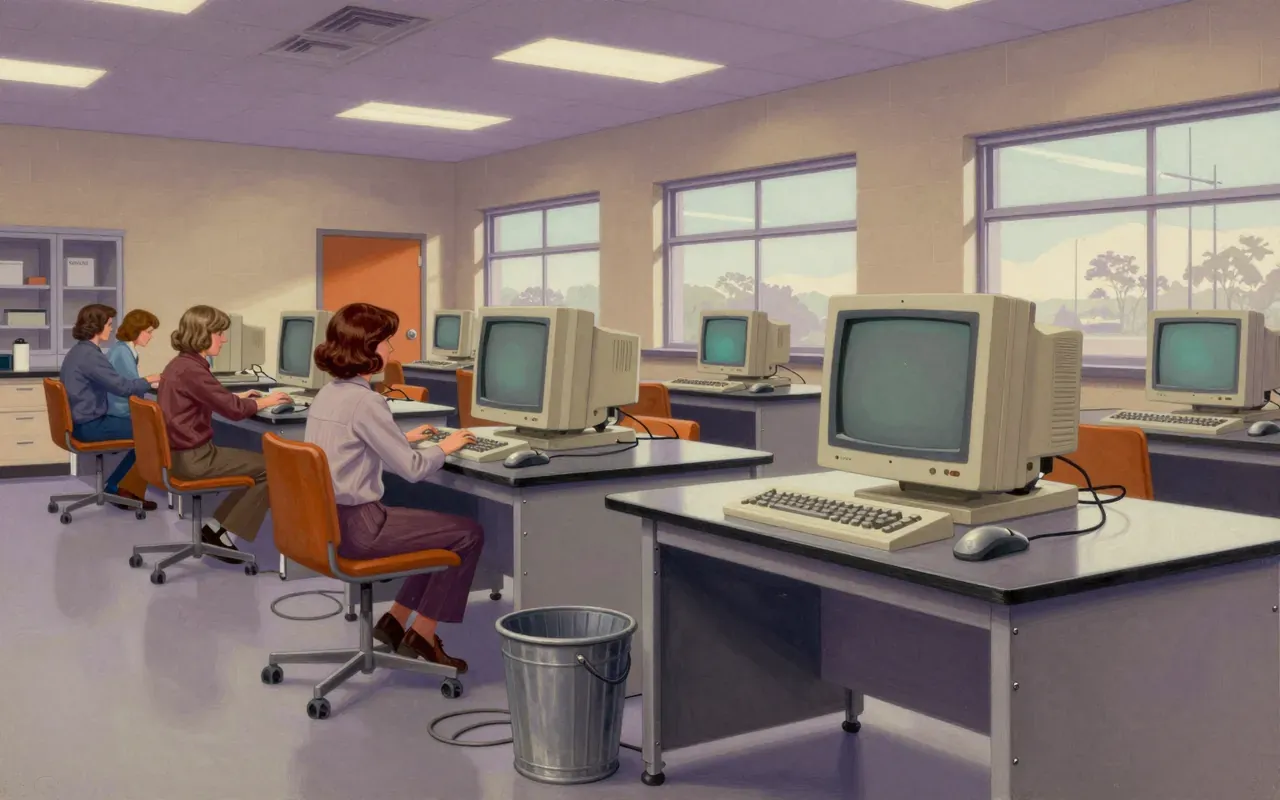
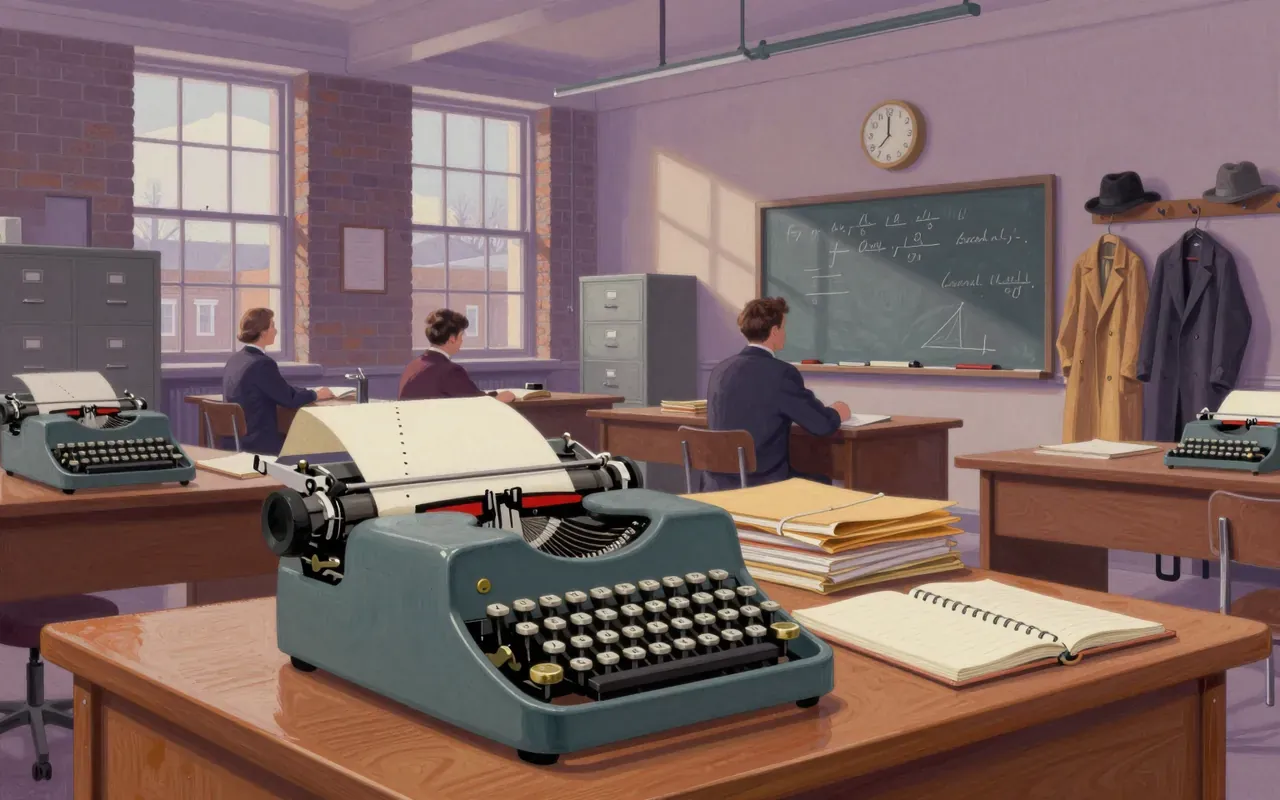
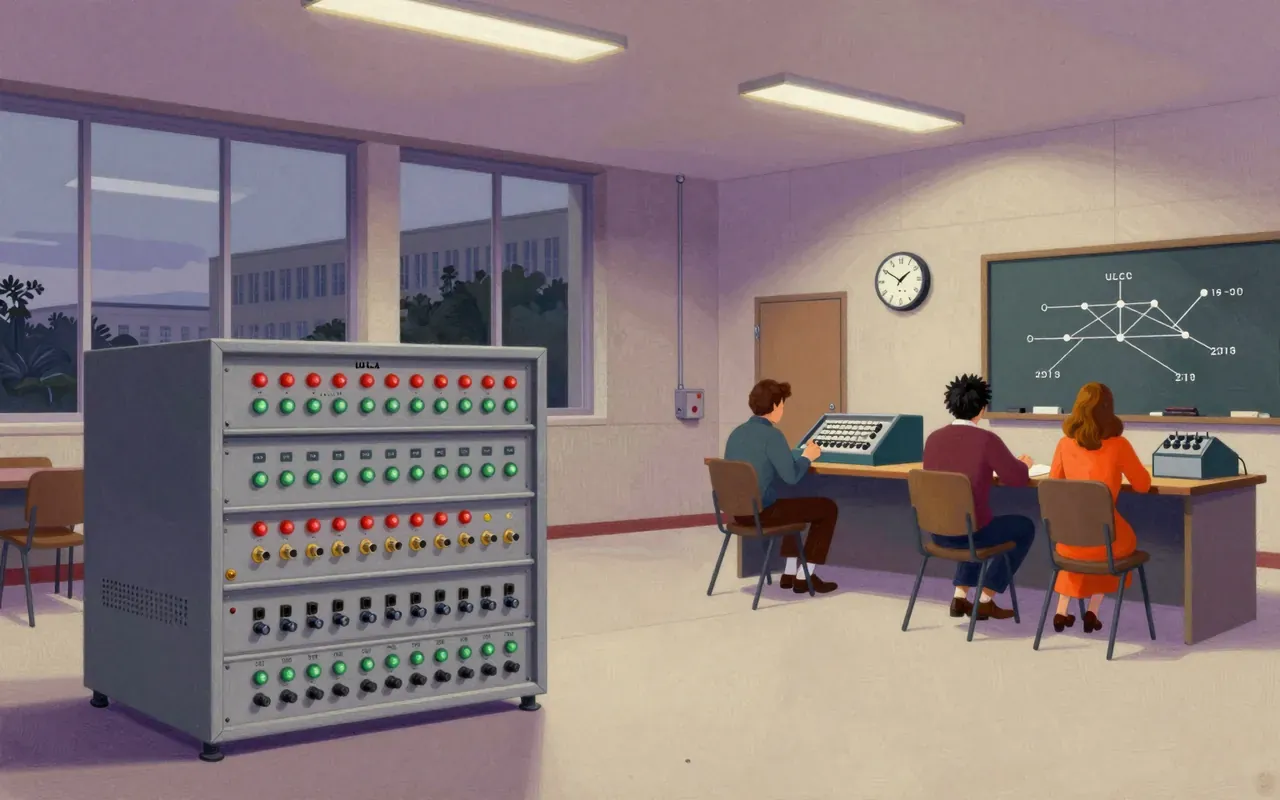
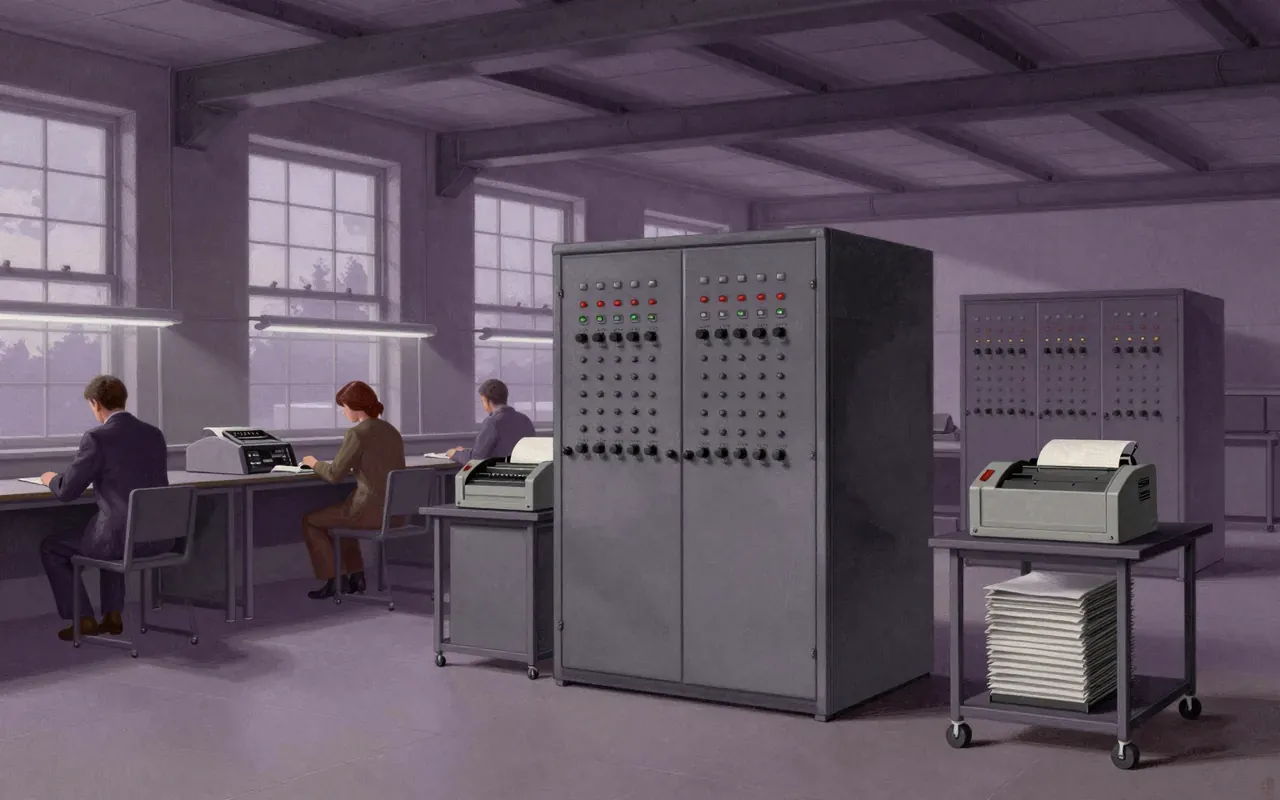
ASCII is a cost-driven, committee-built encoding that prioritised transmission efficiency and hardware simplicity over linguistic coverage. Its rigid separation of control and graphic codes enabled early parsing — but its 28 reserved slots and lack of international support created immediate pressure for extension.


BASIC is a pedagogical tool, not a general-purpose language. It succeeded by narrowing scope — to Dartmouth, to undergraduates, to time-shared interaction, to FORTRAN II’s grammar stripped of complexity. Its value lies in what it excluded.

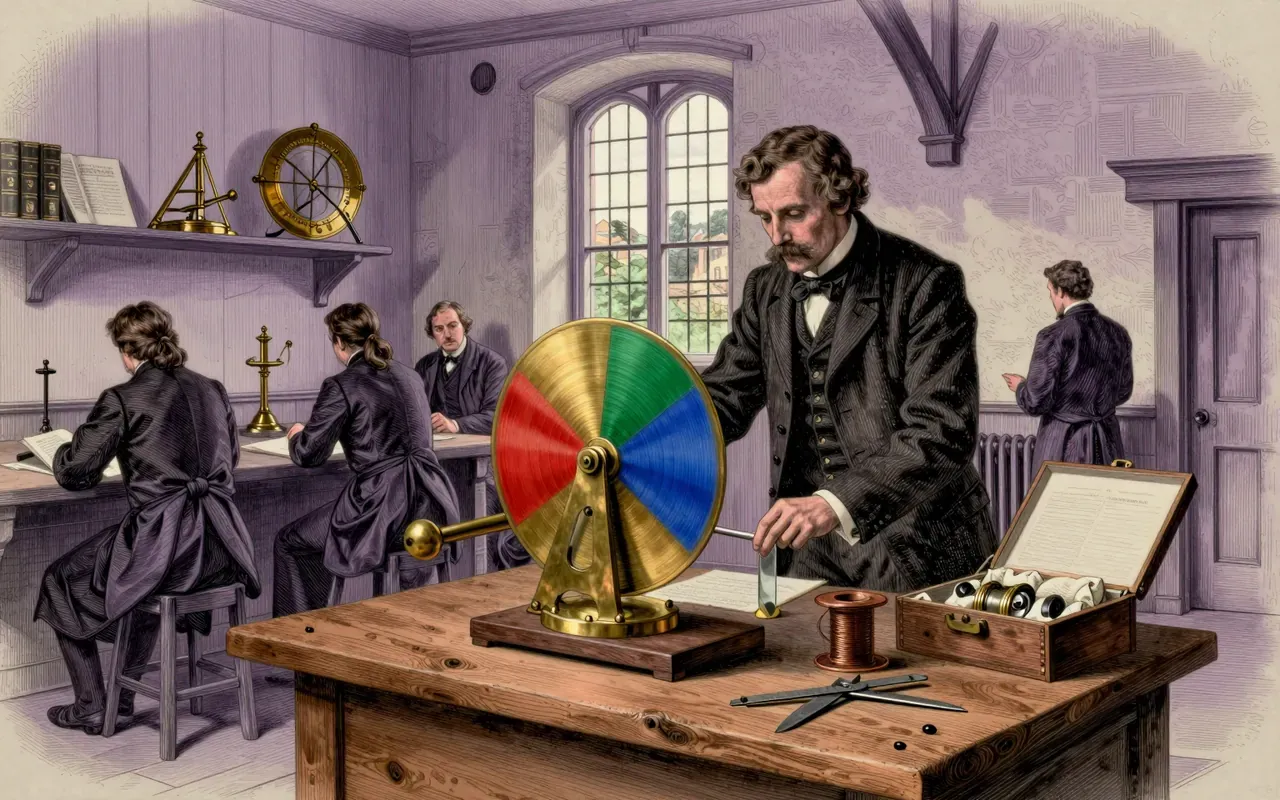
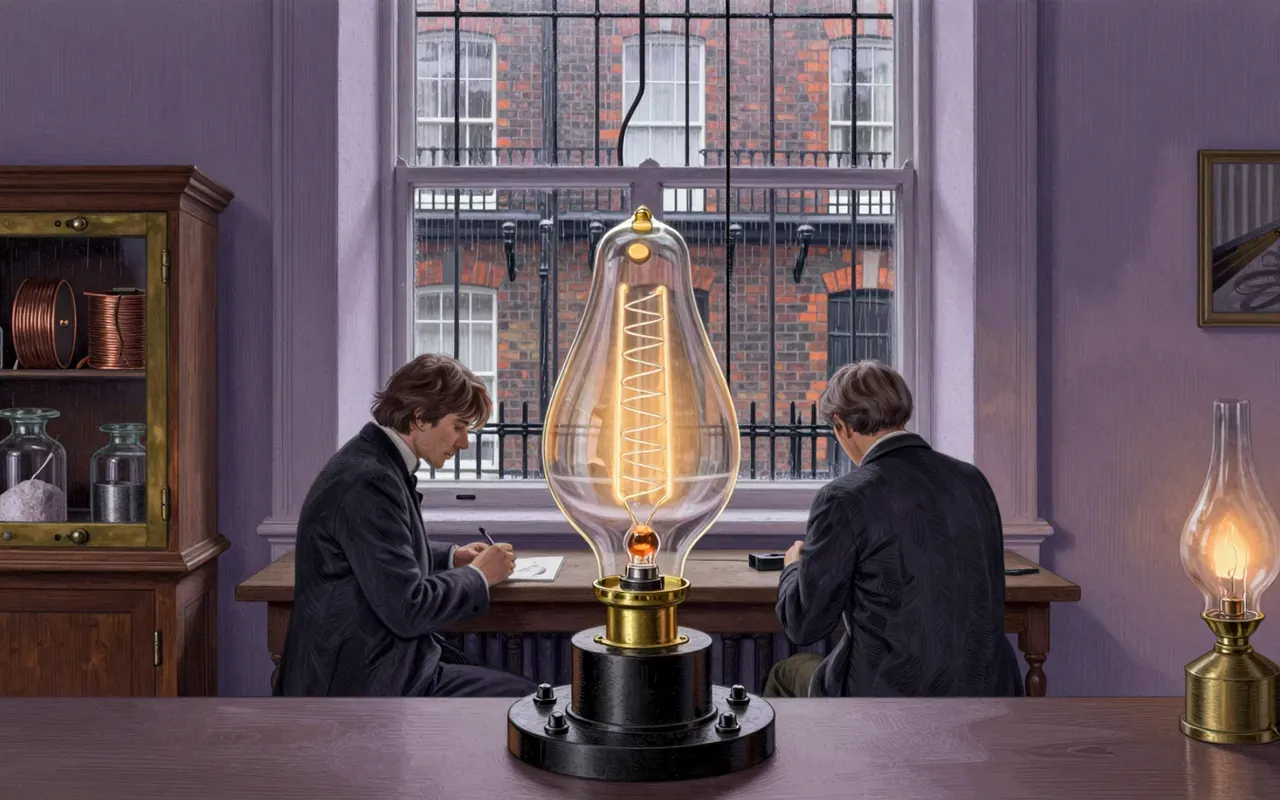

The electromagnetic wave equation is the foundational PDE for classical electromagnetism. Maxwell derived it mathematically; Hertz verified it physically — not as a vision of wireless communication, but as proof that light is electromagnetic vibration. It works precisely where fields are classical and sources are macroscopic. It fails where quanta matter. Its value lies not in novelty but in necessity: every radio, radar, and optical system still obeys it.
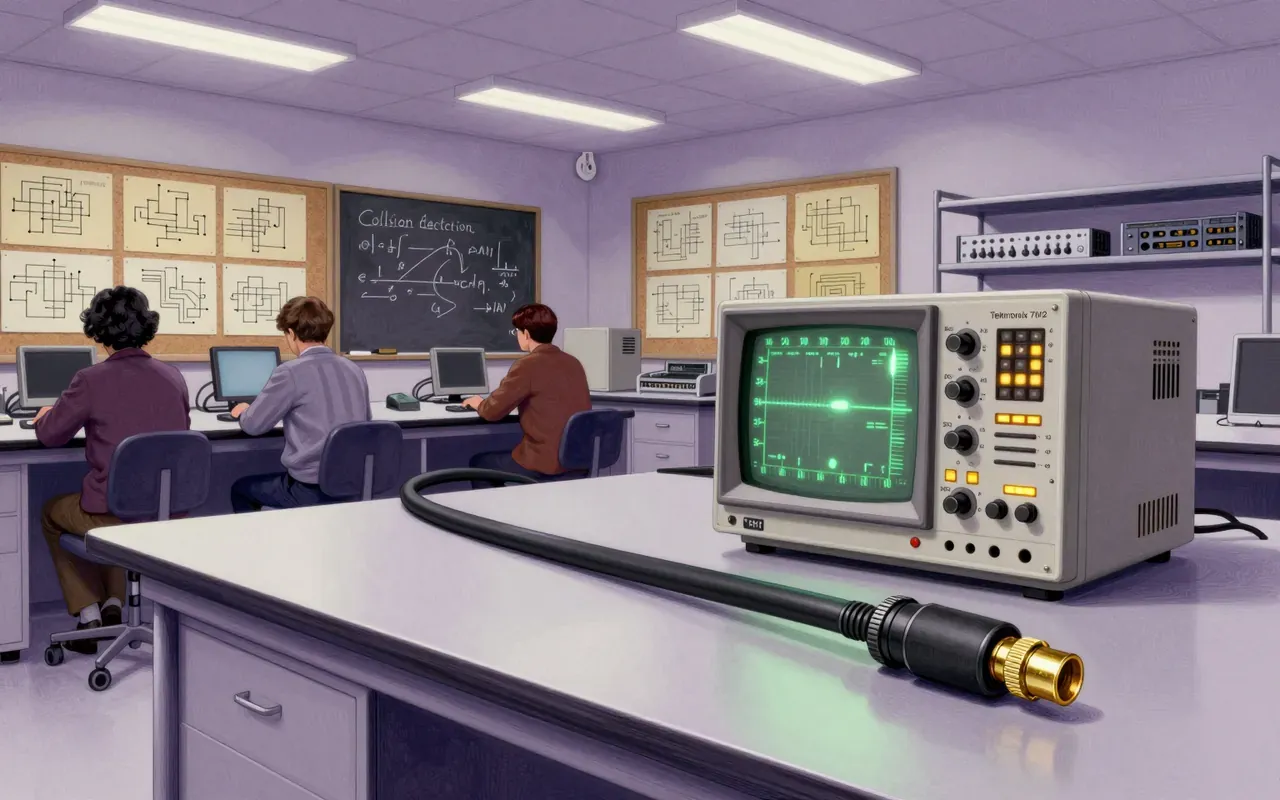
Ethernet is the coaxial-cable LAN co-invented by Metcalfe and Boggs at Xerox PARC in 1973 to link Alto computers to printers and ARPANET. It introduced CSMA/CD—carrier sensing before transmission, plus collision detection and random back-off—to adapt ALOHAnet for wired use. It ran first on November 11, 1973 at 2.94 Mbit/s. A 1980 Xerox report measured 98% throughput under heavy load. It was standardised as IEEE 802.3 in 1983. CSMA/CD does not scale or support modern requirements like QoS or determinism—and was phased out in favour of switched, full-duplex Ethernet.
HTTP is the minimal, functional core that made the Web possible — not because it was elegant, but because it was small, implementable, and free.

JPEG is a 1992 DCT-based lossy compression standard. It delivers predictable 10:1 size reduction with acceptable visual trade-offs. It defines only the codec—not the file format. Its lossless mode is unused. It remains dominant not by superiority but by inertia.
Lisp is the first language to treat code as data—and the first to prove that a small set of primitives plus eval suffices for universal computation. Its cost is runtime overhead; its payoff is programmable programmability.
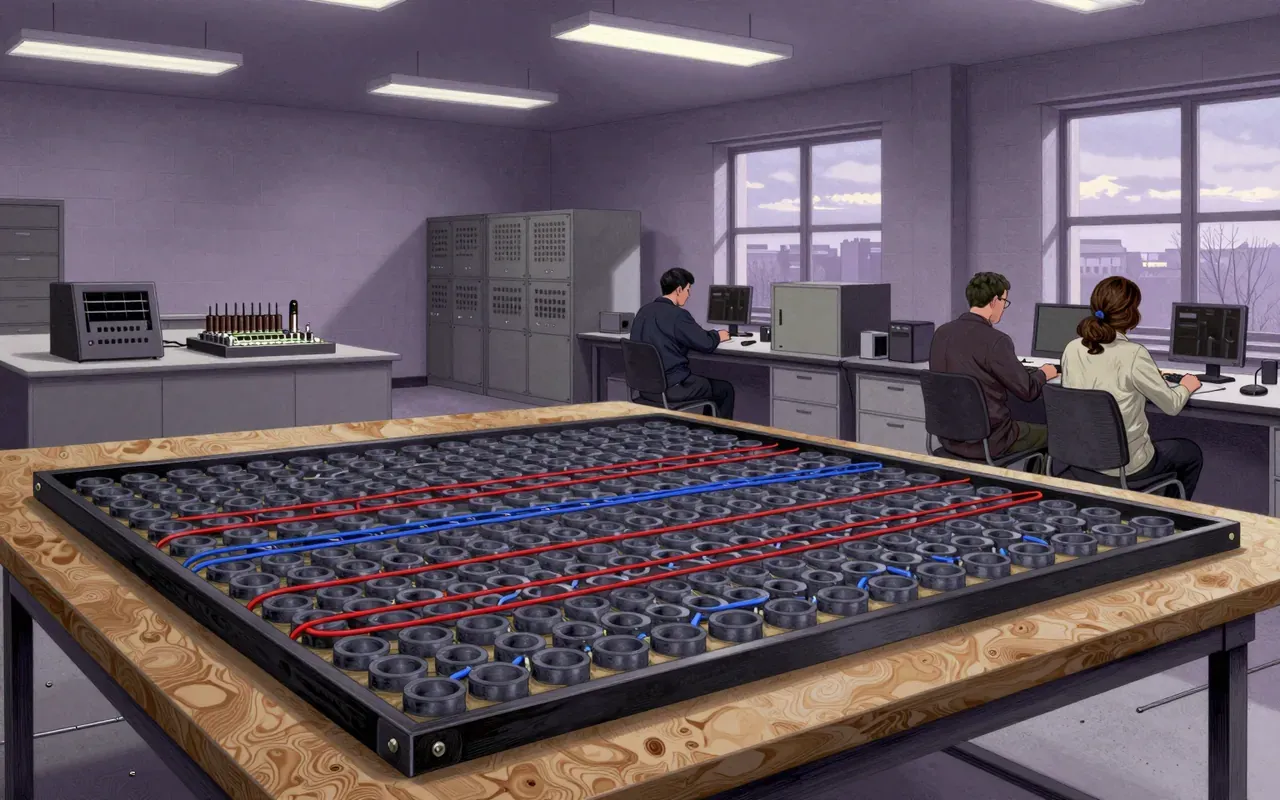

MIME is the foundational container syntax for internet messaging. It succeeded by being minimal, modular, and mandatory for interoperability — not by being elegant or complete.

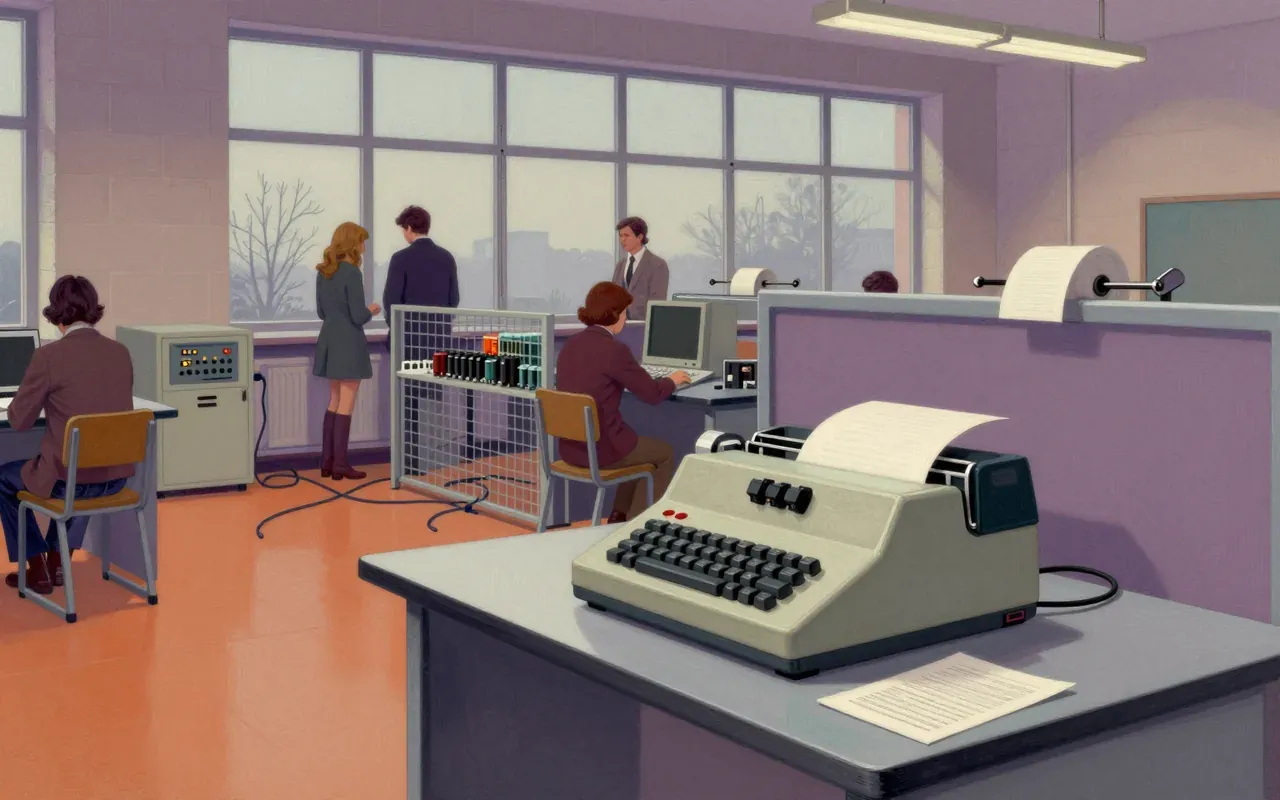
Pascal is a disciplined, small-language experiment from 1970. It delivers on teaching structured programming and safe data modelling. It fails as a general-purpose systems language. Its influence lies in its constraints — not its adoption.

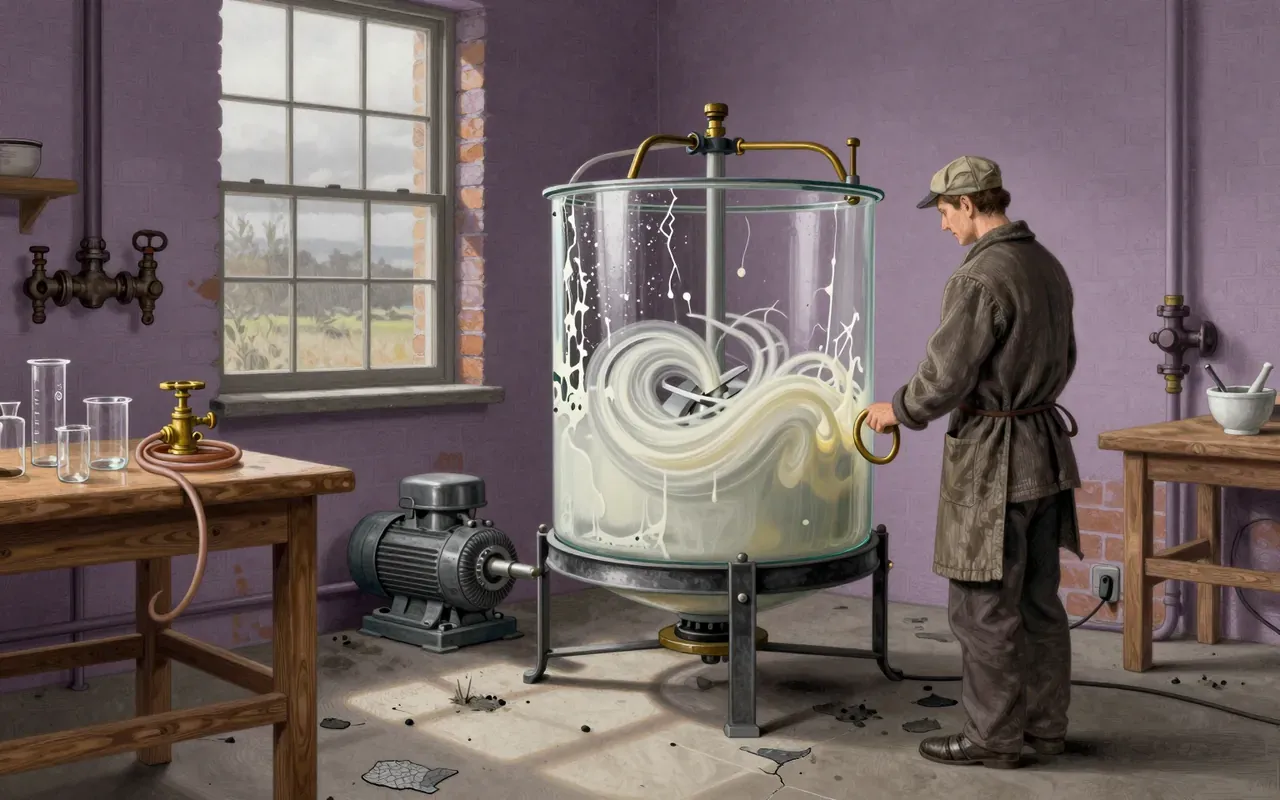
Waldo Semon did not invent PVC. He invented how to make it behave. His 1926 method — blending it with additives like dibutyl phthalate — converted a brittle, unprocessable polymer into something elastic and non-adhesive. That enabled Koroseal: a salt-coke-limestone-derived polymer whose consistency could be set deliberately. It did not fix PVC’s thermal instability or environmental persistence. Its real innovation was tunability — proving synthetic polymers could be governed, not just discovered.
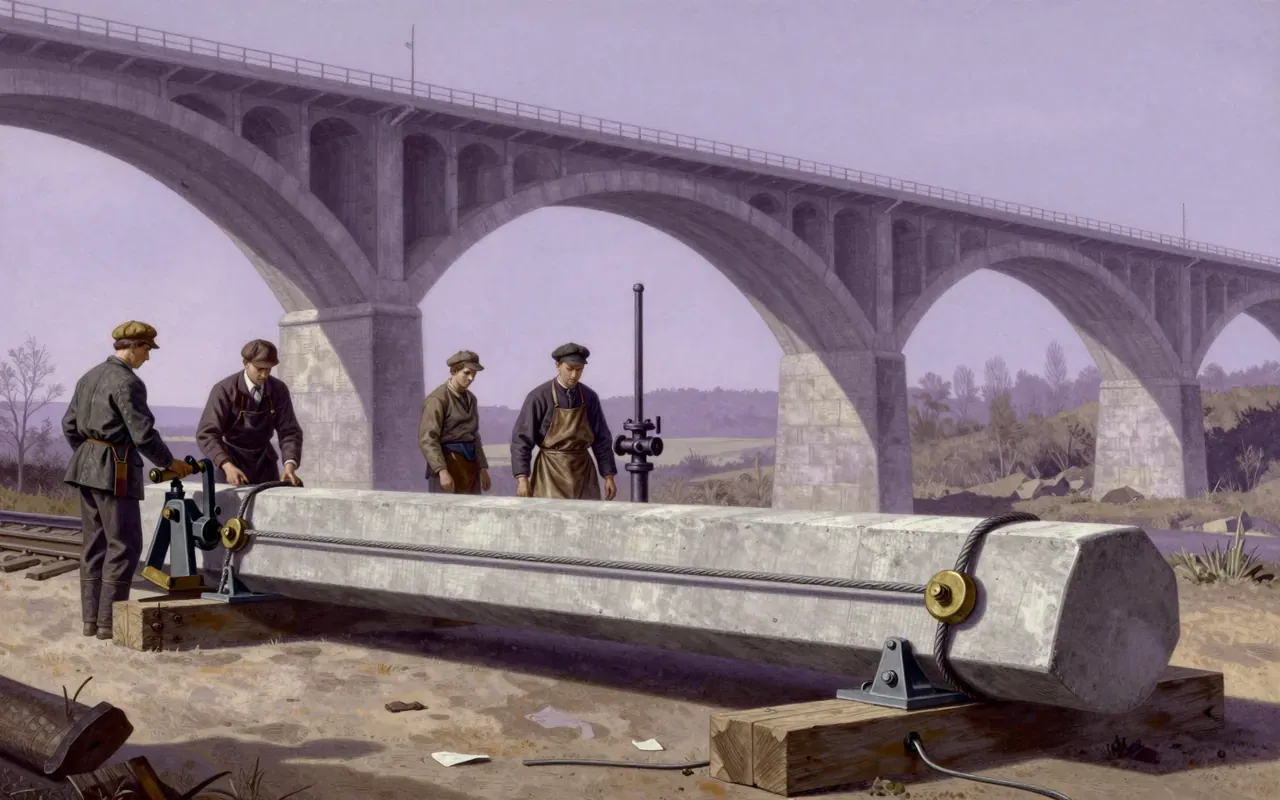
Prestressed concrete redefines concrete’s role in tension-critical structures—not by making it stronger, but by ensuring it never has to carry tension alone.

Python is a dynamically typed, whitespace-delimited programming language conceived by Guido van Rossum in December 1989 as a successor to ABC. Its first release was Python 0.9.0 in 1991. It introduced a strict visual grammar for code blocks, paired dynamic typing with reference counting and cycle detection for memory management, and codified its philosophy in PEP 20. Python 3.0 (2008) broke backward compatibility. Optional static typing arrived in 3.5. Van Rossum named it after Monty Python's Flying Circus and wrote the first interpreter as a Christmas holiday project.
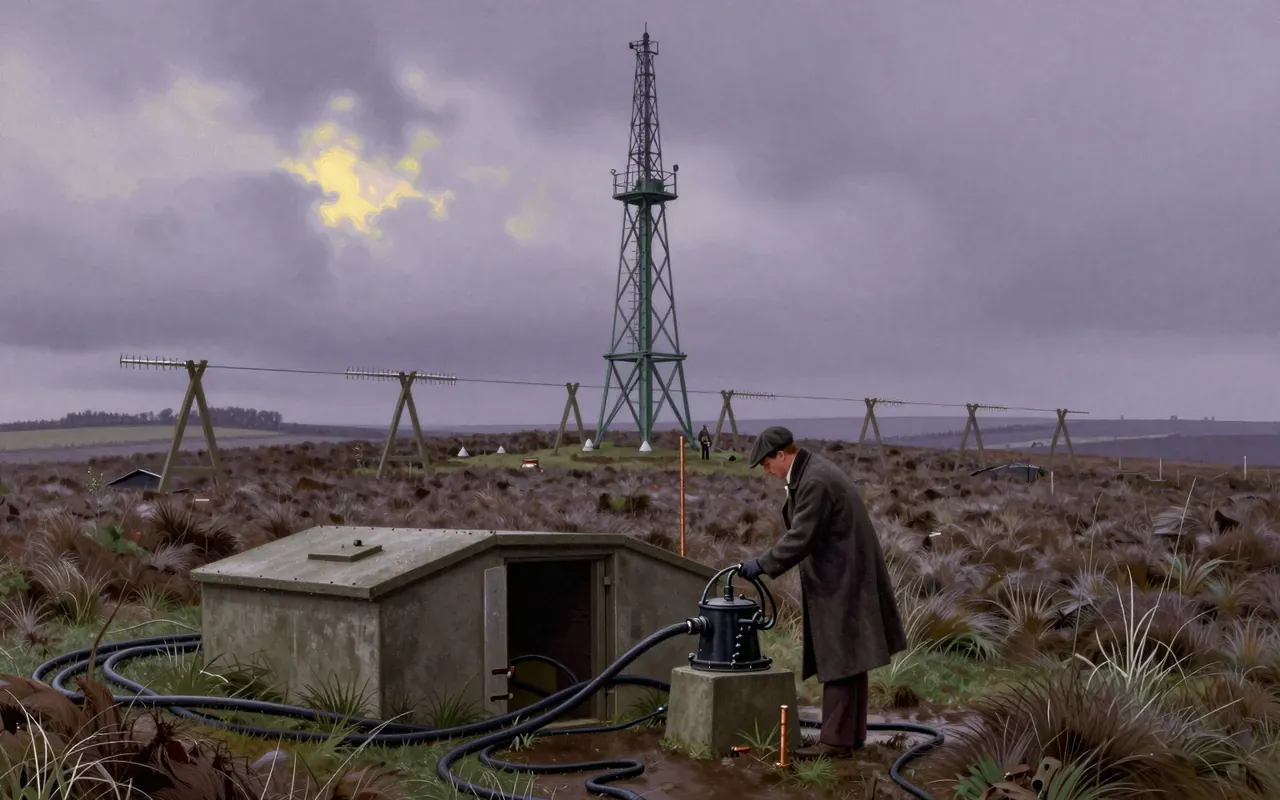
Radar is a radio reflection system for aircraft detection. It solved urgent air defence needs by replacing sound with electromagnetic sensing. Its mechanism is simple: transmit, reflect, receive, time. Its success hinged on rapid scaling — from 16 to 60 miles in months — and integration into a fixed coastal network. It fell short on low-altitude coverage, mobility, and precision tracking. It changed warfare by enabling interception over reaction. It is worth your time because it demonstrates how repurposing existing tools under constraint yields decisive capability — not through invention ex nihilo, but through disciplined redirection.
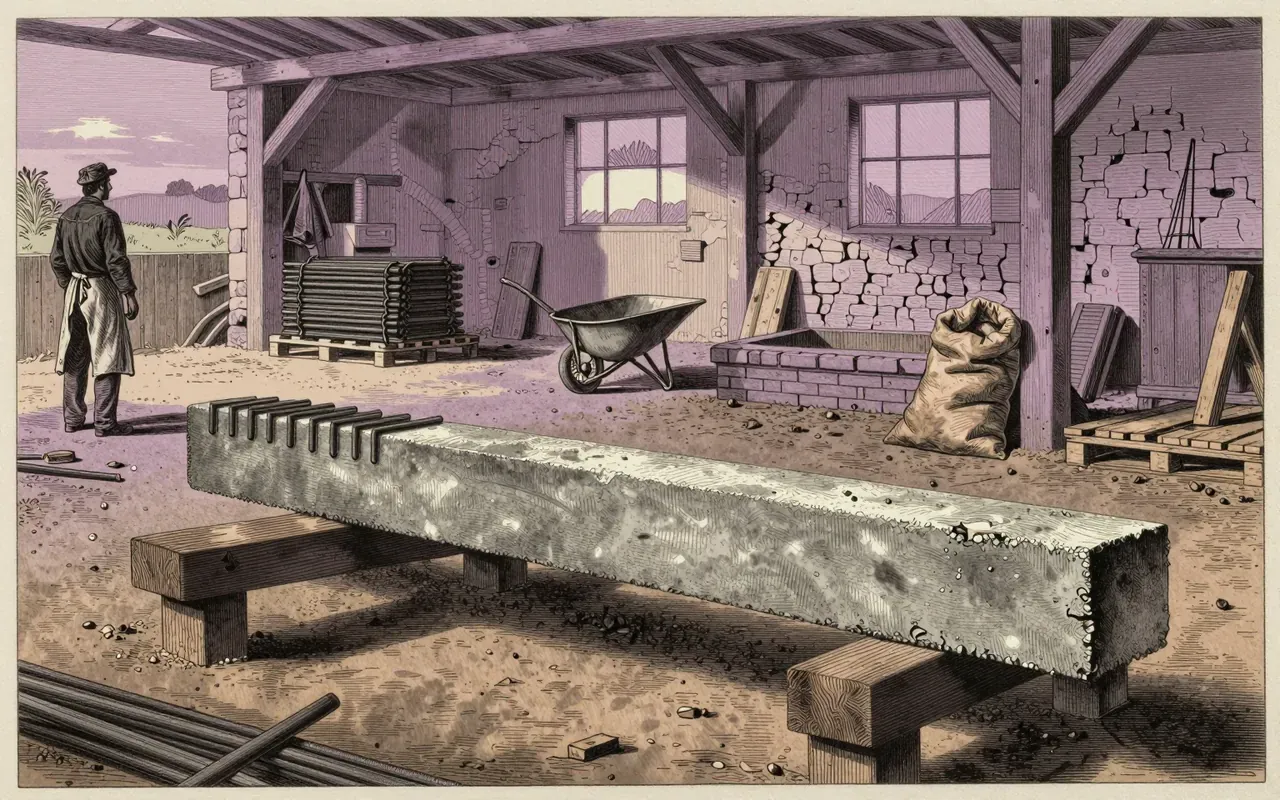
Reinforced concrete is not a theoretical breakthrough—it is a gardener’s empirical fix scaled into infrastructure. Monier solved flowerpot instability by embedding iron, then patented successive forms (wire mesh in 1867, iron rods in 1877) without quantifying mechanical gains. He proved thermal compatibility and rust protection through experiment—not calculation. His method enabled T-beams and pipes by 1878, but left tensile improvement unmeasured and corrosion science unexplored. It matters today because it reveals how material innovation begins in constraint, not abstraction.

RSA is the first publicly described, usable public-key cryptosystem. It works by exploiting the asymmetry between modular exponentiation and root extraction modulo a composite number whose factorisation is secret. Its security depends on factoring difficulty—but that dependence is not proven equivalent. No published attack breaks it with large keys. It changed cryptography by enabling open protocols, trustless key exchange, and standardised role names like Alice and Bob.

Ruby is a deliberately opinionated scripting language that enforces object uniformity at runtime. It delivers on its promise of simplicity and expressiveness—but only within its chosen domain: developer-facing tools and applications where flexibility trumps performance or safety.
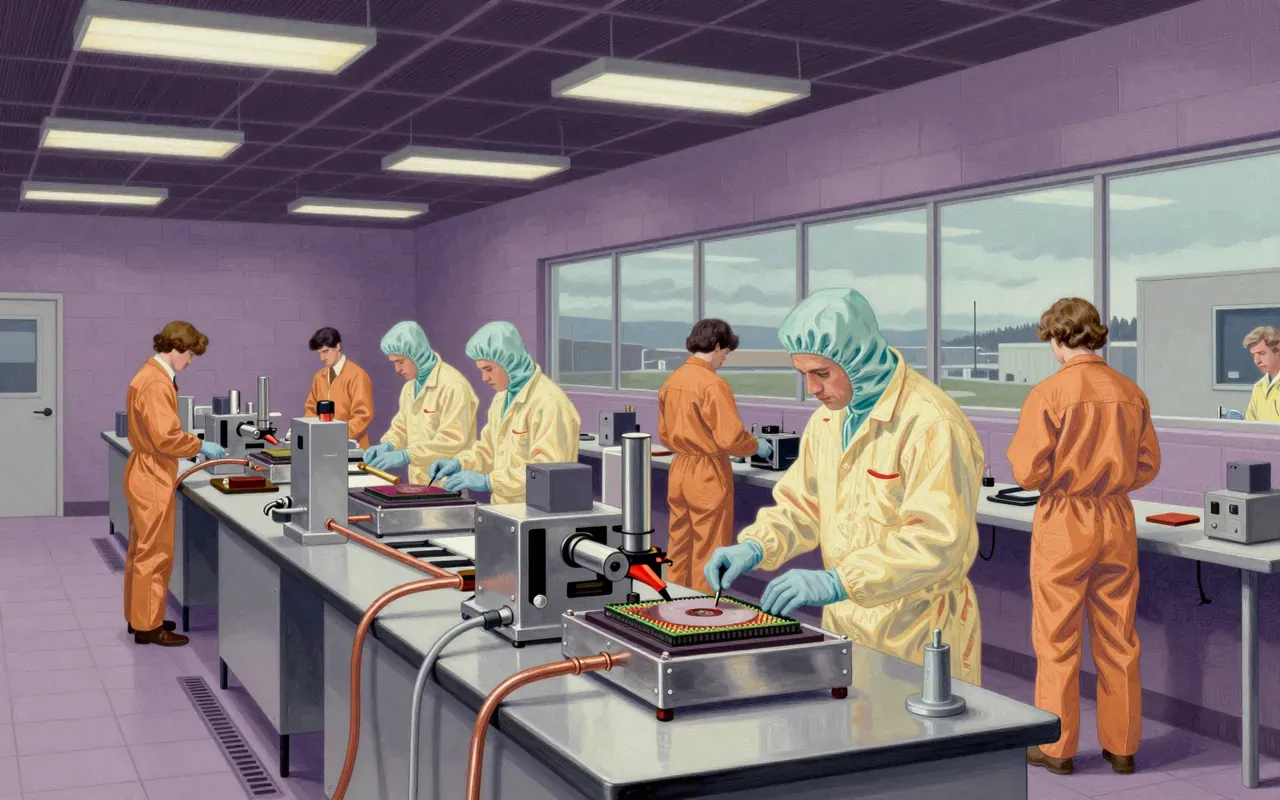
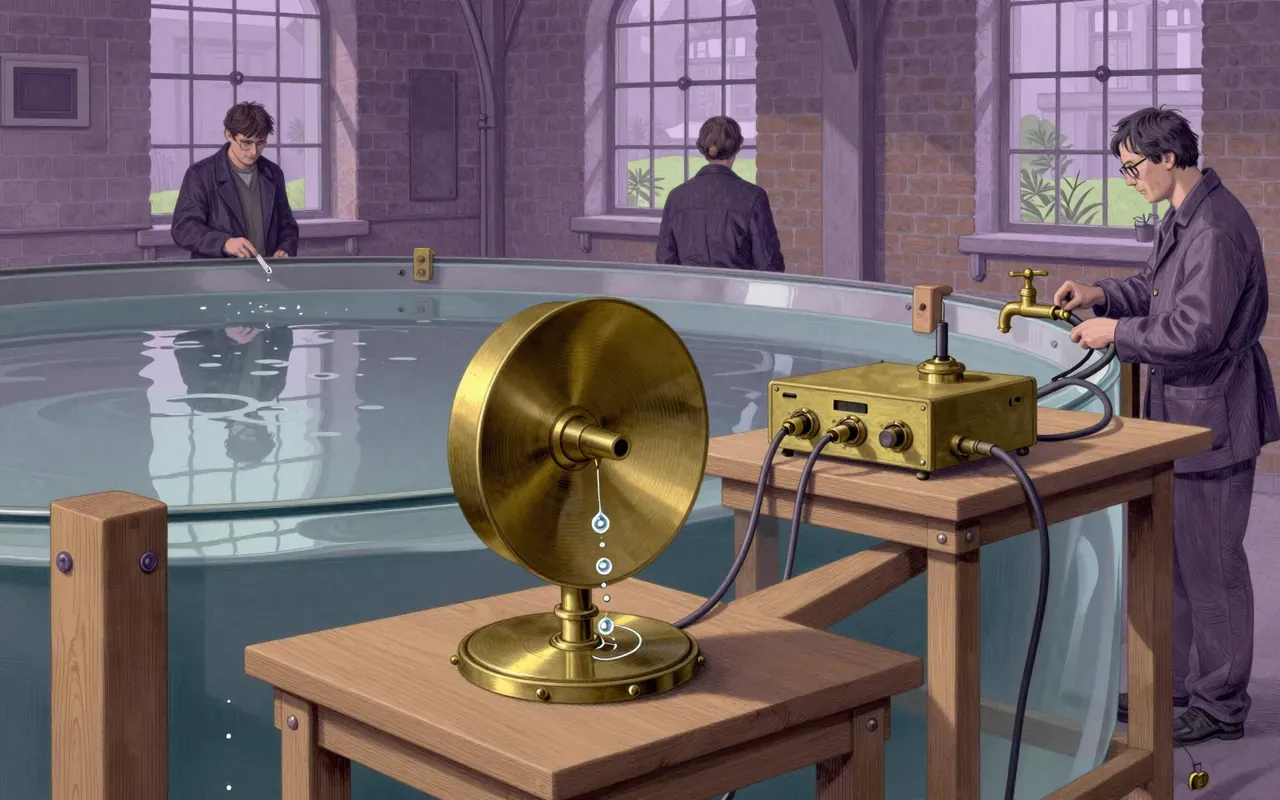
Langevin’s 1915 sonar was the first active underwater echo-ranging system. It used electrostatic and quartz piezoelectric transducers to send and receive ultrasound. Distance was calculated from signal time-of-flight. Though patented and physically demonstrated, it did not become operational before World War I ended. Electrostatic transducers were soon abandoned; quartz piezoelectric methods endured and scaled. The invention established the core mechanism of modern sonar — but delivered no tactical utility in its intended conflict.
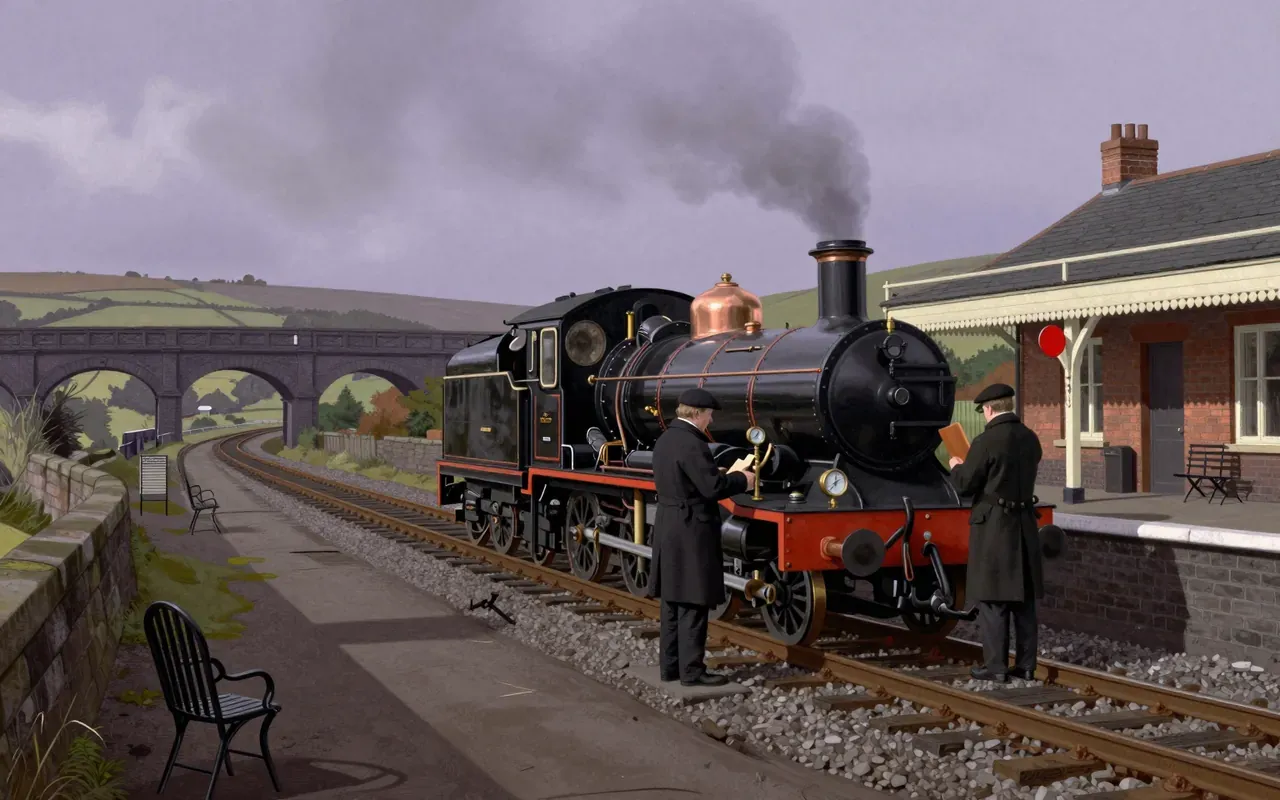
The standard-gauge railway is a deliberate, legislated solution to fragmentation — not an inevitable outcome of engineering progress.
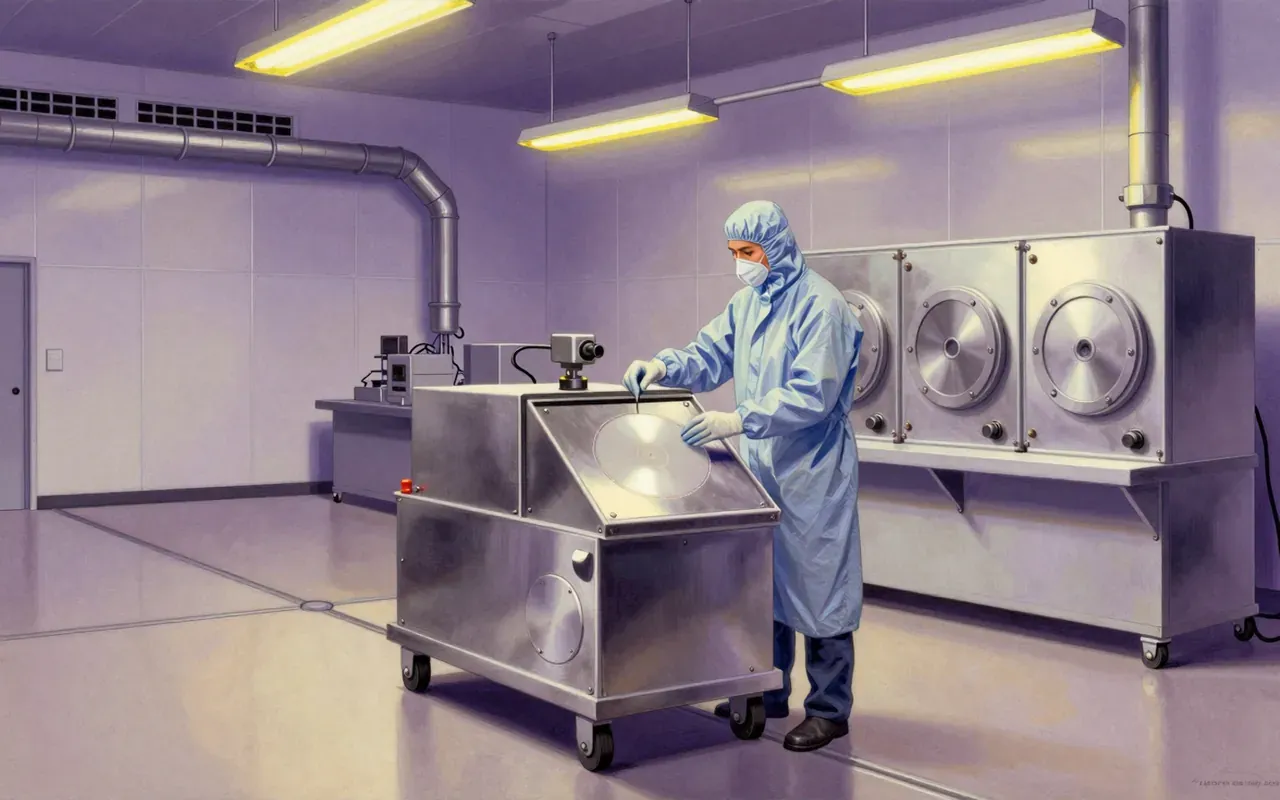
Synthetic rubber begins as a chemical demonstration, not an industrial replacement. Hofmann’s 1909 work proves isoprene polymerisation yields rubber — and nothing more. No performance, scale, or economics are stated. Its value lies in reframing rubber as synthesizable — not in delivering a usable material.
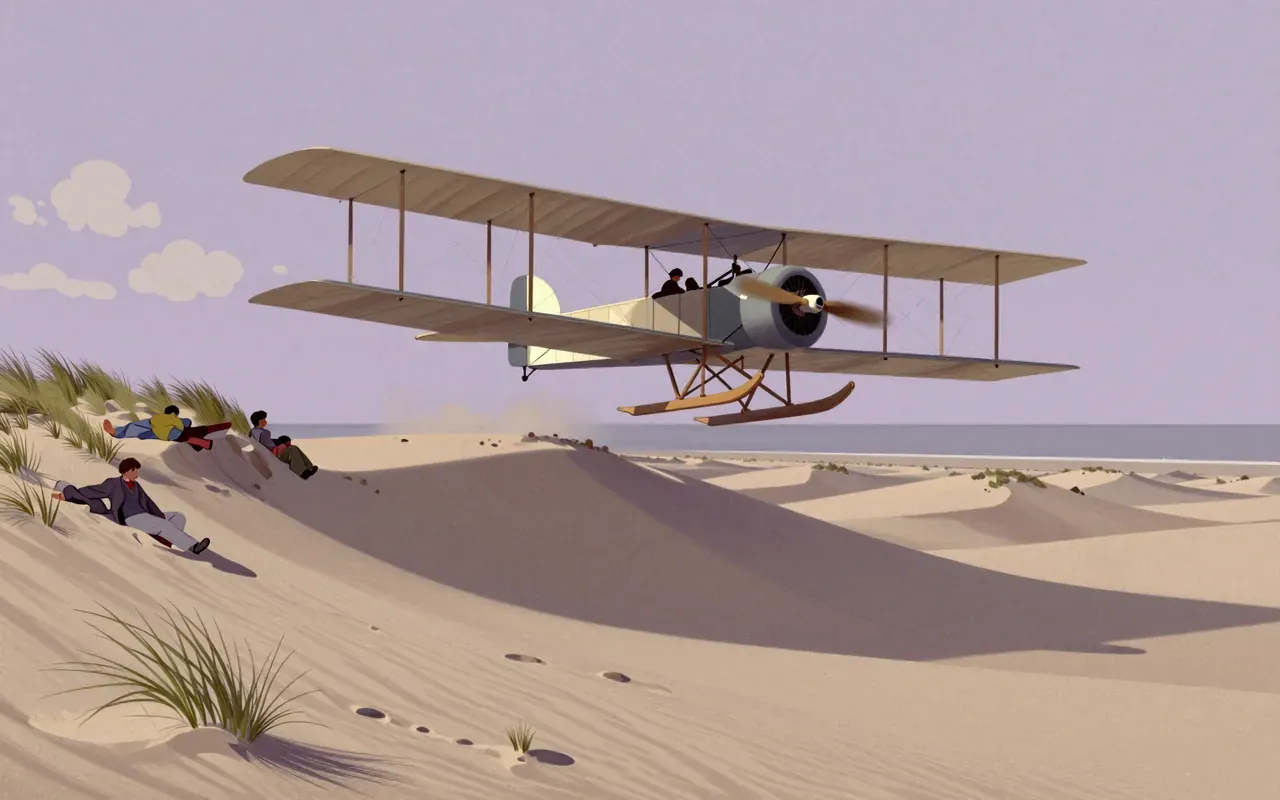
The Wright brothers solved the flying problem by inventing a three-axis control system—not an engine or airframe—but their patent, glider, and first flight all hinge on one insight: without reliable pilot control, powered flight is impossible.
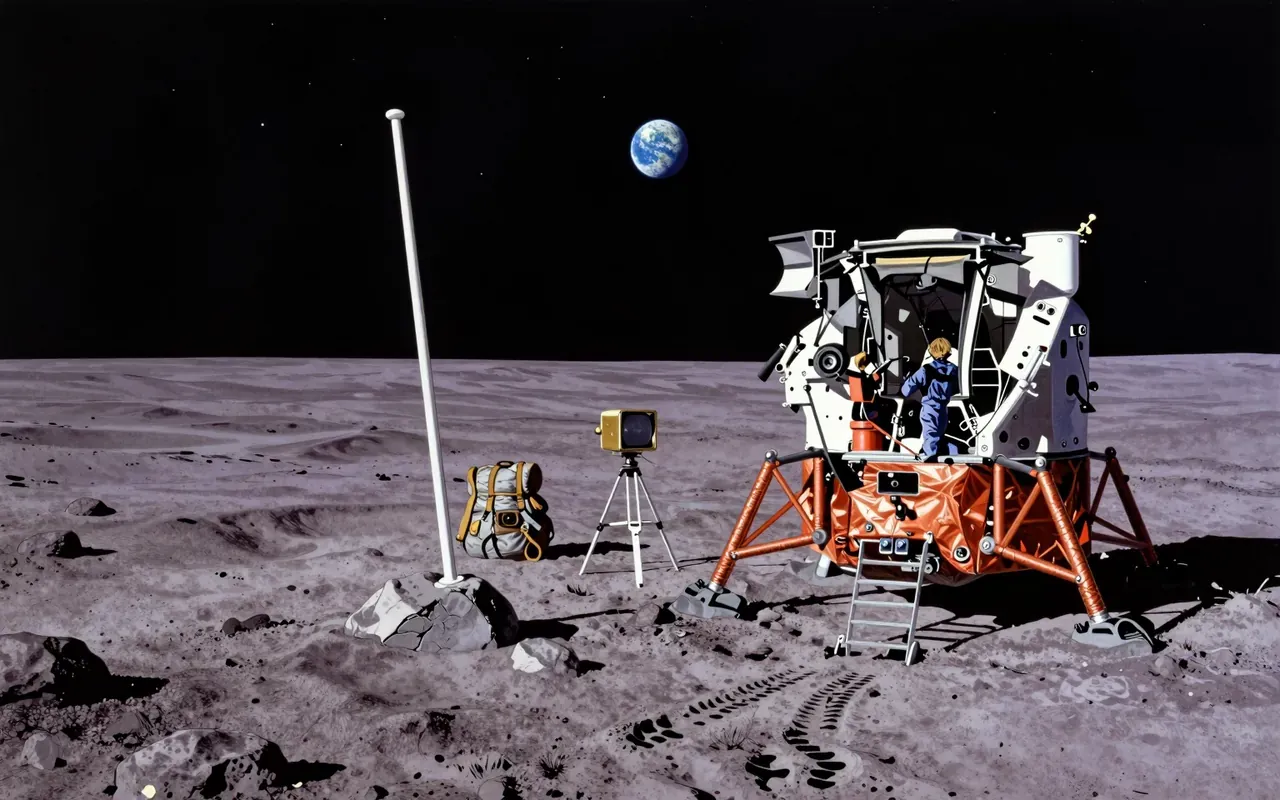
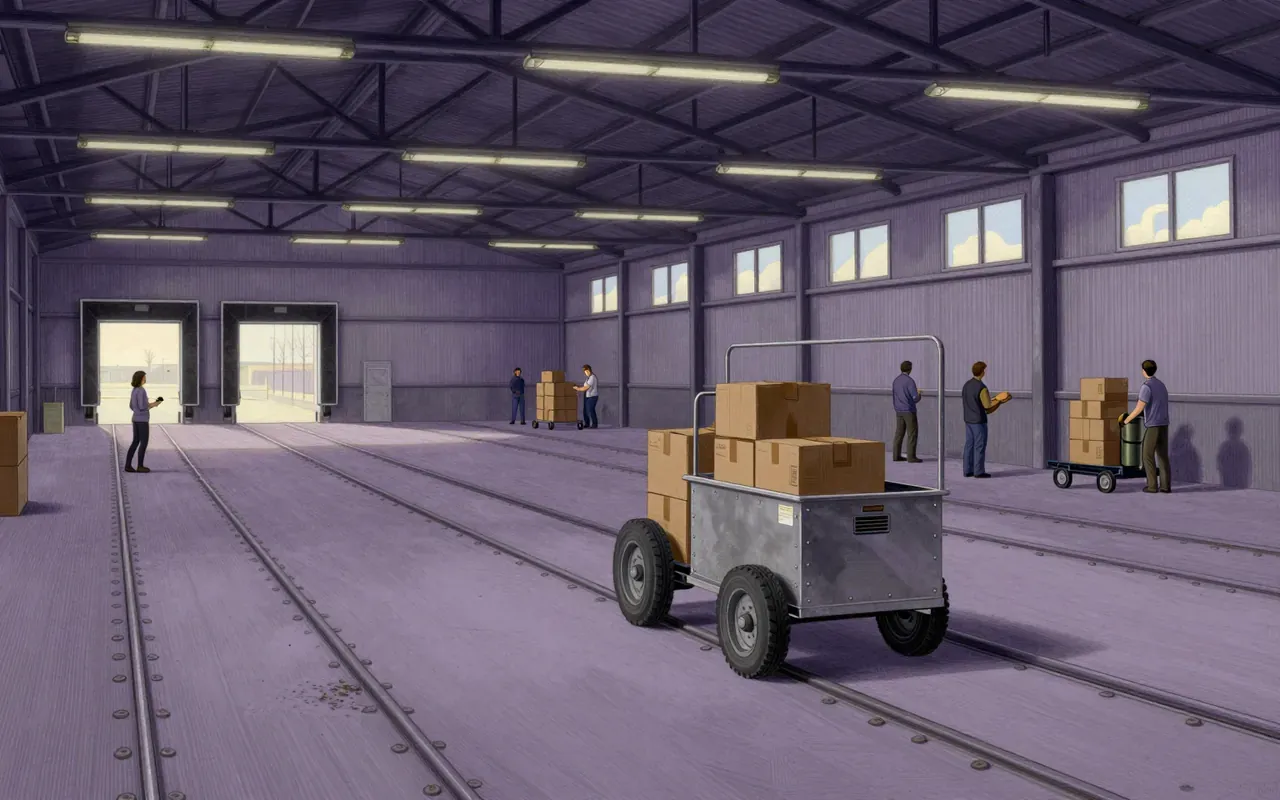
The Barrett Electronics AGV established guided vehicle automation as a physical layer—not a cognitive one. It moved payloads predictably, cheaply, and without rails—but demanded infrastructure, not intelligence. Its legacy is in floor plans, not algorithms.


The Benz Patent-Motorwagen is the first gasoline-powered automobile built in series and proven in extended real-world use. Its mechanism—four-stroke engine, belt-and-chain drive, evaporative cooling—was functional but limited. Its breakthrough was not theoretical elegance but empirical validation: Bertha Benz’s 1888 journey forced immediate, field-driven improvements. It changed nothing overnight—but it created the first reproducible template for what a car could be: a product, not a demonstration.

The barcode is a mechanically simple but commercially premature solution: a direct optical translation of Morse code into bars, read with repurposed cinema hardware. It worked in lab conditions but failed in practice—fading ink, no scanners, no standards, no buyers. Its value emerged only when retail infrastructure caught up, not because the invention matured.
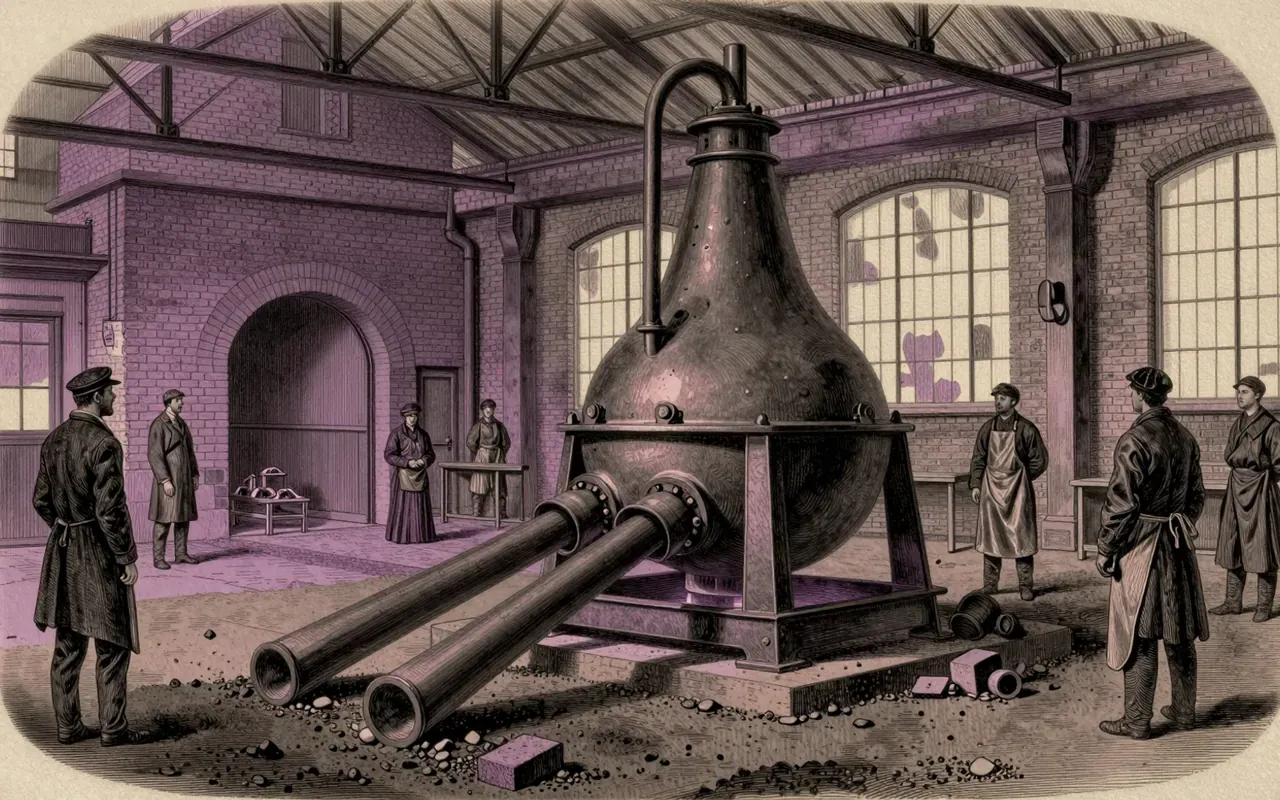
The Bessemer process is the first industrial method to mass-produce steel cheaply — by blowing air through molten pig iron to oxidise impurities, especially carbon. It works by self-heating oxidation, cuts batch time from a day to under 20 minutes, and forces deliberate carbon readdition. It fails to deliver finished steel in one step and cannot treat phosphorus-rich iron without later refinement. It changed structural engineering by enabling steel’s substitution for cast and wrought iron. It remains foundational — not because it endures, but because it proved scalable metallurgical control was possible.
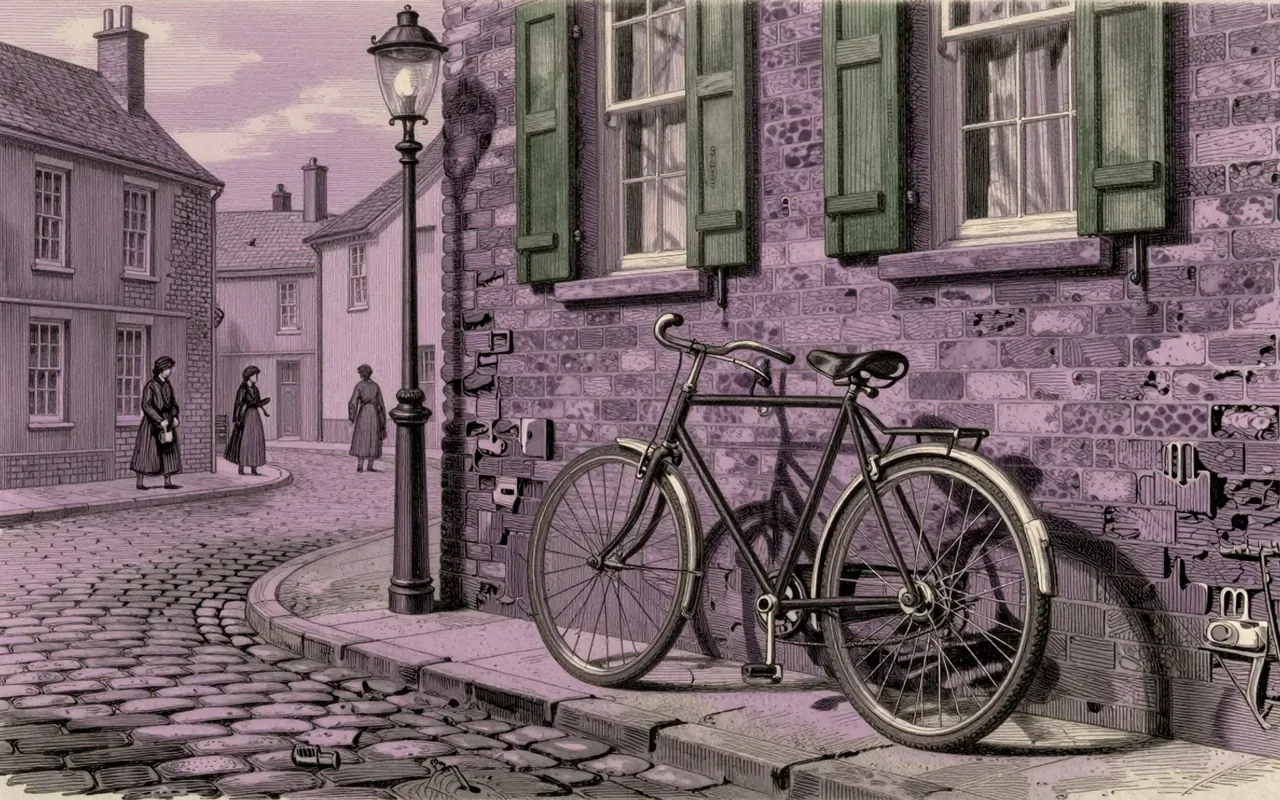
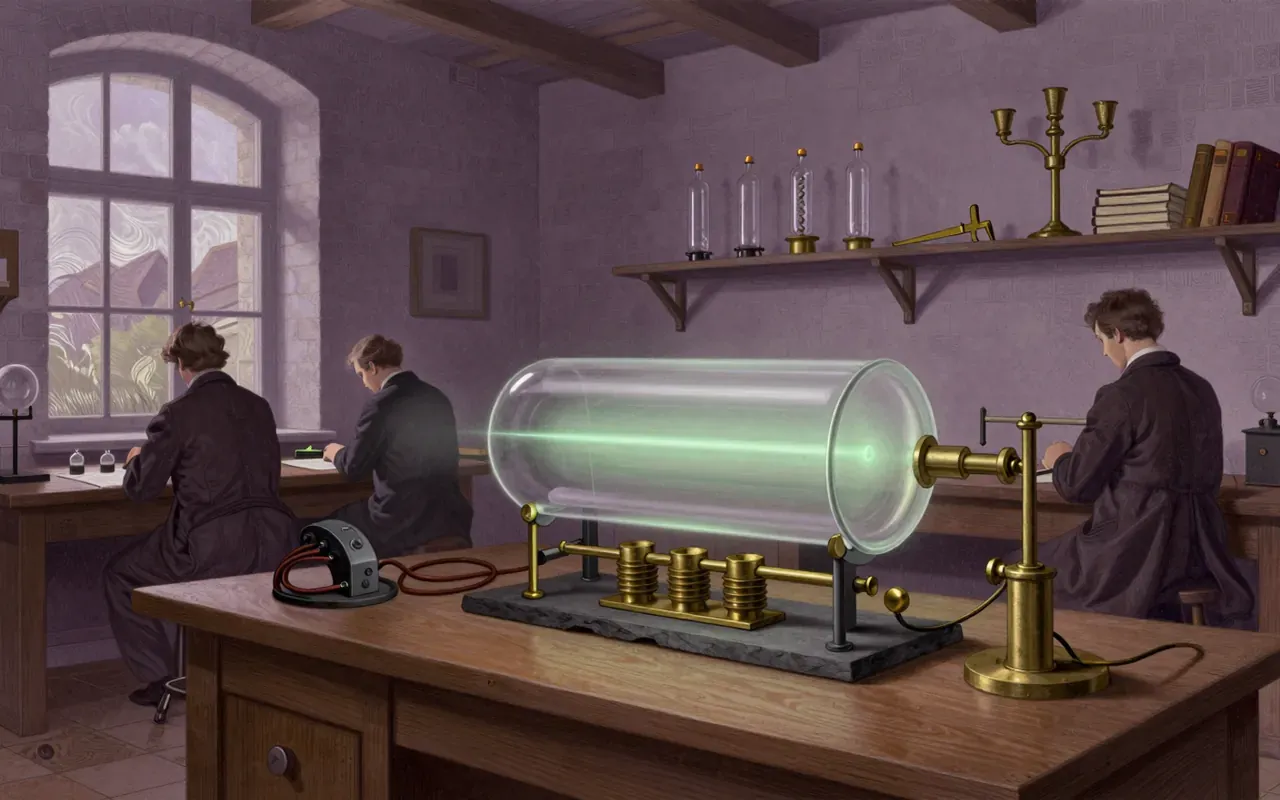
The Braun tube is a historically decisive but technically limited instrument: it proves electron beams can be displayed, but only at extreme voltage and with mechanical compromise. Its legacy lies in conception—not execution.
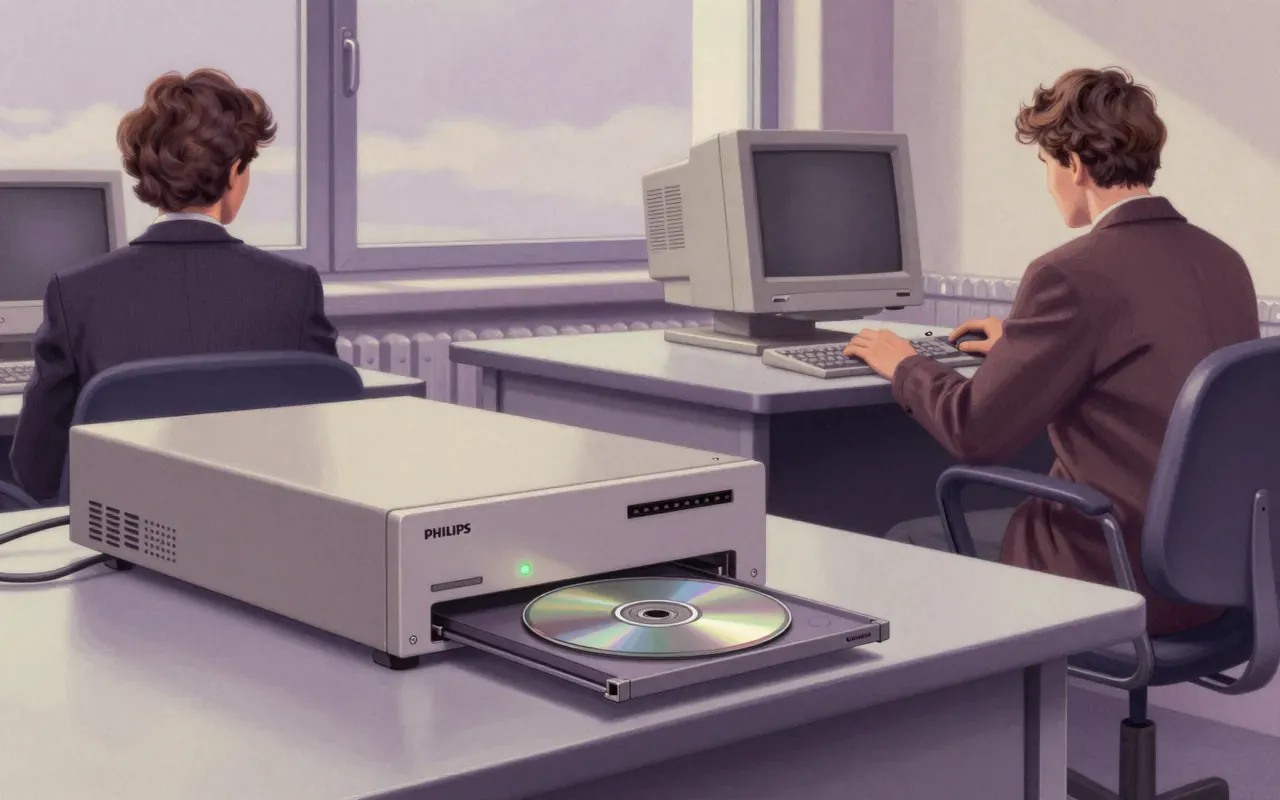
CD-ROM is a read-only optical data format co-developed by Philips and Sony, formalised in the 1983 Yellow Book. It reuses the CD-DA’s physical design and laser-read mechanism but repurposes pits and lands for arbitrary digital data—delivering 553 MB via destructive interference physics. It launched publicly in 1985 with Philips’ CM 100 drive. It solved mass-distribution problems for static software and reference material but failed as an archival or interactive medium—prompting Sony to launch write-once and magneto-optical variants by 1986 and 1988.
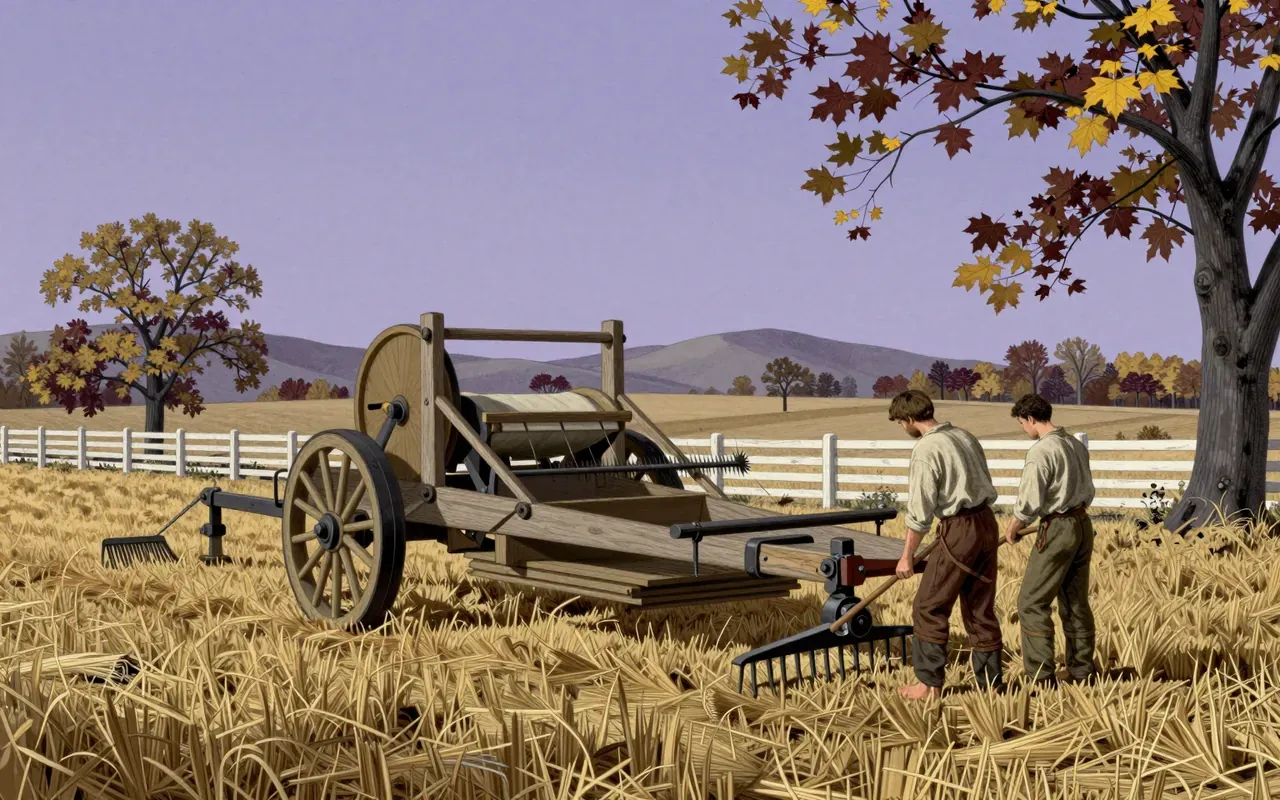
The 1835 Moore combine was a singular integration of three harvest operations — reaping, threshing, winnowing — in one horse-drawn machine. It proved the concept could function at scale (20+ ha by 1839) but introduced no labour savings, required massive animal power (20 horses), and left no operational legacy. Its importance is archival, not agronomic.
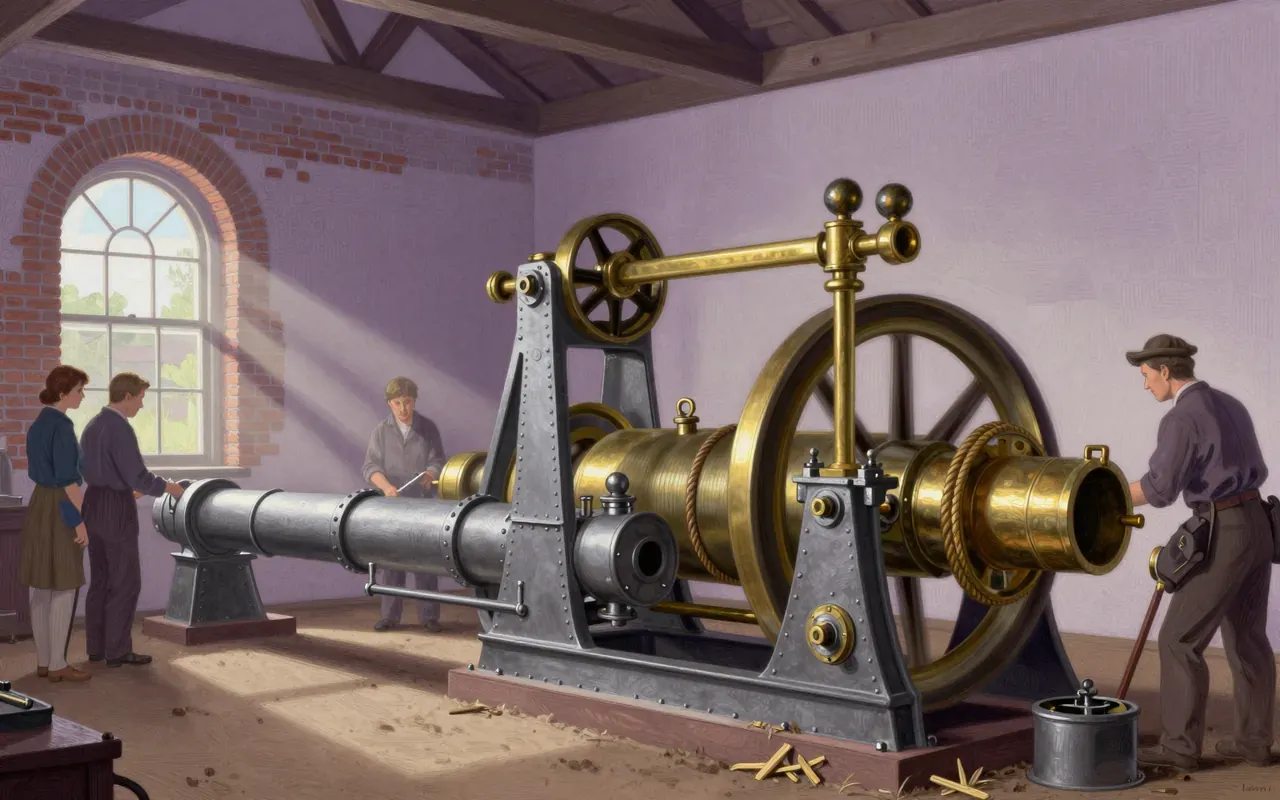
The Corliss steam engine is a mechanically elegant solution to stationary steam inefficiency—no more, no less.
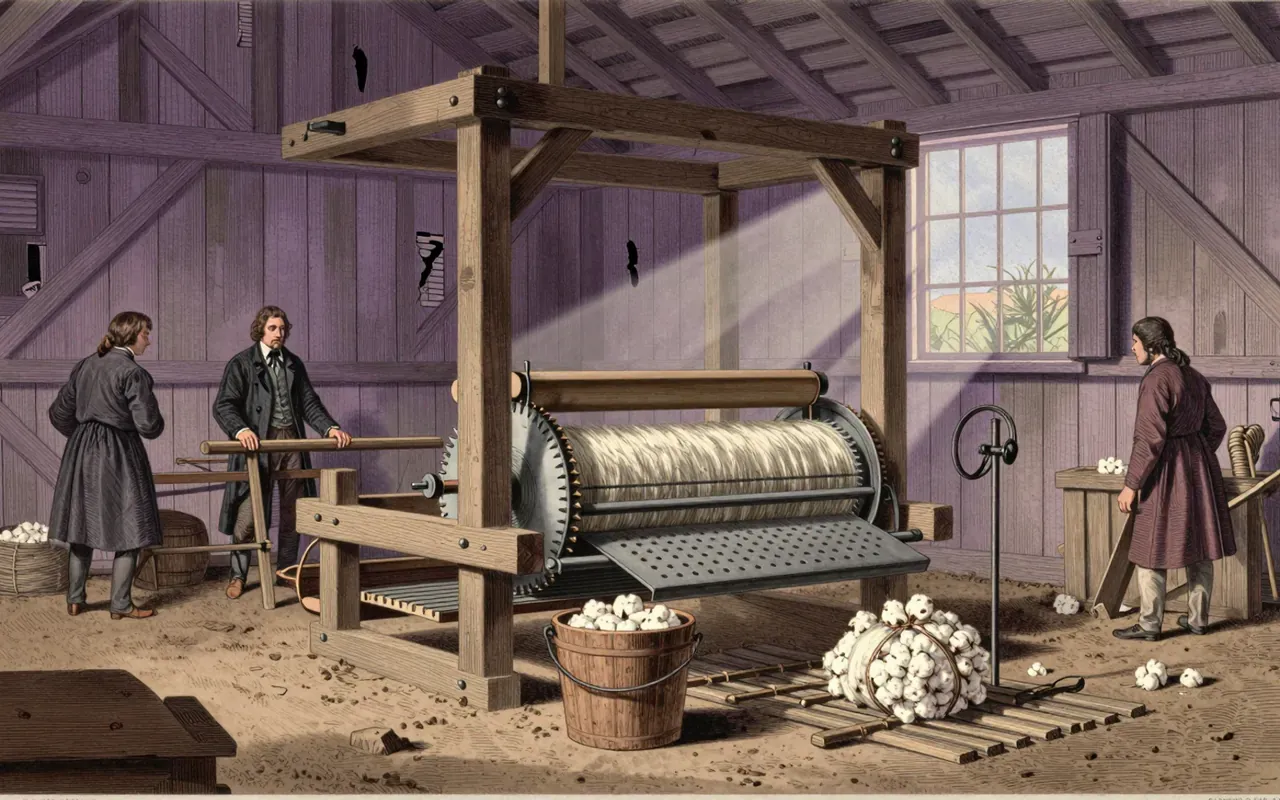
The cotton gin is a mechanical seed-removal device invented by Eli Whitney in 1793. It uses wire hooks on a rotating drum to pull cotton fibres through narrow ginning ribs, while a second rotating brush cylinder clears lint to prevent jams. It increased daily lint output from one pound (manual) to 50–55 pounds. This made cotton farming highly profitable, expanded U.S. cotton production, and catalysed a surge in exports—from under 500,000 pounds in 1793 to 93 million pounds by 1810. But it did not reduce overall labour demand. Instead, it shifted the bottleneck to field harvesting, intensifying reliance on enslaved people to pick cotton by hand. Its patent was granted in 1794 but not validated until 1807.

The crumple zone is a hardware solution that redefined automotive safety by separating function across the car body: rigid for survival, deformable for energy absorption. It works. It spread. It remains indispensable.
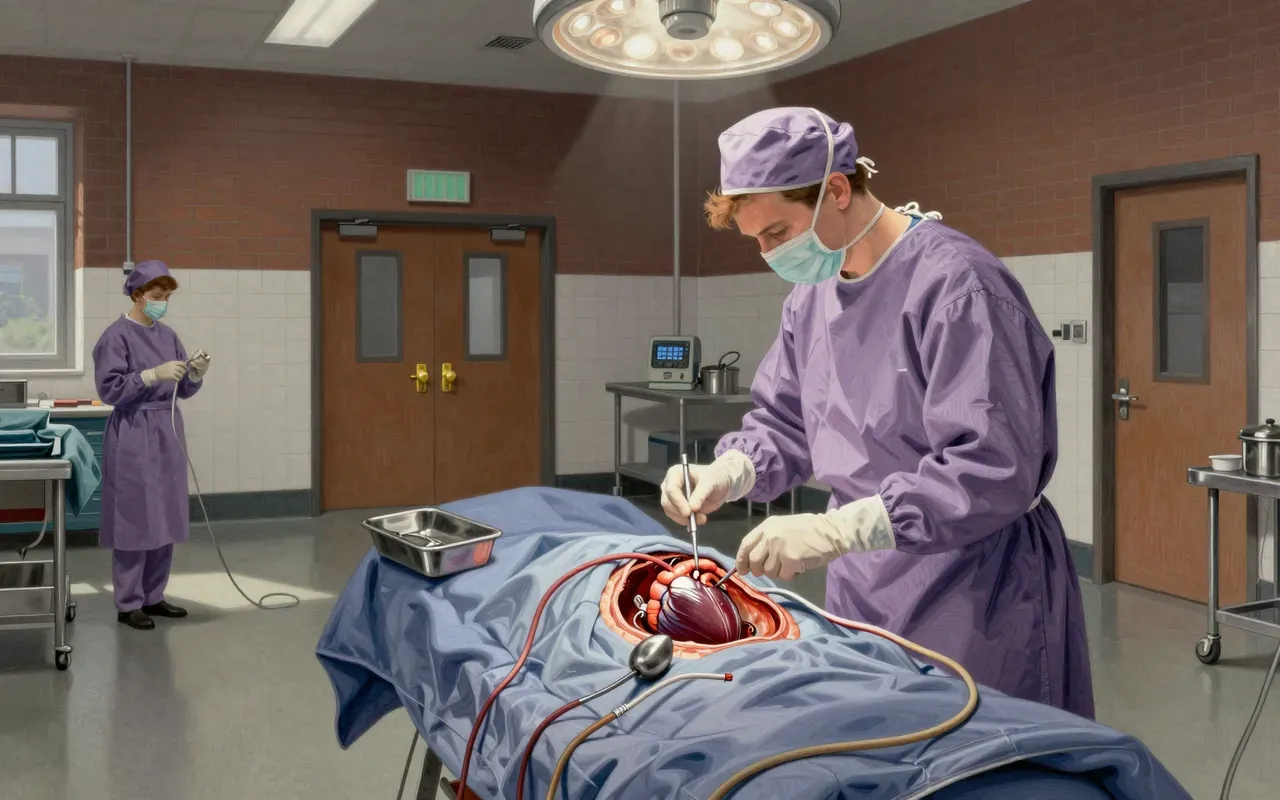
The AED is not one invention but three: Beck’s 1947 surgical intervention, Pantridge’s 1957 portable ambulance unit, and the Heart-Aid’s late-1970s public automation. Only the last meets the definition of 'automated external'. Its mechanism—real-time ECG analysis, voice-guided operation, and rhythm-dependent shock delivery—removes interpretation from the user. But it only works if pads are correctly placed and the patient is untouched during analysis. It does not diagnose other rhythms. It does not treat asystole or PEA. Its value lies in speed, not intelligence.
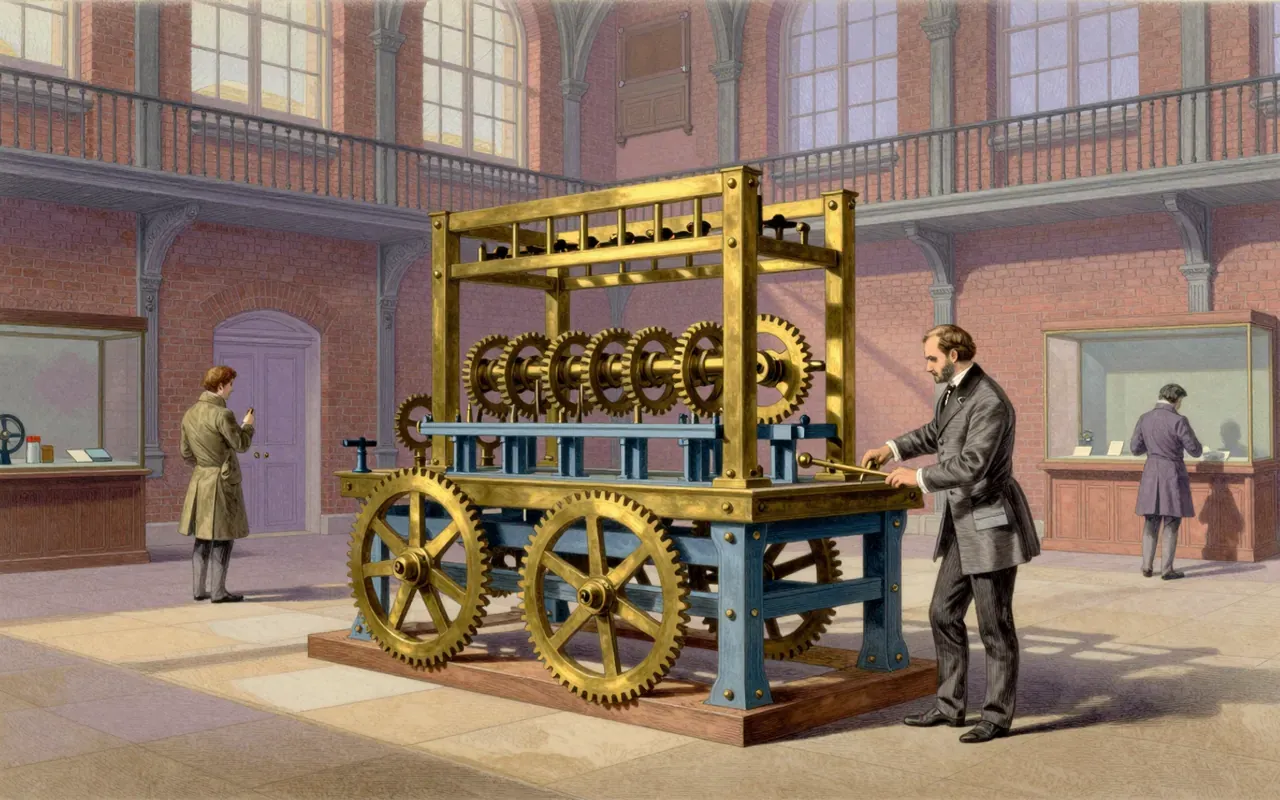
The difference engine is a proof that mechanical computation at high precision was possible in the 1820s—but only for one narrow class of problems, and only if built correctly. Its value lies not in what it delivered, but in what it demonstrated could be delivered.

DVD is a standardised optical storage format invented in 1995 and released in Japan on 1 November 1996. It stores any digital data. Its key advance over CD is higher capacity—up to 17.08 GB—achieved within identical physical dimensions via tighter pit geometry and layering. It succeeded commercially for video and software distribution but failed to unify playback due to format wars (DVD±R), region locks, and copy protection.

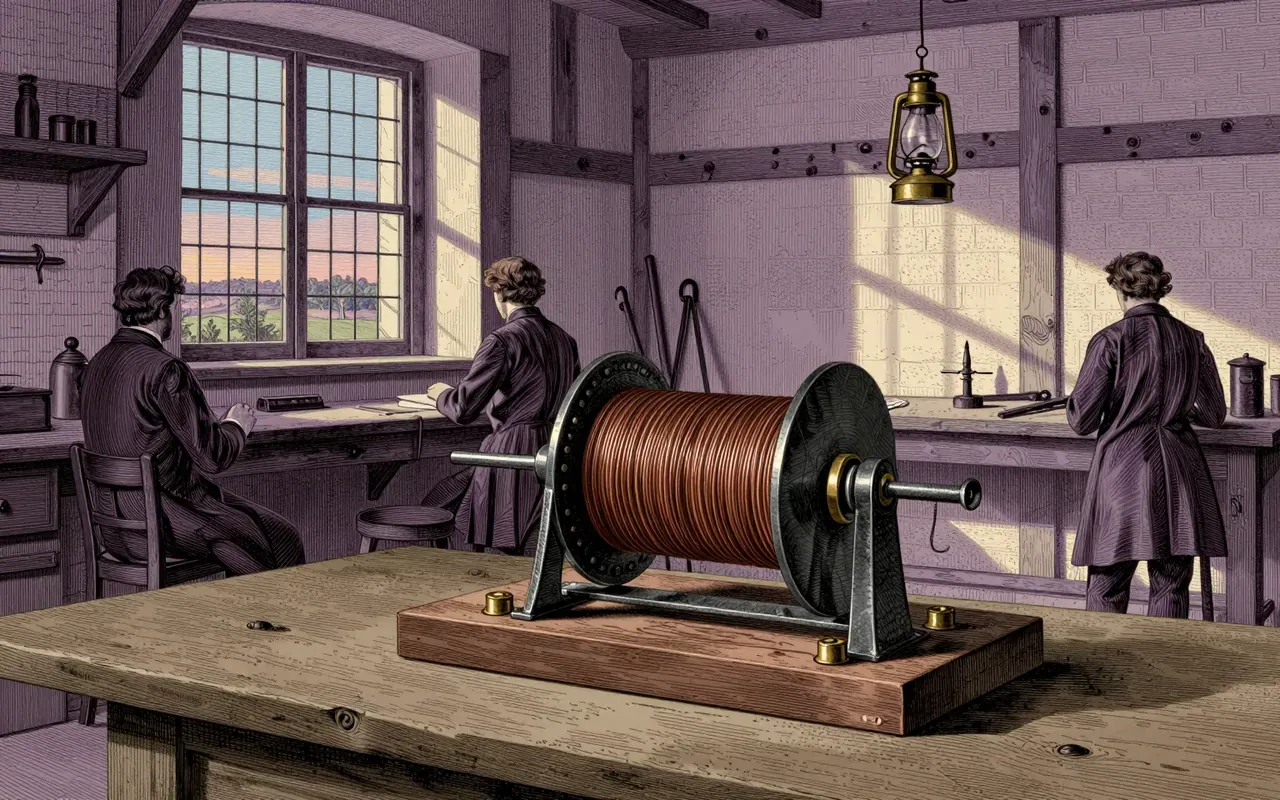
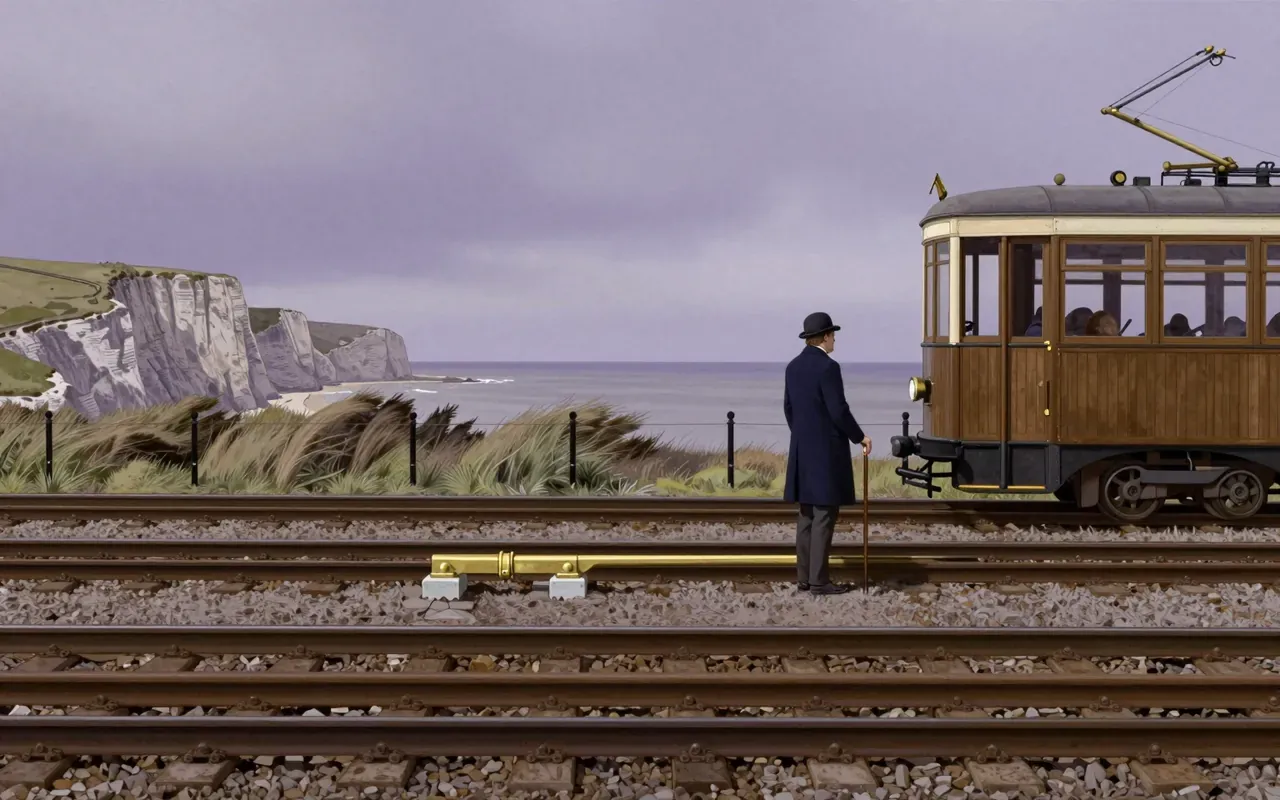
Volk's Electric Railway is operationally continuous but technically marginal. It demonstrates longevity, not leadership. Its engineering adaptations were local fixes — not transferable standards. Siemens set the template. Volk kept a line alive.
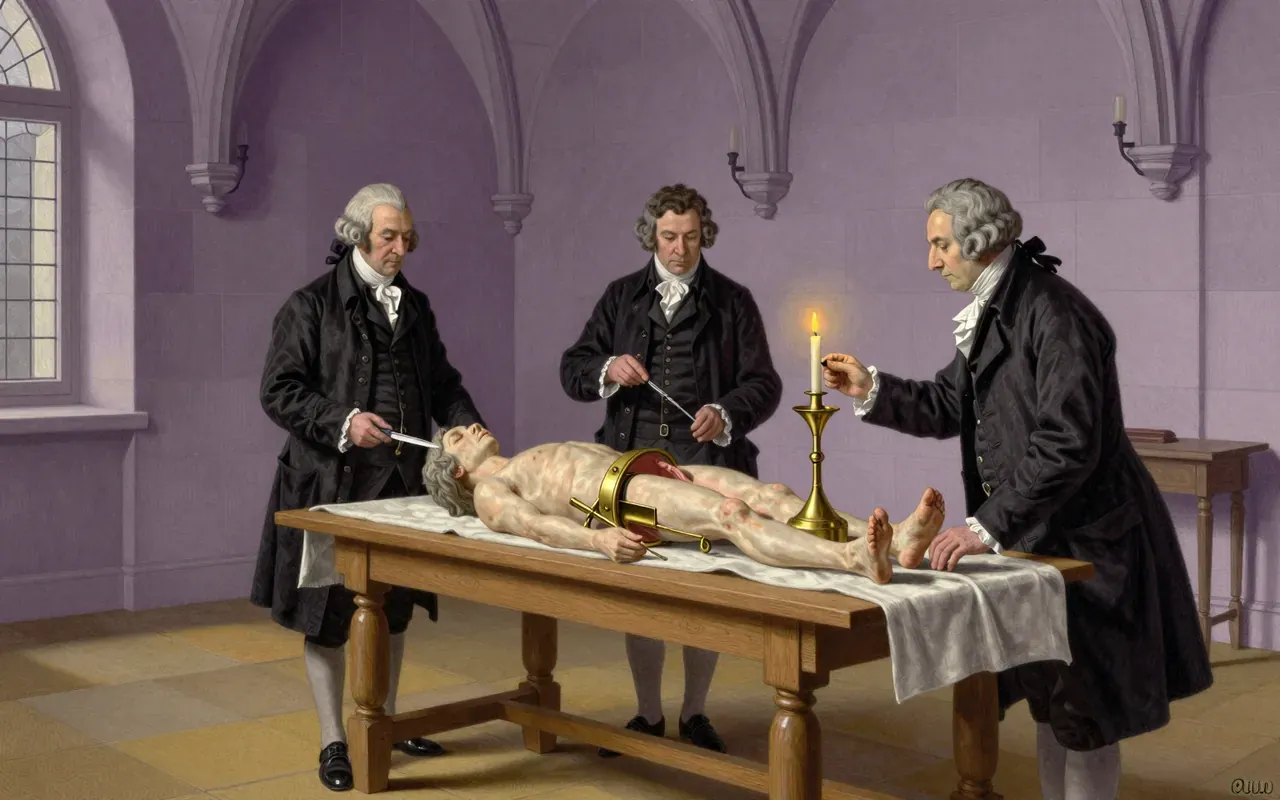
Bozzini’s Lichtleiter established endoscopy as a category: a purpose-built optical conduit for internal light and view. It worked technically in most cavities. It failed institutionally — blocked by authority, not physics. Its legacy is conceptual, not clinical.
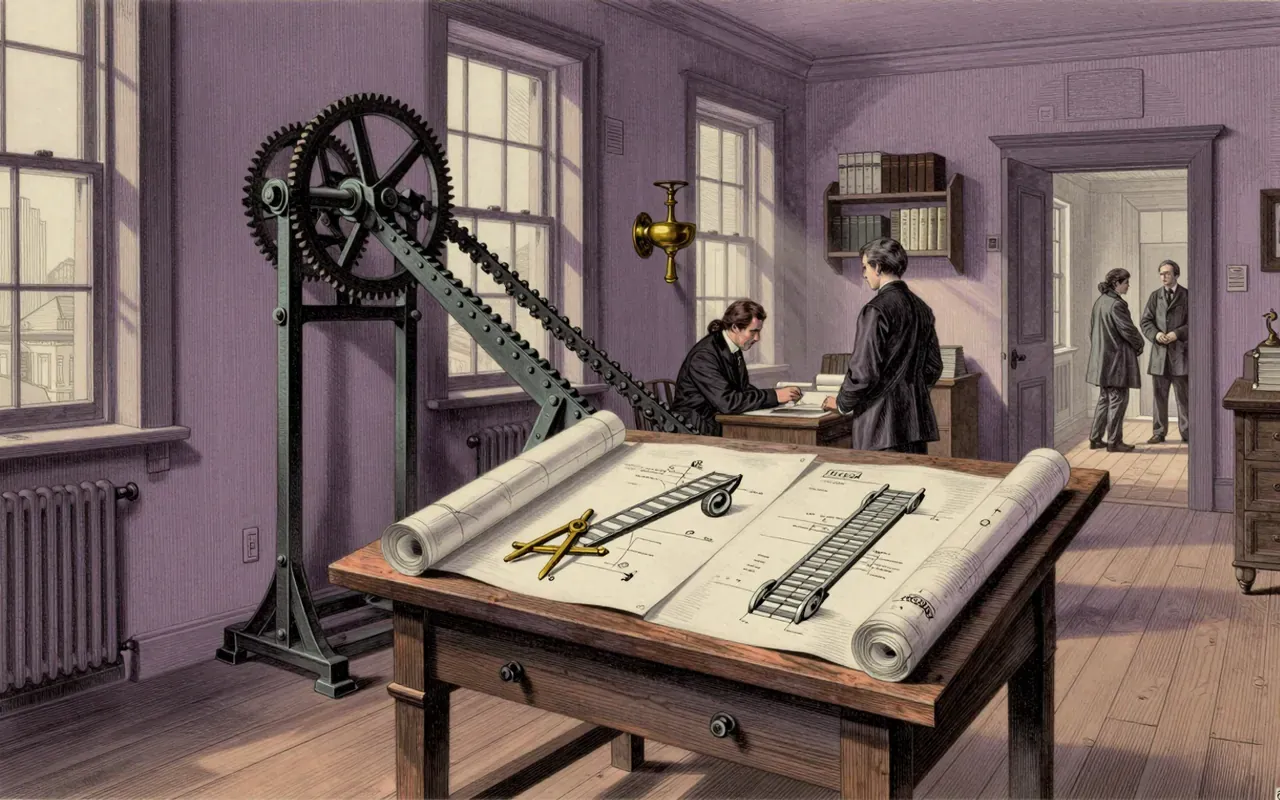

The floppy disk is a hardware innovation that enabled portable, standardised, low-capacity digital data exchange in IBM mainframe environments. It succeeded where earlier media failed — not by being faster or denser, but by being specifiable, licensable, and physically durable enough for daily use in controlled settings.
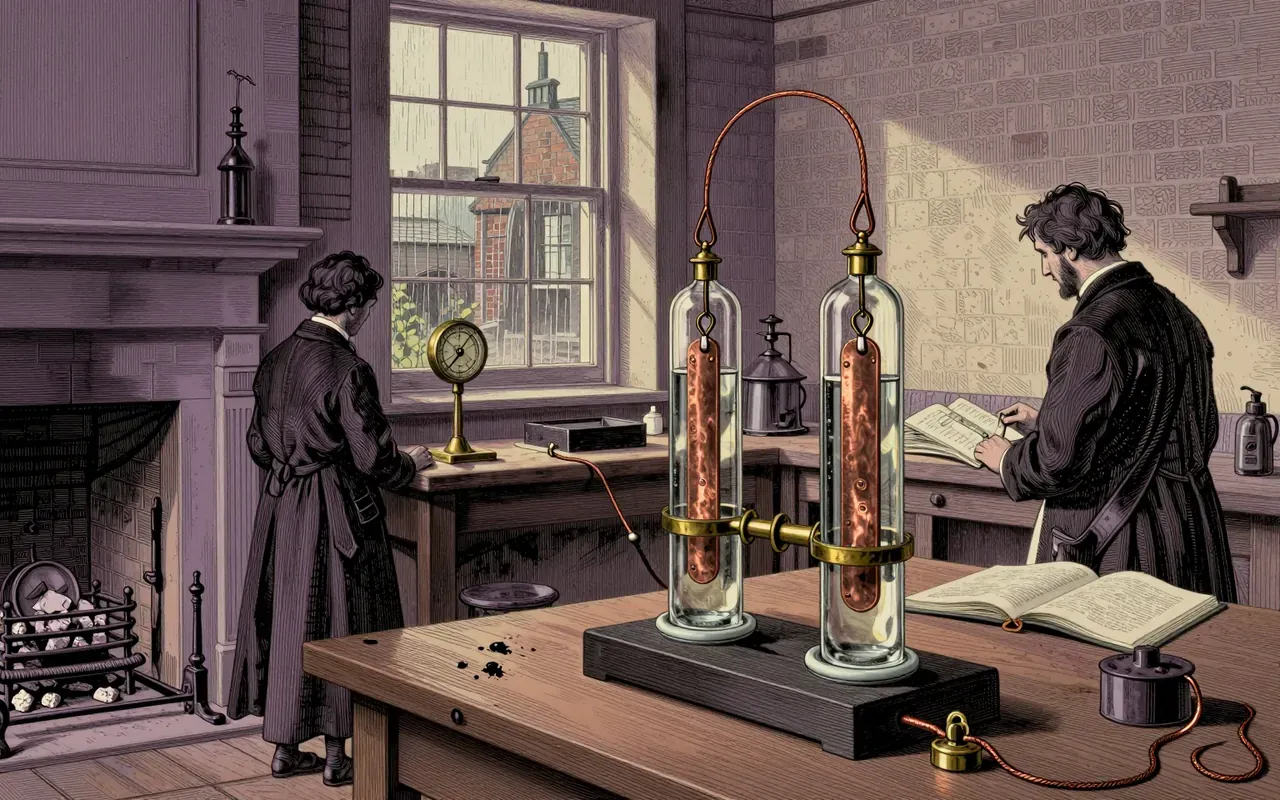
Grove’s fuel cell is a foundational experiment, not a functional technology. It demonstrated atomic reversibility, not power generation.

John Barber’s 1791 gas-turbine patent describes a continuous-flow internal combustion engine with compressor, combustor, and turbine — the first to integrate all three in a self-contained gas-generator core. It operates on the Brayton cycle. No evidence exists that it was built or ran. It changes how we classify engines — distinguishing true gas turbines from exhaust-driven devices — but delivers no working performance, no efficiency data, and no engineering resolution of ignition, heat tolerance, or rotational balance. Its significance is taxonomic, not operational.
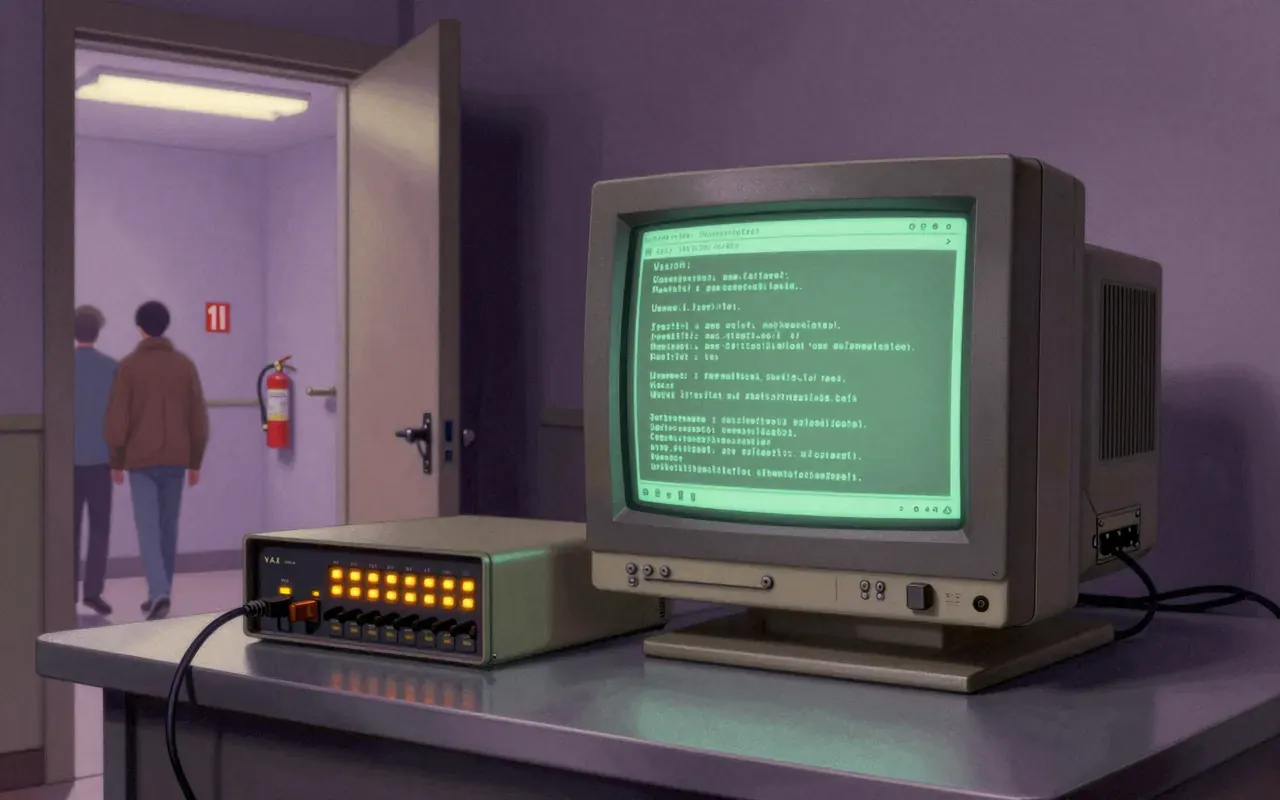
The GNU Manifesto is not code. It is a deliberate, public, repeatable act of movement-building—written to recruit, not just explain.
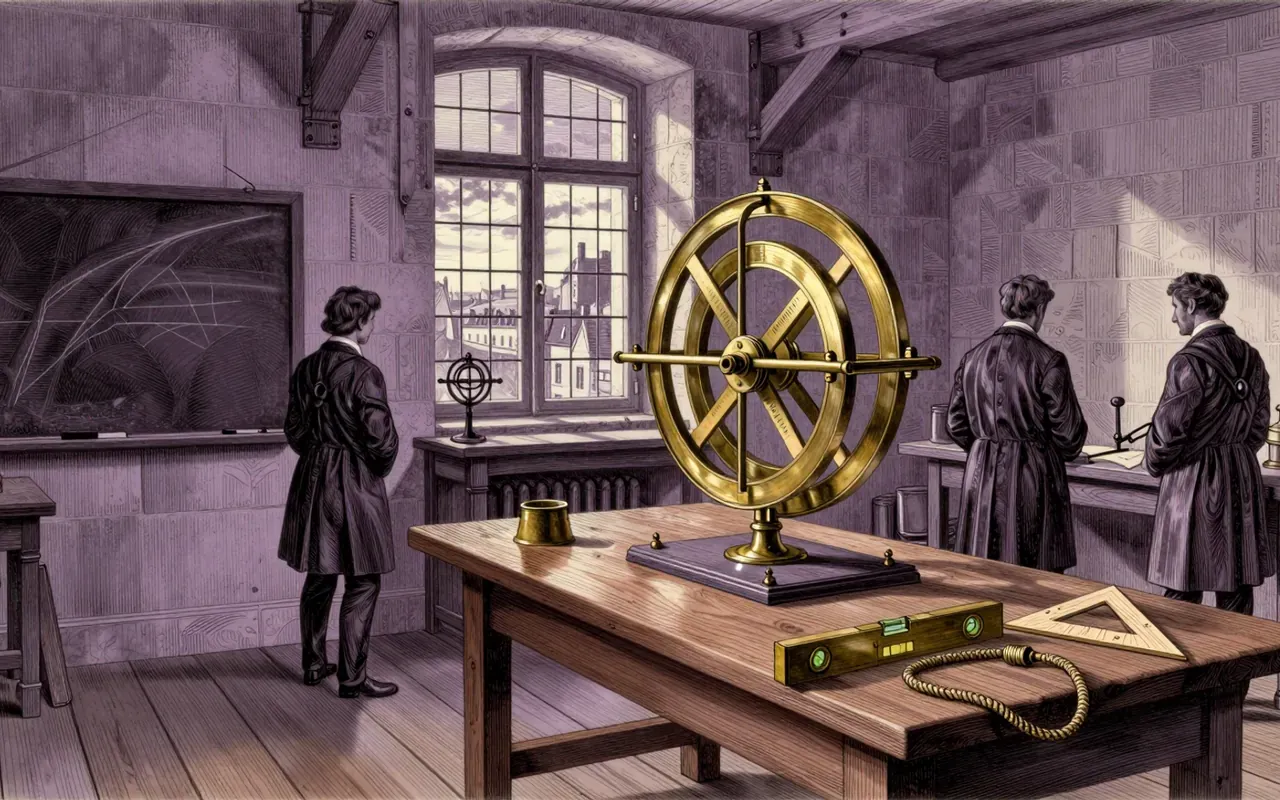
The gyroscope is a demonstration device, not a tool. It makes Earth’s rotation locally visible — for less than ten minutes — using nothing but inertia and friction. It changed pedagogy, not engineering.

Robert C. Webber’s 1948 invention was not the first heat pump—but the first to use the ground as a thermal source. Its efficiency gain comes solely from stable input temperature, not new thermodynamics. It remains niche because it requires land, excavation, and integration at build stage—not after.
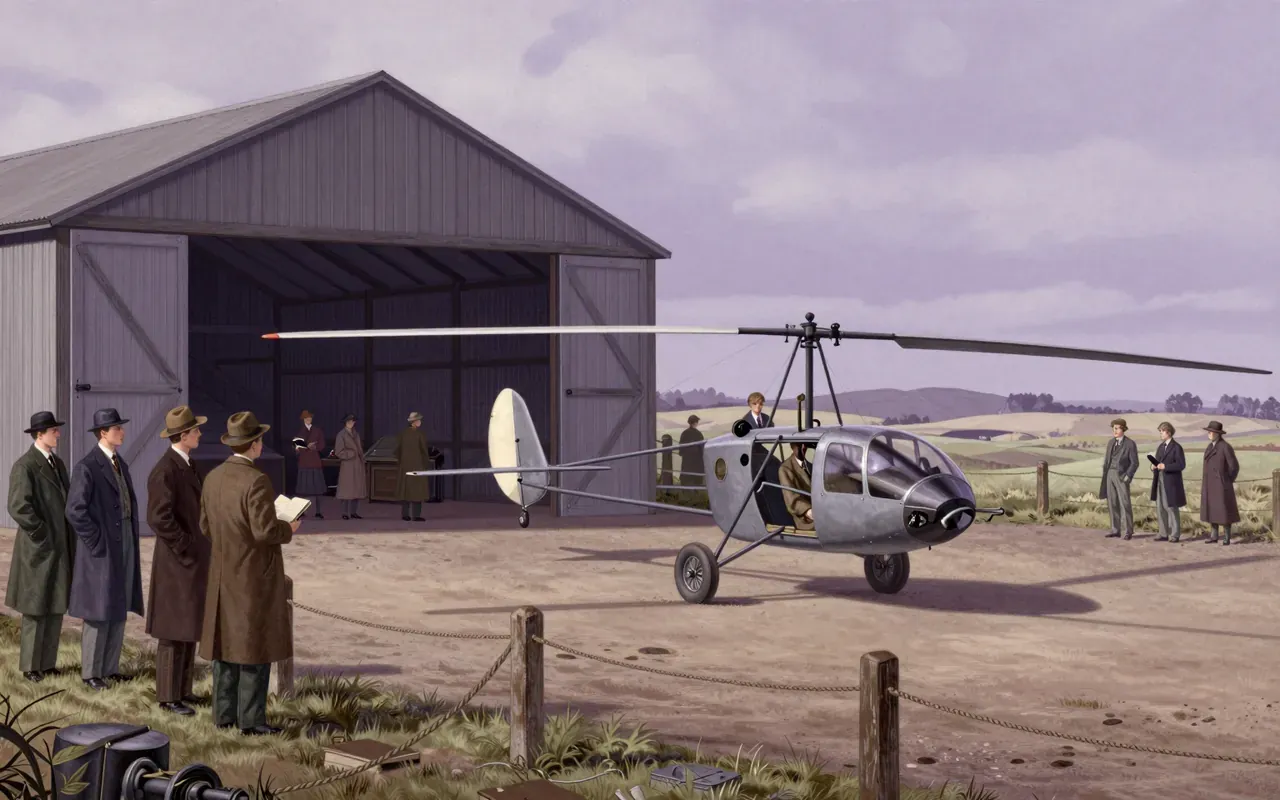
The articulated rotor solved dissymmetry of lift in autogyros using mechanical hinges—not powered rotation. It enabled stable forward flight and jump take-off, but did not enable hovering or VTOL. Its influence on helicopters is real but indirect: it provided the hinge architecture, not the propulsion model.
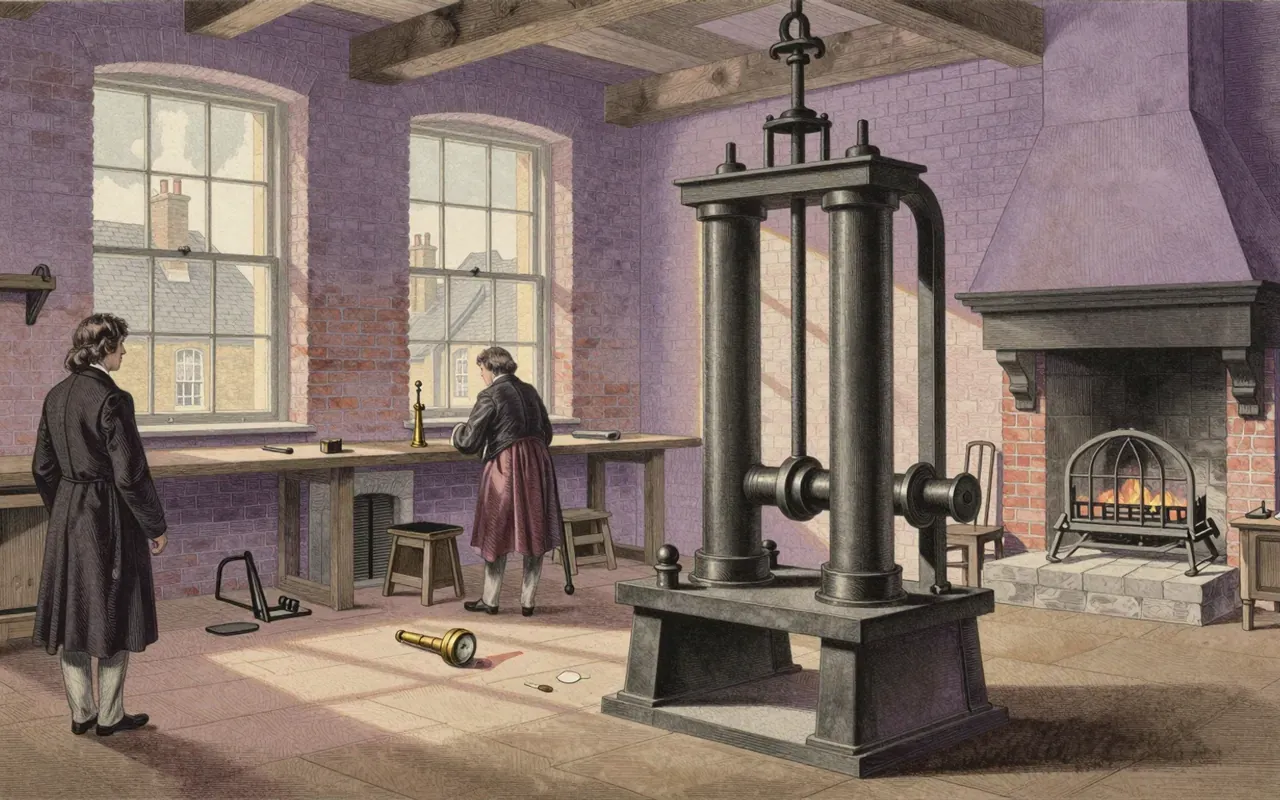
The hydraulic press is a force-amplifying apparatus built on Pascal’s principle. Bramah patented it in 1795. It works. It scales. It leaks. It endures.


The ISBN is a pragmatic, nationally administered, error-checked identifier for book editions. It succeeded because it solved a narrow operational problem—inventory control—with minimal abstraction. It does not describe content, authorship, or meaning. Its longevity comes from institutional adoption, not technical elegance.

The jet engine solved thrust scaling for high-speed flight, but Whittle’s and von Ohain’s first implementations were experimental dead ends — low-efficiency, non-production designs that proved the principle but not the path.
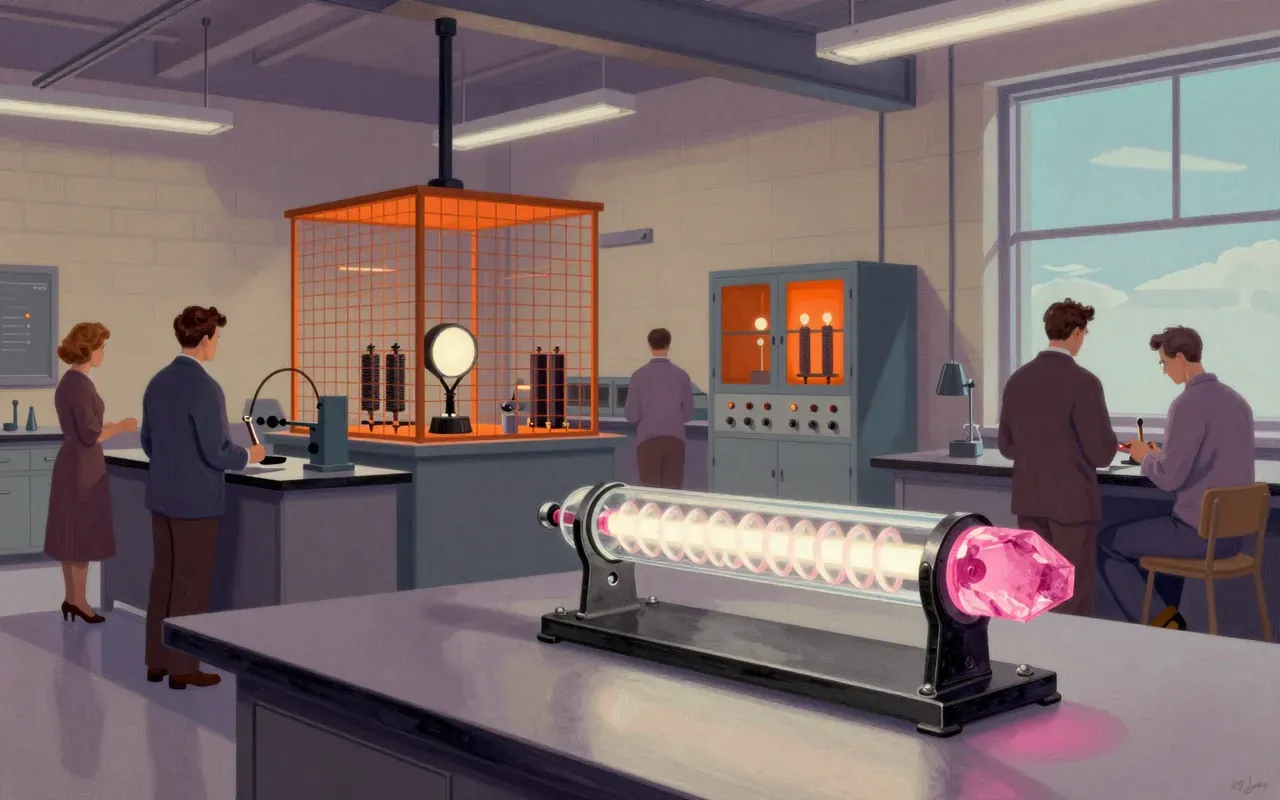
Theodore Maiman’s 1960 laser is a milestone in quantum electronics—not because it launched applications, but because it proved coherence could be engineered in a solid, at room temperature, using flashlamp excitation. Its limitations are structural: three-level pumping demands high peak power and prevents continuous operation. Its success lies in specificity: 694 nm, pulsed, ruby, May 16, Malibu.

The Linotype machine is a hot metal line-casting system invented by Ottmar Mergenthaler and first commercially installed in July 1886 at the New York Tribune. It assembles matrices into lines and casts them as single slugs of type metal, returning matrices for reuse. It delivered three to five times faster composition than hand-setting and was immediately deployed on both daily newsprint and book production — beginning with The Tribune Book of Open-Air Sports. It did not eliminate metal handling, support proportional spacing, or function outside hot metal infrastructure. Its value lies in its immediate, measurable acceleration of mechanical typesetting — not in conceptual novelty or long-term inevitability.
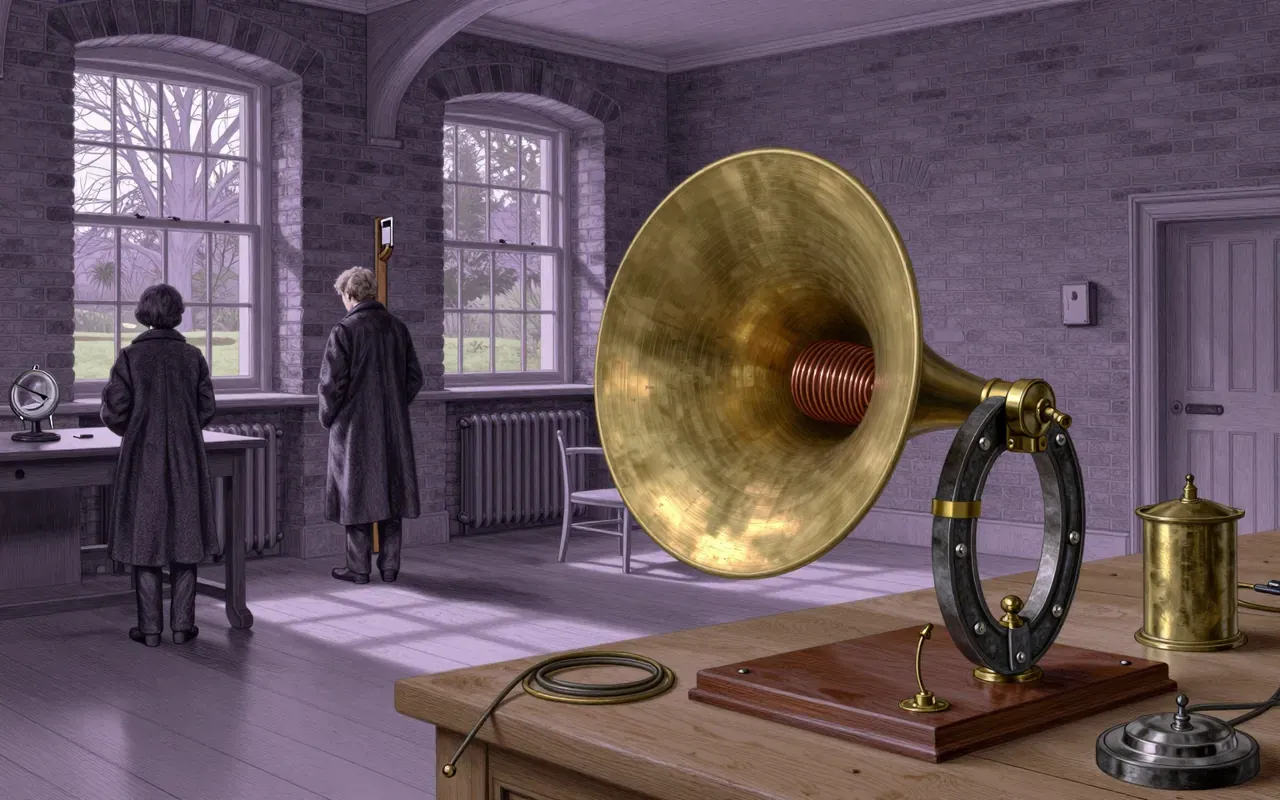
Lodge’s 1898 invention is the origin point of the moving-coil loudspeaker—but it was experimental, uncommercialised, and functionally limited. It proved electromagnetic transduction could move air. It did not solve amplification, fidelity, or scalability. Its value lies in principle, not performance.

Gauss’s 1833 magnetometer established absolute measurement of Earth’s magnetic field strength using oscillation frequency differences — a tenfold precision gain over predecessors. It was the first instrument to derive a non-mechanical quantity from mechanical fundamentals. It did not measure direction or local variation; it required stable conditions and assumed ideal magnetic and torsional behaviour. Its legacy is metrological, not operational.

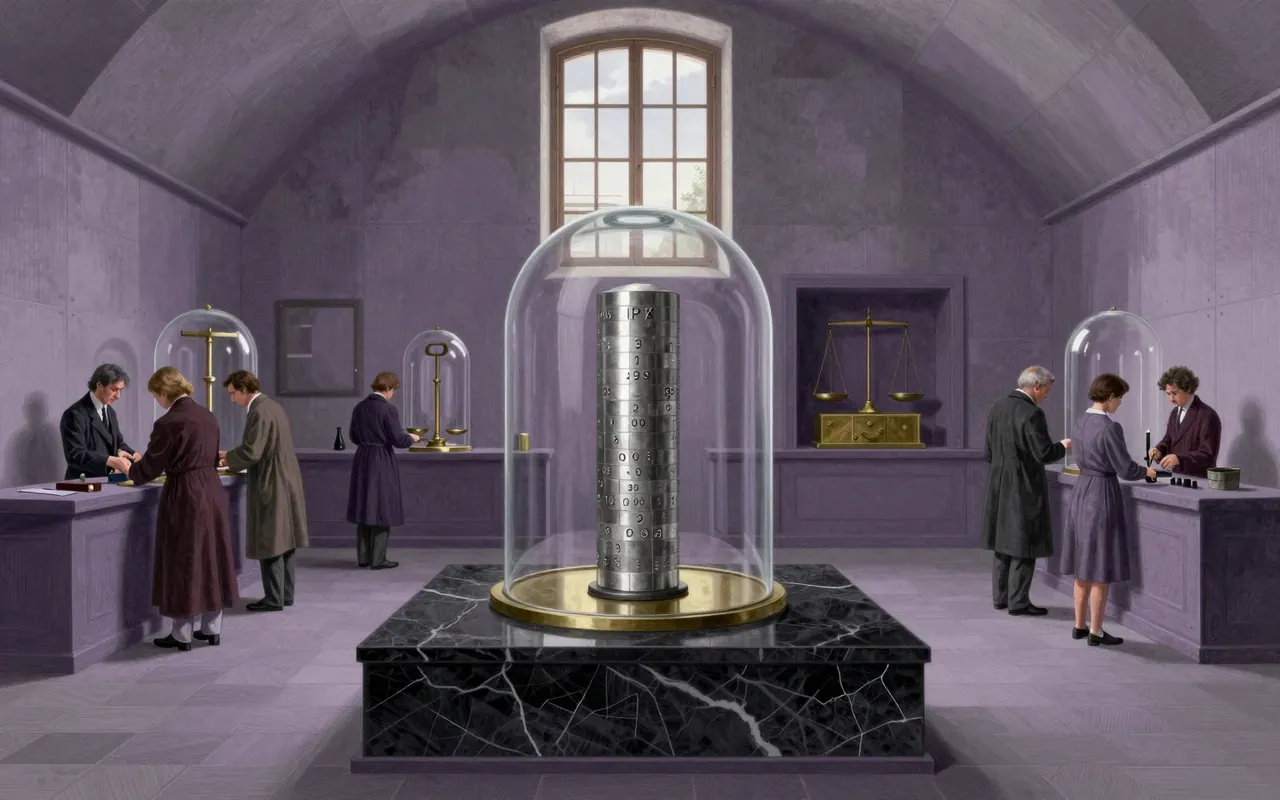


Percy Spencer’s 1945 microwave oven invention repurposed radar magnetrons for cooking. It works by dielectric heating in a sealed metal cavity. Popcorn and candy heat reliably. Eggs explode. The first commercial unit—the Radarange—arrived in 1947. No claim about speed, size, price, or adoption beyond what sources state.


Claude’s neon tube lighting was not the first gas-discharge light—but it was the first commercially viable one. Its success hinged on solving two engineering problems: keeping neon pure inside a sealed tube, and stopping electrodes from eroding under electrical stress. It turned air liquefaction waste into revenue. It did not enable low-power indicators—that came later, with Moore’s coronal-discharge lamp. It did not eliminate maintenance—it deferred it. Its real innovation was industrial integration, not physics.
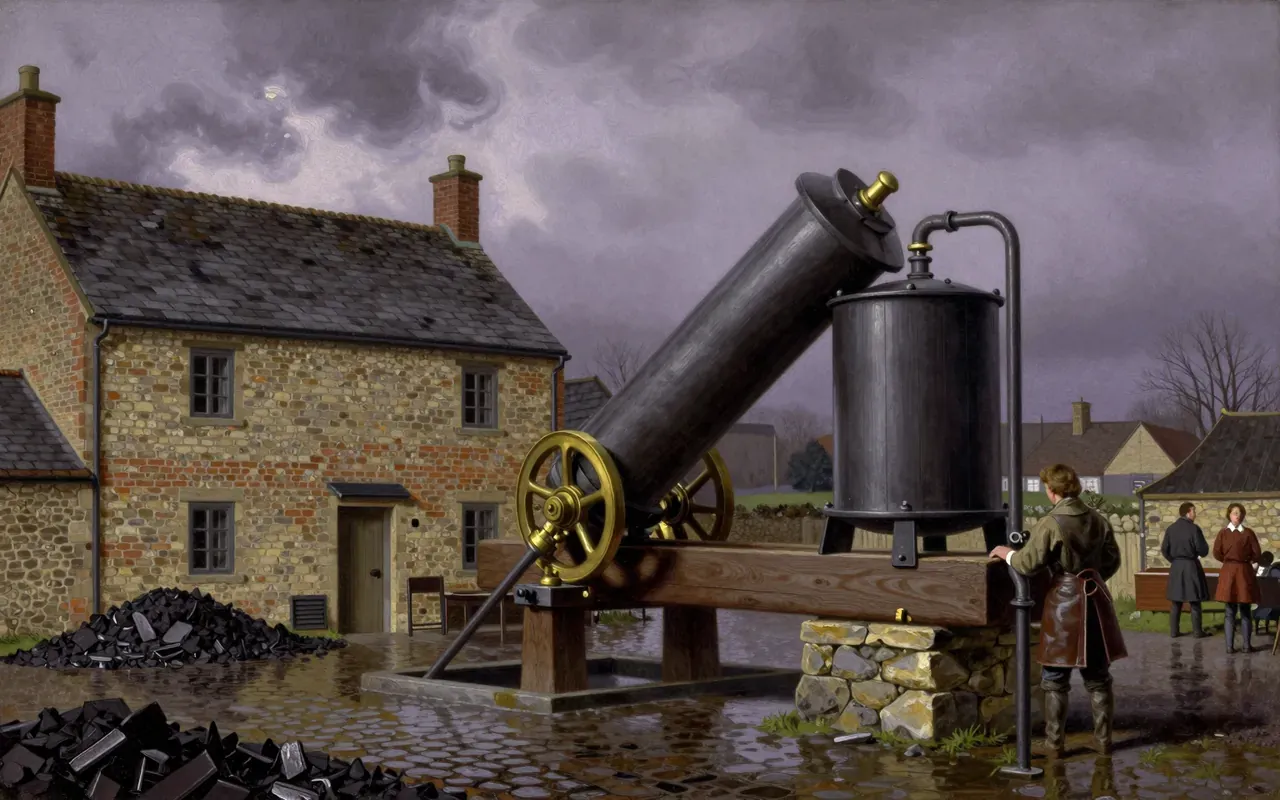
The Newcomen atmospheric engine was the first practical steam-powered device to produce mechanical work. It solved the problem of mine flooding beyond the 30-foot vacuum limit by using atmospheric pressure to drive a piston linked to a rocking beam and force pump. It worked by condensing steam in a cylinder to create a partial vacuum, allowing air pressure to push the piston down. Its motion lifted a weighted rod that operated a pump. It was inefficient due to repeated cylinder cooling, but matched the engineering limits of its time. Hundreds were built across Britain and Europe during the 18th century, with the first successful installation in 1712 at Conygree Coalworks in Tipton.
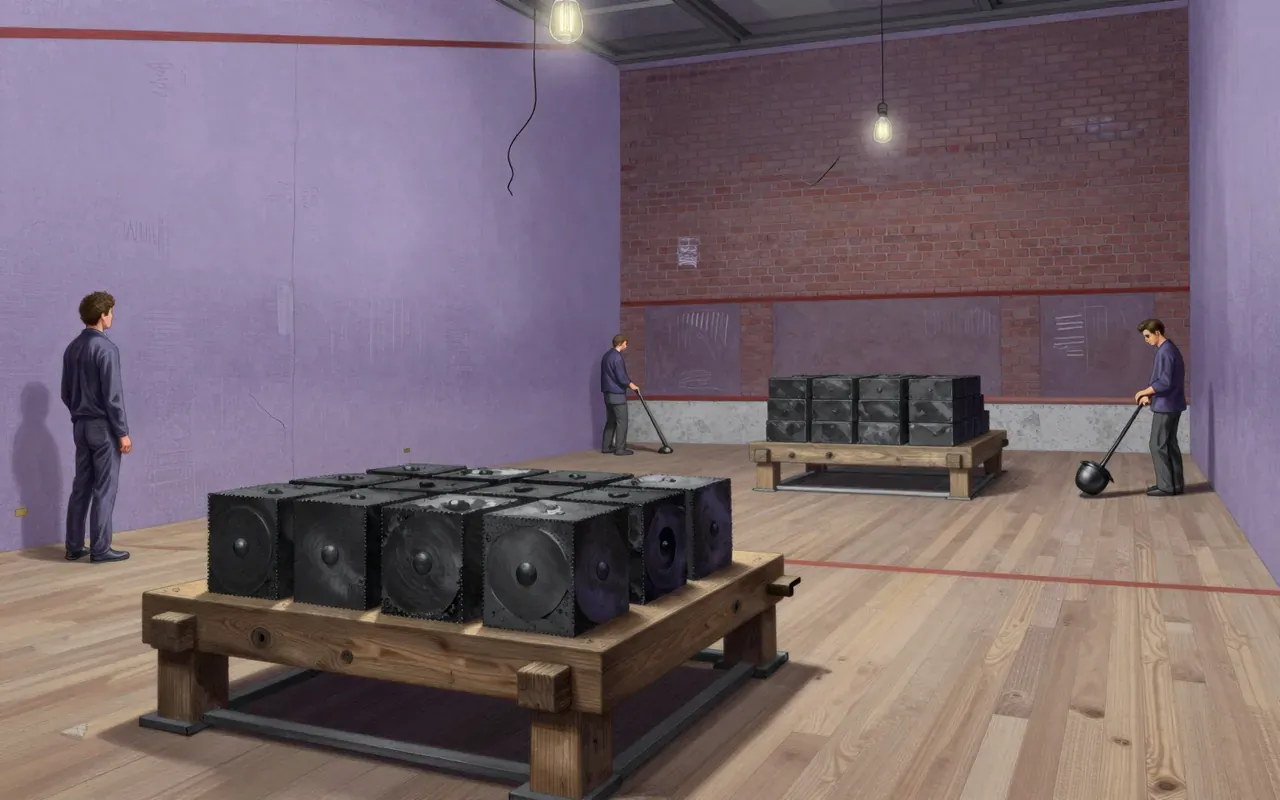
Chicago Pile-1 was not a power plant. It was a proof-of-concept pile — physically crude, operationally minimal, and militarily urgent. Its success established that controlled fission was possible. Its limitations — no heat extraction, no radiation shielding, no control rods beyond cadmium-coated wood — show how far engineering lagged behind theory.

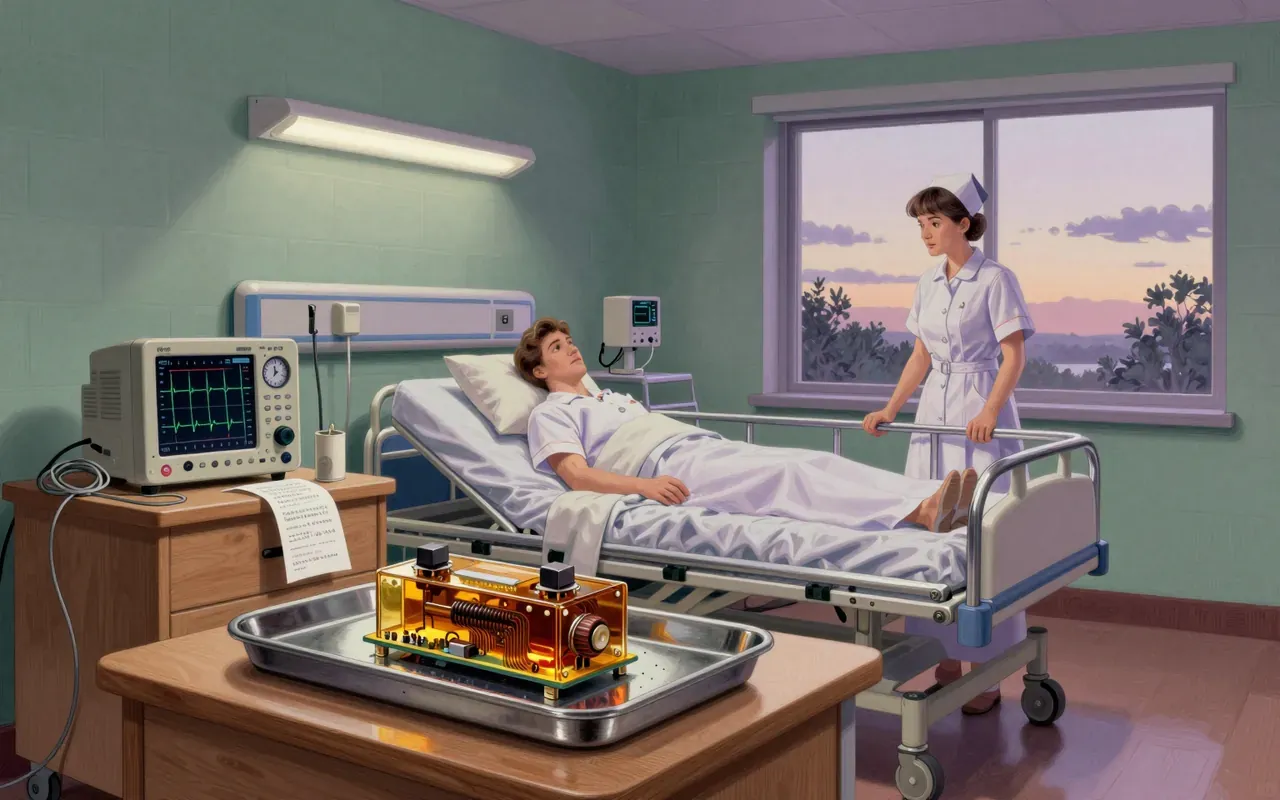
The editorial brief exposes a critical misattribution: 'The Pacemaker' DJ system (Jonas Norberg, 2008) is falsely presented as Wilson Greatbatch’s invention. Greatbatch co-created the implantable cardiac pacemaker and its lithium-iodide battery — a foundational medical engineering achievement. Norberg built a portable digital DJ tool. They share a name, not a lineage. The conflation undermines both histories.
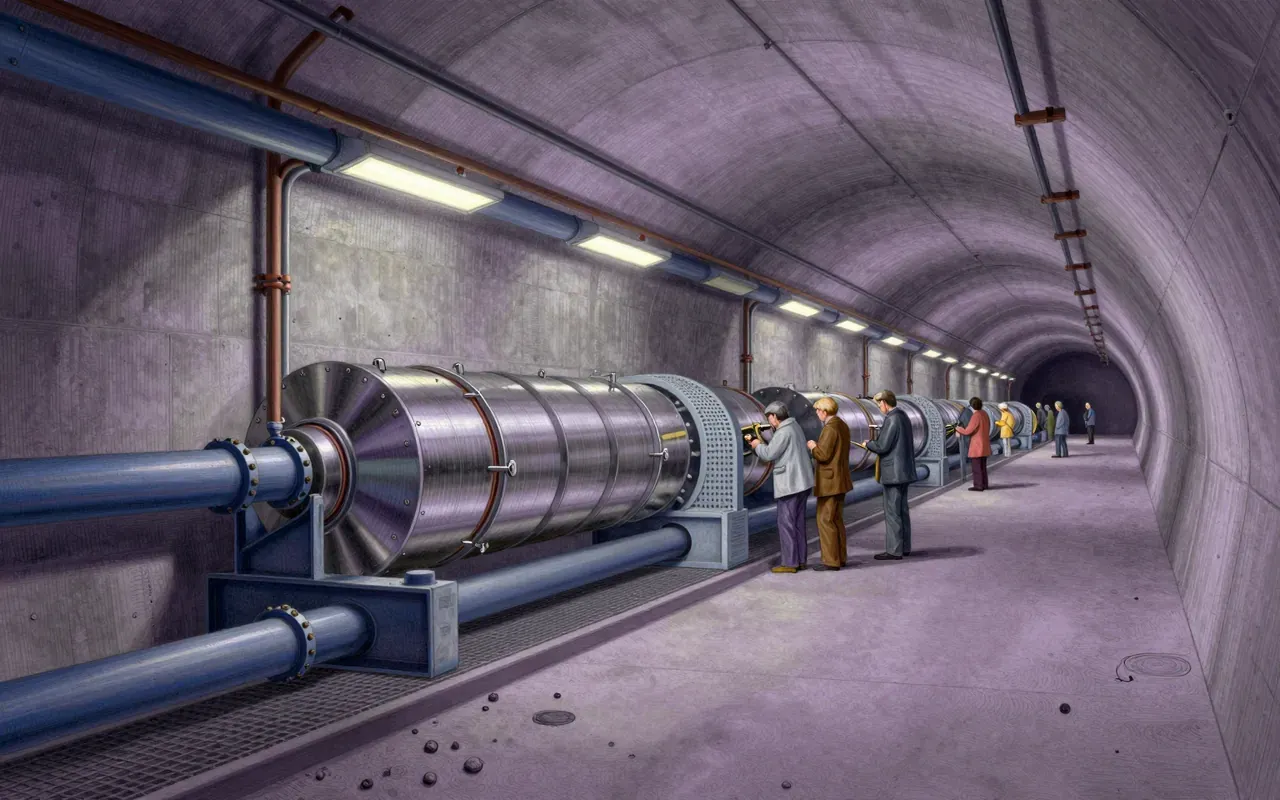

The Beckman pH meter is the first patented, commercially successful electronic instrument for measuring pH. It solved a specific industrial problem — Sunkist’s inability to track acidity during citric acid production due to sulfur dioxide interference — by amplifying fragile glass electrode signals via vacuum-tube circuitry. It worked reliably enough to displace bench-scale setups, generate $60,000 in sales by 1936, and establish the template for electronic chemical instrumentation. It did not solve electrode drift, temperature error, or field durability — those came later. Its value lies not in universality, but in proving that electronic amplification could make previously unmeasurable chemistry quantifiable in real-world conditions.

The phonograph established mechanical sound recording as possible — but delivered nothing usable. Its tinfoil medium broke, distorted, and wore out. Edison patented it in 1878 but shelved it for a decade. Only Bell’s wax-cylinder rival in the 1880s forced him to act.
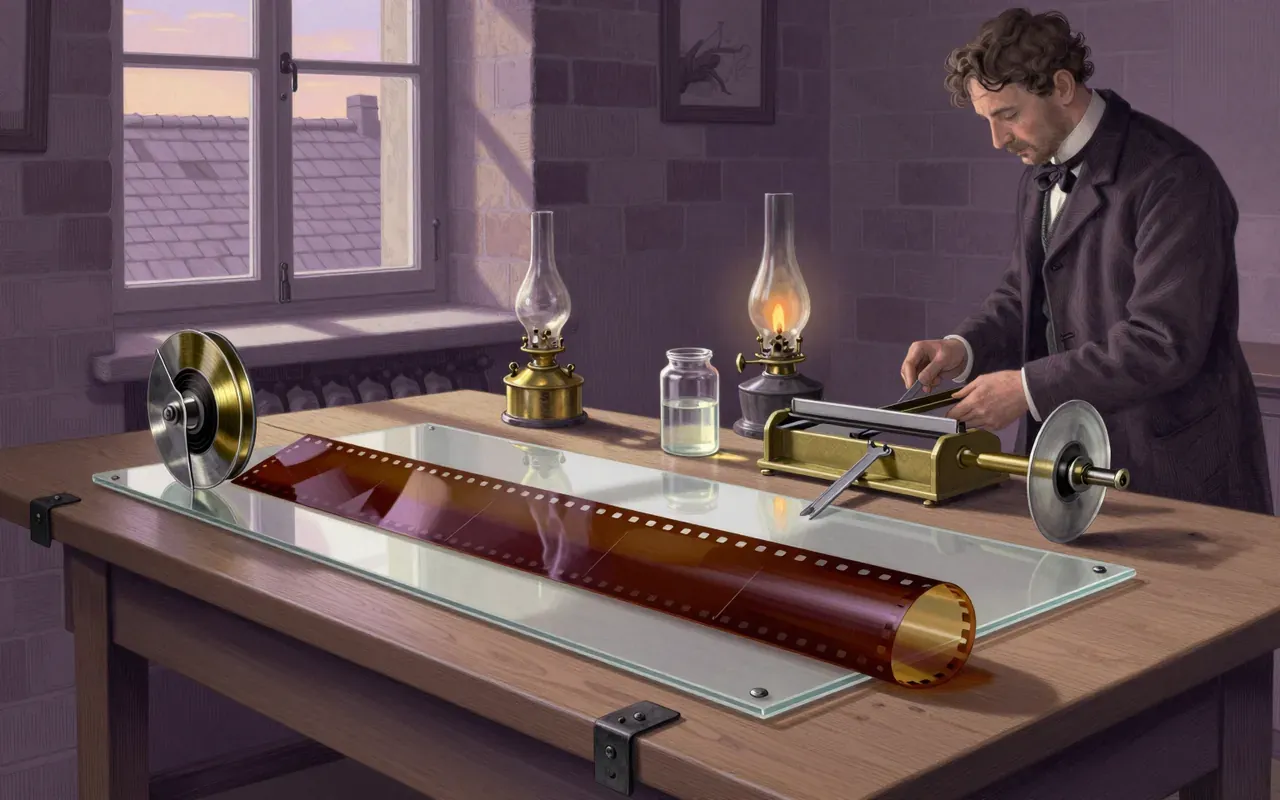
Eastman did not invent photography. He invented the first scalable, separable, service-integrated imaging system — and made it flammable, proprietary, and profitable.


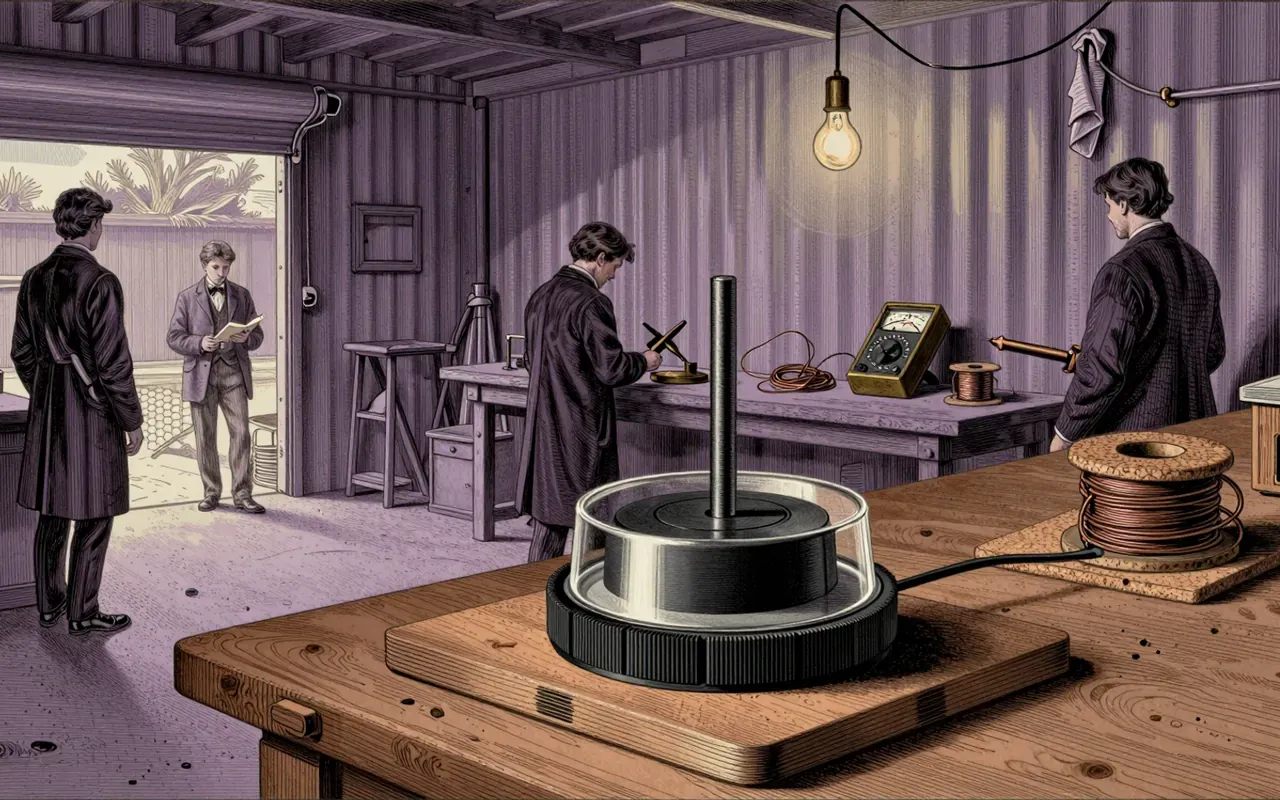
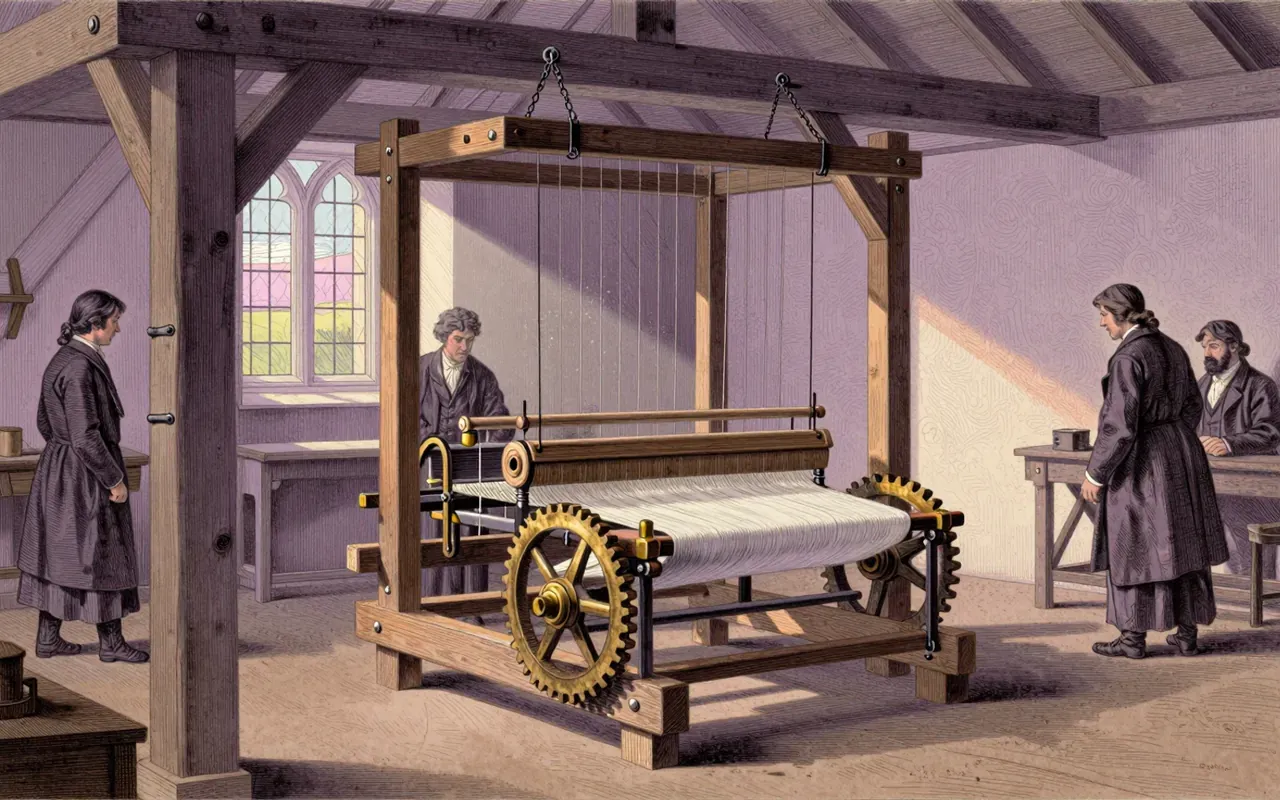
The power loom is a foundational failure: it proved automated weaving possible but could not sustain production. Its value lies in its mechanism—not its output—and its legacy is structural, not operational.
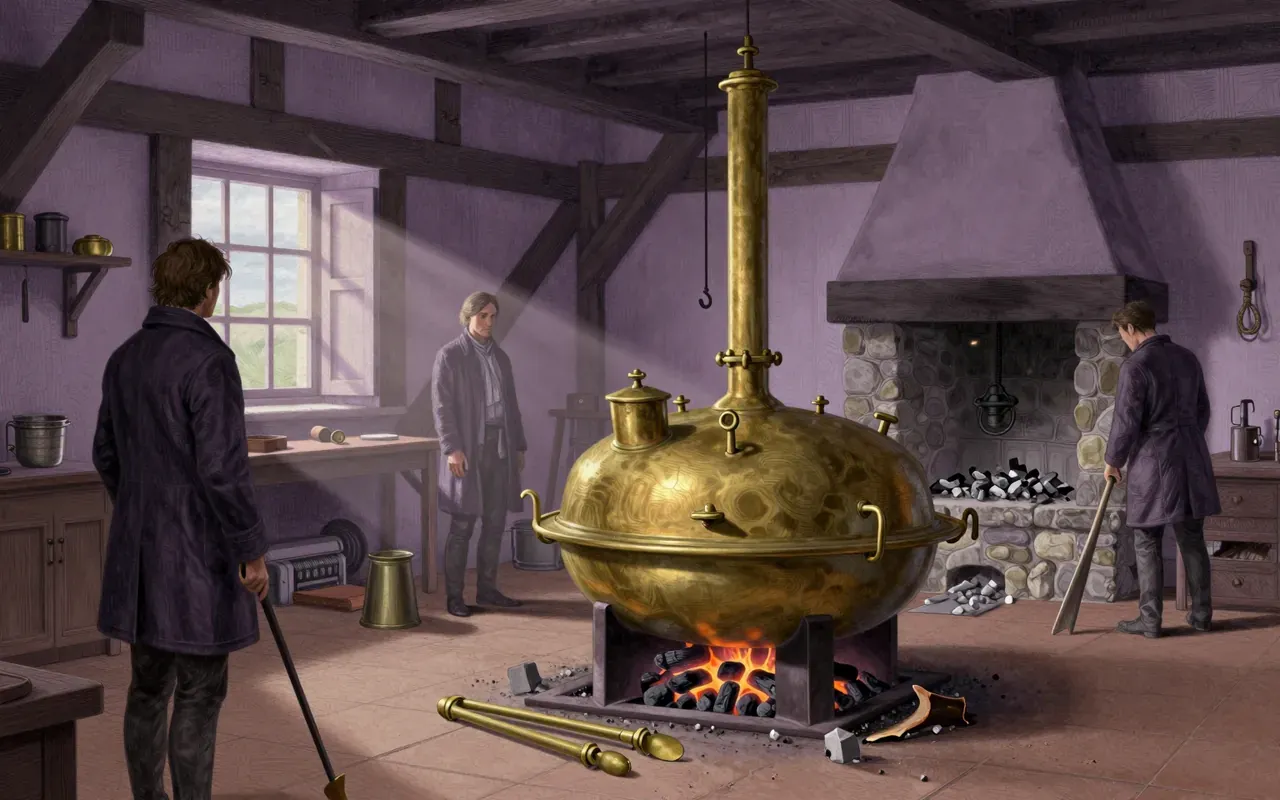
The steam digester is a 1679 experimental vessel that used trapped steam to raise boiling temperature and cut cooking time. It introduced the safety valve and demonstrated atmospheric pressure’s mechanical action — directly enabling Papin’s 1690 piston engine. It was never mass-produced, never used outside demonstration, and had no domestic adoption. Its value is archival and conceptual: it is the first device to treat pressure as a controllable variable in thermal systems.
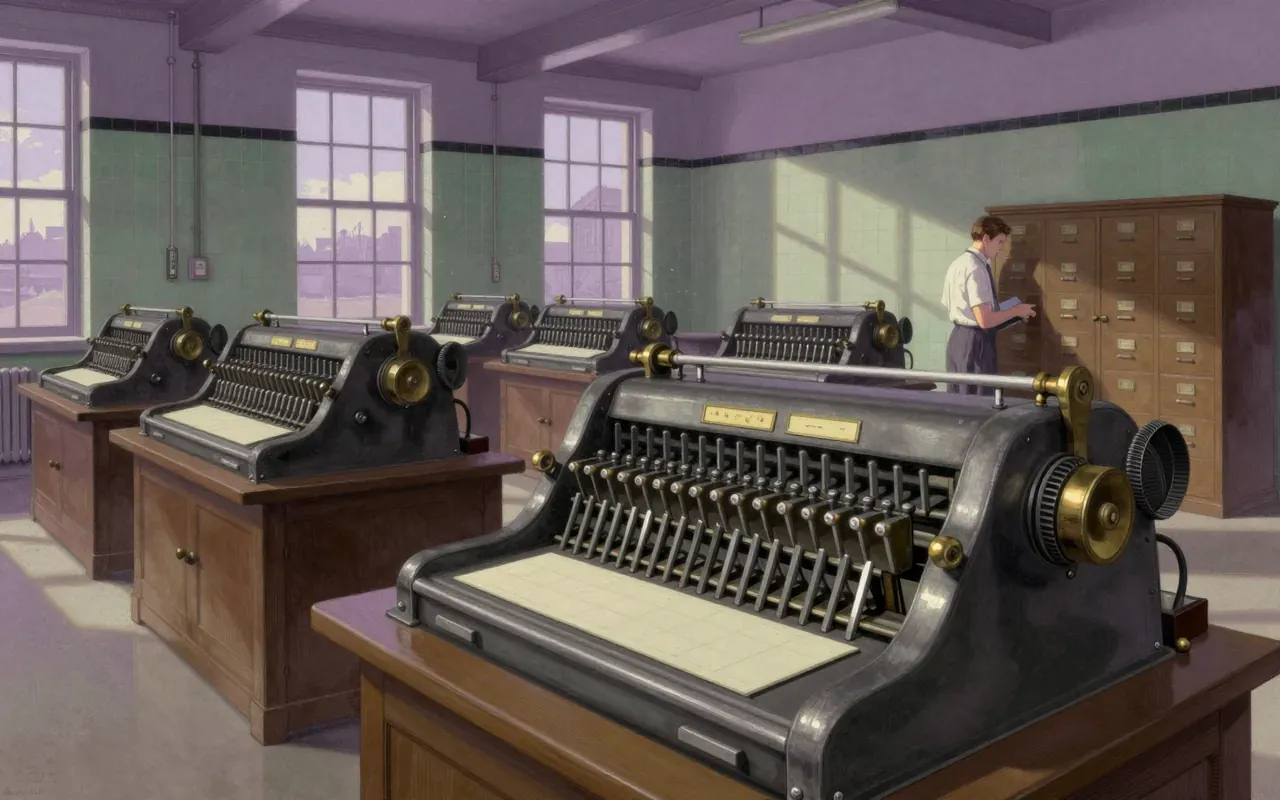

The QR code is a pragmatic, narrowly scoped hardware interface — not a digital protocol or cultural platform. It solved a specific logistics bottleneck in Japanese automotive manufacturing. Its longevity stems from mechanical robustness and open licensing, not technical novelty or user experience.
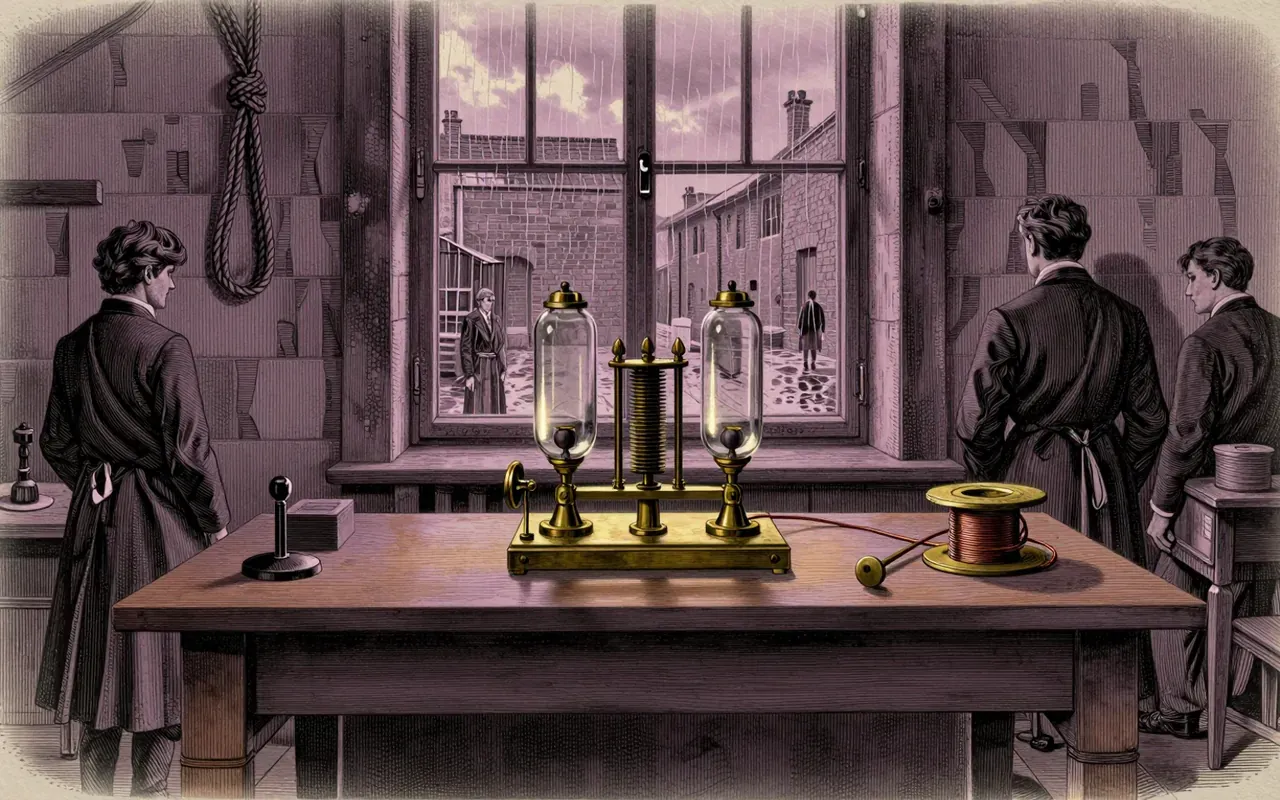
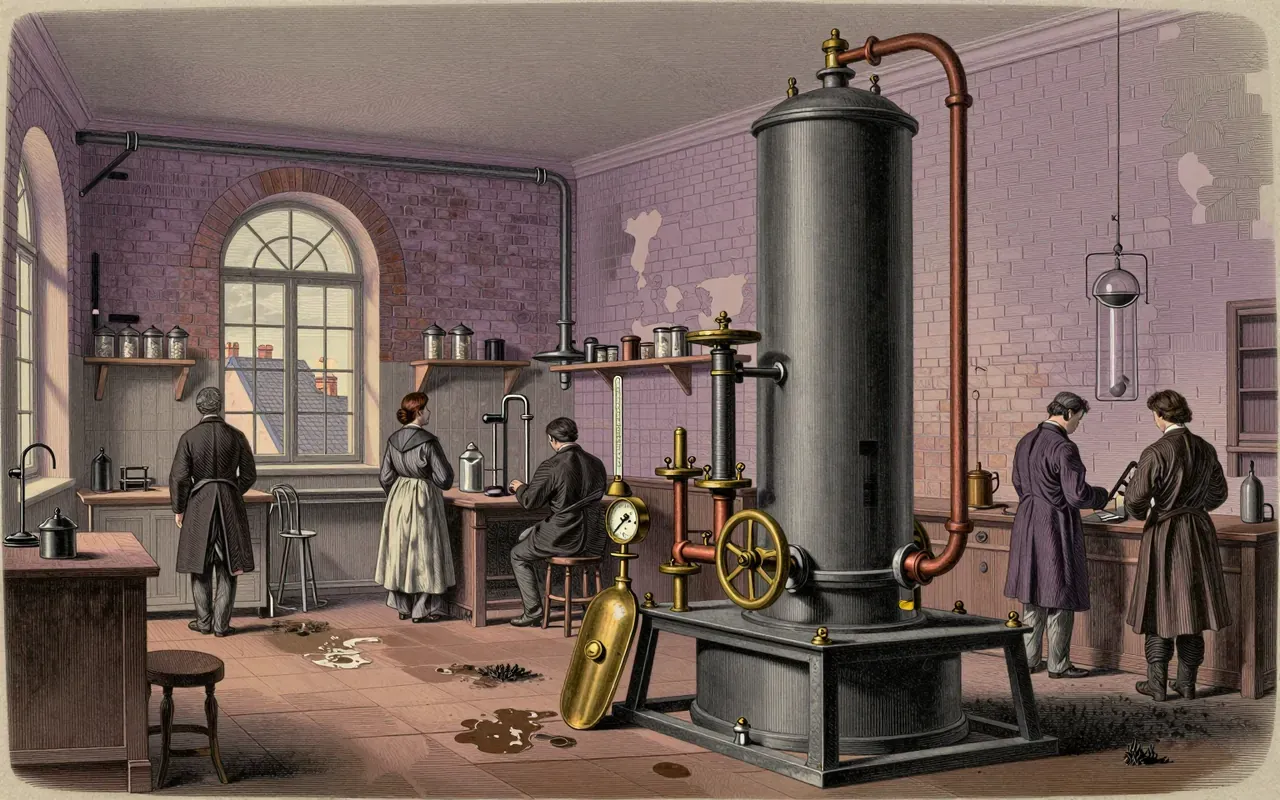
Linde’s 1876 compressed-ammonia refrigerator was the first practical, compact, and reliable vapor-compression system. It solved industrial spoilage by enabling stable low-temperature control — starting with the Spaten Brewery in 1873. Its mechanism relied on compression, condensation, expansion, and evaporation, later formalised as the refrigeration cycle in 1895. But it used toxic refrigerants without safeguards — a trade-off baked into its design. Its legacy is real: ammonia remains in industrial use today. Its failure is structural: safety was deferred, not designed.
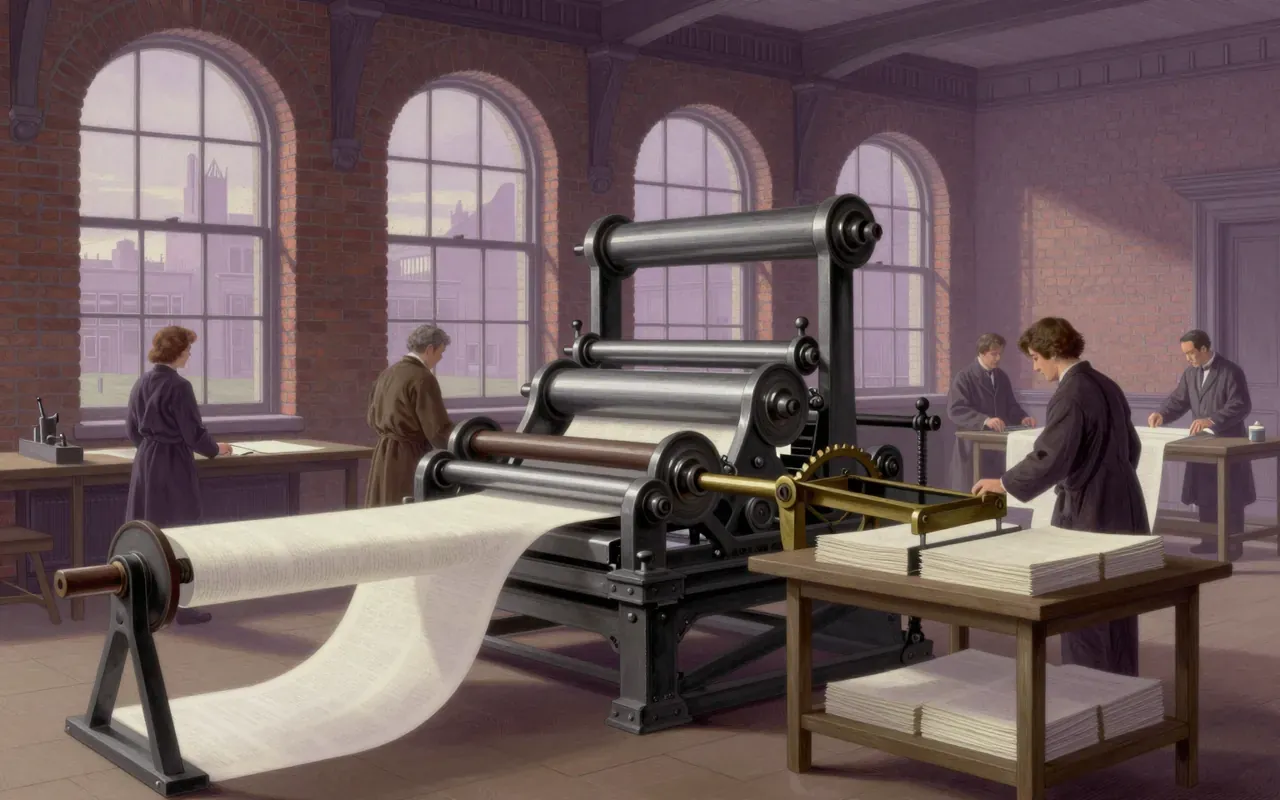
The rotary printing press solved the bottleneck of flatbed impression speed by rotating type cylinders against a fixed platform. It worked because rotation enabled stable, repeatable contact at scale. Its 1846 form was deployable; its 1870 web perfecting variant automated cutting and folding at 18,000 papers/hour. It did not eliminate manual feeding until the 1870 version. It changed publishing by making daily mass print economically viable. It matters for anyone studying how mechanical standardisation enables information scale.

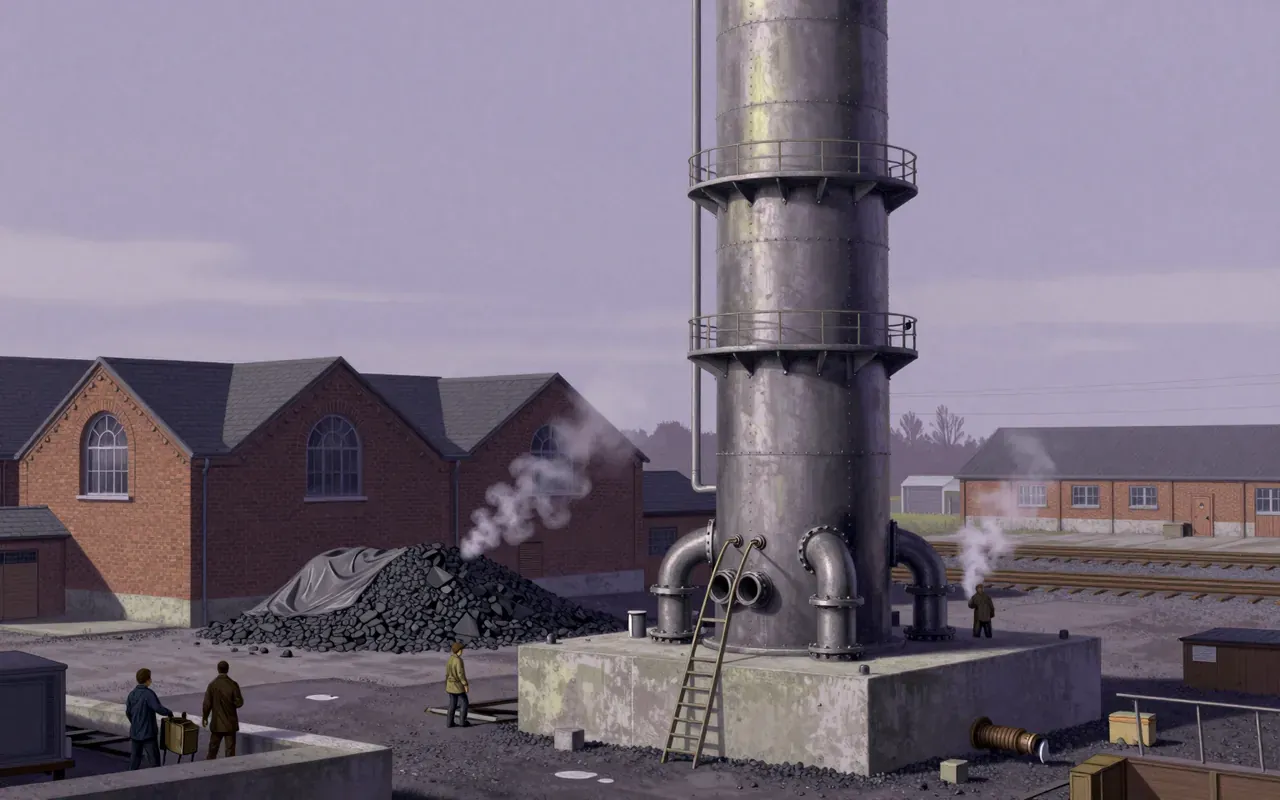
The Solvay process is the first industrially viable closed-loop chemical synthesis using a recoverable mediator. It works by exploiting ammonia’s solubility-shuttling effect to precipitate sodium bicarbonate from brine and CO₂—then thermally decomposing the solid to yield soda ash while reclaiming ammonia. It succeeded because it reduced raw material cost, eliminated major Leblanc pollutants, and scaled reliably in a purpose-built tower. It fell short in ammonia leakage, energy intensity of lime kilns, and dependence on precise brine purity. It changed bulk chemical manufacturing by proving that catalytic mediation could be engineered—not just observed. Worth your time if you design, regulate, or teach process systems.
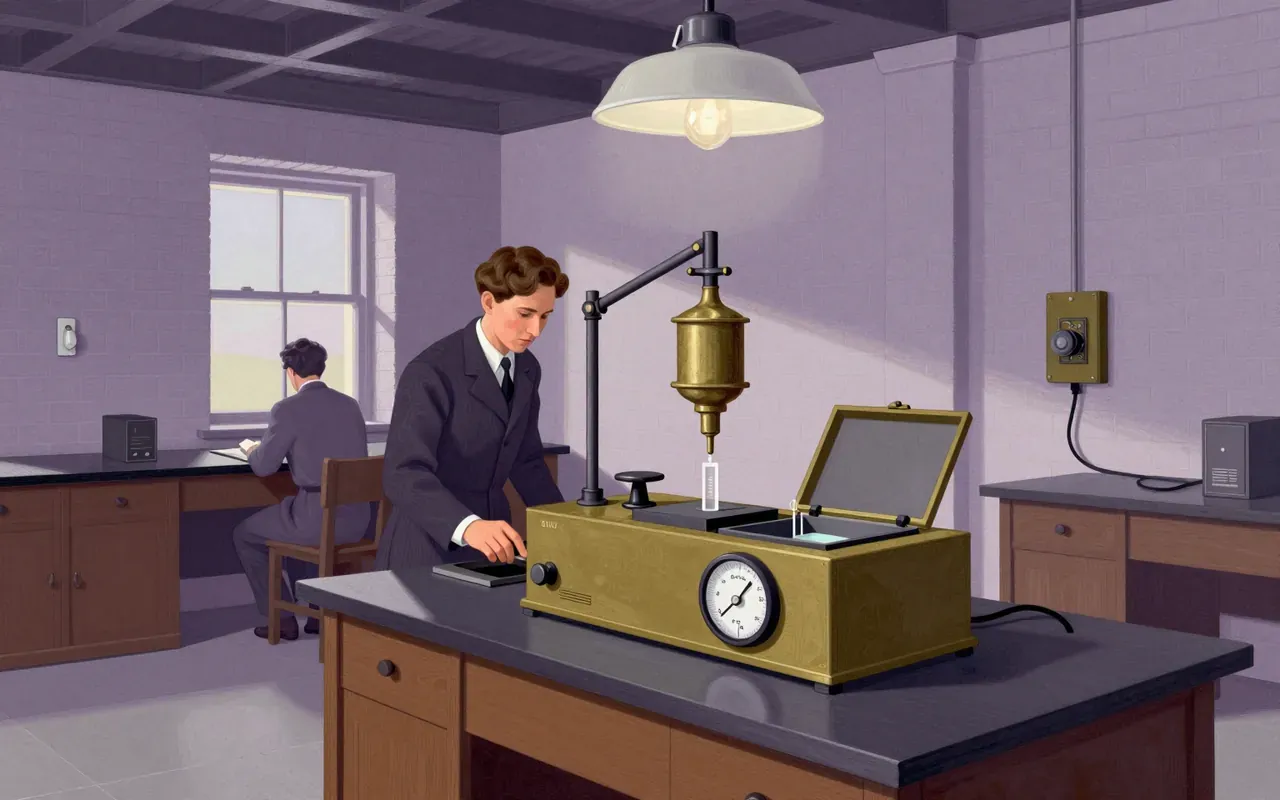
The DU spectrophotometer was not a leap in physics — it was a consolidation of optics, electronics, and procedure into one certified, usable tool. It replaced artisanal interpretation with repeatable numbers. Its value lies in enforced standardisation, not novelty.
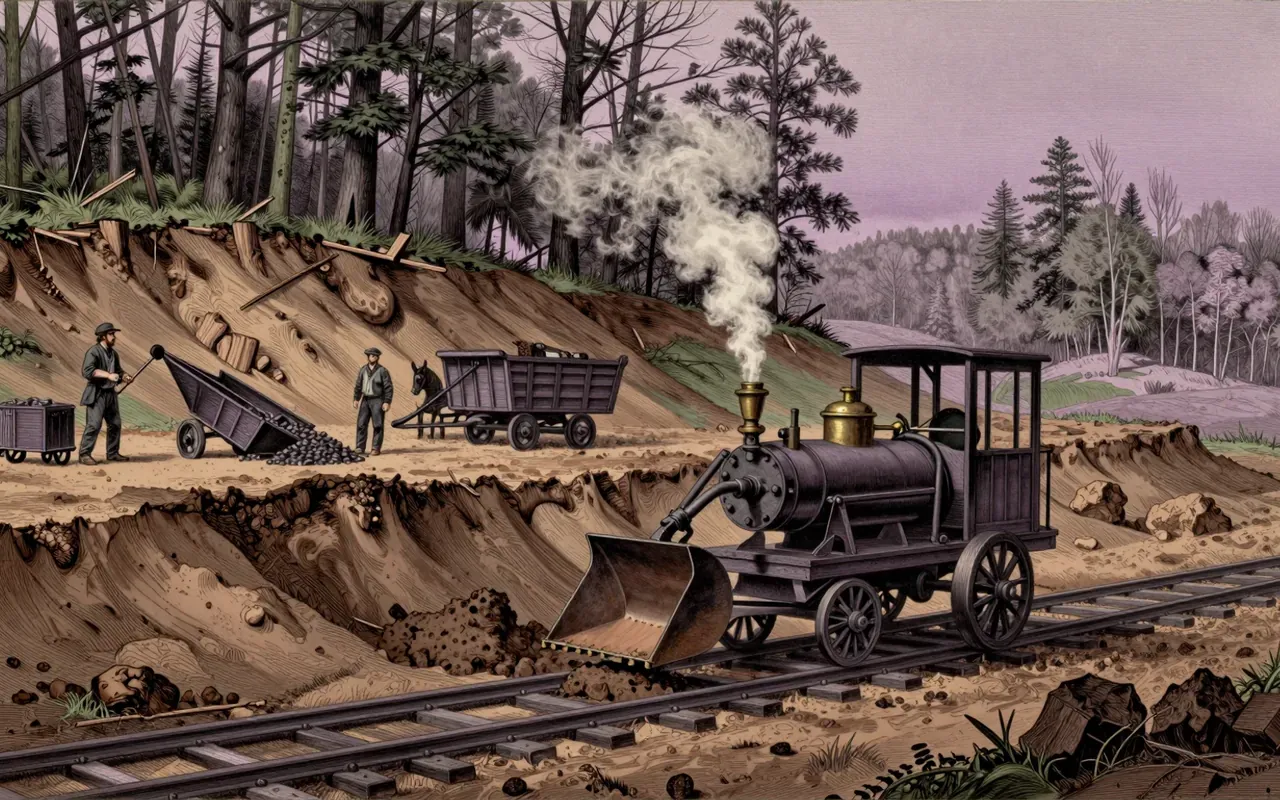
The steam shovel is a pivotal hardware innovation that mechanised excavation but remained tethered to rail logistics and partial rotation. It delivered measurable productivity gains (380 m³/day) in specific contexts — railroads, canals — yet offered no autonomy, adaptability, or terrain independence. Its legacy is infrastructural, not operational.
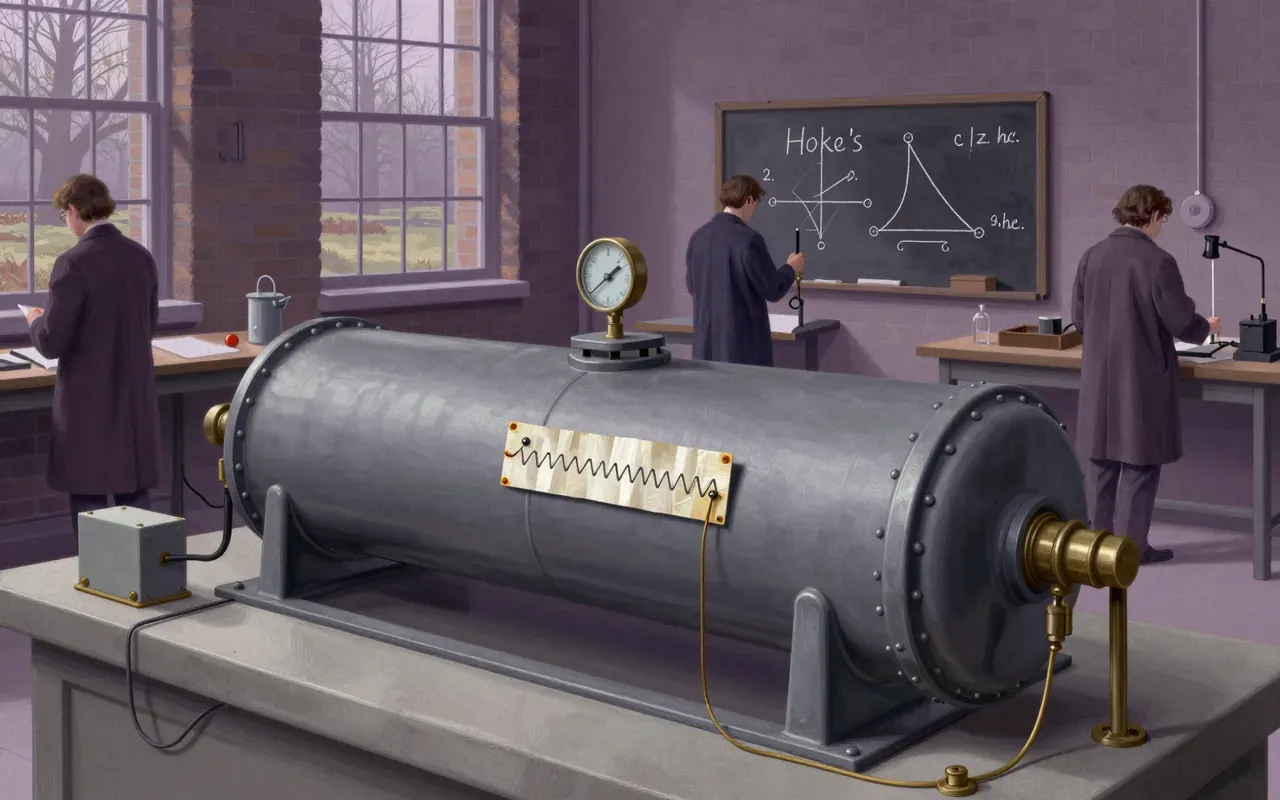
The strain gauge is a bonded metallic foil sensor that translates mechanical strain into resistance change via conductor geometry. Invented independently in 1938 by Simmons (for shock-load metallurgy) and Ruge (for seismological water tank modelling), it solved measurement gaps where optical methods failed. It works reliably within elastic limits—but fails without precise adhesion or thermal control. Its legacy is not novelty but adoption: it became the standard interface between force and electronics because it was simple, scalable, and grounded in first principles—not hype.
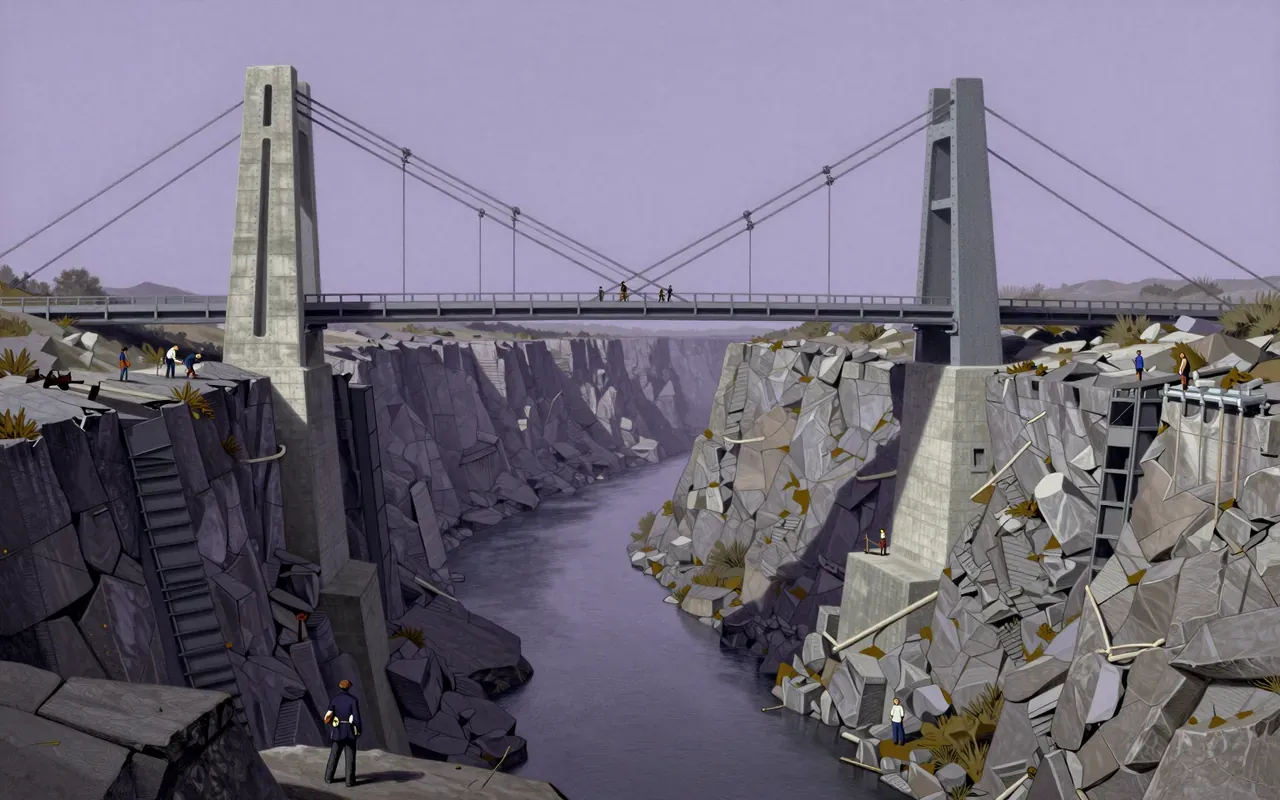
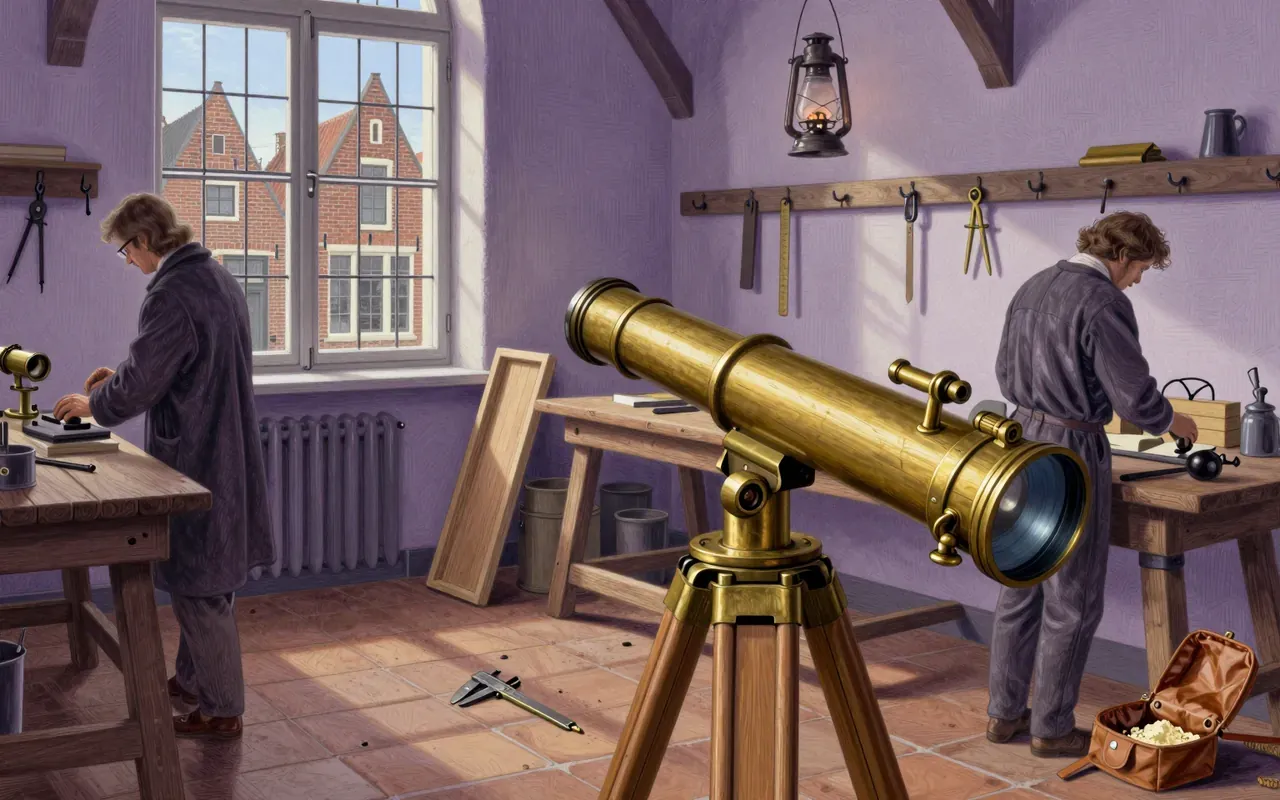
The Lippershey telescope is not the origin of astronomy—it is the origin of optical procurement. It works. It is limited. It was copied before it was patented. Its legacy is procedural, not optical.

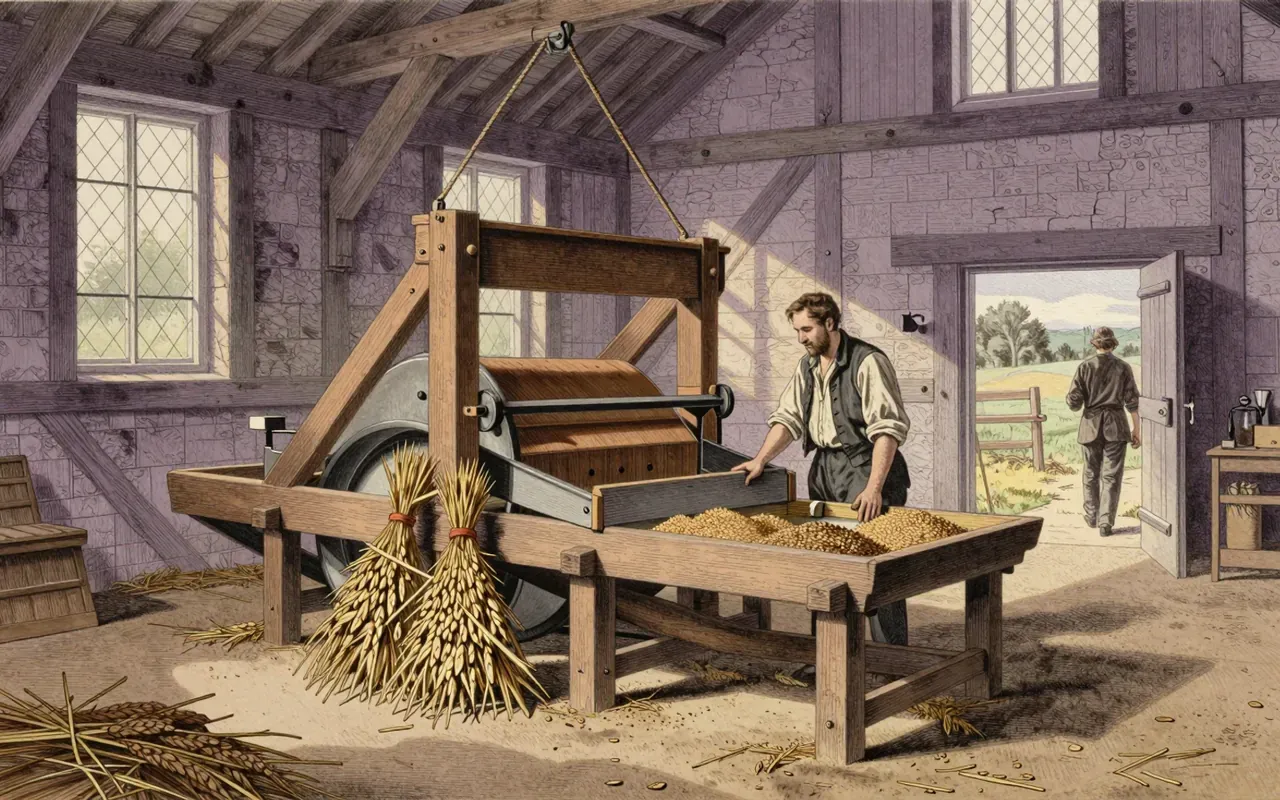
The threshing machine was the first agricultural device to mechanise grain separation—but its initial form solved only one step of a three-step process. Meikle’s 1786 invention used velocity-driven fixed beaters to dislodge grain. Early output remained mixed: straw, chaff, and grain formed a single heap. Only with added rakes, shakers, and fanners did it deliver clean, market-ready grain. It reduced labour by ~25%, lifted yield by up to 5%, and cut total processing cost below prior cleaning-only expense. It did not eliminate human oversight. It did not scale without infrastructure. It did not win immediate adoption. It established that mechanisation required integration—not just substitution.

The 1892 Froelich tractor is a functional prototype — not a product, not a platform, not a pivot point. It works once, in one place, for one purpose. Its mechanism is clear. Its failure is documented. Its influence is retrospective mythmaking.
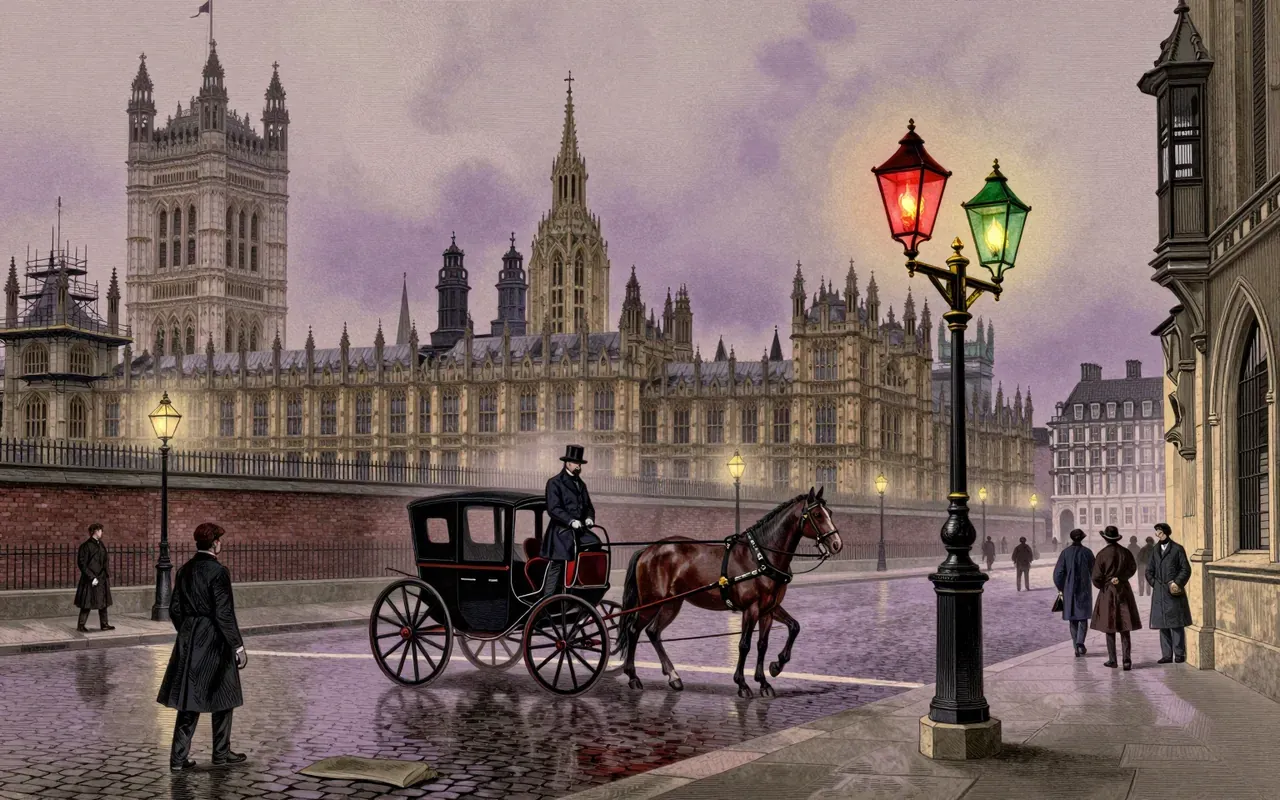

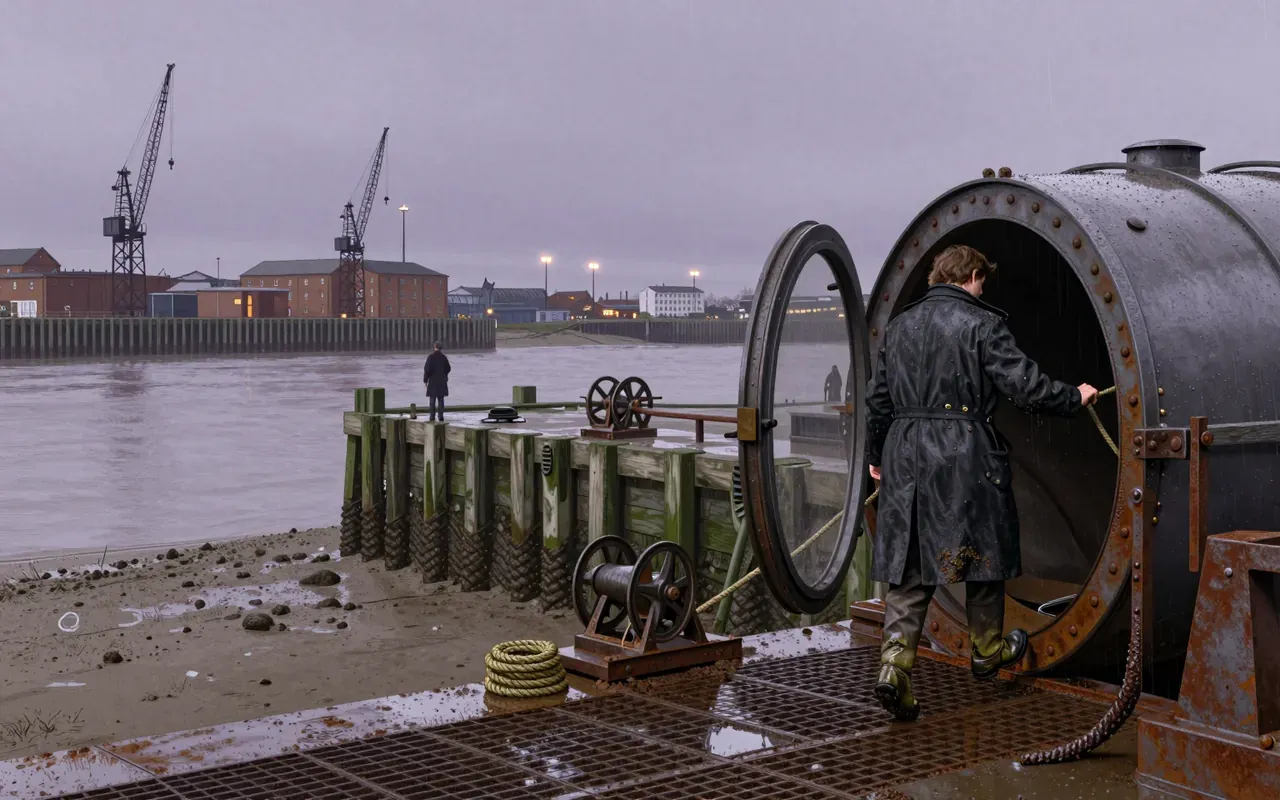
Greathead’s shield was not a tunnel boring machine in the modern sense — it did not rotate cutters or automate excavation. It was a pressurised, jacked, lined, and grouted soft-ground tunnelling system. It succeeded where earlier shields failed because it managed water, pressure, and ground movement as an integrated mechanism — not a collection of parts.
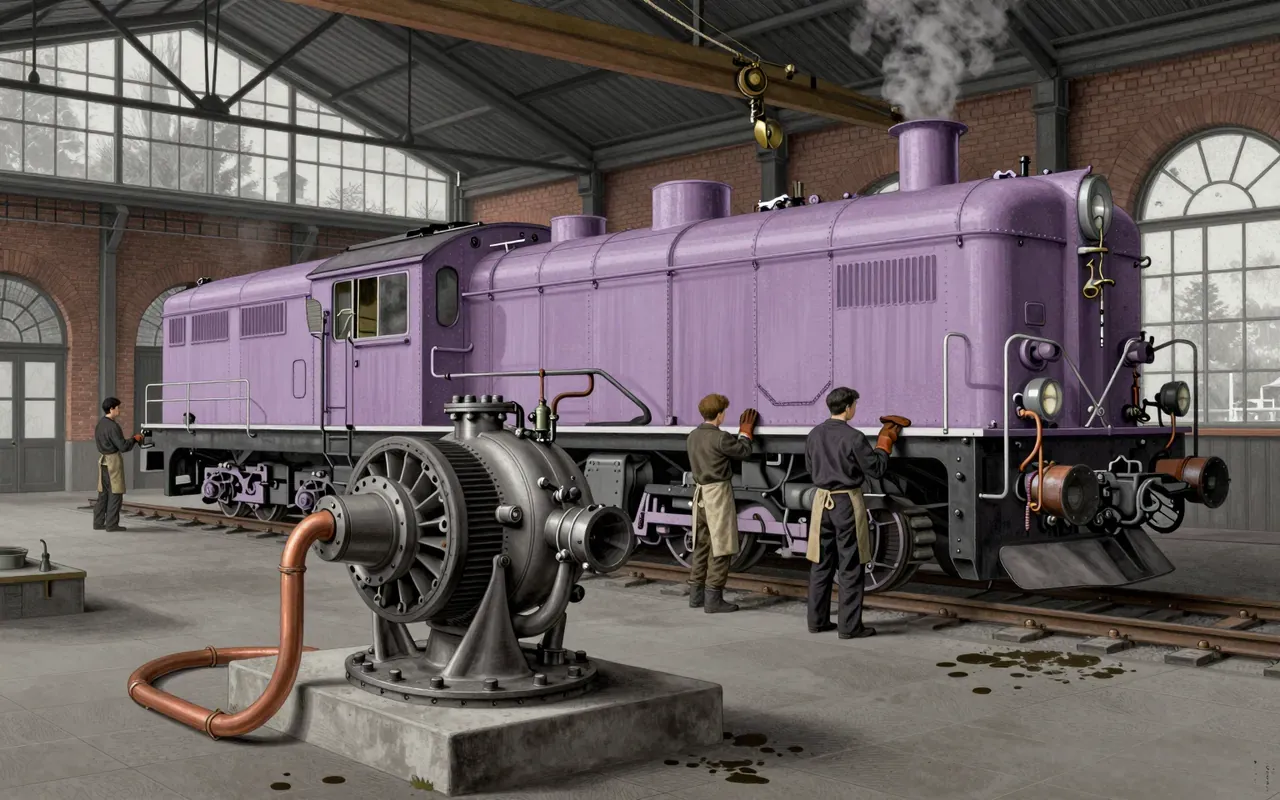
Alfred Büchi’s 1905 turbocharger patent established the axial turbine–compressor-on-common-shaft architecture still used today. It solved no immediate problem: the 1915 aircraft prototype failed. Its first functional applications were marine diesel engines in 1923 (1750 → 2500 hp) and stationary diesel engines in 1925 (1,300 → 1,860 kW, +40% efficiency). All verified successes occurred under Büchi’s direct supervision. No verified application existed outside large, slow-speed diesel systems before 1925.

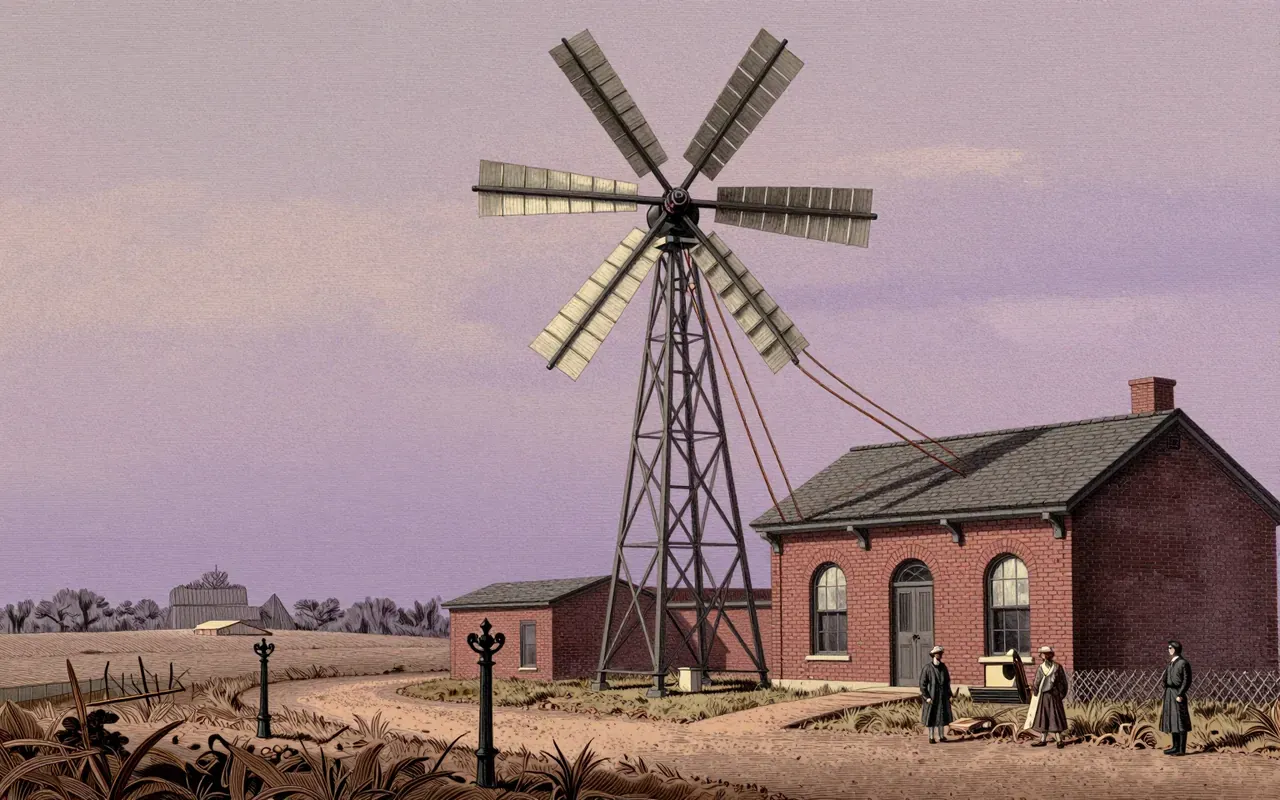
Charles F. Brush’s 1888 wind turbine was the first automatically operated system for electricity generation from wind. It powered his Cleveland mansion—the city’s first electrified home—for 20 years without failure, charging 12 batteries. Its success depended on isolation: wind electricity was more cost effective only where populations were widely scattered. It proved mechanical reliability but not scalability, economic transferability, or grid compatibility.