10:11in productionCh. 1 · A phone with no apps/ 10:11 · ceiling 15 min
Software · Systems
IOS
2007
iOS wasn’t born open—it was forced open, one SDK announcement at a time.
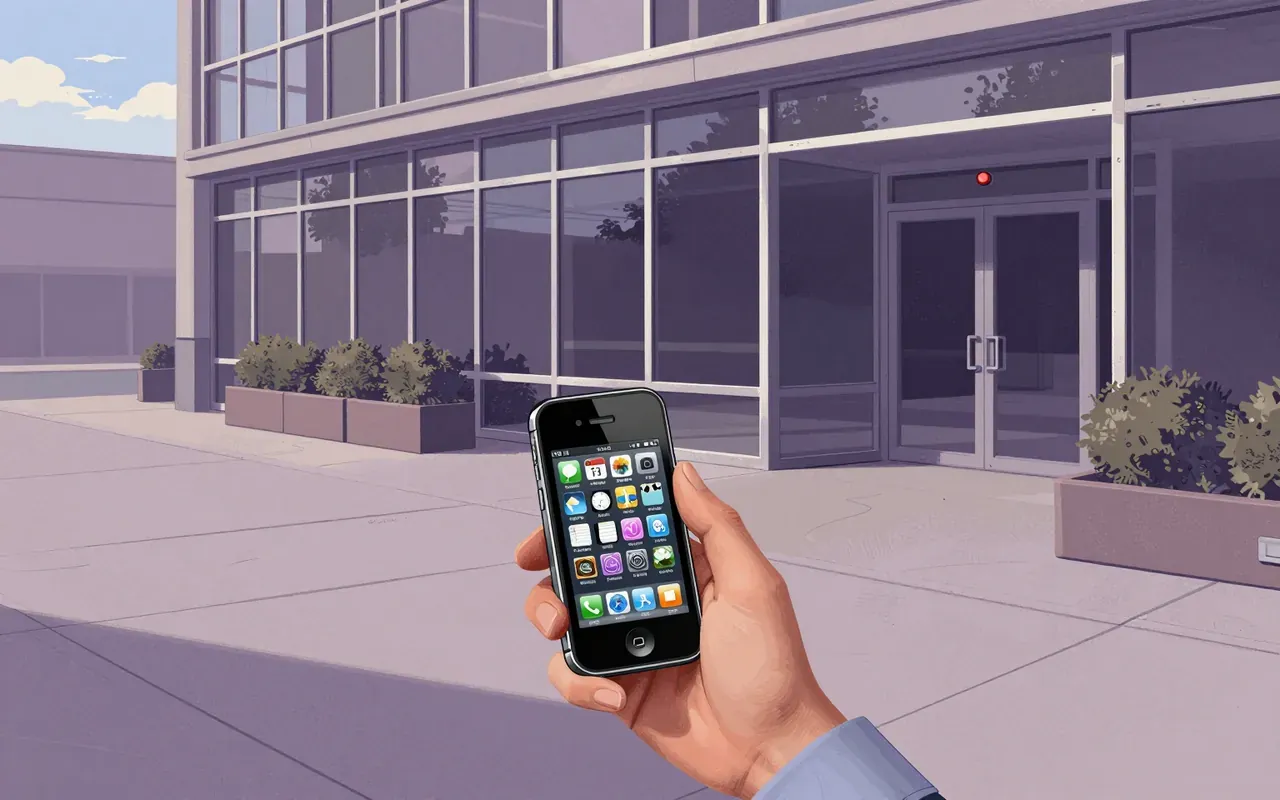
iOS launched as a closed, Apple-only platform built on macOS. It worked because Mac developers could adapt quickly—but it failed to deliver native apps for over a year. Its real innovation was not openness, but strategic delay: shipping a device with no third-party software, then monetising the pent-up demand with the App Store.
iOS launched in June 2007 as the first iPhone’s exclusive OS—designed solely for Apple’s new hardware.
2:36
Shrunk Mac, not enlarged iPod
It reused macOS, Mach, and FreeBSD—not a clean-slate mobile OS, but a shrunken desktop system.
4:22
No retraining required
Mac developers could port skills directly—making iOS the first mobile OS with a ready-made professional developer base.
6:20
Web apps first, native apps later
Native apps were banned for 17 months; the App Store arrived only after developer pressure and the SDK release.
Worth your time?
Yes. Study the whole thing.
4/ 5
What works
reuses macOS foundations to accelerate developer onboarding
enables vertical integration from silicon to interface
creates economic leverage through app distribution control
What does not
support third-party native apps at launch
include an app store until July 2008
allow developers to ship compiled binaries before March 2008
Study it if
mobile developers
platform strategists
operating system historians
Skip it if
open-source advocates
cross-platform toolchain builders
real-time embedded engineers
The written brief1 min read
What it is and the problem it solves
iOS is Apple’s mobile operating system for the iPhone. It solved the problem of turning a phone into a programmable, general-purpose computing device with desktop-grade foundations.
How it works
iOS is a Unix-like mobile operating system built on macOS, incorporating the Mach microkernel and FreeBSD components. It was created by shrinking macOS rather than expanding iPod software. Scott Forstall’s team won an internal competition to build it. Initially, it ran only Apple’s own apps; third-party developers were directed to Safari-based web apps.
What works
Using macOS as its base let Mac developers write iPhone software with minimal retraining. This accelerated early adoption and gave iOS a functional developer pipeline before the SDK existed.
What does not
It did not support third-party native applications at launch. Apple rejected native apps for over a year, insisting web apps via Safari would suffice. The App Store did not exist until July 2008—13 months after iOS shipped.
What it changes
It established the smartphone OS as a controlled, developer-facing platform—not just a device interface. It shifted mobile software from carrier-controlled Java ME or Palm OS models to a vertically integrated, app-store-mediated ecosystem.
Is it worth your time
Yes—if you develop for Apple devices or study platform evolution. Its reliance on macOS lowered the barrier for Mac developers, but its closed architecture and delayed SDK forced early adopters into web-only workarounds.