technologybriefs
9:44in productionCh. 1 · CALO’s offspring/ 9:44 · ceiling 15 min
AI

Siri

2011

Siri didn’t invent voice control—it outsourced understanding to Nuance and offloaded thinking to the cloud.

Siri is a voice interface layer built on third-party speech recognition and DARPA-funded AI research. It trades local control for speed and simplicity. Its value lies in constrained utility—not intelligence.

Chapters & takeaways4
  1. 1:02
    CALO’s offspring

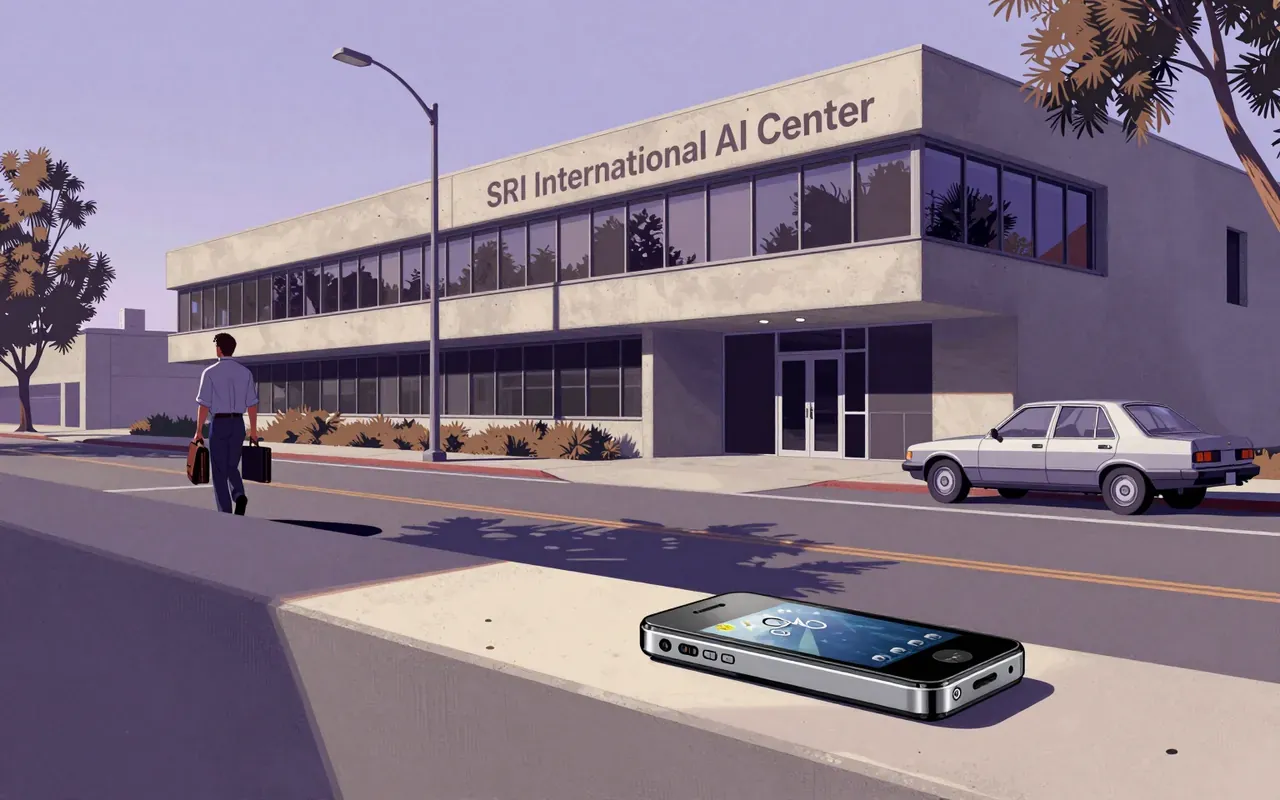
    Siri began as military-funded AI research, not a consumer product.

  2. 2:50
    The engine behind the voice

    Nuance—not Apple—built the speech recognition that made Siri possible.

  3. 4:29
    From App Store to iPhone 4s

    It launched as an app, then vanished—replaced by a tightly controlled system inside iOS.

  4. 6:02
    Jobs’ final integration

    Steve Jobs personally directed the acquisition—before he died.

Worth your time?

Yes. Study the whole thing.

3.5/ 5
What works
  • basic command routing
  • calendar and messaging
  • weather and sports lookups
  • tight hardware integration on iPhone 4s
What does not
  • understand ambiguity
  • retain conversation state
  • run offline
  • support custom voices
Study it if
  • iOS users needing quick hands-free access to Apple services
Skip it if
  • developers requiring open intent systems
  • users prioritising privacy or reliability
The written brief1 min read

What it is and the problem it solves

Siri is a voice-controlled assistant that routes spoken commands to apps and web services. It solves the problem of accessing phone functions without looking at or touching the screen.

How it works

Siri converts speech to text using Nuance Communications’ engine. It parses intent from that text. It routes requests to web services or device APIs. It synthesises responses using pre-recorded voice samples.

What works

Basic dictation works. Calendar and message creation work. Weather, sports scores, and web searches work. Integration with iPhone 4s hardware—especially the A5 chip’s processing pipeline—enables real-time response.

What does not

It does not understand ambiguous or multi-step requests. It does not retain conversational context across queries. It does not run locally: all audio leaves the device. It does not support custom voice models or offline operation.

What it changes

It shifts smartphone interaction from tapping to talking—but only for narrow, Apple-curated actions. It establishes voice as a first-class input channel on mainstream phones. It forces developers to expose functionality via Apple’s private intent framework.

Is it worth your time

Yes—if you need hands-free, context-light command routing on iOS. No—if you require reliability, privacy, or control over data flow.


Same field · AI4 of 9
Up next in Technology

SQL

1974 · 9:44

SQL didn’t invent relational databases—it weaponised Codd’s model by making it usable.

9:44