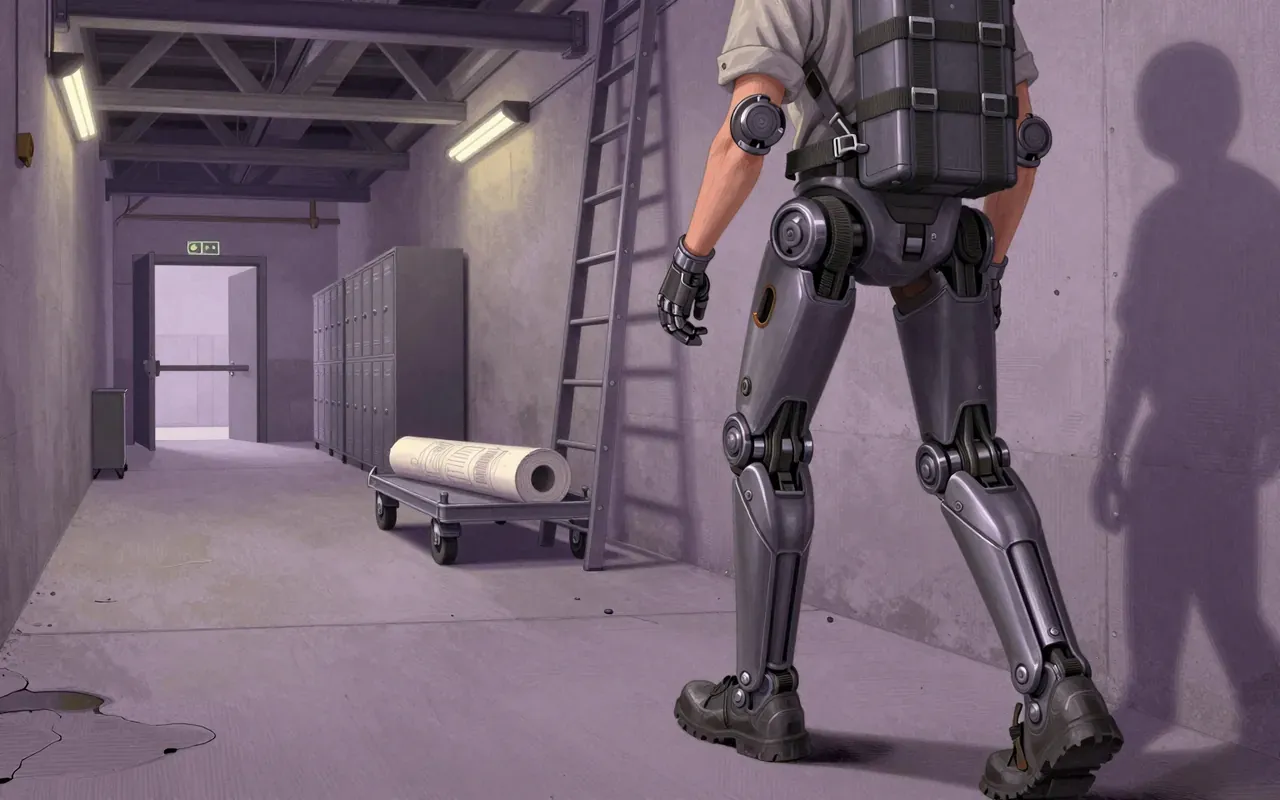
Exoskeletons
Exoskeletons don’t restore movement—they reframe disability as an engineering constraint.
Machines sold as thinking: what the models actually do, where the limits sit, and which claims survive contact with the mechanism.



Codd’s 1969 relational model is a formal specification—not software, not SQL, not a product. It defines data as tuples in relations, enforces consistency via logic, and insists all information be explicit. Real databases violate it daily. That gap is where data engineering begins.



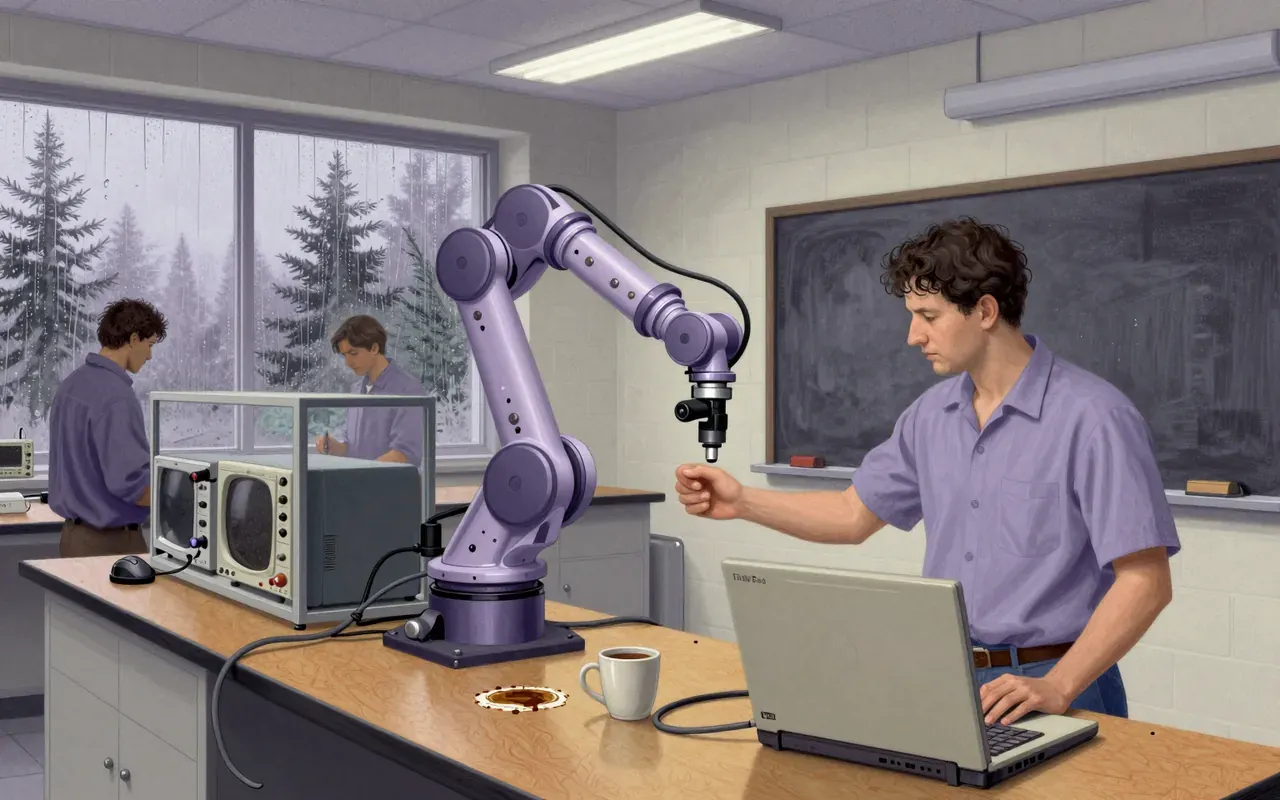
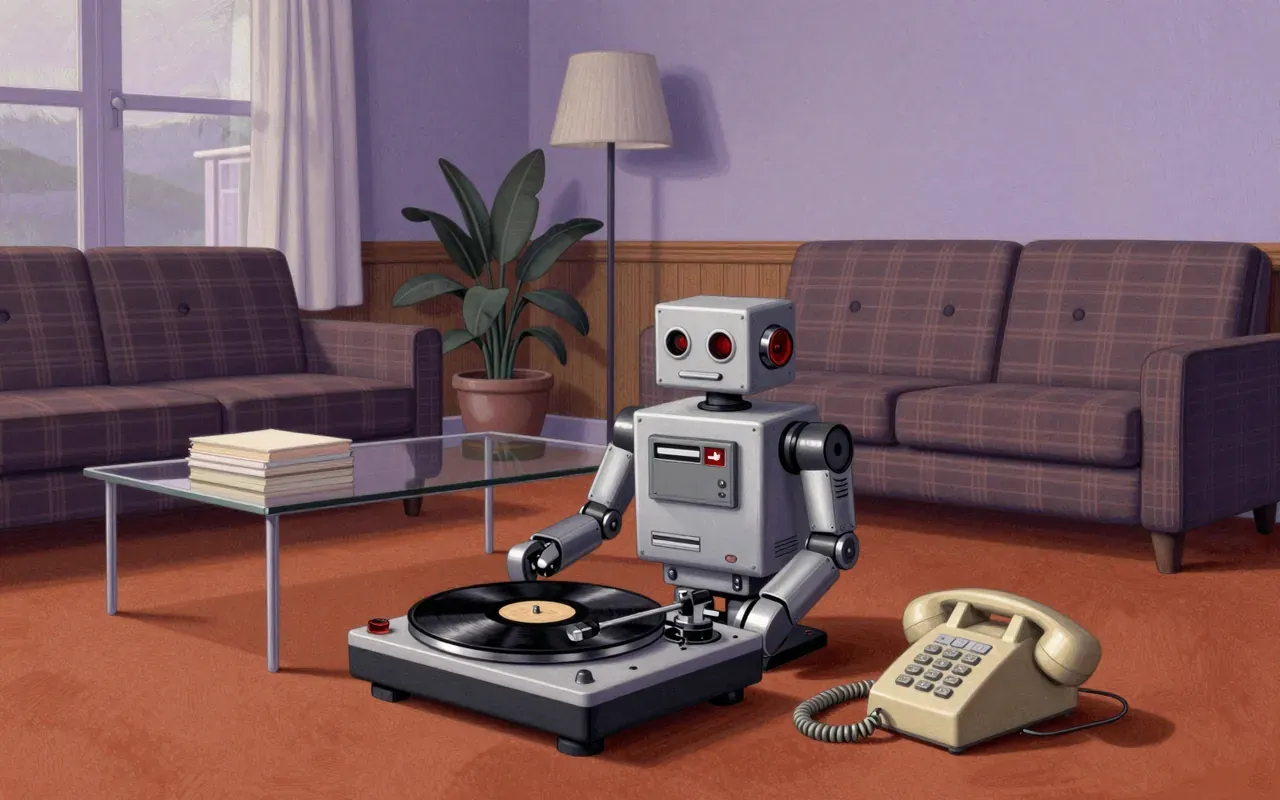
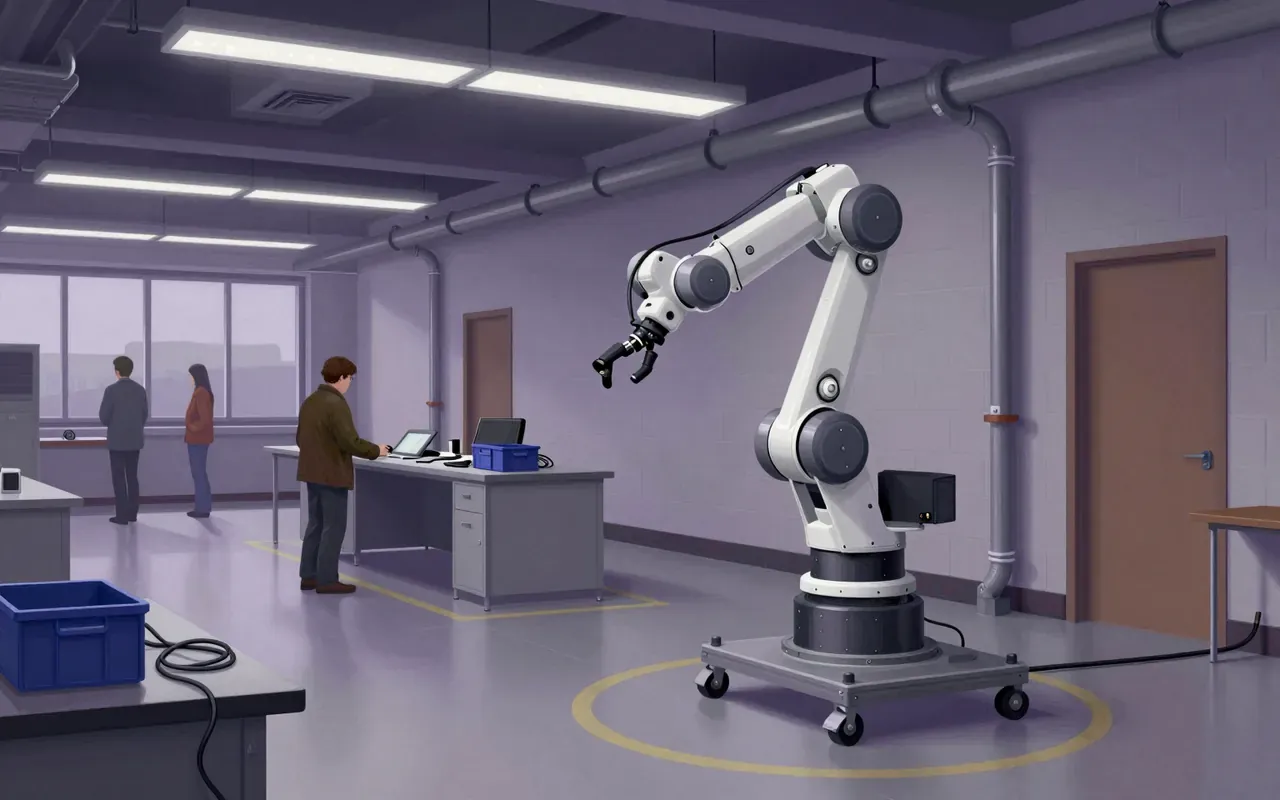
Rethink Robotics launched Baxter in 2012 as a collaborative industrial robot designed to work safely beside humans — using physical stoppage and manual override, not AI. It released Sawyer in 2015 for finer tasks, then went global with cobots in 2016. It ceased operations in October 2018. Its assets were sold. Its later relaunch attempts failed within a year. Its safety mechanisms worked. Its business model did not.
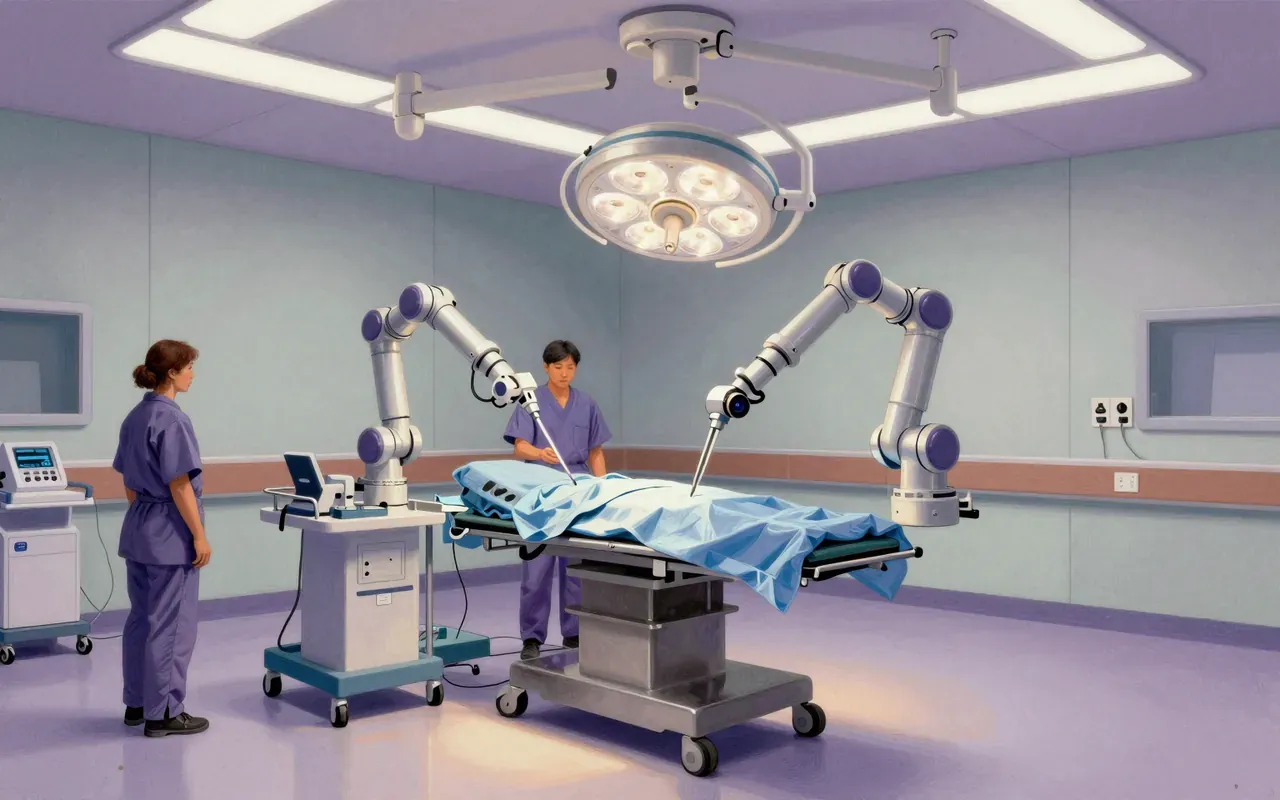
The Da Vinci Surgical System is a teleoperated robotic platform for minimally invasive surgery. It translates surgeon hand motions at a console into precise movements of up to four robotic arms at the patient’s side — one for 3D vision, the rest for tools. FDA-cleared in 2000, it had performed ~200,000 surgeries by 2012, mainly prostatectomies and hysterectomies. It does not demonstrate long-term superiority over laparoscopy. It demands high capital cost, proprietary software, dedicated training, and a full surgical team. Safety investigations by the FDA include reports of patient injury and death.
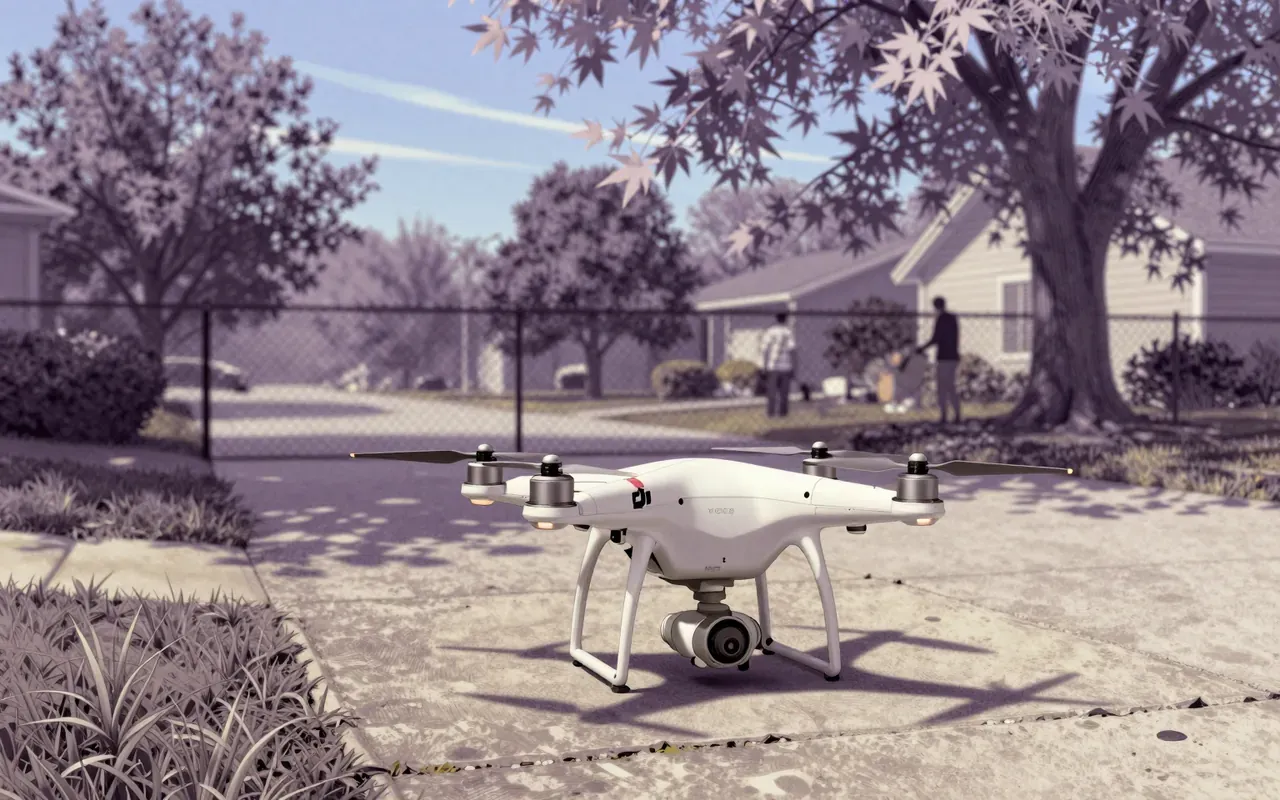
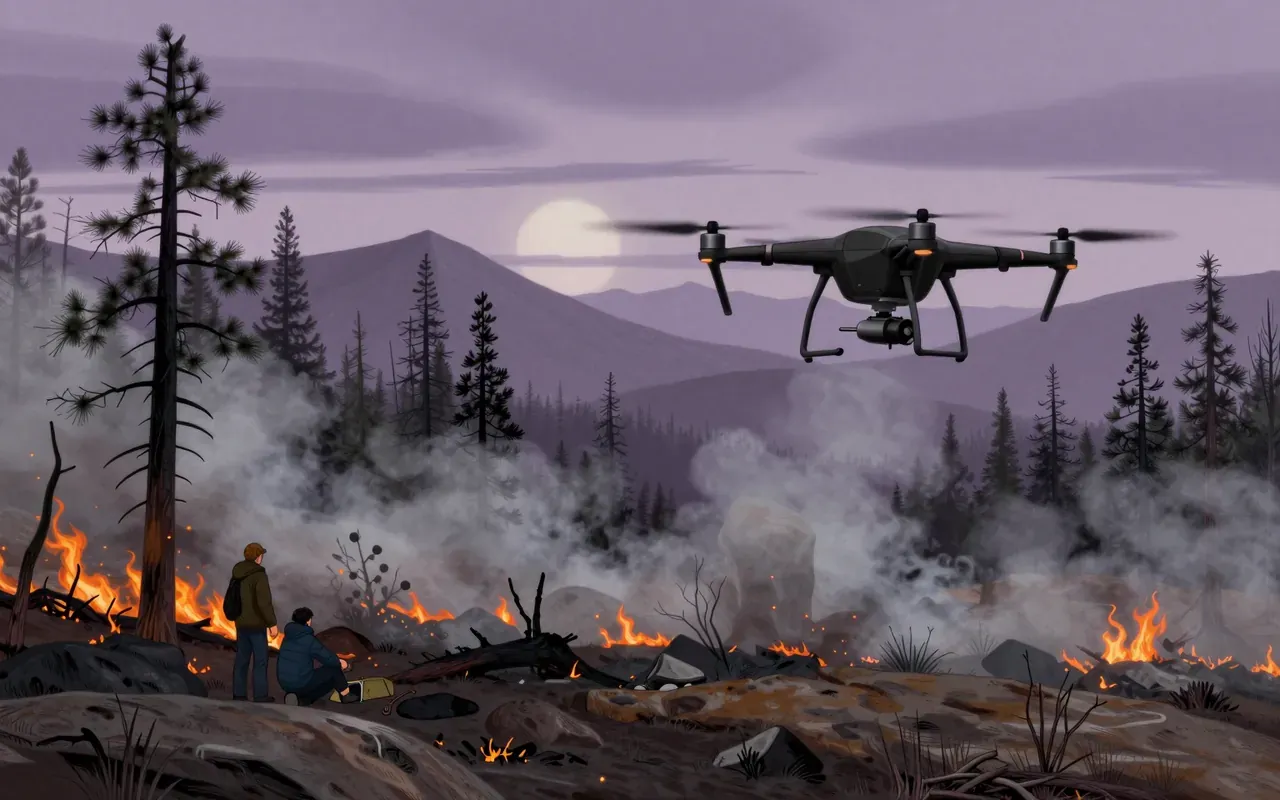
The DJI Phantom series launched in 2013 as an entry-level, GPS-stabilised quadcopter. It pioneered the consumer aerial photography drone form factor. It was DJI’s first fully assembled drone. It was priced at $629. It achieved 15 minutes of flight time. It supported optional GoPro mounting. It used a GPS-enabled NAZA-M autopilot. The Phantom 2 Vision introduced the first built-in camera in the series. The line was discontinued after the Phantom 4.
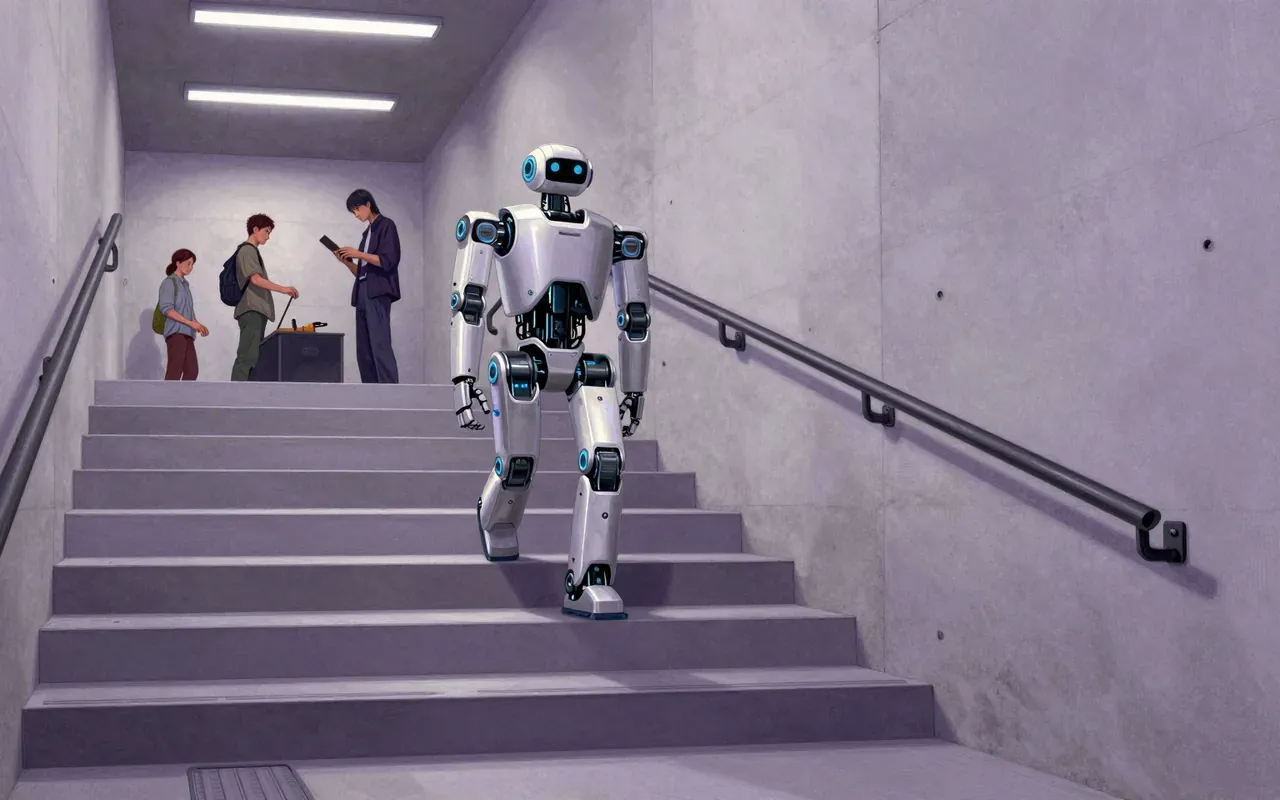
ASIMO was Honda’s eleventh humanoid robot, built to test bipedal navigation in human environments. It worked — but only in narrow conditions. It climbed stairs autonomously, yet fell twice. It recognised faces and gestures, but only pre-trained ones. It ran one hour on lithium-ion power, but never left the lab. Retired in 2022, it changed robotics research, not robotics use.
Go is a statically typed, compiled programming language designed in 2007 by Robert Griesemer, Rob Pike, and Ken Thompson at Google to improve programming productivity for multicore, networked machines and large codebases. It combines static typing and runtime efficiency like C, readability and usability like Python, and high-performance networking and multiprocessing. Publicly announced in November 2009 and released as version 1.0 in March 2012, Go emphasizes simplicity, safety, and developer tooling — especially around concurrency via goroutines and channels, packaging, testing, and deployment — while deliberately omitting features like inheritance, assertions, pointer arithmetic, and implicit type conversions. Its design reflects a focus on the software development process itself rather than just language syntax or semantics.


PyTorch is a Python-first deep learning library built by Meta in 2016 as Torch's successor. It enables rapid model prototyping via dynamic computation graphs (Autograd), tensor abstractions, and CUDA-accelerated training. As of 2025, it remains one of the most popular deep learning libraries—alongside TensorFlow and Keras—but its design prioritises researcher agility over production robustness, scalability, or deployment tooling.
TensorFlow is a machine learning API developed by Google. It is used mainly for training and inference of neural networks. It is free and open-source software released under the Apache License 2.0. It was developed by the Google Brain team for Google's internal use in research and production. The initial version was released under the Apache License 2.0 in 2015. Google released an updated version, TensorFlow 2.0, in September 2019. TensorFlow can be used in a wide variety of programming languages, including Python, JavaScript, C++, and Java. It is one of the most popular deep learning frameworks, alongside others such as PyTorch.


Grafana is open-source dashboard software that queries external data sources at render time. It unifies metrics, logs, and traces without storing data itself. Its JSON-based dashboards are versionable and composable. Since 2021, it uses AGPLv3 licensing. It originated from Graphite work at Orbitz and launched in January 2014. Its UI began as a fork of Kibana v3.


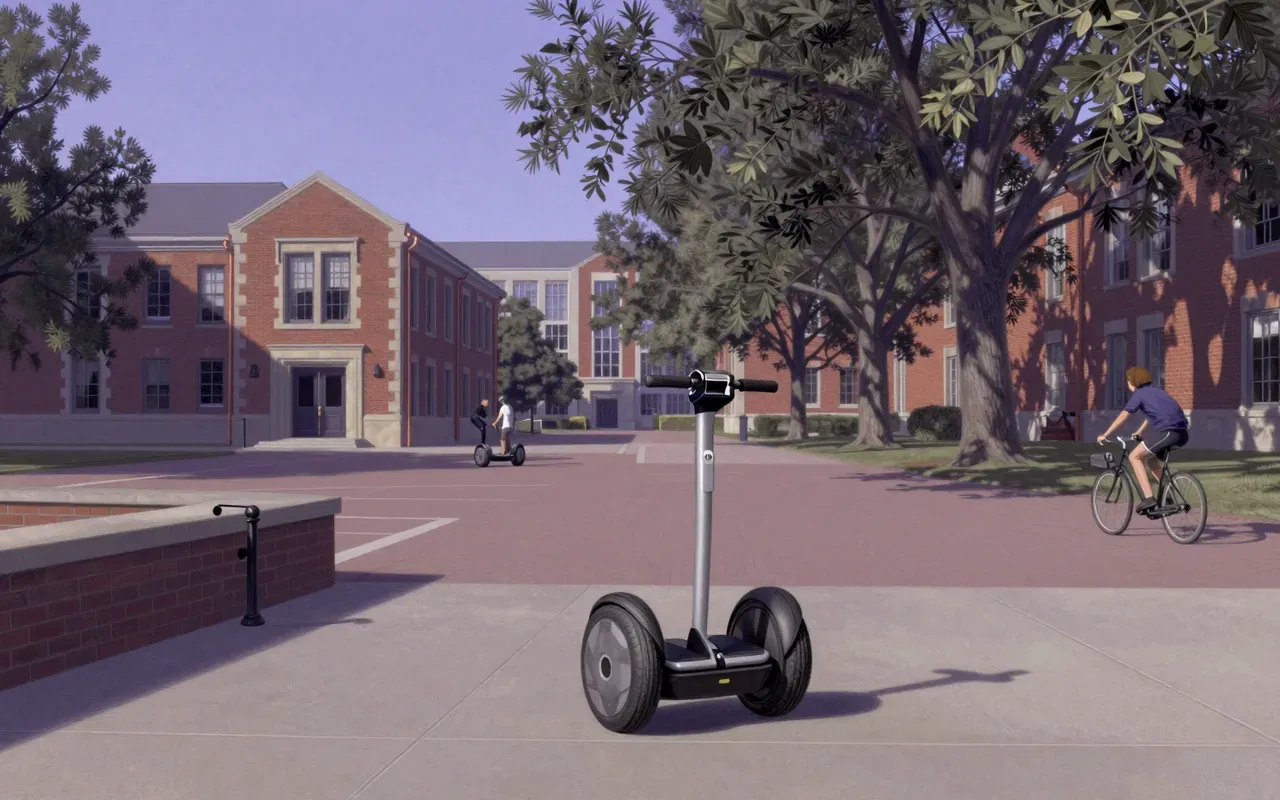
The Segway PT is a mechanically elegant, narrowly useful device born from medical robotics. It solved balance precisely, but failed to solve adoption. Its legacy is not in streets, but in patents, pivots, and the cautionary weight of overpromising hardware.
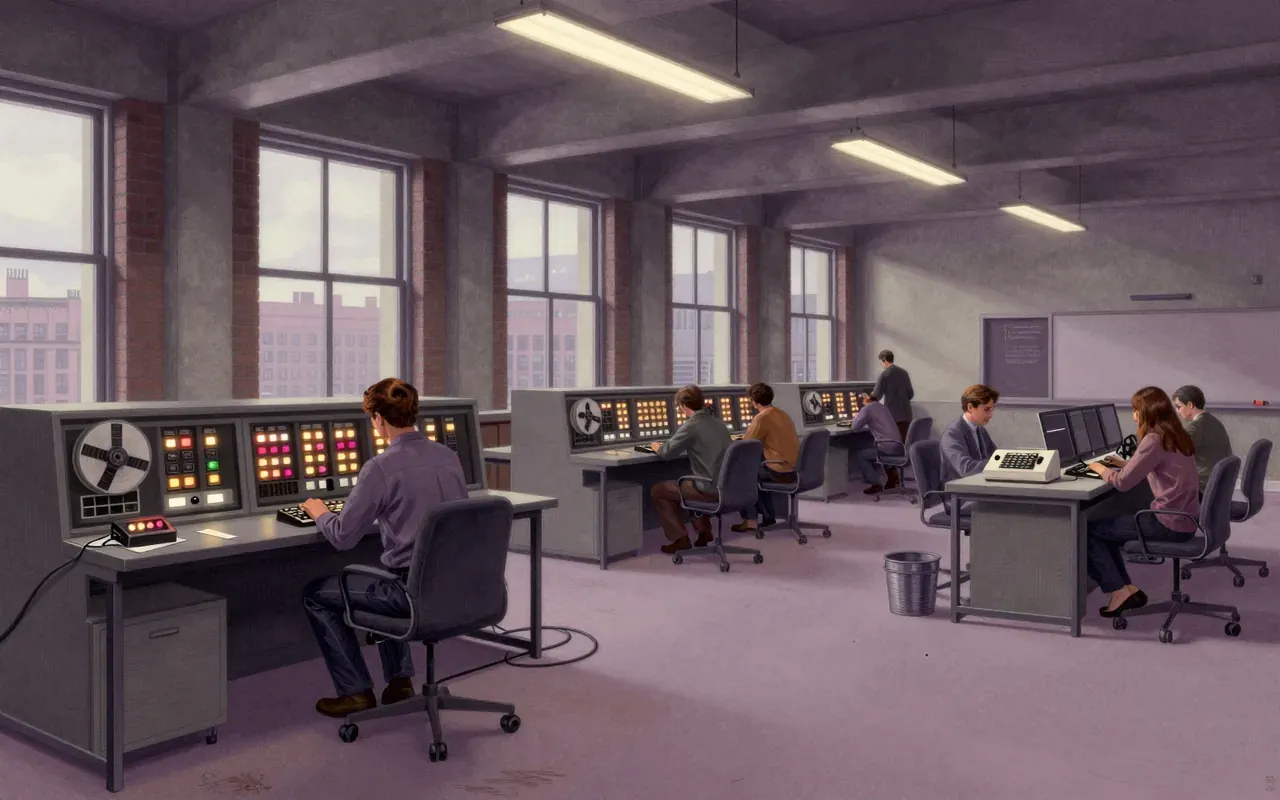
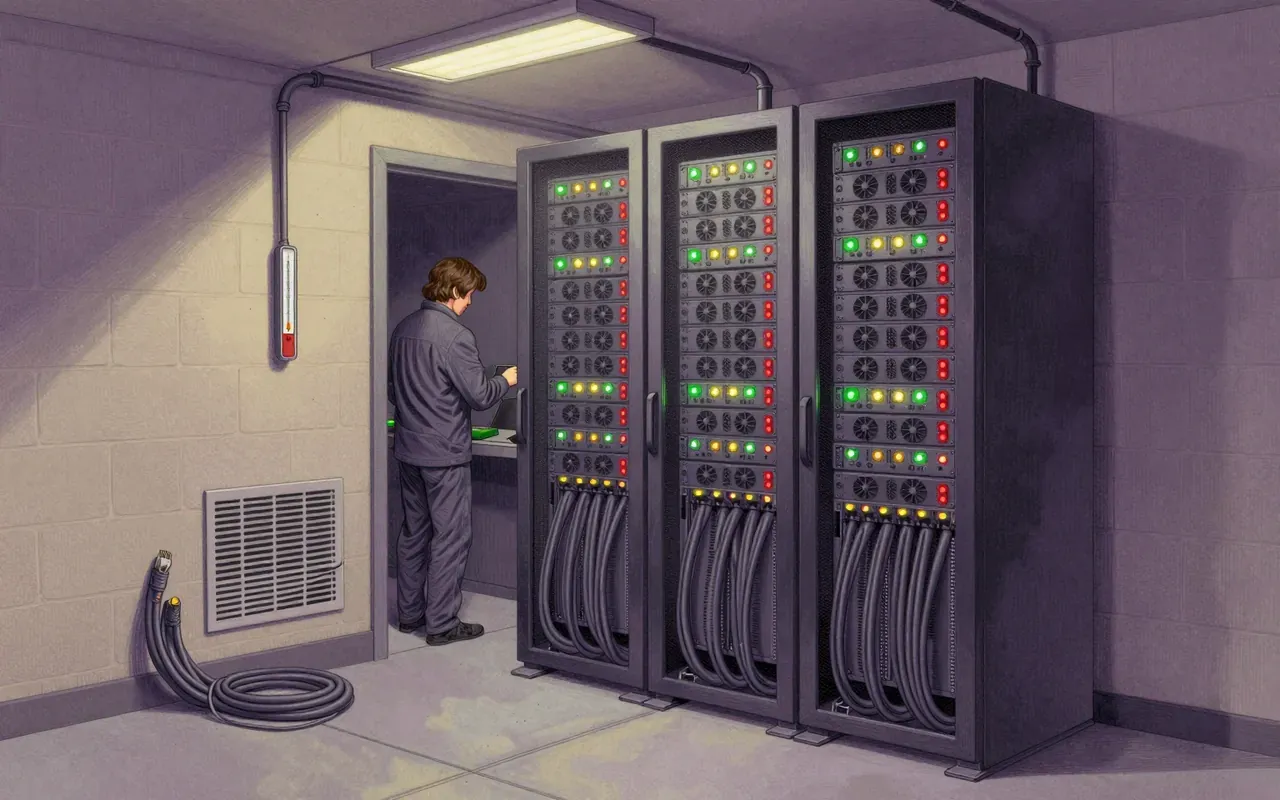
ImageNet is a foundational dataset infrastructure — not a model, not a tool, not a service. It succeeded by making scale measurable, not magical.
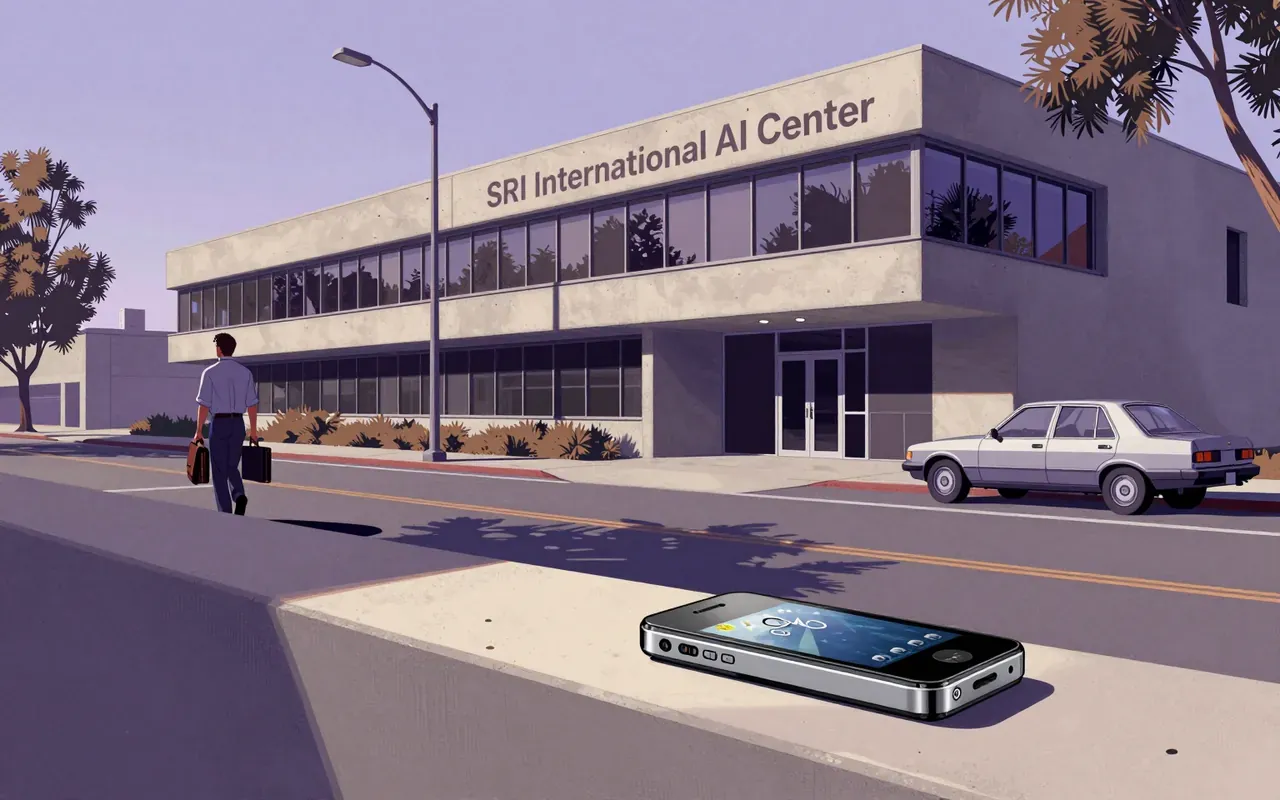

The Echo is a hardware interface for Alexa—a cloud-dependent voice service. It works well for narrow, internet-reliant tasks. It fails as a private, autonomous, or universally accessible system. Its legacy is not intelligence at the edge, but the normalisation of persistent listening and remote AI dependency.
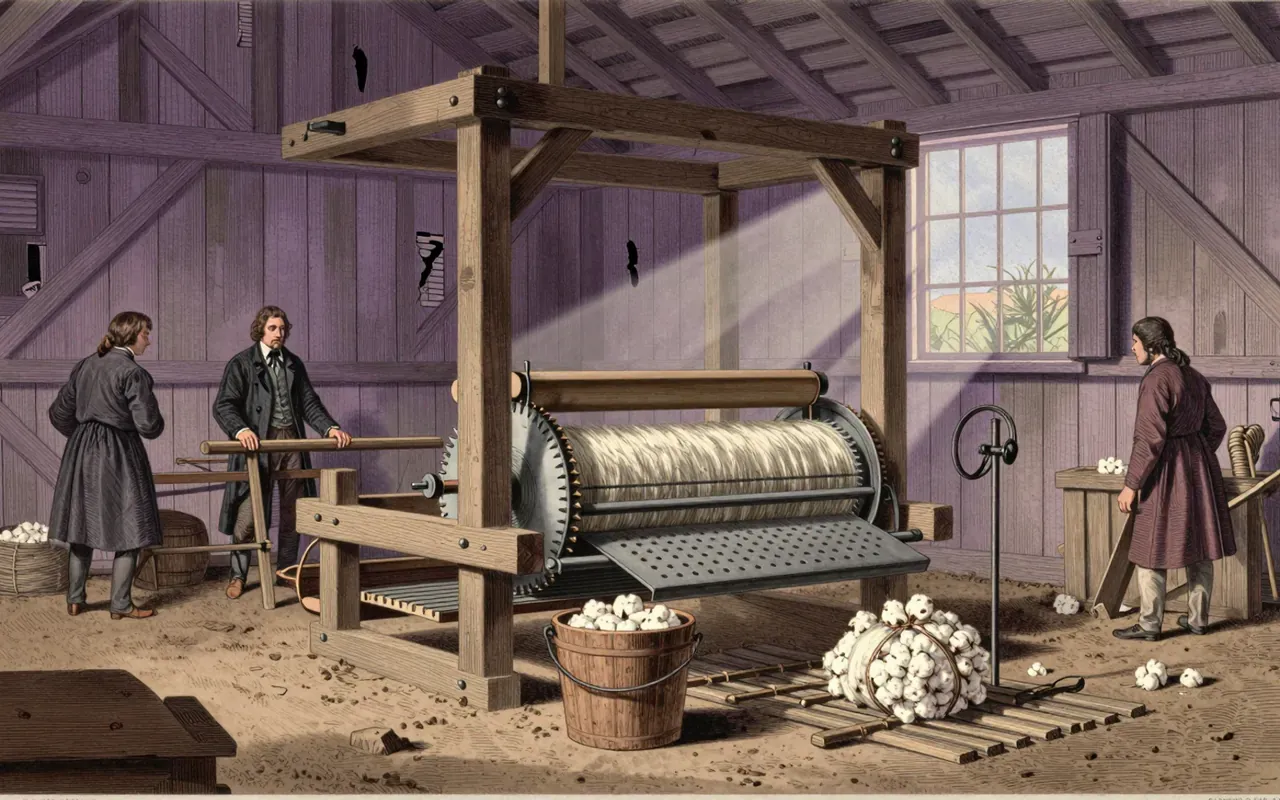
The cotton gin is a mechanical seed-removal device invented by Eli Whitney in 1793. It uses wire hooks on a rotating drum to pull cotton fibres through narrow ginning ribs, while a second rotating brush cylinder clears lint to prevent jams. It increased daily lint output from one pound (manual) to 50–55 pounds. This made cotton farming highly profitable, expanded U.S. cotton production, and catalysed a surge in exports—from under 500,000 pounds in 1793 to 93 million pounds by 1810. But it did not reduce overall labour demand. Instead, it shifted the bottleneck to field harvesting, intensifying reliance on enslaved people to pick cotton by hand. Its patent was granted in 1794 but not validated until 1807.
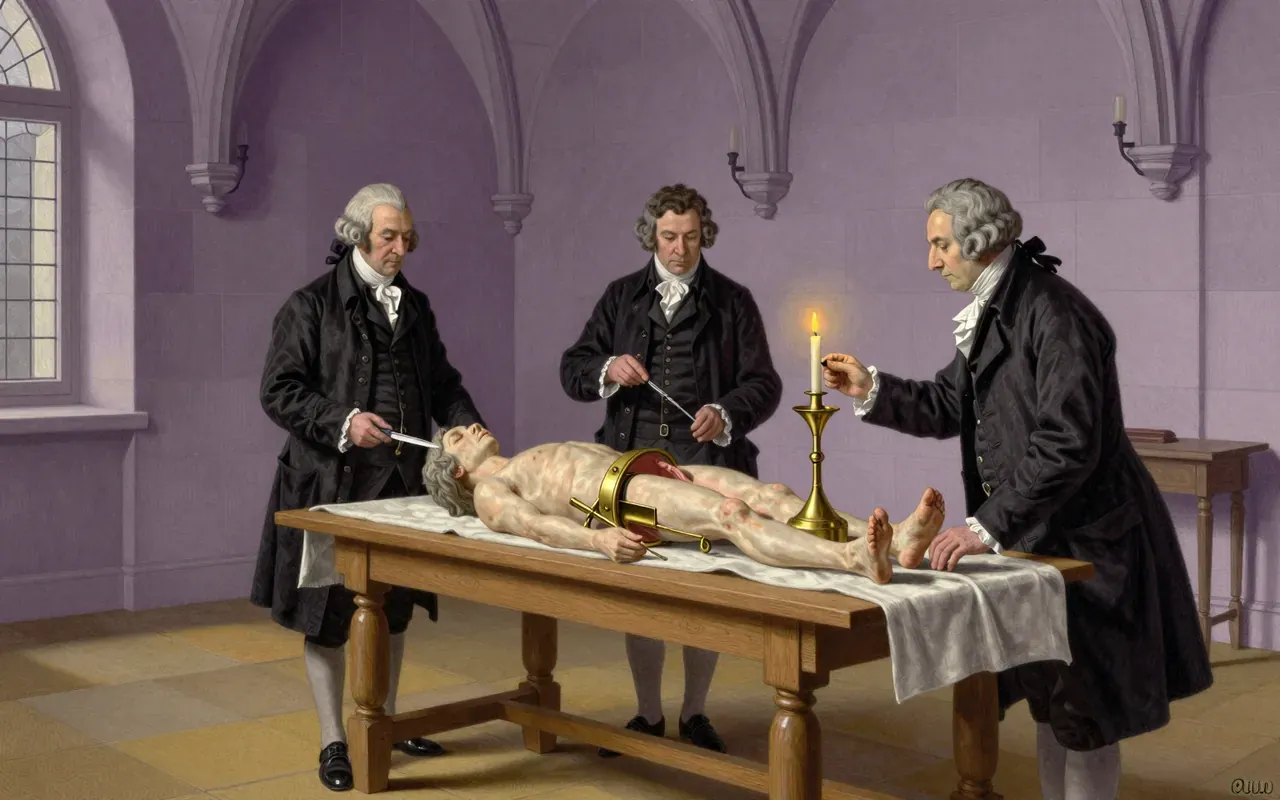
Bozzini’s Lichtleiter established endoscopy as a category: a purpose-built optical conduit for internal light and view. It worked technically in most cavities. It failed institutionally — blocked by authority, not physics. Its legacy is conceptual, not clinical.
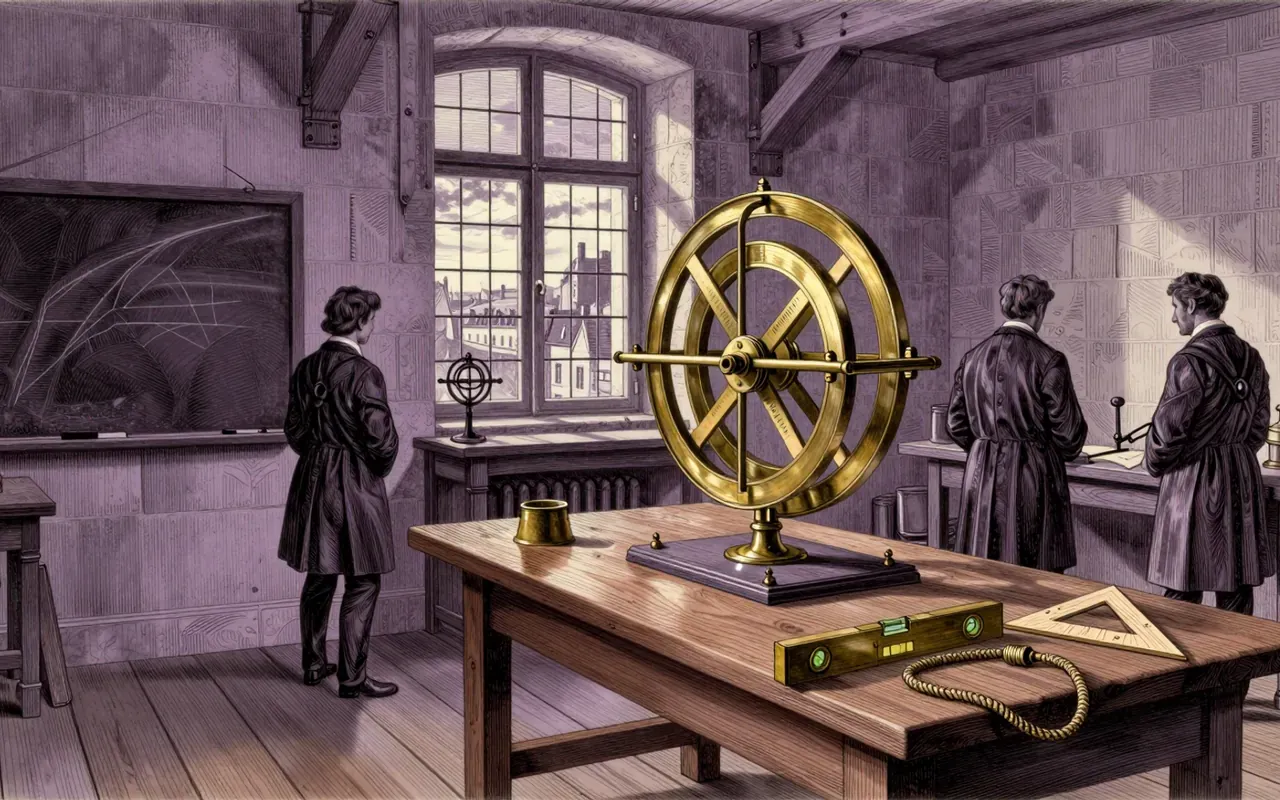
The gyroscope is a demonstration device, not a tool. It makes Earth’s rotation locally visible — for less than ten minutes — using nothing but inertia and friction. It changed pedagogy, not engineering.

Gauss’s 1833 magnetometer established absolute measurement of Earth’s magnetic field strength using oscillation frequency differences — a tenfold precision gain over predecessors. It was the first instrument to derive a non-mechanical quantity from mechanical fundamentals. It did not measure direction or local variation; it required stable conditions and assumed ideal magnetic and torsional behaviour. Its legacy is metrological, not operational.
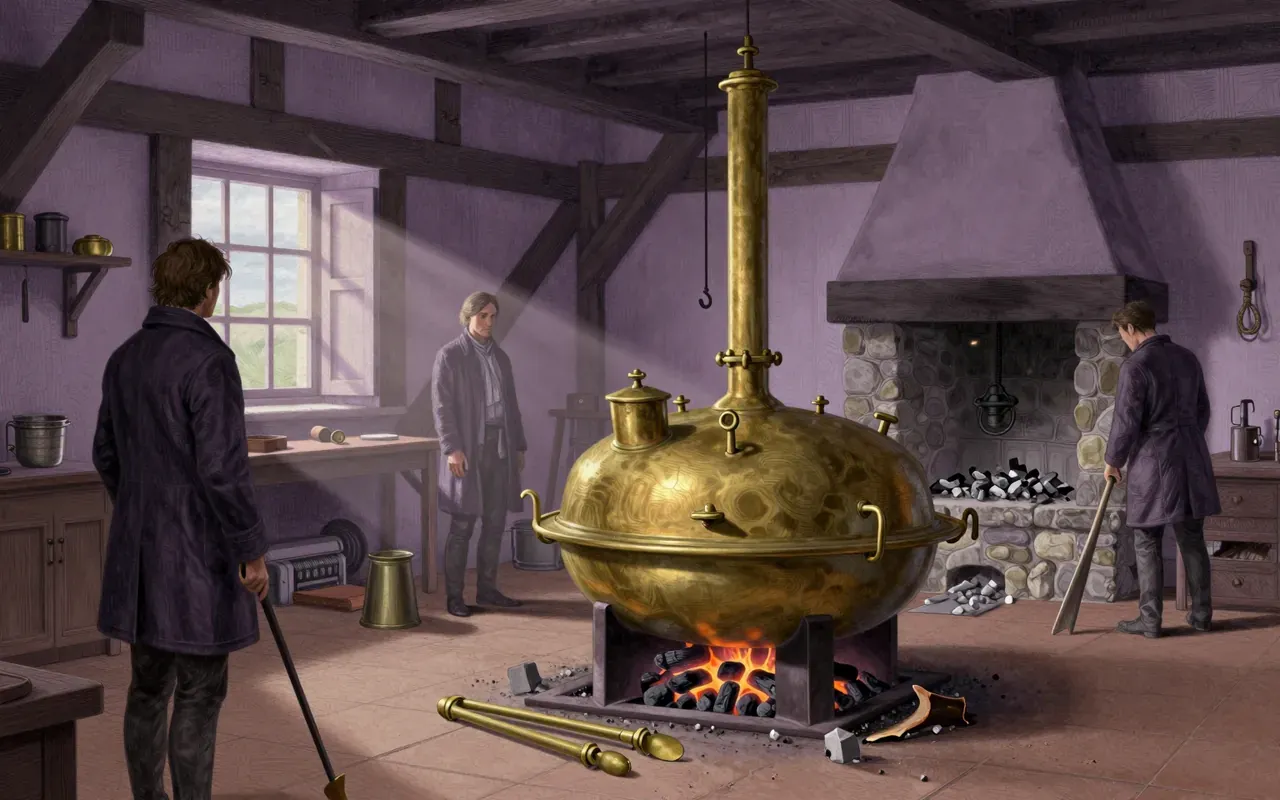
The steam digester is a 1679 experimental vessel that used trapped steam to raise boiling temperature and cut cooking time. It introduced the safety valve and demonstrated atmospheric pressure’s mechanical action — directly enabling Papin’s 1690 piston engine. It was never mass-produced, never used outside demonstration, and had no domestic adoption. Its value is archival and conceptual: it is the first device to treat pressure as a controllable variable in thermal systems.


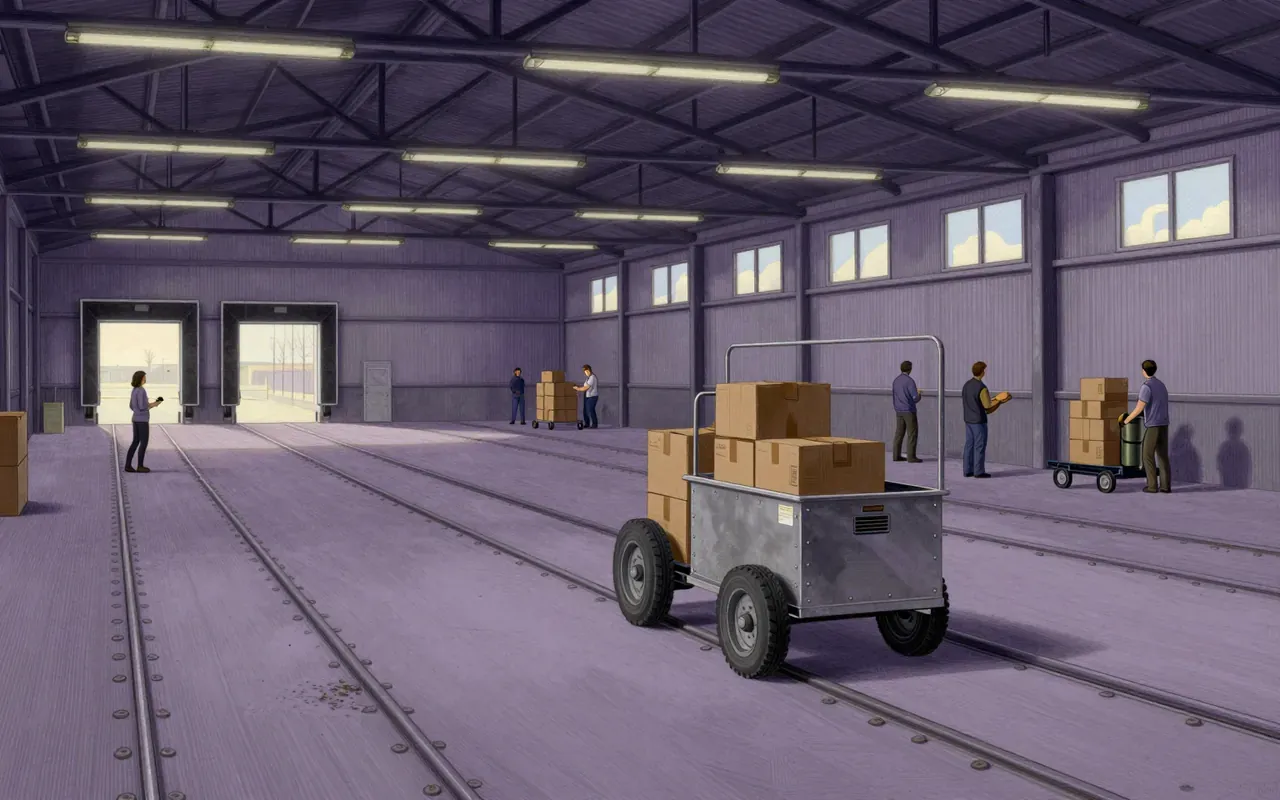
The Barrett Electronics AGV established guided vehicle automation as a physical layer—not a cognitive one. It moved payloads predictably, cheaply, and without rails—but demanded infrastructure, not intelligence. Its legacy is in floor plans, not algorithms.