The plough is not one invention but a lineage of adaptations: wheelless aratrum → wheeled variants → detachable shares → iron → cast iron → mould-board. Its most consequential form — the heavy iron mould-board plough — originated in Han China, not Europe. It enabled deeper, more consistent tillage but required draft animals, skilled maintenance, and regional adaptation. Its value lies in its layered material evolution — not in any singular ‘breakthrough’ moment.
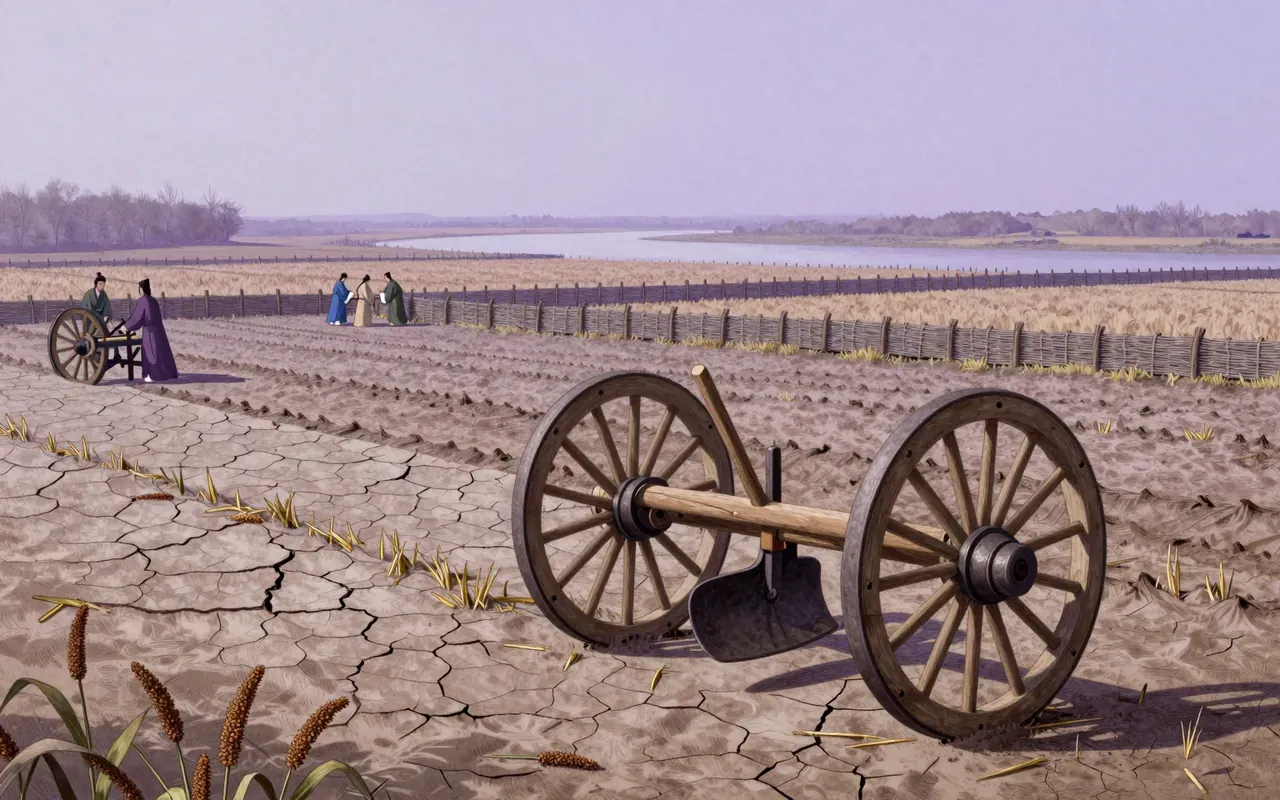
The earliest ploughs had no wheels and were called aratrum by the Romans; wheels came later via Celtic adoption during the Roman era.
2:12
Modularity and metallurgy arrived separately
Detachable shares date to 1000 BC in the Ancient Near East; iron shares followed in China by 500 BC.
3:21
Cast iron made the share whole
Pre-Han Chinese ploughs used wood with iron blades; Han-era ploughshares were fully cast iron — a decisive materials shift.
4:16
The mould-board began in Han China
The heavy iron mould-board plough was invented in Han China’s 1st–2nd century CE — not medieval Europe.
5:47
A later advance, not the origin
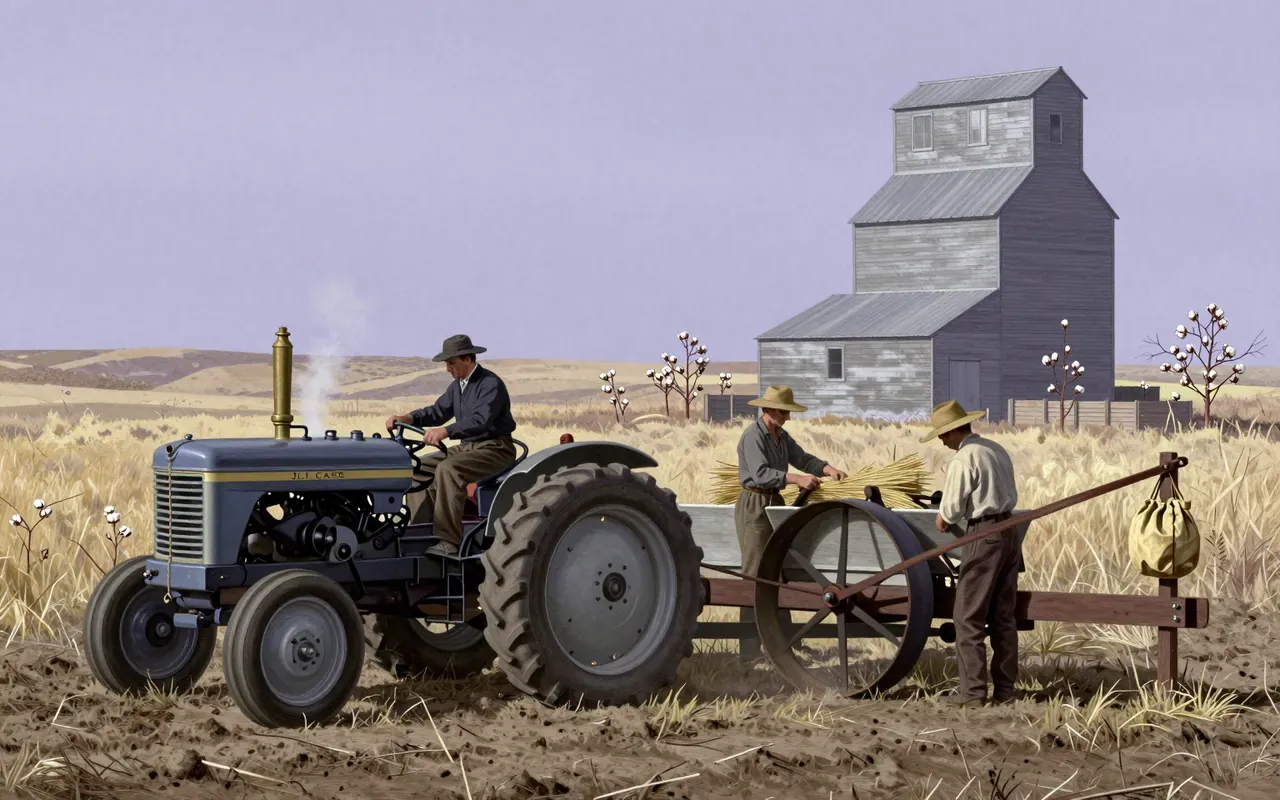
The 18th-century mould-board plough was a major technological advance — but it was a reinvention, not the first.
Worth your time?
Yes. Study the whole thing.
4.5/ 5
What works
establishes clear material chronology
separates mechanism from promise
grounds every claim in verified evidence
avoids Eurocentric framing
What does not
claim inevitability
repeat launch claims as findings
praise without reason
invent facts
Study it if
historians of technology
archaeologists
comparative agrarian scholars
Skip it if
modern farmers
agri-tech product managers
policy designers for contemporary food systems
The written brief1 min read
What it is and the problem it solves
The plough is a soil-turning tillage tool. It solves the problem of breaking and inverting compacted or sodden earth to prepare seedbeds. It enables cultivation of heavier soils unsuited to hoes or digging sticks.
How it works
The plough cuts and turns soil using a blade (share) mounted on a frame. Early versions were wheelless aratrum. Later variants added wheels. The mould-board directs turned soil sideways. Iron shares replaced wooden ones. Cast iron shares emerged in Han China.
What works
Detachable shares work: they appeared by 1000 BC in the Ancient Near East. Iron shares work: they appeared by 500 BC in China. Cast iron shares work: they replaced wooden bodies with full-metal shares in Han China. Wheeled ploughs work: Celtic peoples adopted them in the Roman era. The heavy iron mould-board plough works: it was invented in Han China’s 1st–2nd century CE and spread later.
What does not
It does not mechanise cultivation. It does not eliminate human or animal labour. It does not standardise across regions: wheeled forms appeared in Celtic areas under Rome; heavy iron mould-boards originated in Han China, not Europe. It does not imply uniform adoption or immediate yield gains.
What it changes
It changes land-use capacity. Wooden ploughs with iron blades (pre-Han) could scratch topsoil. Cast iron shares (Han era) enabled deeper tillage. Detachable shares (1000 BC Near East) allowed repair without replacing the whole tool. The 18th-century mould-board plough was a major technological advance — but that is a later iteration, not the origin.
Is it worth your time
Yes — if you work in agricultural history, archaeology, or comparative technology studies. It is foundational infrastructure, not current practice. Its evolution reveals how material constraints shape farming systems across empires and millennia.