Samsung Electric Industries was founded in 1969 to assemble electronics in South Korea. It entered semiconductors in 1974 via acquisition, licensed Micron’s DRAM technology in 1983, and delivered a working 64 kb DRAM in 1984—cutting the global technology gap to four years. Samsung Electronics did not exist until its 1988 merger. This is not the story of an origin myth—it is the story of deliberate, imported, incremental catch-up.
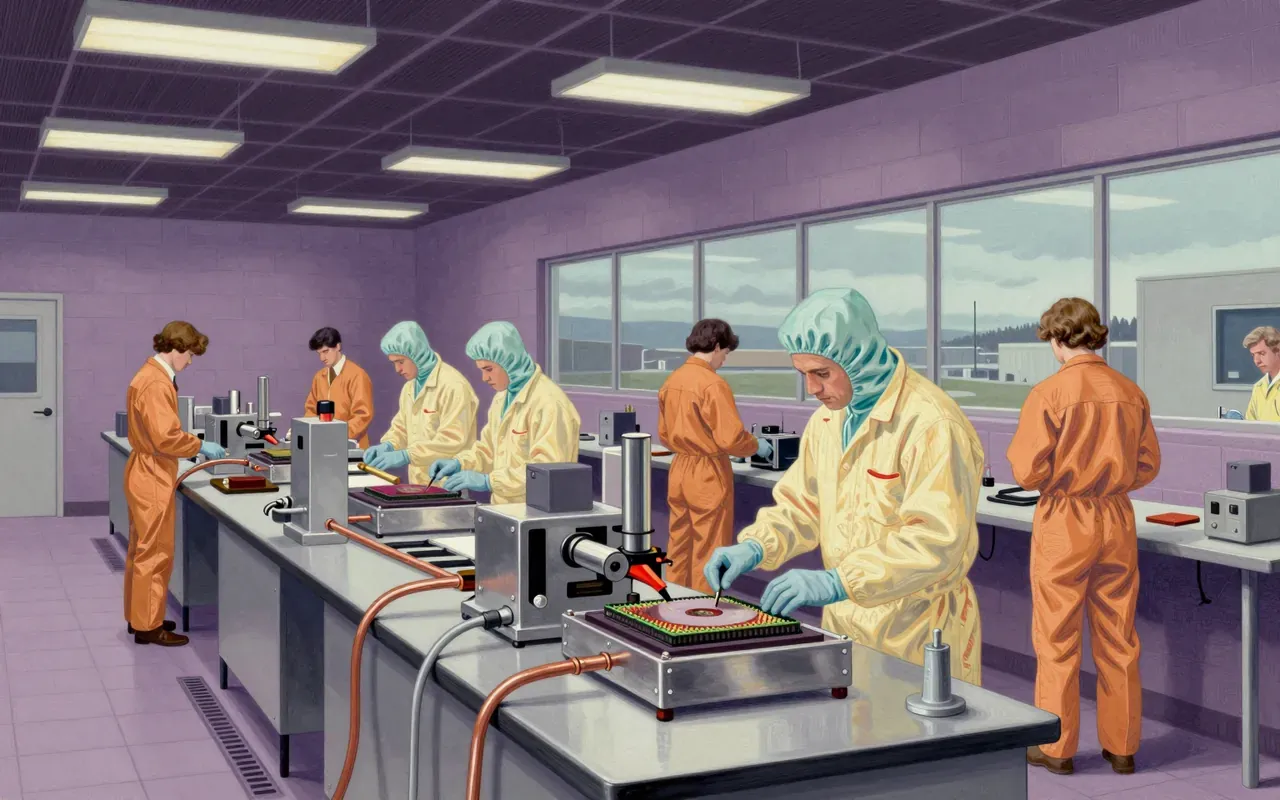
Samsung Electric Industries began in 1969—not as Samsung Electronics, but as an industrial unit building electronics in Suwon.
2:41
Imported Foundations
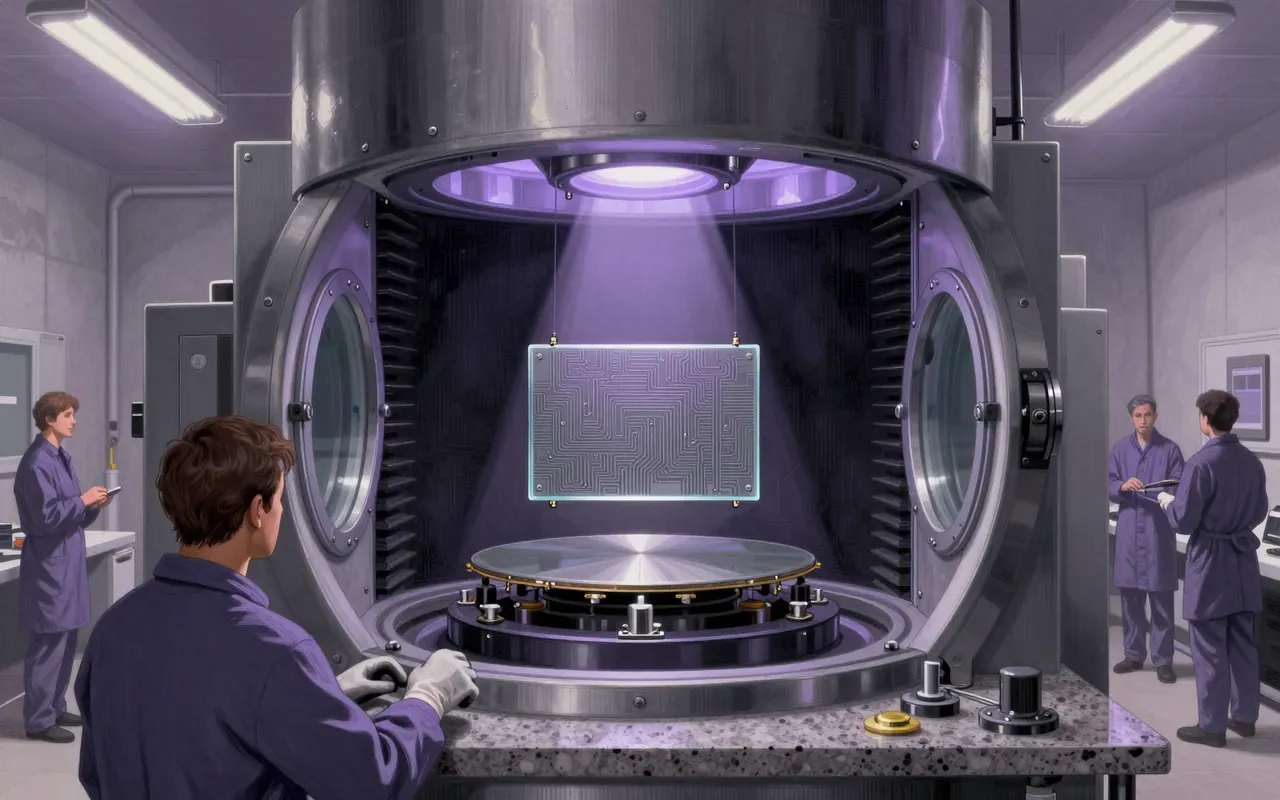
Samsung entered semiconductors in 1974 by acquisition, then licensed Micron’s DRAM tech in 1983—no homegrown process at launch.
4:21
Declaration Then Delivery
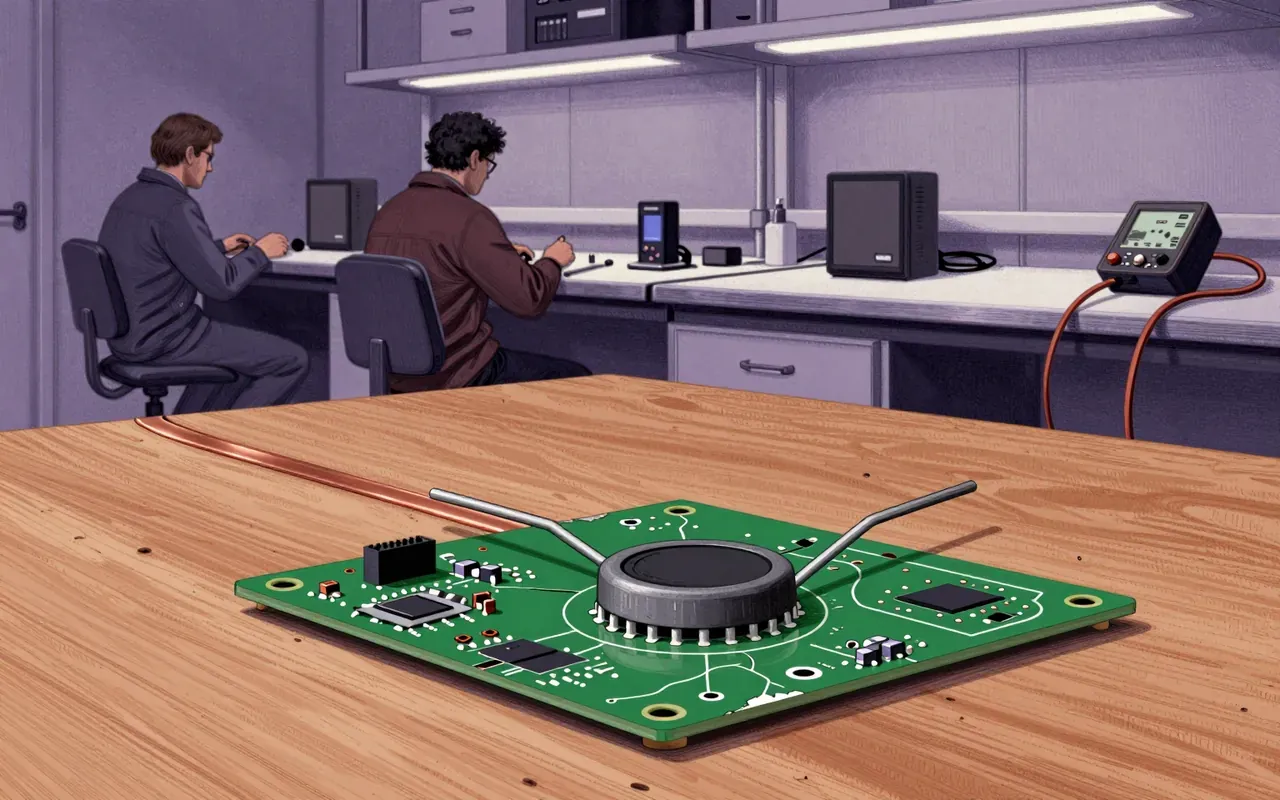
The 1983 Tokyo Declaration was a commitment—not a capability—and the 64 kb DRAM delivered one year later proved execution, not invention.
6:30
1988: The Real Birth
Samsung Electronics did not exist before 1988. Its formation was a merger—not an evolution—of two separate entities.
Worth your time?
Yes. Study the whole thing.
3.5/ 5
What works
merger-based scaling
imported-technology execution
state-aligned industrial timing
What does not
claim that Samsung invented DRAM
claim that Samsung Electronics existed before 1988
claim that Samsung closed the technology gap in 1983
Study it if
policy analysts tracking late-industrialising states
engineers evaluating licensing vs. in-house fab strategies
historians studying semiconductor diffusion
Skip it if
investors seeking early-stage IP signals
designers assuming native Korean process nodes in the 1970s
educators presenting Samsung as a self-made innovator
The written brief1 min read
What it is and the problem it solves
Samsung Electric Industries is a 1969 Korean electronics manufacturer. It solved the problem of local assembly capacity for consumer electronics—but not core semiconductor design or fabrication autonomy.
How it works
Samsung Electric Industries was founded in 1969 to manufacture electronics in South Korea. It entered semiconductors in 1974 by acquiring Korea Semiconductor. In 1983, it announced DRAM ambitions and licensed Micron’s DRAM technology. It developed a 64 kb DRAM one year later using that imported tech.
What works
The merger strategy worked: Samsung Electric Industries and Samsung Semiconductor & Communications unified in 1988 to form Samsung Electronics. The 64 kb DRAM development worked: it delivered a functional product one year after the Tokyo Declaration and shortened the technology gap.
What does not
Samsung Electric Industries did not invent DRAM. It did not close the global technology gap in 1983—it narrowed it to four years, still trailing first-world vendors. It was not Samsung Electronics until 1988.
What it changes
It changed South Korea’s industrial trajectory: from assembler to memory vendor. It established a state-backed, acquisition-led path into high-tech manufacturing—relying on foreign IP, not indigenous R&D, at critical inflection points.
Is it worth your time
Yes—if you work on semiconductor policy, supply-chain resilience, or late-industrialisation strategies. No—if you assume Samsung’s 1969 founding implies integrated chip design or domestic IP at launch.