technologybriefs
11:12in productionCh. 1 · What it actually does/ 11:12 · ceiling 15 min
Energy · Systems

Cooling tower

Cooling towers don’t cool the world—they cool the machines that run it, at the cost of water, land, and constant upkeep.

Cooling towers solve a hard thermodynamic problem: rejecting large-scale waste heat where water or airflow is available. Their hyperboloid form—patented in 1916, built in 1917—was an engineering refinement, not a revolution. They work reliably, but demand water, space, and maintenance. They enable thermal power—but do not make it clean or efficient.

Chapters & takeaways4
  1. 1:06
    What it actually does

    It rejects waste heat—not by magic, but by evaporation or air convection.

  2. 2:41
    How it evolved

    It emerged with steam engines, then matured as a concrete hyperboloid—patented in 1916, built in 1917.

  3. 4:50
    Why the shape matters

    The hyperboloid shell stands without internal supports—a feat of geometry, not brute force.

  4. 6:40
    Where physics draws the line

    Evaporative towers hit wet-bulb limits; dry towers stop at dry-bulb—and both demand trade-offs.

Worth your time?

Yes. Study the whole thing.

4/ 5
What works
  • rejecting heat at industrial scale
  • reducing structural material via hyperboloid geometry
  • enabling continuous steam-cycle operation
What does not
  • eliminate water consumption
  • achieve temperatures below wet-bulb (evaporative) or dry-bulb (dry)
  • scale efficiently in arid regions without trade-offs
Study it if
  • plant operators
  • thermal systems engineers
  • infrastructure planners
Skip it if
  • software developers
  • AI researchers
  • policy designers without technical thermal literacy
The written brief1 min read

What it is and the problem it solves

A cooling tower is a heat rejection device that solves the problem of dissipating waste heat from industrial water loops. Without it, steam engines, power stations, and chemical plants could not run continuously.

How it works

It cools water by evaporation—dropping it near wet-bulb temperature—or by air alone via radiators, dropping it near dry-bulb temperature. It rejects waste heat from industrial processes or power generation into the atmosphere.

What works

The hyperboloid reinforced-concrete design works: its thin, double-curved shell requires no internal supports, reducing material use while maintaining structural integrity under wind and thermal load.

What does not

It does not eliminate water consumption. Evaporative variants lose water to the air. Dry variants reject less heat per unit volume and require more fan power, limiting adoption where space or energy efficiency is constrained.

What it changes

It enables continuous operation of steam-based power plants and large-scale industrial processes by managing heat rejection at scale—replacing once-through cooling that required vast water bodies or rivers.

Is it worth your time

Yes—if you manage thermal loads in energy, chemical, or manufacturing systems. Its operational cost depends on water availability, ambient humidity, and maintenance of evaporative surfaces or radiator fins.
Same field · Energy4 of 14
10:33
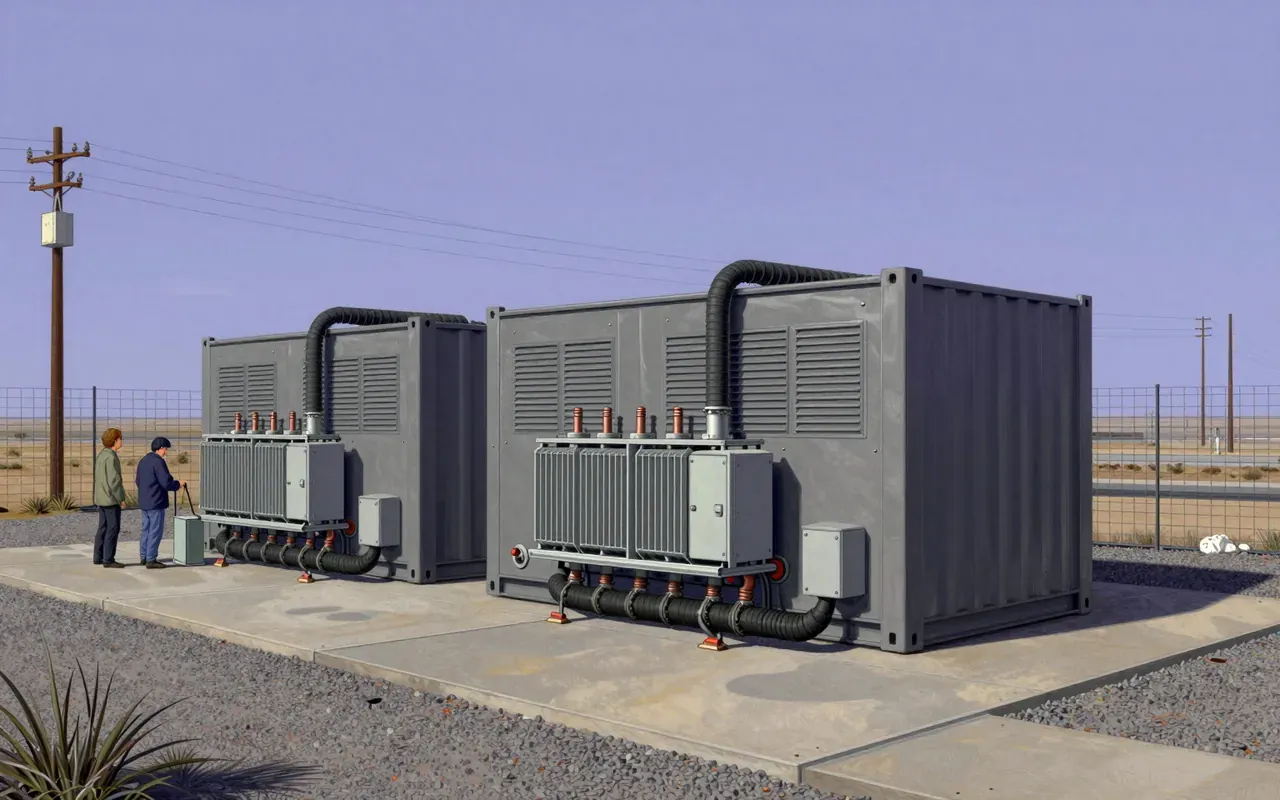
Corliss steam engineGeorge Henry CorlissThe Corliss steam engine is a mechanically elegant solution to stationary steam inefficiency—no more, no less.
10:18
Diesel engineRudolf Diesel · 1893The diesel engine is a compression-ignition internal combustion engine that replaces spark-based ignition with heat from air compression. It solves the low efficiency of steam engines by achieving 26.2% effective efficiency by 1897 — 75% above steam’s 10% theoretical limit. Its core mechanism works: air compression alone ignites fuel. But its original isothermal-cycle theory failed — abandoned after criticism revealed it demanded physically impossible compression ratios. Diesel corrected to a constant-pressure cycle by June 1893, filed two patents, published a treatise, and proved the concept with petrol ignition on 10 August 1893. The first successful engine, Motor 250/400, was tested in 1897. It changes energy conversion by establishing compression ignition as a scalable, high-efficiency alternative — but only after discarding its founding premise. Worth your time if you work on thermodynamics, engine design, or historical technology development.
9:45
Diesel locomotiveThe diesel locomotive is a hardware solution built around a power source that refused to behave like one. It succeeded only after transmission systems decoupled the diesel engine’s rigid operating limits from wheel demand—and only after the engine itself became light and powerful enough to mount. Its early failures weren’t technical missteps but timing errors: the mechanism arrived before the machine could carry it.
9:33
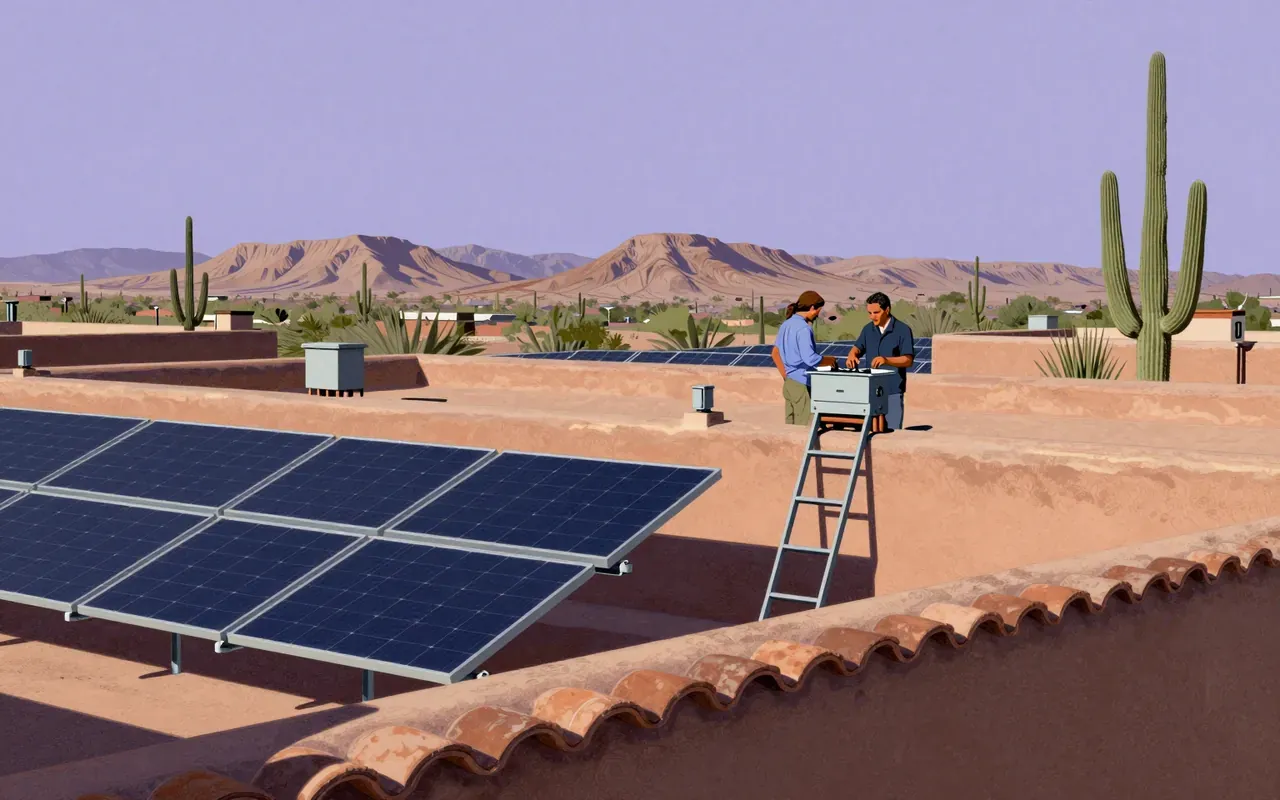
Electric generator1873The '1873 electric generator' is a misattribution. The foundational device — Faraday’s disk — dates to 1831. Its inefficiency forced rapid redesign toward multi-turn coils and commutated dynamos. By 1844, the Woolrich generator was powering industry. Nothing in the source material supports 1873 as a milestone. The real story is iterative correction: from flawed principle to functional hardware.
Up next in Technology

Corliss steam engine

George Henry Corliss · 10:33

It didn’t invent steam power—it reinvented how much work you get from a pound of coal.

10:33