Thunderbolt
Thunderbolt is a hardware interface, developed by Intel with Apple, that carries PCI Express, DisplayPort and power over a single cable to connect external peripherals to a computer.
Making it work with the materials and money available.



Capacitive sensing is not an invention by E.A. Johnson. He is a Canadian ecologist whose work concerns climate change, fire management, and geoscience-ecology interfaces. Capacitive sensing is an engineering method with no documented link to him. The technology relies on measurable electric field disruption—not intuition, ecology, or field observation.

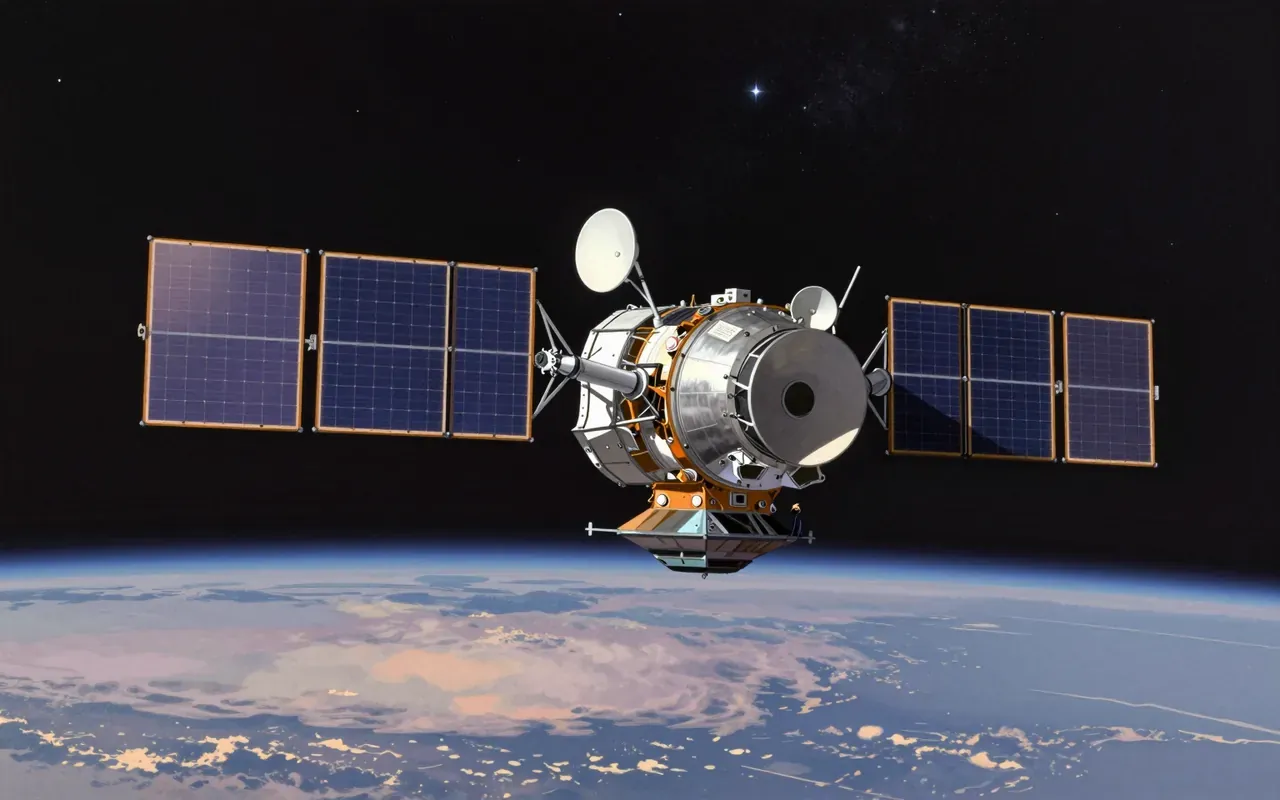
GPS signals are a U.S. Department of Defense standard defining CDMA-based ranging signals and structured navigation messages. They enable position and time determination—but only if receivers correctly decode Gold codes, resolve millisecond ambiguities, and parse ephemeris data. The standard delivers what it promises: signal formats. It does not deliver accuracy, reliability, or resilience.

REST is Roy Fielding’s 2000 architectural style for the Web. It defines constraints—not rules—to diagnose scalability failures in distributed hypermedia systems. Its power lies in exposing gaps between promise and practice, especially around statelessness and HATEOAS. Most so-called RESTful APIs ignore its core mechanism: hypermedia-driven state transitions.

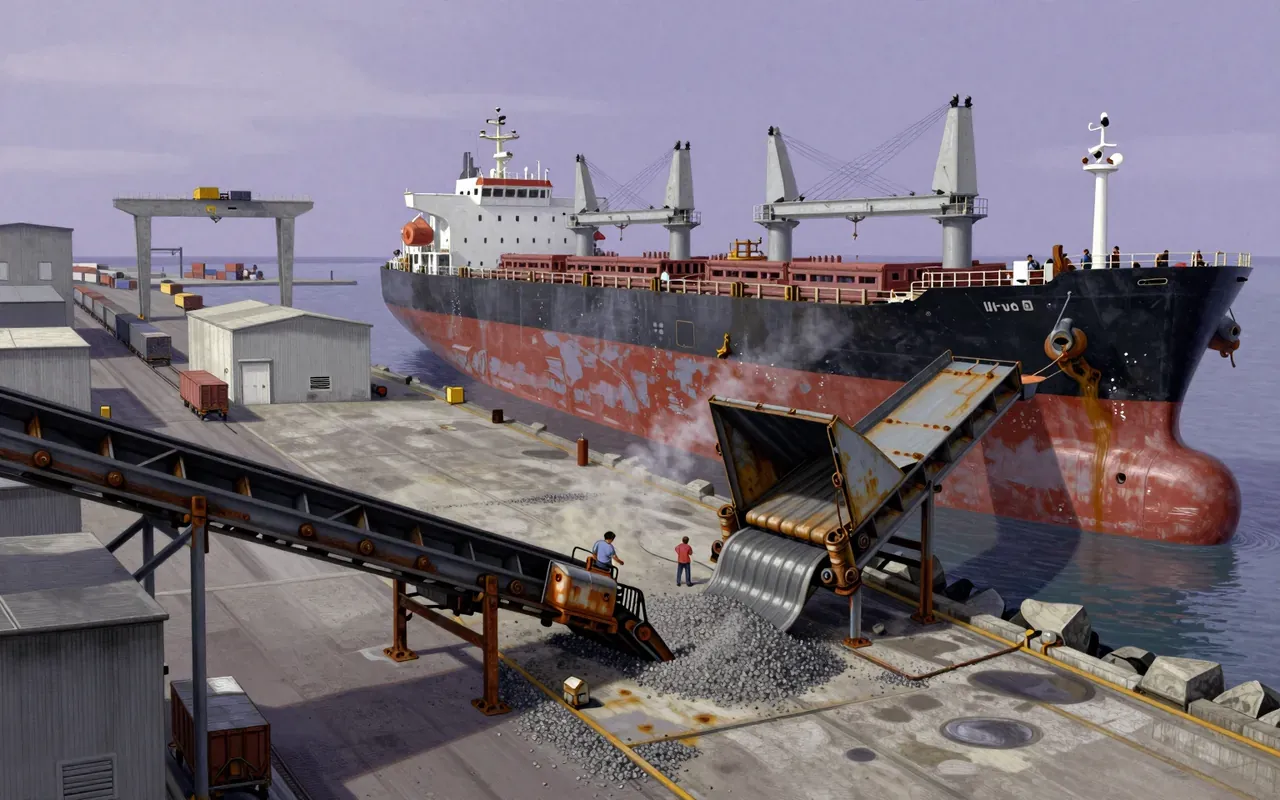
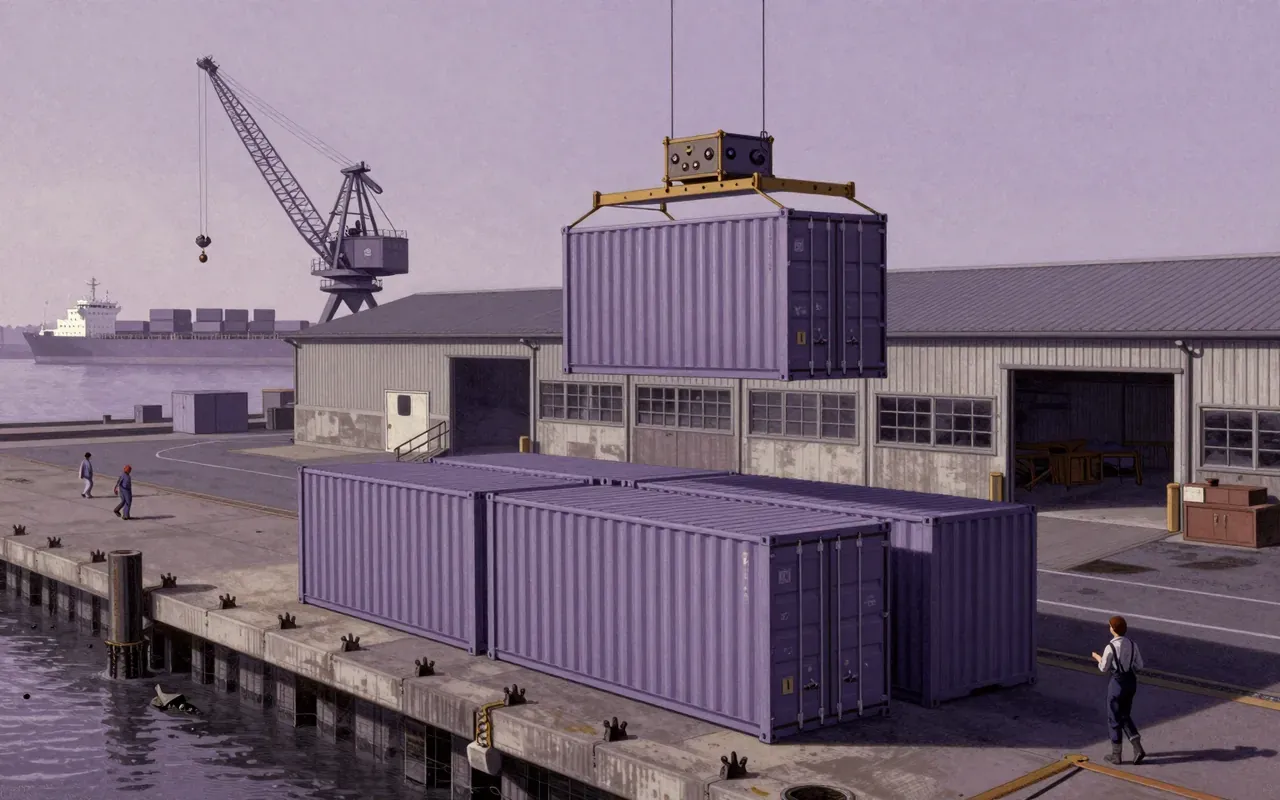
Containerization is the physical standardisation of cargo transport. It replaced break-bulk handling with sealed, stackable, crane-liftable steel boxes. McLean and Tantlinger designed it in 1955. Its twistlock corners enabled secure intermodal transfer. SeaLand released the patent in 1963. The design became the American and international standard in September 1965. It reduced cost and time. It displaced dock labour. It enabled just-in-time manufacturing. It remains the dominant form of non-bulk cargo transport.
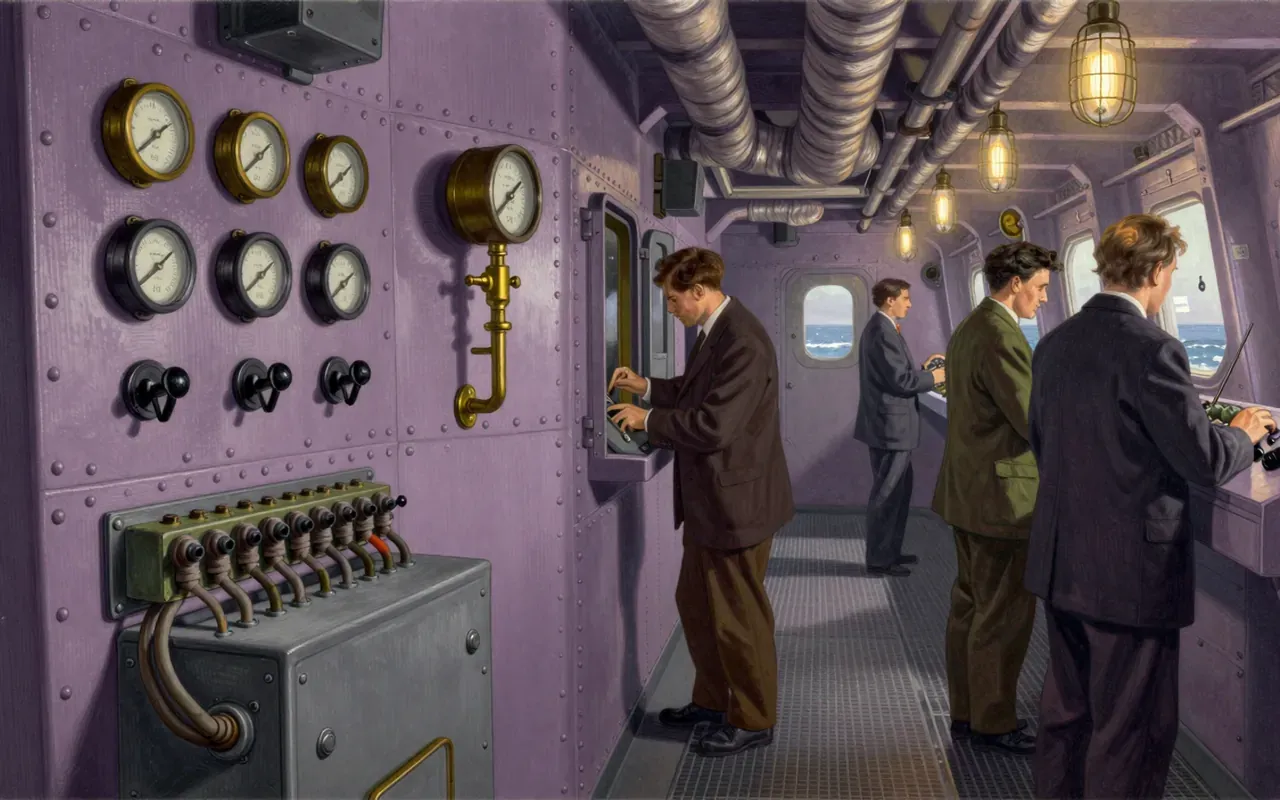
Closed-loop control uses feedback to regulate dynamical systems. It requires sensors, a controller, actuators, and a plant. It improves disturbance rejection, stability, and accuracy over open-loop methods—but depends entirely on correct implementation, sensor fidelity, and controller design. Nicholas Minorsky is not mentioned in the source material.
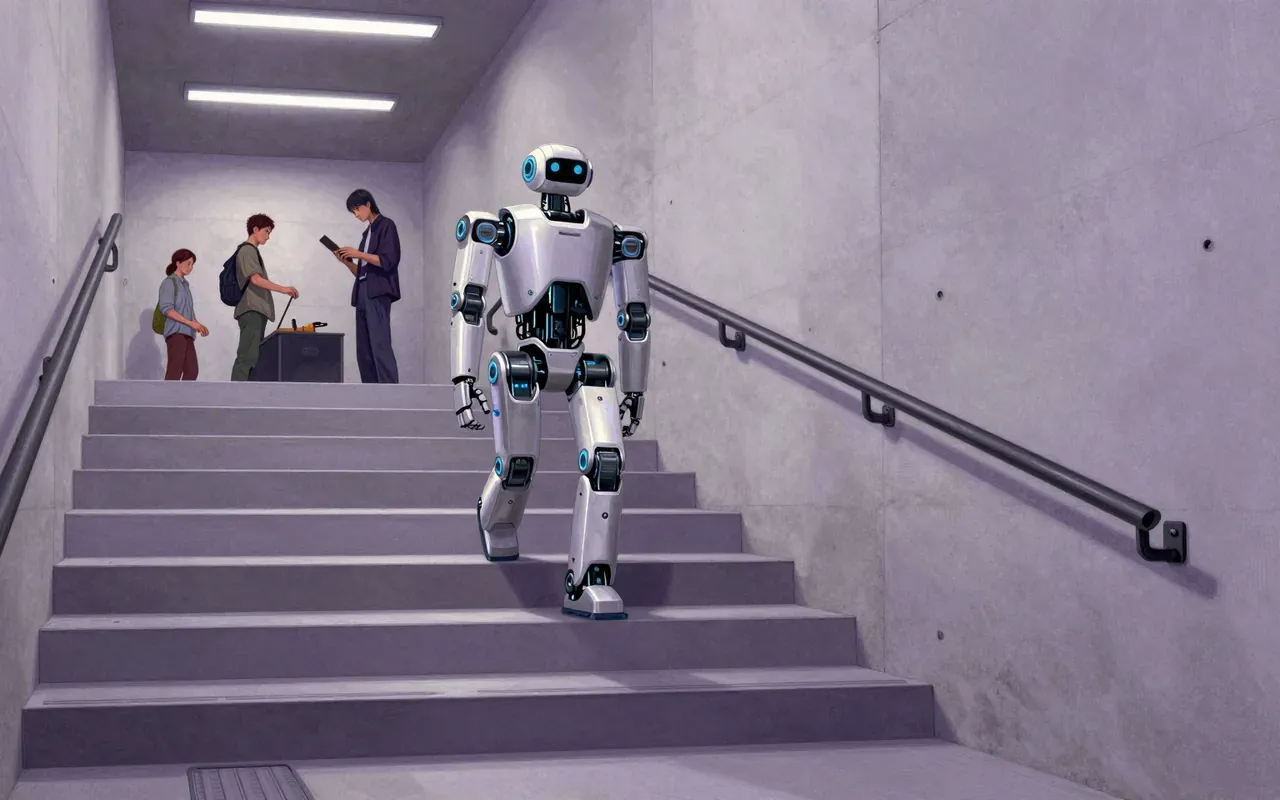
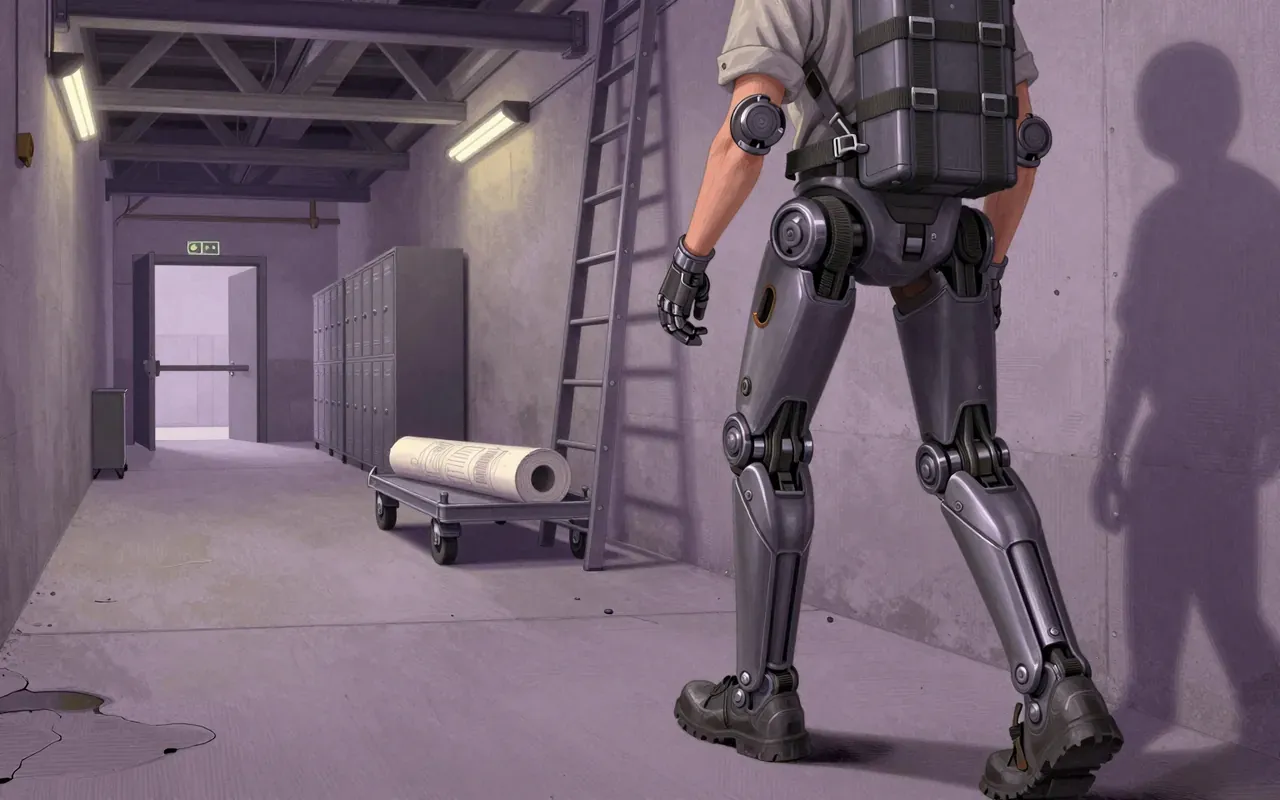
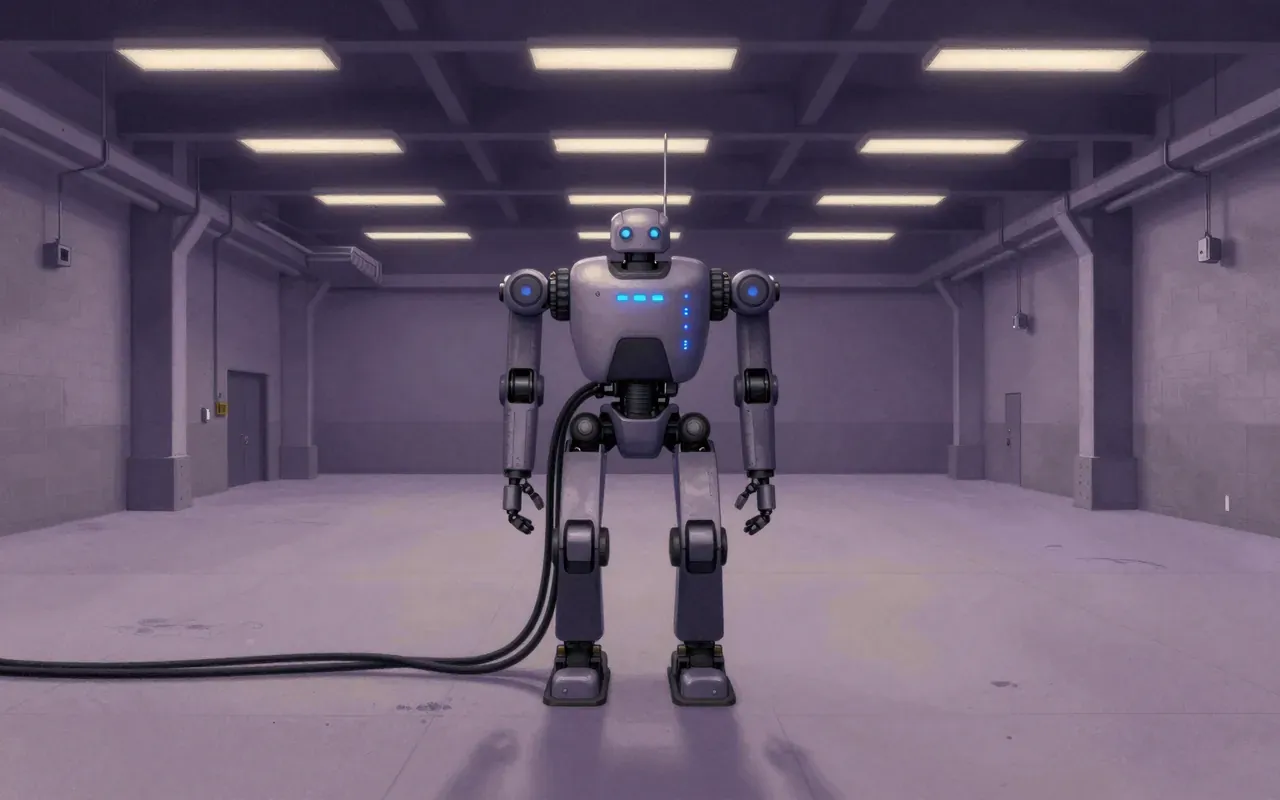
ASIMO was Honda’s eleventh humanoid robot, built to test bipedal navigation in human environments. It worked — but only in narrow conditions. It climbed stairs autonomously, yet fell twice. It recognised faces and gestures, but only pre-trained ones. It ran one hour on lithium-ion power, but never left the lab. Retired in 2022, it changed robotics research, not robotics use.
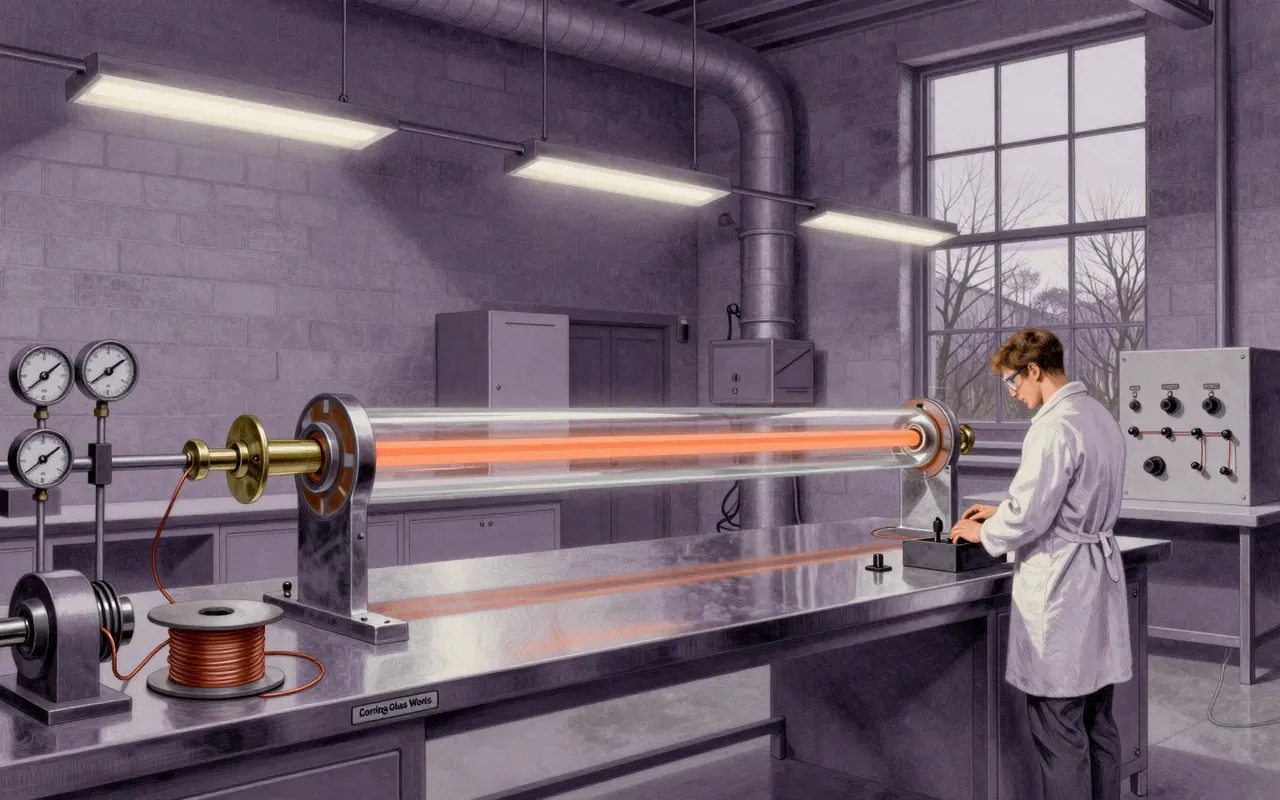
Kao and Hockham redefined optical fibre from a failed material into an engineering challenge. They showed attenuation was removable—not fundamental. That shifted R&D from ‘can we?’ to ‘how clean can we get?’. Corning hit 20 dB/km in 1970. Kao measured 4 dB/km in fused silica in 1969. Single-mode fibre became standard—but only after decades of laser and amplifier development. The invention is the insight, not the cable.
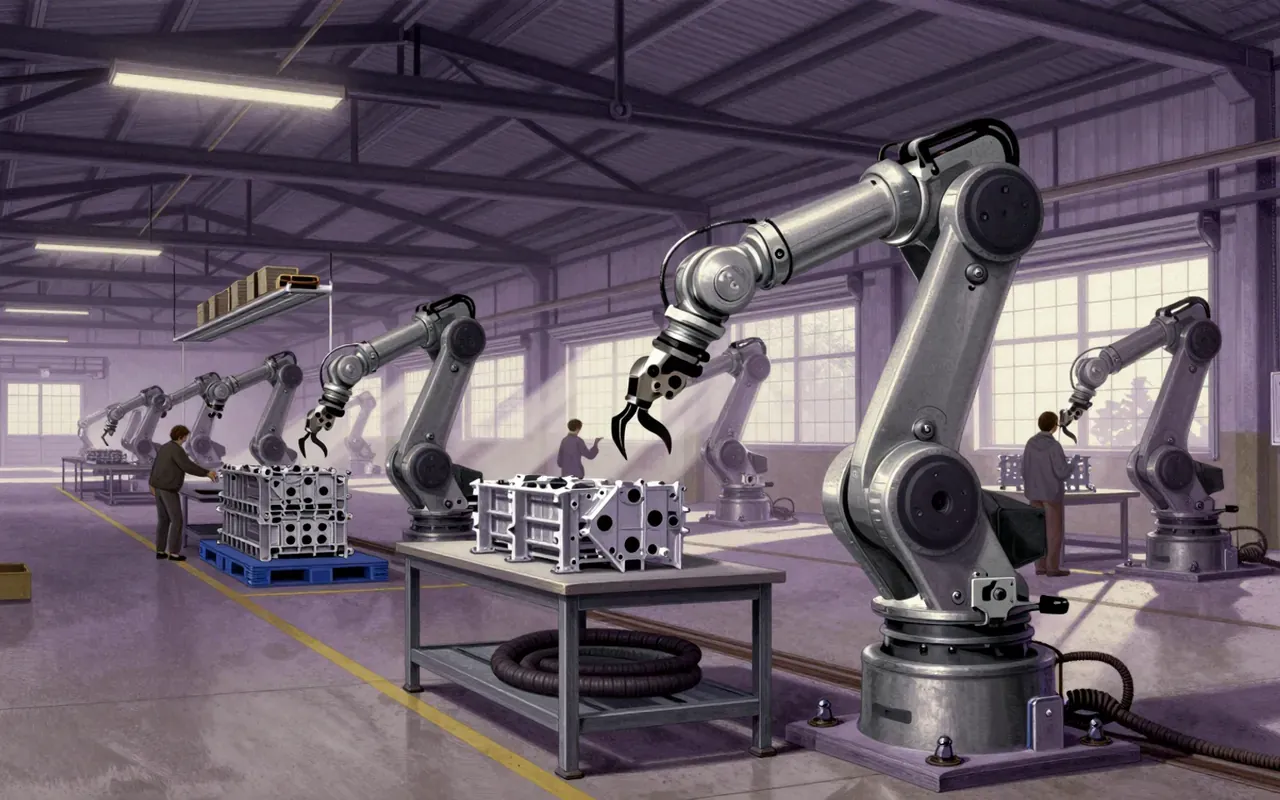
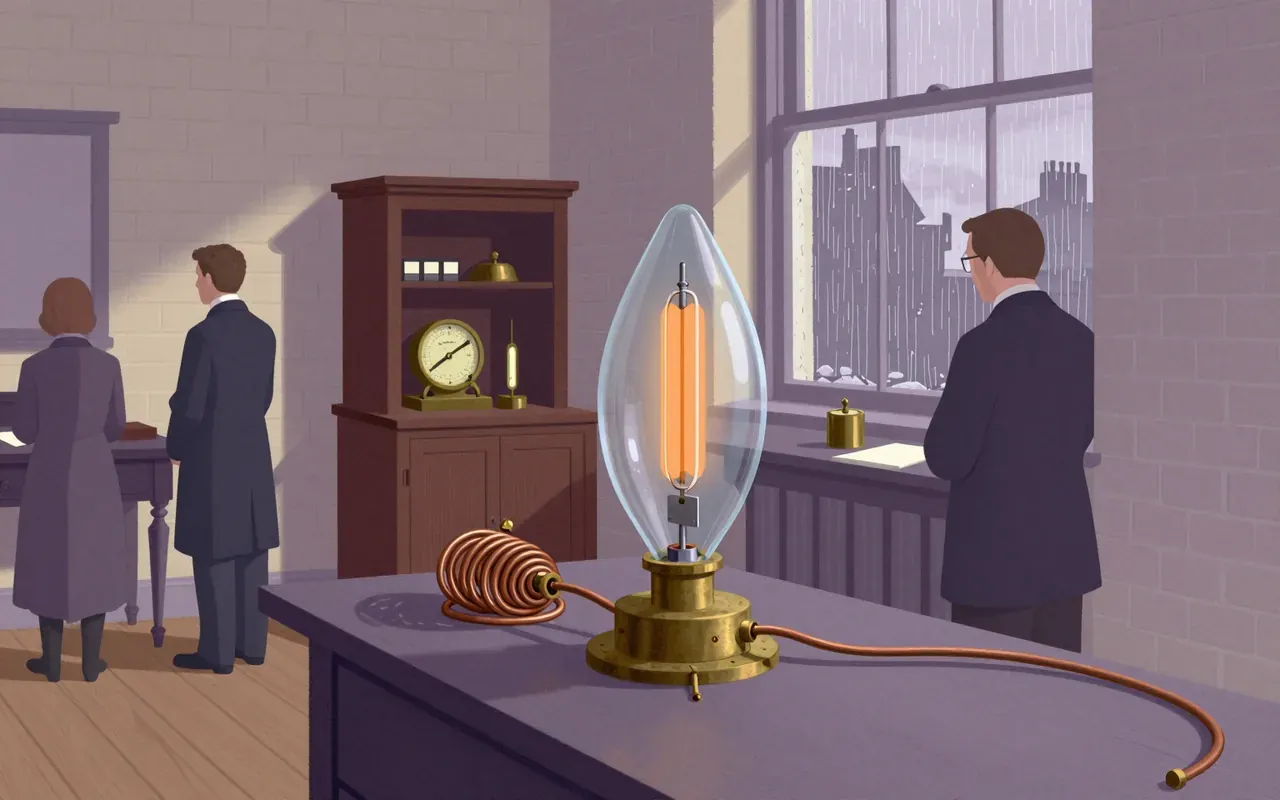
The Fleming valve is a two-electrode thermionic diode invented in 1904 to detect high-frequency radio signals in wireless telegraphy. It rectifies AC by permitting electron flow only from heated filament to positive anode — exploiting the Edison effect. It replaced the coherer in Marconi’s transatlantic receiver. It does not amplify. It requires continuous filament heating. It was used in radio and radar for over 50 years before being superseded by solid-state devices.
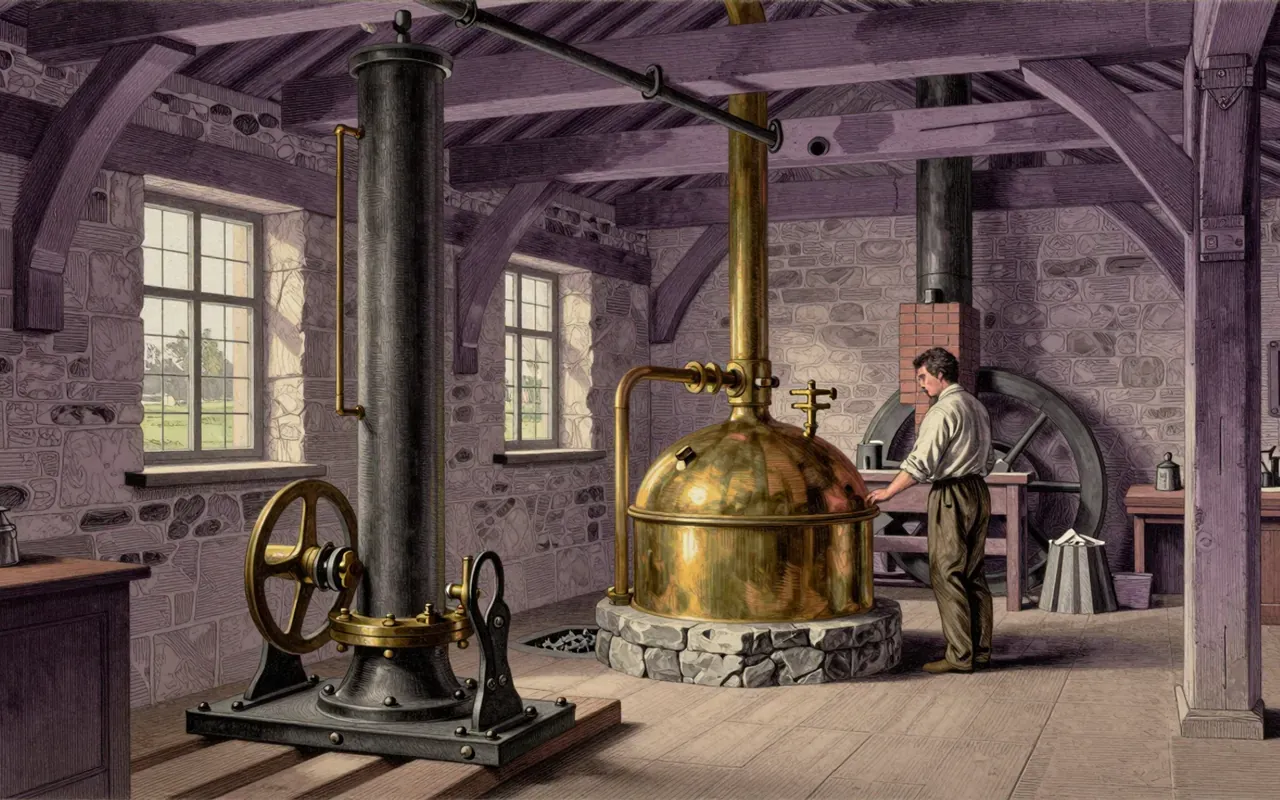
The Watt steam engine is not a leap forward in power—it is a correction of thermal waste. It separates condensation from the cylinder so steam condenses cold while the cylinder stays hot. This cut coal use in half versus the Newcomen engine. But the 1776 version delivered only reciprocating motion for mine pumps. Rotary motion, double-acting operation, and expansive steam were later additions—not features of the original commercial engine.


USB-C is a 24-pin reversible physical connector standardised by the USB-IF in August 2014. It replaces all prior USB connectors—designated legacy that year—and also supplants Mini DisplayPort and Lightning as a physical interface. Its capabilities depend entirely on supporting protocols (e.g., USB 3.2, USB4, Thunderbolt) and optional features like Power Delivery and Alternate Modes. USB4 (2019) is the first USB protocol usable only over USB-C. The standard mandates mechanical reversibility and symmetry but delegates electrical and logical behaviour to the Configuration Channel and external specifications. Compliance, certification, and security extensions—including Authentication and E-Marker chips—are defined across multiple revisions.


The chain drive is a mechanical transmission system using a roller chain and sprockets to move torque across distance. Hans Renold’s 1880 bush roller chain solved critical wear and slippage problems of earlier pin-and-link designs—and became the basis for all modern precision roller chains. It enables adjustable gear ratios and higher torque via duplex configurations. But it inherently produces speed variation (chordal effect) due to discrete link engagement. Its first commercial validation came in James Starley’s tricycles using his 1877 differential. It remains essential hardware—not legacy tech—where reliability, torque and spacing outweigh the need for constant velocity.
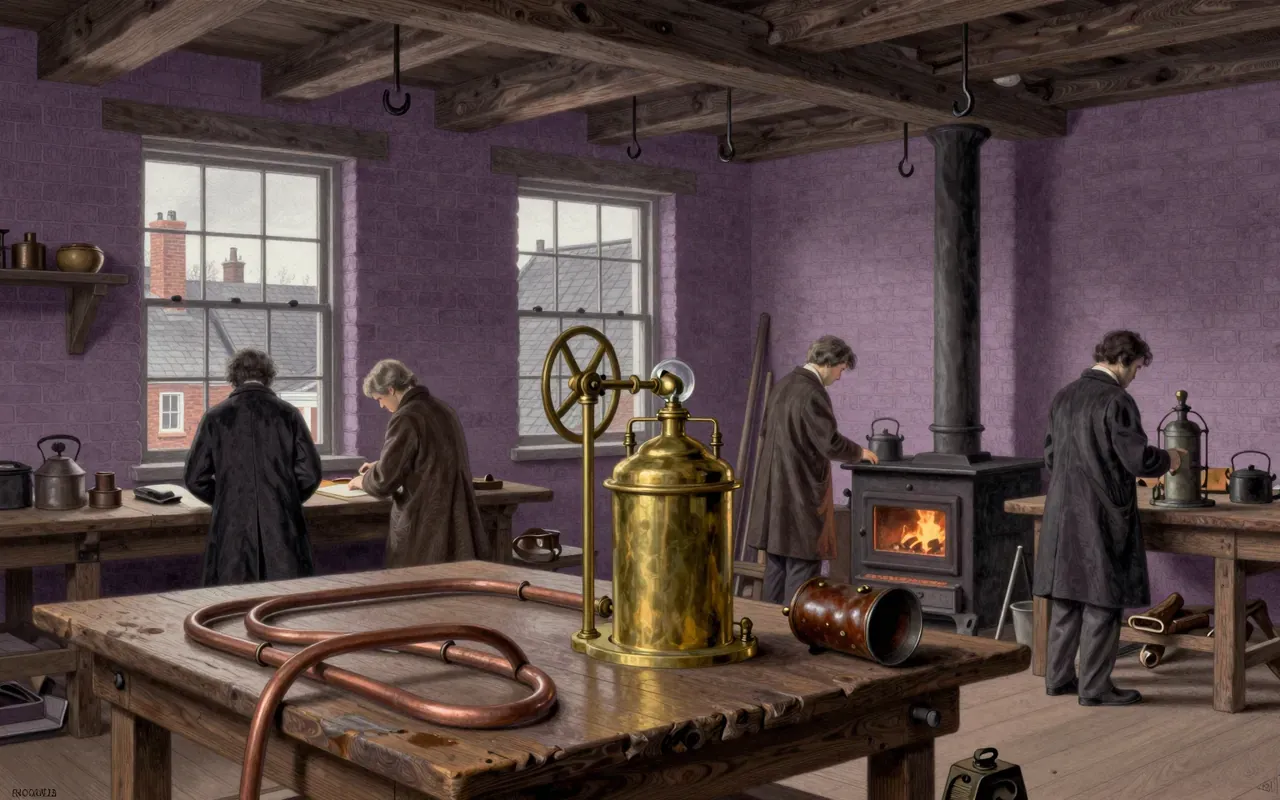
Perkins’s icemaker was the first working vapor compression refrigeration system. It used ether, not ammonia. It proved artificial cold could be generated mechanically — but produced no usable ice beyond lab-scale demonstration. Its legacy is procedural: it fixed the method before the market existed.



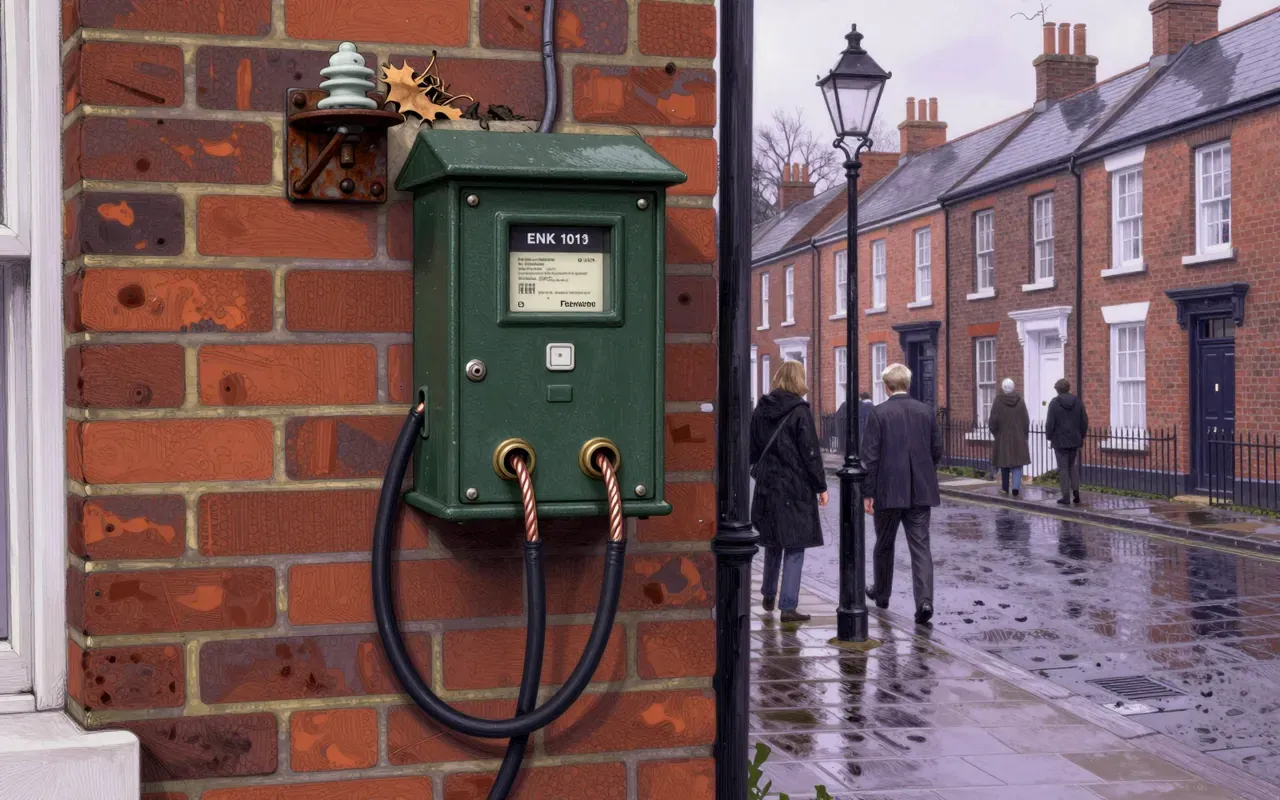





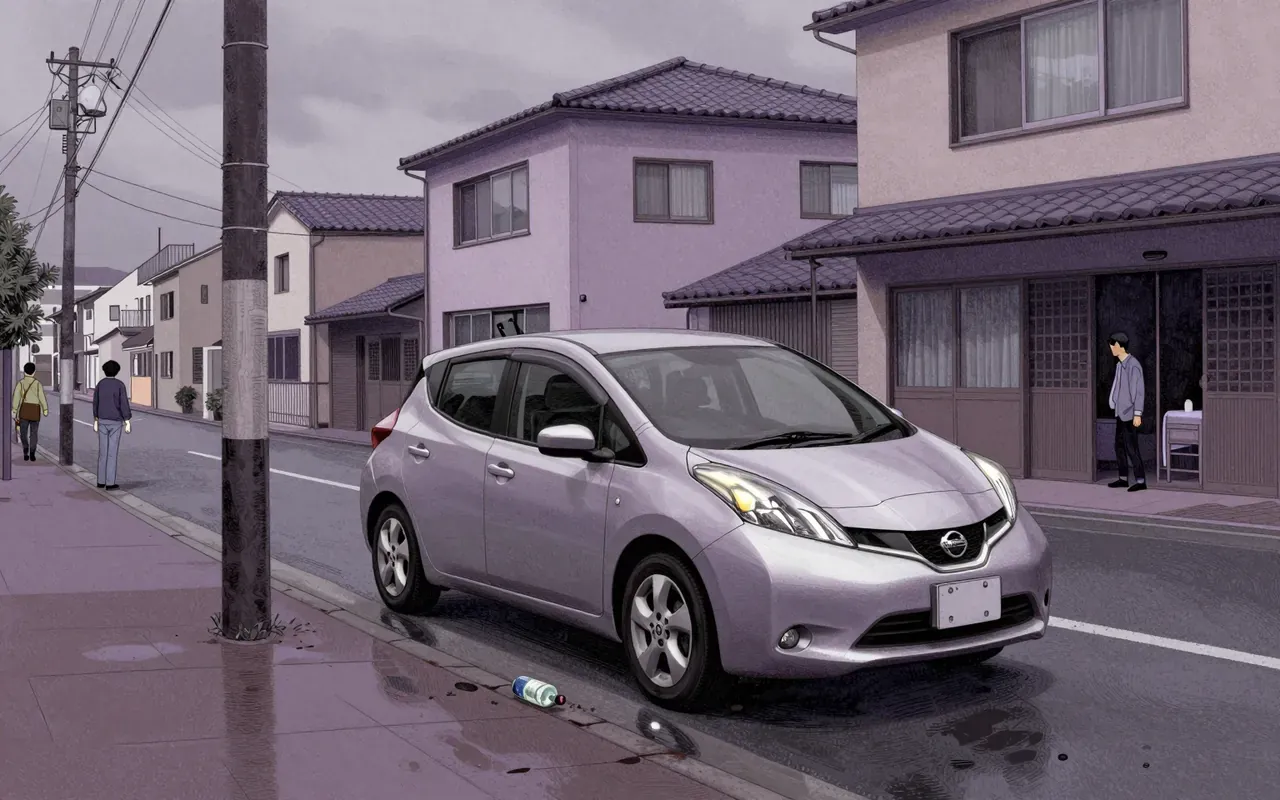
The Nissan Leaf is a battery electric car produced by Nissan since 2010. It was unveiled on 1 August 2009 as the world's first mass-market electric and zero-emission vehicle. Production began on 22 October 2010 at the Oppama facility in Yokosuka, Kanagawa. The first generation used a 192-cell laminated lithium-ion battery pack co-developed with NEC, positioned under the floor between the wheels for optimized handling and space. Its motor delivered 80 kW (110 hp) and enabled ~160 km (100 miles) of range on a full charge. It was offered exclusively as a 5-door hatchback until 2025, when it became a crossover SUV model. By December 2020, cumulative global deliveries reached 500,000 units.

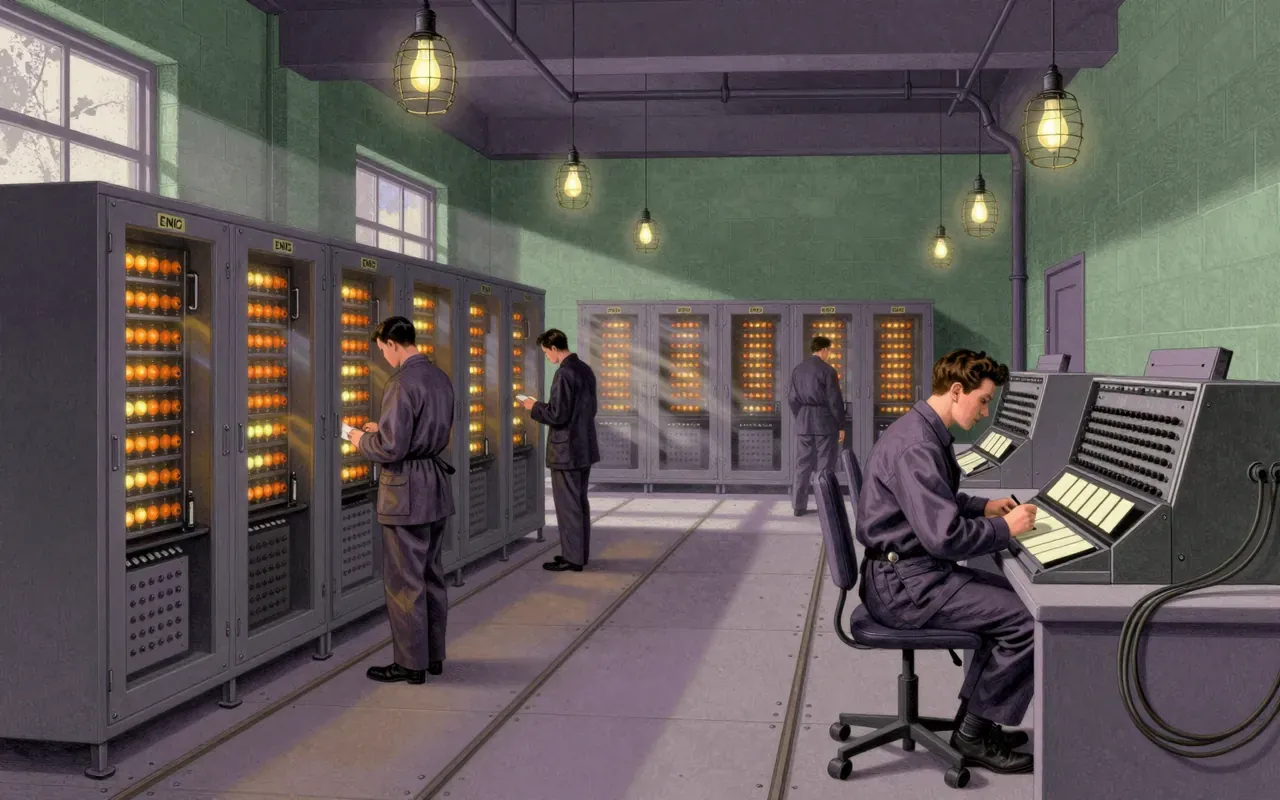
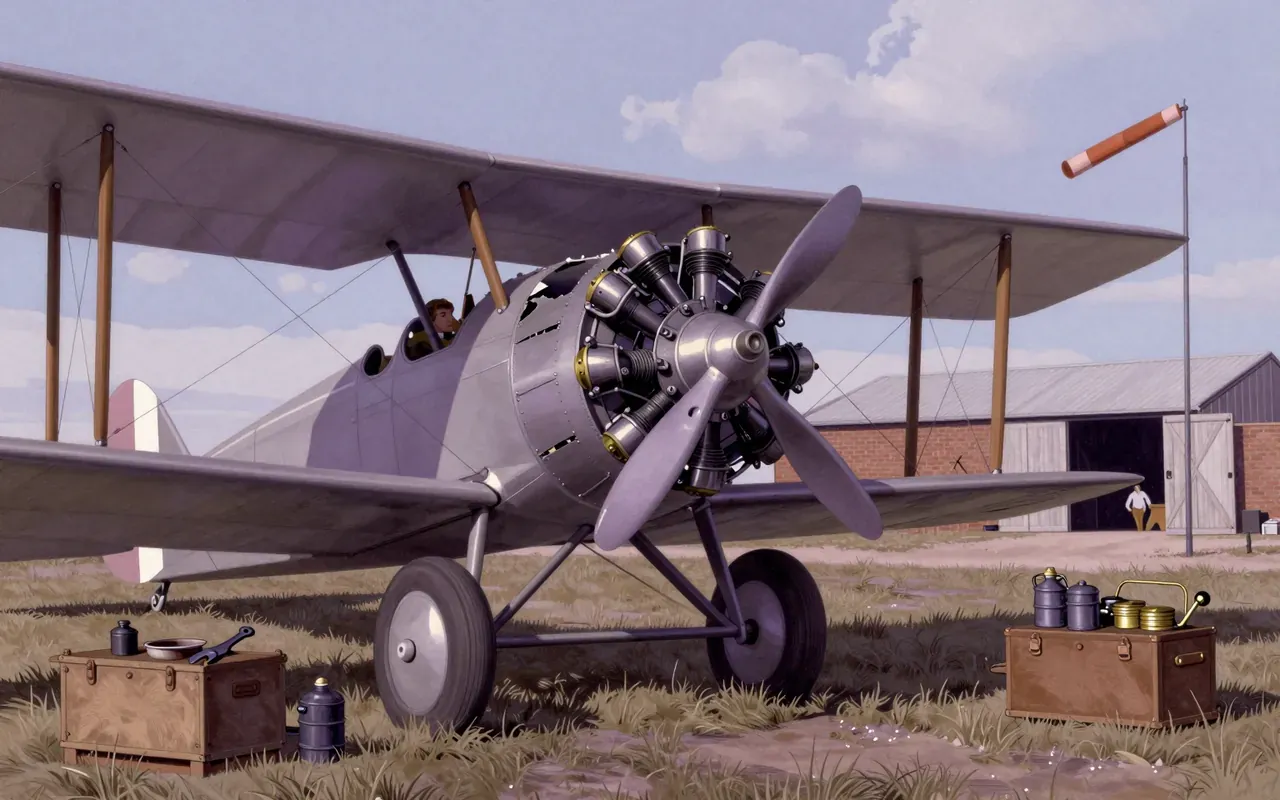
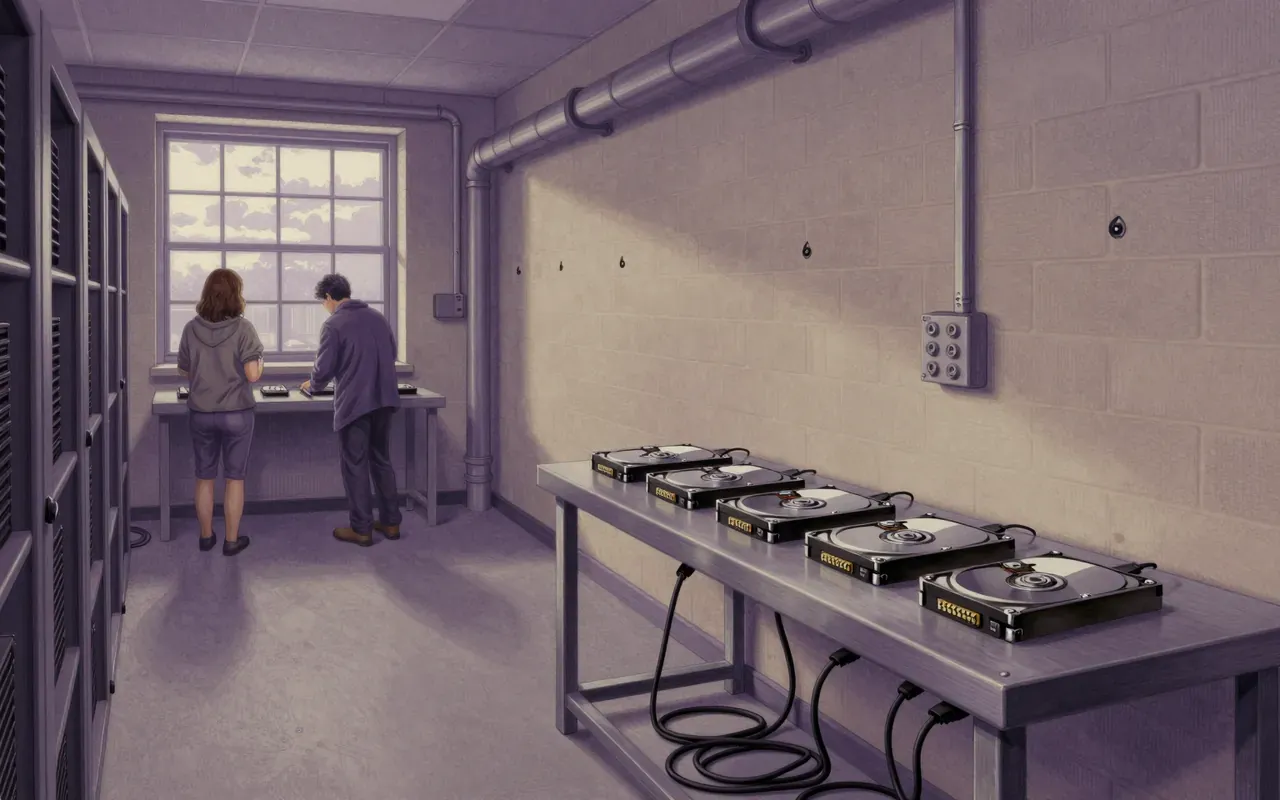
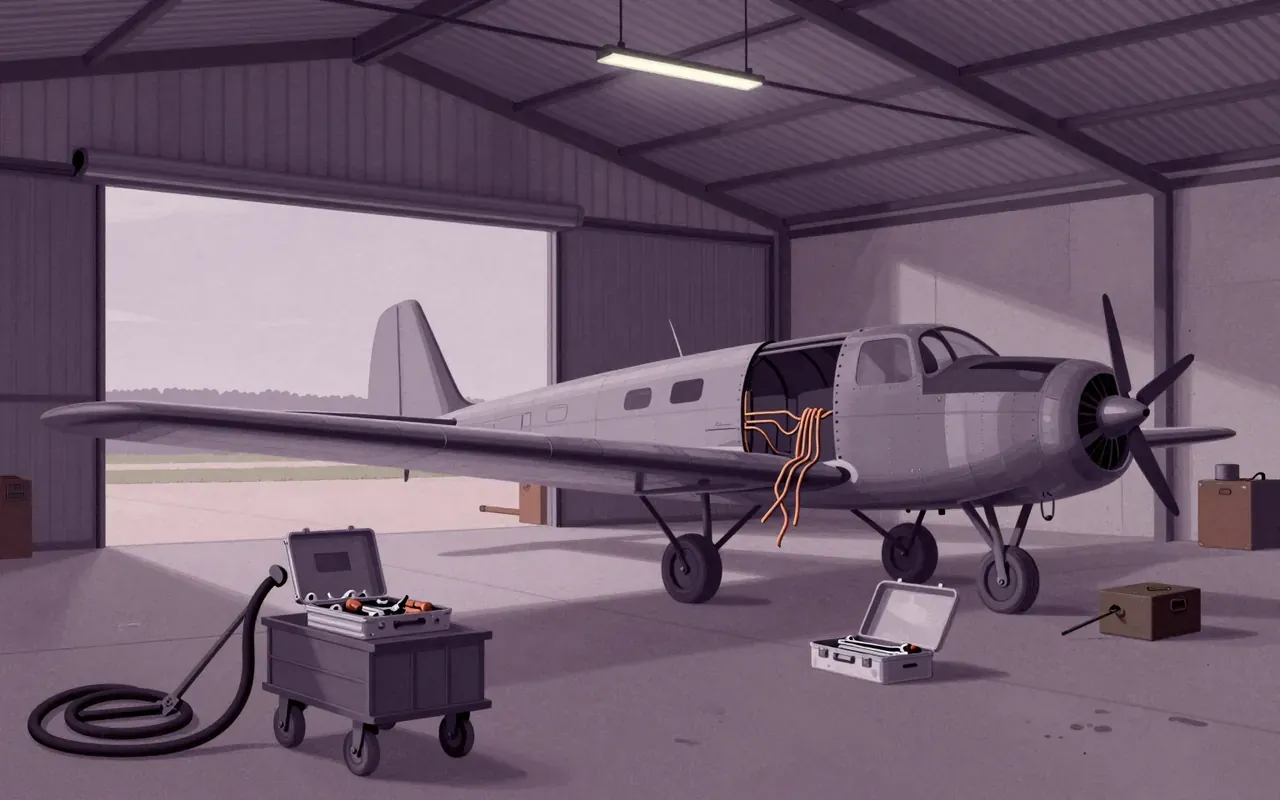

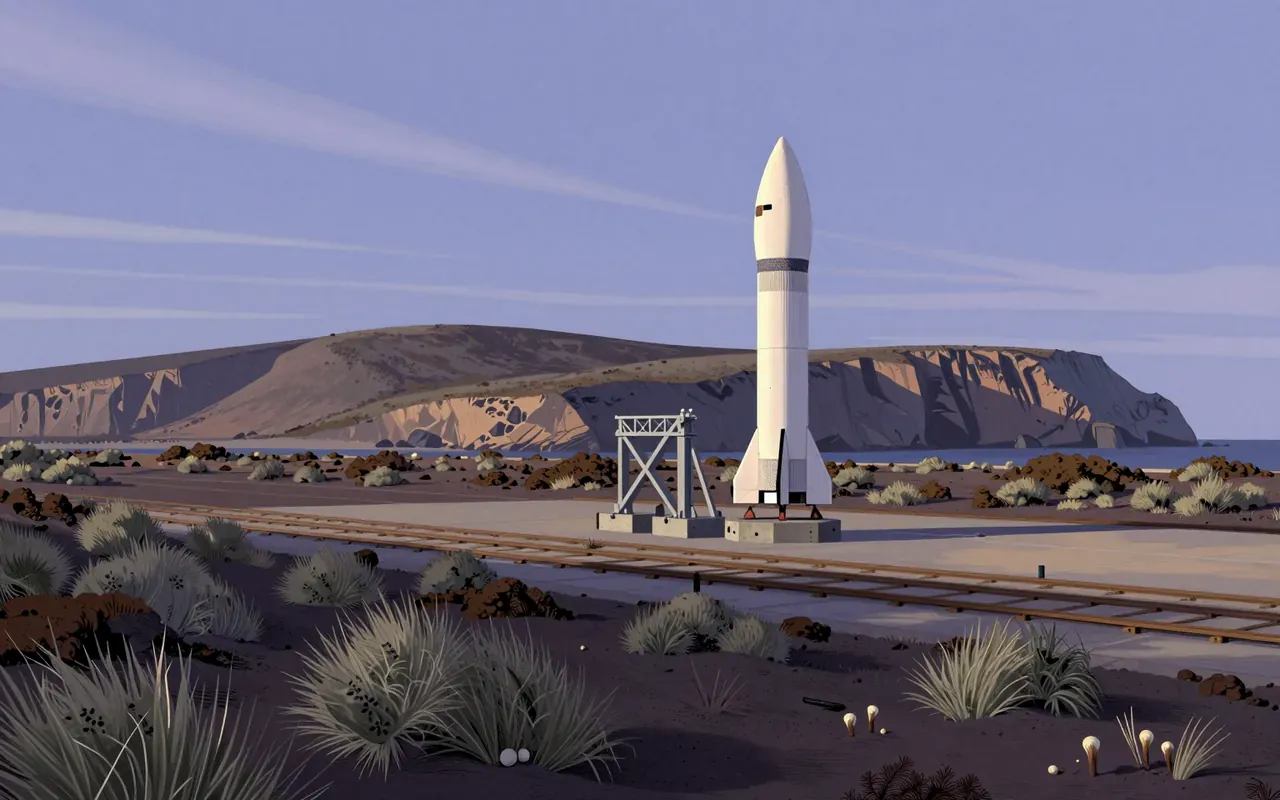
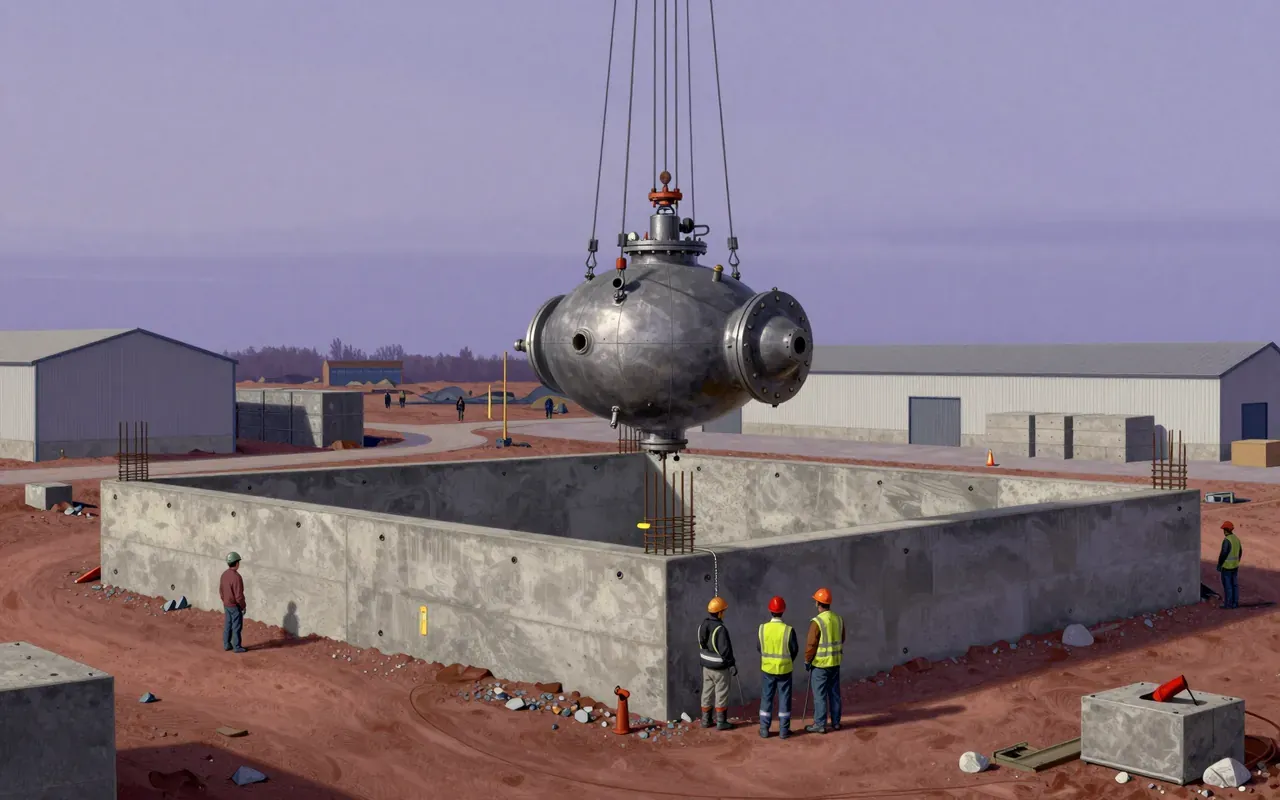
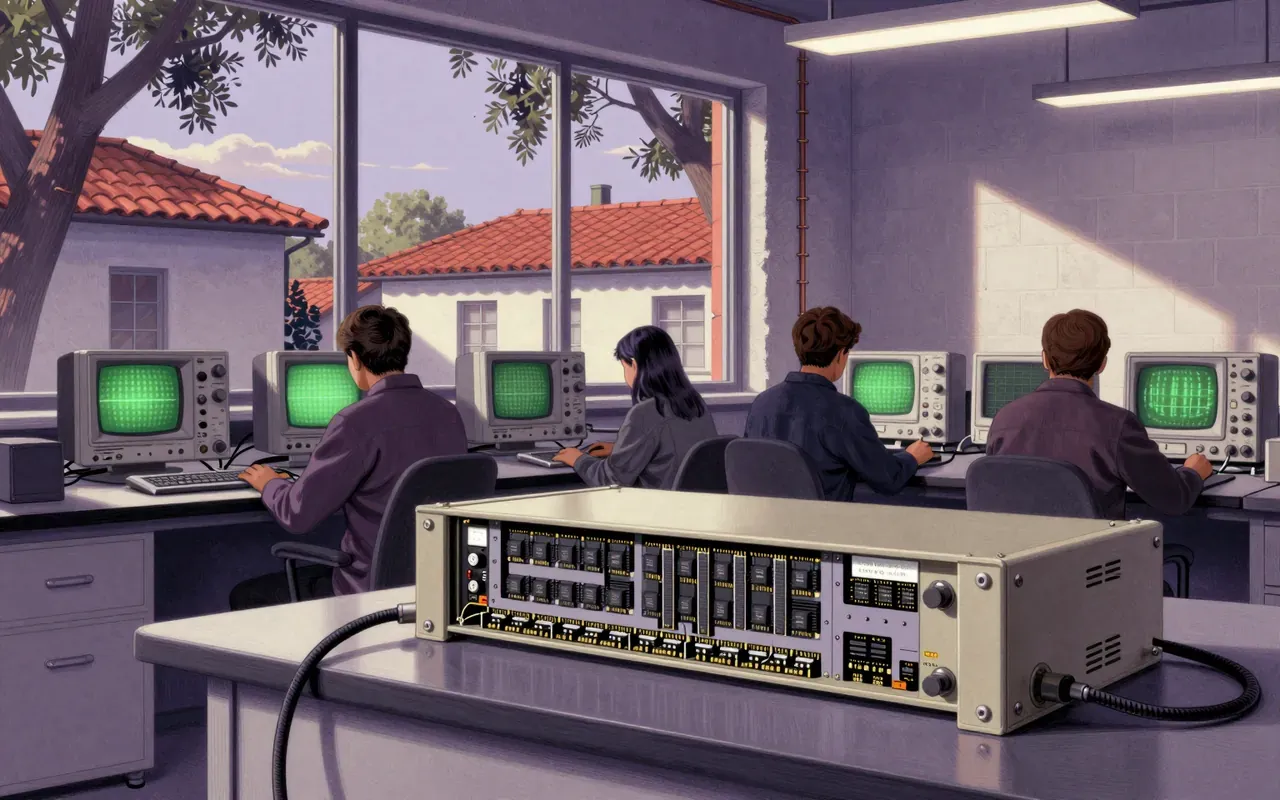
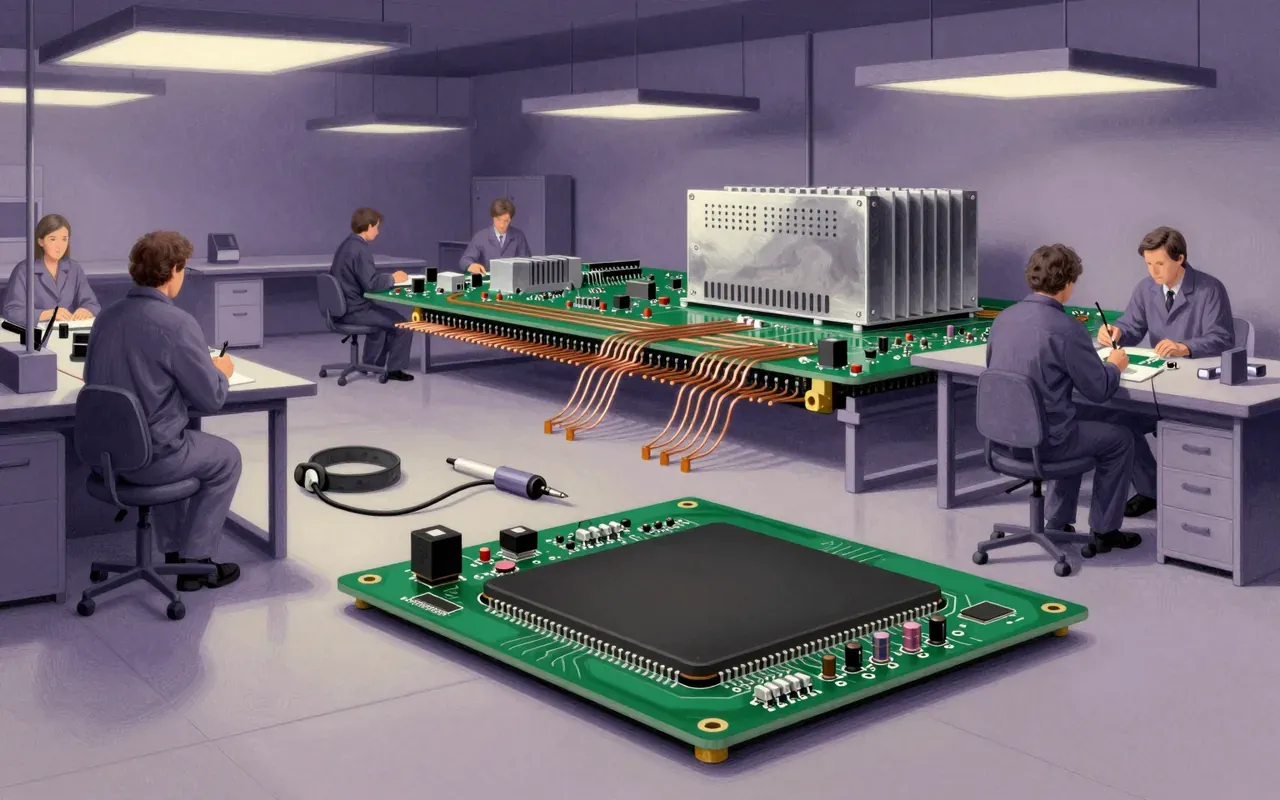
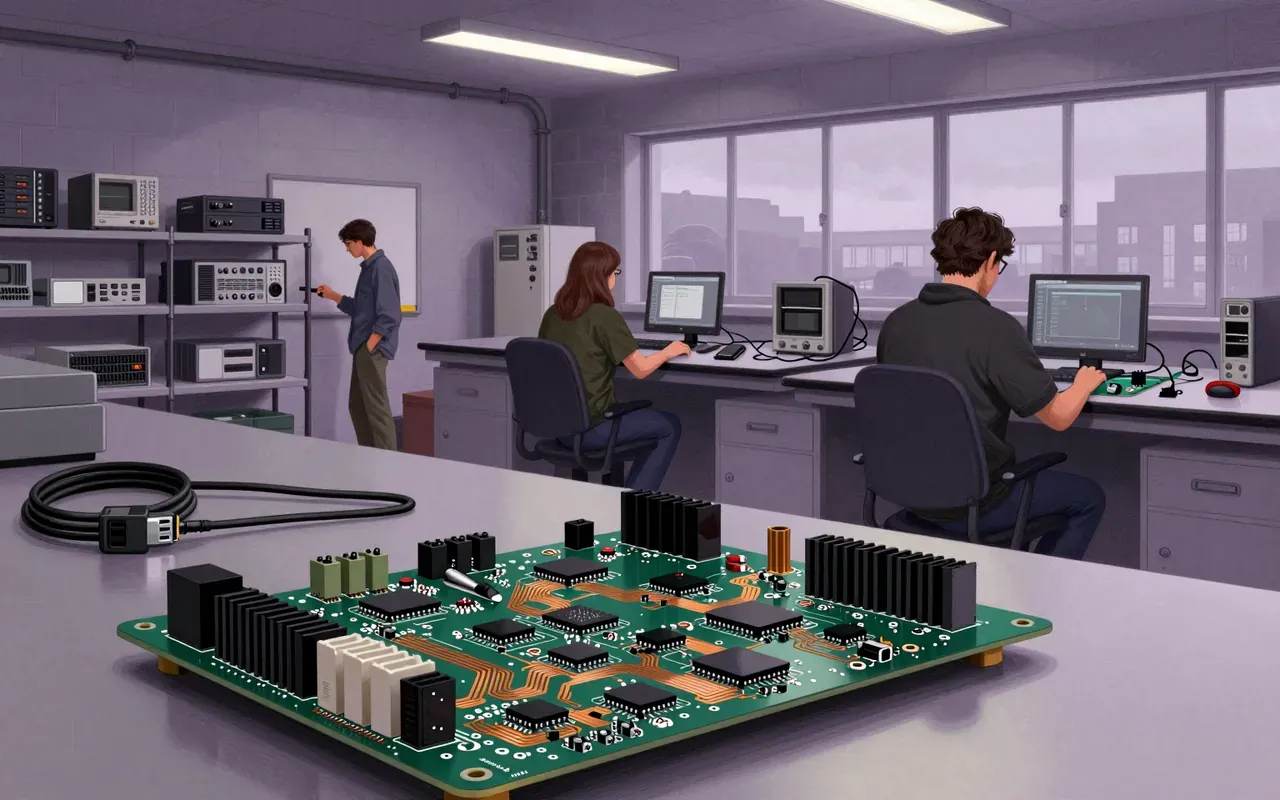
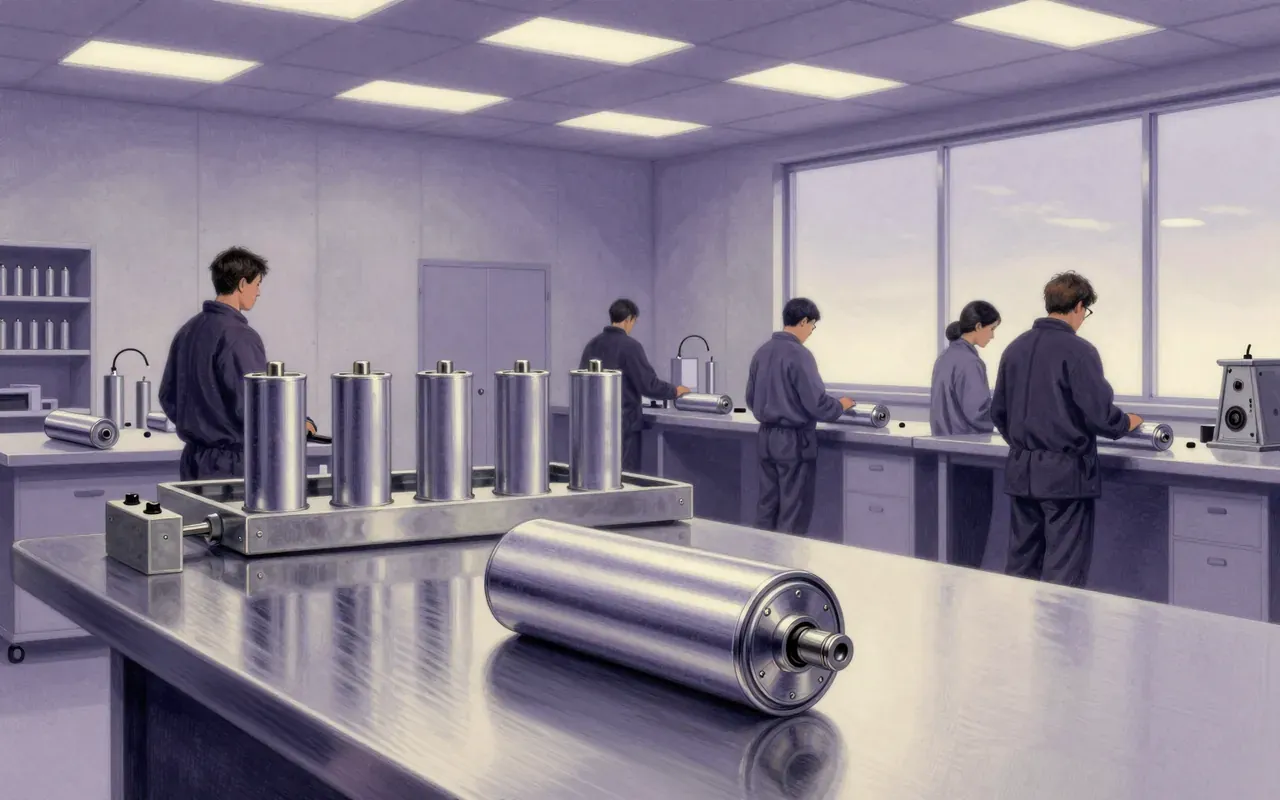
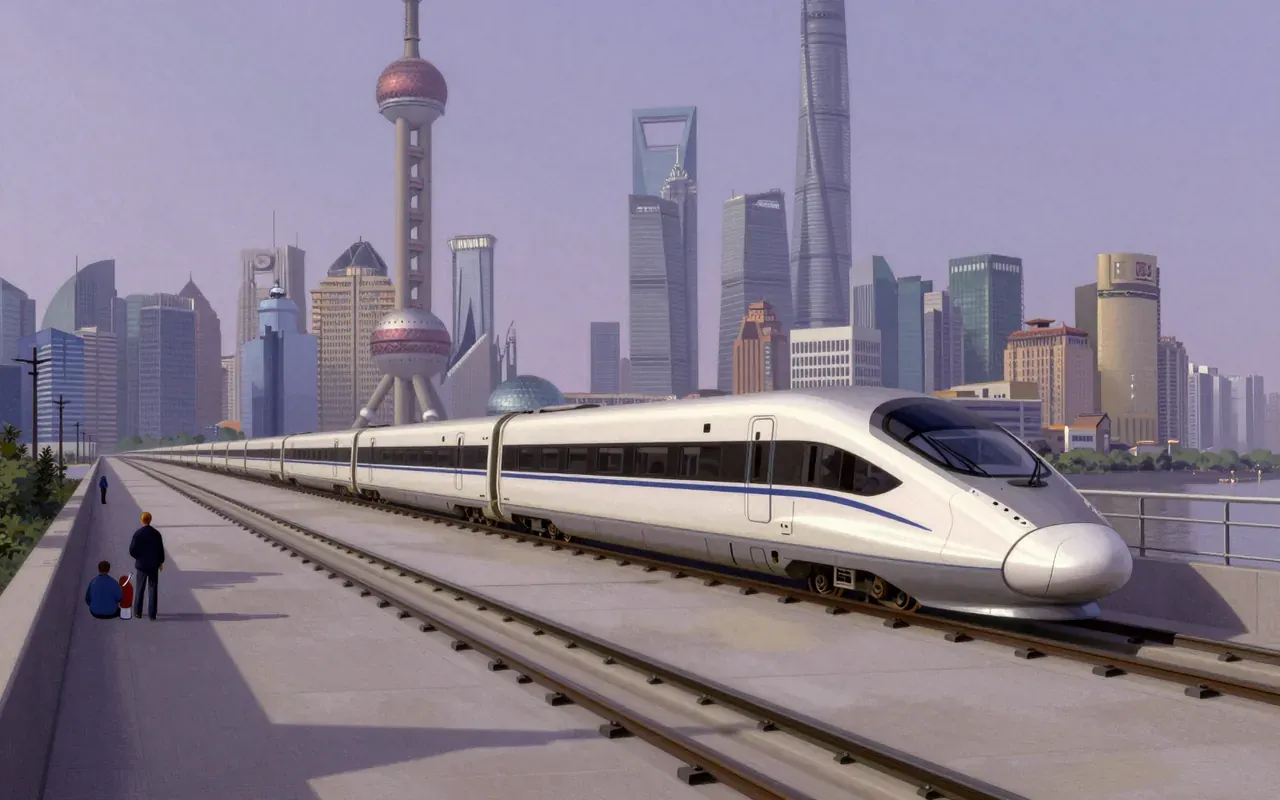

The Prius established hybrid electrification as a viable mass-production pathway—not through technical novelty alone, but by shipping, selling, iterating, and breaking even. Its real innovation was industrial execution under constraint.

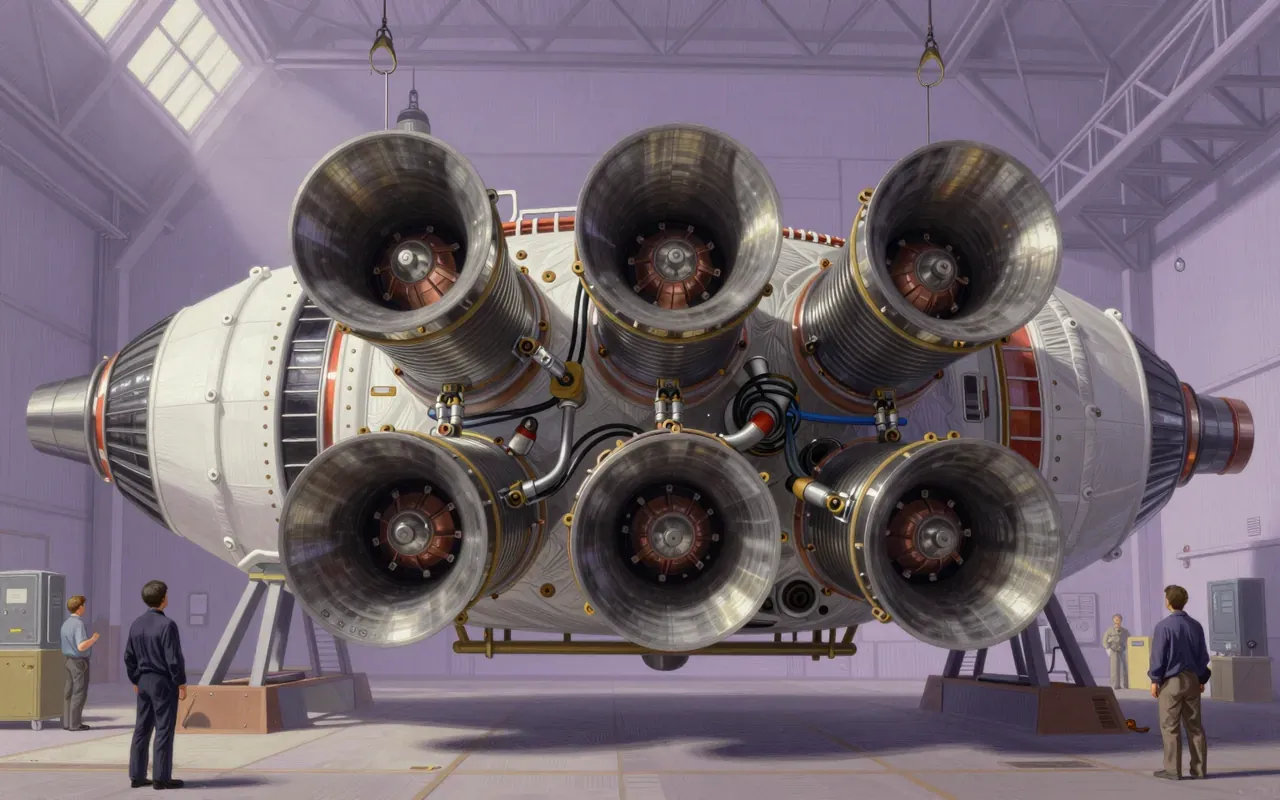
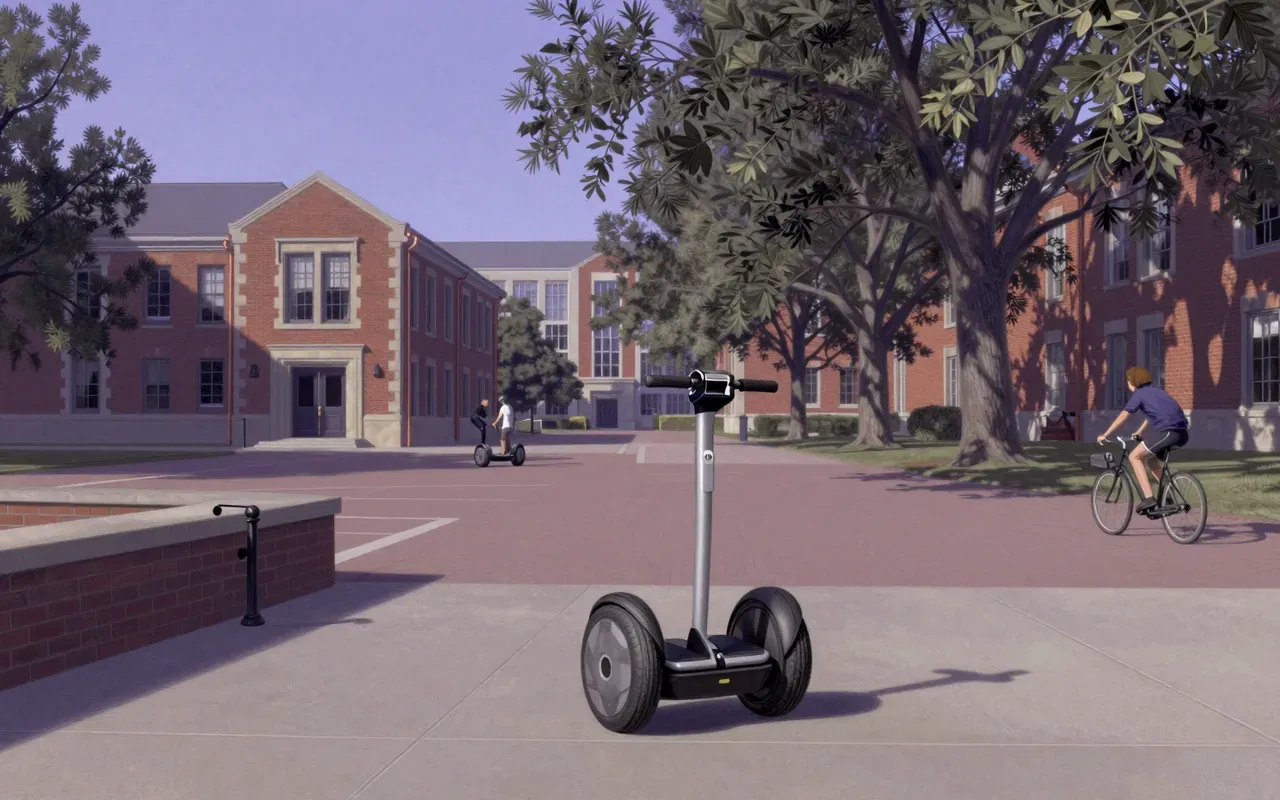
The Segway PT is a mechanically elegant, narrowly useful device born from medical robotics. It solved balance precisely, but failed to solve adoption. Its legacy is not in streets, but in patents, pivots, and the cautionary weight of overpromising hardware.





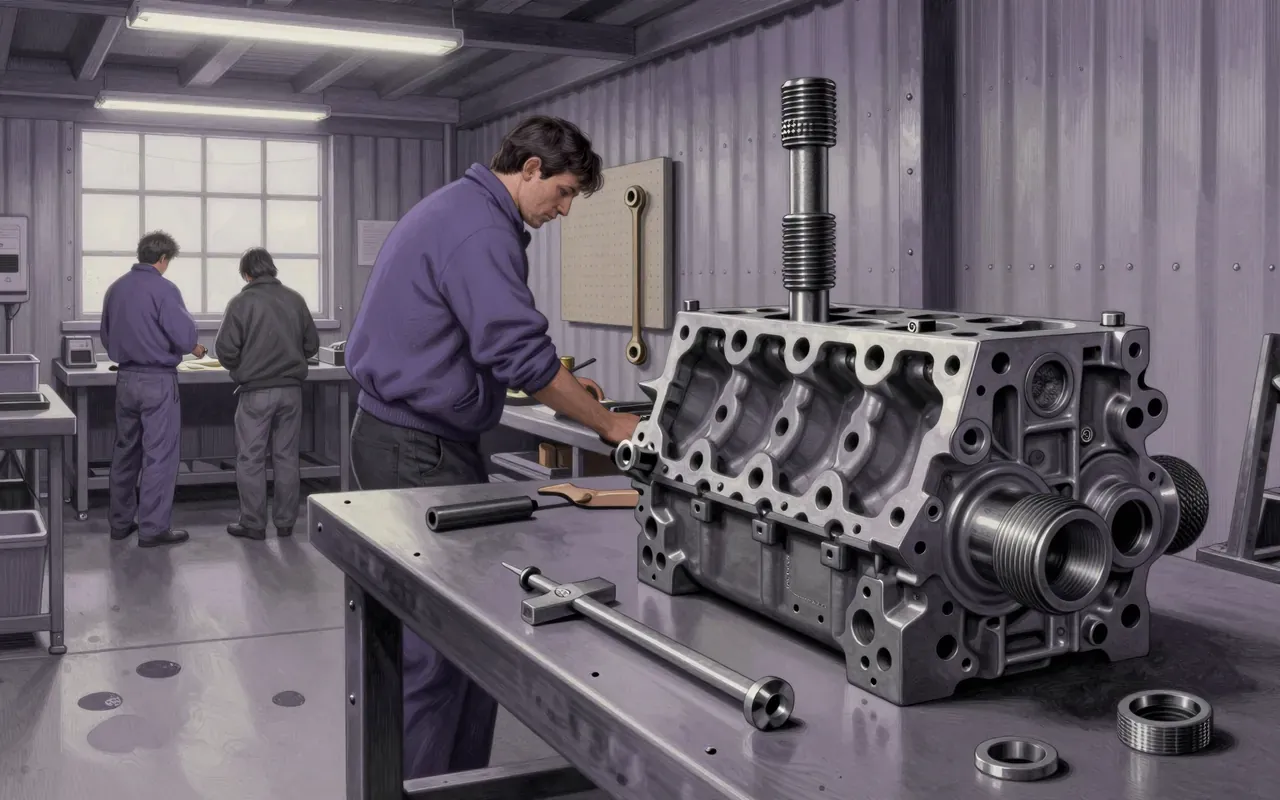
The ISO metric screw thread is a foundational hardware standard that enforces dimensional predictability across global manufacturing. Its value lies not in novelty but in binding force: once adopted, divergence carries real cost. It works where geometry matters more than brand—and fails where tolerance, material, or practice undermines its assumptions.
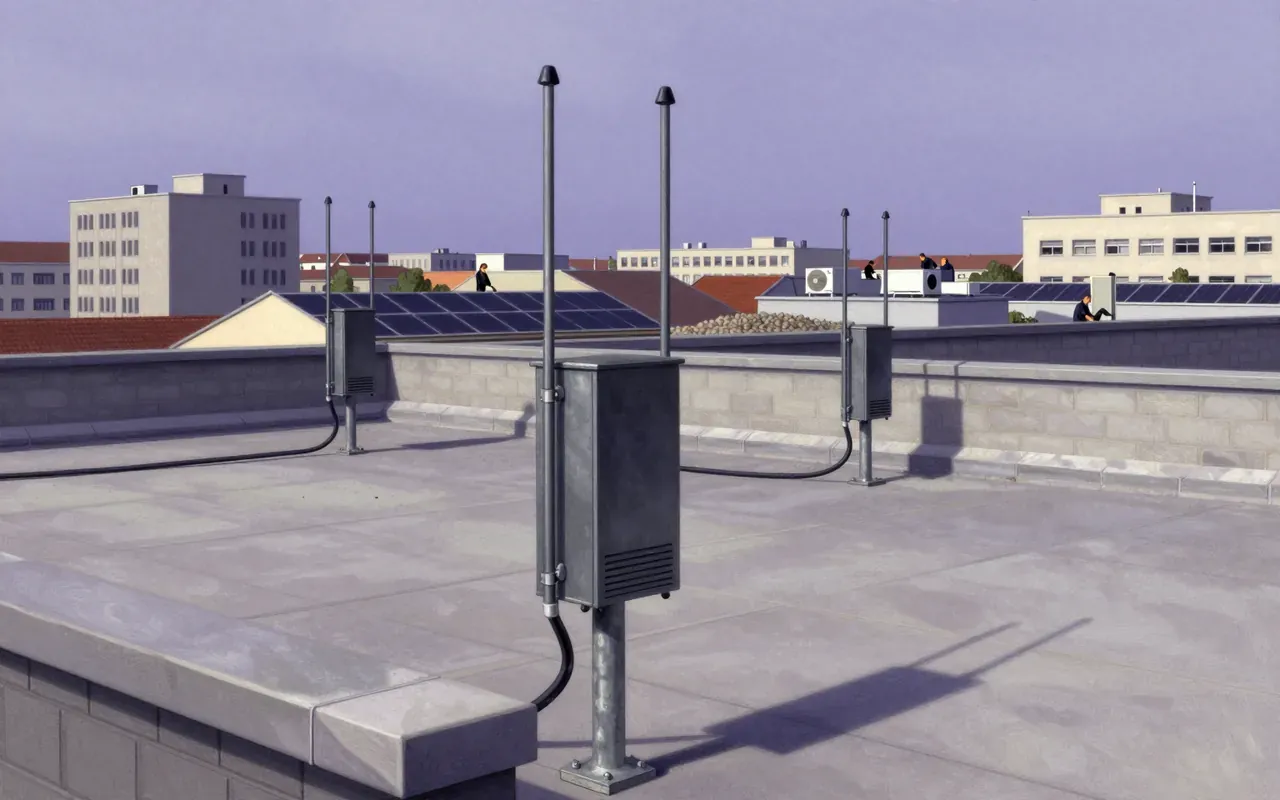
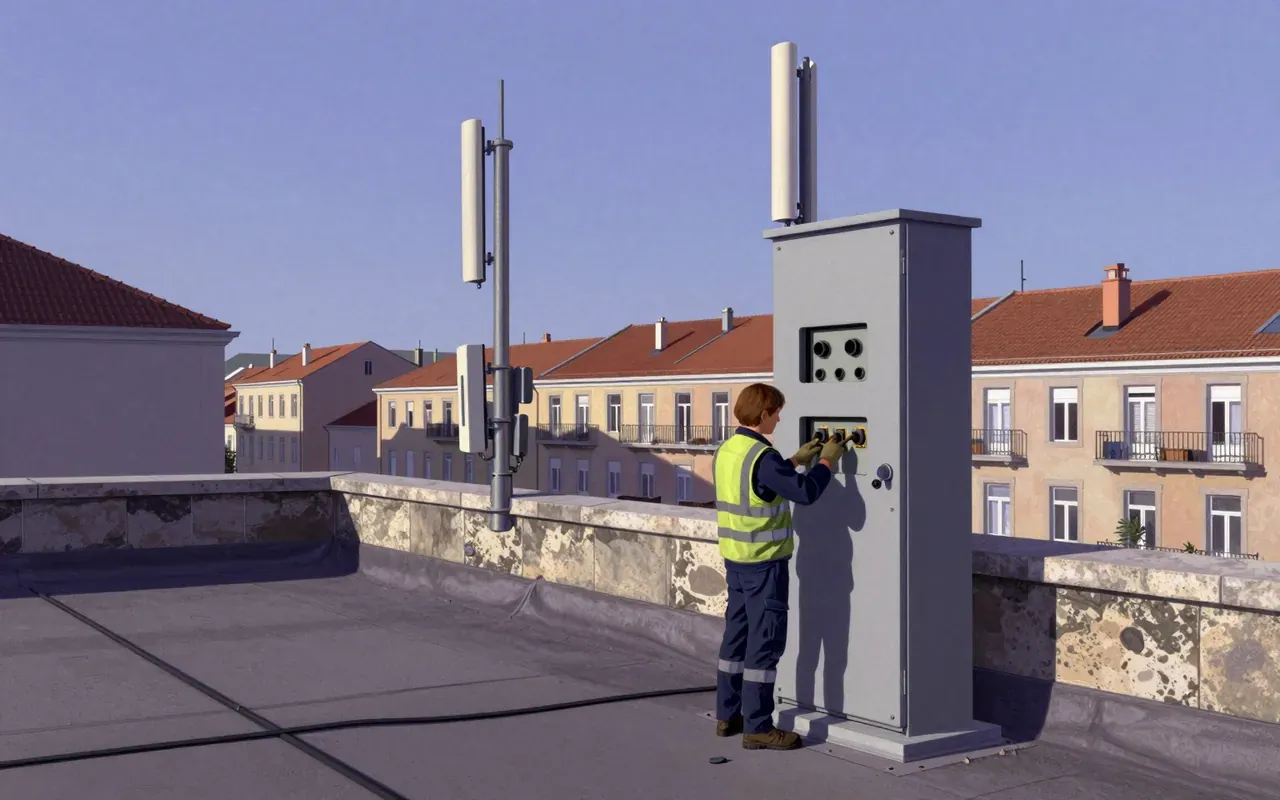
LTE is a 3GPP Release 8 standard finalised in December 2008. It replaces GSM/EDGE and UMTS/HSPA radio interfaces and the GPRS Core Network with a new air interface and IP-based Evolved Packet Core. It delivers peak downlink/uplink rates of 300/75 Mbit/s and sub-5 ms radio access network latency. It supports scalable bandwidths (1.4–20 MHz) and both FDD and TDD. It enables seamless handovers to GSM, UMTS, and CDMA2000. Its specifications span hundreds of documents per Release, organised into stages defining service requirements, architecture, and protocol implementation. It became the de facto upgrade path for carriers with both GSM/UMTS and CDMA2000 networks.

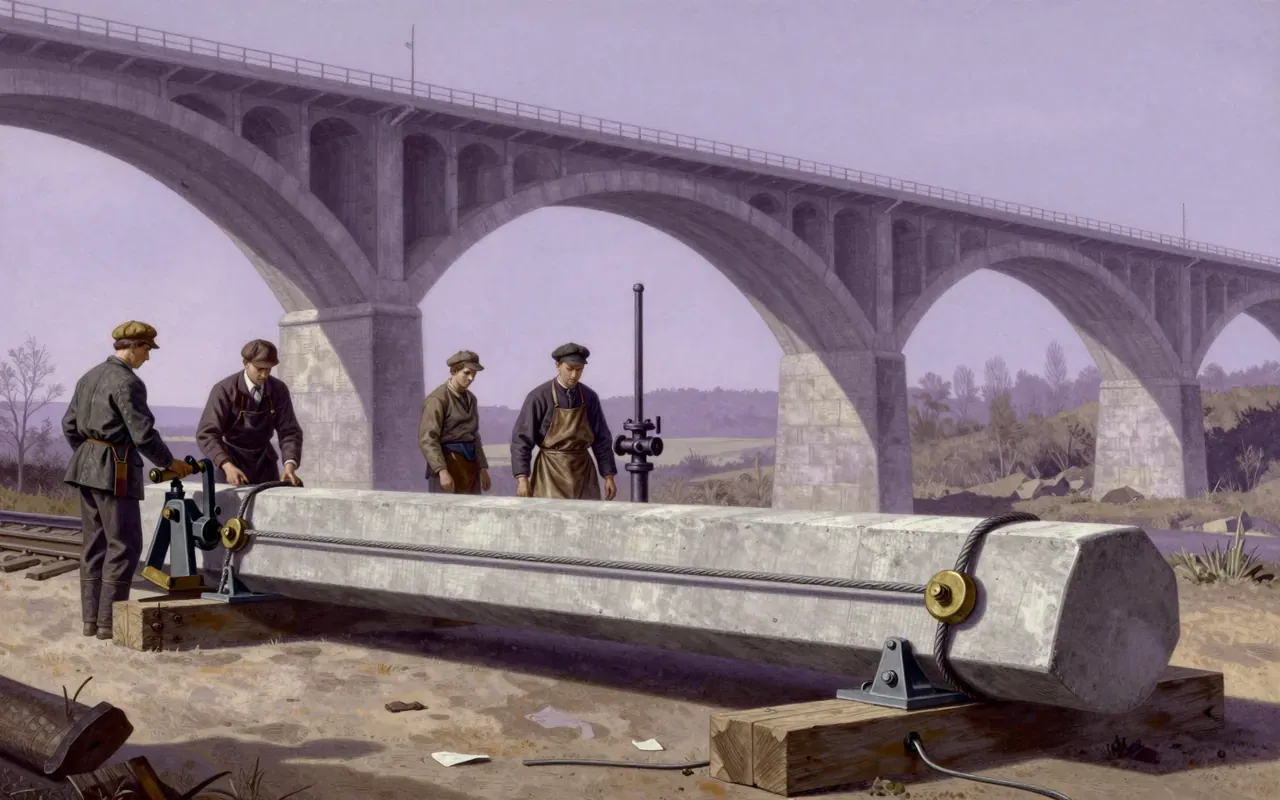
Prestressed concrete redefines concrete’s role in tension-critical structures—not by making it stronger, but by ensuring it never has to carry tension alone.
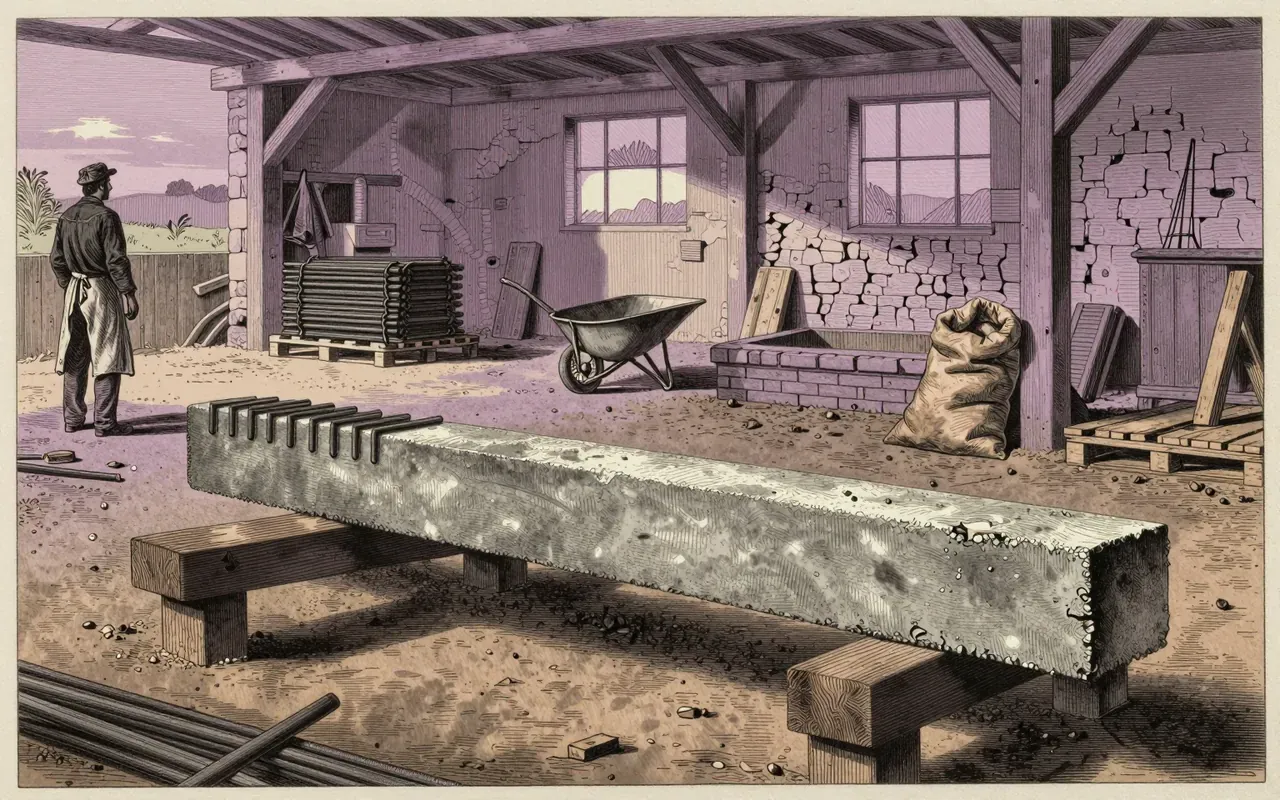
Reinforced concrete is not a theoretical breakthrough—it is a gardener’s empirical fix scaled into infrastructure. Monier solved flowerpot instability by embedding iron, then patented successive forms (wire mesh in 1867, iron rods in 1877) without quantifying mechanical gains. He proved thermal compatibility and rust protection through experiment—not calculation. His method enabled T-beams and pipes by 1878, but left tensile improvement unmeasured and corrosion science unexplored. It matters today because it reveals how material innovation begins in constraint, not abstraction.
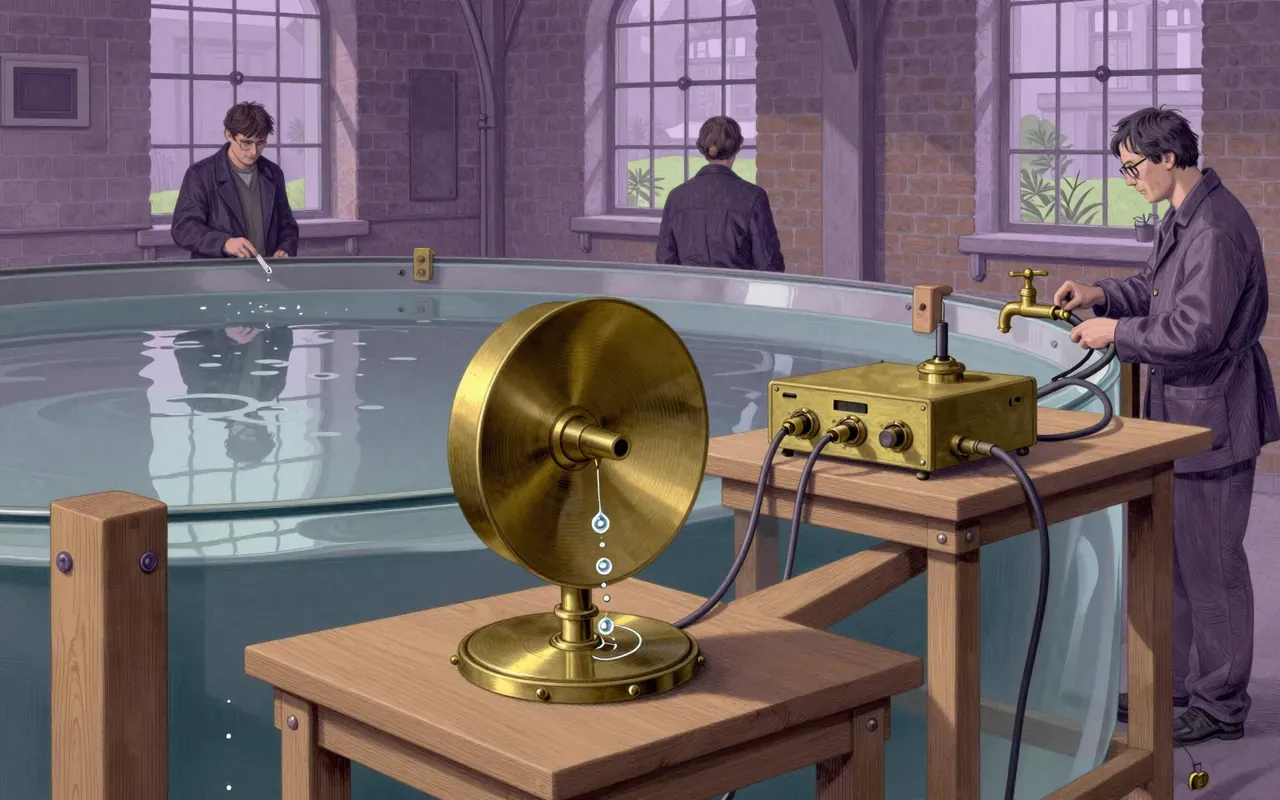
Langevin’s 1915 sonar was the first active underwater echo-ranging system. It used electrostatic and quartz piezoelectric transducers to send and receive ultrasound. Distance was calculated from signal time-of-flight. Though patented and physically demonstrated, it did not become operational before World War I ended. Electrostatic transducers were soon abandoned; quartz piezoelectric methods endured and scaled. The invention established the core mechanism of modern sonar — but delivered no tactical utility in its intended conflict.
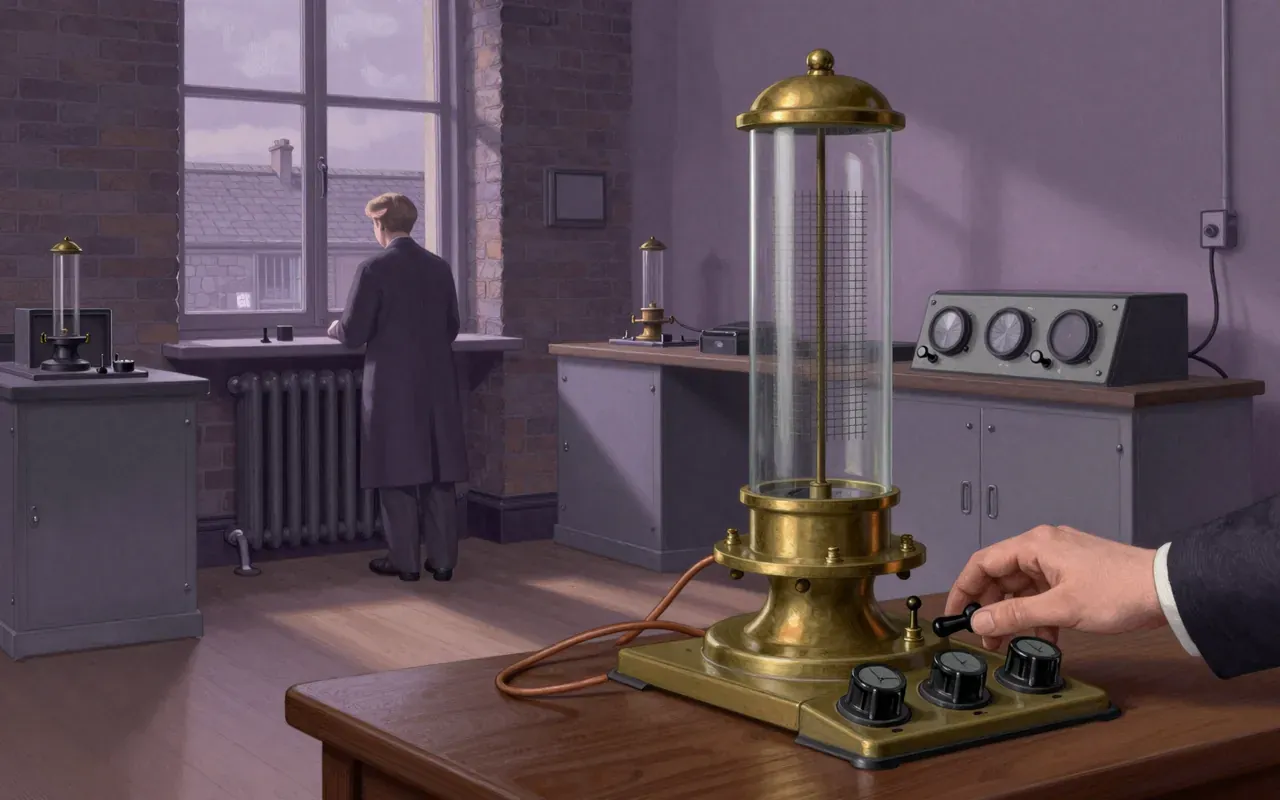
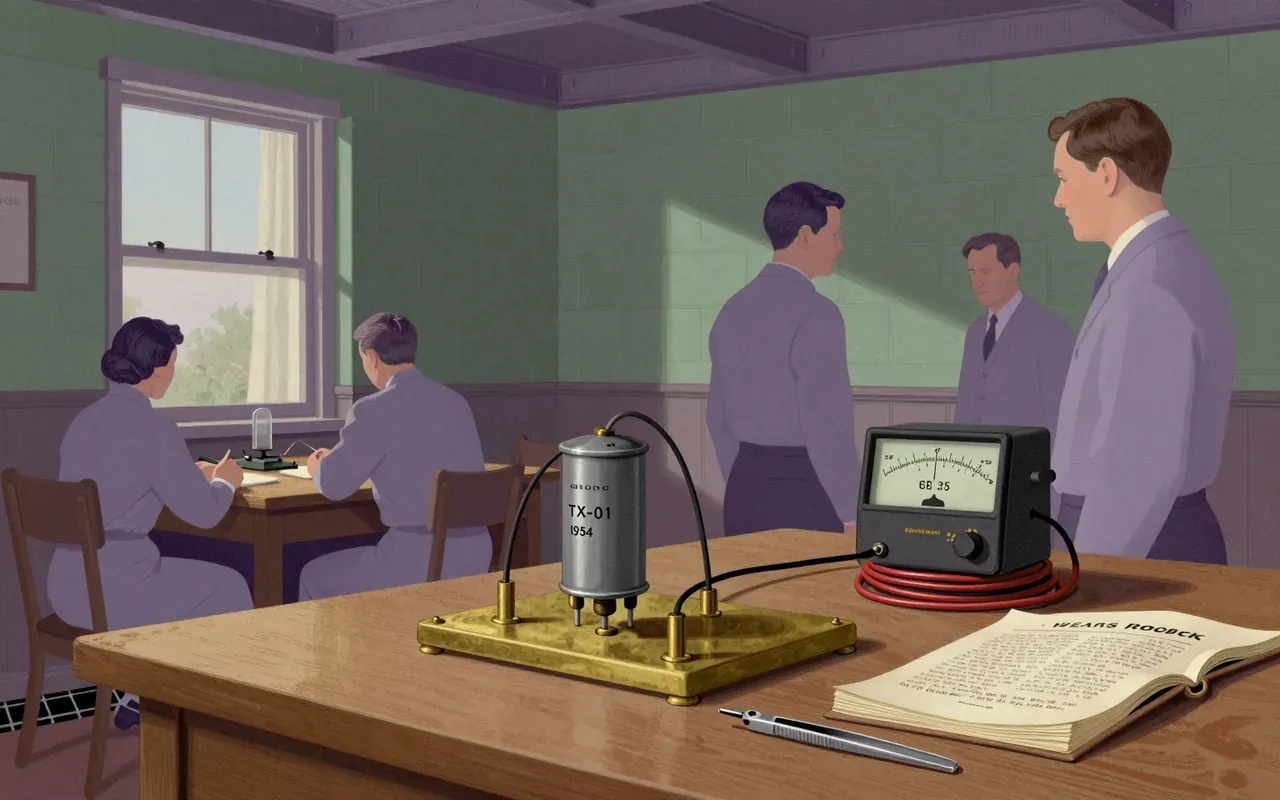
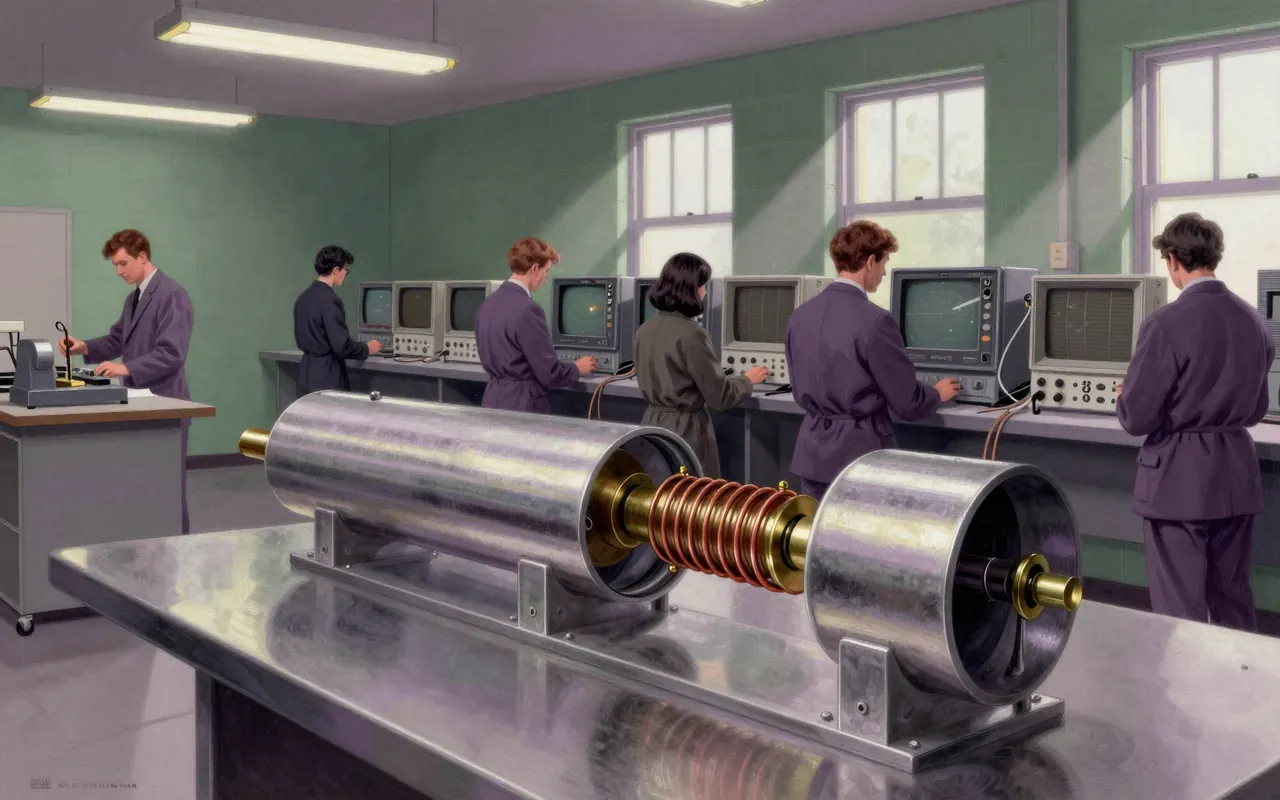

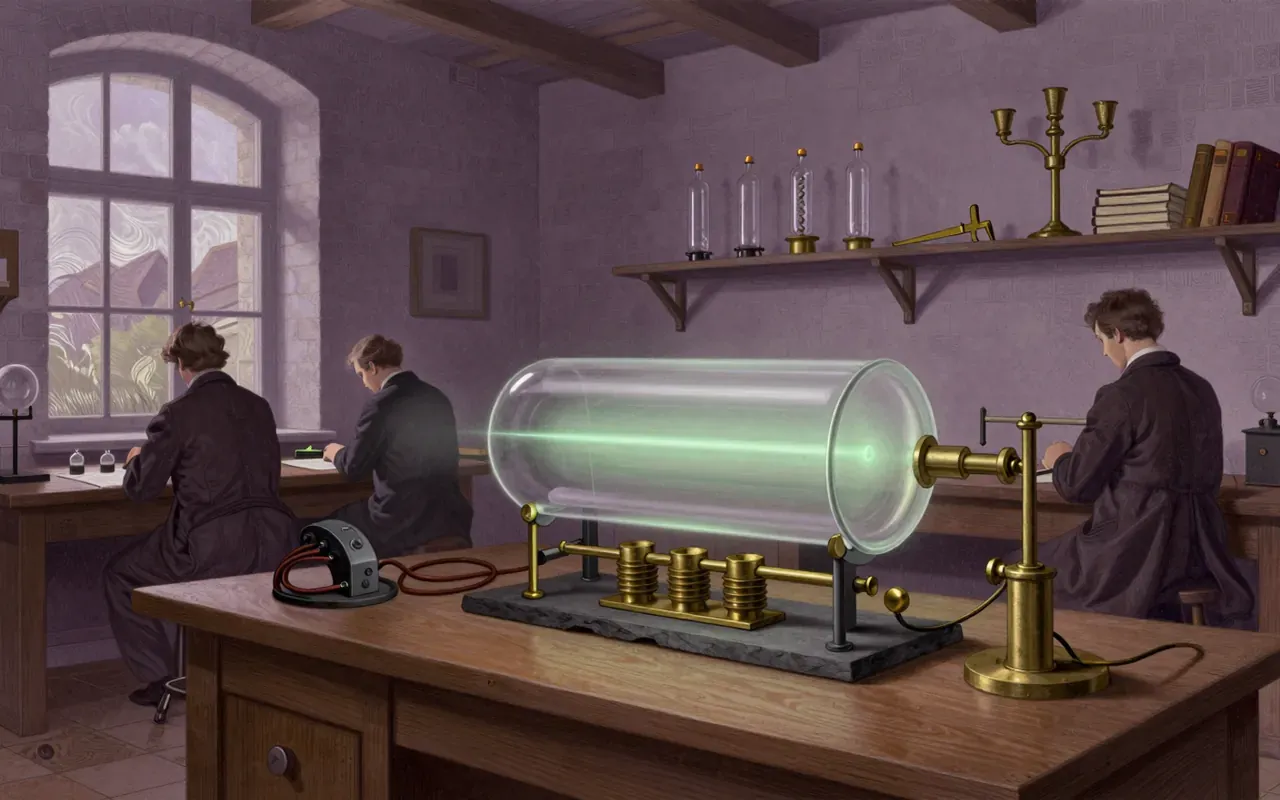
The Braun tube is a historically decisive but technically limited instrument: it proves electron beams can be displayed, but only at extreme voltage and with mechanical compromise. Its legacy lies in conception—not execution.

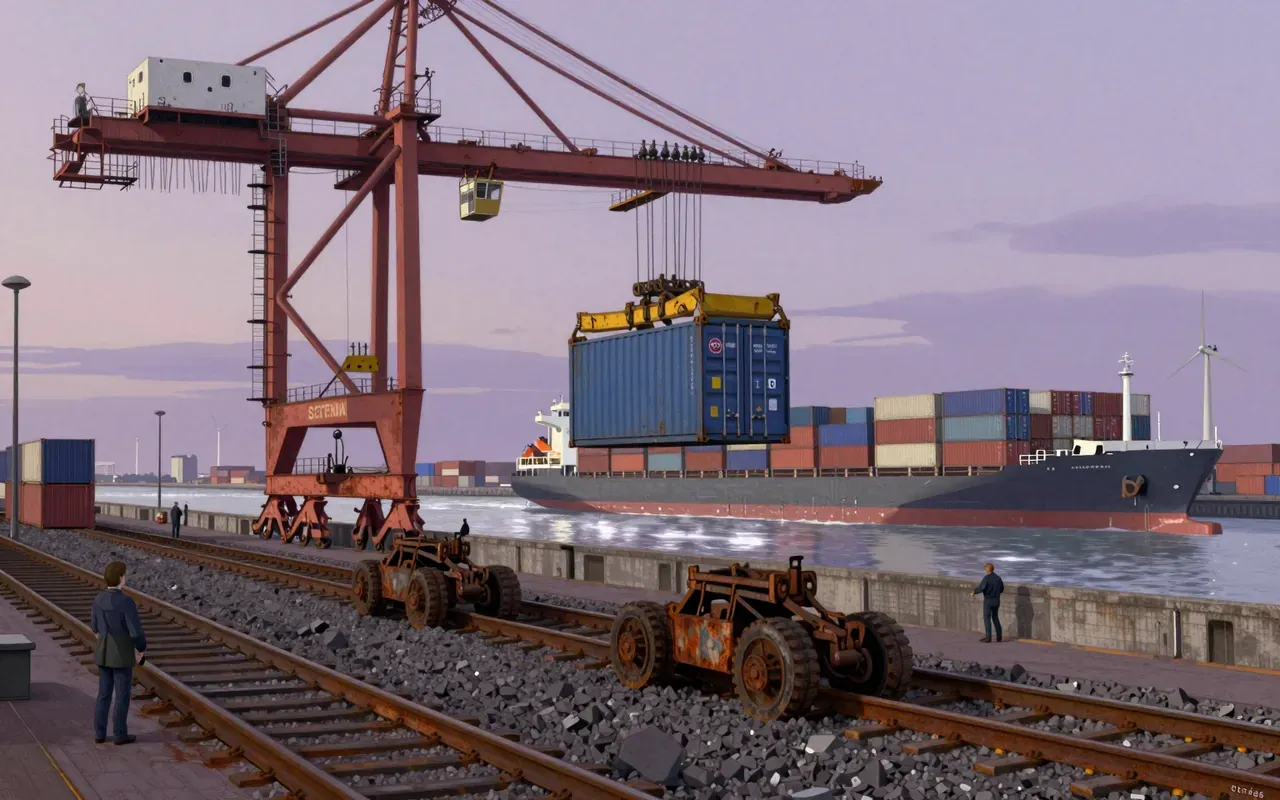

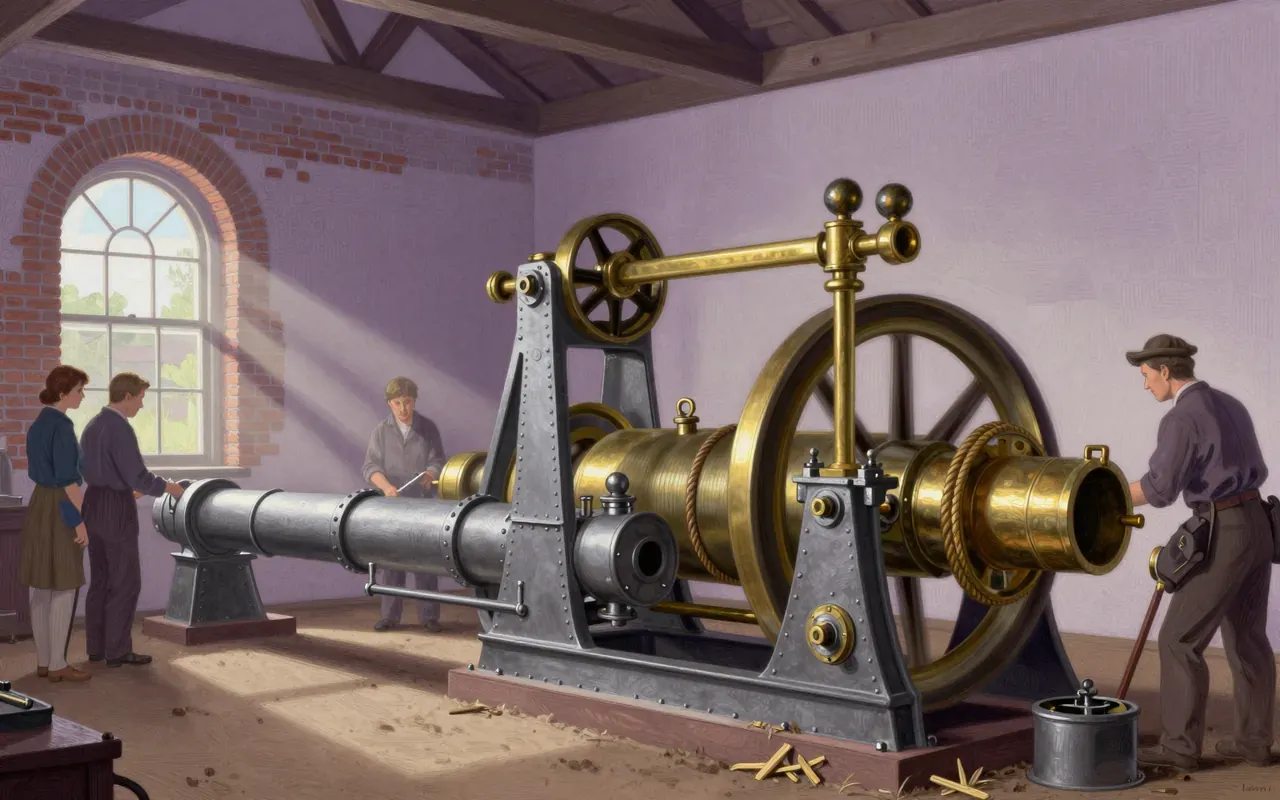
The Corliss steam engine is a mechanically elegant solution to stationary steam inefficiency—no more, no less.

The crumple zone is a hardware solution that redefined automotive safety by separating function across the car body: rigid for survival, deformable for energy absorption. It works. It spread. It remains indispensable.
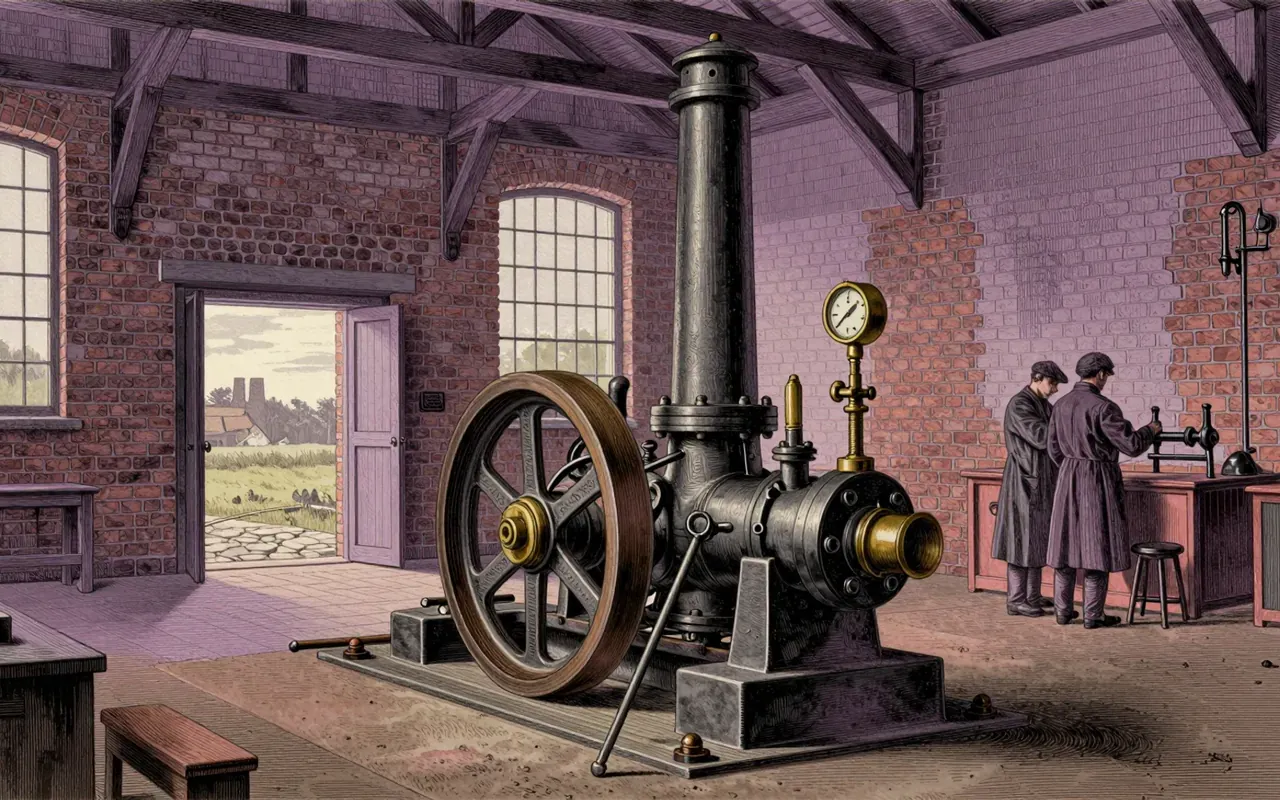
The diesel engine is a compression-ignition internal combustion engine that replaces spark-based ignition with heat from air compression. It solves the low efficiency of steam engines by achieving 26.2% effective efficiency by 1897 — 75% above steam’s 10% theoretical limit. Its core mechanism works: air compression alone ignites fuel. But its original isothermal-cycle theory failed — abandoned after criticism revealed it demanded physically impossible compression ratios. Diesel corrected to a constant-pressure cycle by June 1893, filed two patents, published a treatise, and proved the concept with petrol ignition on 10 August 1893. The first successful engine, Motor 250/400, was tested in 1897. It changes energy conversion by establishing compression ignition as a scalable, high-efficiency alternative — but only after discarding its founding premise. Worth your time if you work on thermodynamics, engine design, or historical technology development.
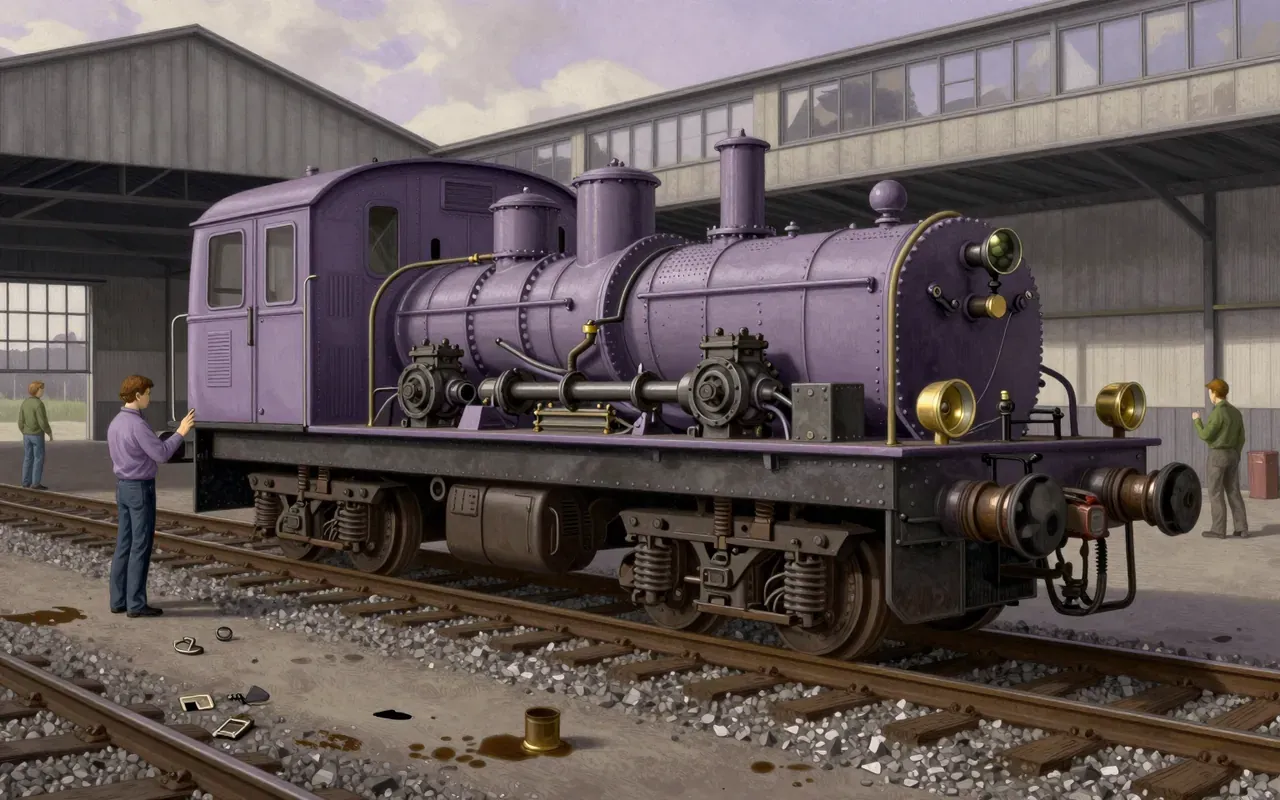
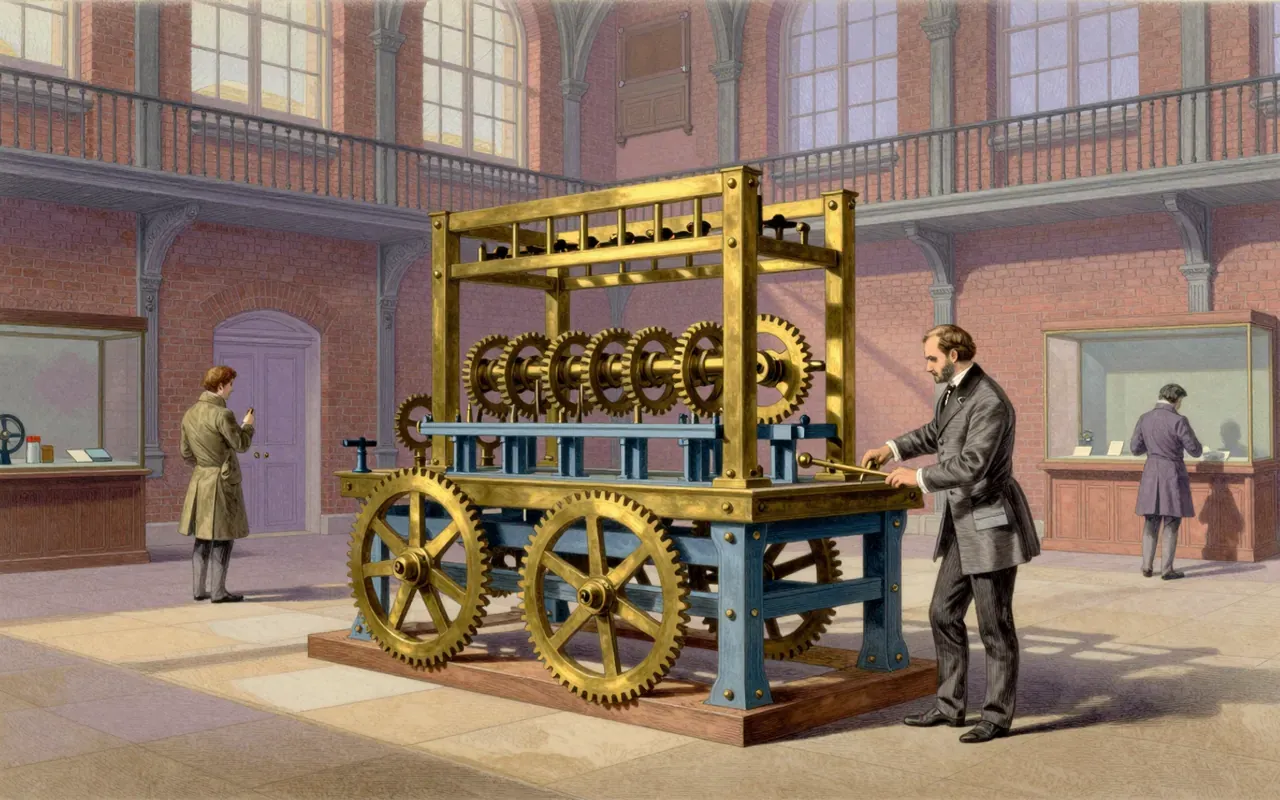
The difference engine is a proof that mechanical computation at high precision was possible in the 1820s—but only for one narrow class of problems, and only if built correctly. Its value lies not in what it delivered, but in what it demonstrated could be delivered.

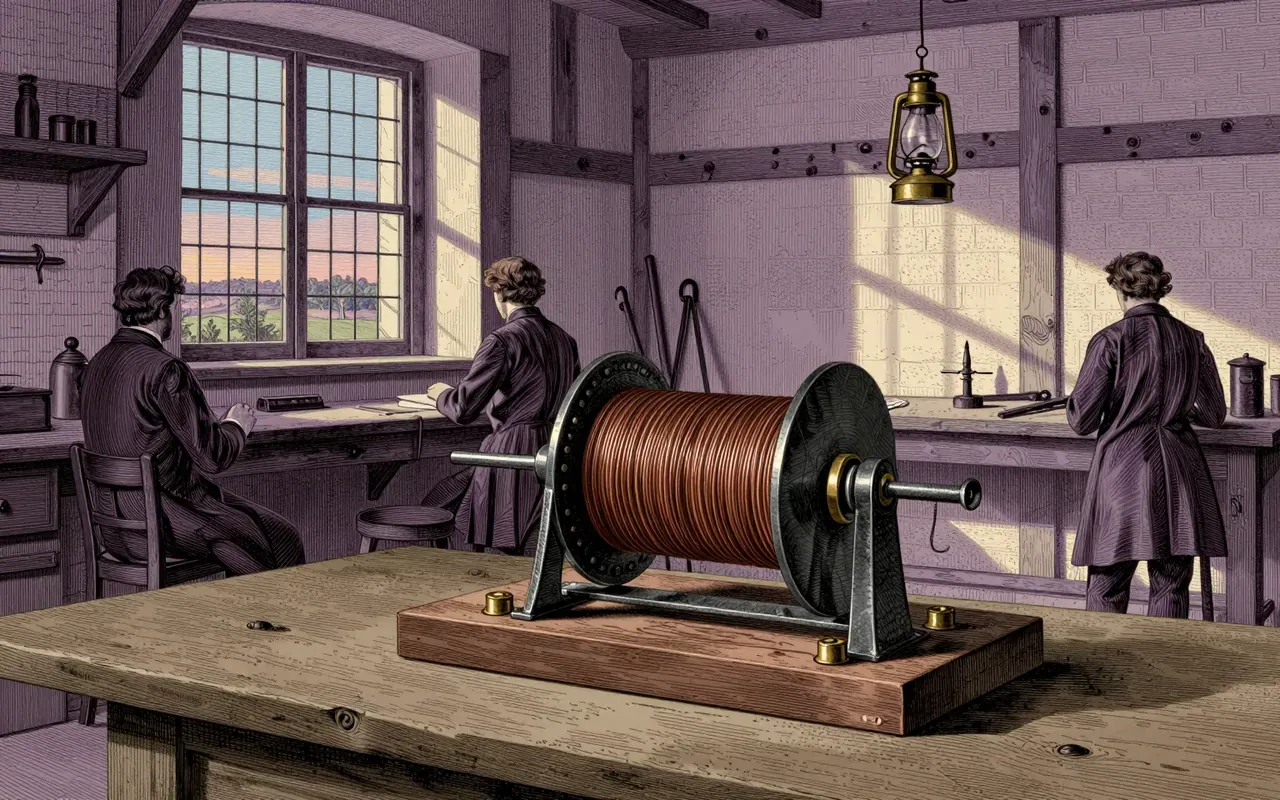
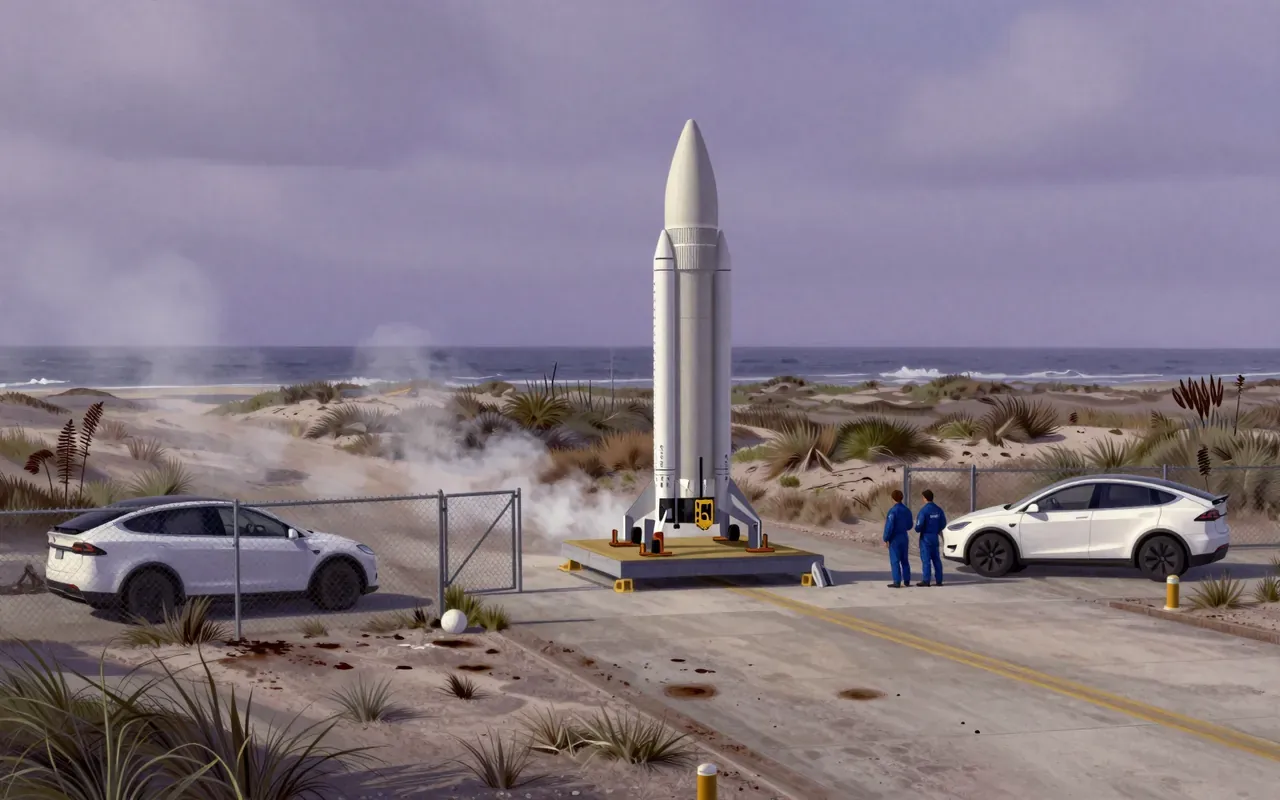
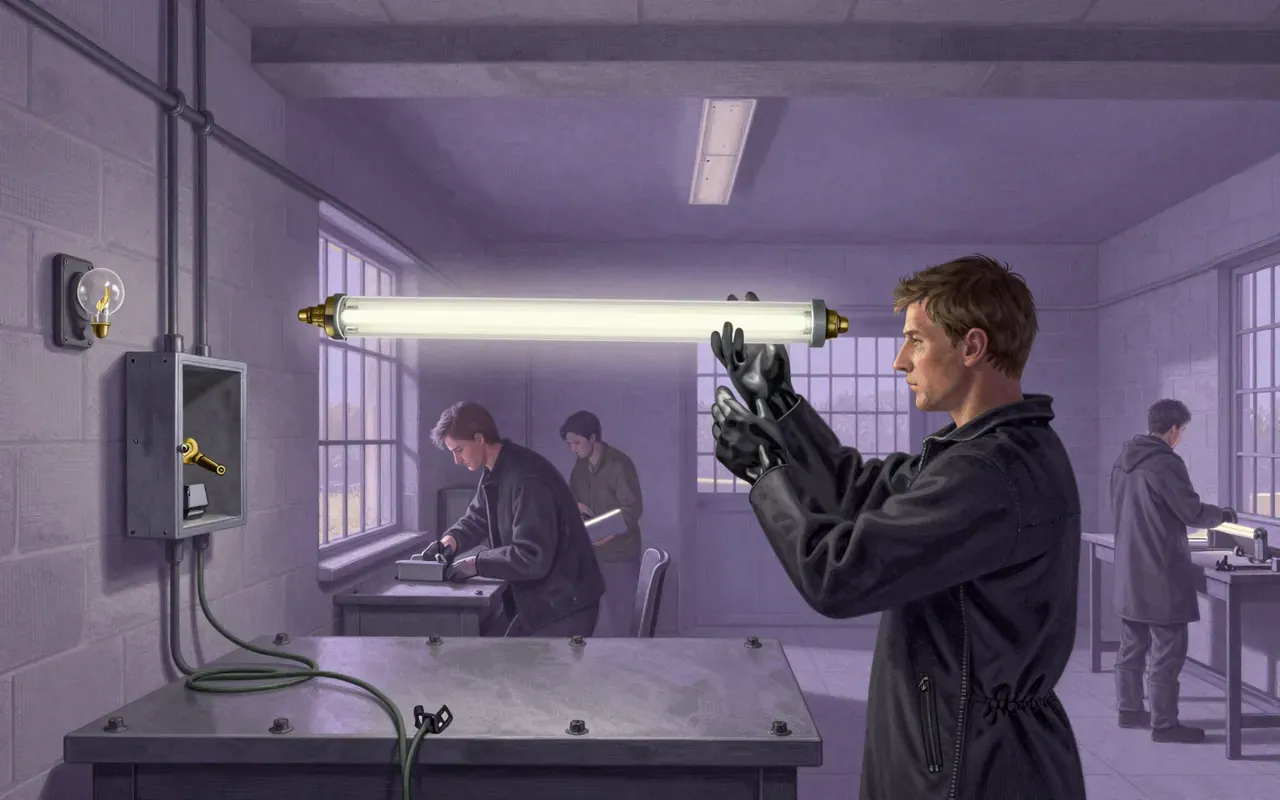
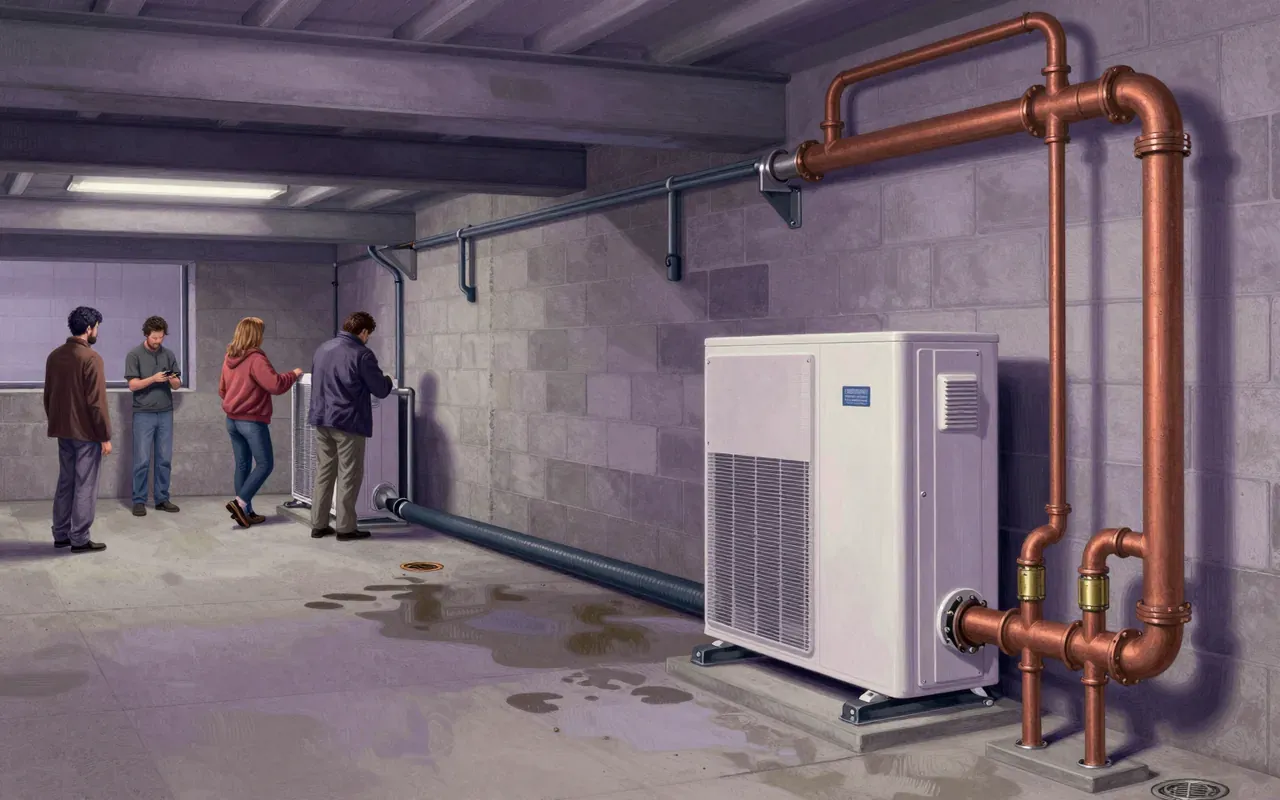
Robert C. Webber’s 1948 invention was not the first heat pump—but the first to use the ground as a thermal source. Its efficiency gain comes solely from stable input temperature, not new thermodynamics. It remains niche because it requires land, excavation, and integration at build stage—not after.
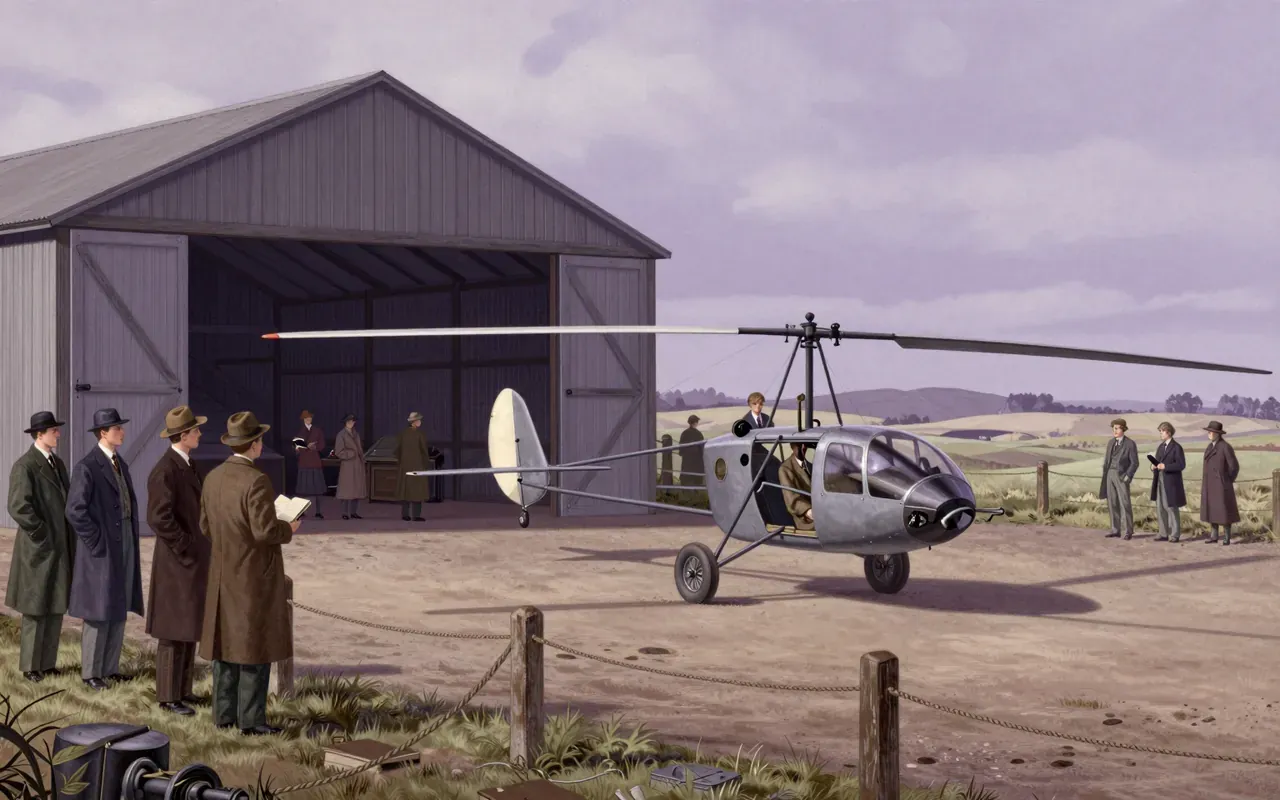
The articulated rotor solved dissymmetry of lift in autogyros using mechanical hinges—not powered rotation. It enabled stable forward flight and jump take-off, but did not enable hovering or VTOL. Its influence on helicopters is real but indirect: it provided the hinge architecture, not the propulsion model.
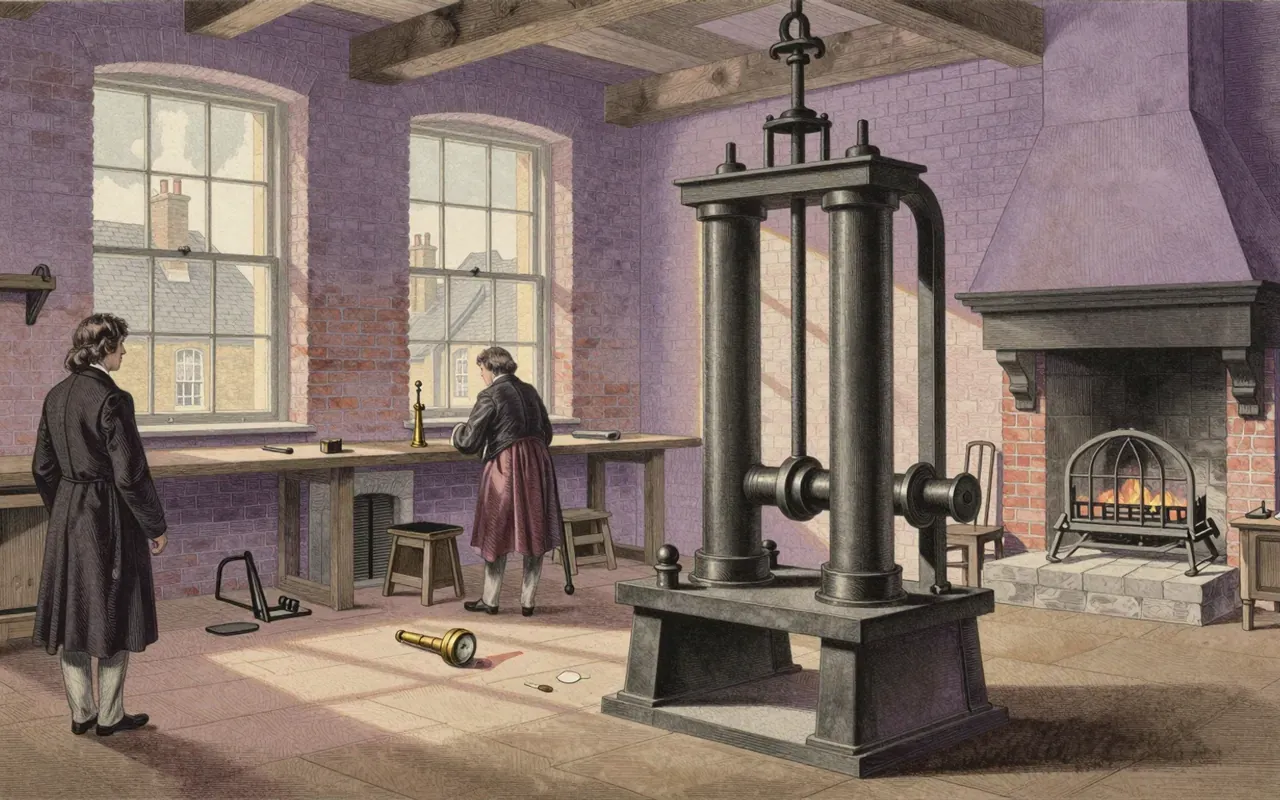
The hydraulic press is a force-amplifying apparatus built on Pascal’s principle. Bramah patented it in 1795. It works. It scales. It leaks. It endures.
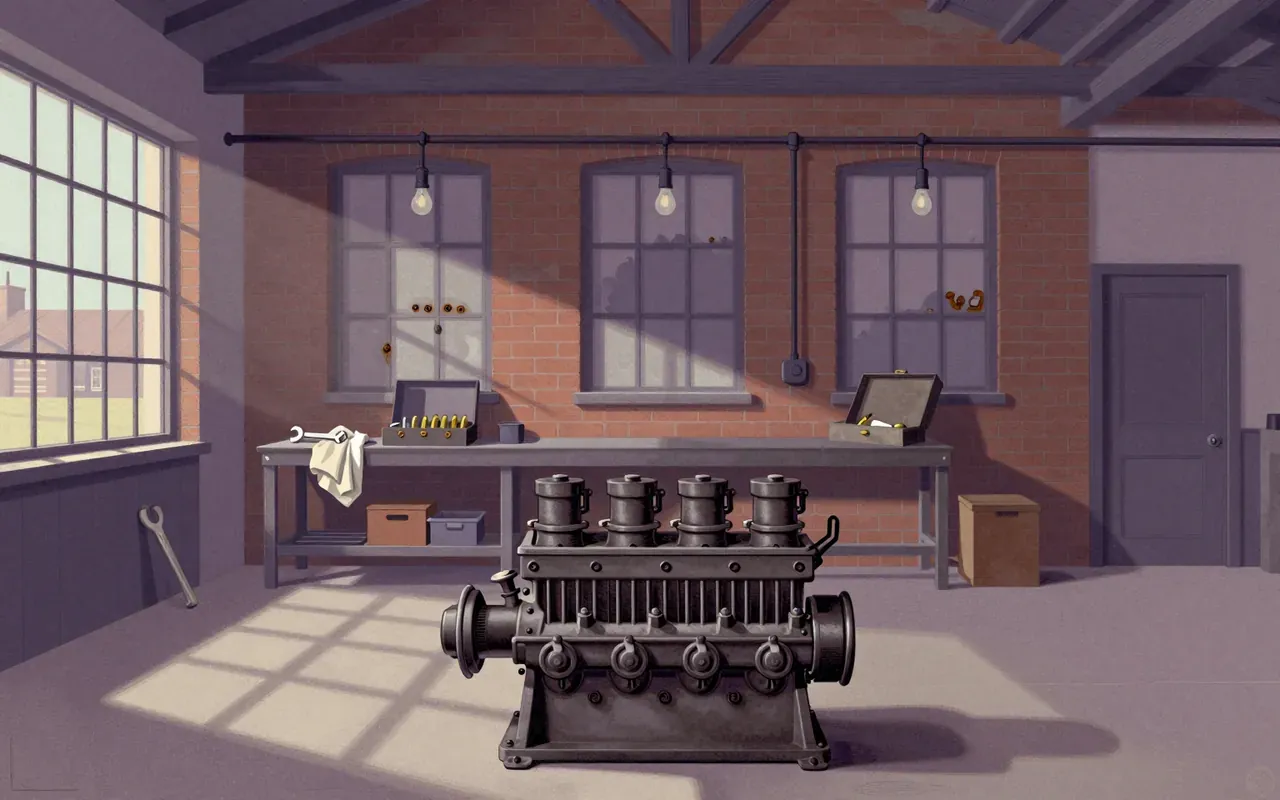
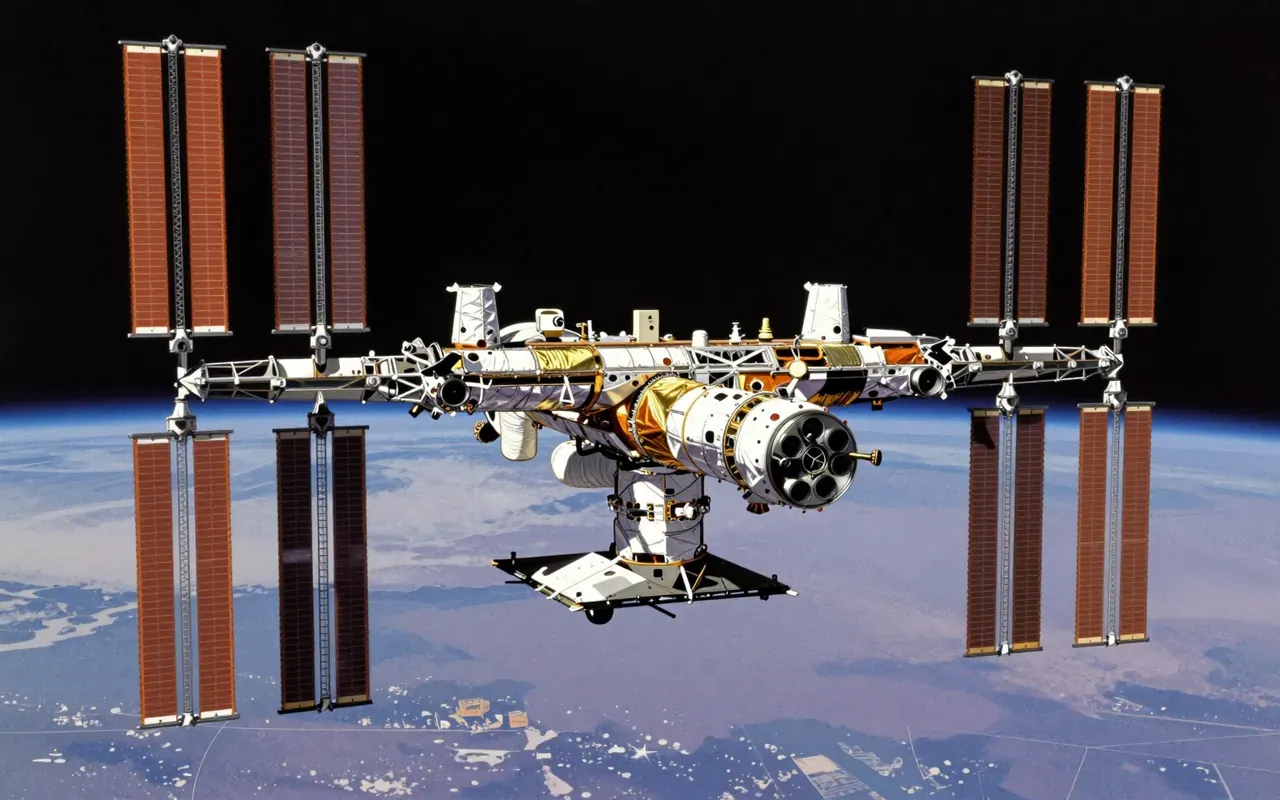
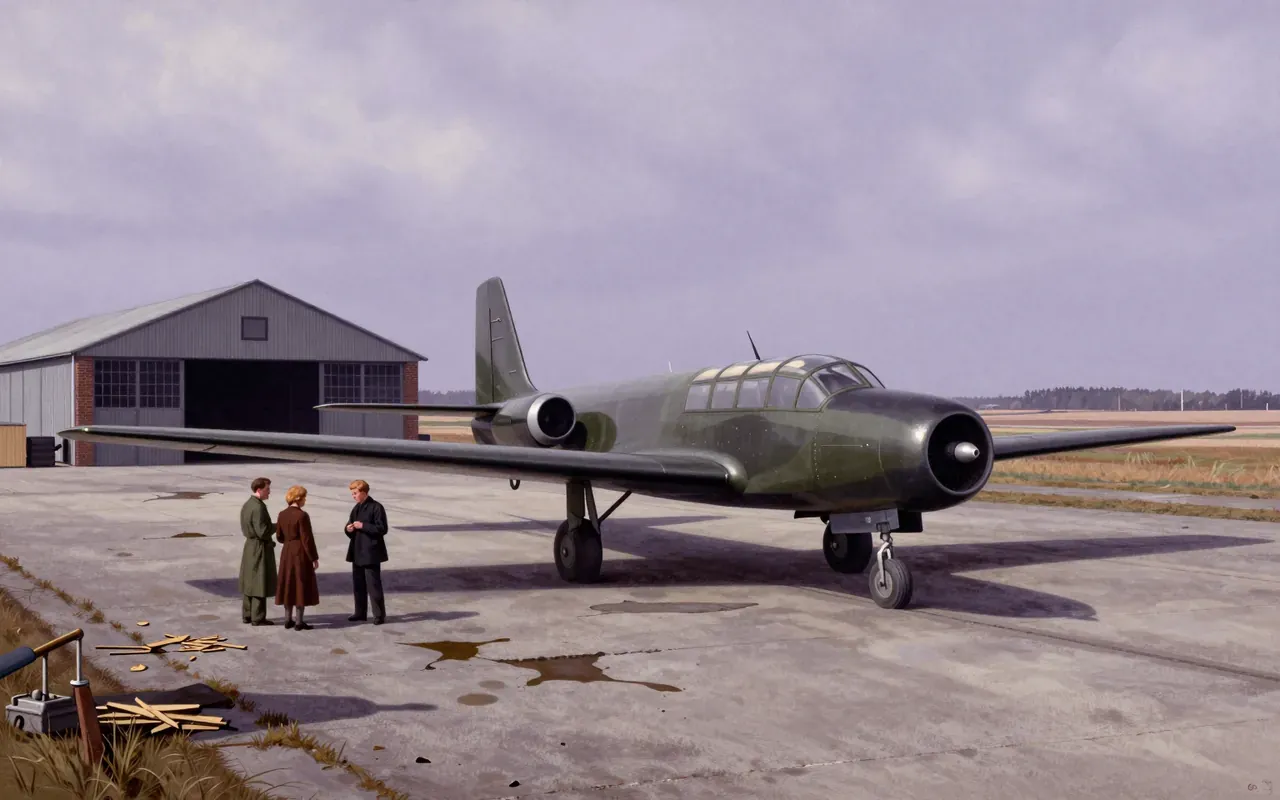
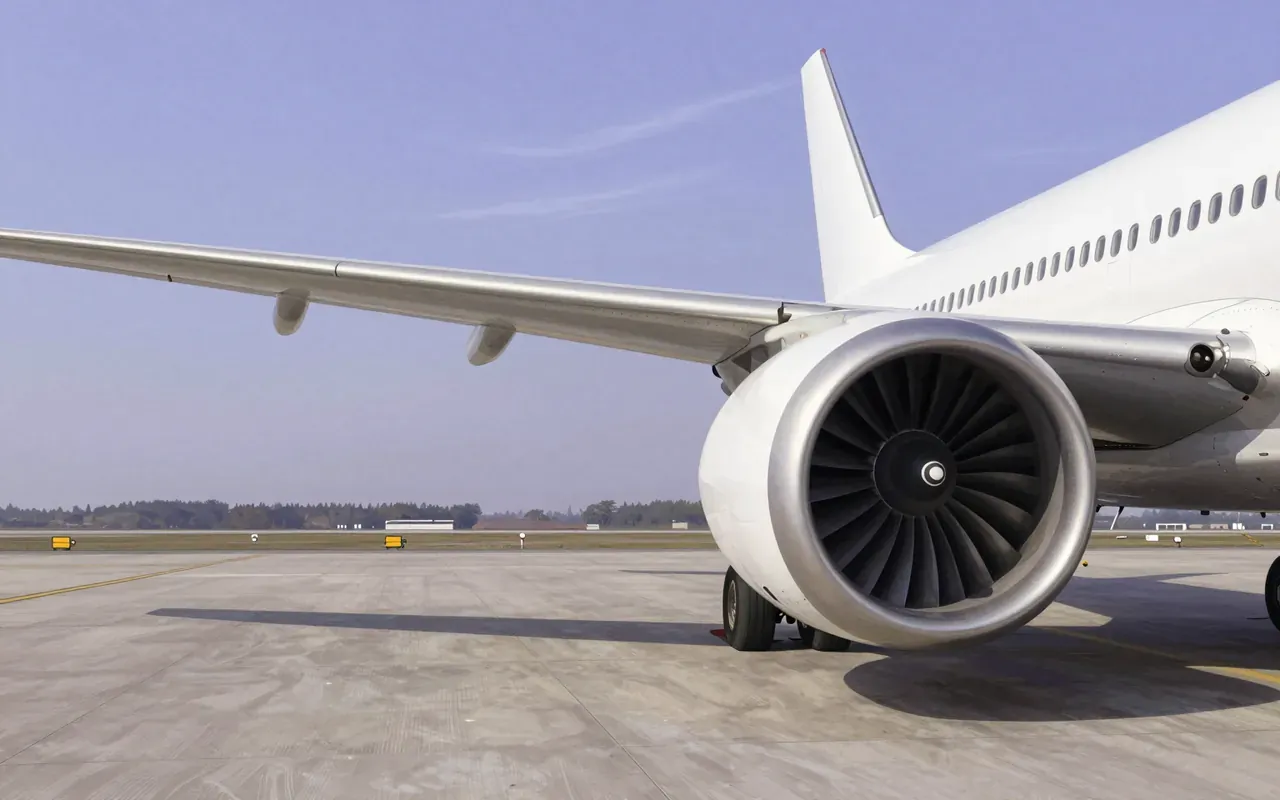
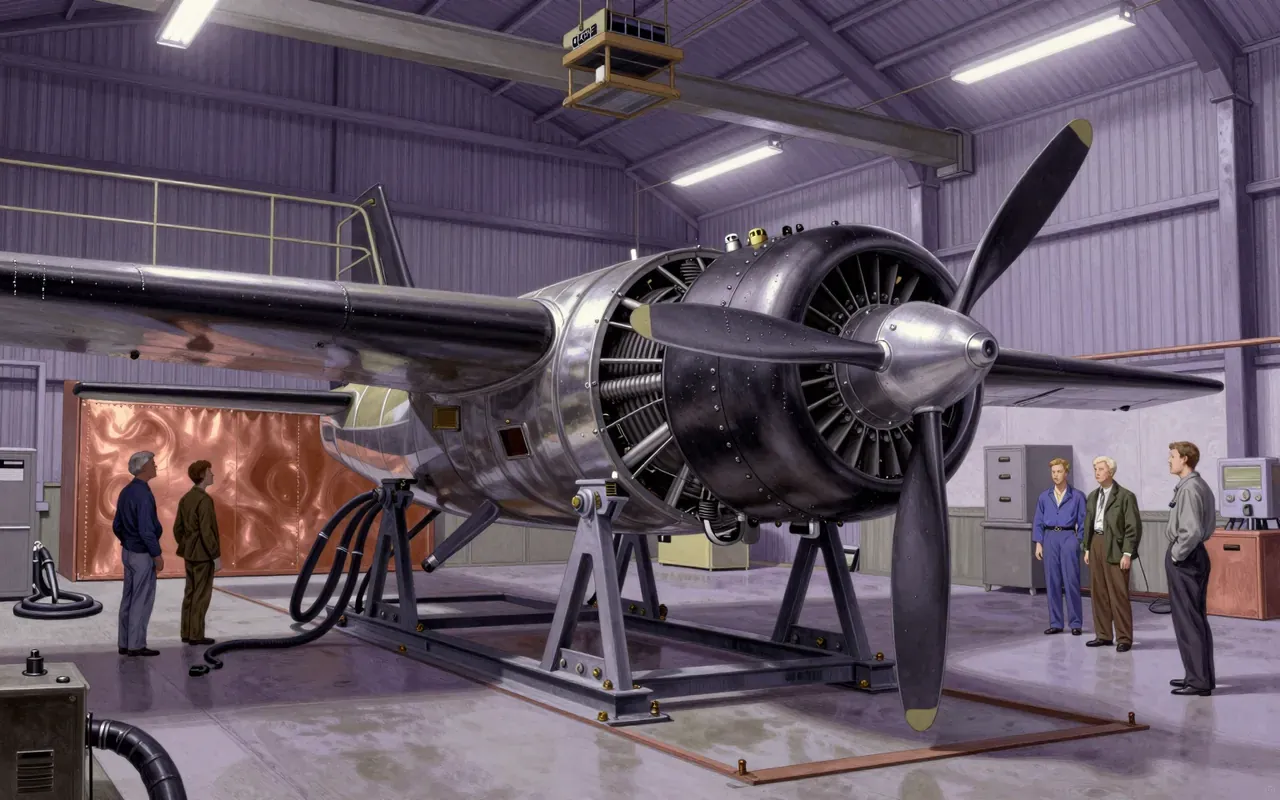
The jet engine solved thrust scaling for high-speed flight, but Whittle’s and von Ohain’s first implementations were experimental dead ends — low-efficiency, non-production designs that proved the principle but not the path.


Claude’s neon tube lighting was not the first gas-discharge light—but it was the first commercially viable one. Its success hinged on solving two engineering problems: keeping neon pure inside a sealed tube, and stopping electrodes from eroding under electrical stress. It turned air liquefaction waste into revenue. It did not enable low-power indicators—that came later, with Moore’s coronal-discharge lamp. It did not eliminate maintenance—it deferred it. Its real innovation was industrial integration, not physics.
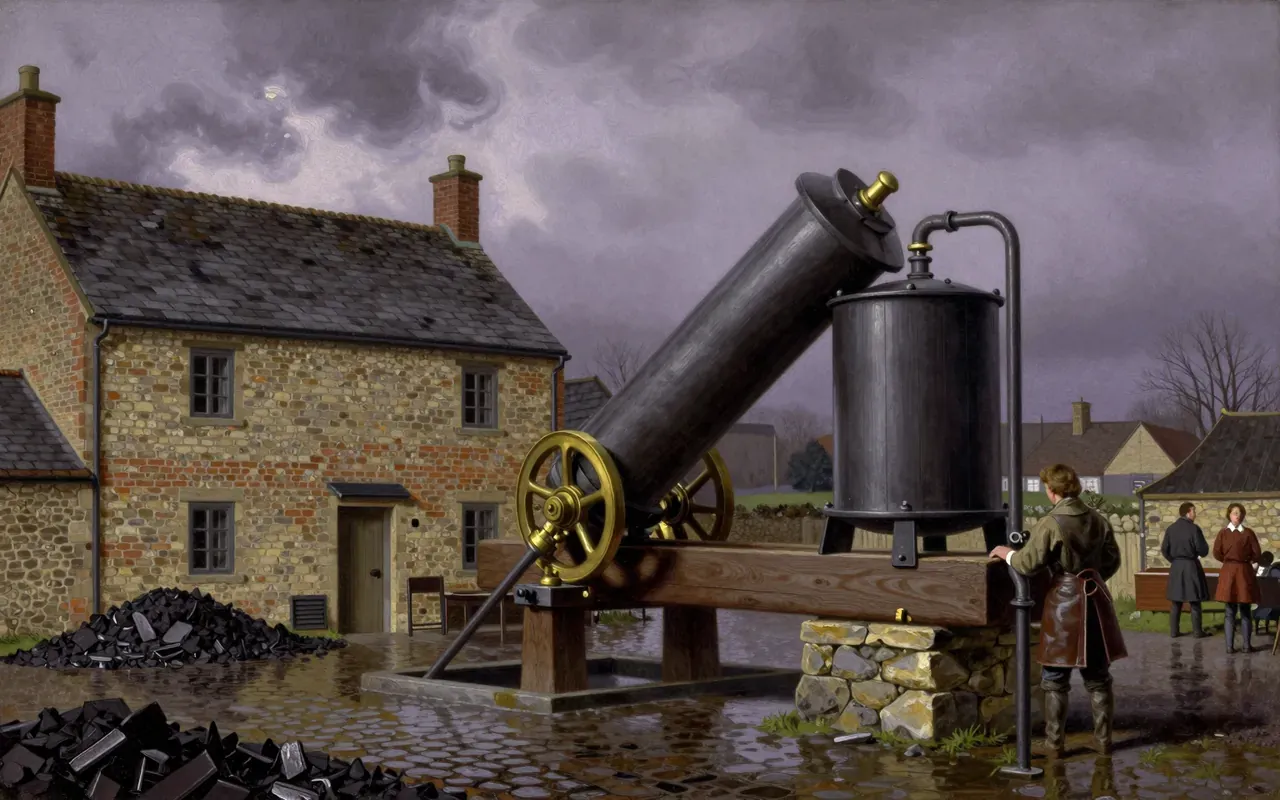
The Newcomen atmospheric engine was the first practical steam-powered device to produce mechanical work. It solved the problem of mine flooding beyond the 30-foot vacuum limit by using atmospheric pressure to drive a piston linked to a rocking beam and force pump. It worked by condensing steam in a cylinder to create a partial vacuum, allowing air pressure to push the piston down. Its motion lifted a weighted rod that operated a pump. It was inefficient due to repeated cylinder cooling, but matched the engineering limits of its time. Hundreds were built across Britain and Europe during the 18th century, with the first successful installation in 1712 at Conygree Coalworks in Tipton.
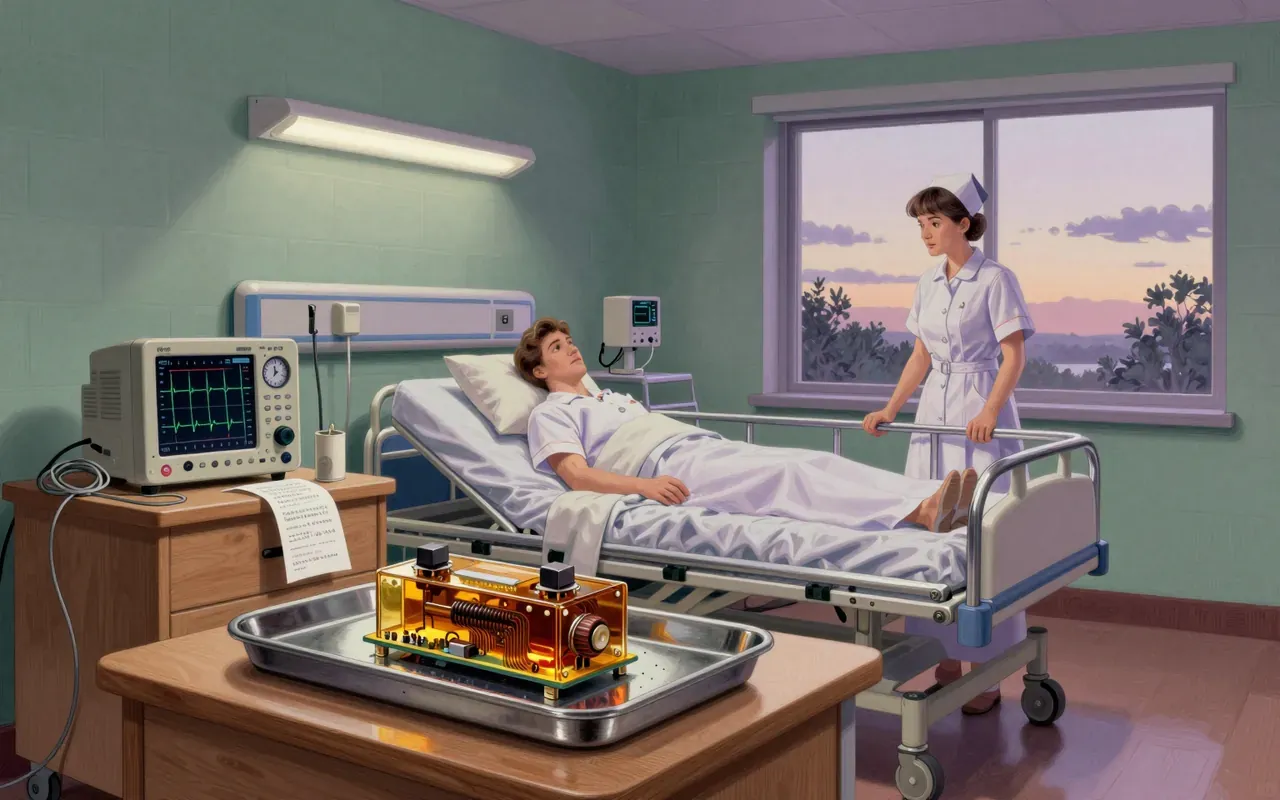
The editorial brief exposes a critical misattribution: 'The Pacemaker' DJ system (Jonas Norberg, 2008) is falsely presented as Wilson Greatbatch’s invention. Greatbatch co-created the implantable cardiac pacemaker and its lithium-iodide battery — a foundational medical engineering achievement. Norberg built a portable digital DJ tool. They share a name, not a lineage. The conflation undermines both histories.
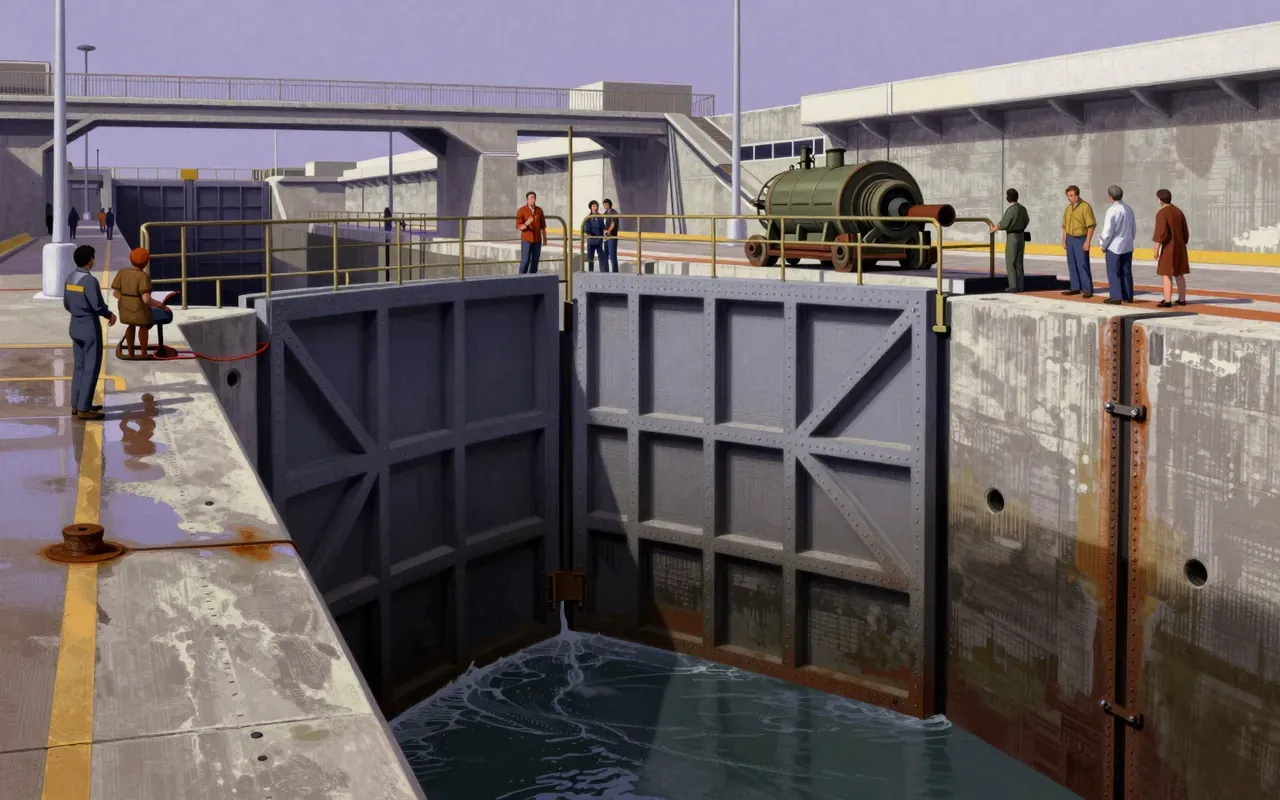
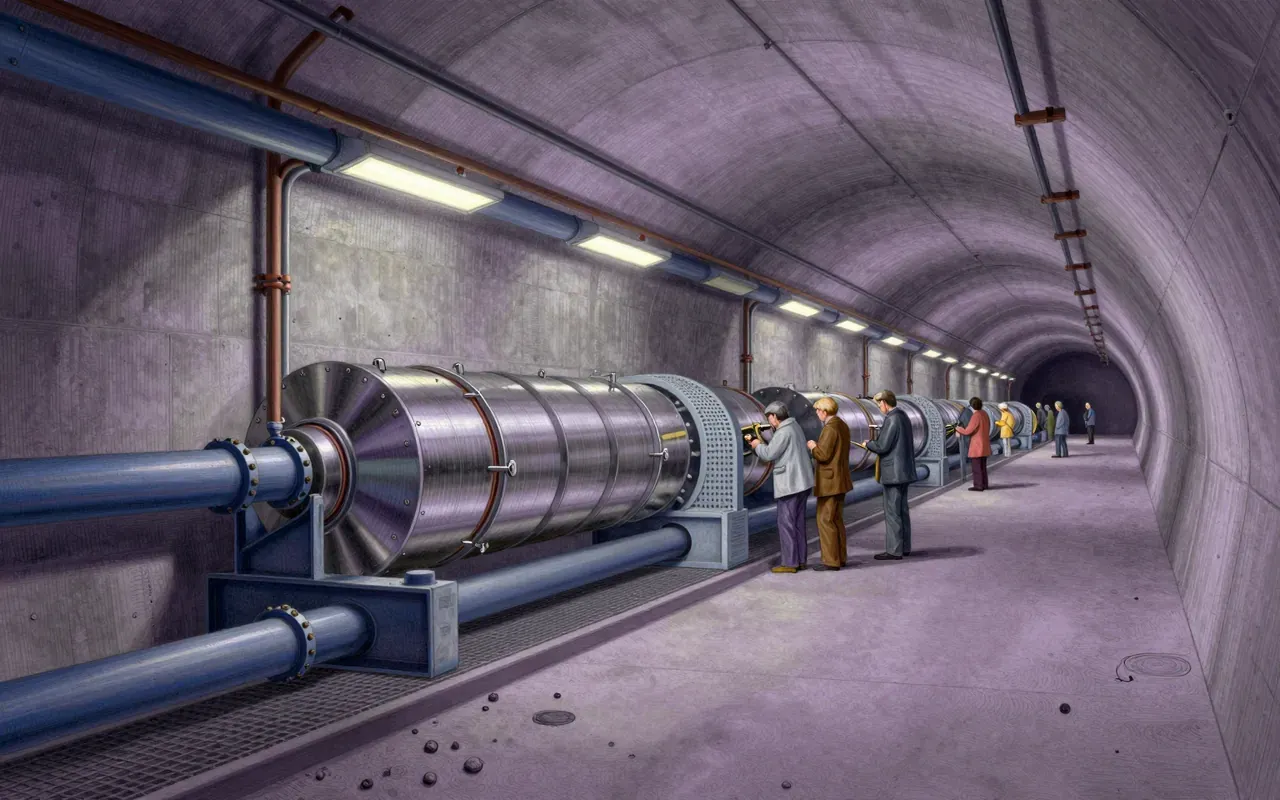

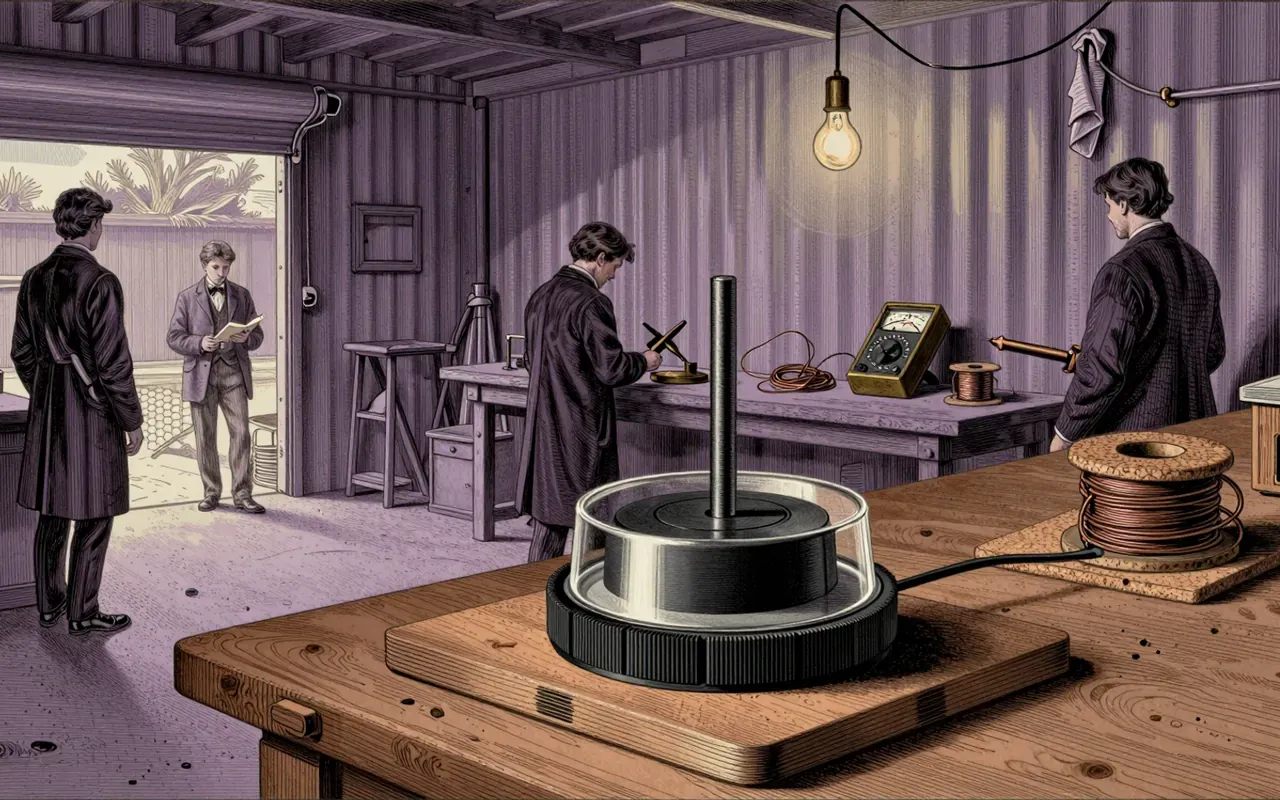
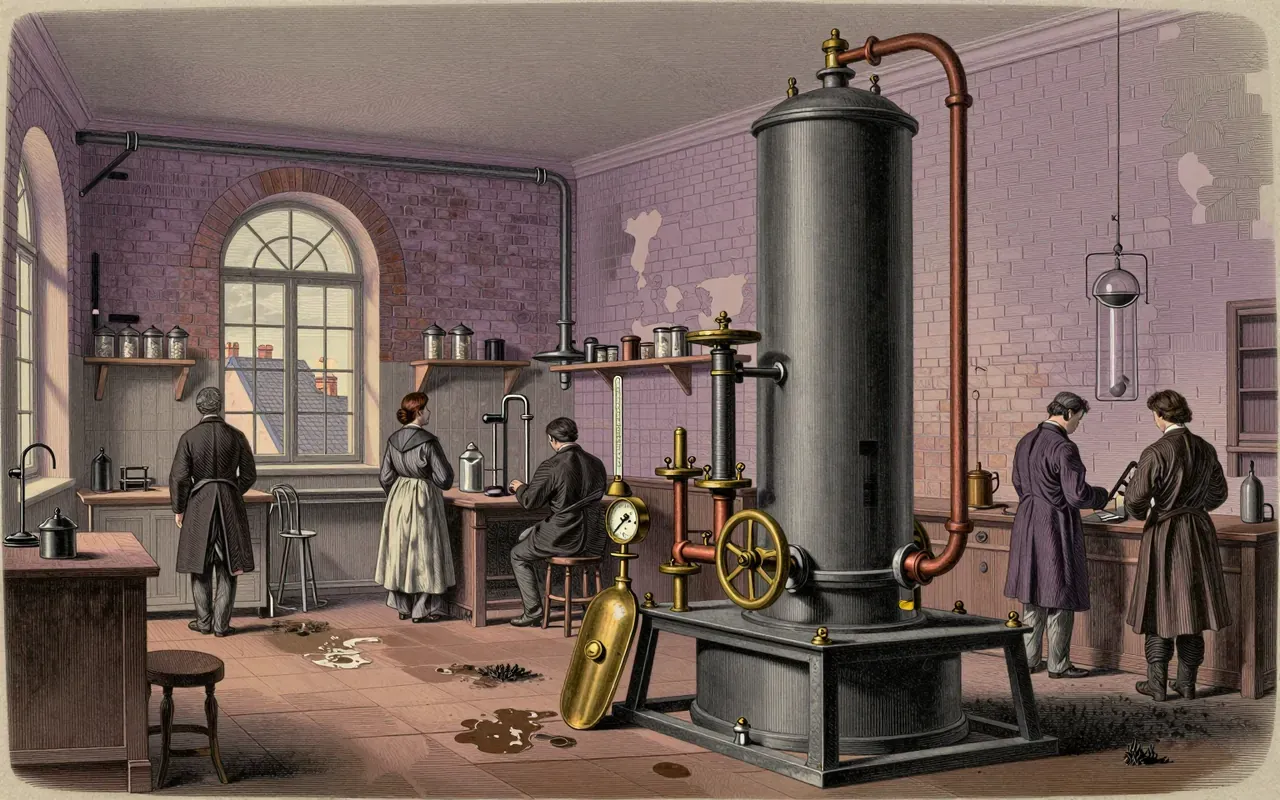
Linde’s 1876 compressed-ammonia refrigerator was the first practical, compact, and reliable vapor-compression system. It solved industrial spoilage by enabling stable low-temperature control — starting with the Spaten Brewery in 1873. Its mechanism relied on compression, condensation, expansion, and evaporation, later formalised as the refrigeration cycle in 1895. But it used toxic refrigerants without safeguards — a trade-off baked into its design. Its legacy is real: ammonia remains in industrial use today. Its failure is structural: safety was deferred, not designed.
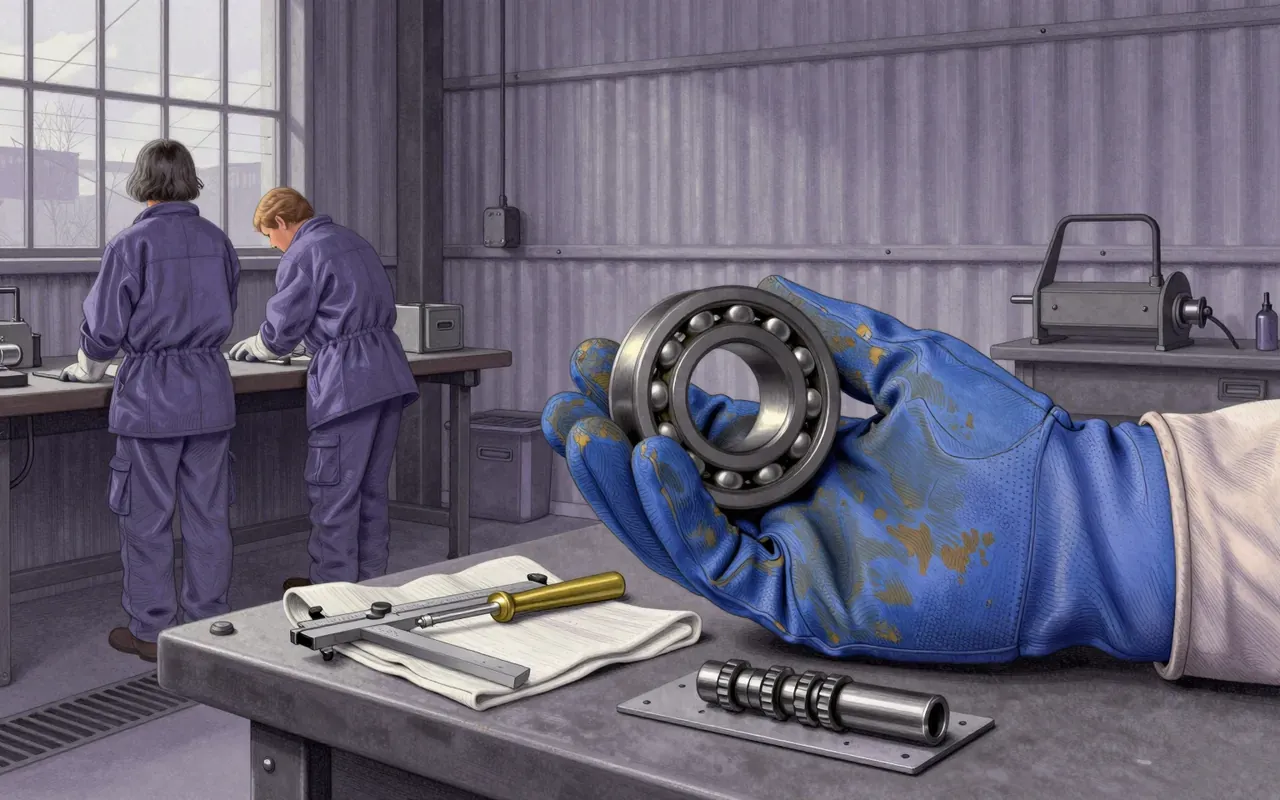
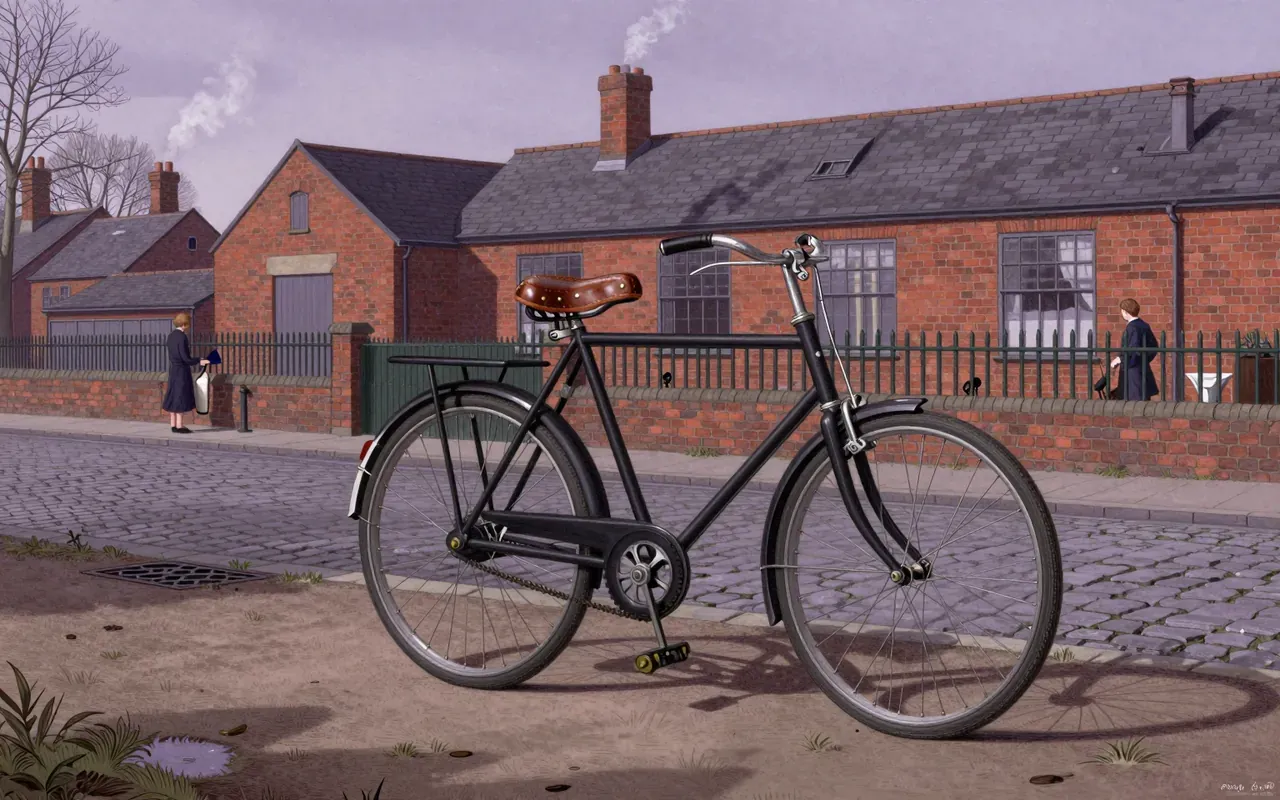
The safety bicycle solved the penny-farthing’s fatal instability by lowering the rider, equalising wheel size, and moving power to the rear wheel via chain. Starley’s 1885 Rover succeeded not because it was first, but because it combined rear-chain drive, direct steering, and balanced geometry — while most contemporaries still used front drives or indirect steering. It made cycling broadly usable, but only after overcoming real mechanical and ergonomic trade-offs.
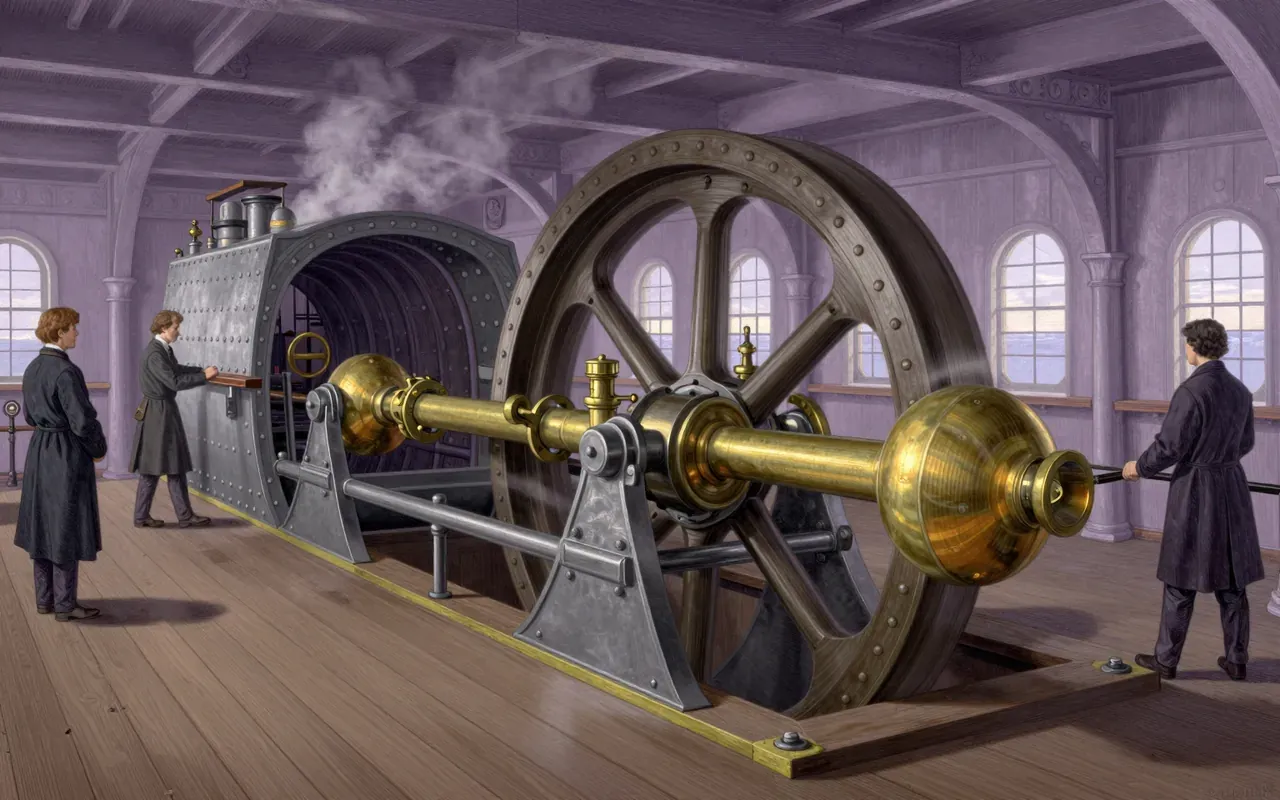
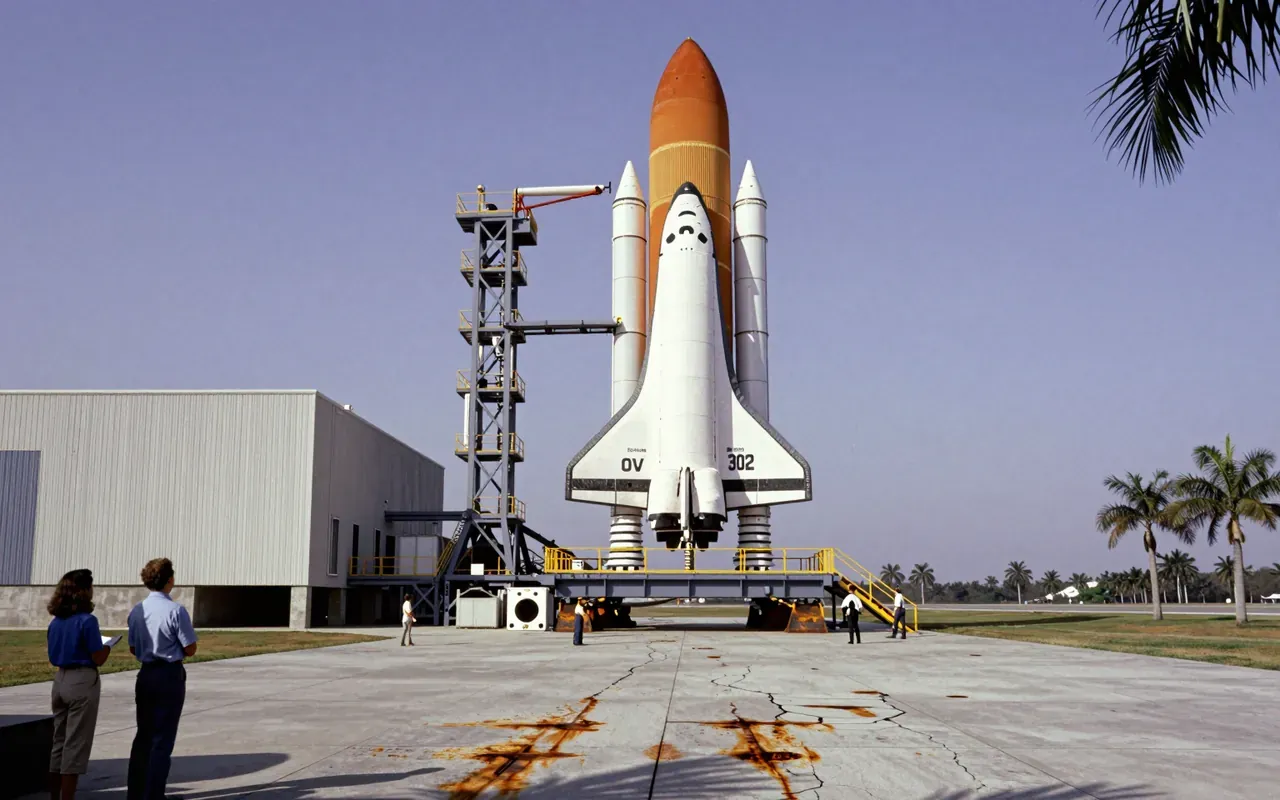
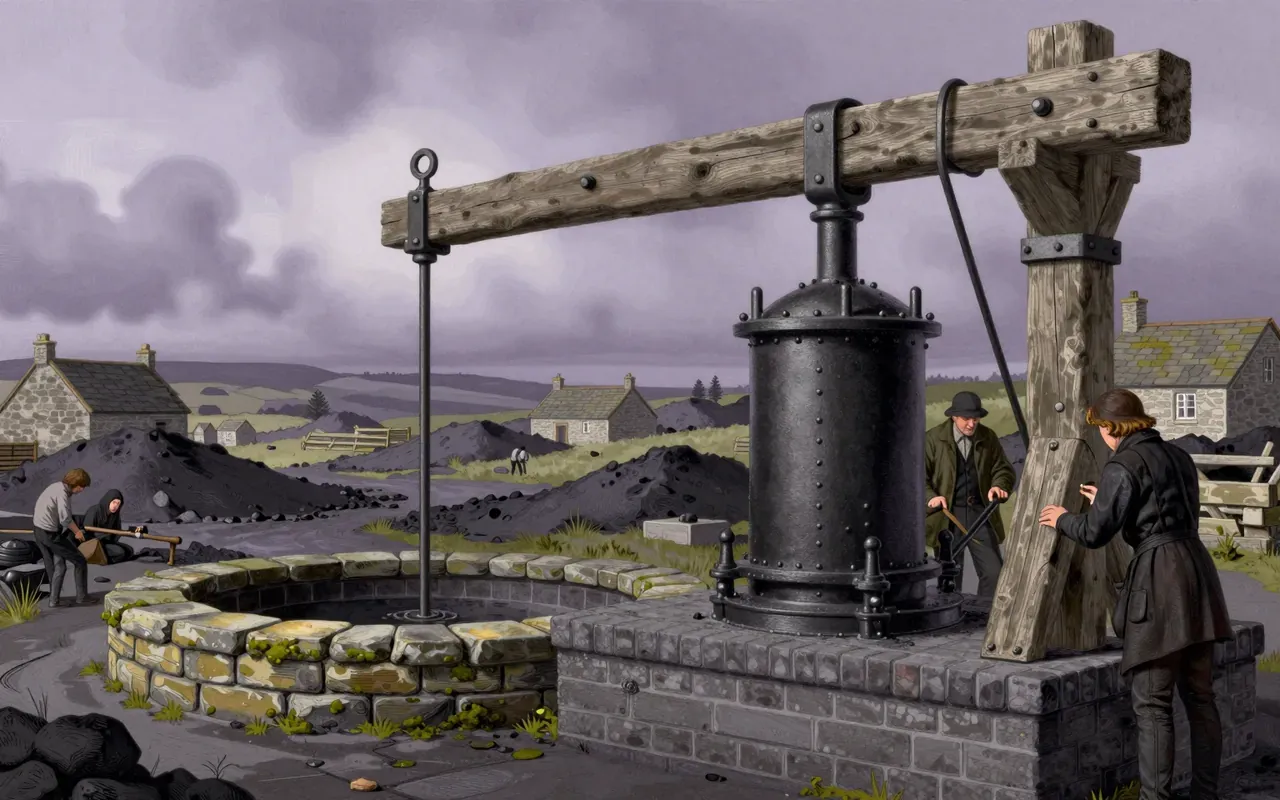
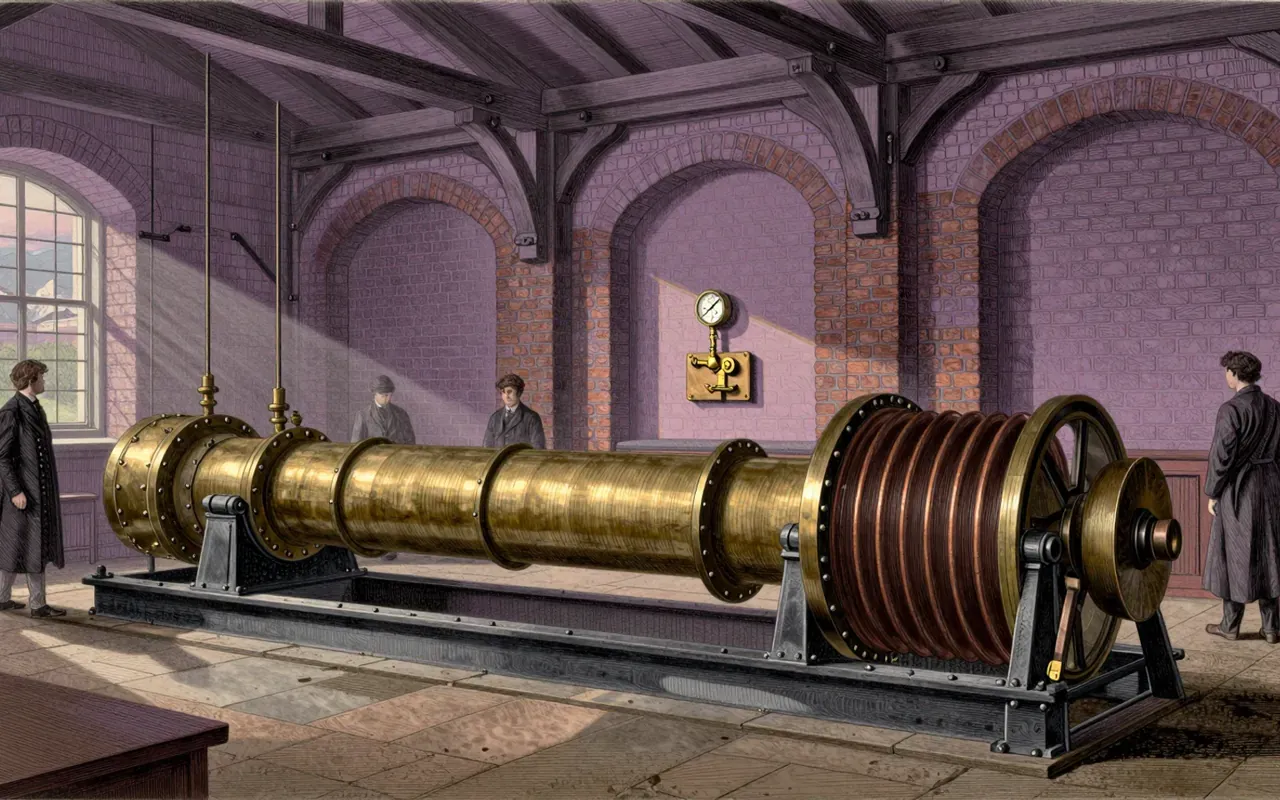
The steam turbine was not an incremental upgrade. It was a new mechanical paradigm: reaction-based, inherently scalable, and immediately deployable for electricity and propulsion. Its success came from eliminating reciprocating inertia, enabling higher speeds, smoother operation, and orders-of-magnitude growth in unit size. It delivered what it promised—cheap electricity and naval transformation—without hedging or delay.
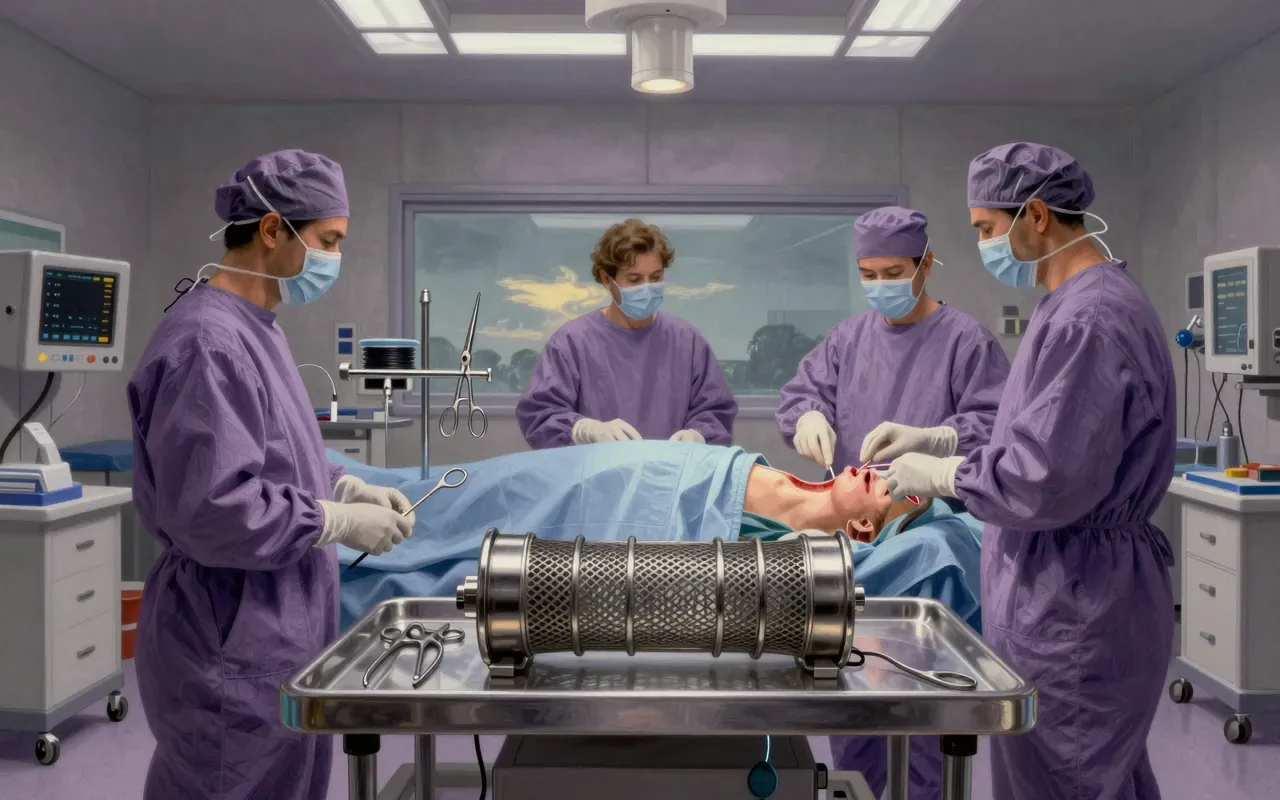
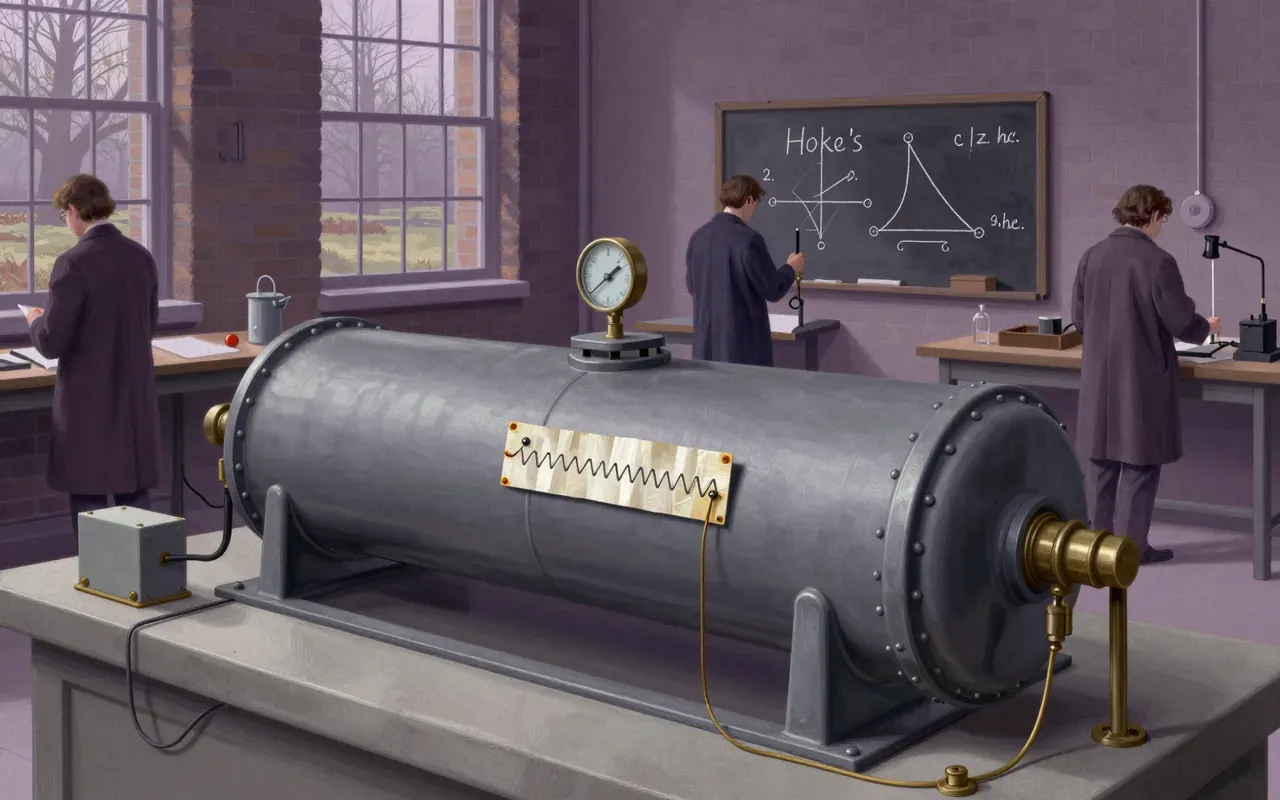
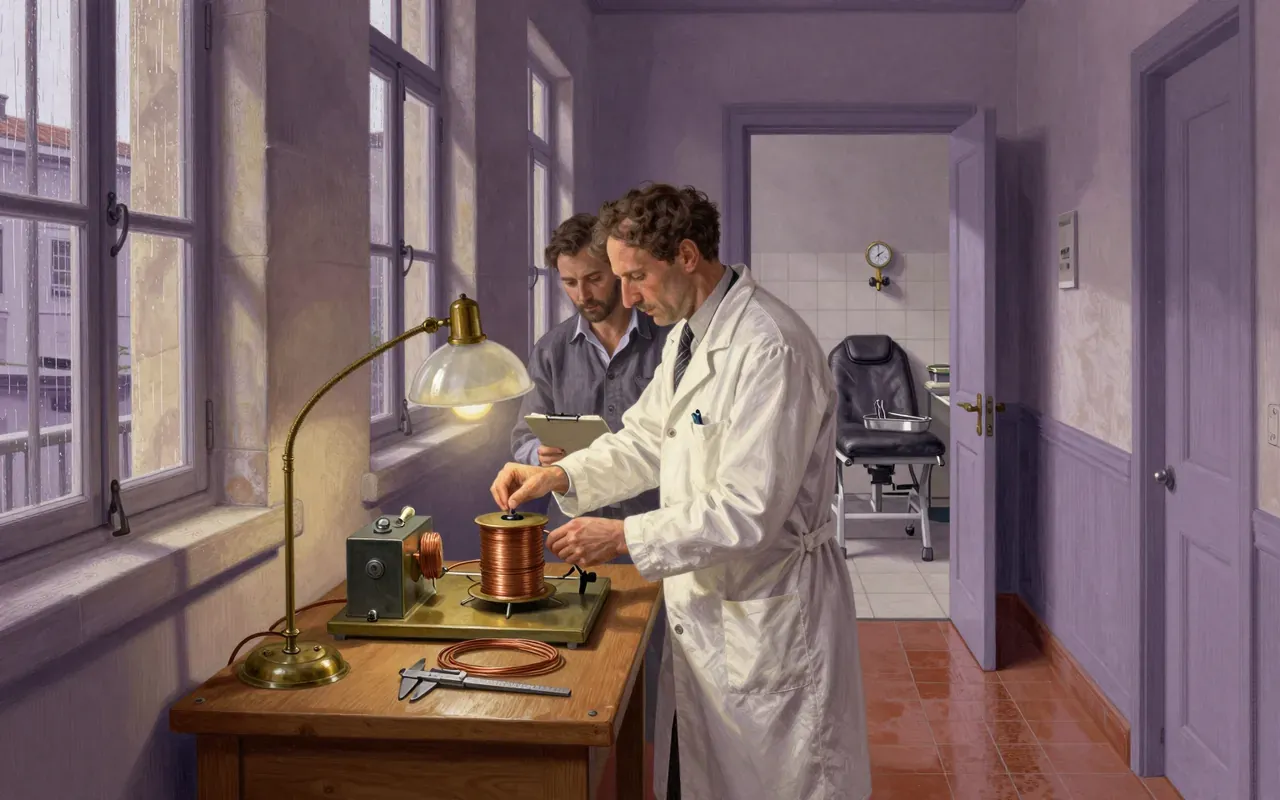
The strain gauge is a bonded metallic foil sensor that translates mechanical strain into resistance change via conductor geometry. Invented independently in 1938 by Simmons (for shock-load metallurgy) and Ruge (for seismological water tank modelling), it solved measurement gaps where optical methods failed. It works reliably within elastic limits—but fails without precise adhesion or thermal control. Its legacy is not novelty but adoption: it became the standard interface between force and electronics because it was simple, scalable, and grounded in first principles—not hype.
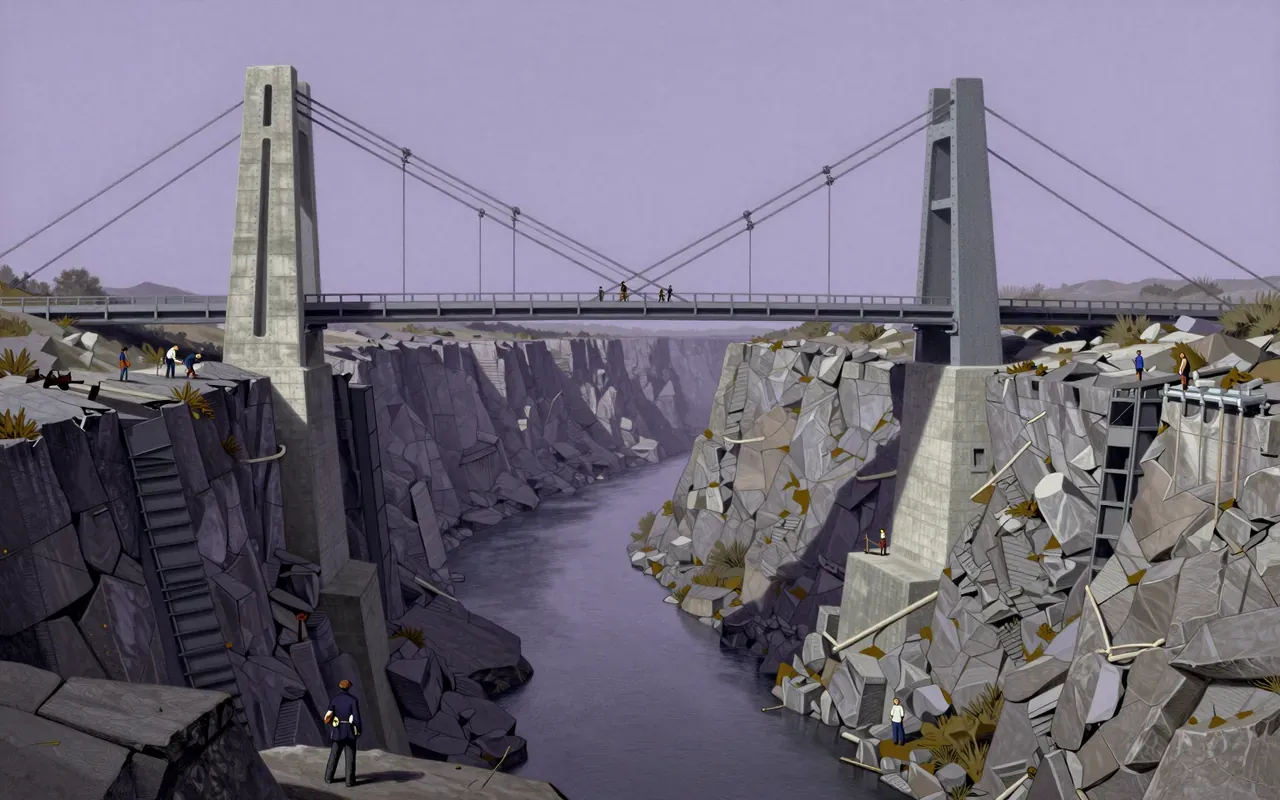
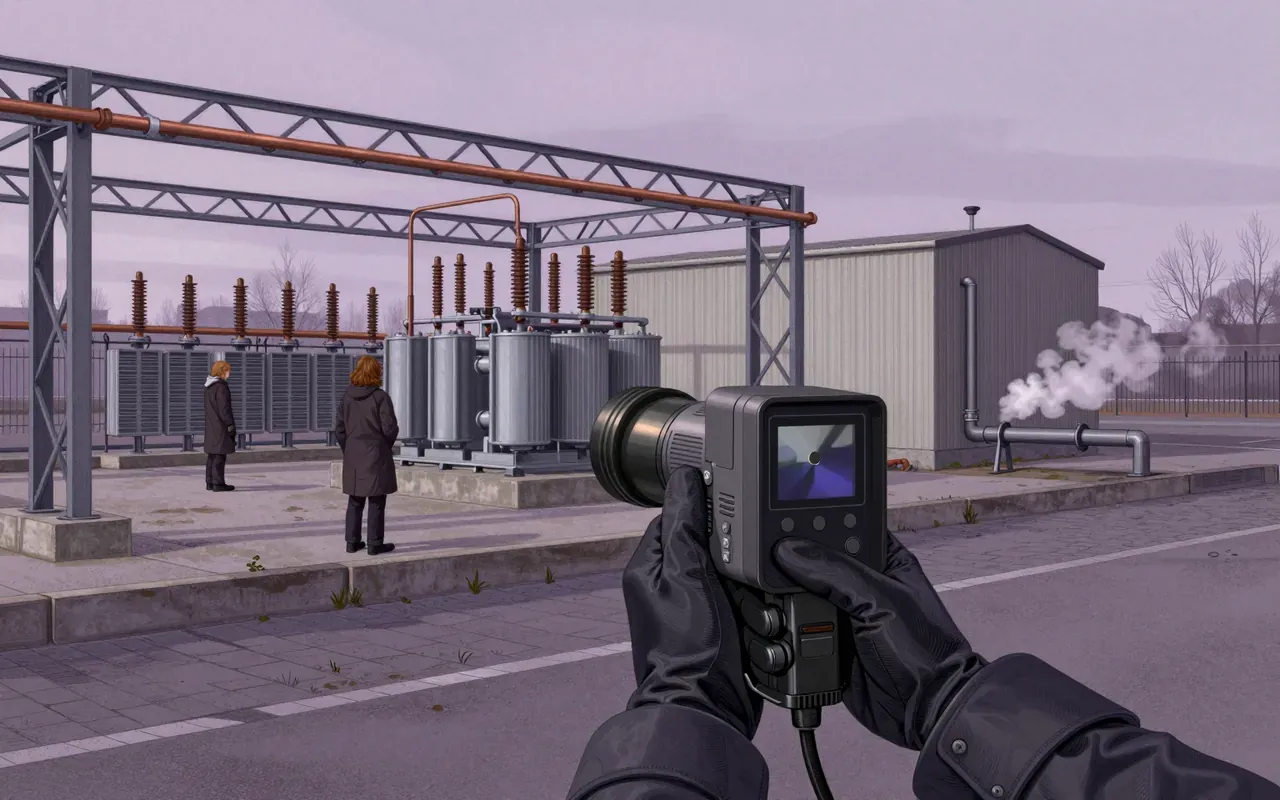



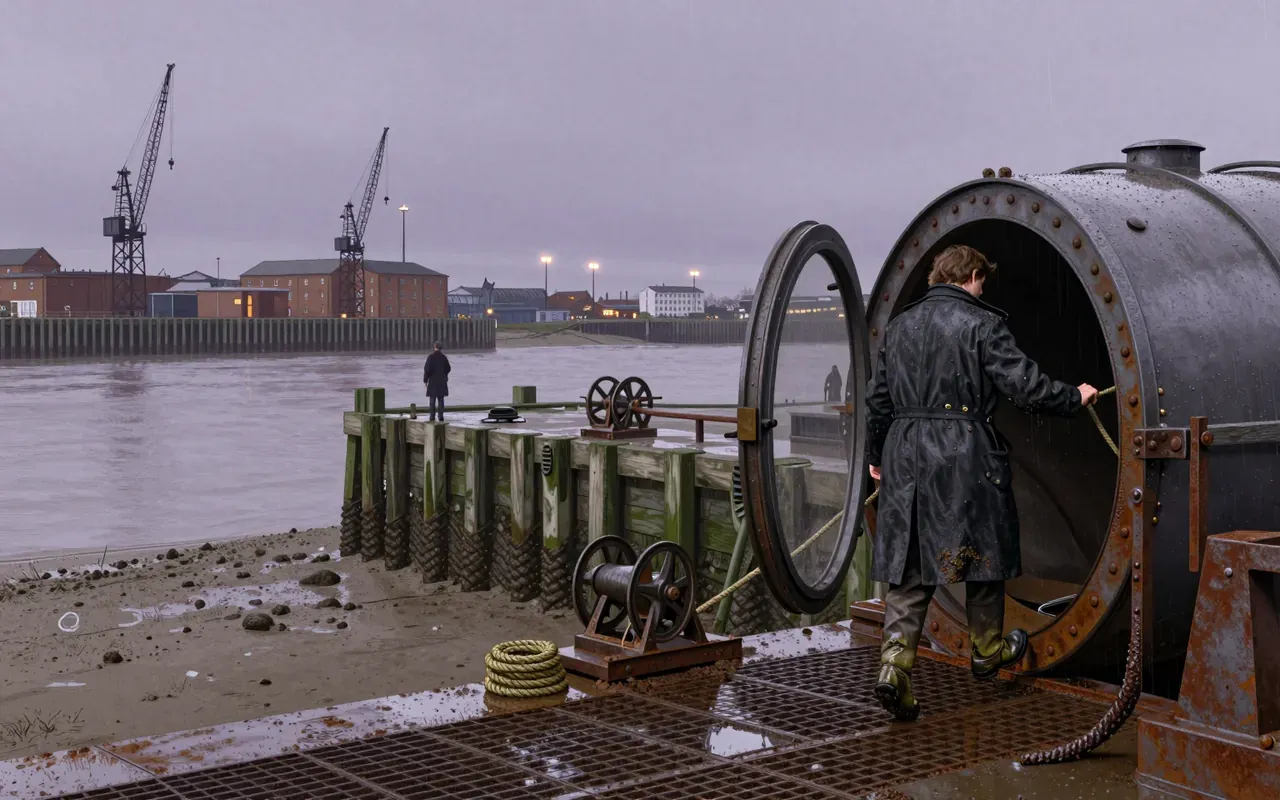
Greathead’s shield was not a tunnel boring machine in the modern sense — it did not rotate cutters or automate excavation. It was a pressurised, jacked, lined, and grouted soft-ground tunnelling system. It succeeded where earlier shields failed because it managed water, pressure, and ground movement as an integrated mechanism — not a collection of parts.
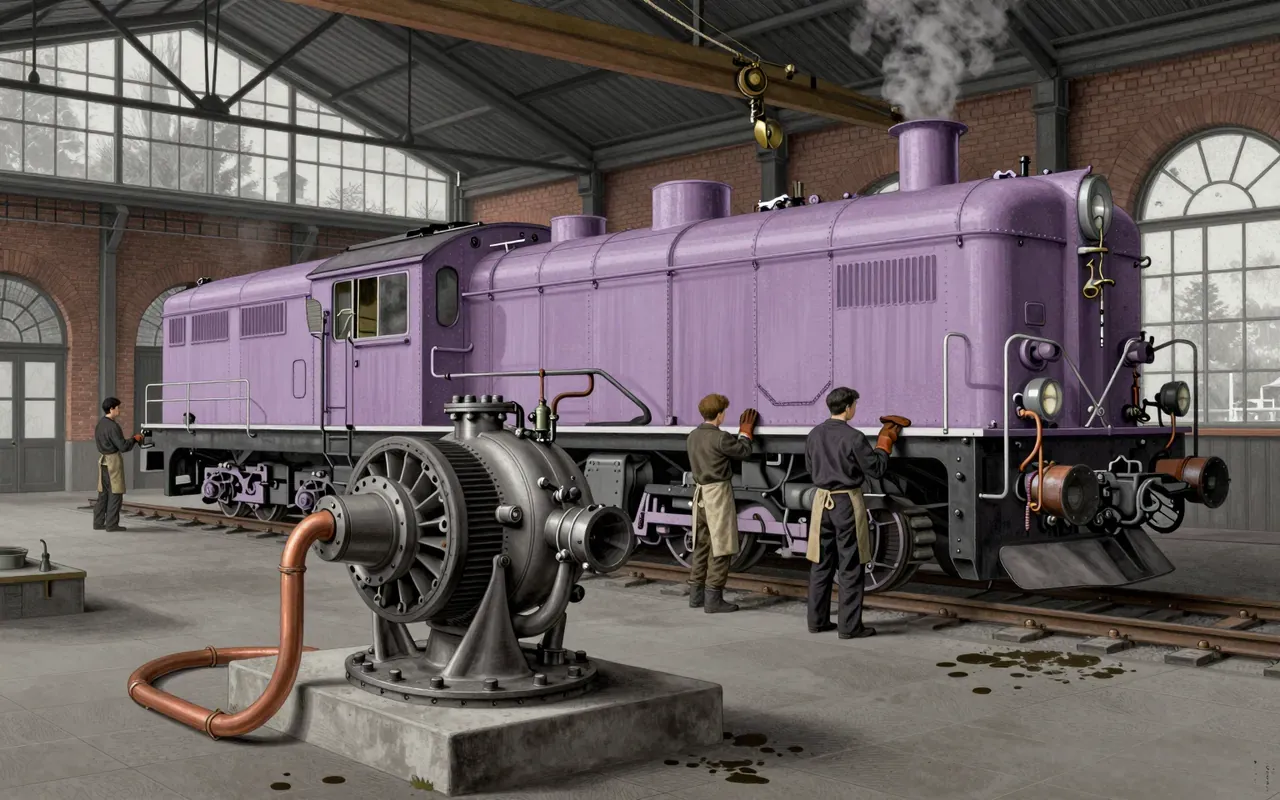
Alfred Büchi’s 1905 turbocharger patent established the axial turbine–compressor-on-common-shaft architecture still used today. It solved no immediate problem: the 1915 aircraft prototype failed. Its first functional applications were marine diesel engines in 1923 (1750 → 2500 hp) and stationary diesel engines in 1925 (1,300 → 1,860 kW, +40% efficiency). All verified successes occurred under Büchi’s direct supervision. No verified application existed outside large, slow-speed diesel systems before 1925.

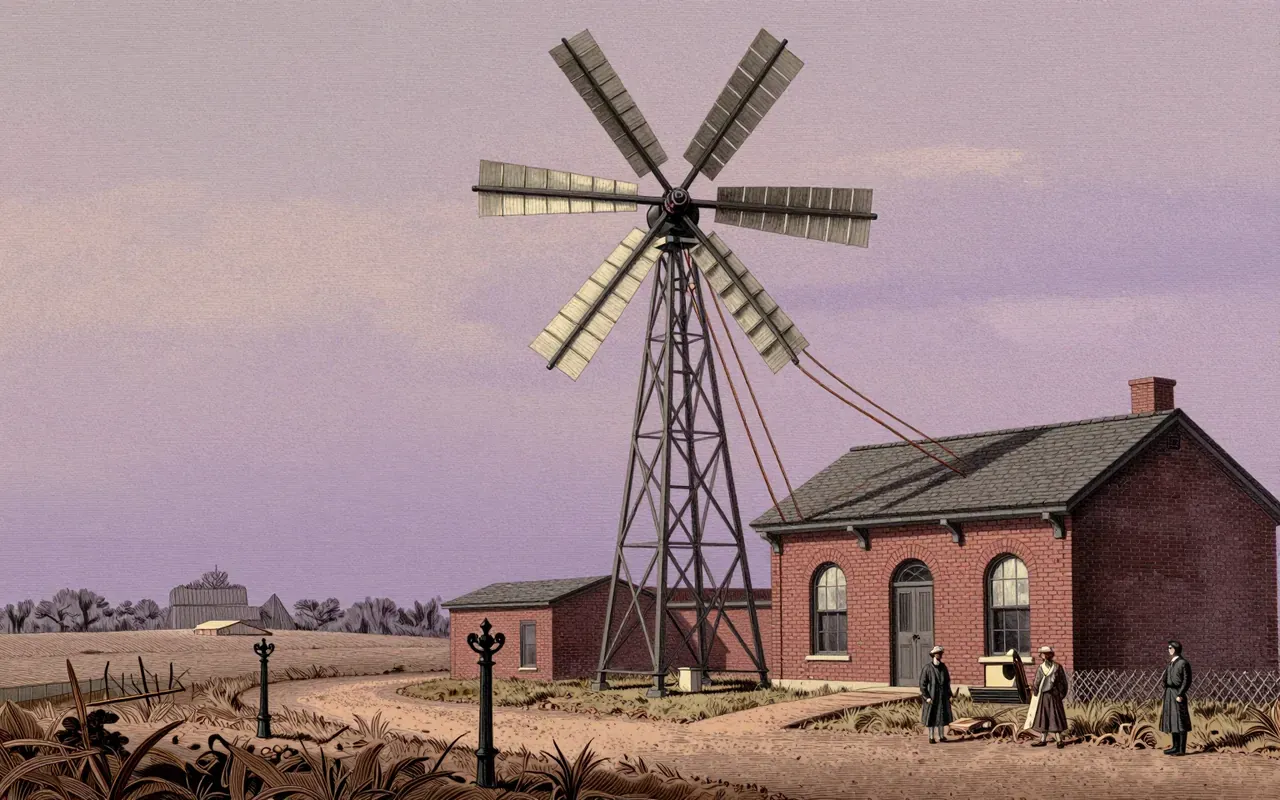
Charles F. Brush’s 1888 wind turbine was the first automatically operated system for electricity generation from wind. It powered his Cleveland mansion—the city’s first electrified home—for 20 years without failure, charging 12 batteries. Its success depended on isolation: wind electricity was more cost effective only where populations were widely scattered. It proved mechanical reliability but not scalability, economic transferability, or grid compatibility.