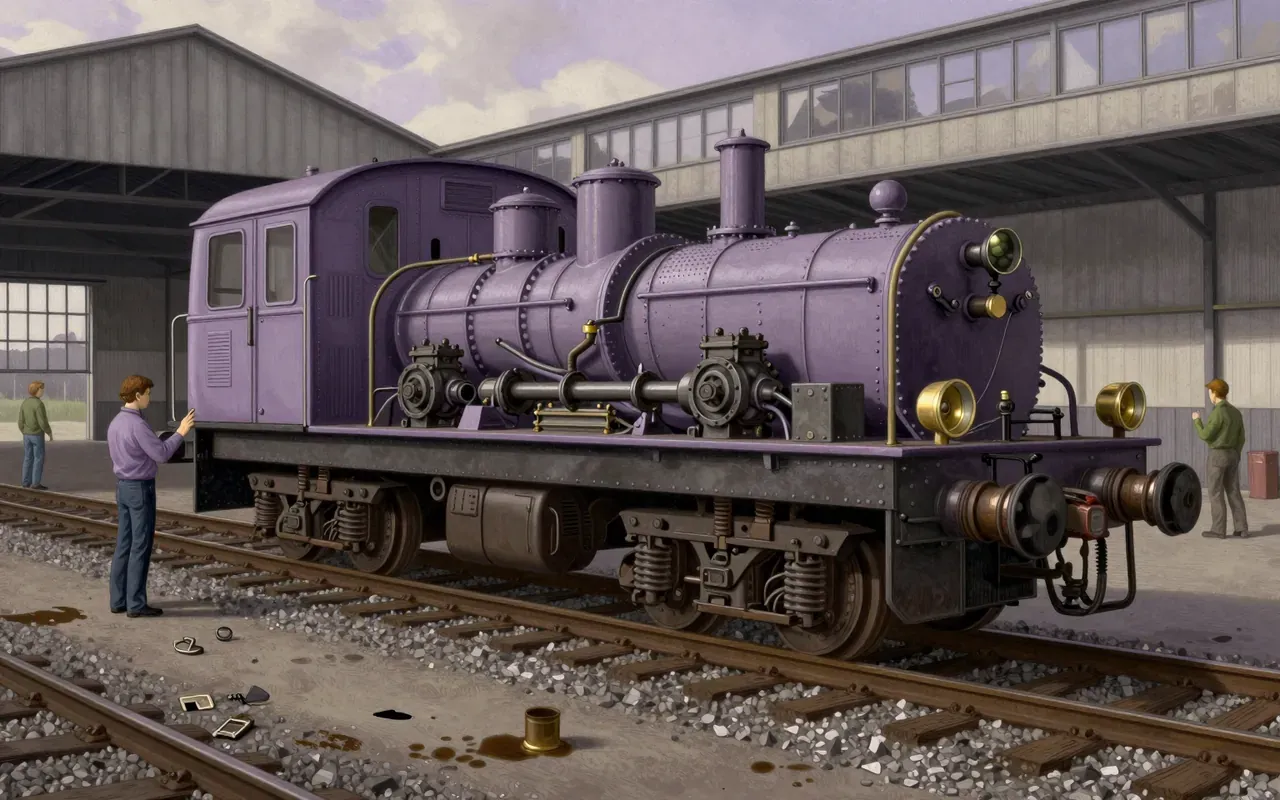
The diesel engine is a compression-ignition internal combustion engine that replaces spark-based ignition with heat from air compression. It solves the low efficiency of steam engines by achieving 26.2% effective efficiency by 1897 — 75% above steam’s 10% theoretical limit. Its core mechanism works: air compression alone ignites fuel. But its original isothermal-cycle theory failed — abandoned after criticism revealed it demanded physically impossible compression ratios. Diesel corrected to a constant-pressure cycle by June 1893, filed two patents, published a treatise, and proved the concept with petrol ignition on 10 August 1893. The first successful engine, Motor 250/400, was tested in 1897. It changes energy conversion by establishing compression ignition as a scalable, high-efficiency alternative — but only after discarding its founding premise. Worth your time if you work on thermodynamics, engine design, or historical technology development.
Diesel filed two patents and a treatise in 1892–1893 — but corrected his theory mid-process after discovering a fatal flaw in the isothermal cycle.
2:36
No spark, just heat
Ignition relies solely on air temperature from compression — proven on 10 August 1893, though petrol (not diesel) was used for that first fire.
4:12
Measured gains, not promises
Efficiency rose from 16.6% in 1895 to 26.2% in 1897 — 75% above steam’s 10% theoretical ceiling.
5:29
The cycle that couldn’t breathe
The isothermal cycle failed because it demanded impossible compression — a flaw only a few critics spotted before Diesel abandoned it.
6:47
Motor 250/400: the first real one
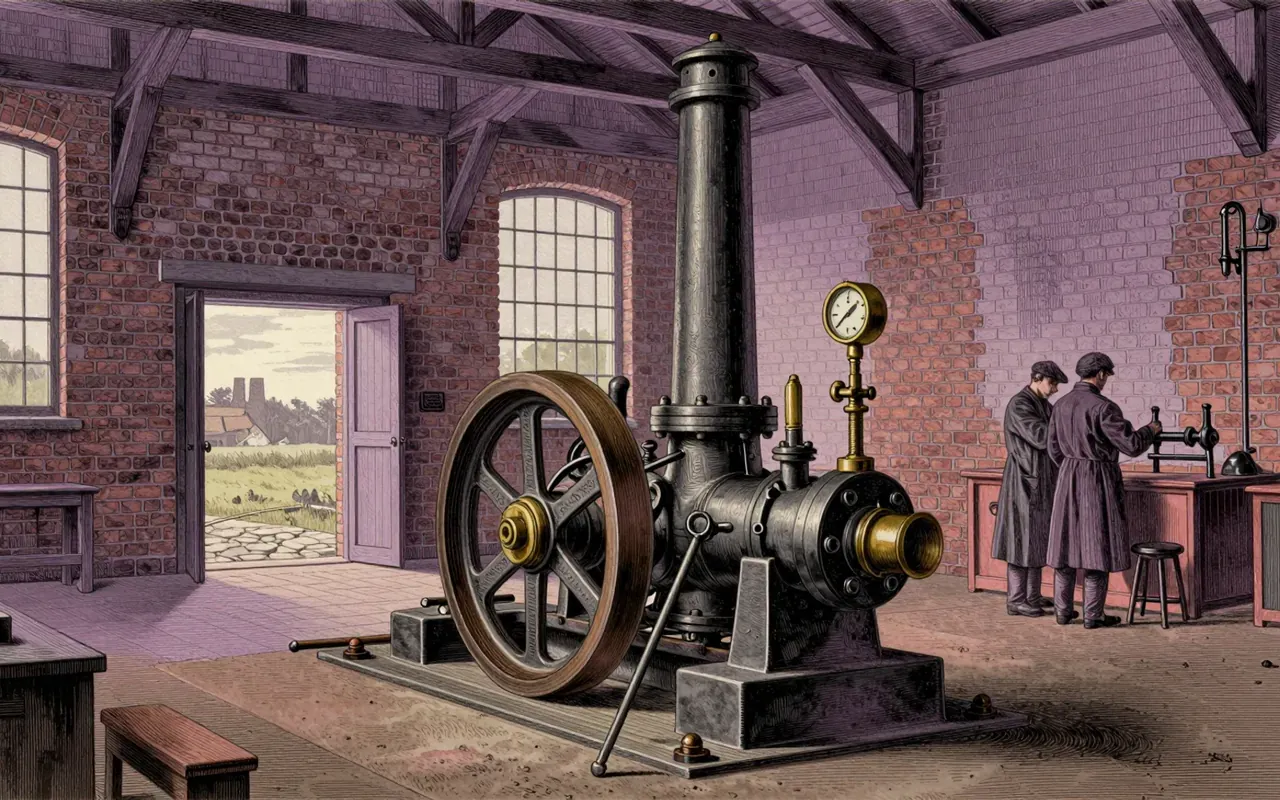
Motor 250/400 — a 25 hp, four-stroke, single-cylinder engine — was the first officially tested diesel engine, validated at 26.2% efficiency in 1897.
Worth your time?
Yes. Study the whole thing.
4.5/ 5
What works
compression ignition without spark
26.2% effective efficiency by 1897
replacement of steam engines in stationary and marine applications within two decades
What does not
achieve the isothermal cycle
use diesel fuel in its first ignition
eliminate all mechanical complexity — it requires precise fuel injection timing and robust construction
Study it if
engine designers
thermodynamic systems engineers
historians of industrial technology
Skip it if
software developers
AI researchers
web platform architects
The written brief1 min read
What it is and the problem it solves
A compression-ignition internal combustion engine. It solves the low efficiency of steam engines (10% theoretical) by using air compression alone to ignite fuel — eliminating spark systems and enabling higher thermal efficiency.
How it works
It compresses air until hot enough to auto-ignite injected fuel — no spark plug required. Air is compressed internally; fuel enters at the end of compression and ignites from heat alone.
What works
The constant-pressure cycle works. By 1897, Motor 250/400 achieved 26.2% effective efficiency — 75% above steam’s theoretical 10% — with measured fuel consumption of 324 g·kW⁻¹·h⁻¹.
What does not
It does not achieve Diesel’s original constant-temperature (isothermal) cycle. That required impractical compression levels and was abandoned by June 1893 after criticism revealed the error.
What it changes
It replaces steam engines with a mechanically simpler, higher-efficiency internal combustion alternative. It establishes compression ignition as a viable, scalable thermodynamic pathway — independent of external ignition sources.
Is it worth your time
Yes — if you work on energy conversion, engine design, or thermodynamic systems. Its mechanism remains foundational; its 1893–1897 efficiency trajectory shows how theory corrects under test.