technologybriefs
9:45in productionCh. 1 · Power source, not platform/ 9:45 · ceiling 15 min
Hardware · Energy

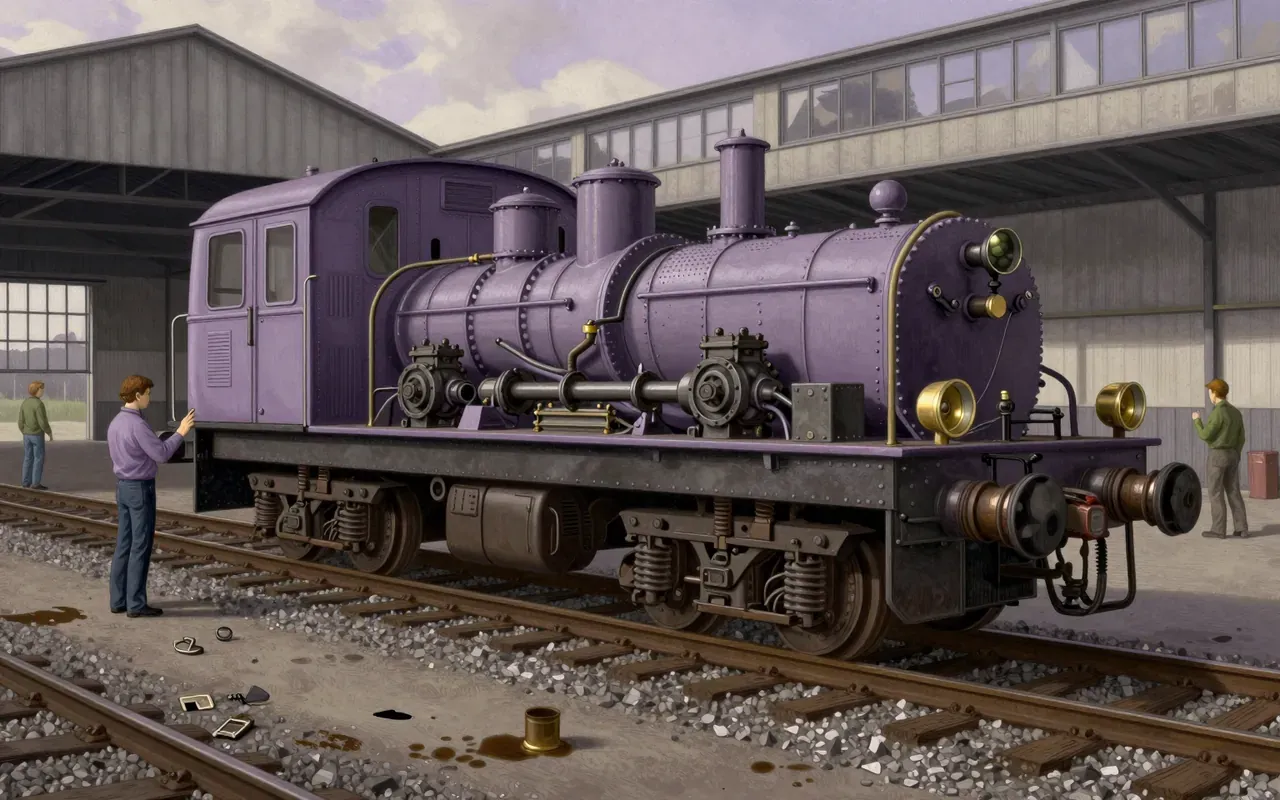
Diesel locomotive

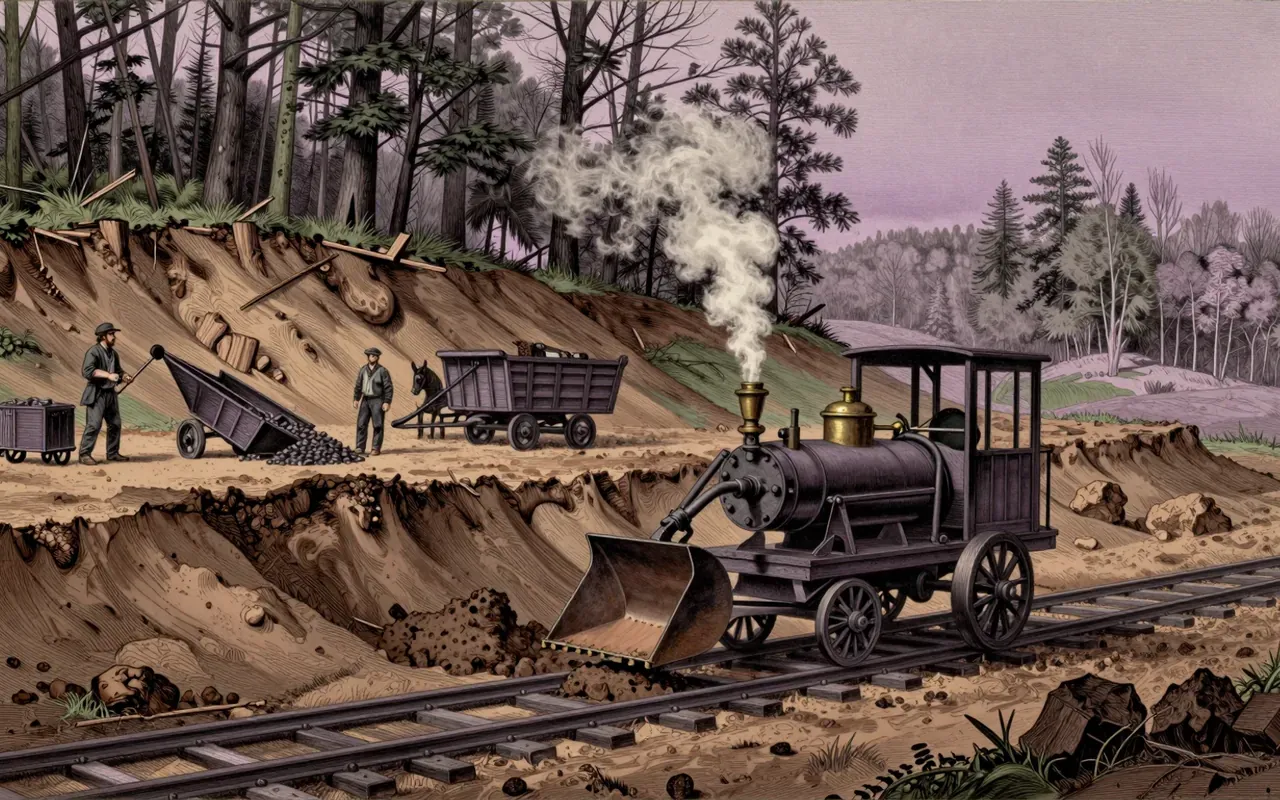
Diesel locomotives didn’t replace steam—they replaced the idea that locomotion had to be thermal and continuous.

The diesel locomotive is a hardware solution built around a power source that refused to behave like one. It succeeded only after transmission systems decoupled the diesel engine’s rigid operating limits from wheel demand—and only after the engine itself became light and powerful enough to mount. Its early failures weren’t technical missteps but timing errors: the mechanism arrived before the machine could carry it.

Chapters & takeaways4
  1. 0:58
    Power source, not platform

    It is defined by its diesel engine—and only became viable when that engine shrank and strengthened enough to fit.

  2. 2:37
    No gearbox, no go

    Diesel engines can’t drive wheels directly—so diesel–electric and diesel–hydraulic transmissions were invented to bridge the gap.

  3. 4:18
    Electric wins the first mile

    Diesel–electric worked first: functional railcars in 1914, 600 hp locomotives in US service by 1925.

  4. 6:07
    Ten years too early

    The world’s first diesel locomotive ran in 1912—but failed. A dedicated company formed in 1906 couldn’t make it commercial yet.

Worth your time?

Yes. Study the whole thing.

3.5/ 5
What works
  • Diesel–electric transmission enabled reliable 600 hp operation by 1925.
  • Functional diesel–electric railcars entered service in 1914.
  • It solved steam’s operational friction: no boiler, no water, no fireman.
What does not
  • It did not achieve commercial viability in 1912.
  • It did not eliminate steam immediately—or even within a decade of its first service.
Study it if
  • Railway engineers assessing transmission trade-offs.
  • Energy historians tracking thermal-to-electric conversion paths.
  • Systems designers working on hybrid motive power.
Skip it if
  • Policy makers seeking rapid decarbonisation levers.
  • Software developers expecting AI-integrated controls.
The written brief1 min read

What it is and the problem it solves

A railway locomotive whose power source is a diesel engine. It solves the operational inefficiency of steam locomotives: long startup times, high labour intensity, and inflexible power delivery.

How it works

It uses a diesel engine as the prime mover, coupled to the wheels via diesel–electric or diesel–hydraulic transmission. Diesel engines operate inefficiently outside a narrow power band, so mechanical gearboxes were impractical. Instead, diesel–electric systems convert engine power to electricity, then to traction motors; diesel–hydraulic systems use torque converters and fluid couplings.

What works

Diesel–electric transmission works. By 1925, 600 hp diesel–electric locomotives were in service in the US. Functional diesel–electric railcars appeared in 1914 for the Royal Saxon State Railways.

What does not

The first diesel-powered locomotive, operated in 1912, failed commercially. Early adoption stalled because diesel engines were too heavy and underpowered for rail until their power-to-weight ratio improved enough to fit reliably in a locomotive frame.

What it changes

It replaces steam boilers with internal combustion, eliminating the need for water stops, coal handling, and firebox maintenance. It establishes a new dependency on refined diesel fuel, electrical control systems, and specialised transmission engineering—not just mechanical drivetrains.

Is it worth your time

Yes—if you work on rail infrastructure, energy conversion, or legacy motive power systems. Its design constraints—power-to-weight ratio, transmission inefficiency, thermal management—still inform modern hybrid and battery-diesel locomotive development.
Same field · Hardware4 of 111
Up next in Technology

Difference engine

Charles Babbage · 1822 · 8:44

A working mechanical computer built in 1822—except it wasn’t built until 1991, proving genius doesn’t guarantee delivery.

8:44