What it is and the problem it solves
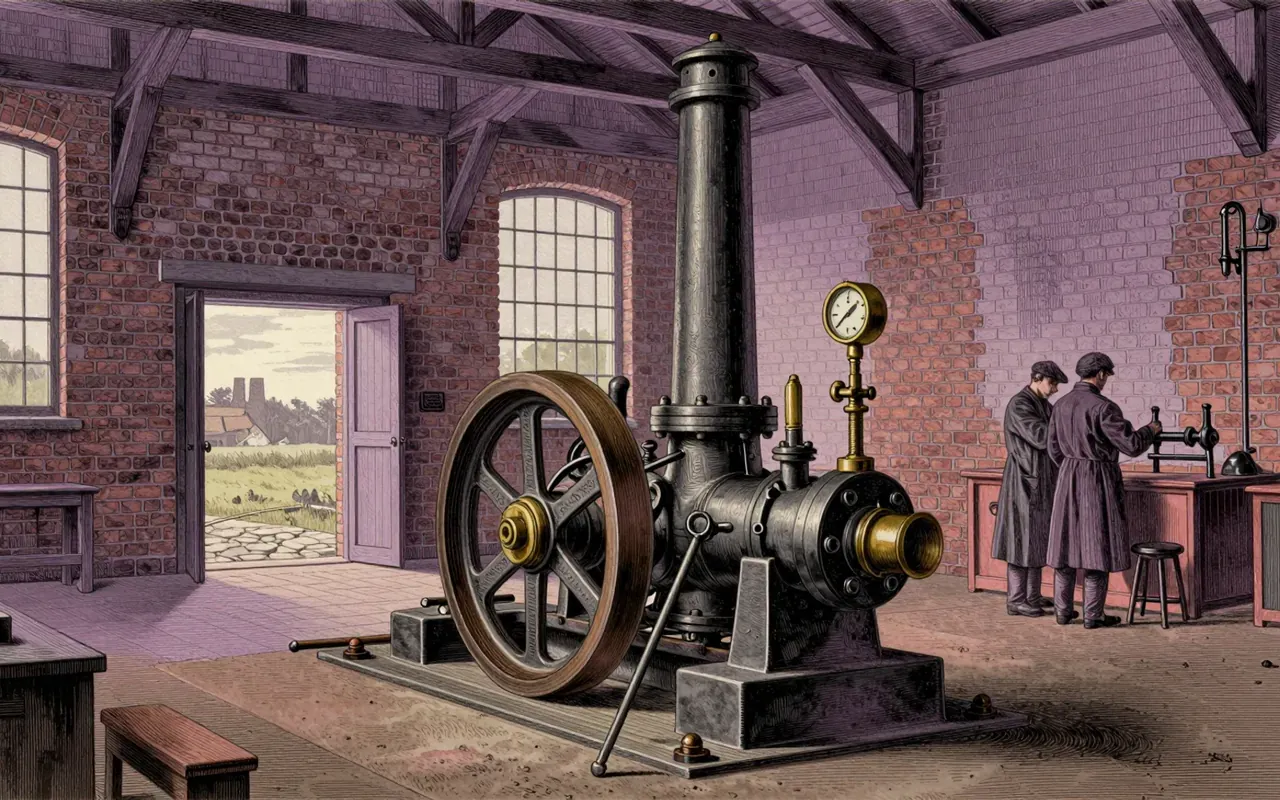
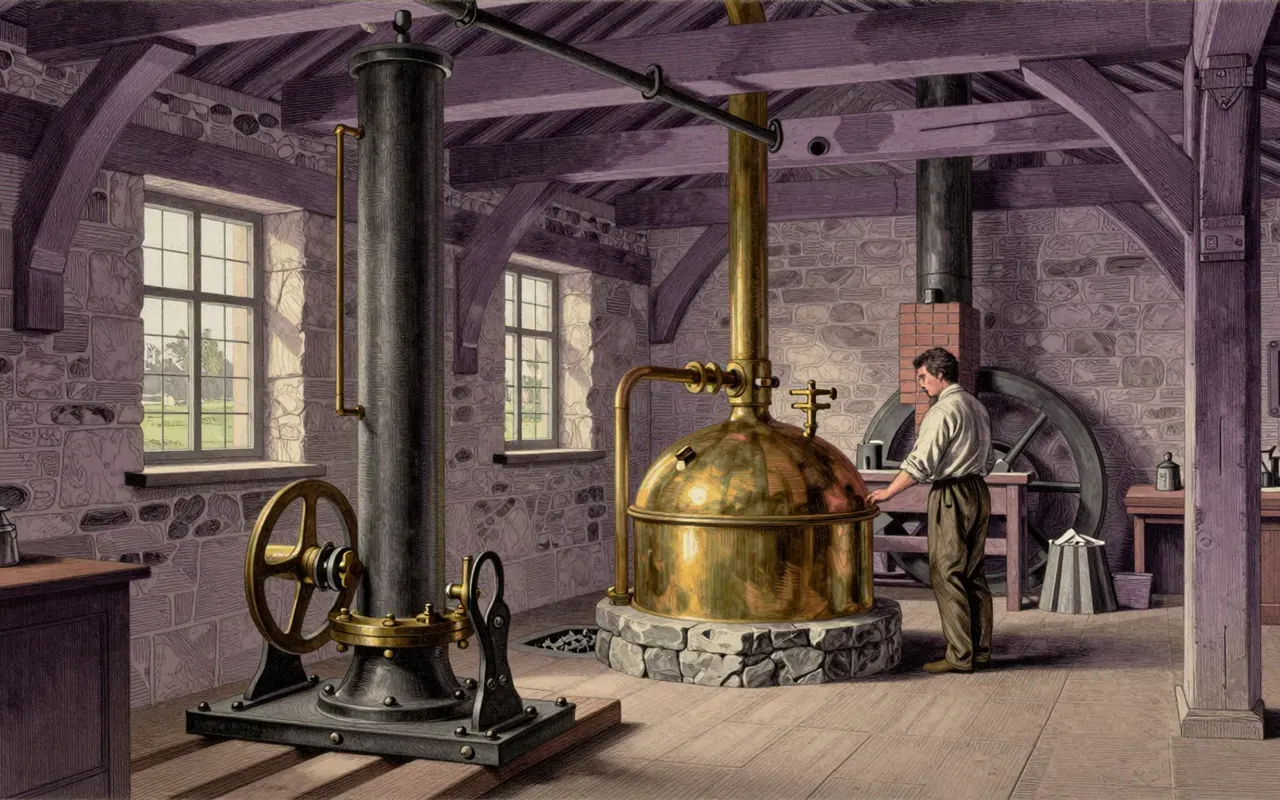
It is a rotary steam engine that solved the problem of inefficient, low-speed, high-vibration power generation from steam by replacing pistons with continuous-flow turbine stages.
How it works
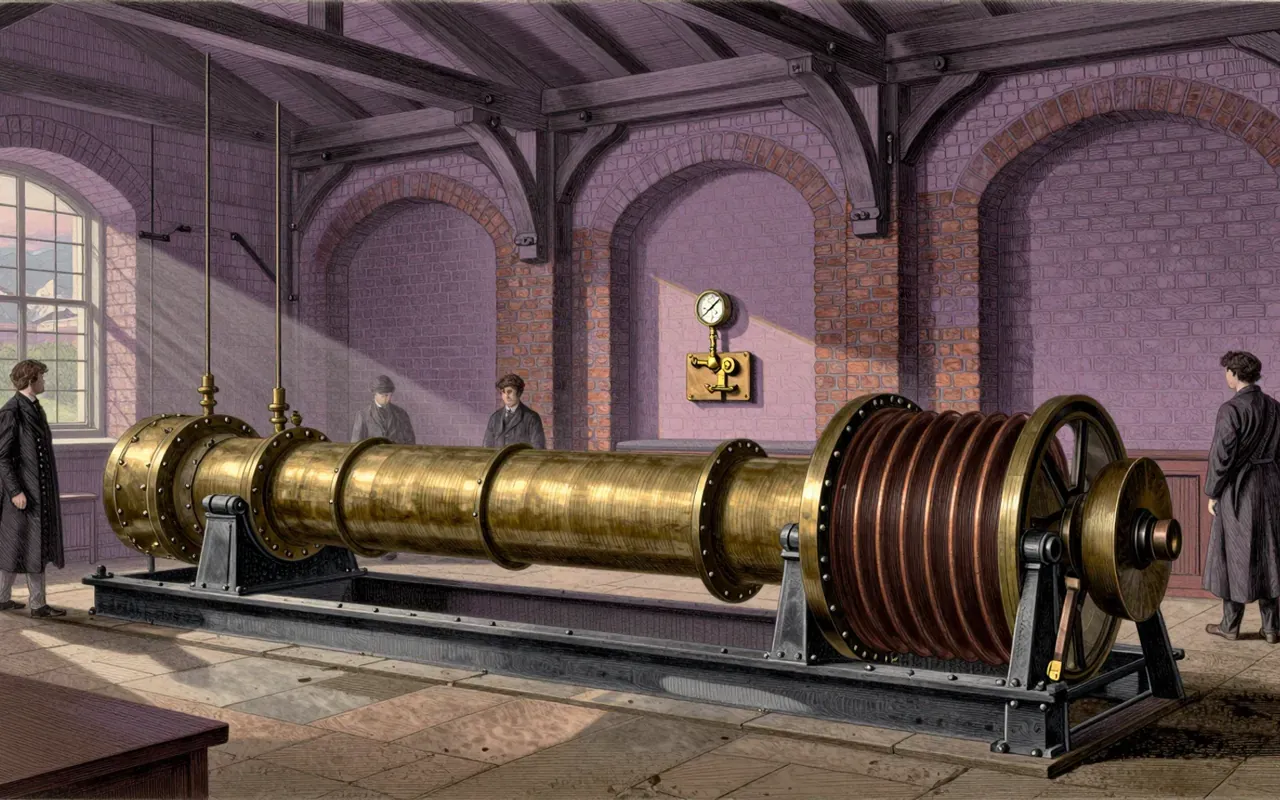
Parsons used a reaction-type design: steam expanded through fixed nozzles and then pushed against rotating blades, converting thermal energy into rotational motion via momentum transfer.
What works
It worked as a scalable prime mover: Parsons demonstrated viability at 7.5 kW in 1884, and within his lifetime units reached 50,000 kW—enabling global adoption in major power stations and exceeding 22 GW total output.
What does not
The document does not specify efficiency gains over reciprocating steam engines, nor does it state reliability, maintenance cost, or thermal losses. It says nothing about fuel consumption, noise, or integration complexity.
What it changes
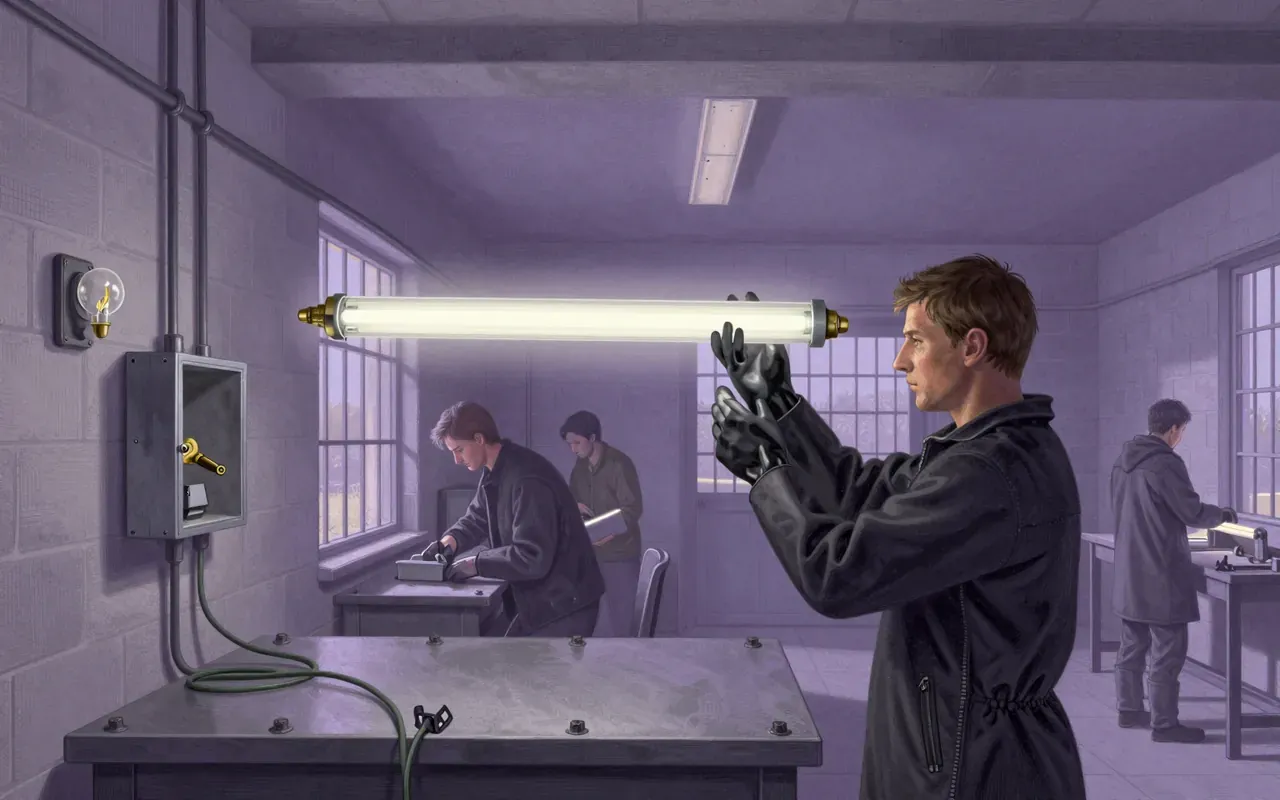
It changed electricity from local, expensive, and intermittent to centralised, cheap, and plentiful—and redefined naval power by enabling faster, larger, turbine-driven warships.
Is it worth your time
Yes—if you work on power systems, marine propulsion, or historical energy transitions—because it shows how a single mechanical architecture enabled scale, standardisation, and systemic electrification.