What it is and the problem it solves
The Nokia Lumia 920 is a Windows Phone 8 smartphone launched in late 2012 to prove Nokia could lead on hardware where Microsoft’s software fell short. It solves the problem of handheld video and low-light photo blur without requiring user discipline or external accessories.
How it works
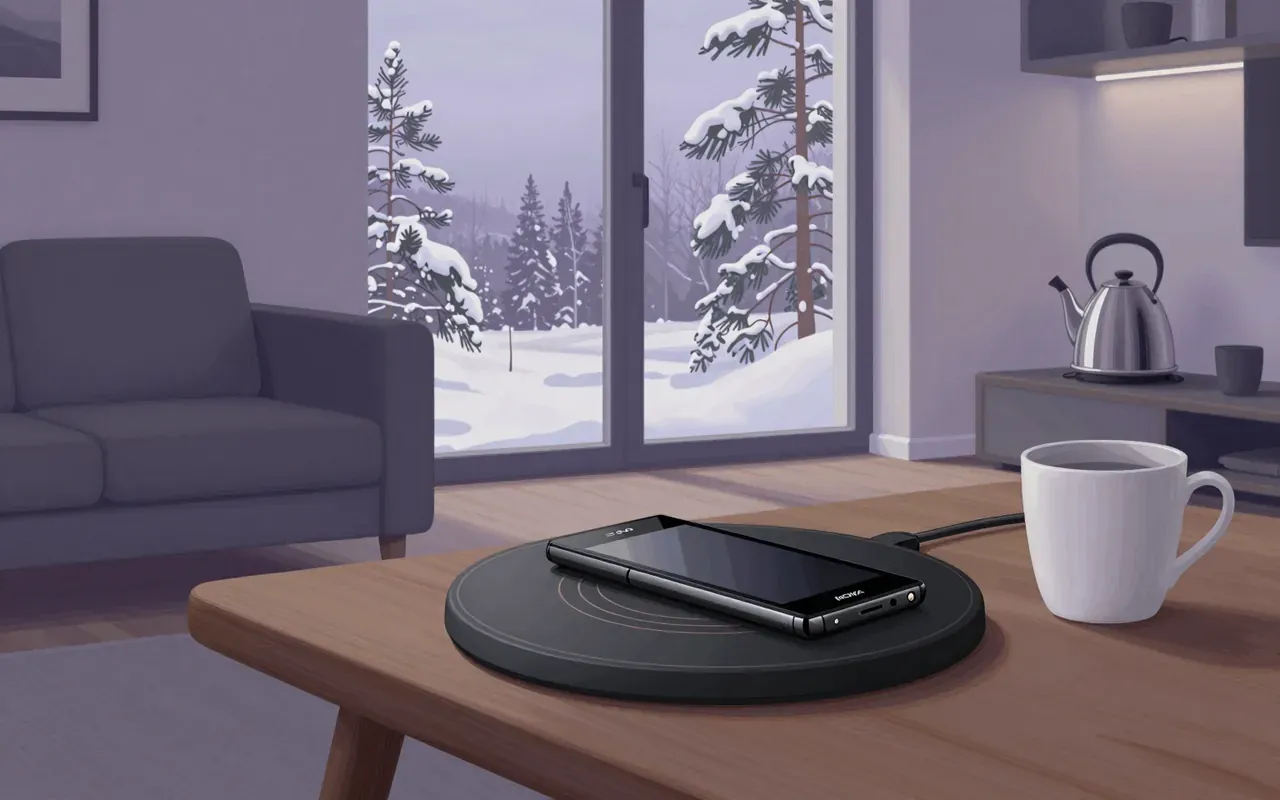
It uses optical image stabilization: a floating lens assembly shifts to counteract hand movement during exposure. It supports Qi inductive charging via a coil built into the chassis. Its display uses enhanced IPS technology with sub-9 ms pixel response times to reduce motion blur. The rear camera pairs an 8.7-megapixel backside-illuminated sensor with a f/2.0 Carl Zeiss Tessar lens.
What works
Optical image stabilization works: it was the first implementation in any cellphone. Qi inductive charging works: it was the first smartphone to support the standard. The display’s sub-9 ms response time works: it cuts motion blur relative to conventional IPS LCDs. The f/2.0 Carl Zeiss Tessar lens and BSI sensor combination delivers measurable low-light advantage over contemporaries.
What does not
It does not deliver on the implied promise of Windows Phone parity with Android or iOS. Its non-user-replaceable 2000 mAh battery limits field serviceability. PureView branding suggests computational photography leadership, but the device relies solely on optical stabilization and sensor hardware—no oversampling or multi-frame processing like the earlier 808 PureView.
What it changes
It changes the baseline for smartphone camera hardware: OIS is no longer optional for flagship devices. It forces competitors to adopt Qi charging as table stakes. It proves that Windows Phone can host differentiated, Nokia-engineered hardware—but does not alter the platform’s low market share or app gap.
Is it worth your time
Yes—if you need proof that hardware innovation can still shift platform perception, and if you work on mobile imaging, power management, or wireless charging integration. No—if you require user-replaceable batteries, third-party app flexibility, or evidence of sustained ecosystem viability.