Crucial
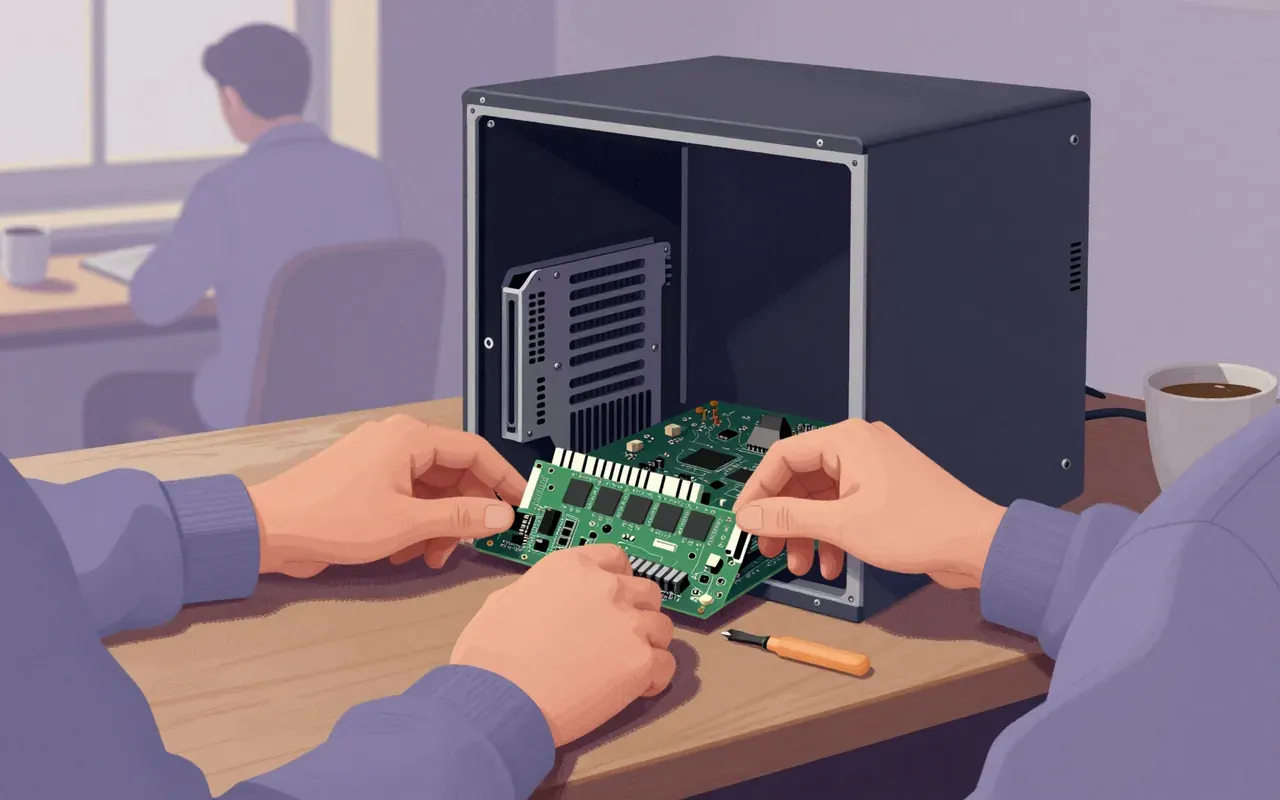
Crucial was the brand under which Micron Technology sold its consumer memory and storage products, until the brand was discontinued in 2026.
The physical constraint the software keeps forgetting about.

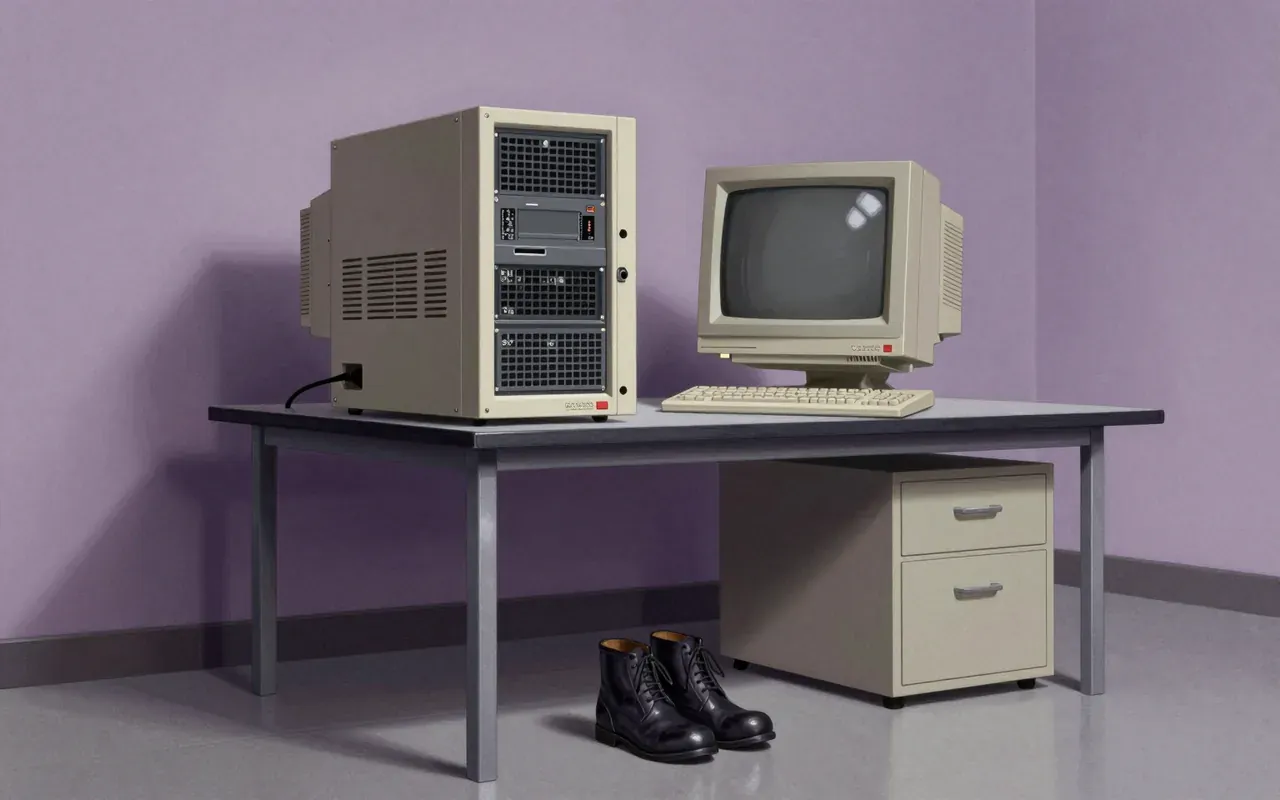
Silicon Graphics built the first practical hardware-accelerated 3D graphics systems. Its Geometry Engine — designed at Stanford under ARPA — delivered ~6 million geometry operations per second. It pioneered scalable cc-NUMA architectures in the mid-1990s. But its reliance on proprietary MIPS and failed transitions to Itanium and Xeon eroded its position as PC graphics commoditised. It filed for bankruptcy in 2009.

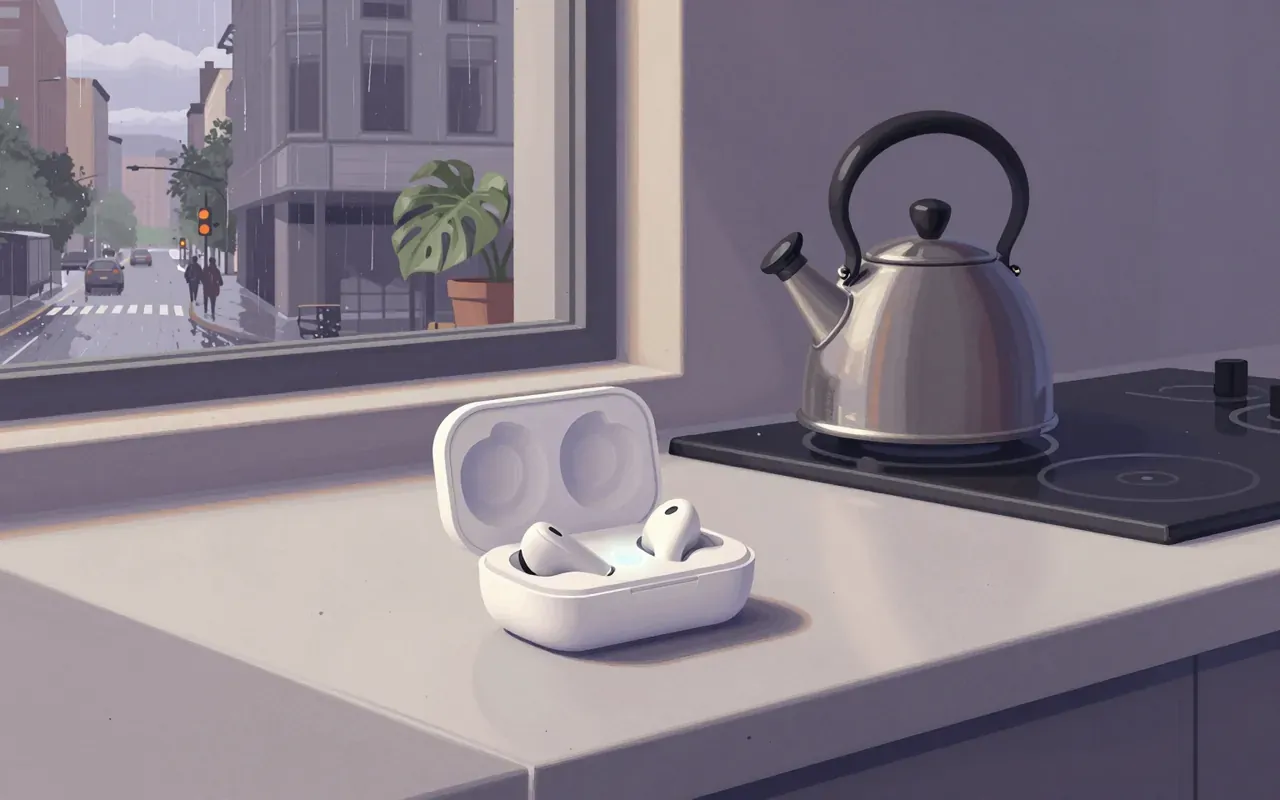
AirPods are Apple-designed wireless Bluetooth earbuds announced 7 September 2016 and launched 20 December 2016. They use optical sensors and accelerometers to detect ear placement and pause audio automatically. A proprietary W1 SoC chip enables efficient Bluetooth 4.2 audio and battery management. Full feature support requires iOS 10, macOS Sierra or watchOS 3 or later. On non-Apple devices, they function only as standard Bluetooth headphones. Within two years, they became Apple’s most popular accessory.
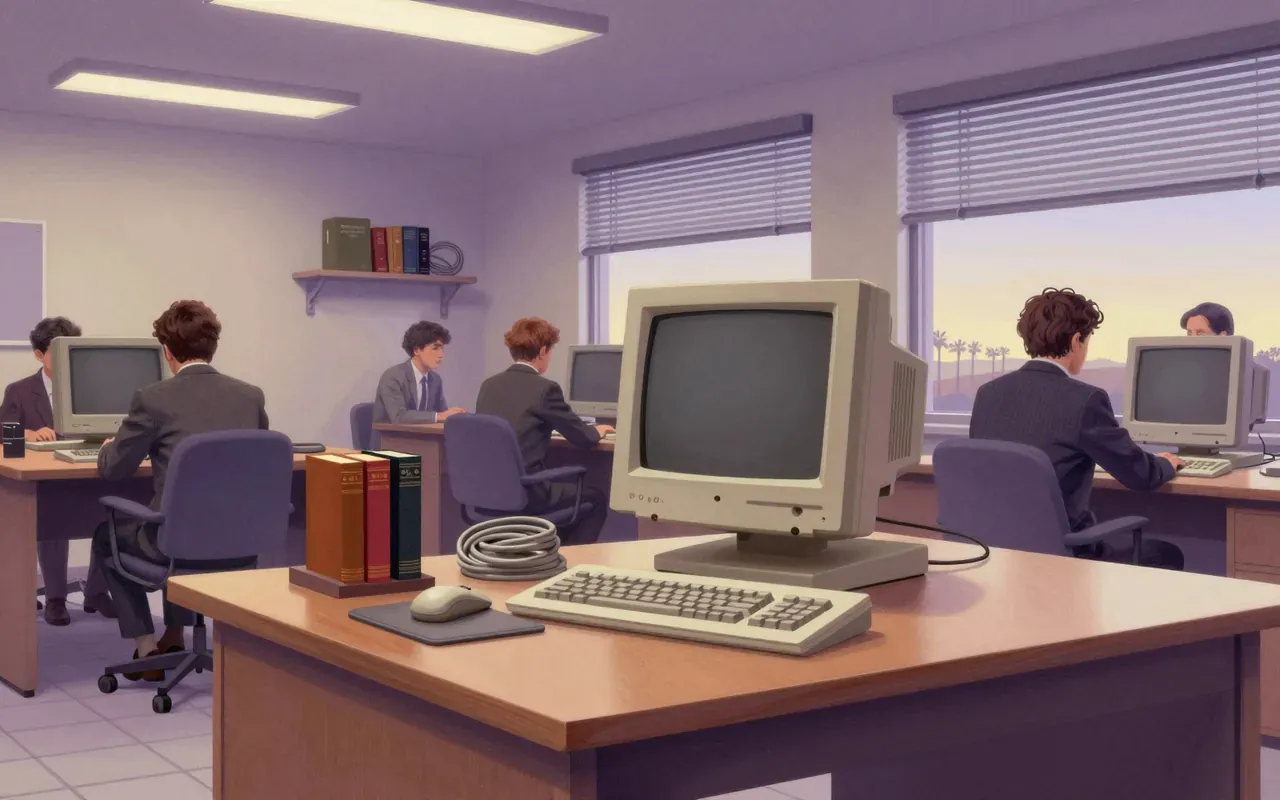
The Macintosh 128K delivers a complete graphical interface in a sealed, unexpandable box. It works by tightly integrating hardware and firmware — not by scaling up, but by locking down. Its success comes from constraint, not capability.
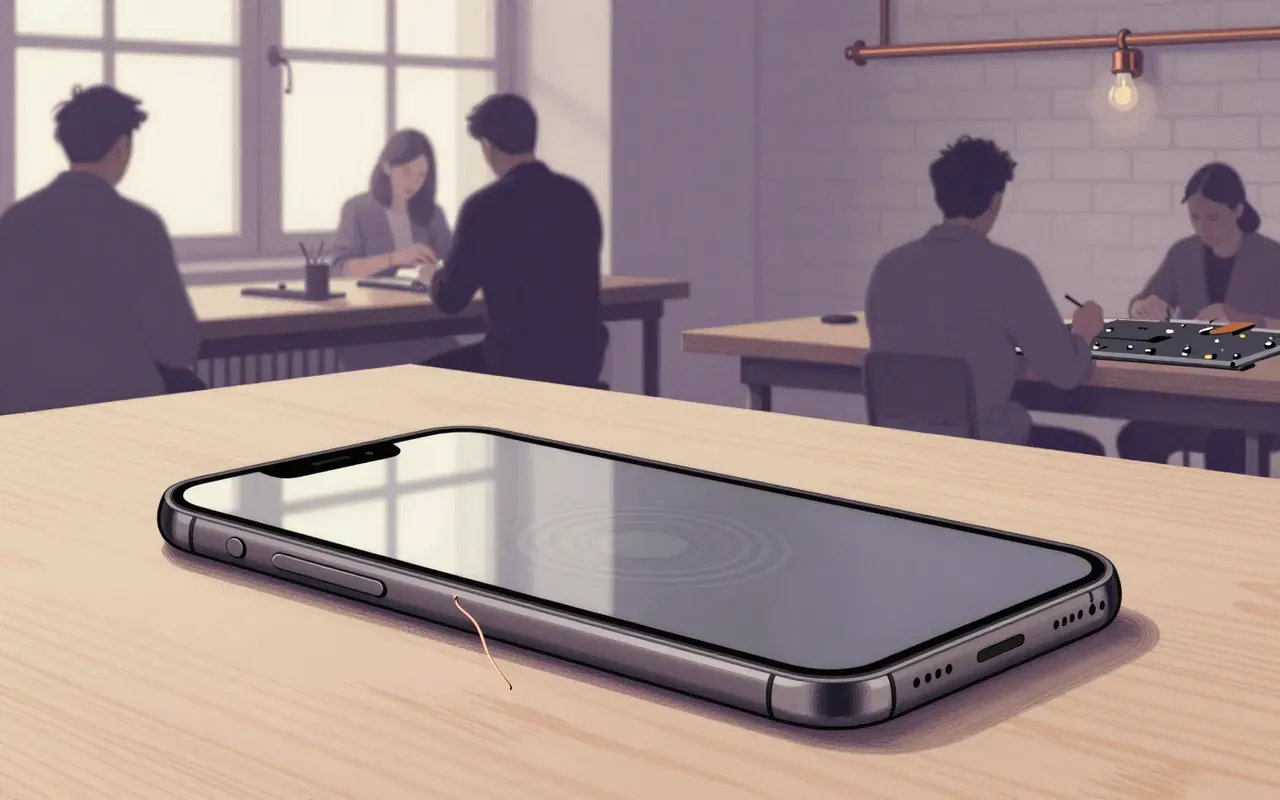
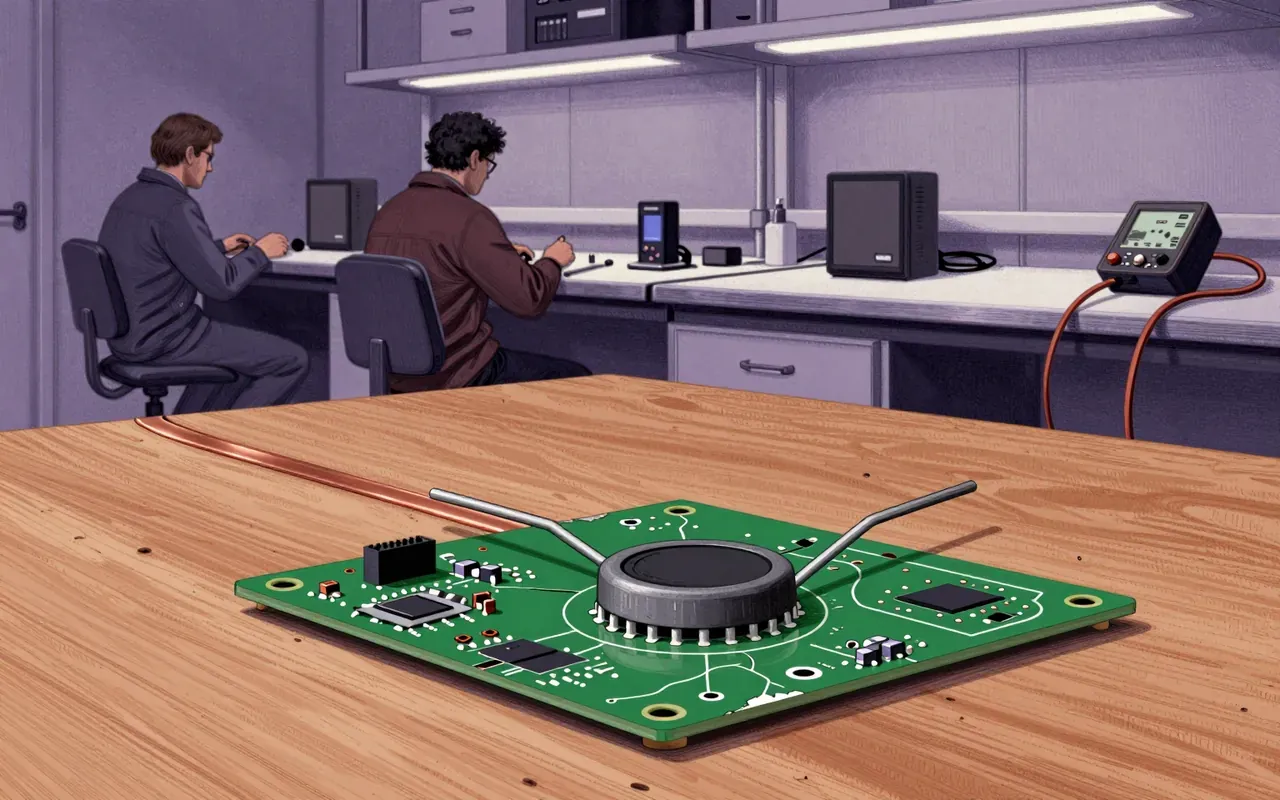
Capacitive sensing is not an invention by E.A. Johnson. He is a Canadian ecologist whose work concerns climate change, fire management, and geoscience-ecology interfaces. Capacitive sensing is an engineering method with no documented link to him. The technology relies on measurable electric field disruption—not intuition, ecology, or field observation.
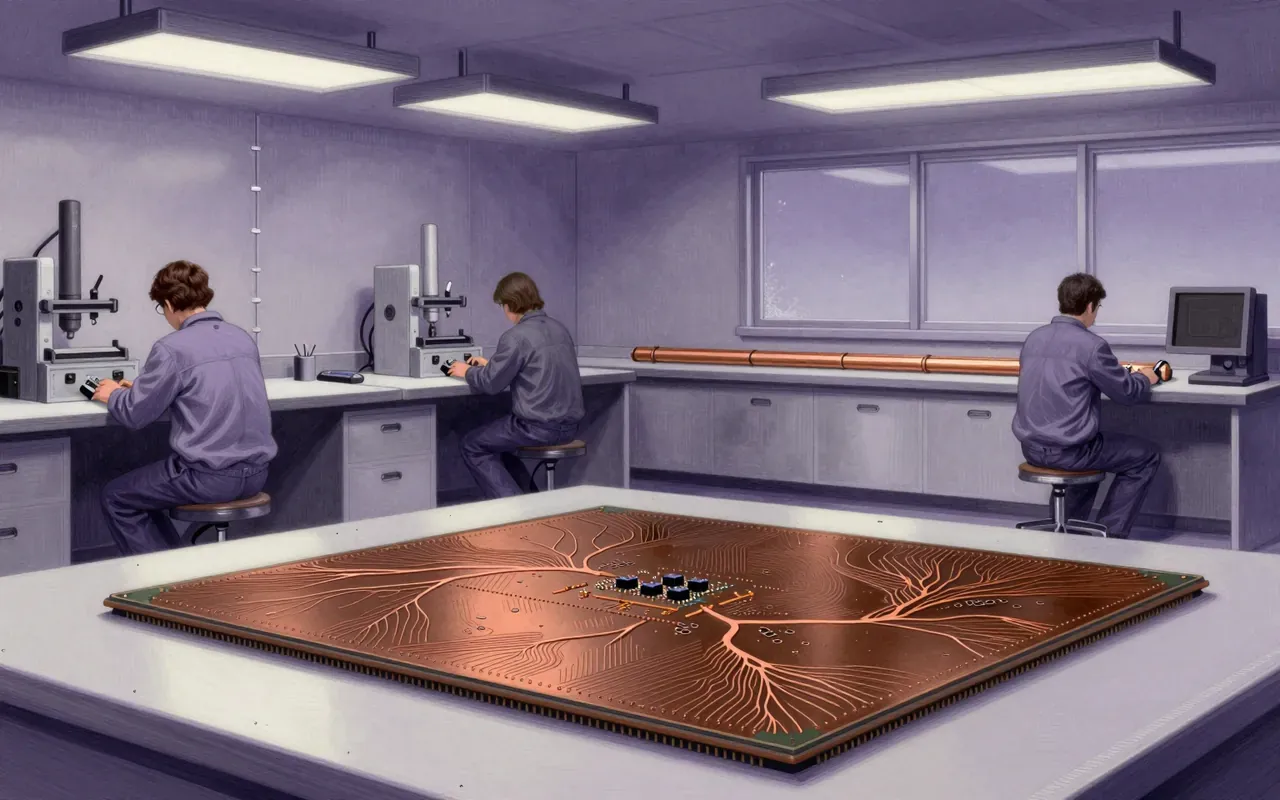
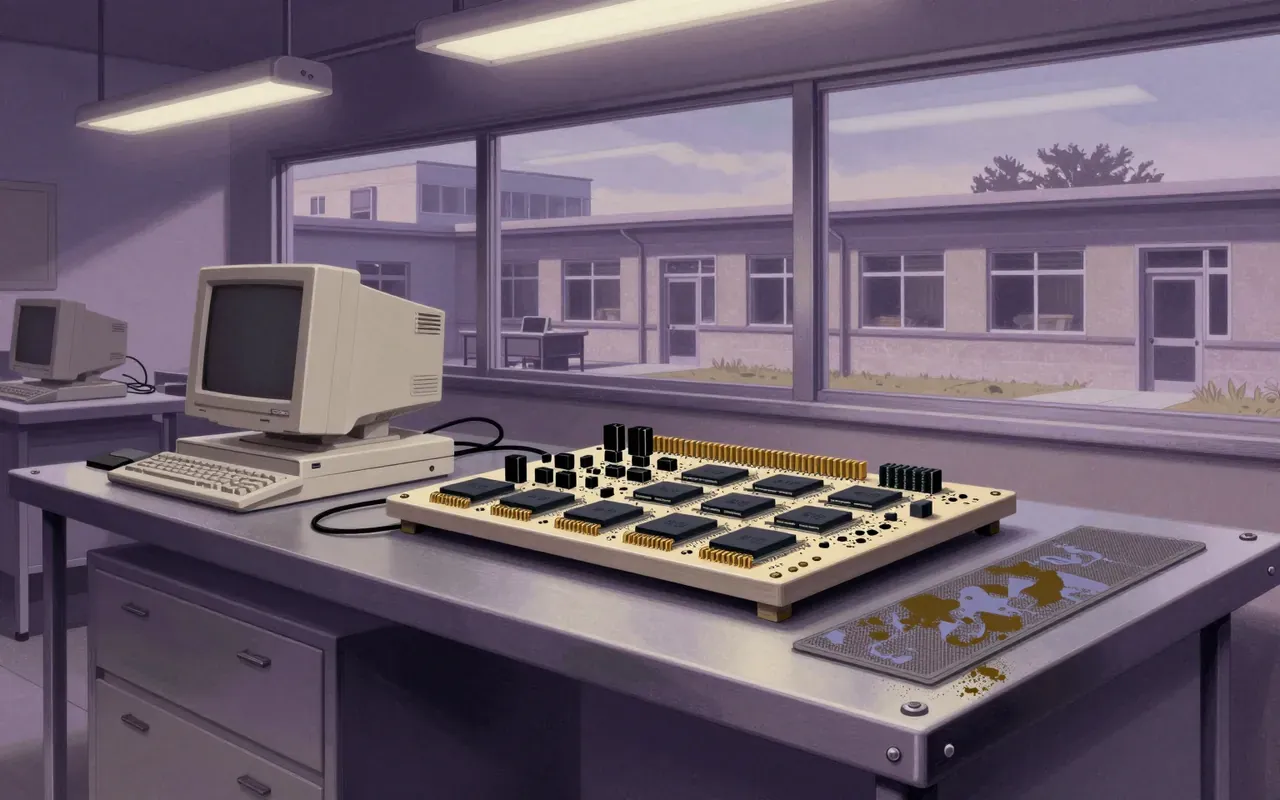
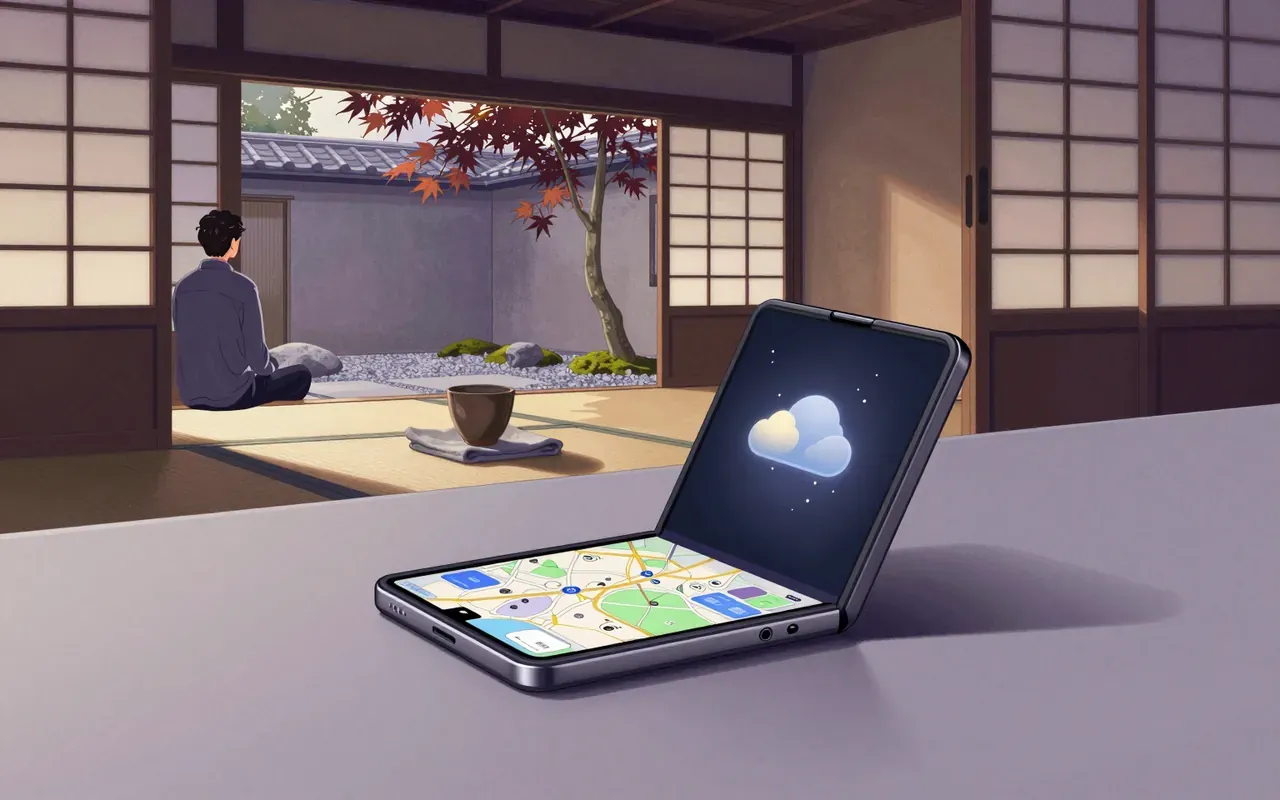



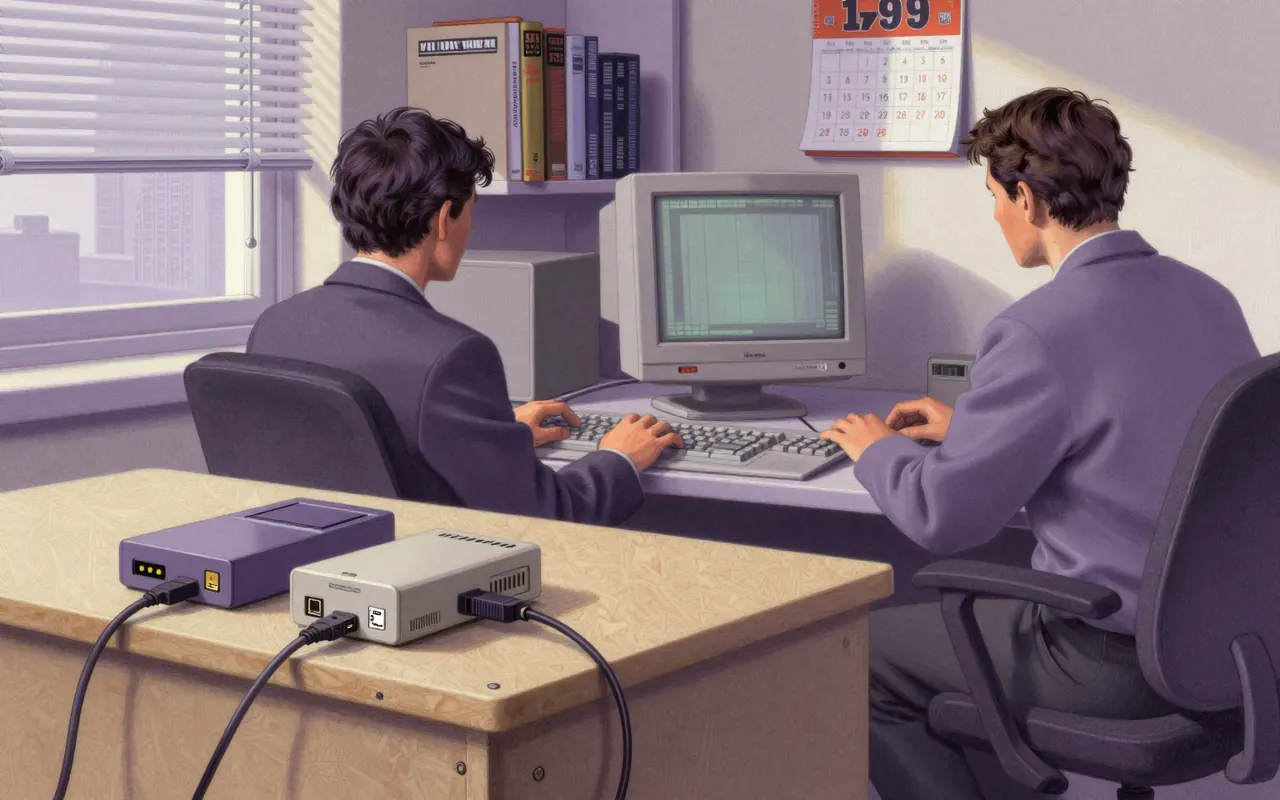
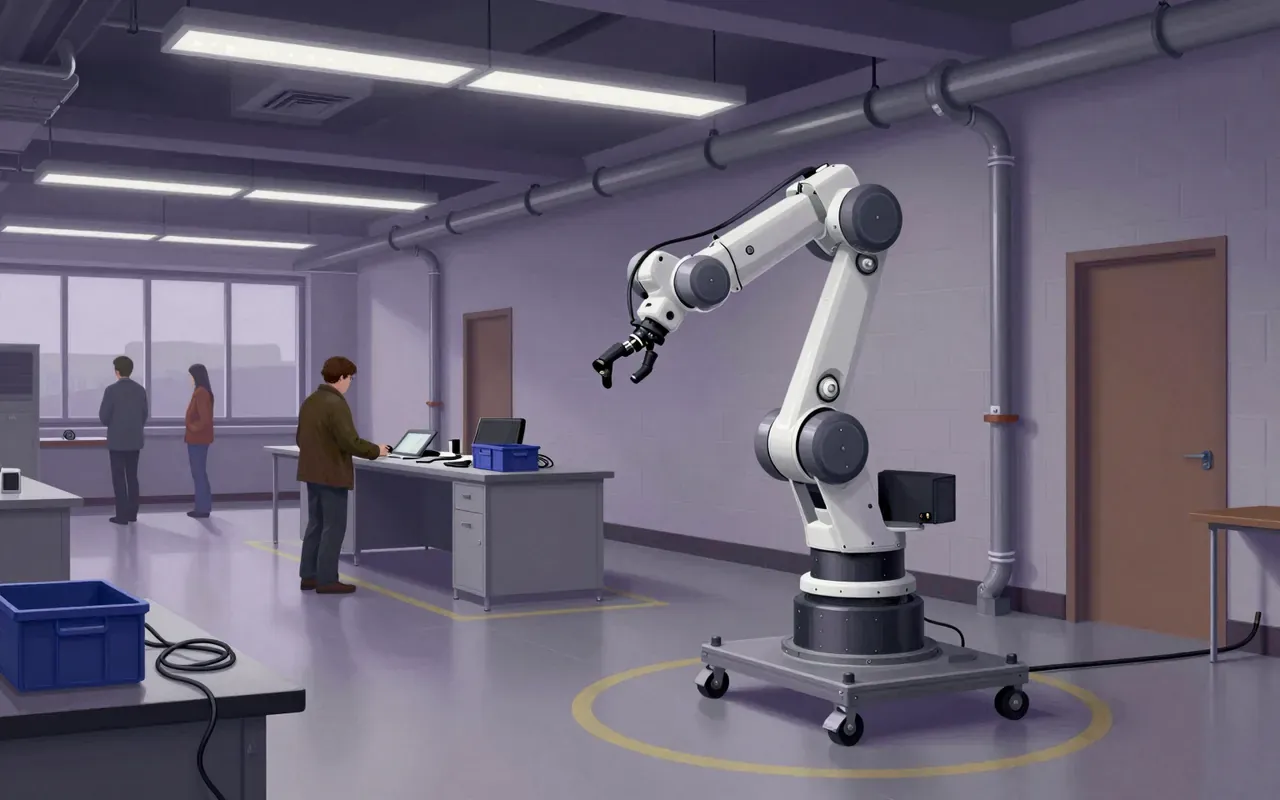
Rethink Robotics launched Baxter in 2012 as a collaborative industrial robot designed to work safely beside humans — using physical stoppage and manual override, not AI. It released Sawyer in 2015 for finer tasks, then went global with cobots in 2016. It ceased operations in October 2018. Its assets were sold. Its later relaunch attempts failed within a year. Its safety mechanisms worked. Its business model did not.

RISC-V is a free and open instruction set architecture developed in 2010 at UC Berkeley. Its specifications were published openly in 2011 and stewardship transferred to RISC-V International in 2015. It enables royalty-free processor design—but does not eliminate the engineering, tooling, or ecosystem work required to deploy it.

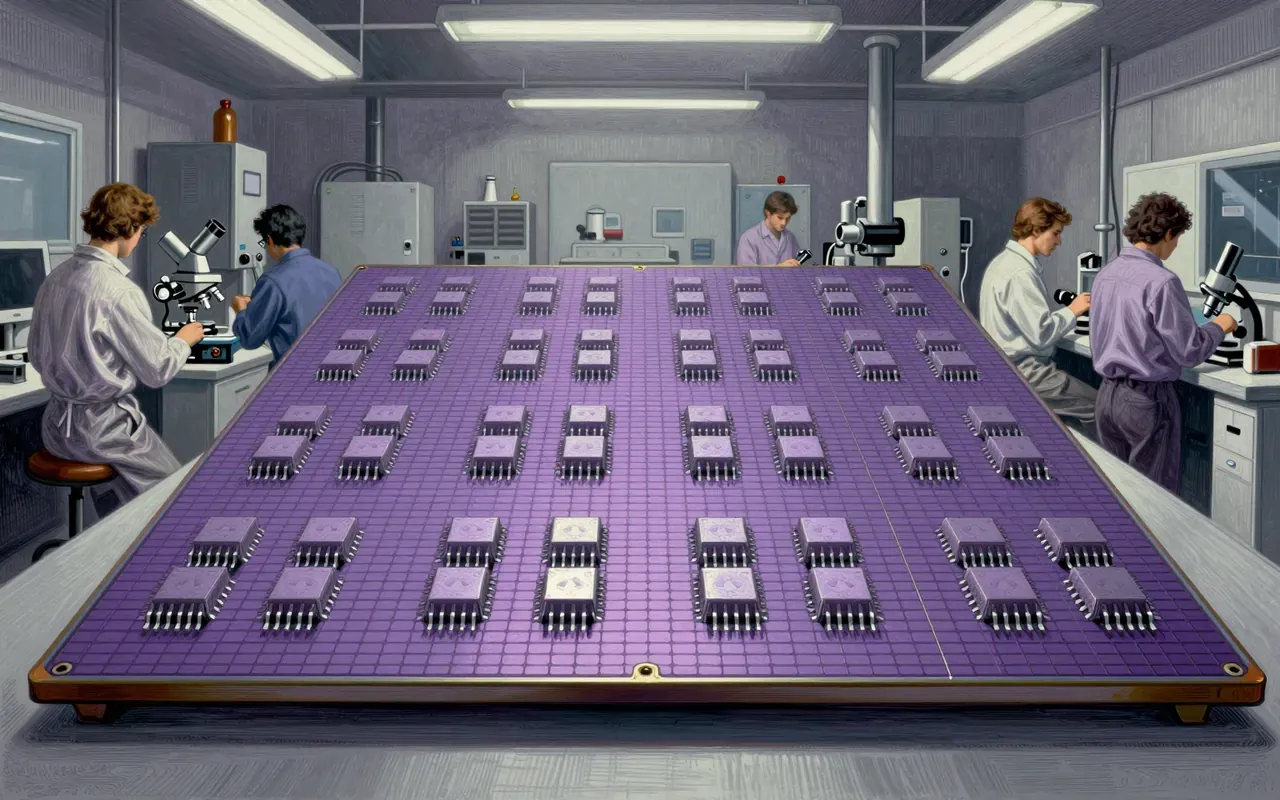
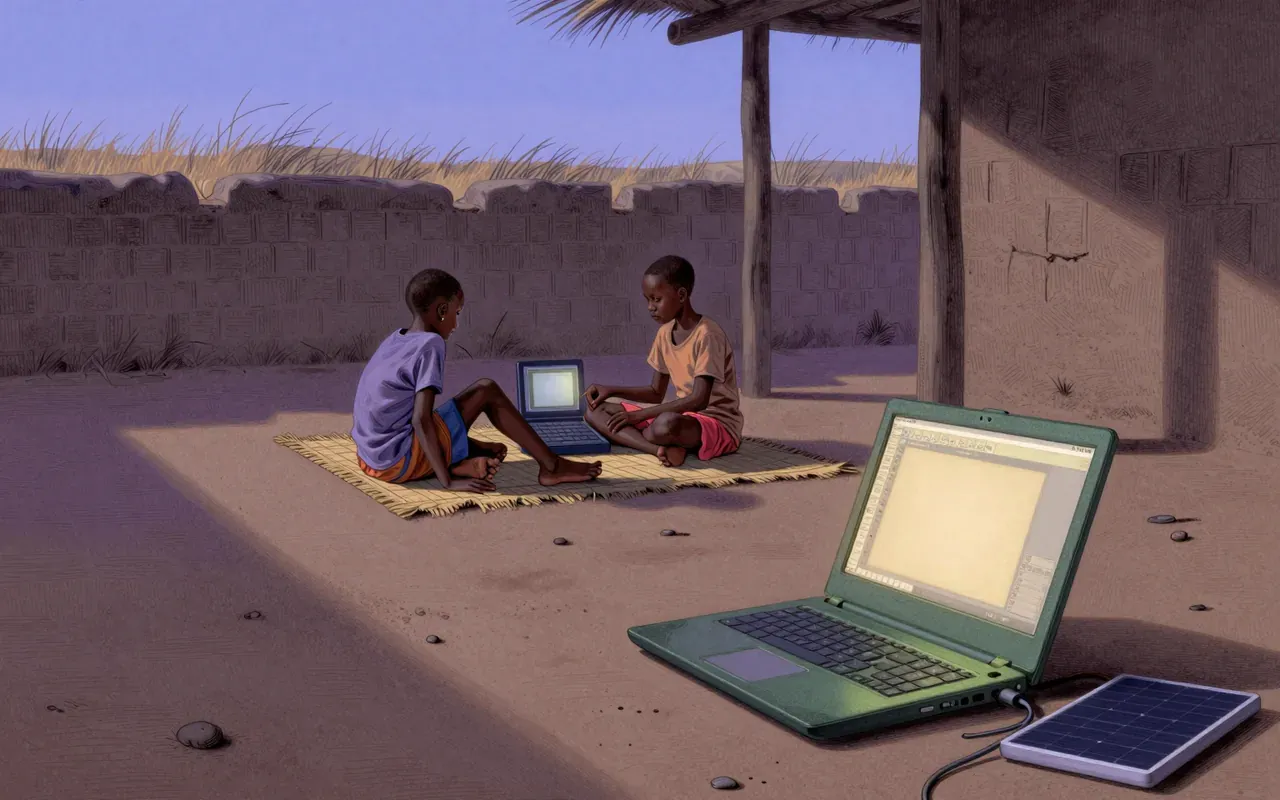


Blu-ray delivered on its central promise: 1080p video on a 50 GB optical disc, using a blue laser. It beat HD DVD not through superiority but through earlier hardware shipments, studio backing, and Toshiba’s withdrawal. It did not solve physical media’s cost, fragility, or obsolescence—and never replaced streaming for most users.

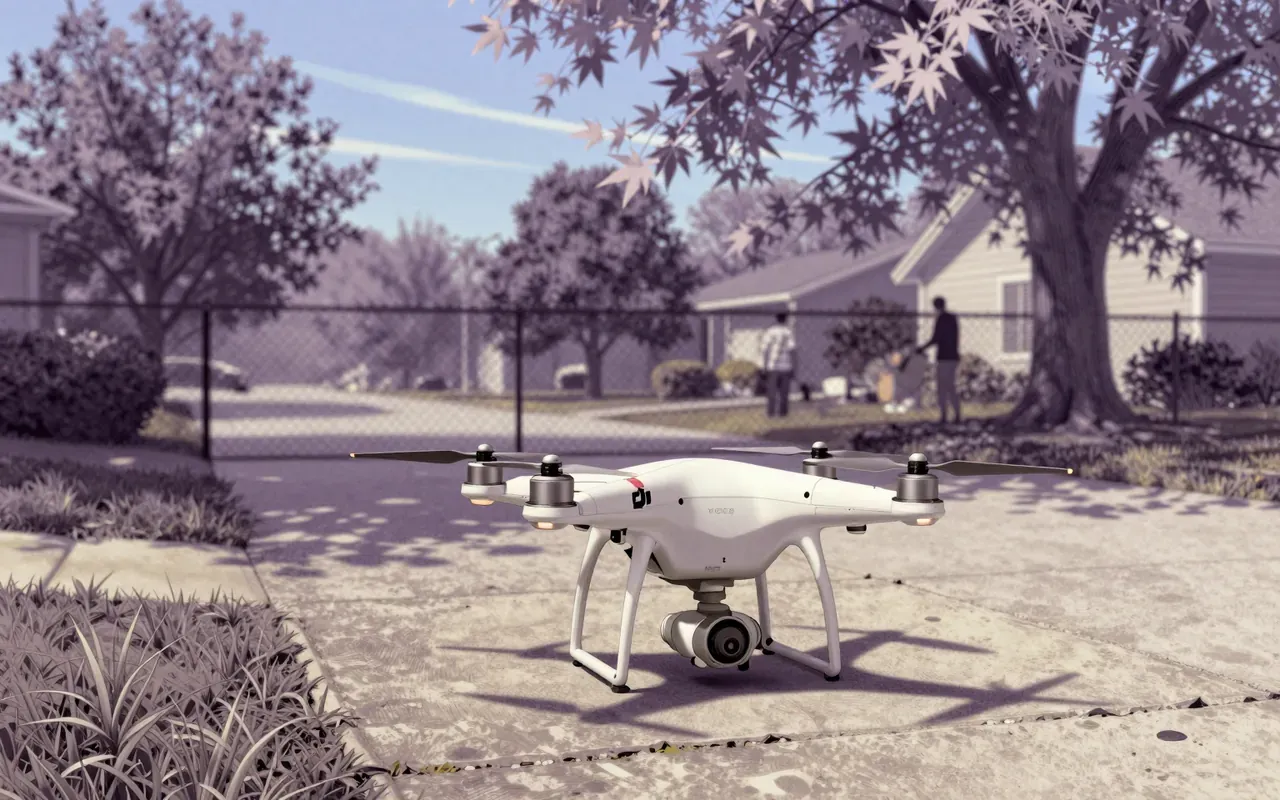
The DJI Phantom series launched in 2013 as an entry-level, GPS-stabilised quadcopter. It pioneered the consumer aerial photography drone form factor. It was DJI’s first fully assembled drone. It was priced at $629. It achieved 15 minutes of flight time. It supported optional GoPro mounting. It used a GPS-enabled NAZA-M autopilot. The Phantom 2 Vision introduced the first built-in camera in the series. The line was discontinued after the Phantom 4.

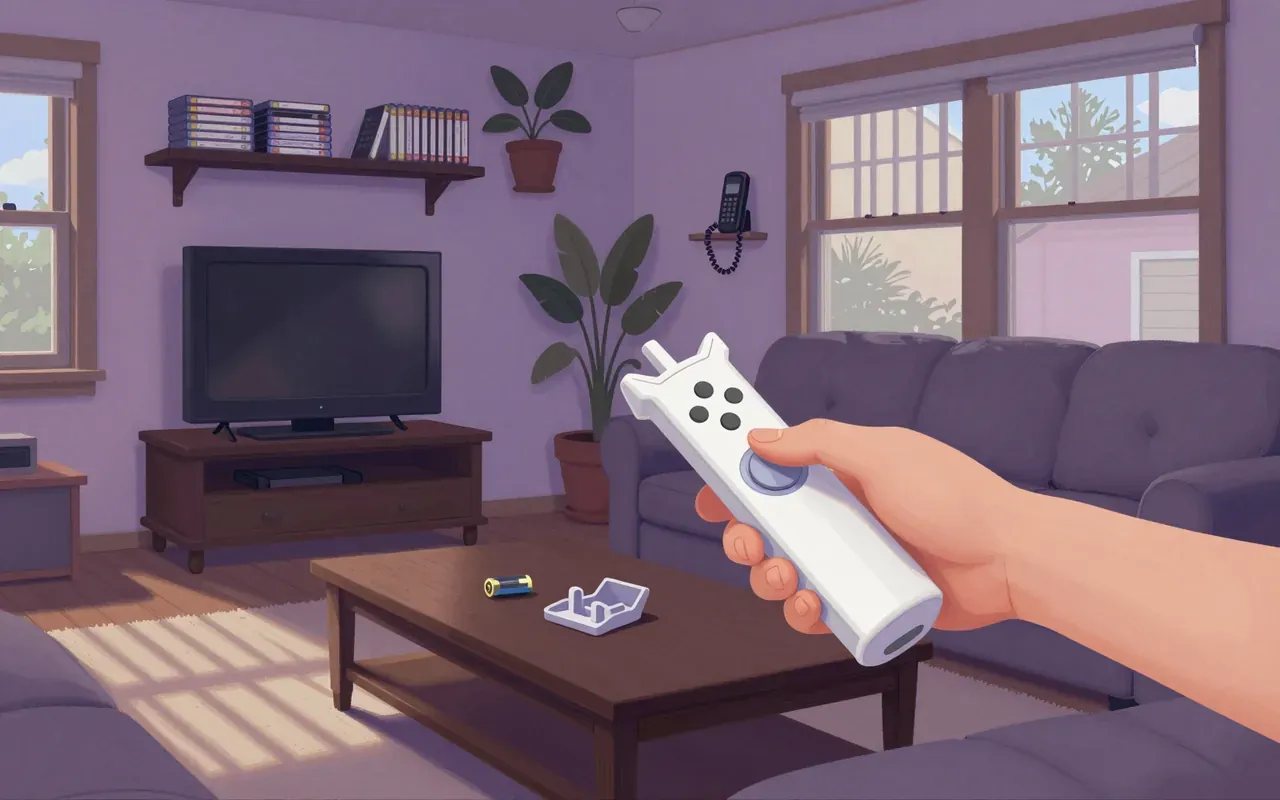
The Wii is Nintendo’s seventh-generation home video game console, launched in November 2006. It prioritises accessible motion-based interaction over computational power. Its innovation is the Wii Remote—using MEMS accelerometers and infrared sensors for gesture recognition and pointing—supported by the Sensor Bar. It introduced native Internet connectivity (802.11b/g Wi-Fi and Bluetooth), digital distribution via the Wii Shop Channel, and backward compatibility with GameCube software and accessories in early models. It achieved massive commercial success—over 101 million units sold by 2016—by appealing to non-traditional audiences through intuitive controls, low price, and family-friendly software like Wii Sports. Its hardware uses off-the-shelf components, prioritising cost efficiency and energy savings over high-definition graphics or processing power.

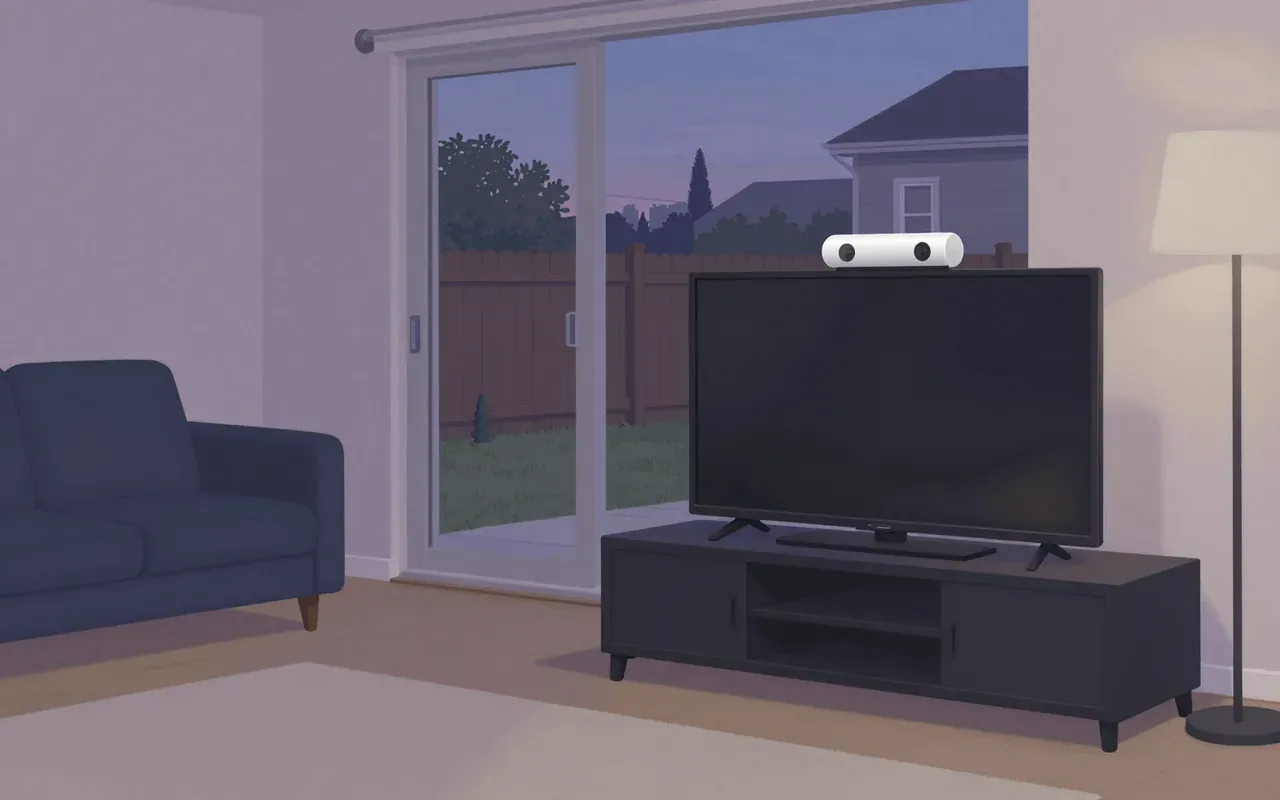
PlayStation VR is a tethered virtual reality headset developed by Sony Interactive Entertainment and released in October 2016. It requires a PlayStation 4, uses camera-based tracking via nine LEDs, and enforces a minimum 60 fps across all software. It sold at least 5 million units before being succeeded by PlayStation VR2 in 2023.

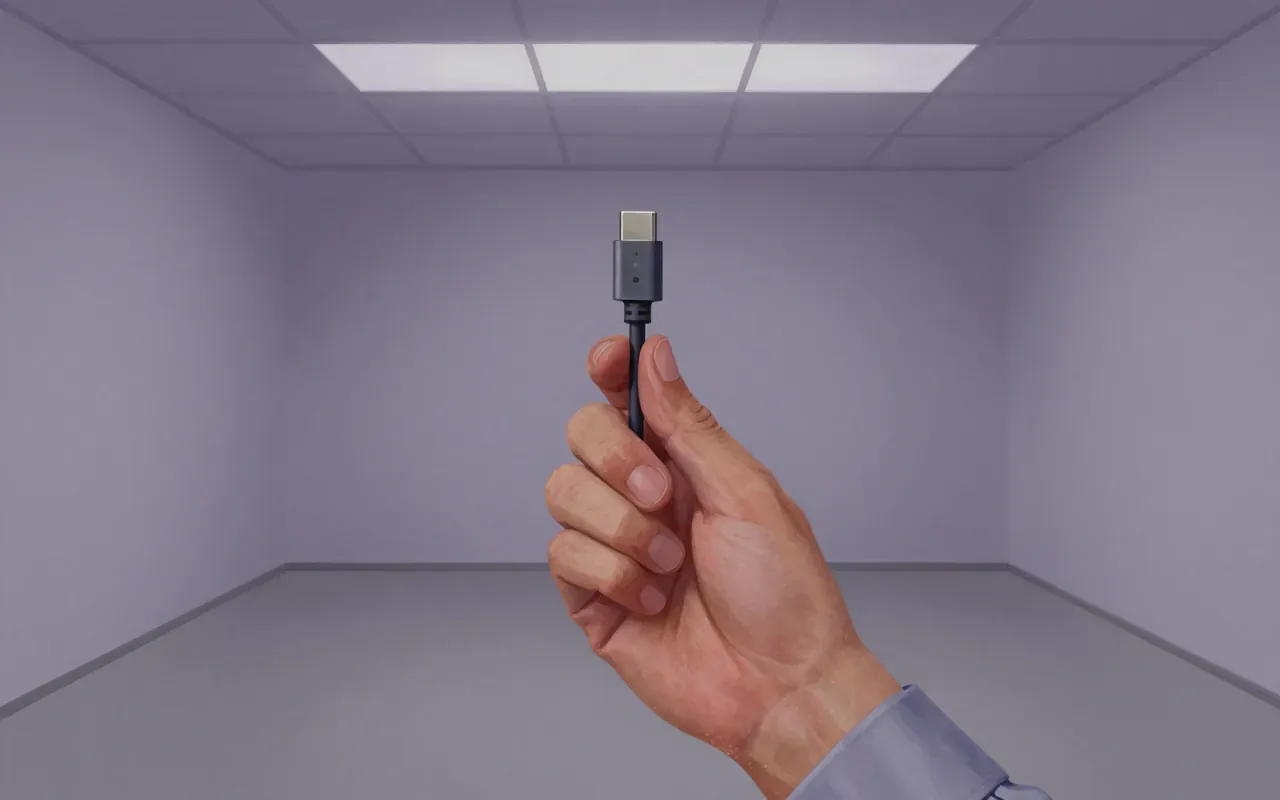
USB-C is a 24-pin reversible physical connector standardised by the USB-IF in August 2014. It replaces all prior USB connectors—designated legacy that year—and also supplants Mini DisplayPort and Lightning as a physical interface. Its capabilities depend entirely on supporting protocols (e.g., USB 3.2, USB4, Thunderbolt) and optional features like Power Delivery and Alternate Modes. USB4 (2019) is the first USB protocol usable only over USB-C. The standard mandates mechanical reversibility and symmetry but delegates electrical and logical behaviour to the Configuration Channel and external specifications. Compliance, certification, and security extensions—including Authentication and E-Marker chips—are defined across multiple revisions.
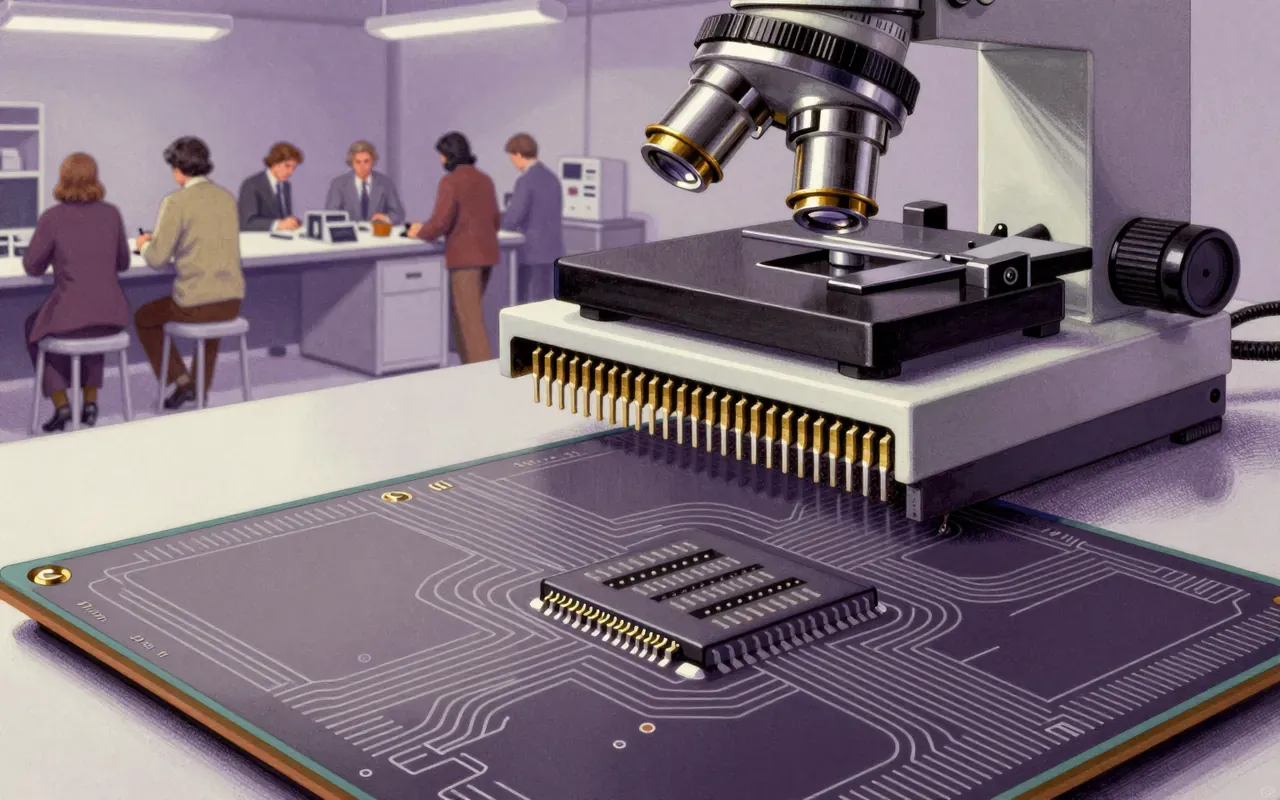

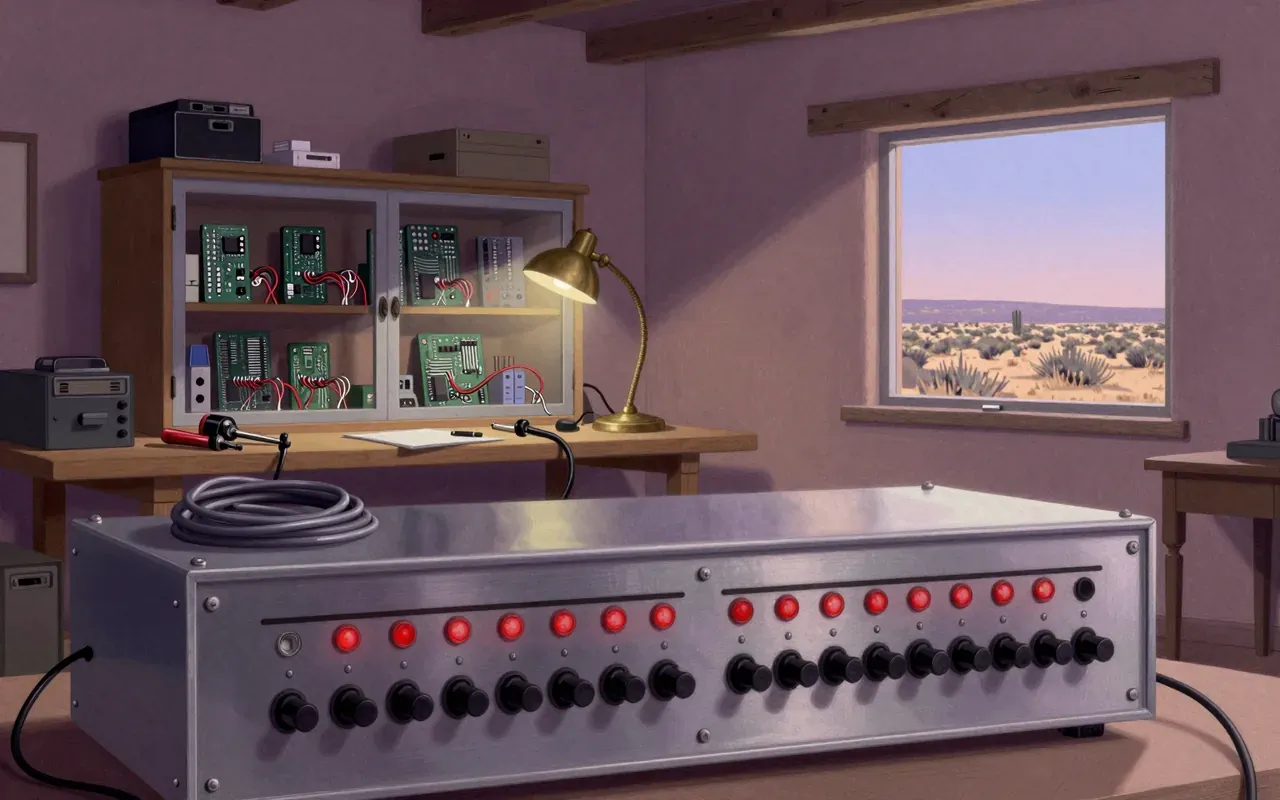






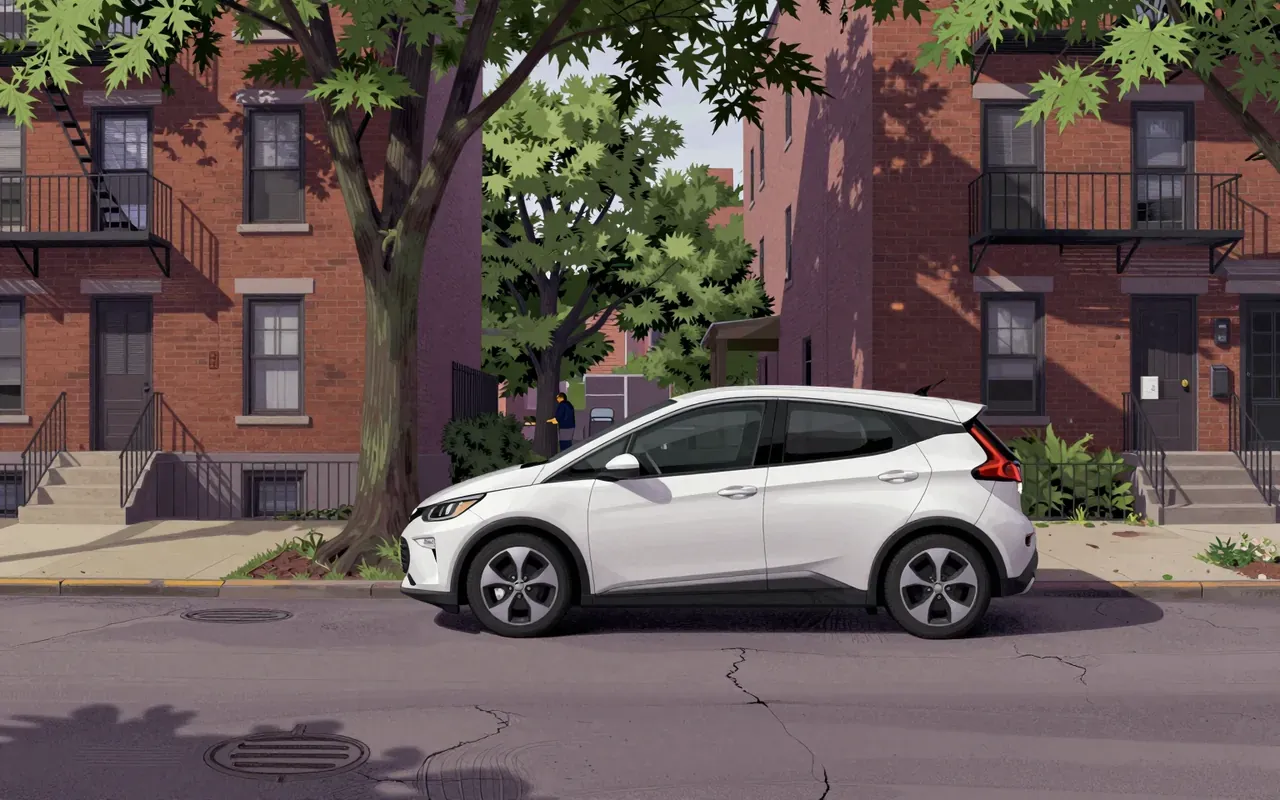
The Chevrolet Bolt EV redefined the mass-market electric vehicle by delivering over 200 miles of range at a $30,000 post-incentive price—verified in production by October 2016. Its development relied on LG for battery and drivetrain, GM for final assembly in Lake Orion, and Israeli engineers for the user interface. Prototype testing covered five key domains. But the sources say nothing about real-world durability, software evolution, charging speed, or cost of ownership.


Fitbit is a hardware product that delivers verified, location-dependent accuracy for step counting and heart rate—but fails at wrist-based calorie estimation and caused documented allergic reactions. It changed consumer expectations for passive tracking, not clinical standards.


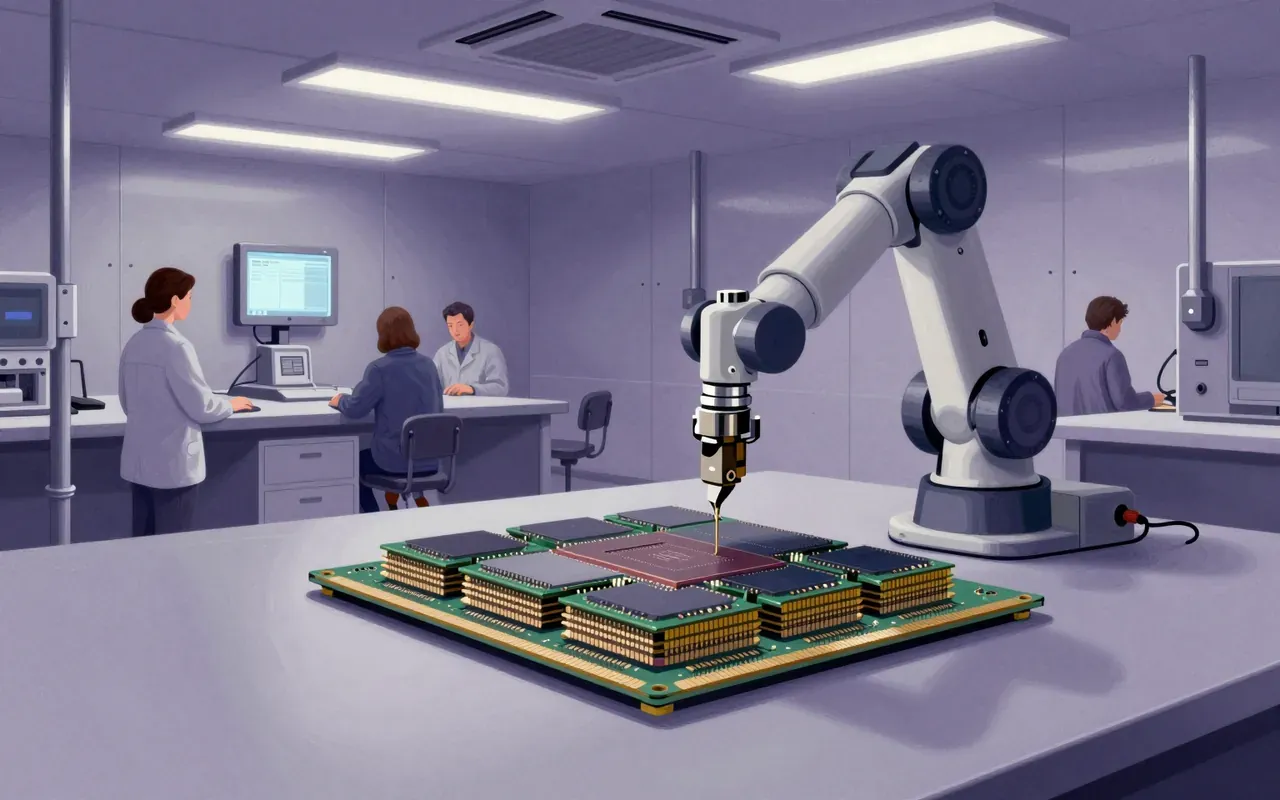
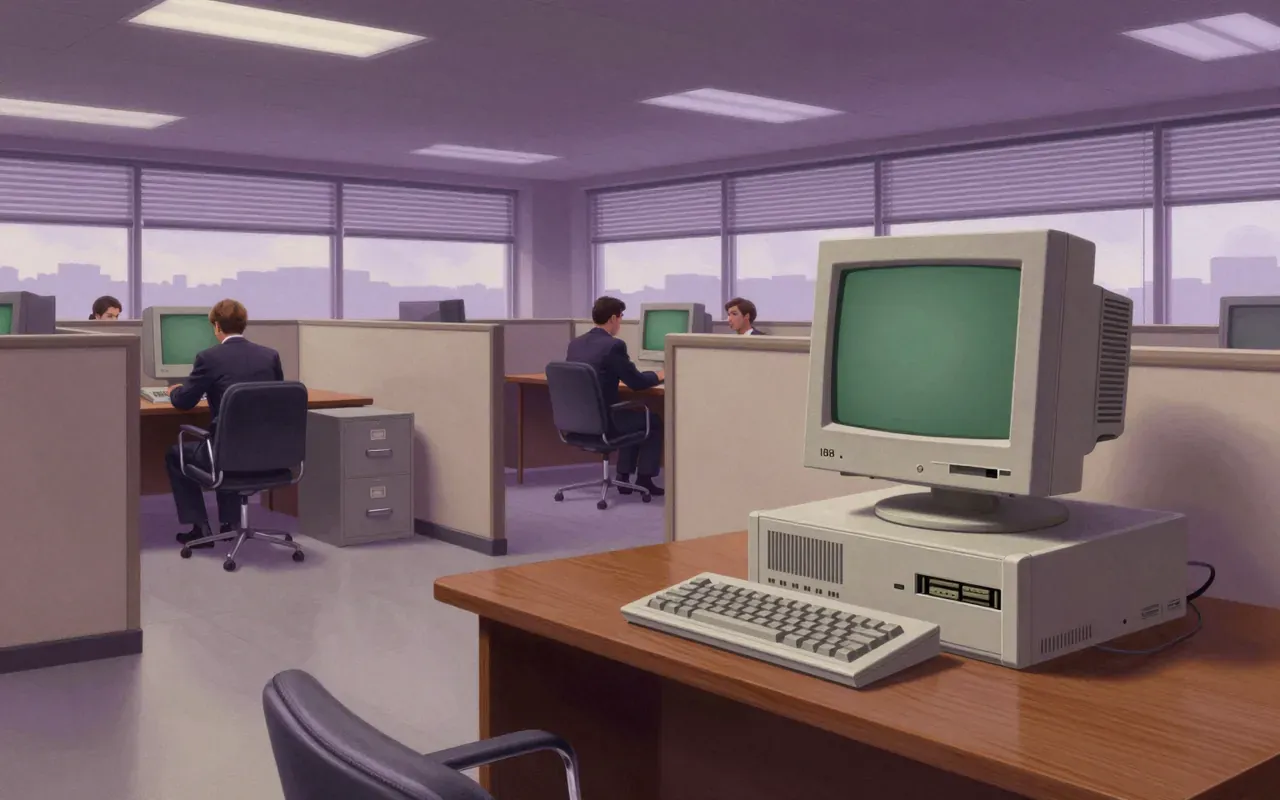
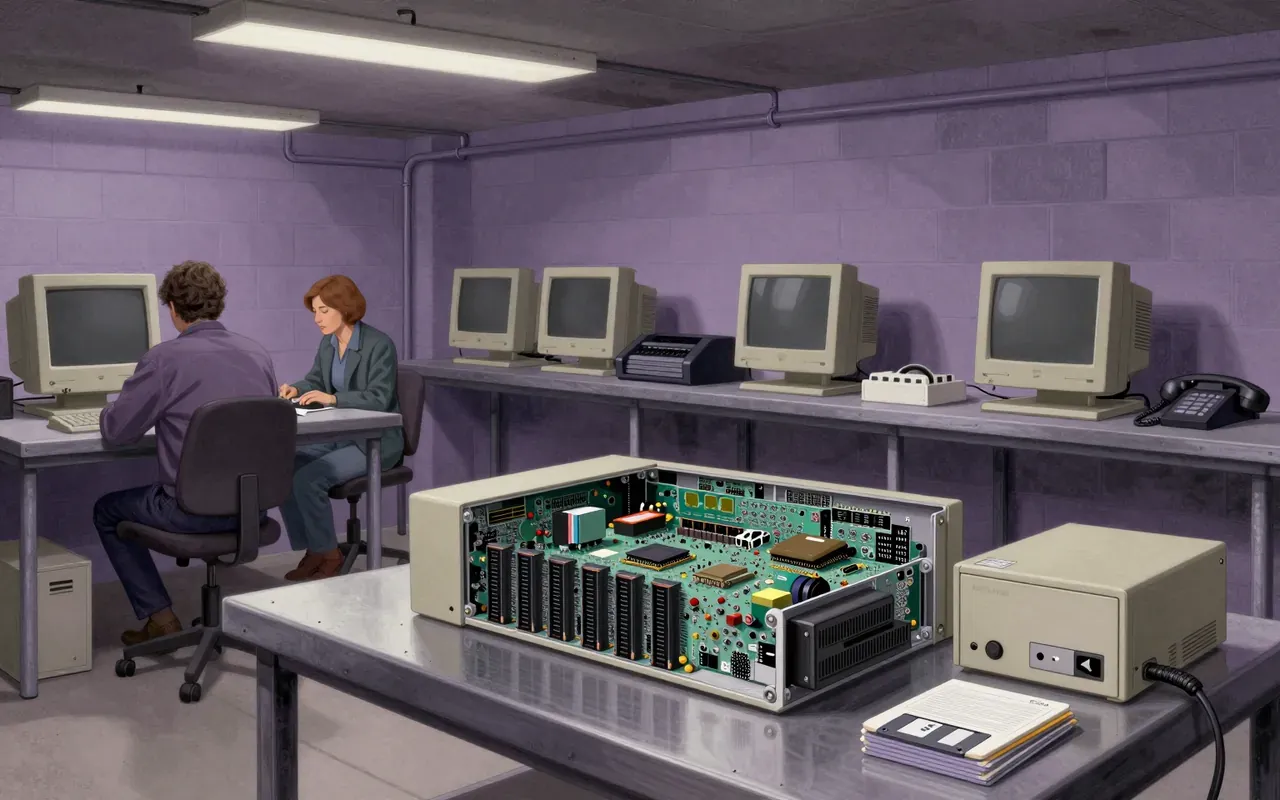




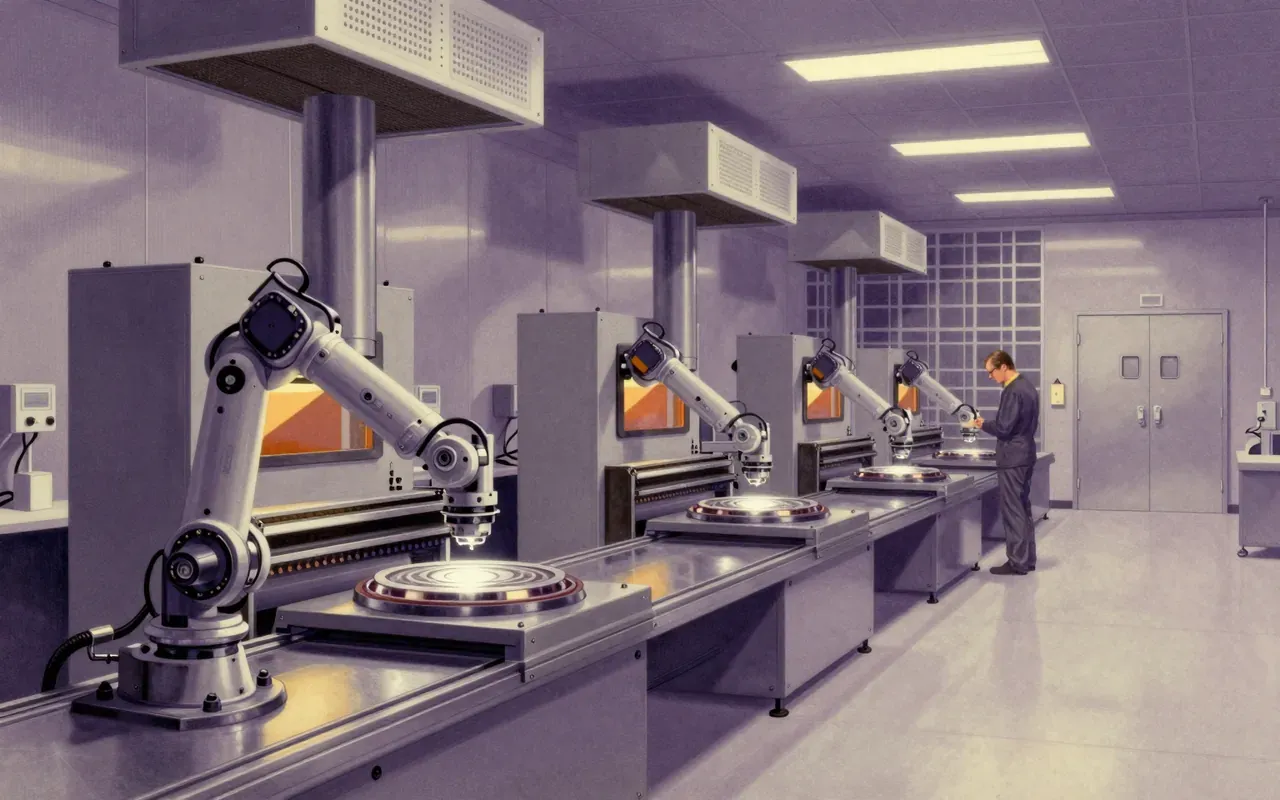





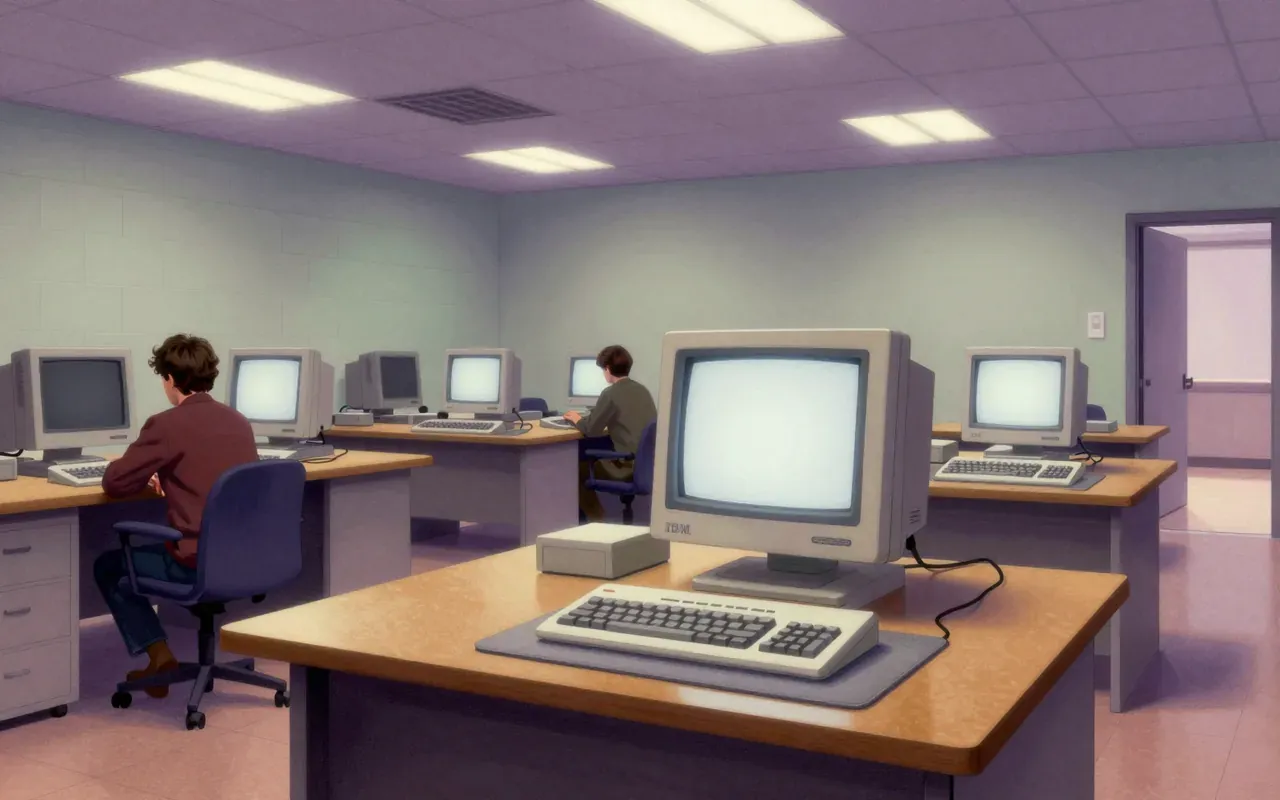
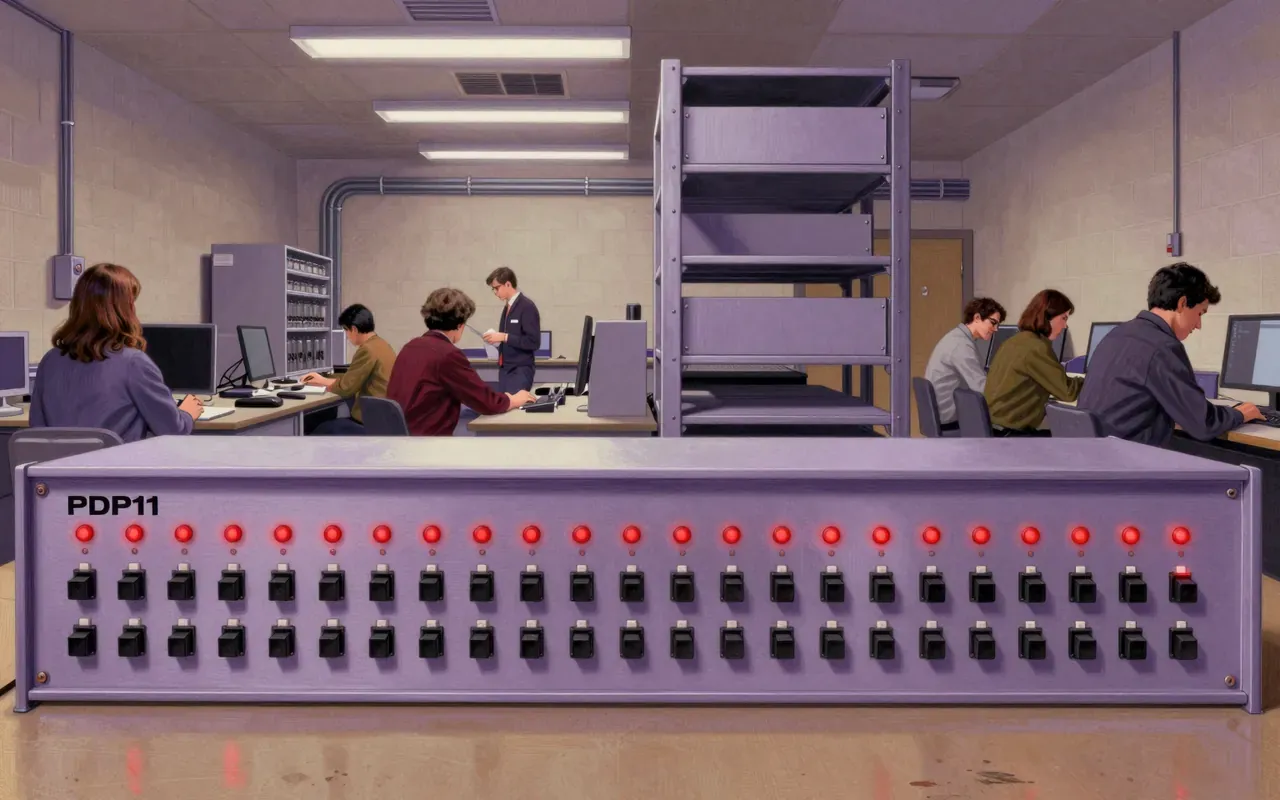
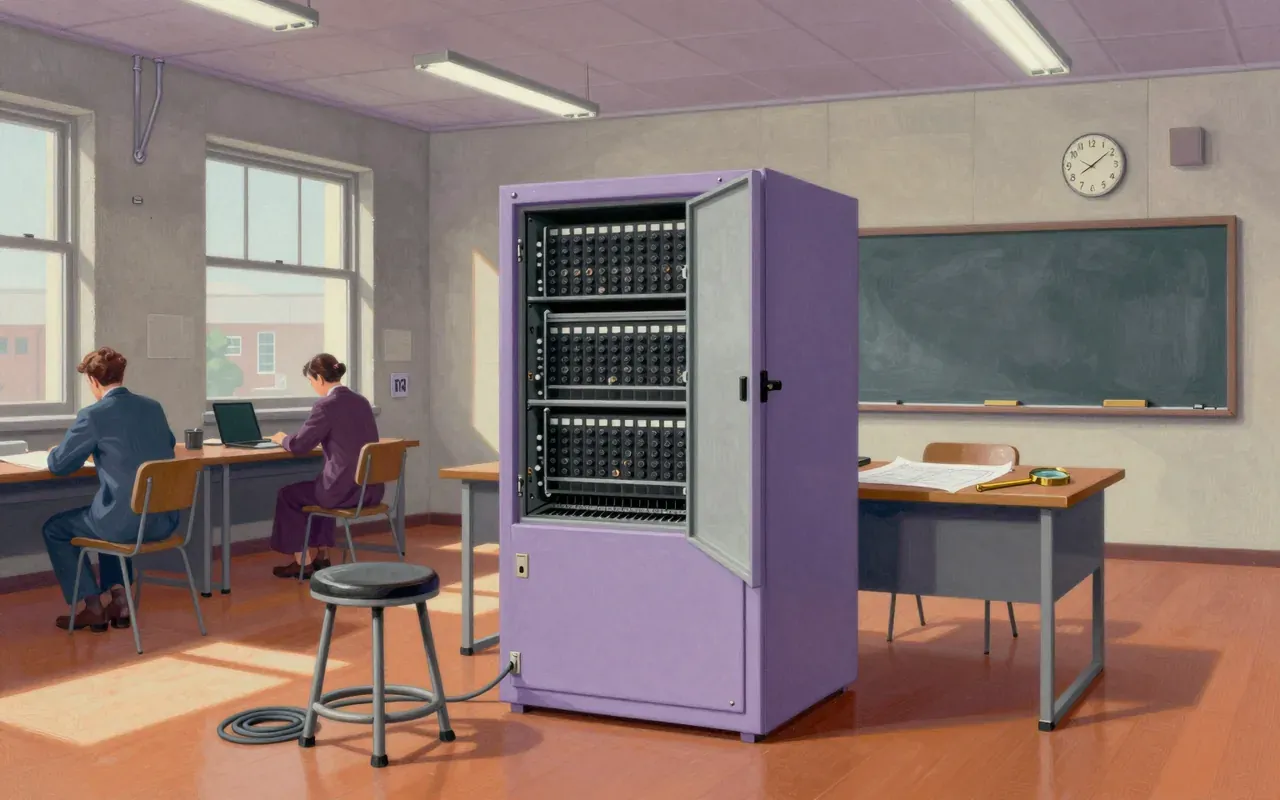
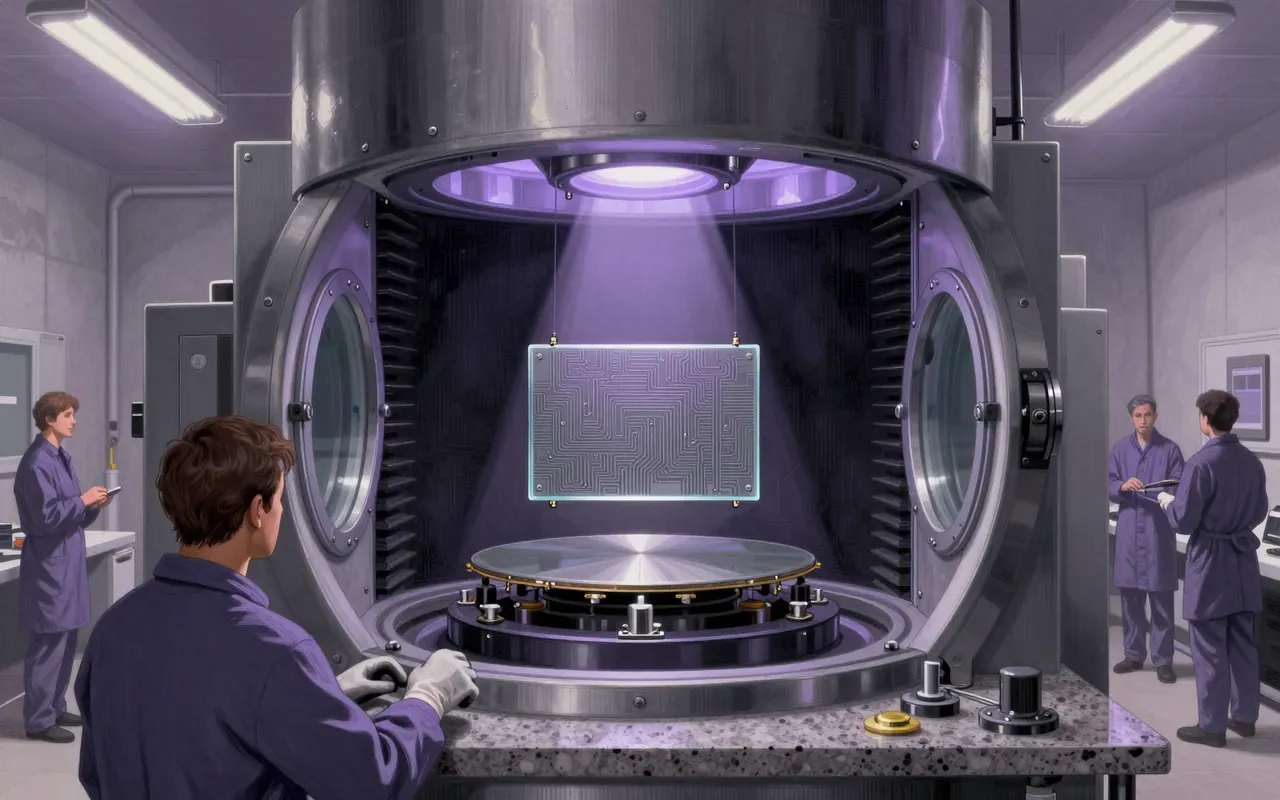


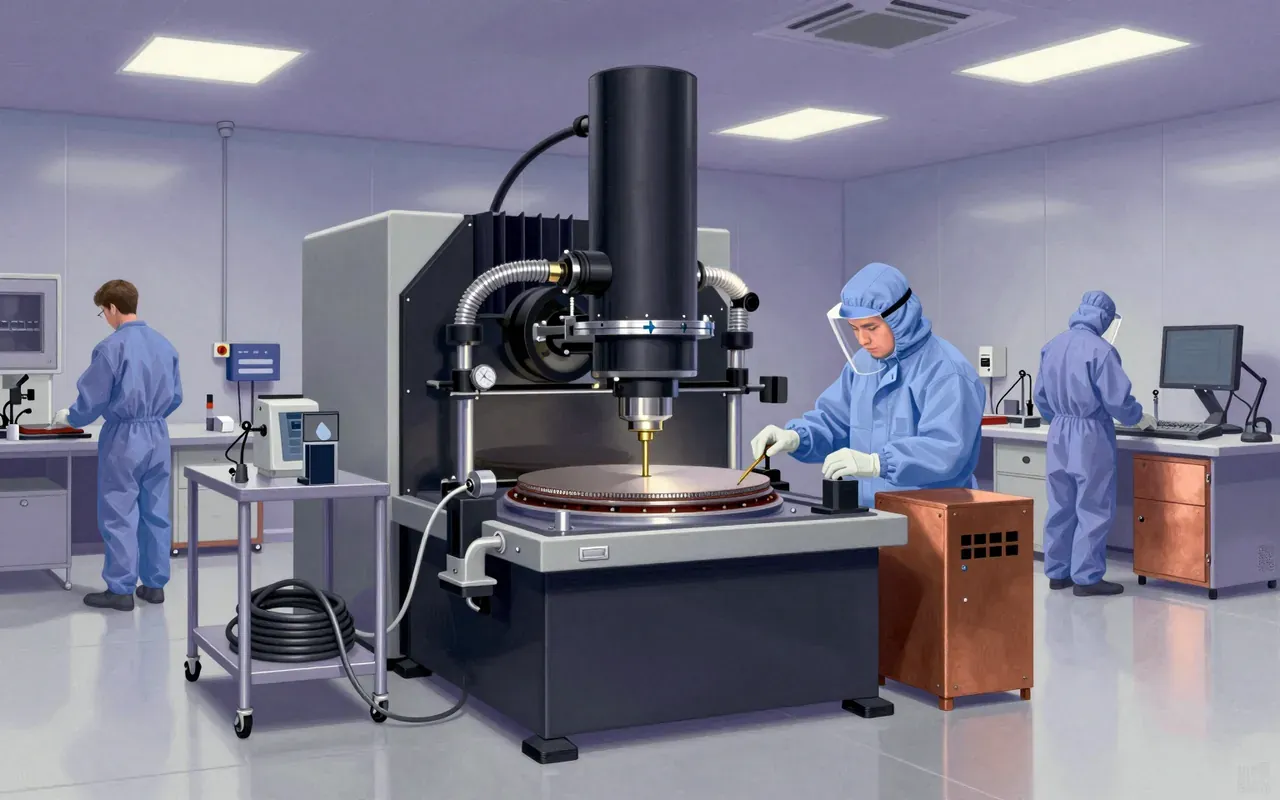
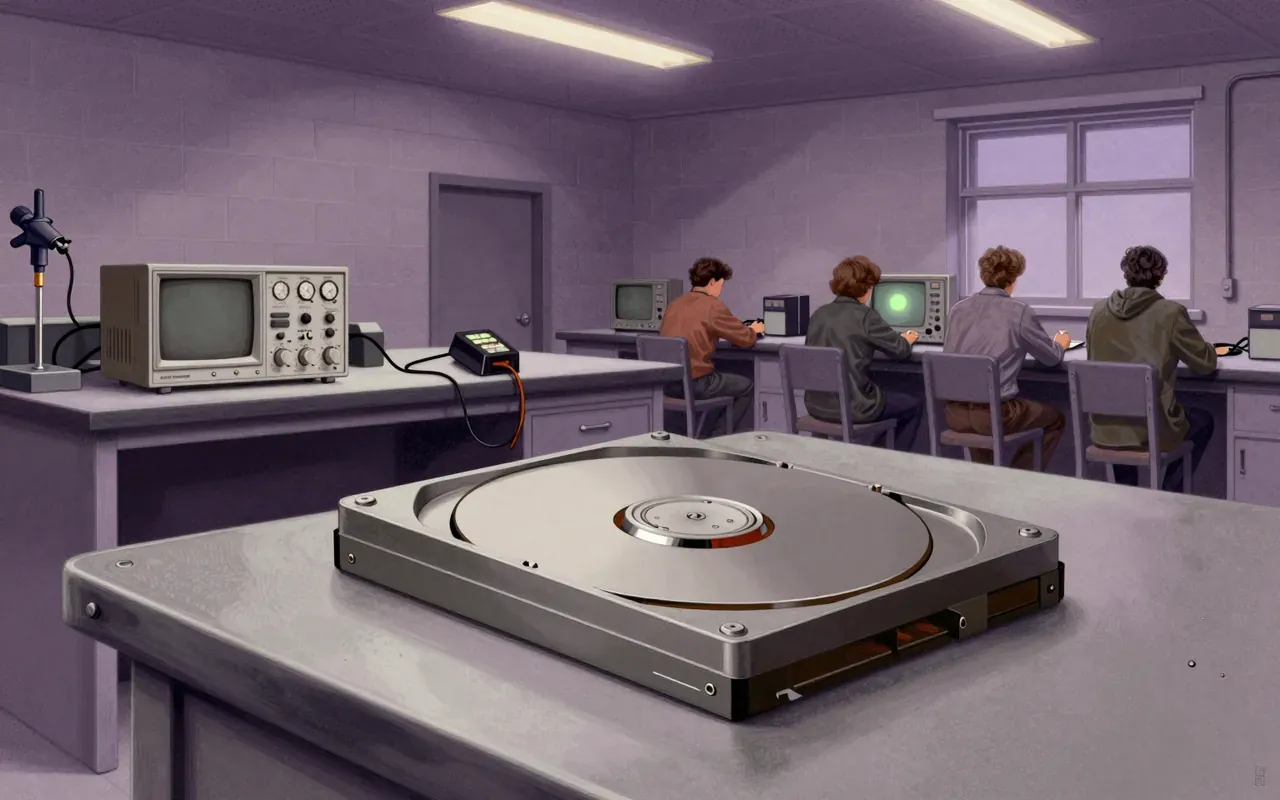

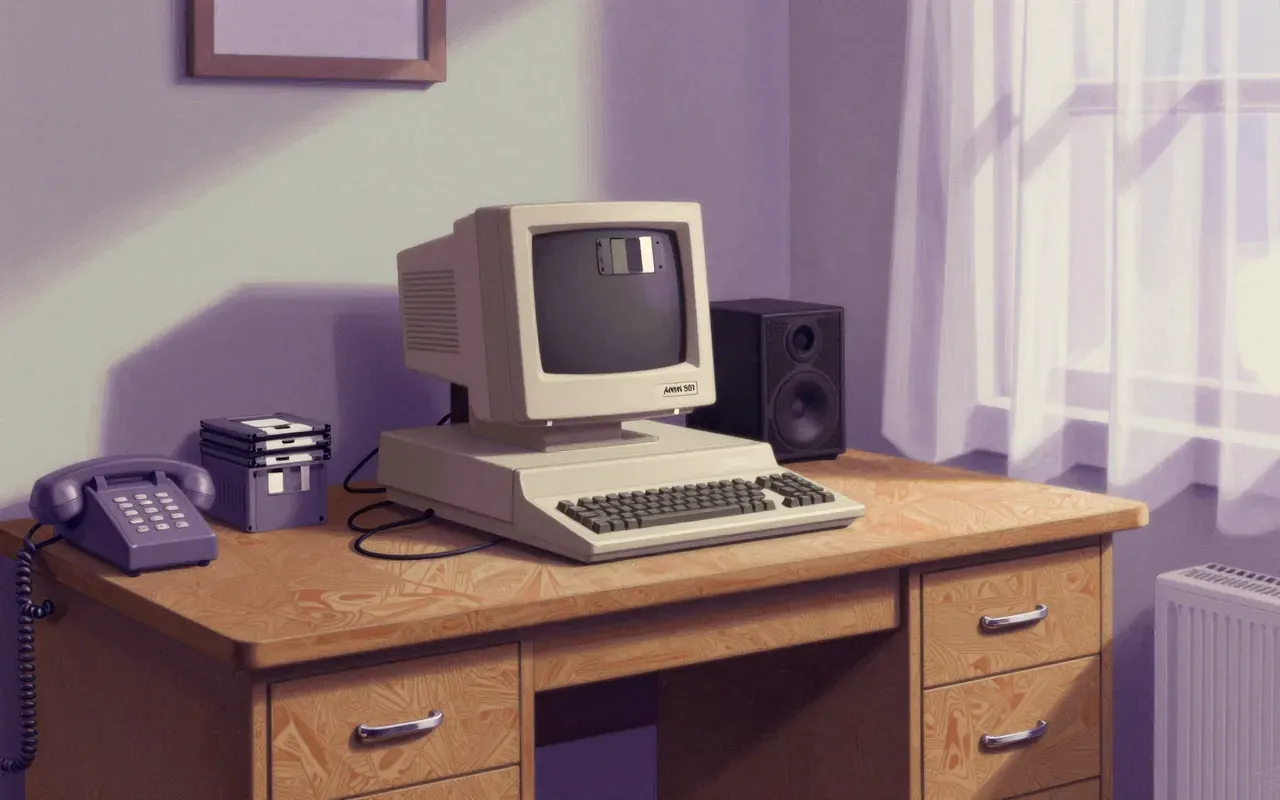
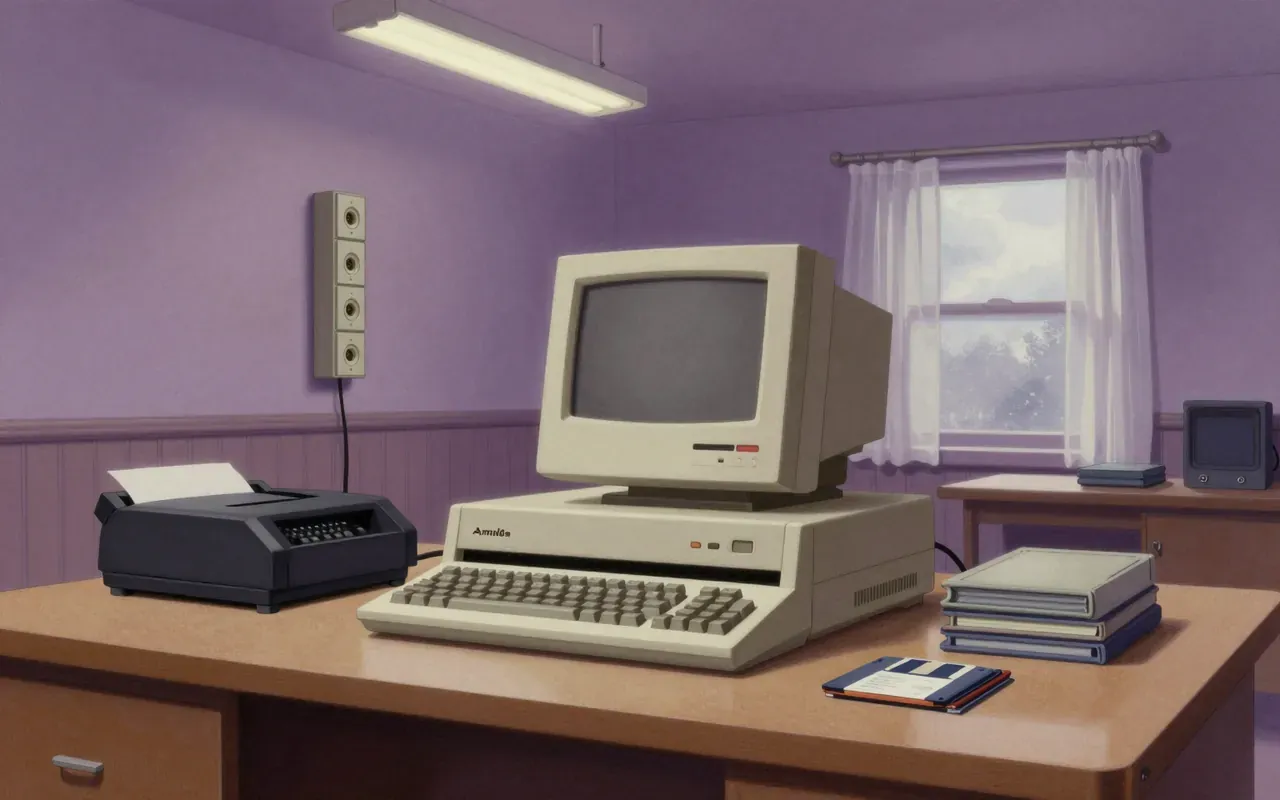
The Amiga 500 is a pivotal hardware milestone—not because it introduced new silicon, but because it delivered proven multitasking and colour graphics to mainstream retail at a time when competitors treated those features as optional or impossible in home systems. Its success relied on reuse, repackaging, and distribution—not invention.

The iPad is a commercially dominant, long-lived tablet product line. It succeeded by committing to a specific form factor and interaction model—touch-first, app-centric, tightly integrated—then adapting its OS to sustain that model. Its scale (670M+ units) and market share (34.6%) confirm its category-defining role. It does not replace laptops or phones. It occupies the space between them—and has done so continuously since 2010.

The LED display is not Holonyak’s invention — it is HP’s. Holonyak’s 1962 GaAsP LED enabled it. HP’s 1969 Model 5082-7000 was the first intelligent, IC-integrated numeric display — fast, solid-state, low-power, and monochromatic. It displaced Nixie tubes but could not render text, graphics, or colour. Later all-LED flat panels remained monochrome and experimental.


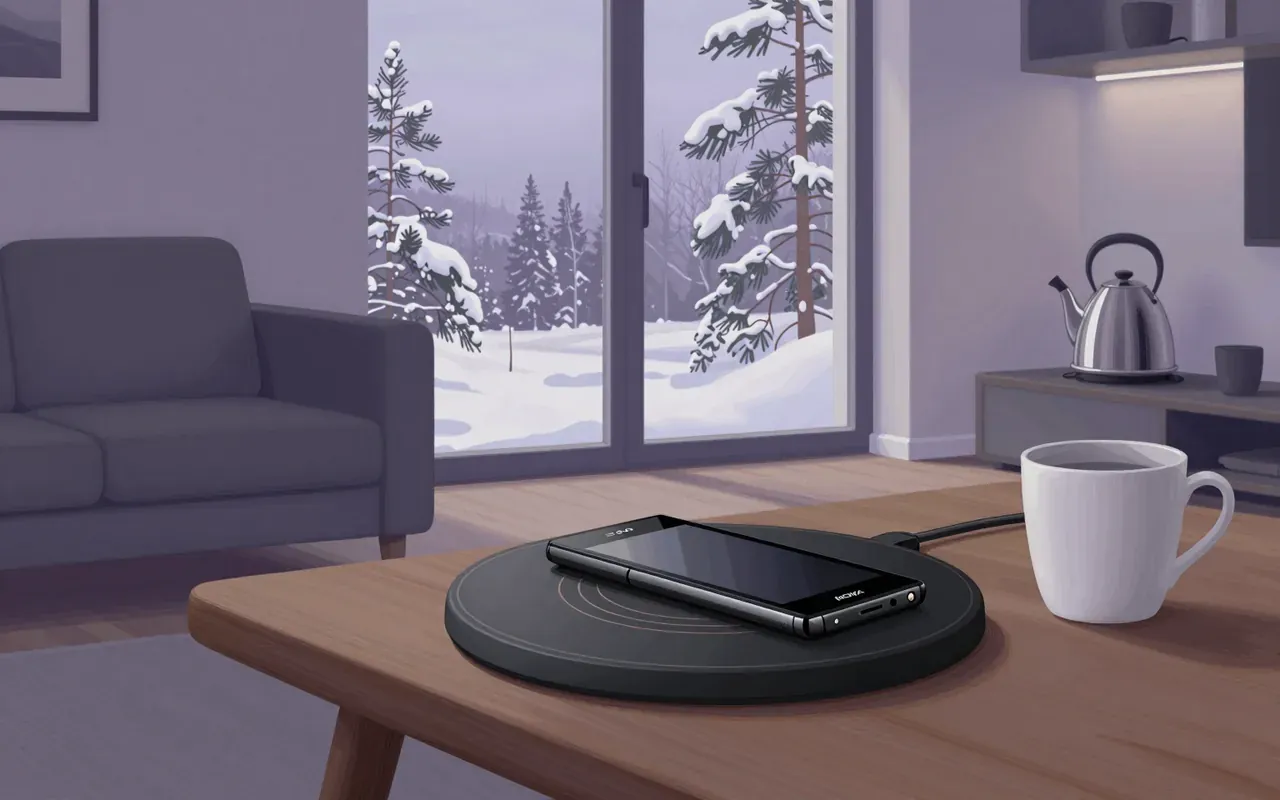
The Nokia Lumia 920 is a hardware statement—not a platform victory. It shipped in November 2012 with three industry-first features: optical image stabilization, Qi inductive charging, and a sub-9 ms display response time. Its 8.7-megapixel BSI sensor and f/2.0 Carl Zeiss Tessar lens delivered tangible low-light gains. But its sealed 2000 mAh battery limited serviceability. Its Windows Phone 8 OS remained constrained by app scarcity and developer neglect. The device generated press optimism and internal hope at Nokia—but did not reverse the platform’s trajectory. It matters today as a case study in where hardware differentiation can—and cannot—compensate for ecosystem weakness.

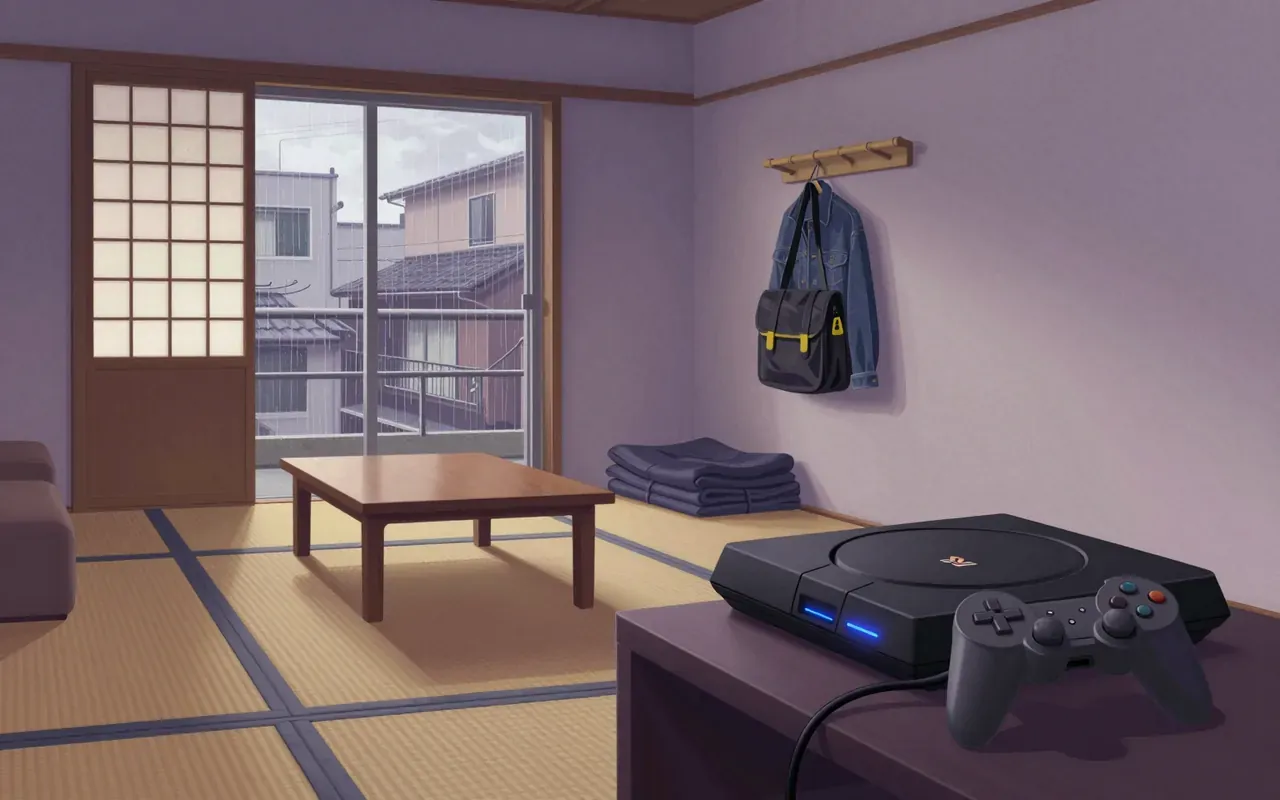
The PlayStation 2 is a home video game console developed by Sony Computer Entertainment, first released in Japan on March 4, 2000. It is the successor to the original PlayStation and a sixth-generation console that competed with Nintendo's GameCube, Sega's Dreamcast, and Microsoft's Xbox. It featured a built-in DVD drive and full backward compatibility with original PlayStation games and accessories. Its hardware included a custom-built Emotion Engine processor co-developed with Toshiba. It remains the best-selling video game console of all time, having sold 160 million units worldwide.
The Sega Genesis is a 16-bit fourth-generation home video game console adapted from Sega's System 16 arcade board, using a Motorola 68000 CPU and Zilog Z80 sound controller, released in Japan in October 1988 and North America in August 1989, playing over 800 ROM cartridge games, supporting add-ons like the Power Base Converter for Master System compatibility, and backed by two network services: Sega Meganet and Sega Channel.

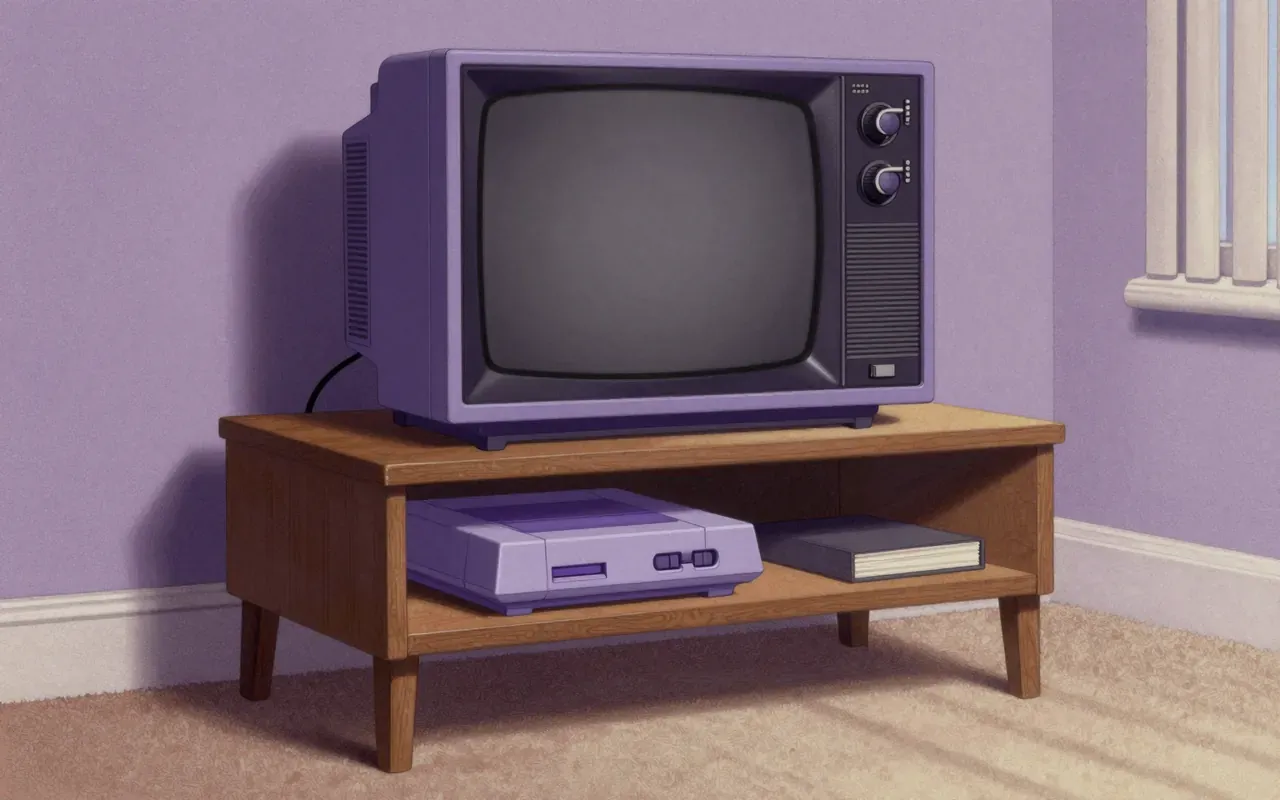
The SNES is a 16-bit fourth-generation home console developed by Nintendo as its second programmable system. Designed by Masayuki Uemura in response to the Sega Genesis and TurboGrafx-16, it launched in Japan on 21 November 1990 as the Super Famicom. Its technical strengths—Mode 7 graphics, eight-channel ADPCM audio, and cartridge-compatible enhancement chips—enabled expressive game design within strict hardware boundaries. It competed directly with the Genesis, achieved rapid early sales (300,000 units sold out in hours in Japan), and reached over 46 million combined units sold by mid-1992. Its life cycle extended until 1999 in the US and 2003 in Japan. It did not deliver true 3D, multitasking, networking, or firmware updates. Its legacy lies in proving that modular, cartridge-based hardware extensions could sustain a platform across a full generation.



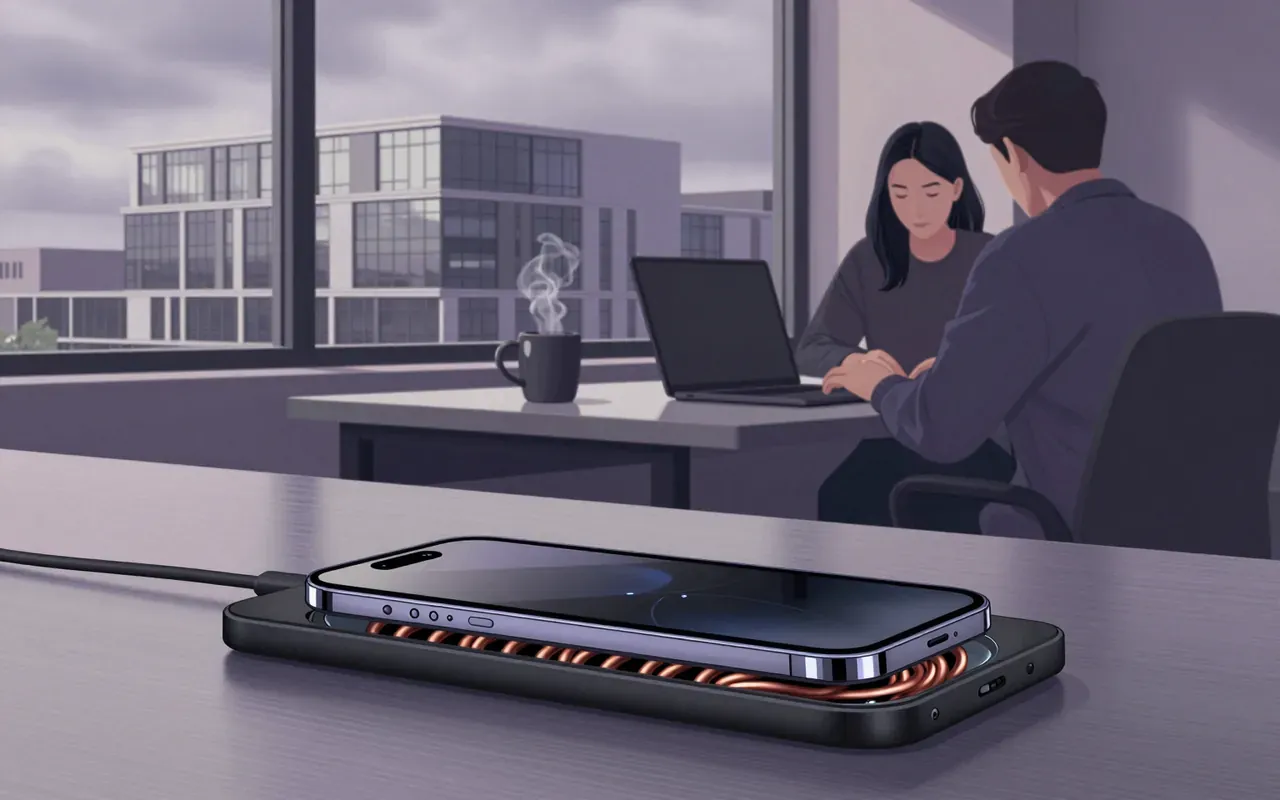

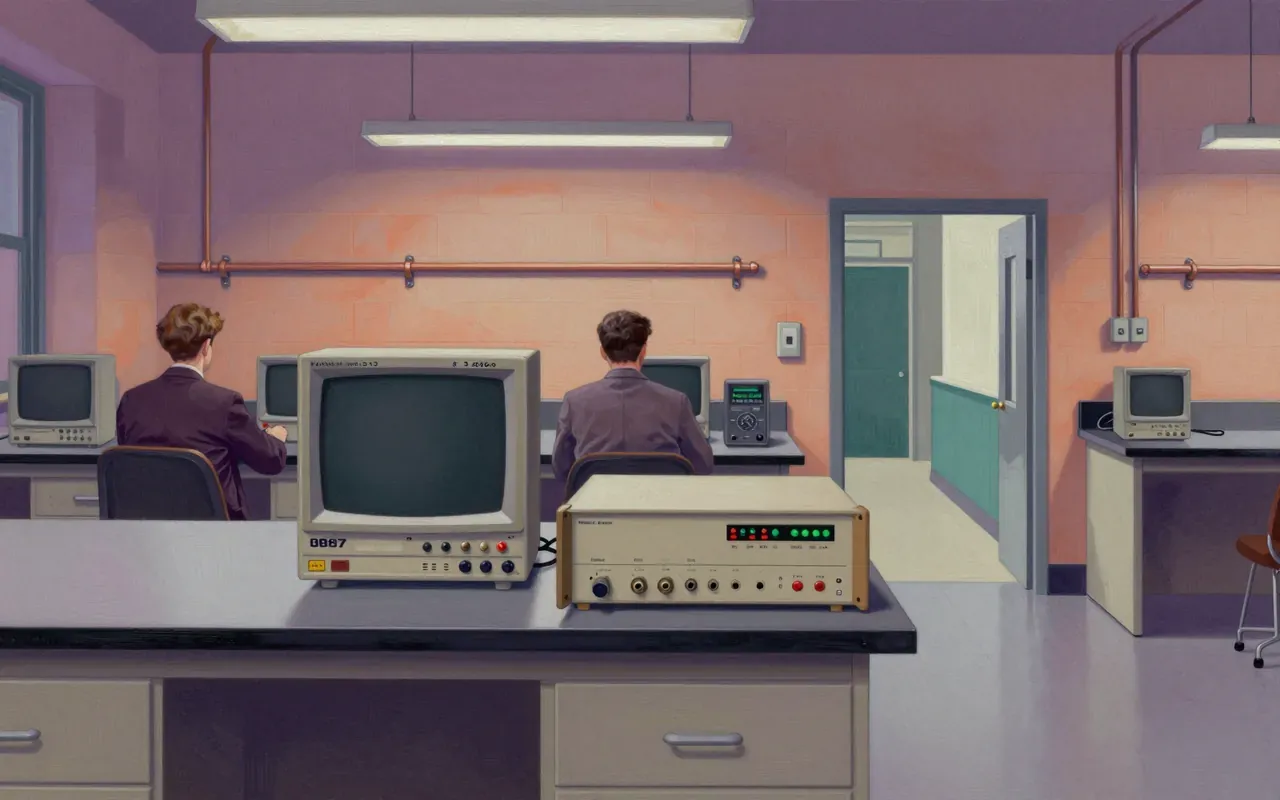
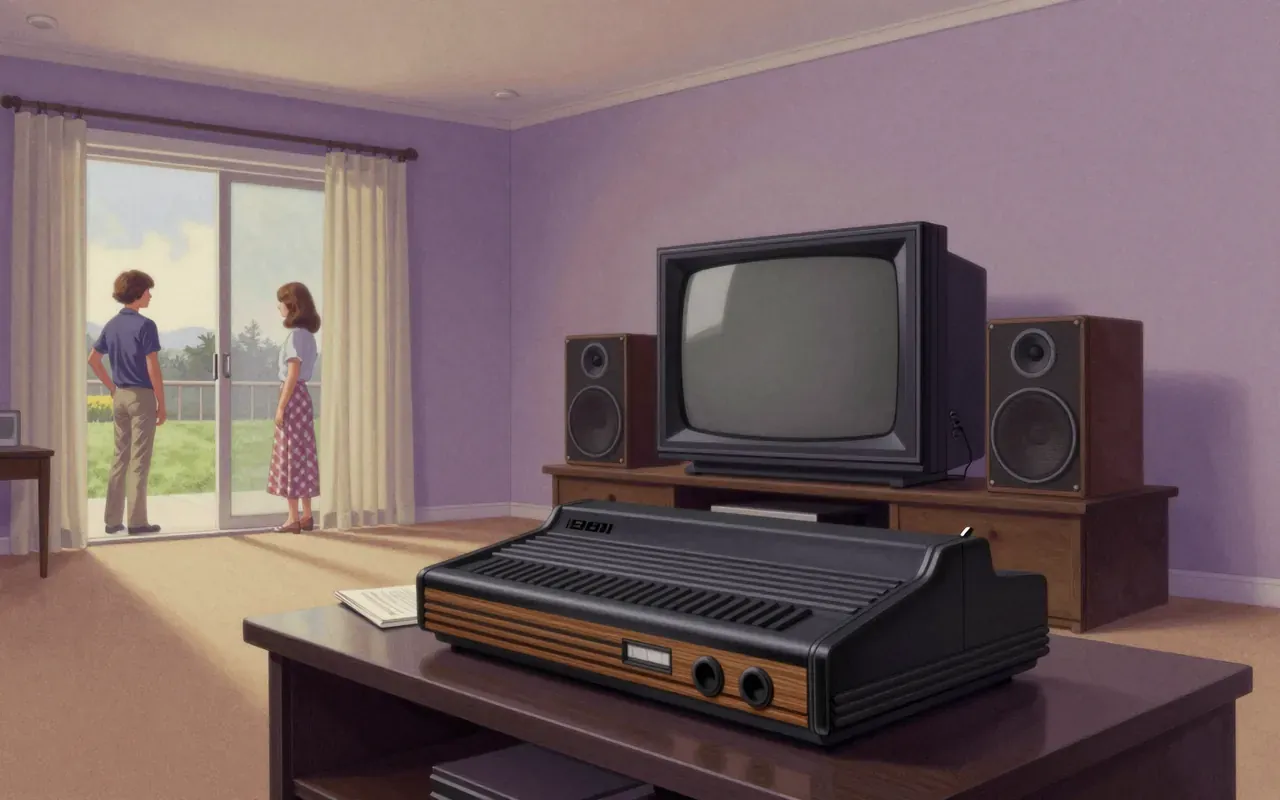



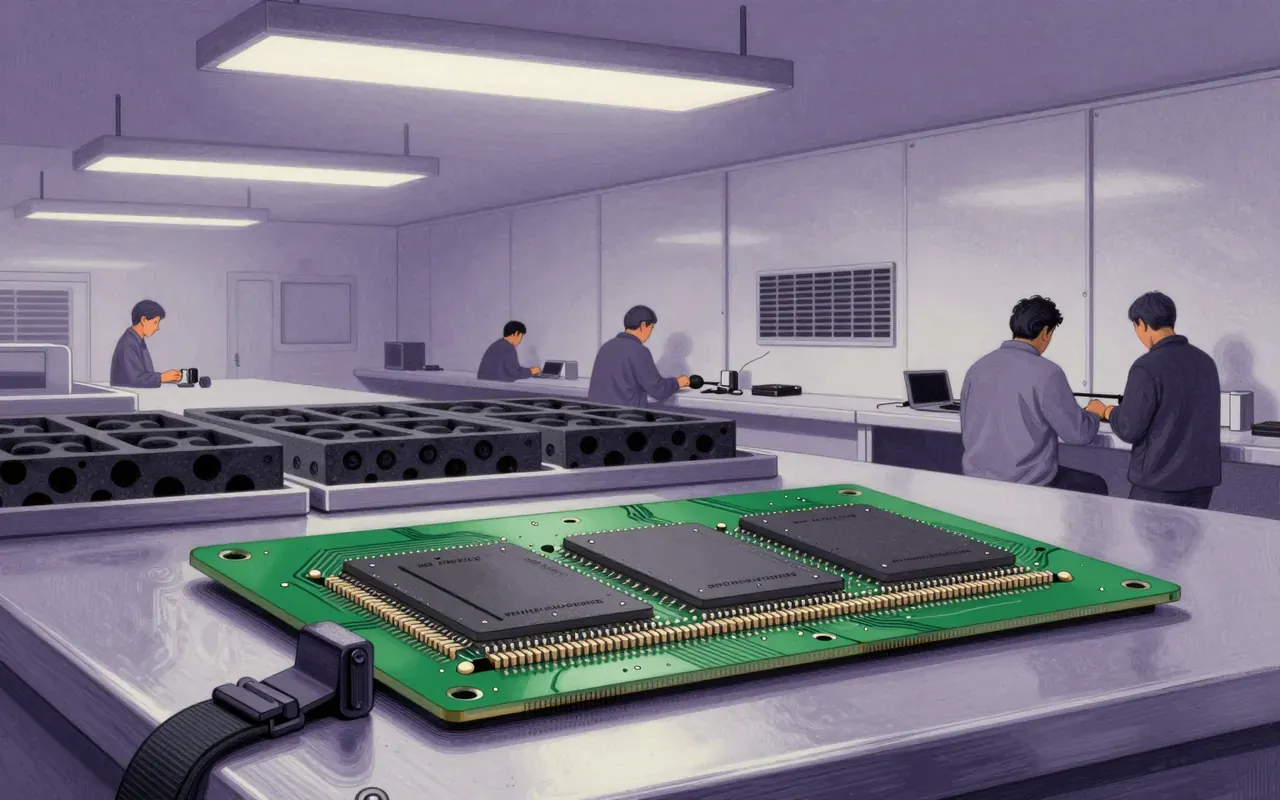
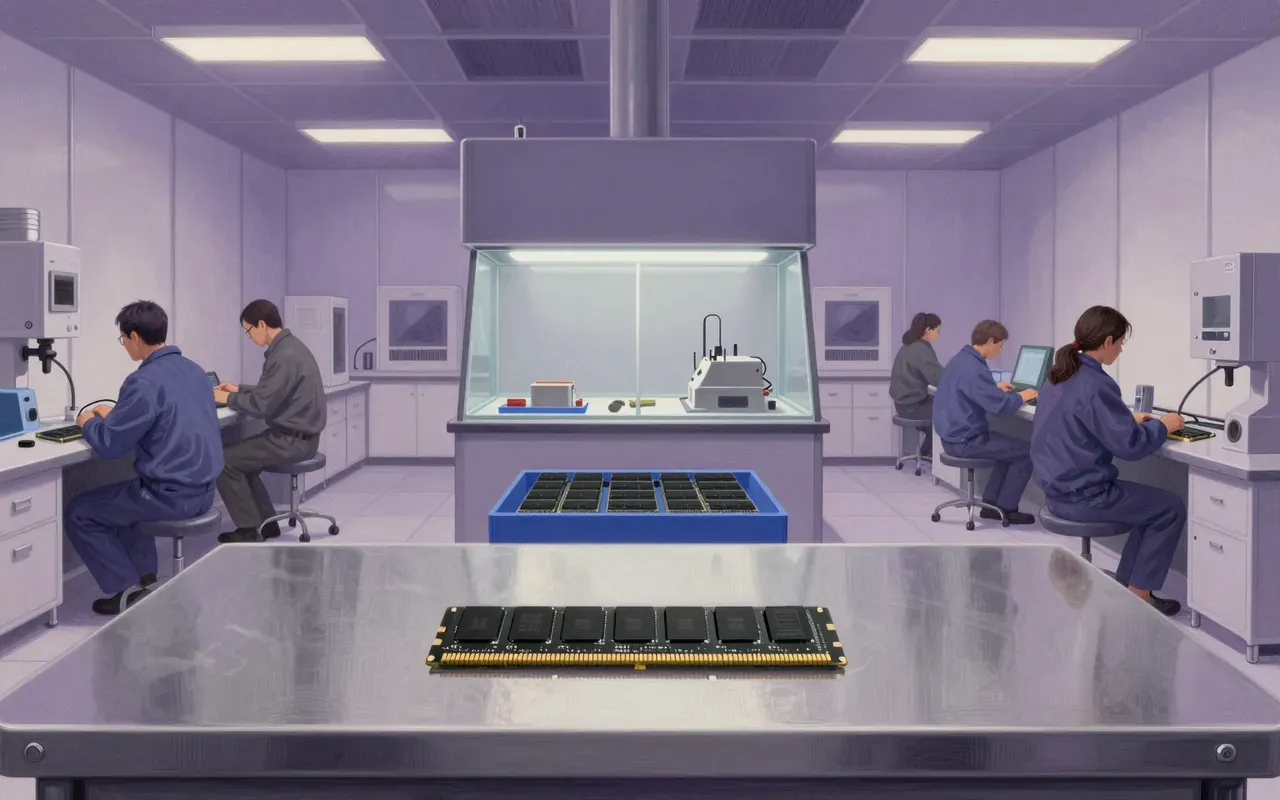
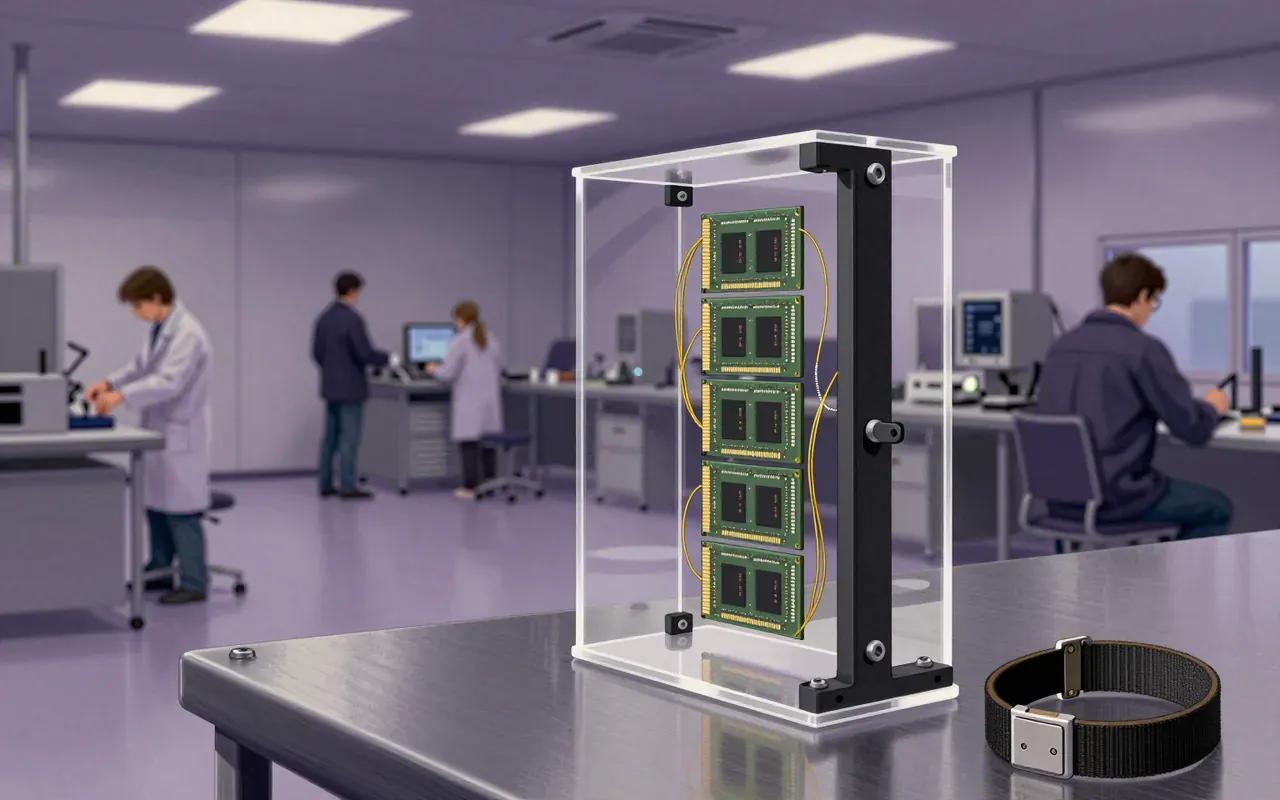
Flash memory is a block-erasable, non-volatile semiconductor memory invented by Fujio Masuoka at Toshiba in 1980. It builds on EEPROM but replaces byte-wise erasure with faster block-wise erasure — enabled by floating-gate transistor design. The name 'flash' was coined by colleague Shōji Ariizumi to reflect that speed. Masuoka and colleagues presented NOR flash in 1984 and NAND flash at the 1987 IEDM. Toshiba began marketing flash memory and commercially launched NAND flash — both in 1987. The first published implementation held only 8192 bytes but became the basis for larger-capacity versions. Flash does not support byte-level writes or in-place updates; erasure is all-or-nothing per block. It cannot replace RAM or true EEPROM where fine-grained modification is required. Flash changed how portable devices store firmware and user data, enabling compact, shock-resistant, low-power storage that scales without moving parts — a prerequisite for digital cameras, USB drives, SSDs and smartphones.


The IBM System/360 established architectural compatibility as a design principle — not a marketing claim. It delivered real portability across a wide performance range using microcode and custom transistor packaging. Its limitations — no ICs, partial model incompatibility, rare max-memory deployments — are as instructive as its successes.





The Echo is a hardware interface for Alexa—a cloud-dependent voice service. It works well for narrow, internet-reliant tasks. It fails as a private, autonomous, or universally accessible system. Its legacy is not intelligence at the edge, but the normalisation of persistent listening and remote AI dependency.
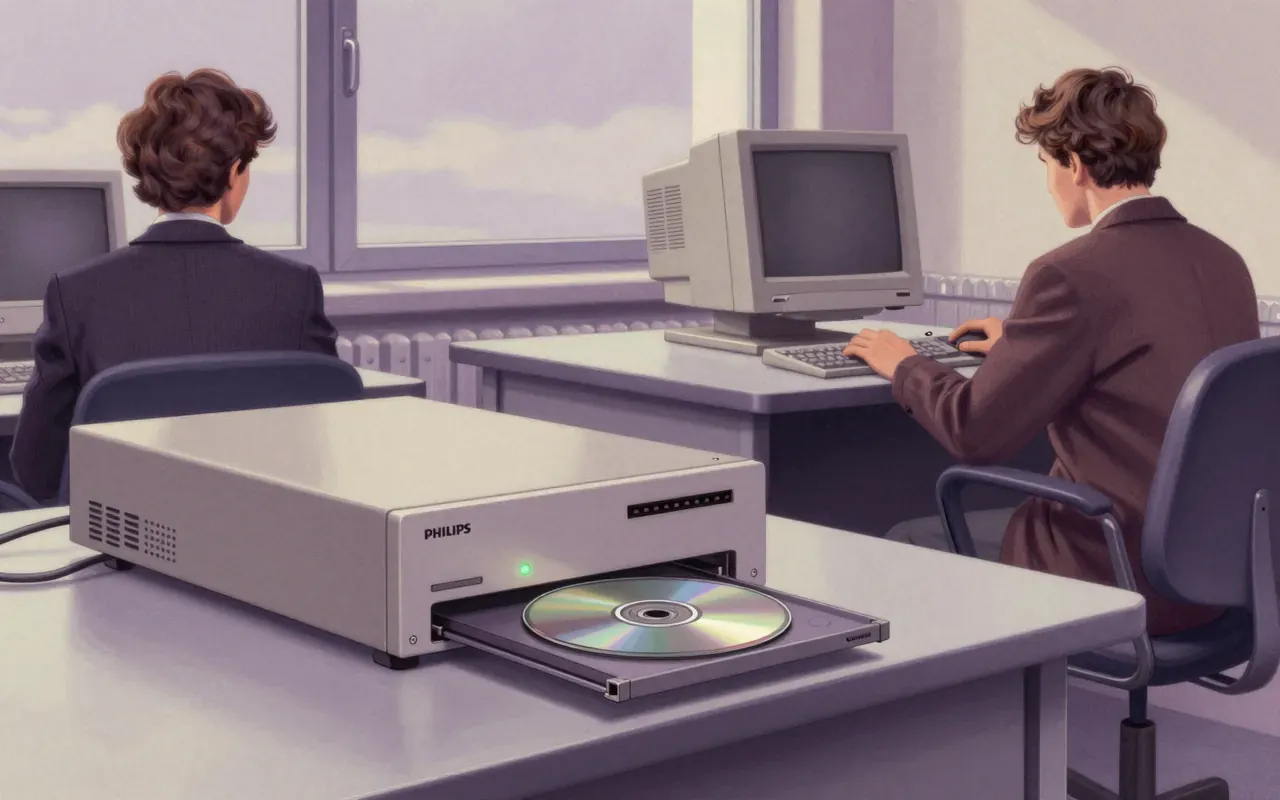
CD-ROM is a read-only optical data format co-developed by Philips and Sony, formalised in the 1983 Yellow Book. It reuses the CD-DA’s physical design and laser-read mechanism but repurposes pits and lands for arbitrary digital data—delivering 553 MB via destructive interference physics. It launched publicly in 1985 with Philips’ CM 100 drive. It solved mass-distribution problems for static software and reference material but failed as an archival or interactive medium—prompting Sony to launch write-once and magneto-optical variants by 1986 and 1988.

DVD is a standardised optical storage format invented in 1995 and released in Japan on 1 November 1996. It stores any digital data. Its key advance over CD is higher capacity—up to 17.08 GB—achieved within identical physical dimensions via tighter pit geometry and layering. It succeeded commercially for video and software distribution but failed to unify playback due to format wars (DVD±R), region locks, and copy protection.
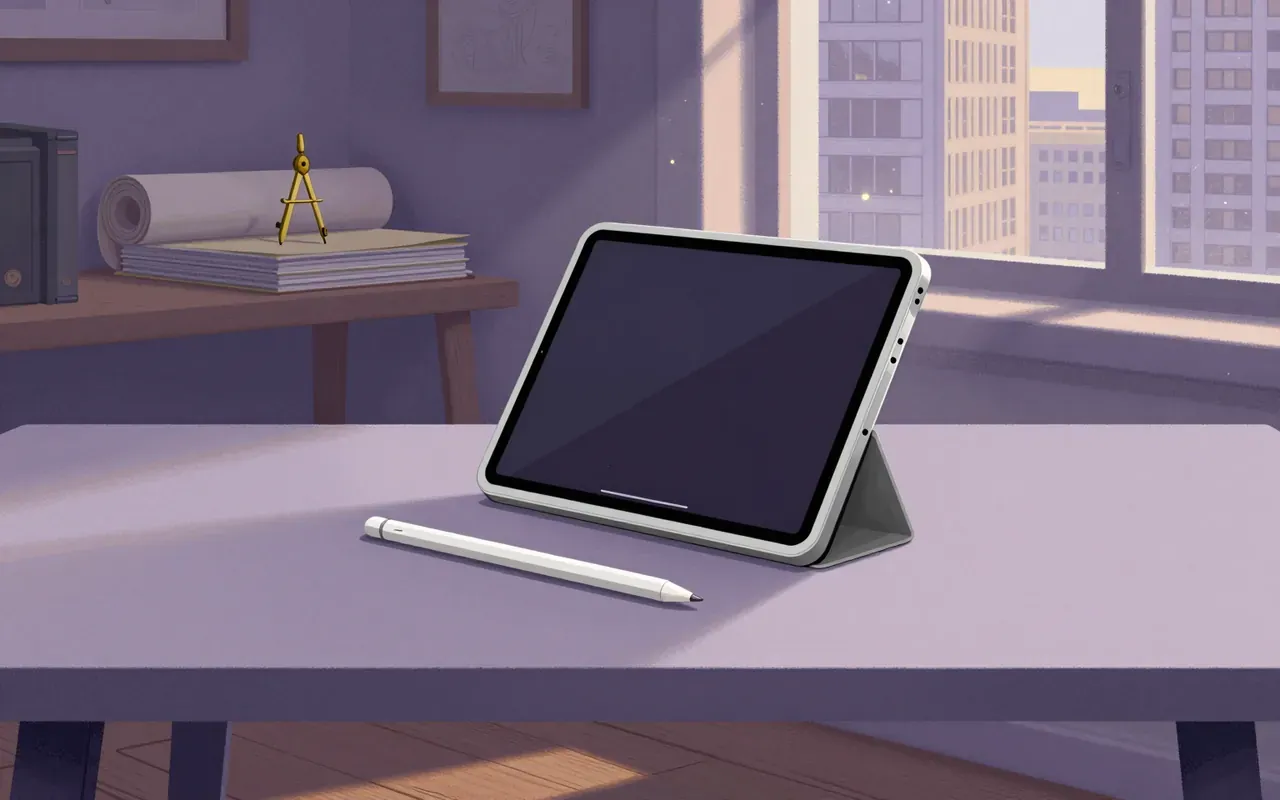
The 2016 iPad Pro is a hardware upgrade without a software foundation for professional work. It extends iOS 9’s constraints rather than replacing them.





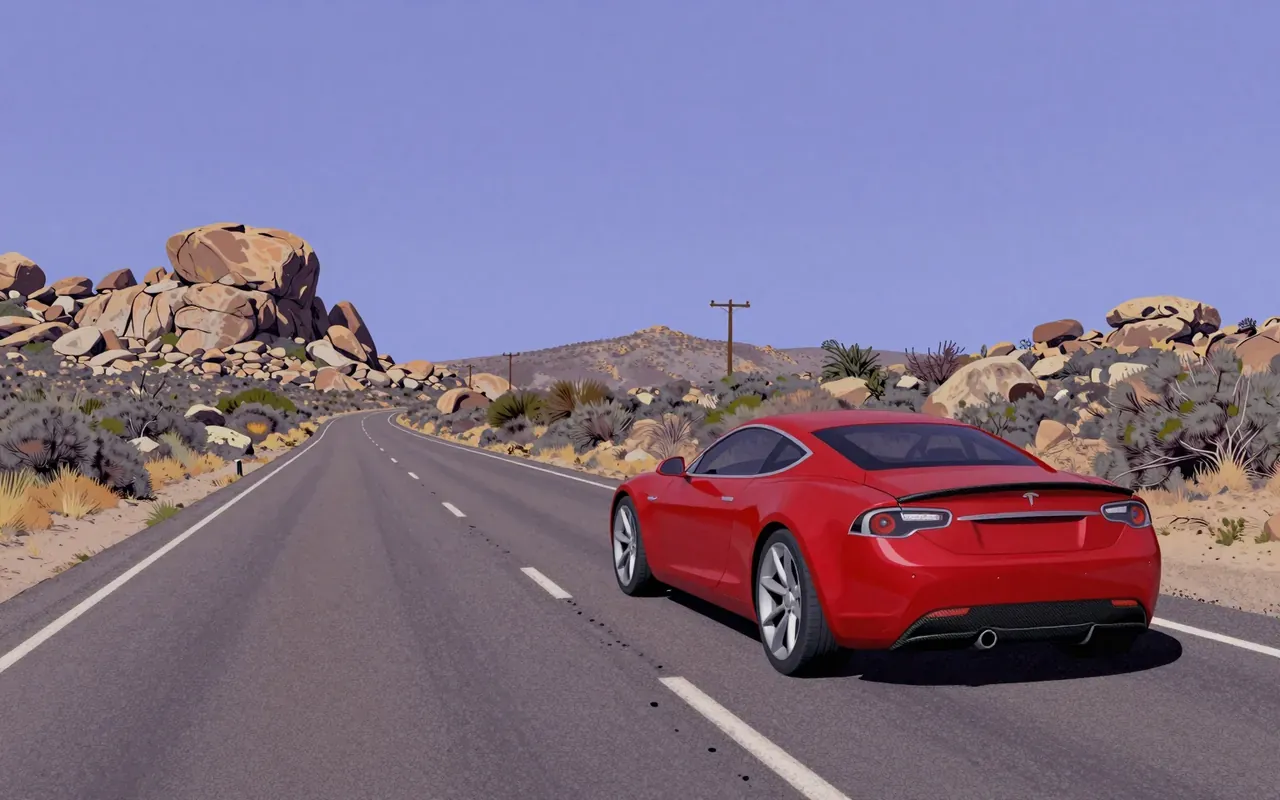
The Tesla Model X is a battery electric mid-size luxury crossover SUV developed from the Model S platform and distinguished by falcon wing doors. It shares ~30% of its parts with the Model S—half the originally planned 60%—and weighs ~10% more. Unveiled in Hawthorne on 9 February 2012, it entered production in Fremont and began deliveries in September 2015. In 2016, it ranked seventh among the world’s best-selling plug-in cars. A 2021 refresh added the Plaid model and updated interior, powertrain, and suspension.