Crucial
Crucial was the brand under which Micron Technology sold its consumer memory and storage products, until the brand was discontinued in 2026.
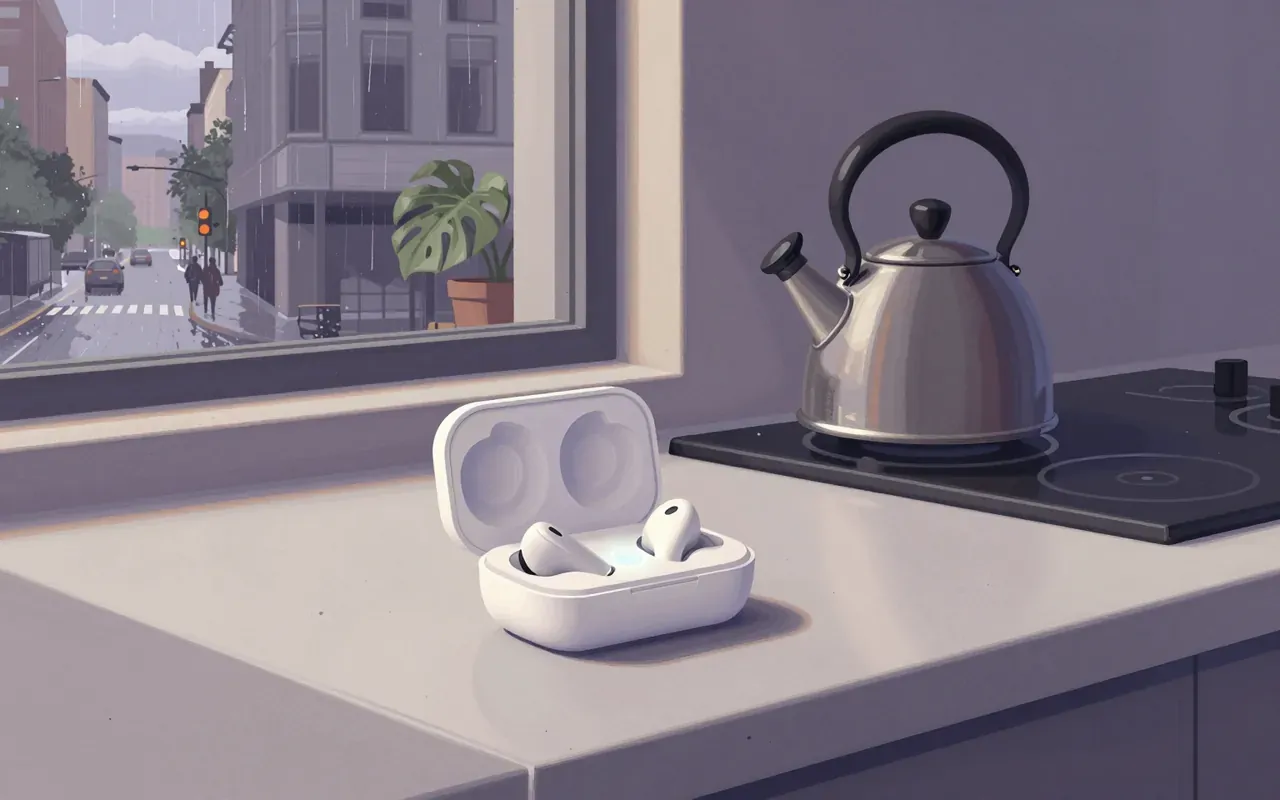
AirPods are Apple-designed wireless Bluetooth earbuds announced 7 September 2016 and launched 20 December 2016. They use optical sensors and accelerometers to detect ear placement and pause audio automatically. A proprietary W1 SoC chip enables efficient Bluetooth 4.2 audio and battery management. Full feature support requires iOS 10, macOS Sierra or watchOS 3 or later. On non-Apple devices, they function only as standard Bluetooth headphones. Within two years, they became Apple’s most popular accessory.



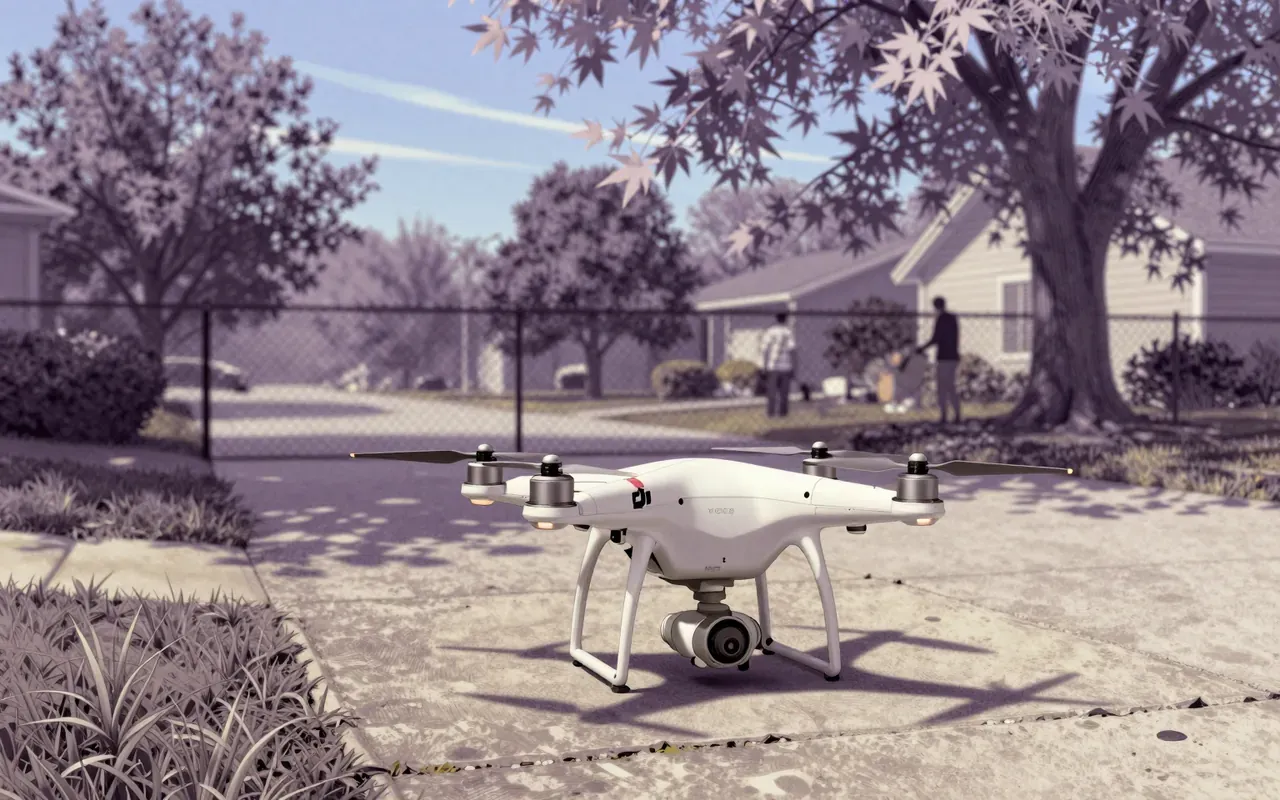
The DJI Phantom series launched in 2013 as an entry-level, GPS-stabilised quadcopter. It pioneered the consumer aerial photography drone form factor. It was DJI’s first fully assembled drone. It was priced at $629. It achieved 15 minutes of flight time. It supported optional GoPro mounting. It used a GPS-enabled NAZA-M autopilot. The Phantom 2 Vision introduced the first built-in camera in the series. The line was discontinued after the Phantom 4.
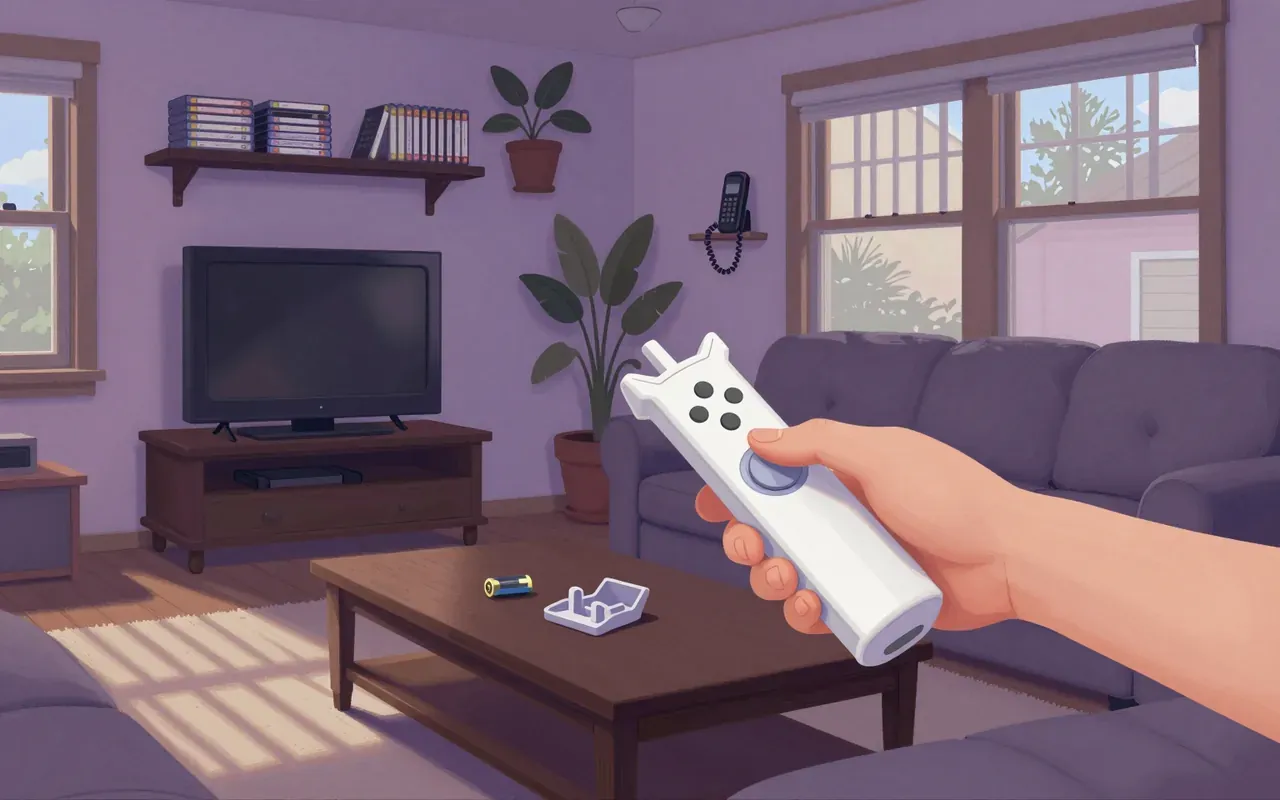
The Wii is Nintendo’s seventh-generation home video game console, launched in November 2006. It prioritises accessible motion-based interaction over computational power. Its innovation is the Wii Remote—using MEMS accelerometers and infrared sensors for gesture recognition and pointing—supported by the Sensor Bar. It introduced native Internet connectivity (802.11b/g Wi-Fi and Bluetooth), digital distribution via the Wii Shop Channel, and backward compatibility with GameCube software and accessories in early models. It achieved massive commercial success—over 101 million units sold by 2016—by appealing to non-traditional audiences through intuitive controls, low price, and family-friendly software like Wii Sports. Its hardware uses off-the-shelf components, prioritising cost efficiency and energy savings over high-definition graphics or processing power.
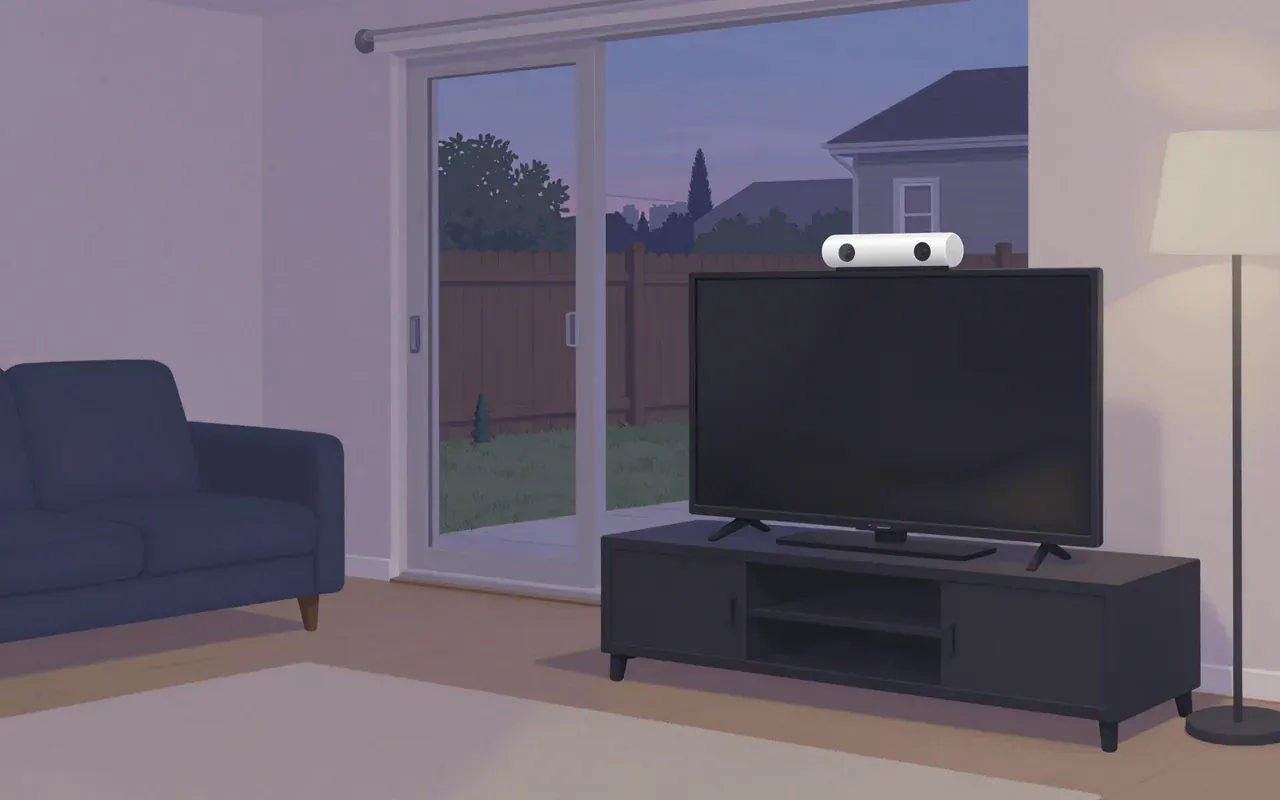
PlayStation VR is a tethered virtual reality headset developed by Sony Interactive Entertainment and released in October 2016. It requires a PlayStation 4, uses camera-based tracking via nine LEDs, and enforces a minimum 60 fps across all software. It sold at least 5 million units before being succeeded by PlayStation VR2 in 2023.


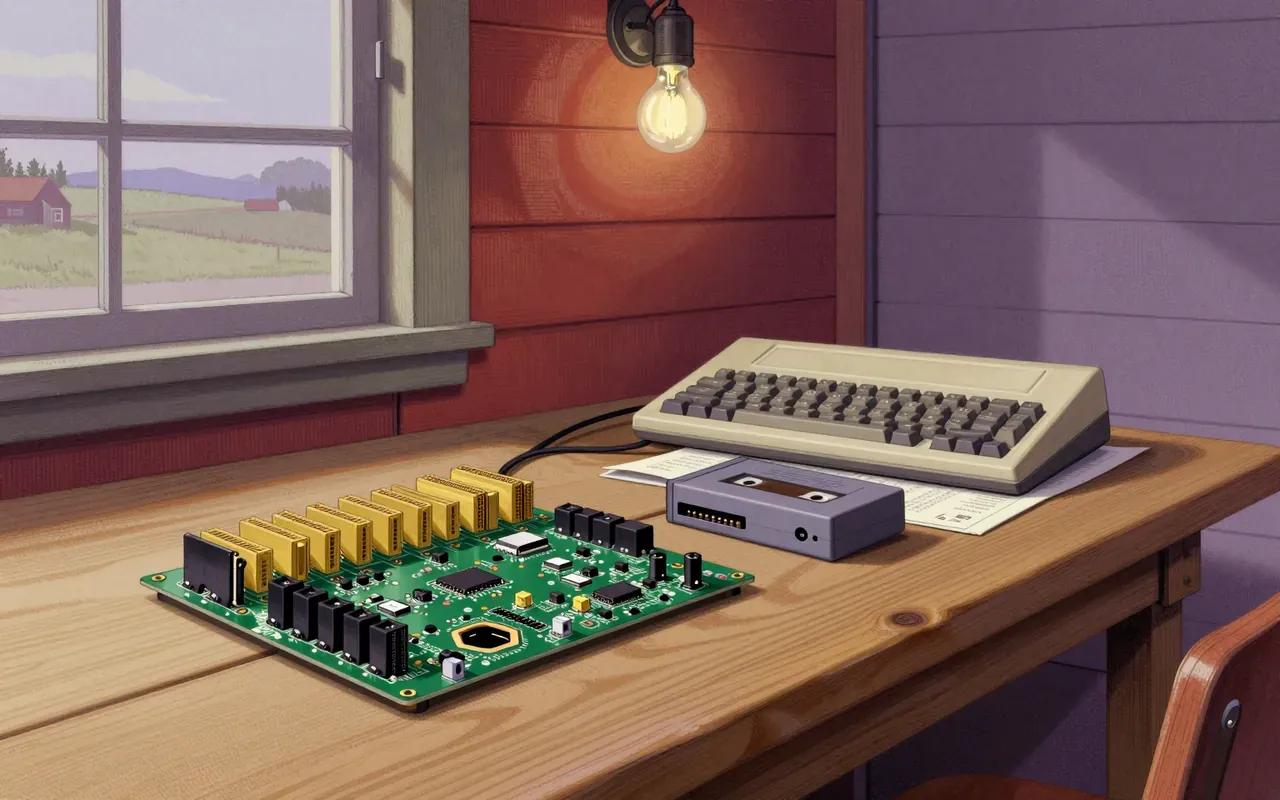

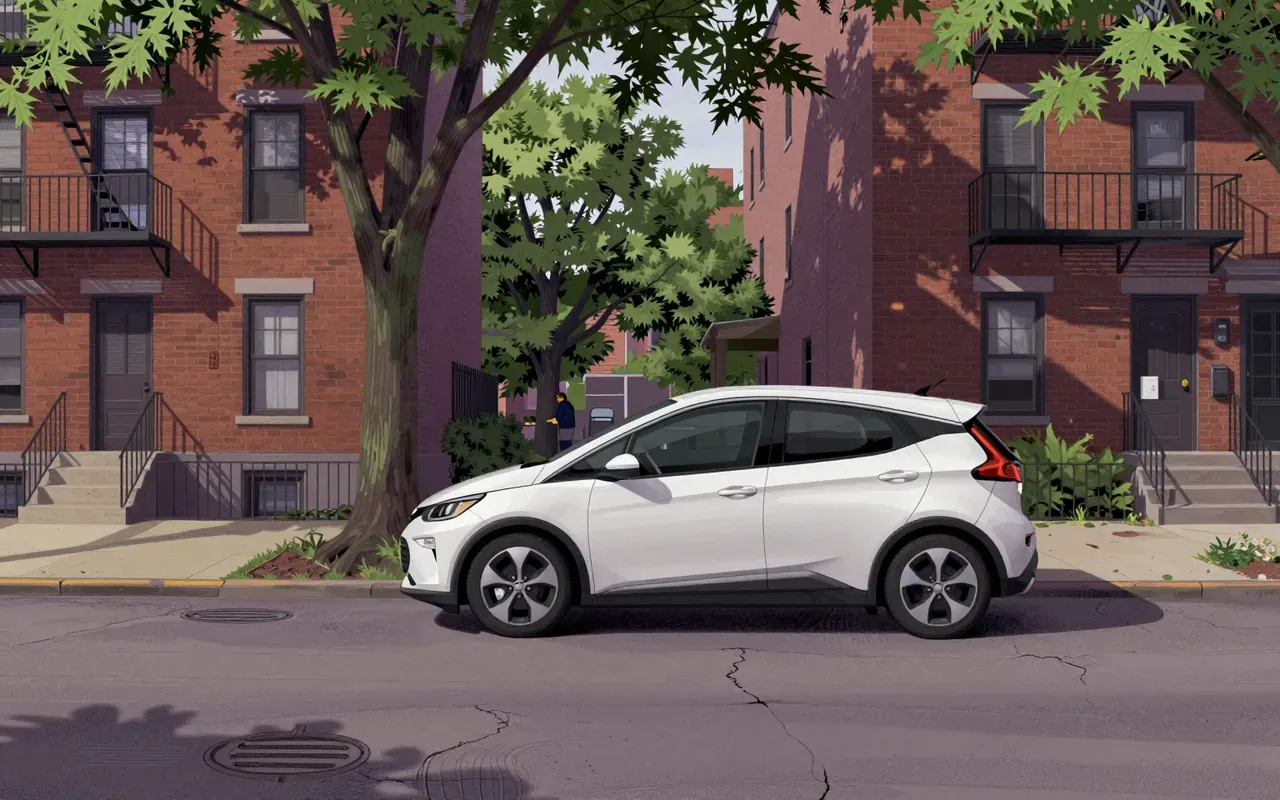
The Chevrolet Bolt EV redefined the mass-market electric vehicle by delivering over 200 miles of range at a $30,000 post-incentive price—verified in production by October 2016. Its development relied on LG for battery and drivetrain, GM for final assembly in Lake Orion, and Israeli engineers for the user interface. Prototype testing covered five key domains. But the sources say nothing about real-world durability, software evolution, charging speed, or cost of ownership.

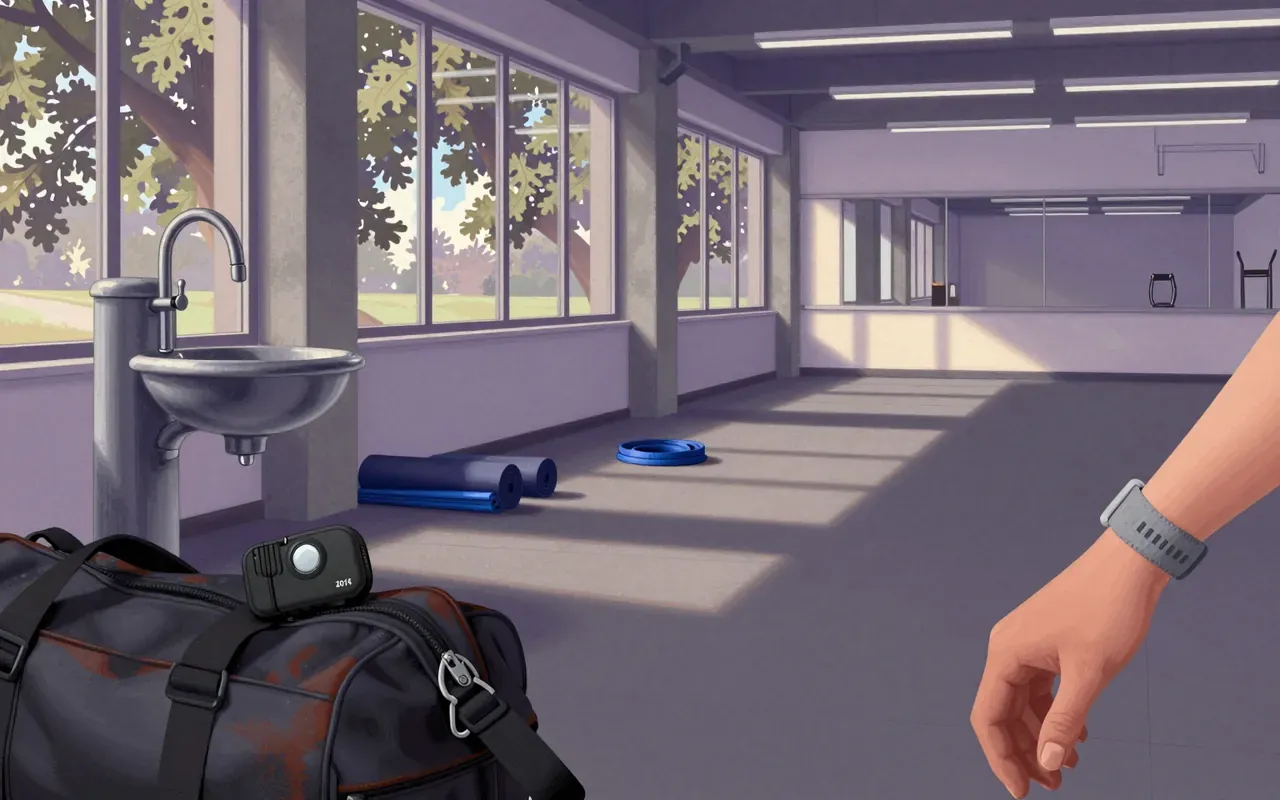
Fitbit is a hardware product that delivers verified, location-dependent accuracy for step counting and heart rate—but fails at wrist-based calorie estimation and caused documented allergic reactions. It changed consumer expectations for passive tracking, not clinical standards.
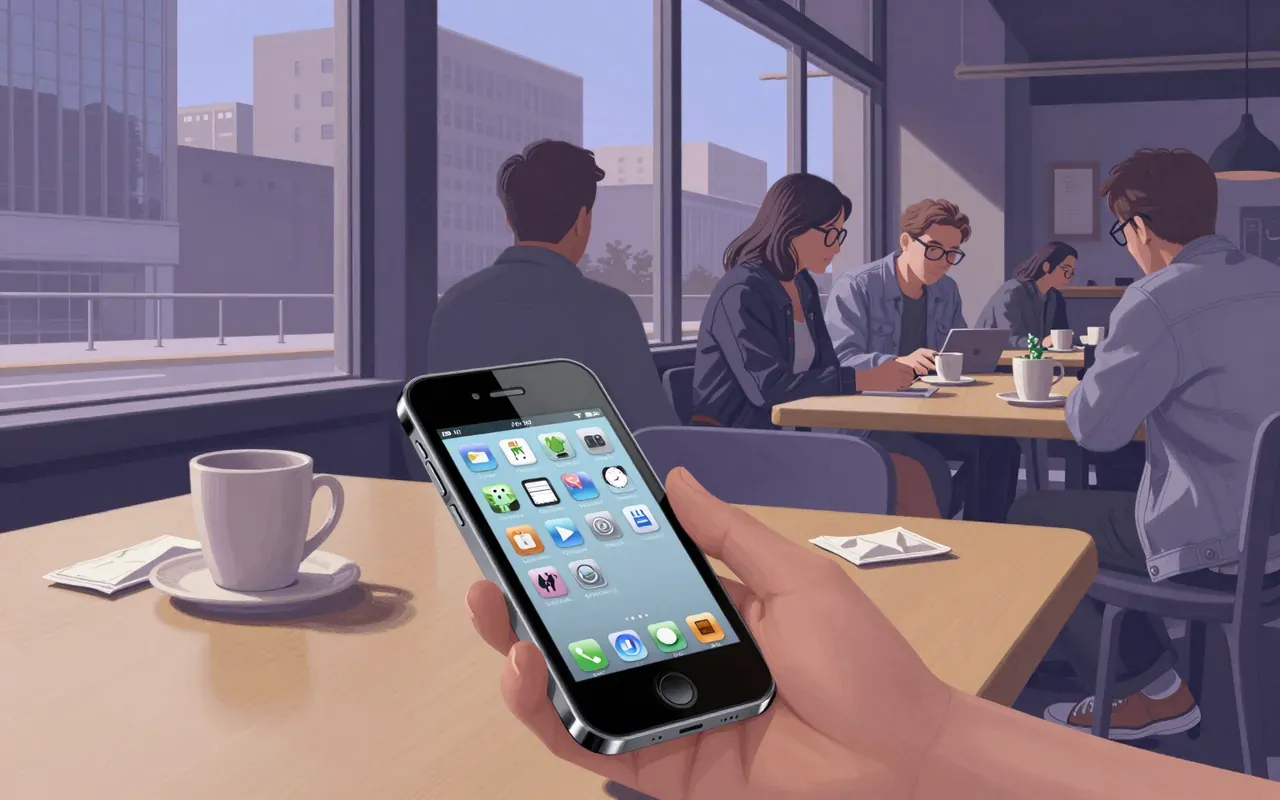


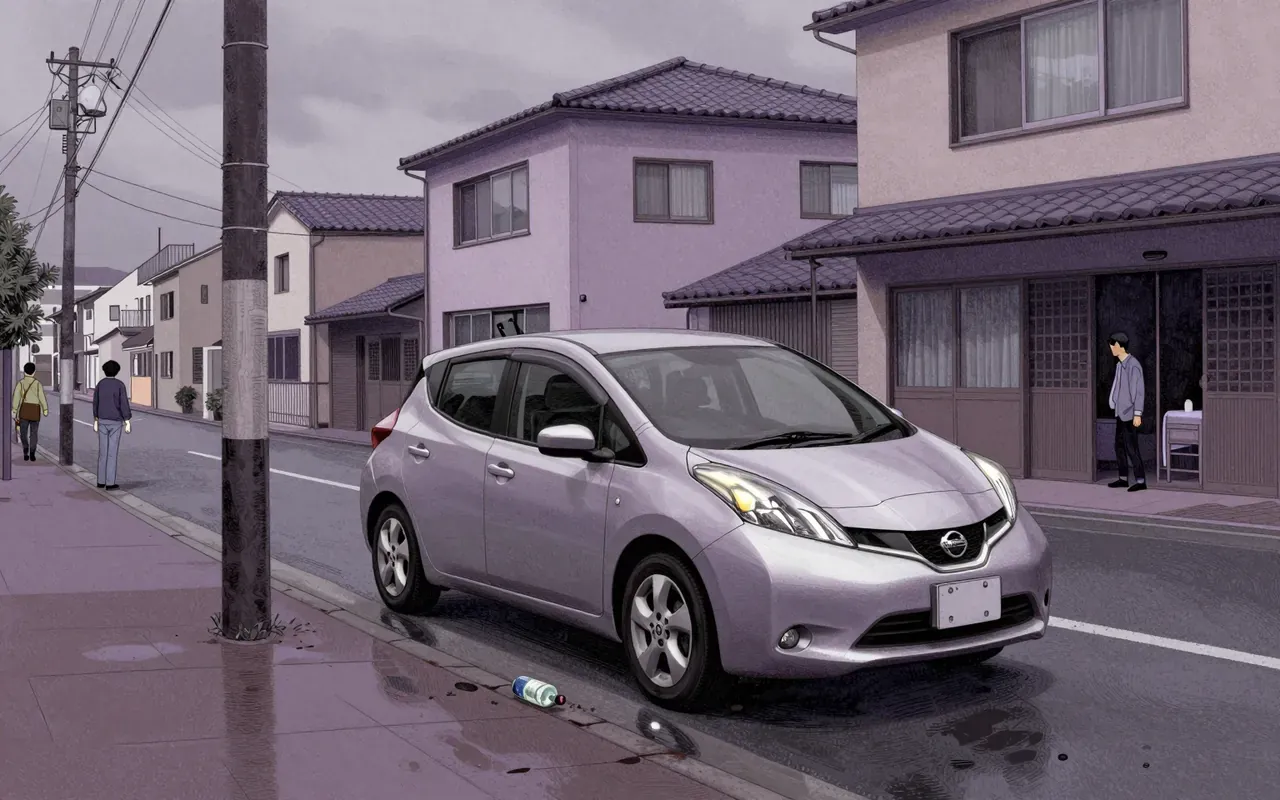
The Nissan Leaf is a battery electric car produced by Nissan since 2010. It was unveiled on 1 August 2009 as the world's first mass-market electric and zero-emission vehicle. Production began on 22 October 2010 at the Oppama facility in Yokosuka, Kanagawa. The first generation used a 192-cell laminated lithium-ion battery pack co-developed with NEC, positioned under the floor between the wheels for optimized handling and space. Its motor delivered 80 kW (110 hp) and enabled ~160 km (100 miles) of range on a full charge. It was offered exclusively as a 5-door hatchback until 2025, when it became a crossover SUV model. By December 2020, cumulative global deliveries reached 500,000 units.
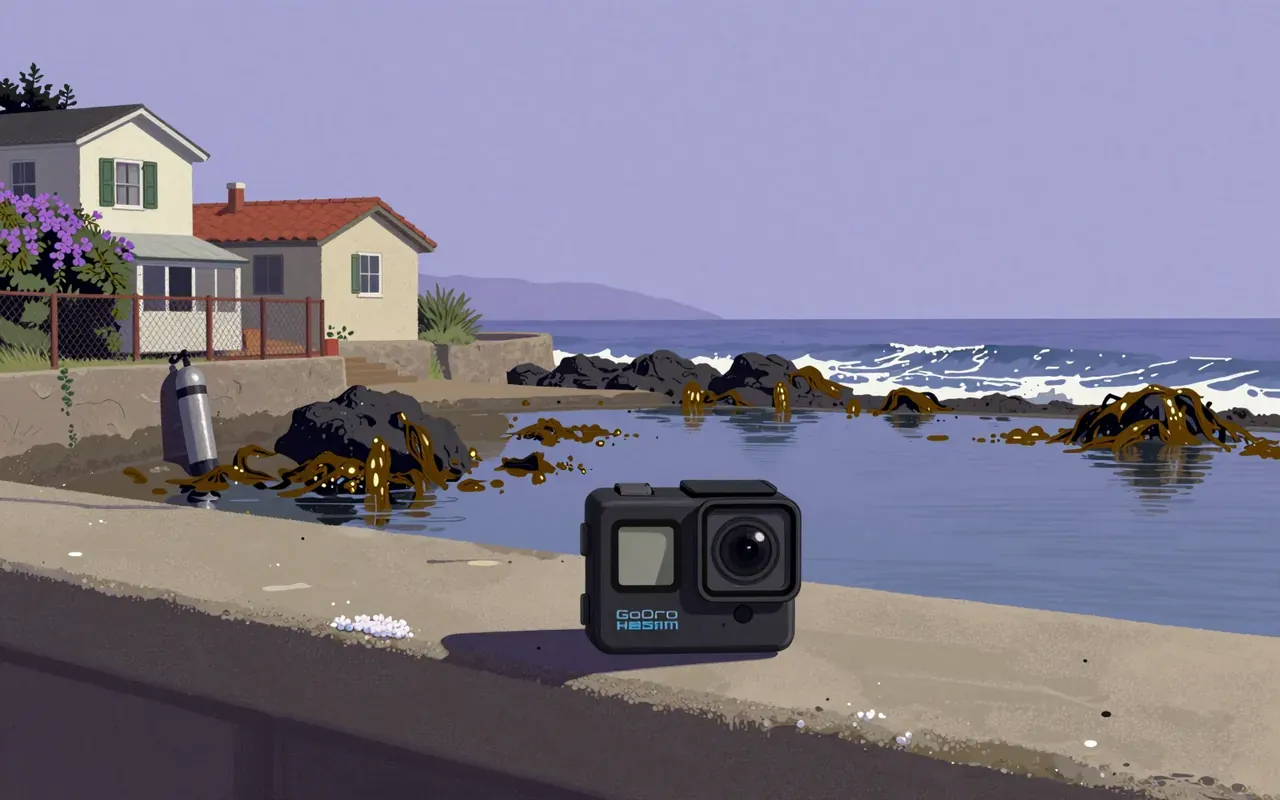
GoPro is a hardware product line defined by physical constraints and use-case discipline—not AI, cloud, or ecosystem. Its value lies in solving one narrow problem exceptionally well: rugged, wide-angle, first-person video capture. Its evolution from 35mm film to digital HD reflects adaptation—not disruption.

The iPad is a commercially dominant, long-lived tablet product line. It succeeded by committing to a specific form factor and interaction model—touch-first, app-centric, tightly integrated—then adapting its OS to sustain that model. Its scale (670M+ units) and market share (34.6%) confirm its category-defining role. It does not replace laptops or phones. It occupies the space between them—and has done so continuously since 2010.

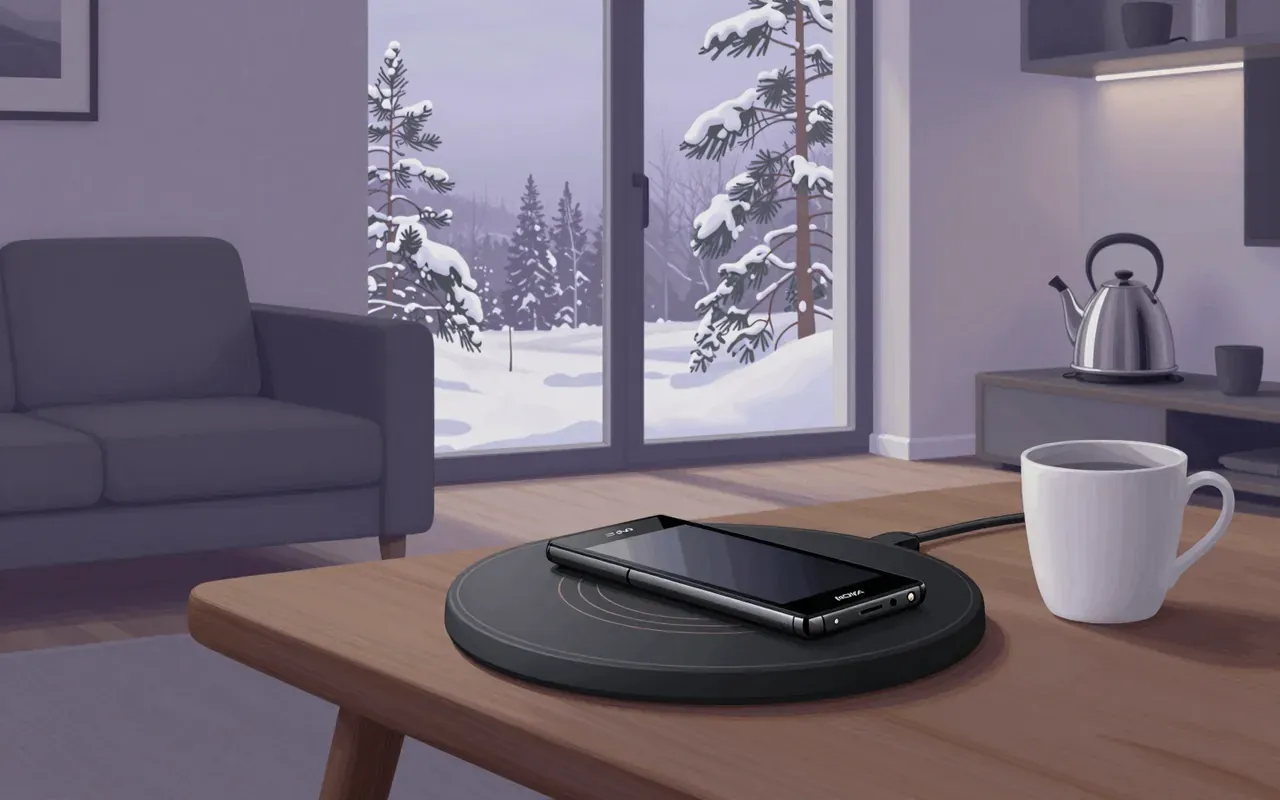
The Nokia Lumia 920 is a hardware statement—not a platform victory. It shipped in November 2012 with three industry-first features: optical image stabilization, Qi inductive charging, and a sub-9 ms display response time. Its 8.7-megapixel BSI sensor and f/2.0 Carl Zeiss Tessar lens delivered tangible low-light gains. But its sealed 2000 mAh battery limited serviceability. Its Windows Phone 8 OS remained constrained by app scarcity and developer neglect. The device generated press optimism and internal hope at Nokia—but did not reverse the platform’s trajectory. It matters today as a case study in where hardware differentiation can—and cannot—compensate for ecosystem weakness.

The OnePlus One delivered flagship hardware at lower cost by relying on Cyanogen OS and an invite-based launch. It worked as a provocation—not as a finished product. Its value was in exposing the fragility of Android's ecosystem, not in shipping a polished experience.
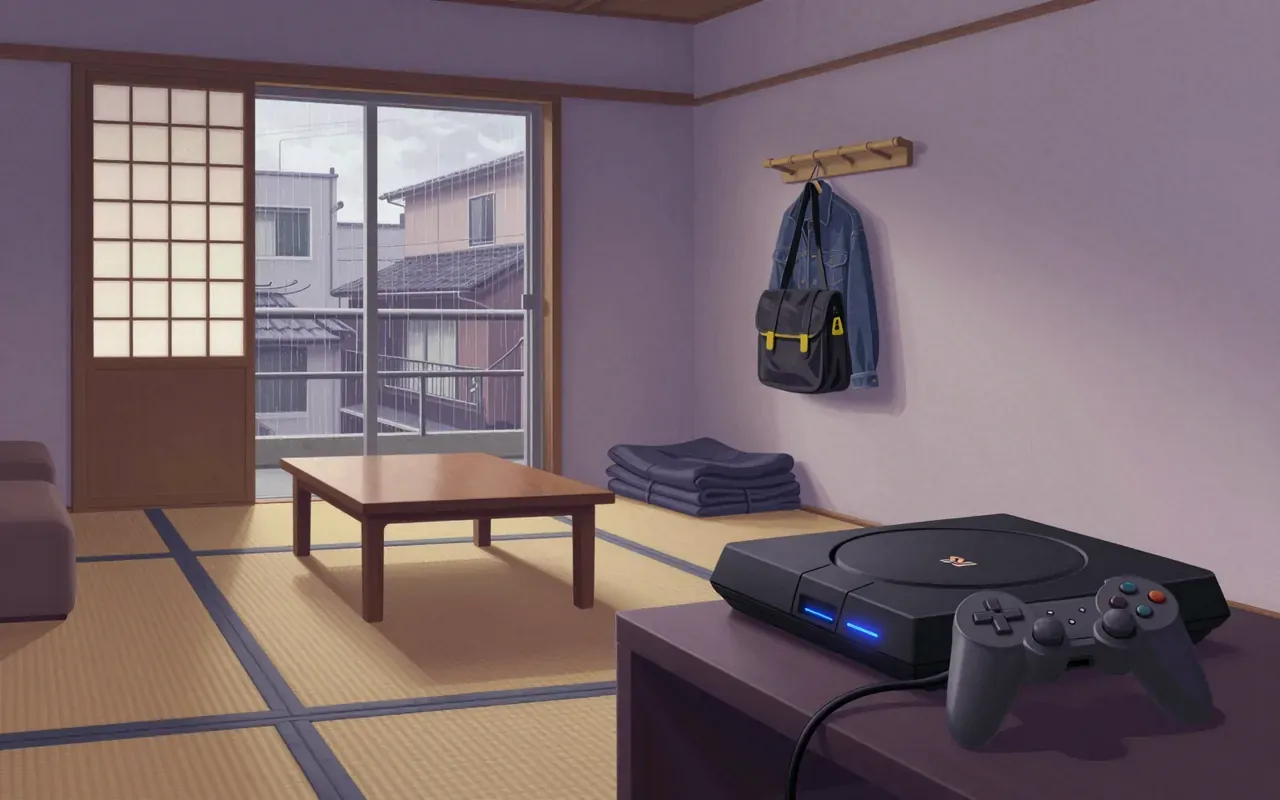
The PlayStation 2 is a home video game console developed by Sony Computer Entertainment, first released in Japan on March 4, 2000. It is the successor to the original PlayStation and a sixth-generation console that competed with Nintendo's GameCube, Sega's Dreamcast, and Microsoft's Xbox. It featured a built-in DVD drive and full backward compatibility with original PlayStation games and accessories. Its hardware included a custom-built Emotion Engine processor co-developed with Toshiba. It remains the best-selling video game console of all time, having sold 160 million units worldwide.
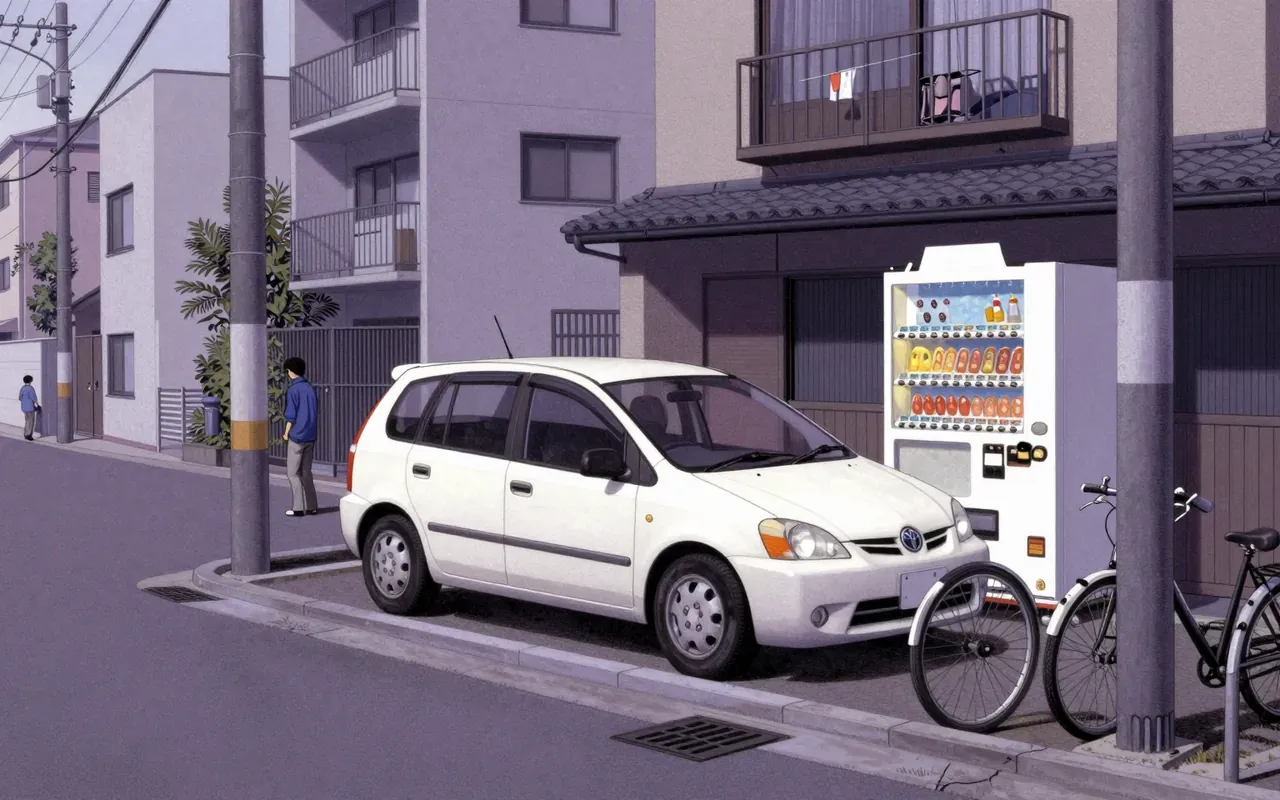
The Prius established hybrid electrification as a viable mass-production pathway—not through technical novelty alone, but by shipping, selling, iterating, and breaking even. Its real innovation was industrial execution under constraint.




The Echo is a hardware interface for Alexa—a cloud-dependent voice service. It works well for narrow, internet-reliant tasks. It fails as a private, autonomous, or universally accessible system. Its legacy is not intelligence at the edge, but the normalisation of persistent listening and remote AI dependency.


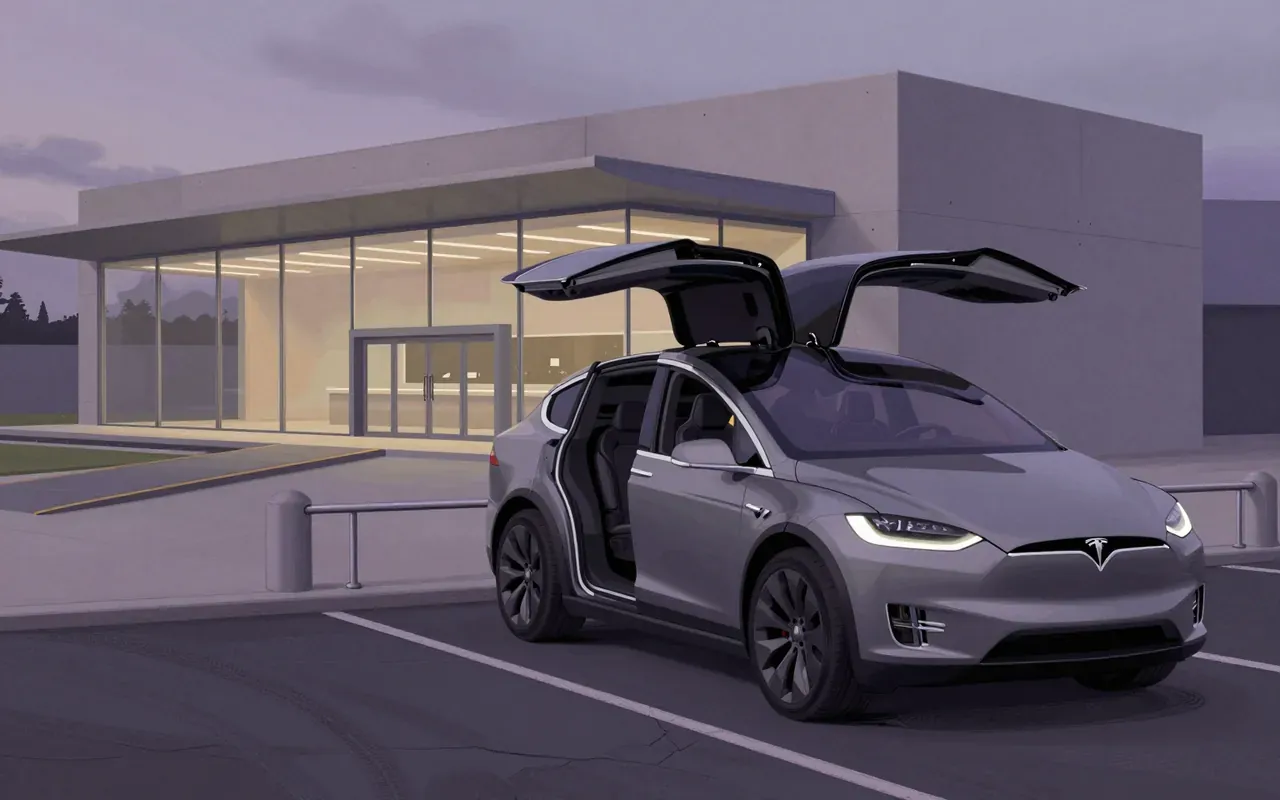
The Tesla Model X is a battery electric mid-size luxury crossover SUV developed from the Model S platform and distinguished by falcon wing doors. It shares ~30% of its parts with the Model S—half the originally planned 60%—and weighs ~10% more. Unveiled in Hawthorne on 9 February 2012, it entered production in Fremont and began deliveries in September 2015. In 2016, it ranked seventh among the world’s best-selling plug-in cars. A 2021 refresh added the Plaid model and updated interior, powertrain, and suspension.