Calling Jonas Norberg’s DJ hardware 'Wilson Greatbatch’s Pacemaker' is a category error that erases both inventors’ real work.
The editorial brief exposes a critical misattribution: 'The Pacemaker' DJ system (Jonas Norberg, 2008) is falsely presented as Wilson Greatbatch’s invention. Greatbatch co-created the implantable cardiac pacemaker and its lithium-iodide battery — a foundational medical engineering achievement. Norberg built a portable digital DJ tool. They share a name, not a lineage. The conflation undermines both histories.
Jonas Norberg invented 'The Pacemaker' DJ system — not Wilson Greatbatch.
3:03
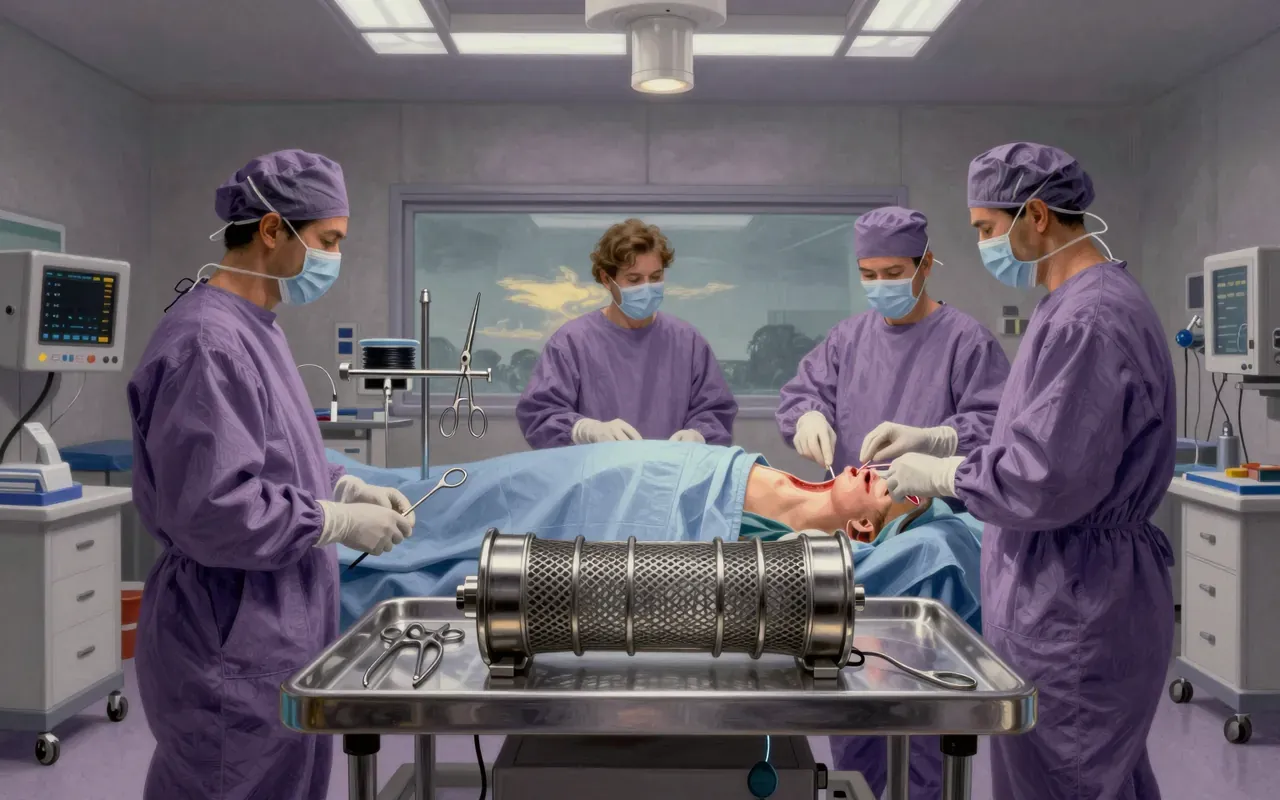
The Real Greatbatch Pacemaker
Greatbatch’s contribution was the lithium-iodide battery chemistry and circuit design for implantable cardiac pacemakers — first manufactured on July 9, 1974.
4:42
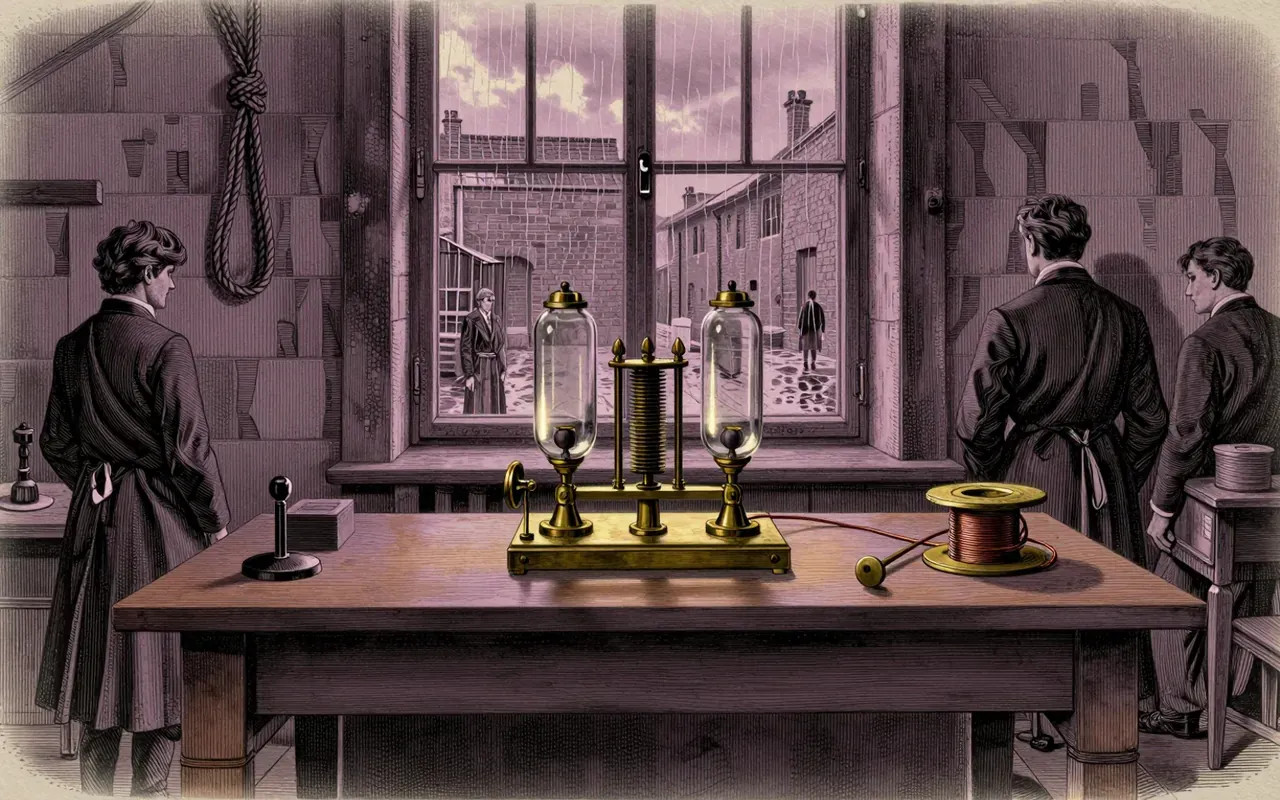
A DJ System, Not a Medical Device
Norberg’s Pacemaker supported MP3, AAC, FLAC, and shipped in March 2008 to 2000 pre-order customers — winning DJ Mag’s 'Most Innovative New DJ Product' award in October 2008.
5:59
Wireless, Then Obsolete
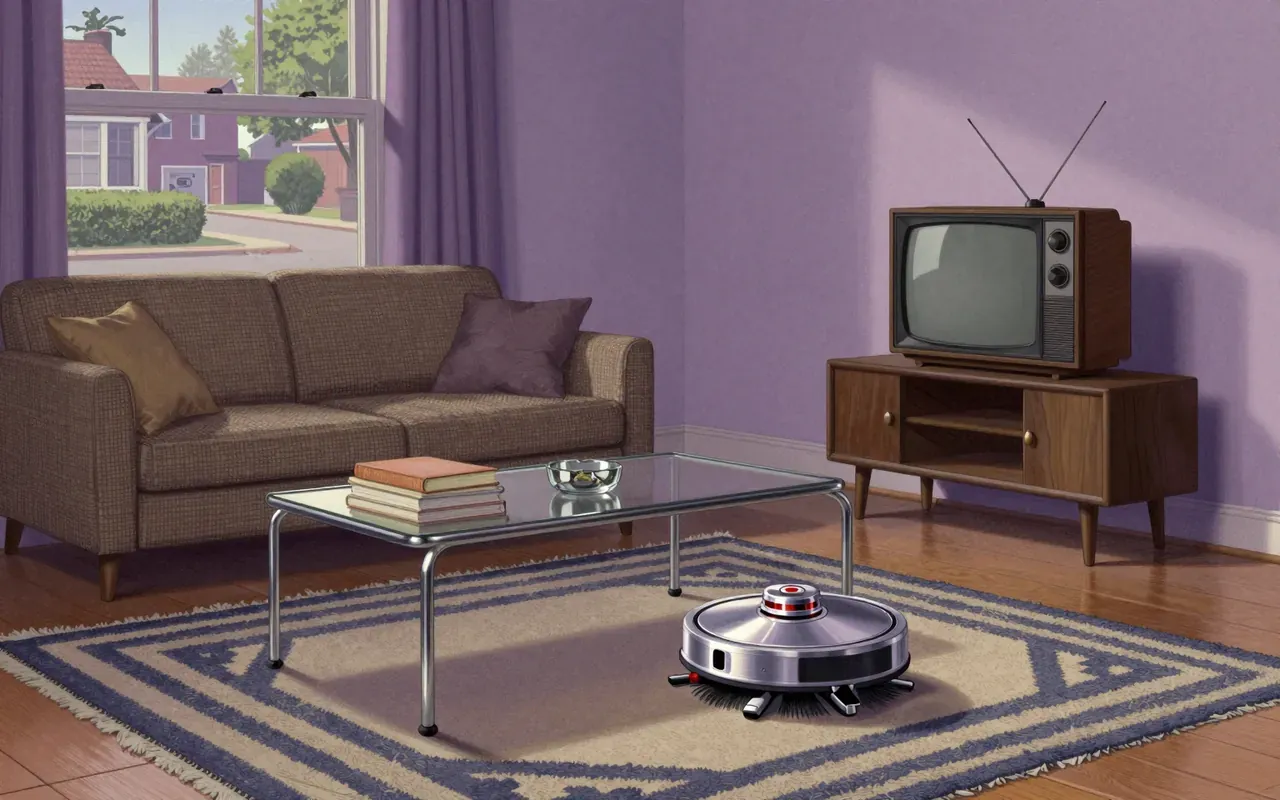
It powered pioneering wireless DJ sets in Ukraine and the UK — then disappeared in 2010 due to poor sales.
Worth your time?
No. The brief is enough.
1/ 5
What works
Lithium-iodide battery voltage decay enables end-of-life detection
Norberg’s Pacemaker supported FLAC, AAC, MP3 and enabled wireless club sets
What does not
Wilson Greatbatch invented 'The Pacemaker' DJ system
'The Pacemaker' is a single invention spanning medical and DJ domains
Greatbatch worked on audio formats or wireless performance
Study it if
engineers studying battery electrochemistry
historians of medical devices
DJ technologists researching early portable controllers
Skip it if
anyone seeking a unified narrative of 'The Pacemaker'
The written brief2 min read
What it is and the problem it solves
There is no single invention called ‘The Pacemaker’ by Wilson Greatbatch. Greatbatch co-developed the first fully implantable cardiac pacemaker (1960) and pioneered the lithium-iodide solid-state battery used in pacemakers from 1974 onward. Jonas Norberg invented a separate, unrelated product — a pocket-size DJ system also named ‘The Pacemaker’ — released in 2008.
How it works
The Chardack–Greatbatch pacemaker uses a mercury battery to power a two-transistor, transformer-coupled blocking oscillator circuit. The entire unit is encapsulated in epoxy resin and connected to myocardial electrodes. The lithium-iodide pacemaker replaces the mercury battery with a solid-state cell: a lithium anode and a cathode of iodine and poly-2-vinylpyridine, heated to ~150 °C for 72 hours to form a conductive liquid that solidifies in the cell. Contact between the molten cathode and lithium anode forms a monomolecular layer of semiconducting lithium iodide. Discharge grows this resistive barrier, causing terminal voltage to decline inversely with its volume.
What works
The lithium-iodide battery works: its predictable voltage decay enables reliable end-of-life detection in implanted pacemakers. The Chardack–Greatbatch circuit architecture worked: it delivered consistent electrical pulses to heart tissue. The Norberg Pacemaker worked: it played MP3, AAC, FLAC, and other formats; enabled wireless DJ sets in Ukraine and the UK; and won a DJ Mag Tech Award in 2008.
What does not
Wilson Greatbatch did not invent ‘The Pacemaker’ DJ system. That device was invented by Jonas Norberg. Greatbatch co-invented the implantable cardiac pacemaker with William Chardack and developed the lithium-iodide battery chemistry — but he did not build or release a product named ‘The Pacemaker’. There is no evidence linking Greatbatch to any DJ hardware, audio formats, wireless performance, or DJ Mag awards.
What it changes
Nothing — because the premise is false. The claim that ‘The Pacemaker’ is Wilson Greatbatch’s invention misattributes a consumer electronics product to a biomedical engineer. It collapses two distinct inventions, erases Norberg’s authorship, and misrepresents Greatbatch’s contribution — which was electrochemical battery architecture for implantable medical devices, not portable DJ gear.
Is it worth your time
No. Wilson Greatbatch’s lithium-iodide battery design enabled reliable long-life pacing and end-of-life detection — but it was commercialised by Cardiac Pacemakers Inc., not Greatbatch himself. The invention described in the prompt as ‘The Pacemaker’ by Wilson Greatbatch does not exist: the verified source attributes ‘The Pacemaker’ DJ system to Jonas Norberg. Conflating the two is a factual error. Your time is better spent on documented medical device history or verified DJ technology.