What it is and the problem it solves
A mechanical scaffold for arteries. It solves acute vessel recoil and subacute closure after balloon angioplasty—a problem that caused up to 30–40% of procedures to fail before stents were used.
How it works
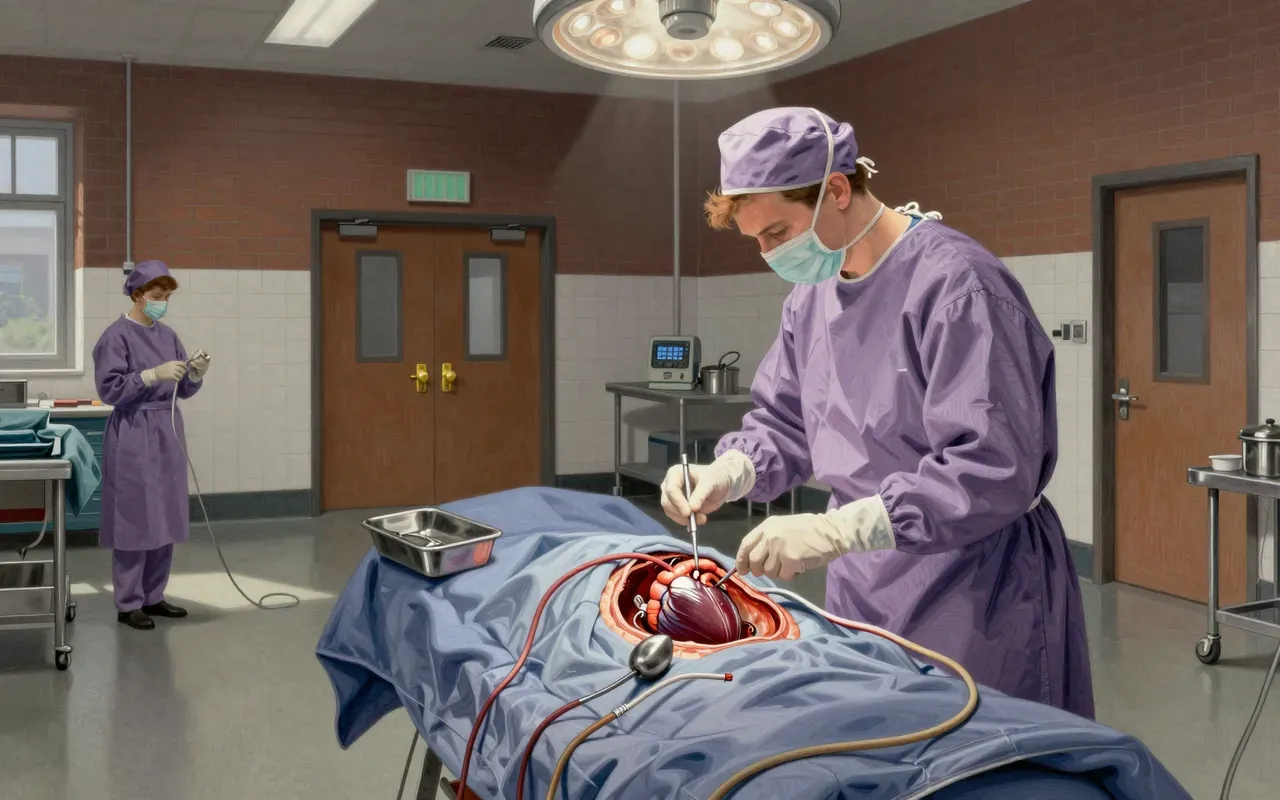
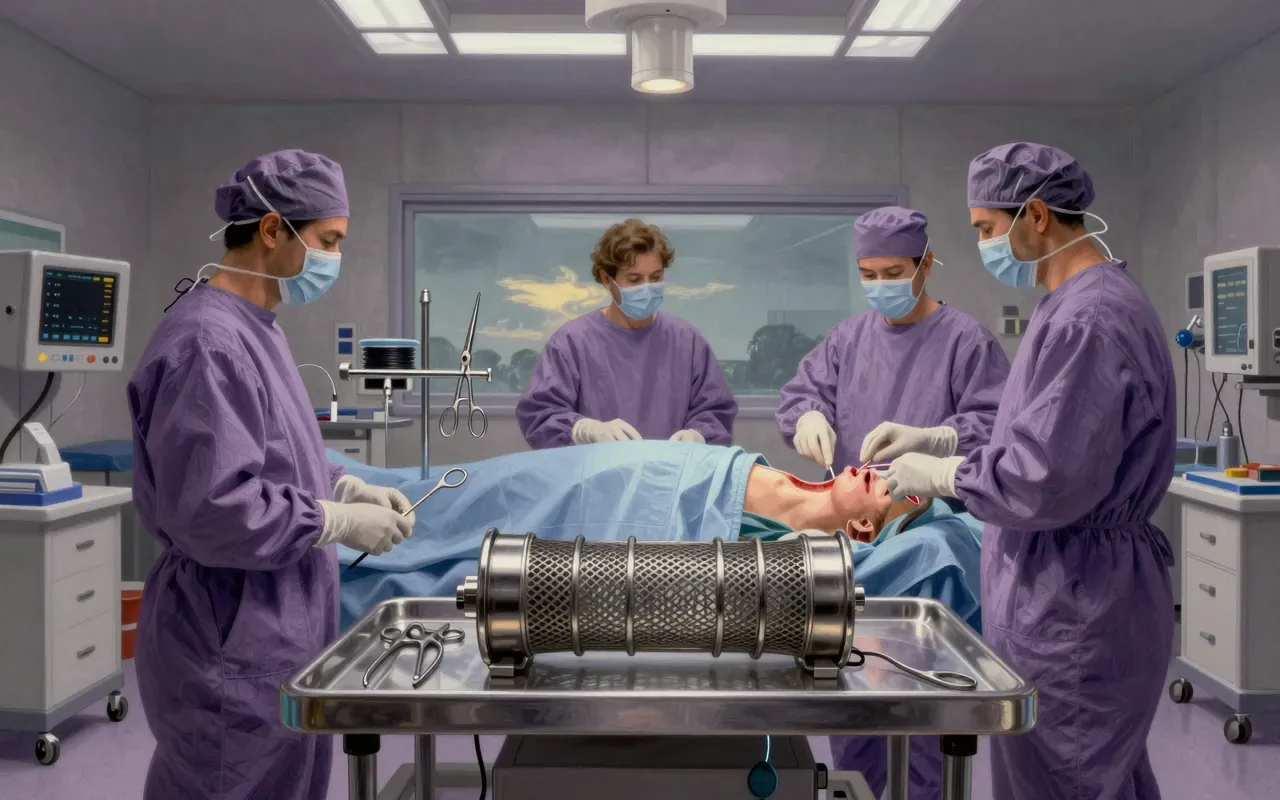
A stent is a mesh tube inserted into a narrowed or weakened artery. It is expanded—either by balloon inflation or self-expansion—to hold the vessel open. The first clinical use in 1986 relied on a self-expanding ‘Wallstent’. Later, balloon-expandable designs by Palmaz et al. became standard.
What works
The scaffold function works reliably: stents prevent immediate vessel collapse. Balloon-expandable designs (Palmaz et al.) deliver consistent radial strength. FDA approval in 1993 (Gianturco–Roubin) confirmed clinical safety and efficacy for sustained patency.
What does not
It does not eliminate restenosis outright. Even drug-eluting stents introduced in 2003 only further reduce it—they do not abolish scar tissue growth within the stent. Bioresorbable stents dissolve but lack evidence of superiority over metal stents for long-term outcomes.
What it changes
It changed coronary angioplasty from a temporary dilation procedure into a scaffold-based intervention. That shifted procedural success rates upward—but also introduced new failure modes: in-stent restenosis, late stent thrombosis, and lifelong anticoagulation requirements.
Is it worth your time
Yes—if you work in interventional cardiology, vascular surgery, or medical device regulation. Its mechanism is mature, its evolution well-documented, and its clinical trade-offs (restenosis, thrombosis, long-term implantation) remain active decision points in practice.