technologybriefs
10:04in productionCh. 1 · Holes, not bits/ 10:04 · ceiling 15 min
Tech history · Hardware

Punched card

A hole in paper was the first universal interface between human intention and machine action — and its limits defined the shape of computing for eighty years.

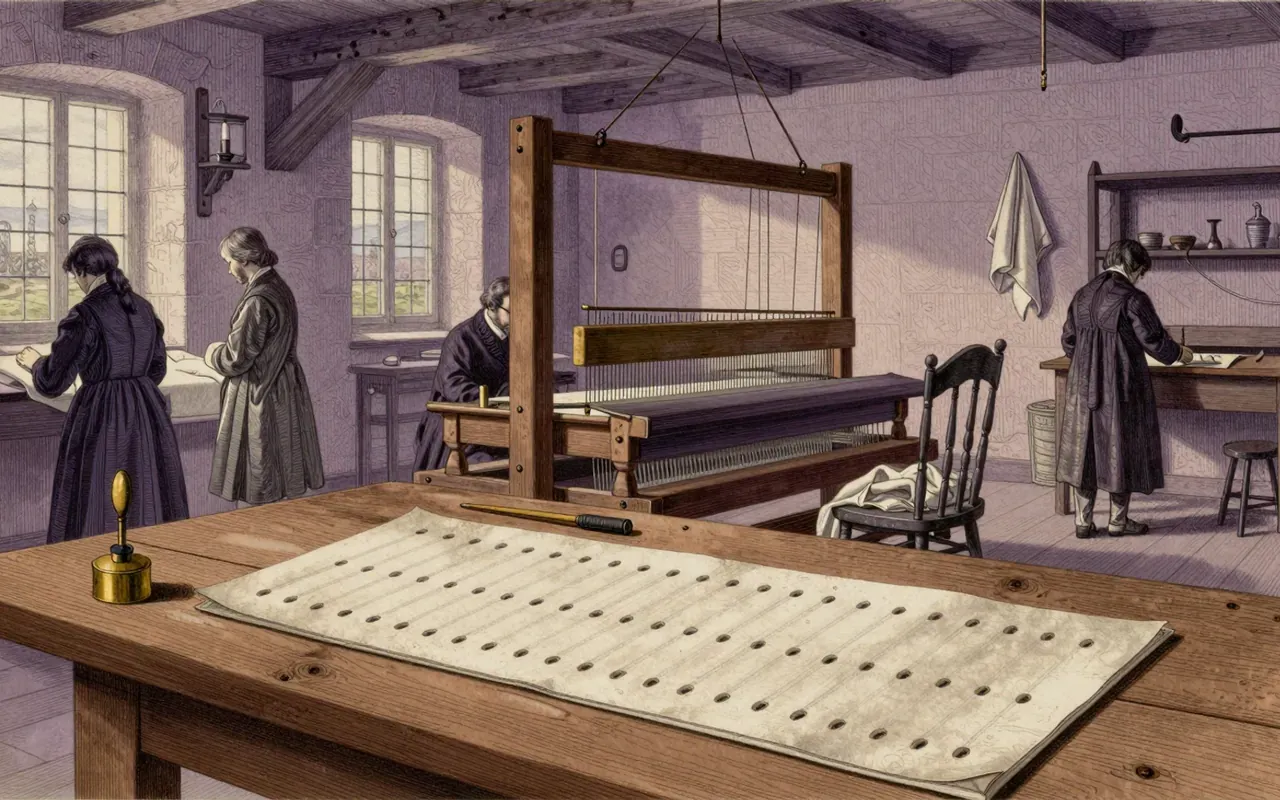
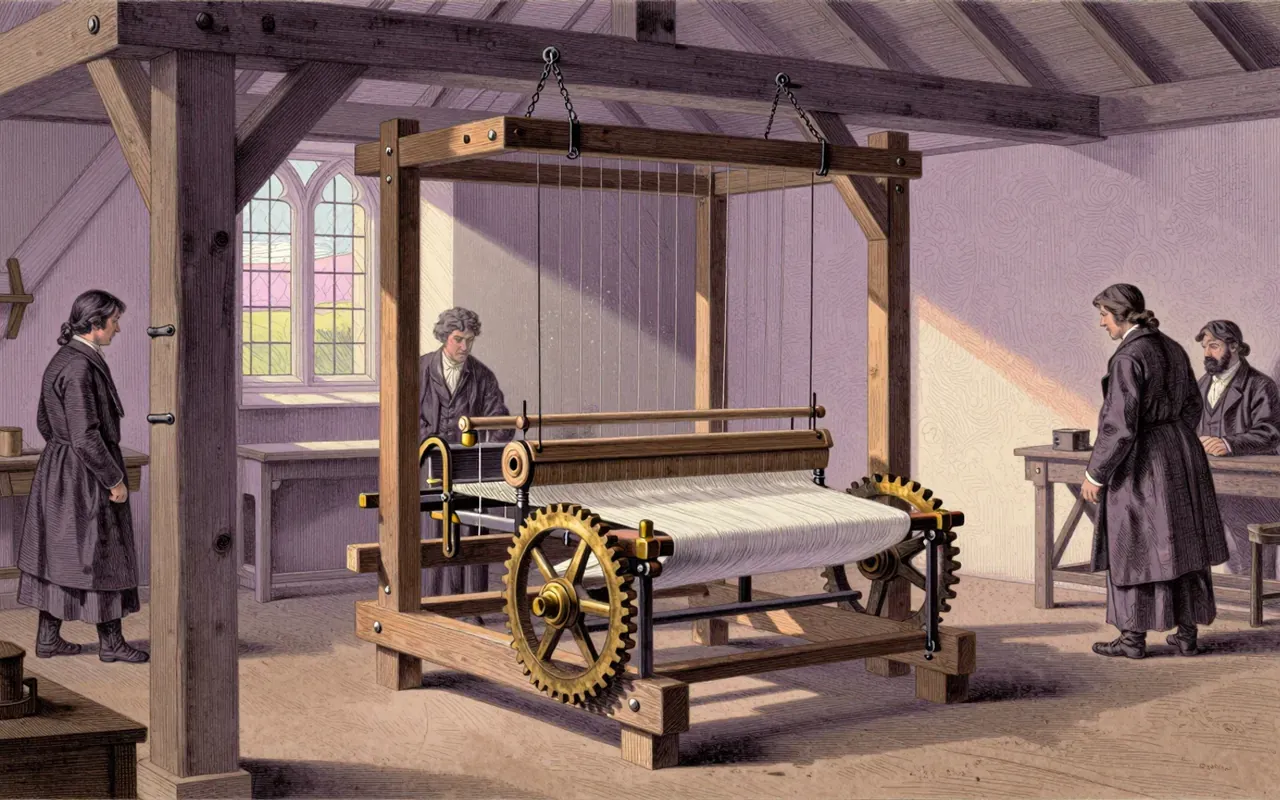
The punched card established the first durable, machine-readable data format. It worked by encoding binary states — hole or no hole — in fixed positions on stiff paper. It succeeded in automating census tabulation, textile weaving, and early computer input. It failed to support computation, random access, or high-density storage. Its dominance shaped data processing infrastructure for decades — then collapsed when magnetic tape offered faster, denser, rewritable storage. Its final institutional use — in voting machines — lasted until 2012.

Chapters & takeaways4
  1. 0:58
    Holes, not bits

    Digital information began as holes — not electrons — in stiff paper.

  2. 2:30
    From looms to ledgers

    It turned census clerks and weavers into data processors long before 'data' was a verb.

  3. 4:08
    The 80-column straitjacket

    The IBM 12-row/80-column card became the de facto standard for input, output, and storage — until computers outgrew it.

  4. 6:02
    Obsolescence with inertia

    Magnetic tape replaced it for speed and density — but punched cards lingered in voting booths until 2012.

Worth your time?

Yes. Study the whole thing.

3.5/ 5
What works
  • encoding discrete data for machine interpretation
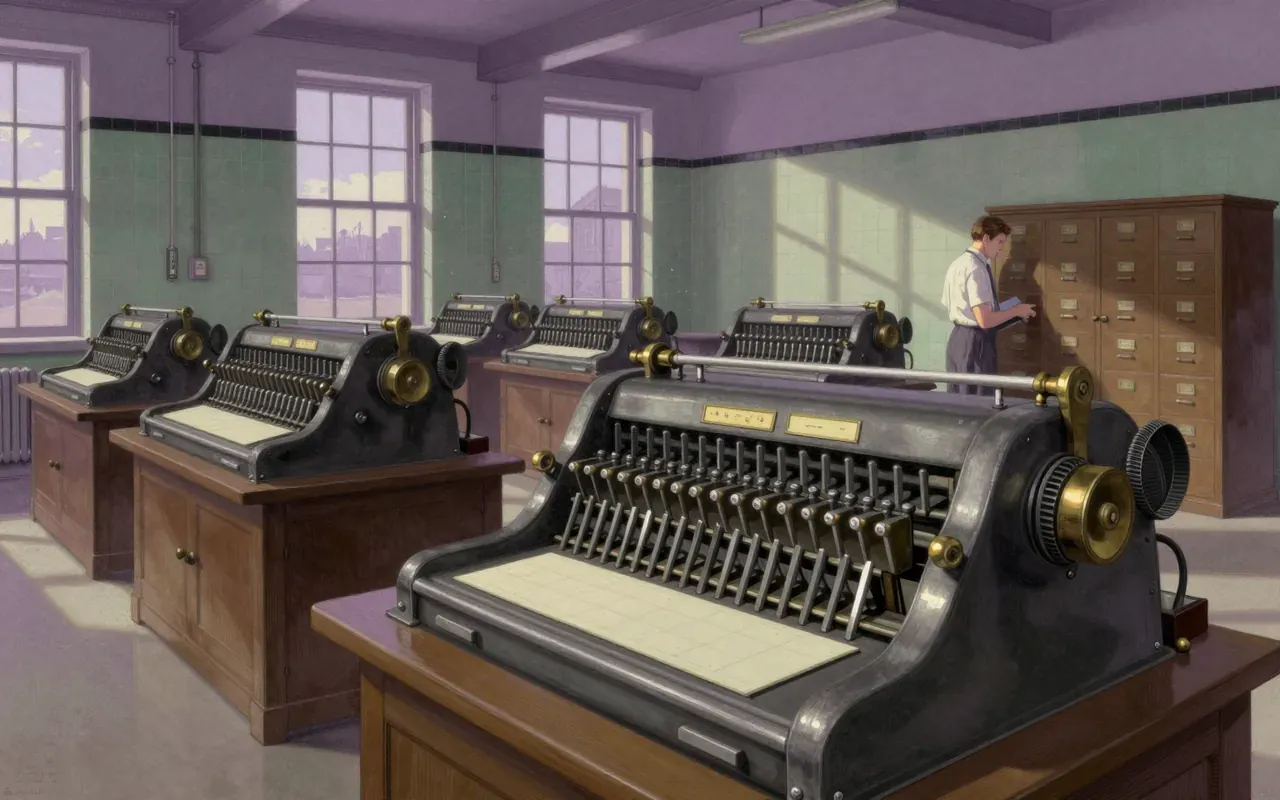
  • input/output/storage in unit record machines
  • control of automated looms
  • census data recording
What does not
  • support computation
  • enable random access
  • scale beyond electromechanical handling
Study it if
  • historians of computing
  • engineers studying interface constraints
Skip it if
  • practising developers
  • modern systems architects
The written brief1 min read

What it is and the problem it solves

It is a stiff paper medium that solved the problem of encoding discrete data for machine interpretation before electronic memory existed.

How it works

It stored digital information using the presence or absence of holes in predefined positions on stiff paper.

What works

It reliably encoded data for input, output, and storage in unit record machines; controlled weaving looms; recorded census data; and served as primary program and data input for early digital computers.

What does not

It does not scale beyond manual handling or electromechanical sorting; it cannot store intermediate computation states or support random access.

What it changes

It enabled mechanised data processing at scale for the first time — turning census tabulation and loom control from artisanal tasks into repeatable, industrial operations.

Is it worth your time

No — it is obsolete as a storage medium, with residual use only in voting machines as late as 2012.
Same field · Tech history4 of 139
Up next in Technology

QR code

Masahiro Hara · 1994 · 10:38

It was never about smartphones — it was about stopping factory workers from mis-scanning ten barcodes per box.

10:38