technologybriefs
9:48in productionCh. 1 · Not fully reusable/ 9:48 · ceiling 15 min
Systems · Tech history

Space Shuttle

It proved partial reusability was possible — and why it wasn’t enough.

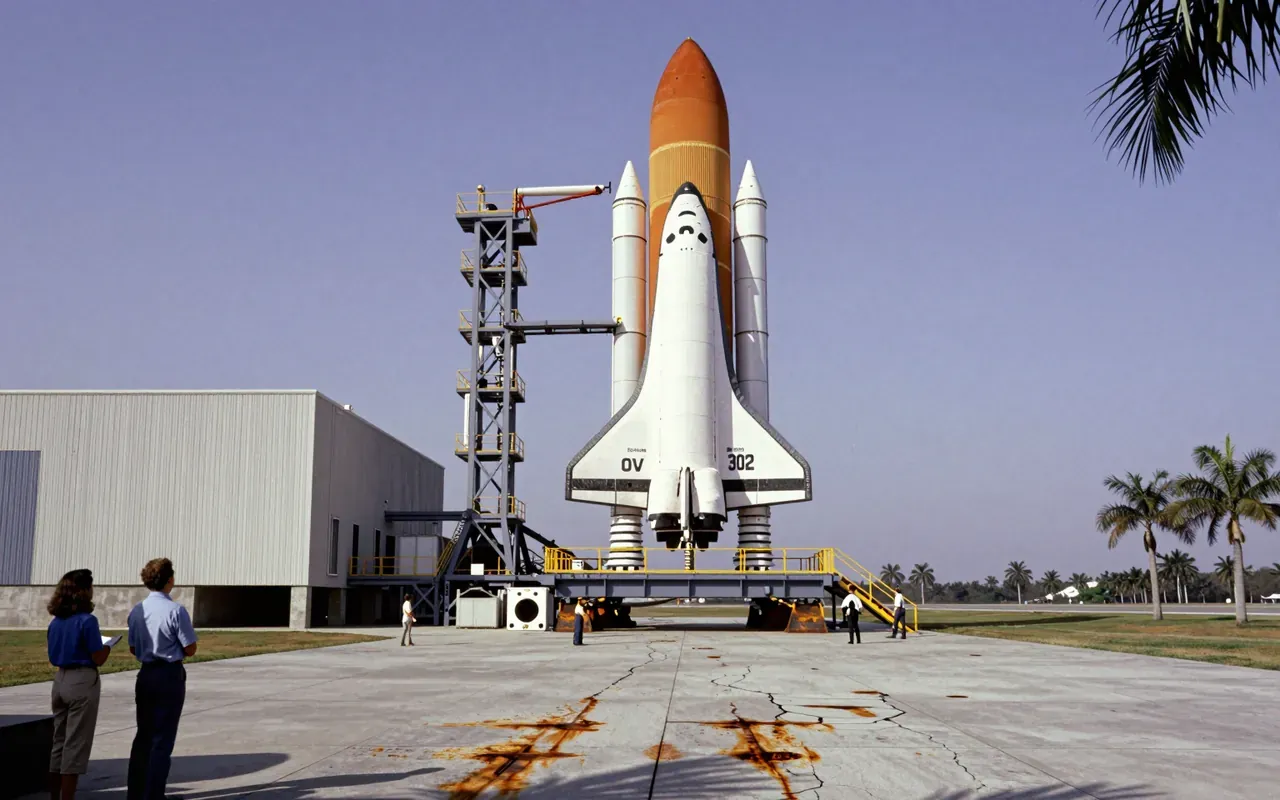
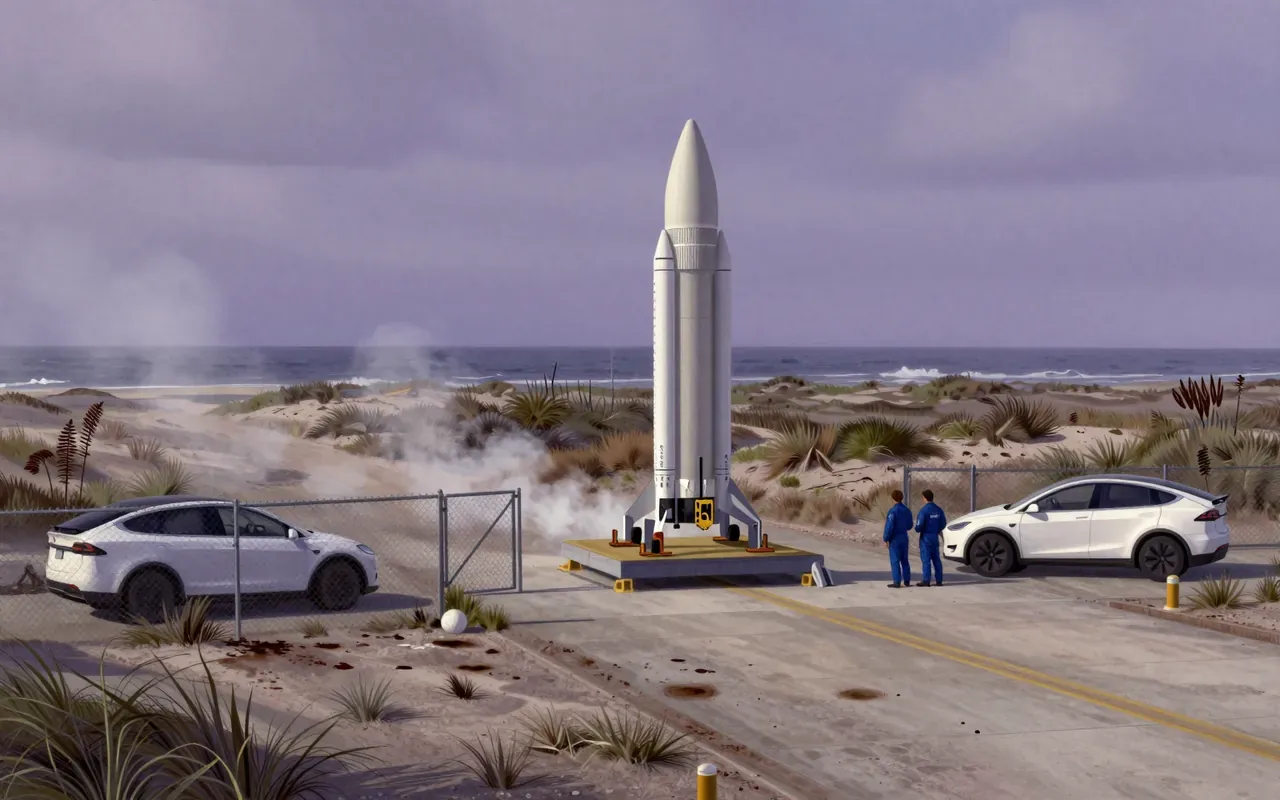
The Space Shuttle was a partially reusable low Earth orbital spacecraft system operated from 1981 to 2011. It launched vertically using two solid rocket boosters and three RS-25 main engines fuelled from an external tank. SRBs were jettisoned before orbit; the external tank was discarded after main engine cutoff, just before orbit insertion via OMS engines. It reentered using thermal protection system tiles and landed as a gliding spaceplane on runways. Five orbiters completed 135 missions following four orbital test flights starting in 1981. It was the first operational orbital spacecraft designed for reuse.

Chapters & takeaways4
  1. 1:04
    Not fully reusable

    It was the first operational orbital spacecraft designed for reuse — but only partially.

  2. 2:56
    Three-phase architecture

    It launched like a rocket, orbited like a satellite, and landed like a plane — with distinct, non-integrated stages.

  3. 4:25
    Operational lifespan

    Four test flights led to 135 missions over 30 years — far fewer than promised, and ending in retirement, not evolution.

  4. 5:57
    Hidden expendables

    Every flight consumed one external tank, required SRB recovery and refurbishment, and grounded the orbiter for months.

Worth your time?

No. The brief is enough.

2.5/ 5
What works
  • orbital cargo and crew return
  • in-orbit satellite servicing
  • ISS assembly support
  • technical proof of partial reusability
What does not
  • fully reusable
  • low-cost access
  • rapid turnaround
  • high flight rate
Study it if
  • aerospace historians
  • legacy systems engineers
  • space policy analysts
Skip it if
  • current launch vehicle designers
  • commercial space operators
  • mission planners seeking cost efficiency
The written brief1 min read

What it is and the problem it solves

A partially reusable low Earth orbital spacecraft system operated from 1981 to 2011. It solved the problem of returning crew and cargo from orbit without capsules or expendable vehicles — but only for low Earth orbit, and only at high operational cost.

How it works

It launched vertically using two solid rocket boosters and three RS-25 main engines fed from an external tank. The SRBs were jettisoned before orbit. The external tank was discarded after main engine cutoff, just before orbit insertion — which used the orbiter’s two OMS engines. To return, the orbiter fired its OMS to deorbit, reentered using thermal protection system tiles, and glided to a runway landing at Kennedy Space Center or Edwards Air Force Base.

What works

Five orbiters completed 135 missions between 1981 and 2011. It was the first operational orbital spacecraft designed for reuse. Four orbital test flights began in 1981; operational flights started in 1982.

What does not

It was not fully reusable. The external tank was discarded on every flight. The SRBs required extensive refurbishment and were not reused as-intact hardware. The orbiter needed months of post-flight servicing. It never achieved rapid turnaround, low cost, or high flight rate.

What it changes

It established that partial reusability was technically possible for orbital access — but also entrenched the idea that complexity, not simplicity, was necessary for human spaceflight. It shifted NASA’s mission focus from exploration to infrastructure support (e.g., ISS assembly, Hubble servicing), with lasting effects on programme structure and budgeting.

Is it worth your time

No — unless you work in aerospace history, legacy systems maintenance, or policy analysis of reusable launch architectures. Its operational model was abandoned; its design constraints shaped decades of risk and cost without delivering promised reusability.
Same field · Systems4 of 61
Up next in Technology

Optical spectrometer

Robert Bunsen and Gustav Kirchhoff · 1815 · 9:40

Spectroscopy turned light into elemental handwriting — and made the Sun legible for the first time.

9:40