The AED is not one invention but three: Beck’s 1947 surgical intervention, Pantridge’s 1957 portable ambulance unit, and the Heart-Aid’s late-1970s public automation. Only the last meets the definition of 'automated external'. Its mechanism—real-time ECG analysis, voice-guided operation, and rhythm-dependent shock delivery—removes interpretation from the user. But it only works if pads are correctly placed and the patient is untouched during analysis. It does not diagnose other rhythms. It does not treat asystole or PEA. Its value lies in speed, not intelligence.
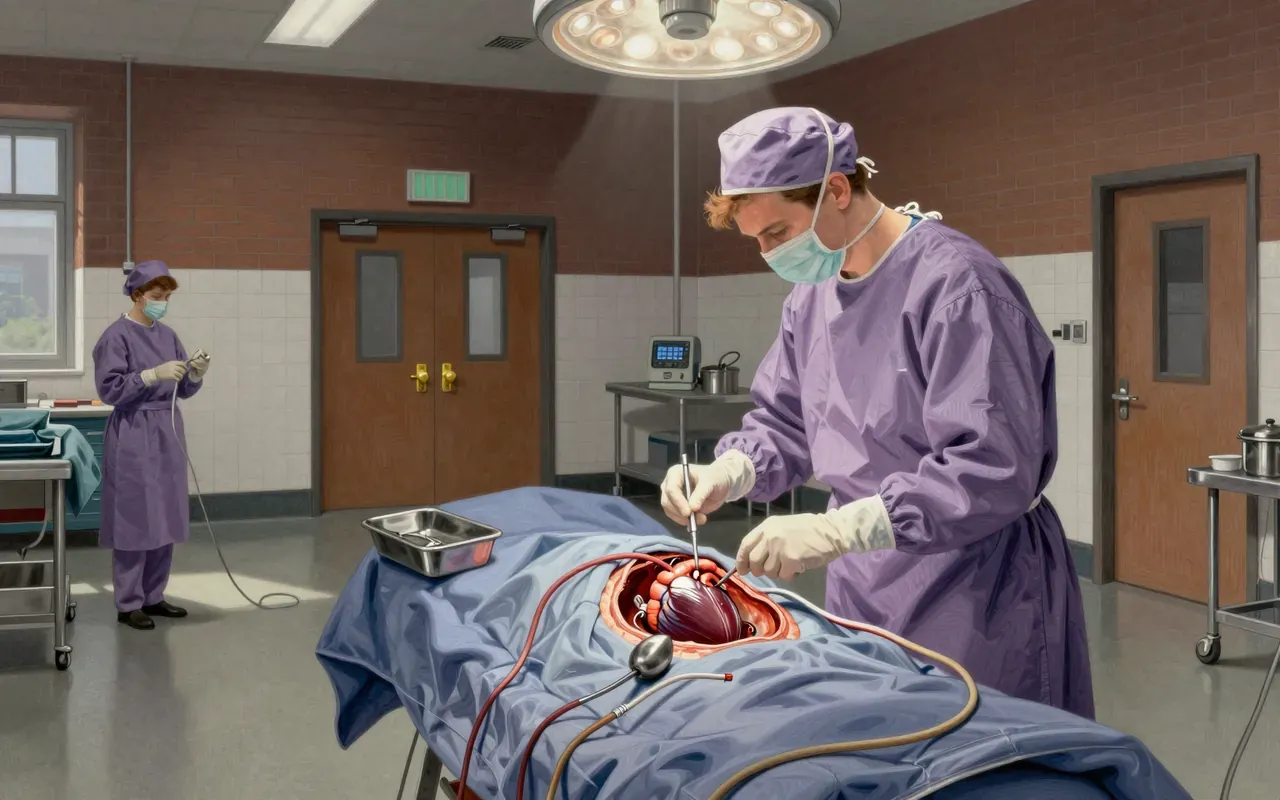
Beck’s 1947 defibrillation was manual, invasive, and surgical—not automated or external in the modern sense.
2:18
What 'automatic' actually means
True automation means rhythm analysis, decision-making, and voice guidance—all without clinician input.
4:33
Shock physics changed the device
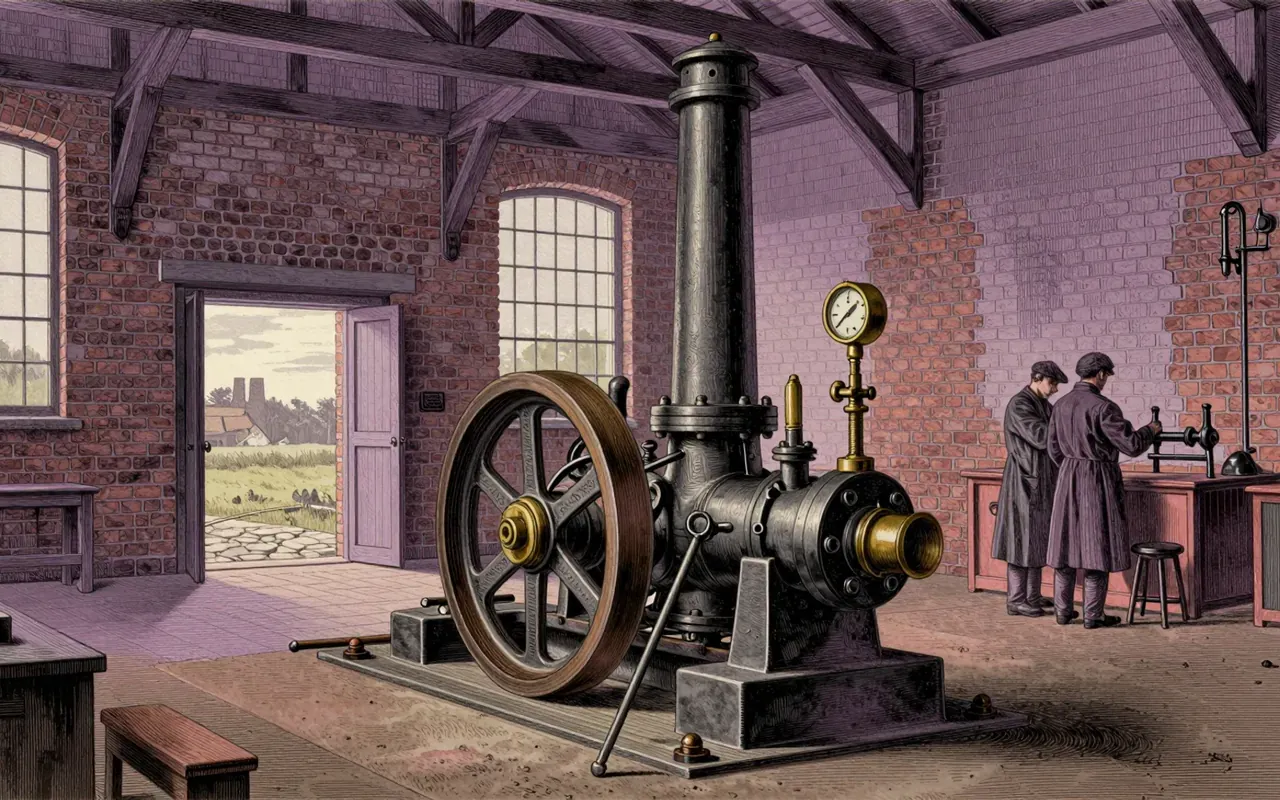
Energy delivery dropped from 400-joule monophasic shocks to 200-joule biphasic ones—reducing myocardial damage while maintaining efficacy.
6:08
Three inventions, not one
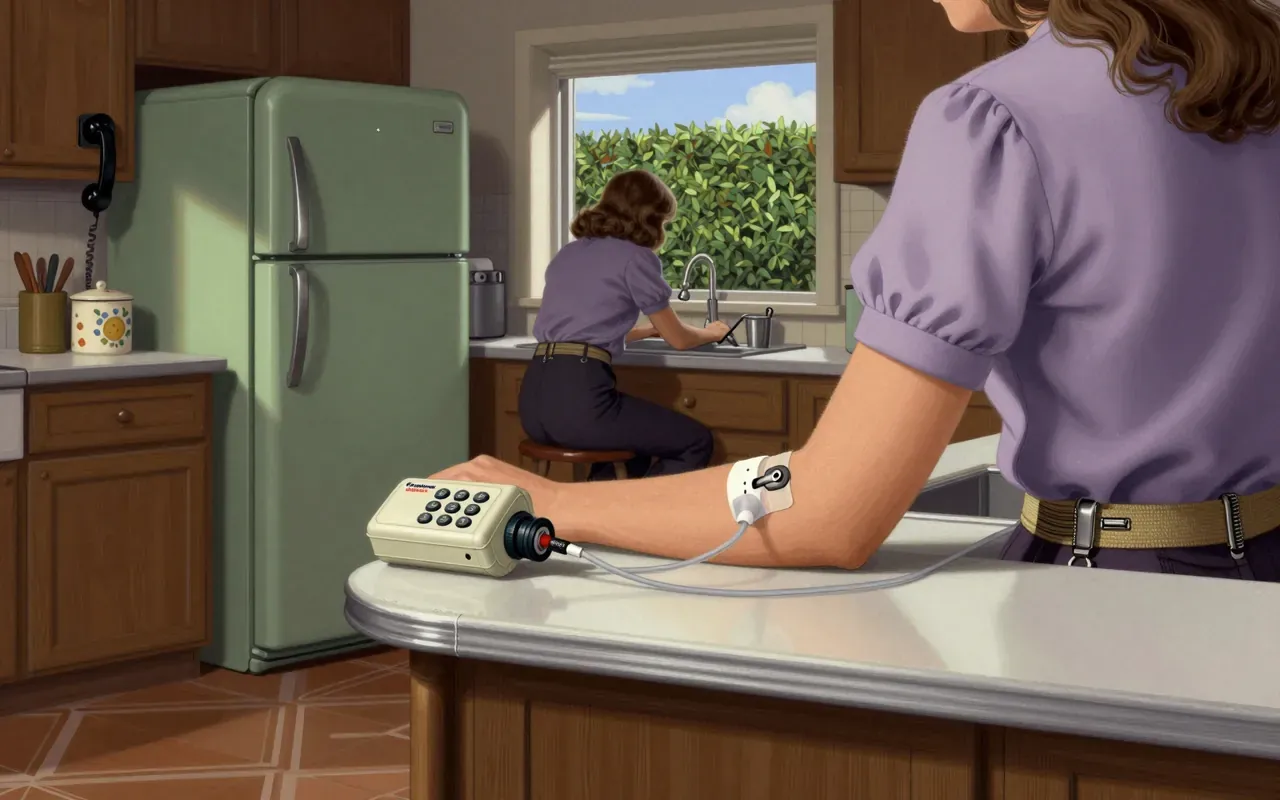
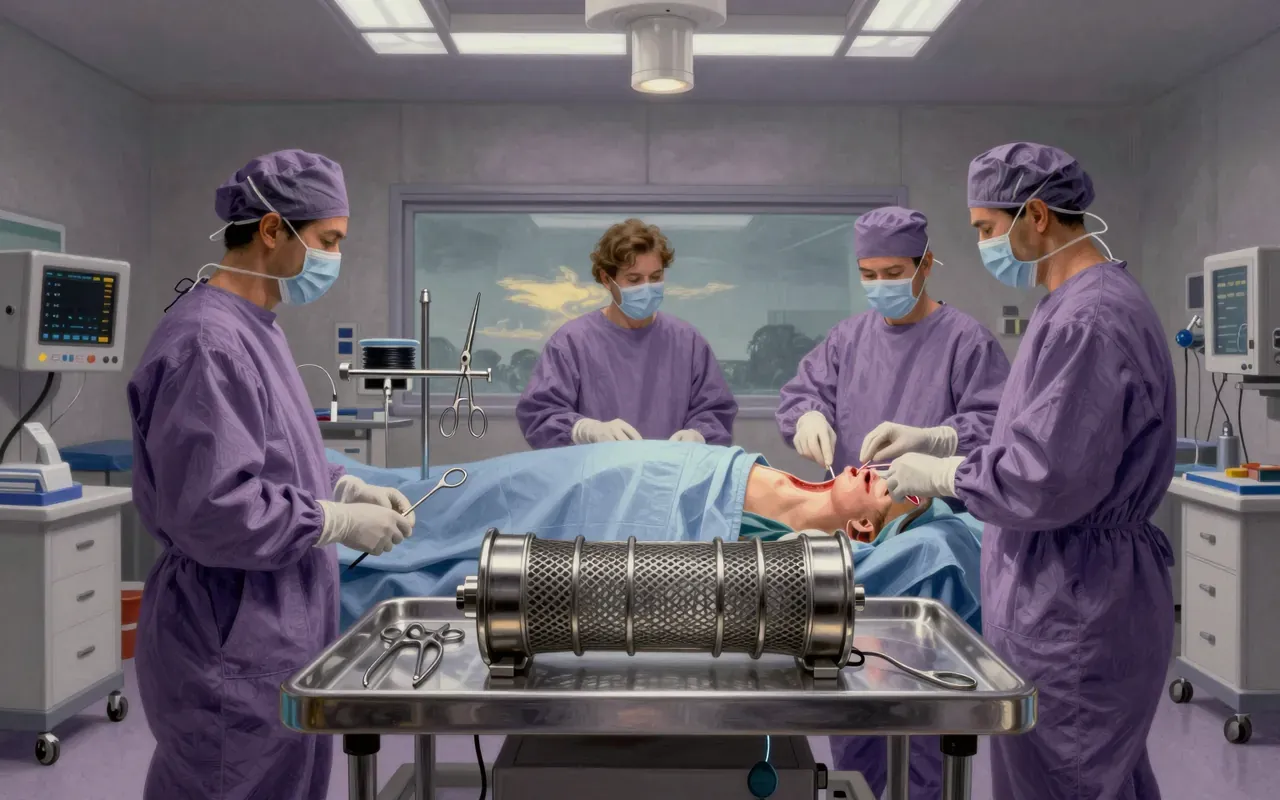
Pantridge’s 1957 portable unit bridged surgery and ambulance care; the Heart-Aid (late 1970s) bridged ambulance care and public space.
Worth your time?
Yes. Study the whole thing.
4.5/ 5
What works
Detects VF and VT reliably in adults
Reduces time-to-shock in bystander response
Enables consistent energy delivery across untrained users
Integrates with public emergency dispatch systems (e.g., audio prompts synced to 999/112 calls)
What does not
It does not replace CPR.
It does not function without correct pad placement.
It does not interpret non-shockable rhythms for treatment guidance.
It does not work on children under eight without paediatric mode or pads.
Study it if
Public safety coordinators
Emergency medical service trainers
Facility risk managers
Skip it if
Software developers building diagnostic algorithms
Policy makers setting national resuscitation guidelines without hardware context
The written brief1 min read
What it is and the problem it solves
An automated external defibrillator (AED) is a portable medical device that autonomously detects shockable cardiac arrhythmias and delivers life-saving electrical therapy. It solves the problem of delayed defibrillation in sudden cardiac arrest—where every minute without treatment reduces survival by 7–10%.
How it works
It analyses heart rhythm via electrode pads. It detects ventricular fibrillation or pulseless ventricular tachycardia. It delivers a shock without operator interpretation. Early models used monophasic shocks up to 400 joules. Post-2003 models use biphasic shocks of 120–200 joules.
What works
The AED reliably detects VF and VT using real-time ECG analysis through adhesive electrode pads. Voice prompts guide pad placement. The system prevents shock delivery if no shockable rhythm is detected. Public-use models like the Heart-Aid (late 1970s) enabled layperson deployment with no rhythm interpretation required.
What does not
Claude Beck’s 1947 device was not automated. It required open-chest access and direct application to the heart. It did not analyse rhythm. It did not guide users. It was not portable. It was not designed for public use.
What it changes
It shifts defibrillation from an operating-theatre-only intervention to a public-space tool. It removes the need for trained ECG interpretation at the point of care. It standardises shock delivery timing and energy based on algorithmic detection—not clinician judgment.
Is it worth your time
Yes—if you manage public-access emergency response, clinical training, or hardware procurement for first-aid infrastructure. Its automation reduces human error in rhythm interpretation but demands strict pad placement and zero contact during analysis.