What it is and the problem it solves
It is physical infrastructure that solves the problem of moving large volumes of data reliably across oceans. Without it, the internet would be fragmented archipelagos of national networks.
How it works
It is a cable laid on the seabed between land-based stations to carry telecommunication signals across oceans and seas. Early versions used copper wire cores insulated with gutta-percha and rubber, wrapped in iron or steel wire. Modern versions use optical fibre strands, powered by high-voltage DC, with erbium-doped fibre amplifiers and wavelength-division multiplexing.
What works
Optical fibre cables with erbium-doped amplifiers carry digital data—including internet, voice, and private traffic—at terabit-per-second speeds. Self-healing ring and mesh topologies reroute traffic around faults. Deep-sea sections are robust: ~25 mm diameter, ~1.4 tonnes per kilometre, engineered for pressure and abrasion.
What does not
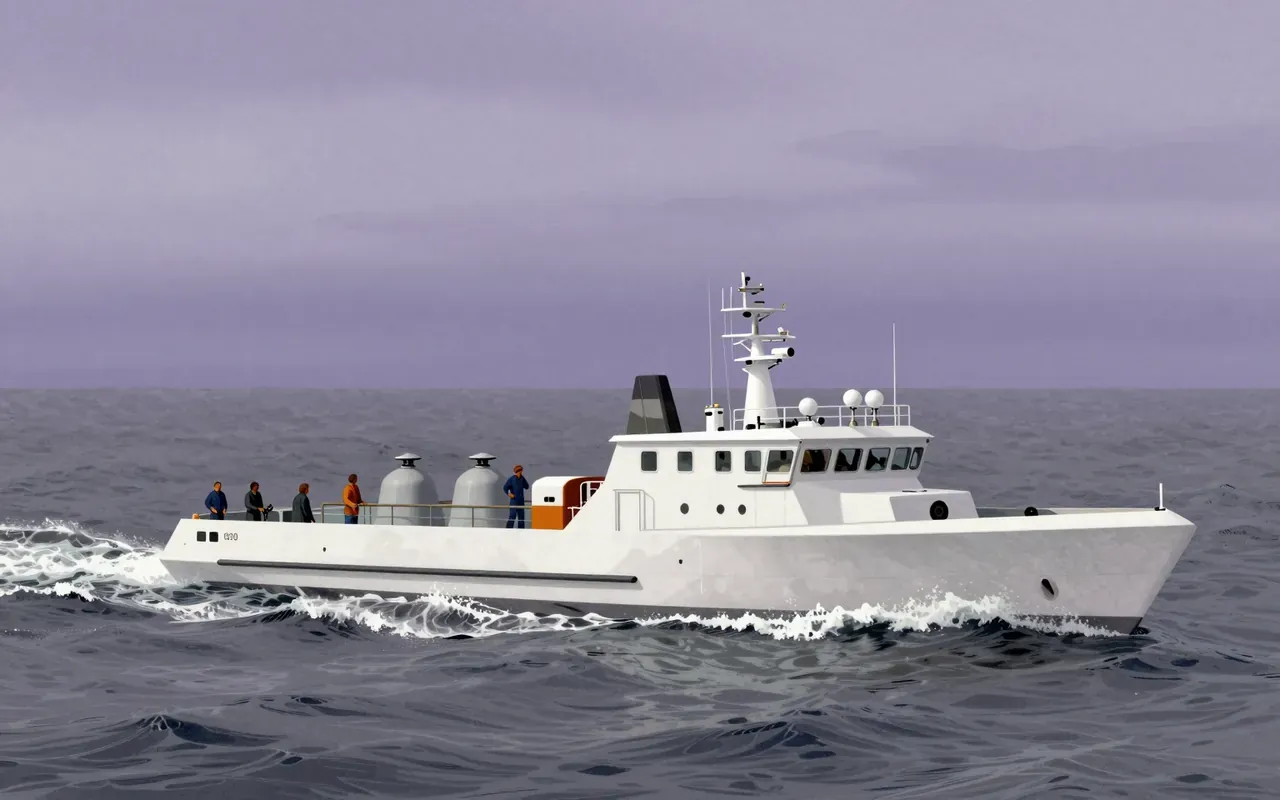
It does not eliminate latency: signal propagation delay remains bound by the speed of light in fibre (~200,000 km/s). It does not self-repair: breaks require ship-based intervention. It does not resist all threats—environmental damage, anchoring, fishing gear, and geopolitical interference persist.
What it changes
It replaces weeks-long message delivery with near-instant global communication. It enables real-time financial markets, cloud computing, and cross-border collaboration at scale. It makes terrestrial wireless and satellite links supplementary—not primary—for intercontinental data.
Is it worth your time
Yes. It carries 99% of oceanic data traffic. No alternative infrastructure matches its capacity, reliability, or cost per bit for intercontinental transfer. Its vulnerabilities are real but managed—not theoretical.