10:44in productionCh. 1 · What it is/ 10:44 · ceiling 15 min
Systems · Hardware
Axiom Space
2016
Axiom Space isn’t building the future of space—it’s renting the last decade of the ISS.
Axiom Space is not a launch provider or satellite operator. It is a module integrator and mission organiser—dependent on NASA contracts and third-party rockets. Its value lies in execution, not invention.
Axiom Space is a Houston-based private company founded in 2016 to develop orbital infrastructure—not software, not AI, not launch vehicles.
2:53
What it flew
Axiom Mission 1 in 2022 was the first commercially crewed private flight to the ISS—proving demand, but not sustainability.
4:36
What it won
NASA awarded Axiom a $140 million contract in 2020 to build the first commercial ISS module—and picked it alone from all 2019 proposals.
6:39
What it hasn’t done
Its first flight was in 2022. Its first module remains unlaunched. There is no evidence of delivery, docking, or habitation yet.
Worth your time?
Yes. Study the whole thing.
3.5/ 5
What works
securing sole-source NASA funding
executing first private ISS crew mission
defining commercial destination architecture
What does not
operate its own station
launch its own hardware
generate non-NASA revenue
Study it if
NASA programme managers
commercial astronaut trainers
ISS transition planners
Skip it if
satellite operators
AI developers
earth-observation analysts
The written brief1 min read
What it is and the problem it solves
Axiom Space is an American privately funded space infrastructure developer founded in 2016. It solves the problem of post-Shuttle, post-ISS transition by building commercial modules to extend and eventually replace ISS capabilities.
How it works
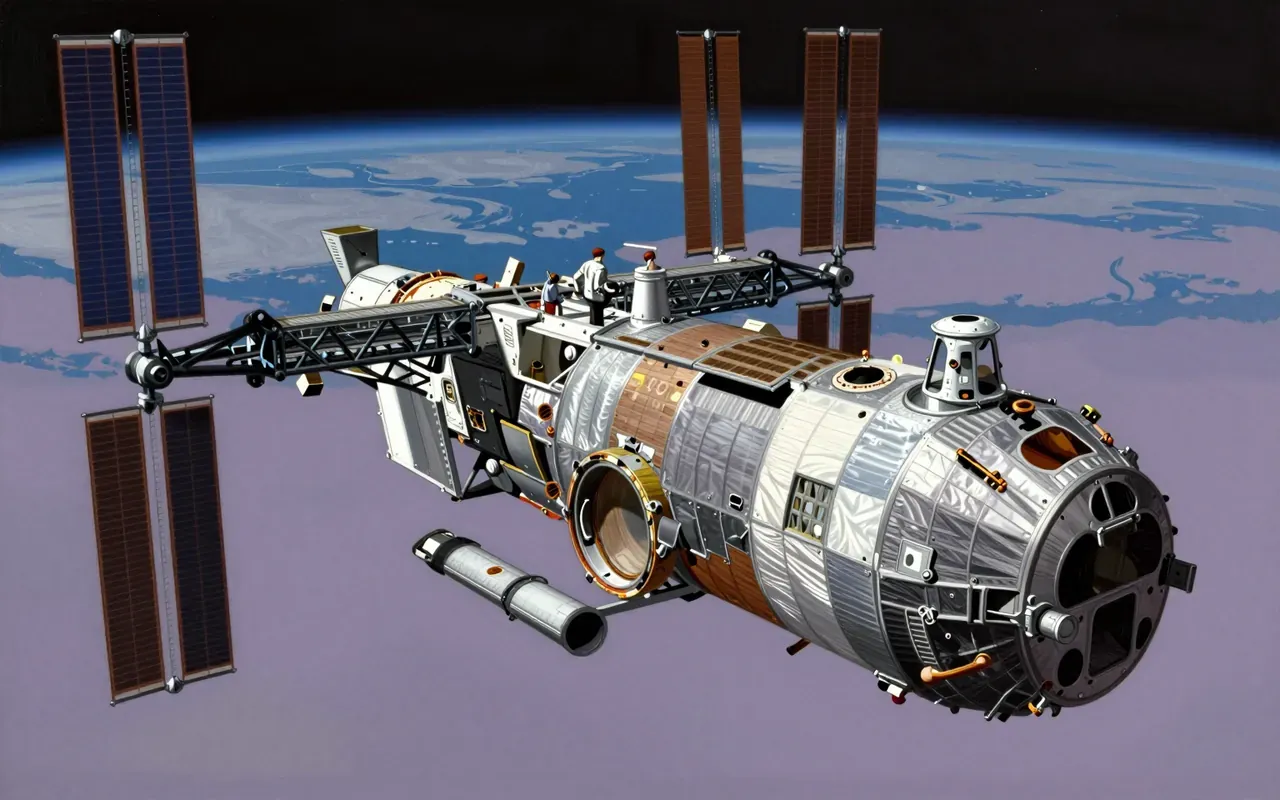
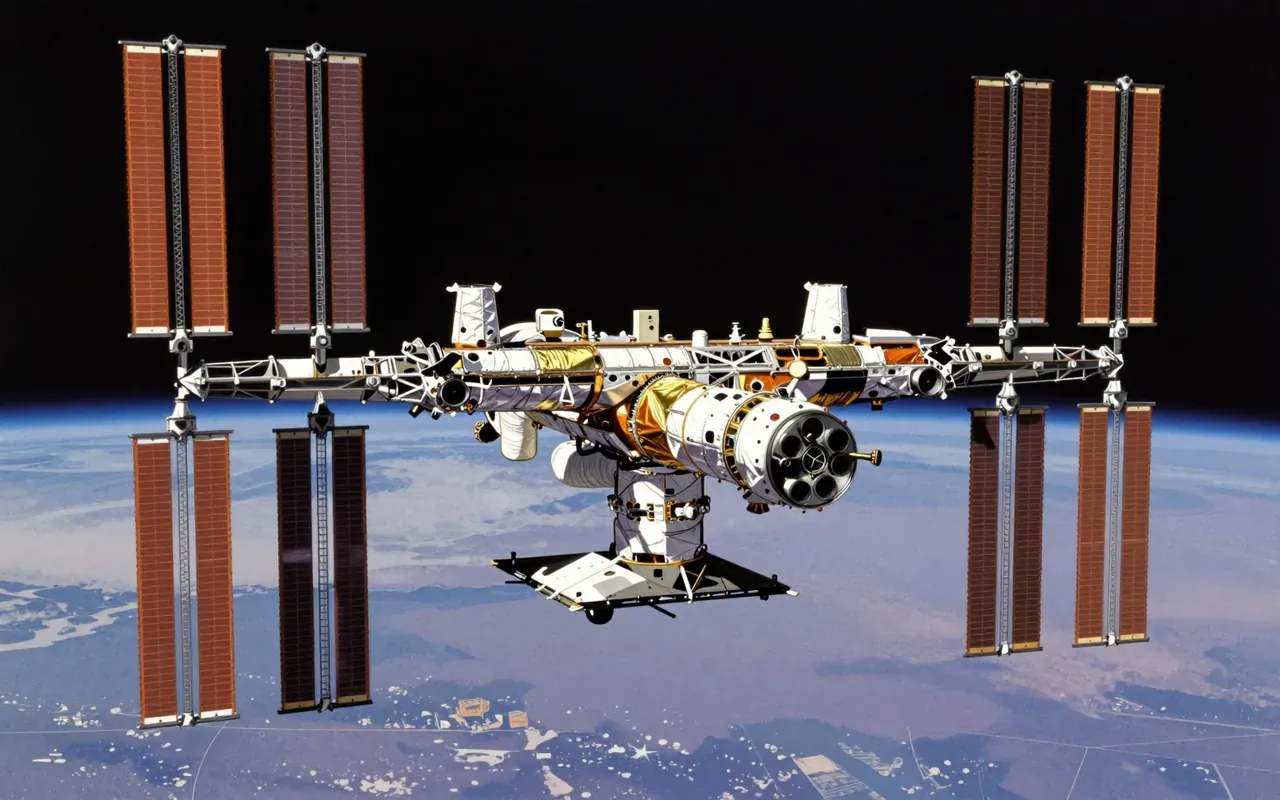
Axiom Space builds habitable spacecraft modules for attachment to the ISS. It operates under a 2020 NASA contract to deliver at least one such module. It organises and flies commercially crewed missions to the ISS, beginning with Axiom Mission 1 in 2022.
What works
Its 2020 $140 million NASA contract is active and sole-sourced. Its 2022 mission proved commercial crew transport to the ISS is operationally viable. It has secured a defined role in NASA’s NextSTEP cislunar initiative.
What does not
Axiom Space has not yet delivered any module to orbit. It has not operated an independent space station. It has not demonstrated sustained revenue from non-NASA customers.
What it changes
It shifts ISS access from government-operated to commercially managed destination services. It establishes a precedent for private entities to own and operate orbital infrastructure attached to federally owned assets.
Is it worth your time
Yes—if you work on commercial space infrastructure, ISS integration, or public-private space procurement. Its model depends entirely on NASA’s ISS extension and transition plans, which remain uncertain beyond 2030.