Saved
Hardware · Systems

IEEE 802.3

Ethernet isn’t defined by speed or cables—it’s defined by CSMA/CD, and that definition outlived its own mechanism.

Worth your time?4.5/5Yes.Study the whole thing.What works, what does not, who it is for ↓
11:00in productionCh. 1 · What it covers/ 11:00 · ceiling 15 min
4 chapters · 11:00Ceiling 15:00

The brief is written and checked. The video joins this page when it is cut.4 chapters · 1 min read · 11:00 planned

Read the brief

IEEE 802.3 standardises wired Ethernet’s physical and MAC layers using CSMA/CD. It succeeded by enabling interoperability—not speed or novelty. Its mechanism became obsolete before the standard did. It remains essential infrastructure, not evolutionary architecture.

Chapters & takeaways4
  1. 0:54
    What it covers

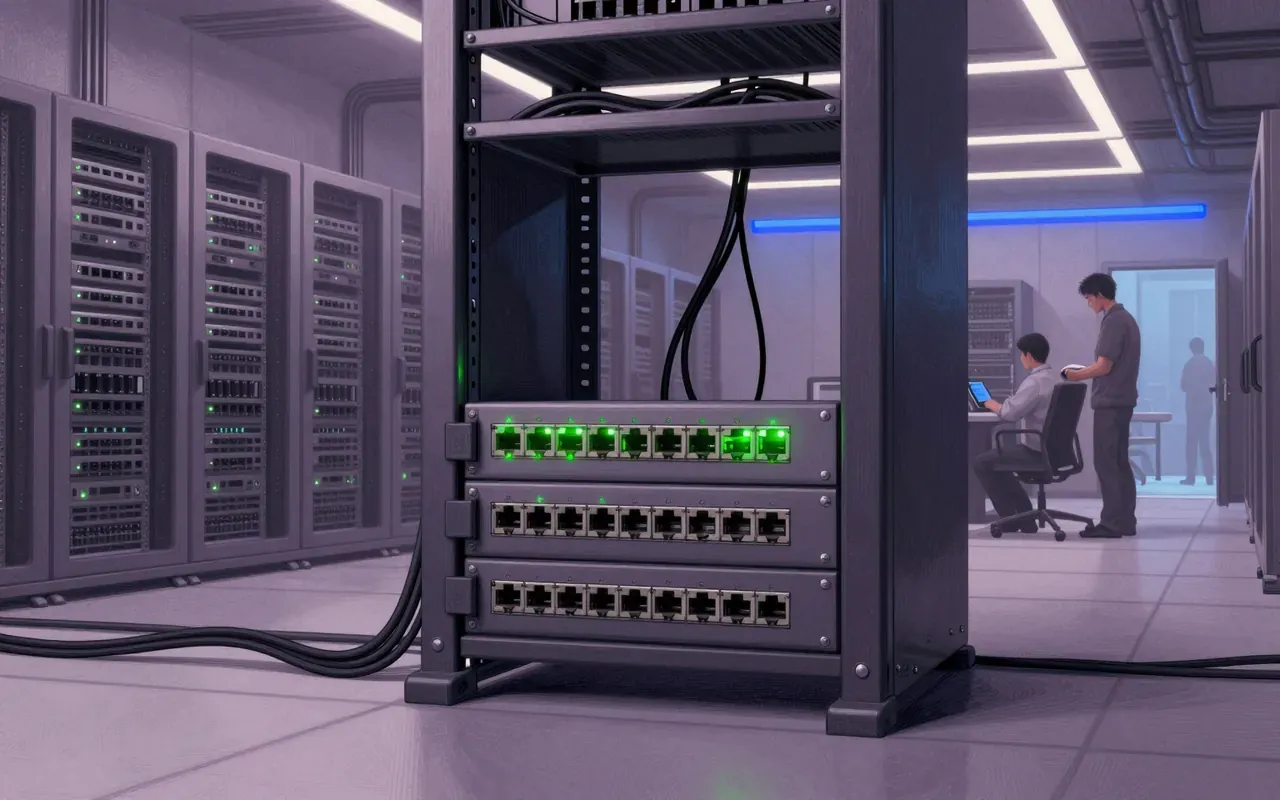
    It specifies the physical layer and MAC sublayer—not the network or transport layers.

  2. 2:58
    The core mechanism

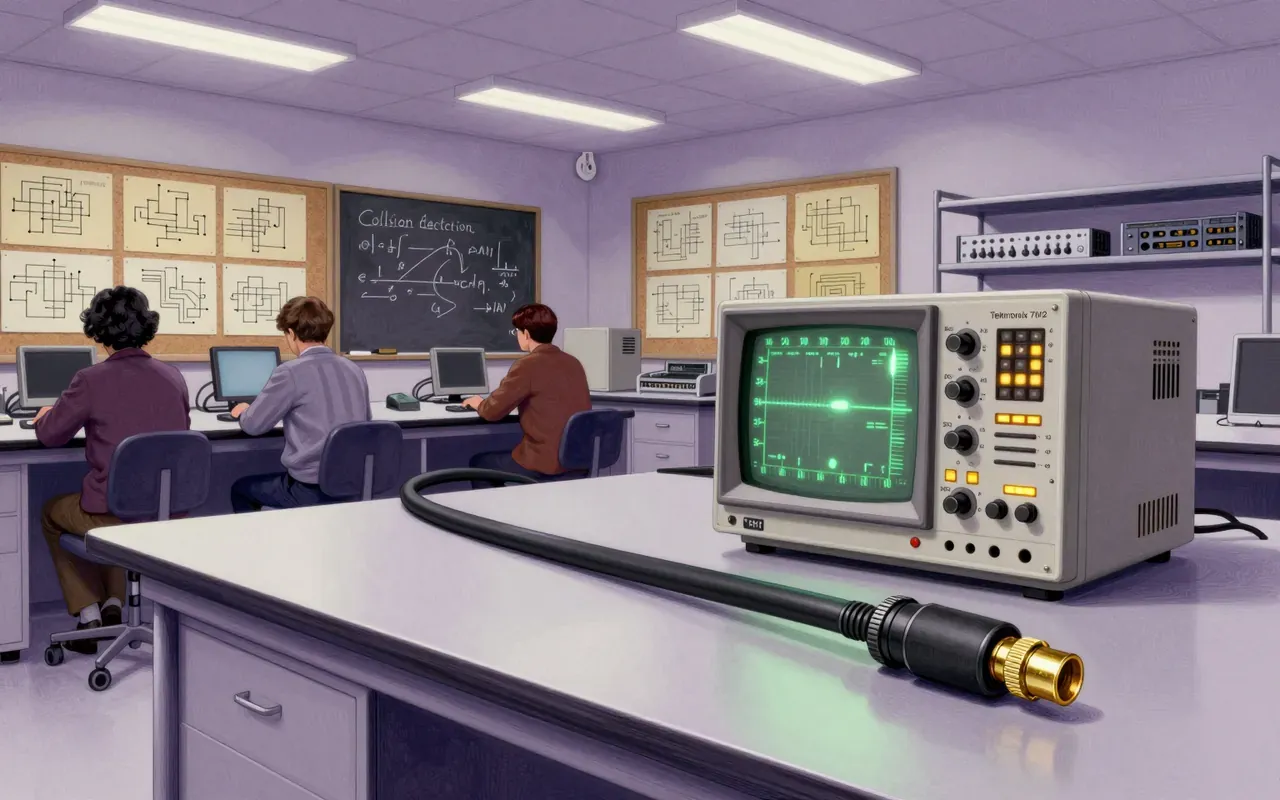
    CSMA/CD is baked into the original standard as the mandatory access method.

  3. 4:48
    Where it came from

    It began as a formalisation of DIX Ethernet—not an invention from first principles.

  4. 6:29
    The renaming

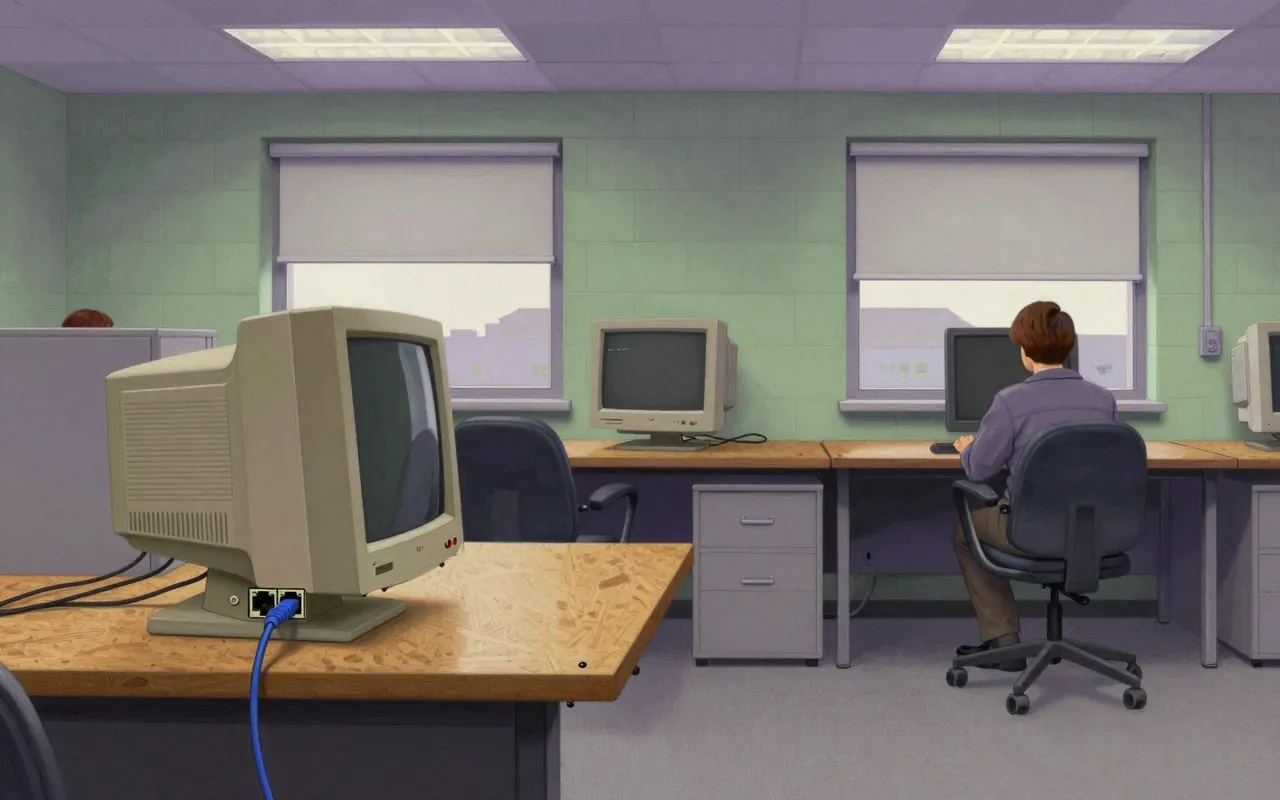
    The name changed in 2012—but the scope remained backward-compatible.

1 more chapterFewer chapters
Worth your time?

Yes. Study the whole thing.

4.5/ 5
What works
  • multi-vendor interoperability at layer 1 and 2
  • backward compatibility across decades of revision
  • clear separation of physical and MAC concerns
What does not
  • define wireless networking
  • specify IP or higher-layer protocols
  • guarantee real-time performance
  • support full-duplex operation in its original form
Study it if
  • network engineers
  • hardware designers
  • standards compliance testers
Skip it if
  • cloud architects
  • AI model trainers
  • mobile application developers
Who should study it, and who should skipHide who it is for
The written brief1 min read

What it is and the problem it solves

IEEE 802.3 is a set of standards that define how wired Ethernet devices physically connect and share the wire. It solves the problem of uncoordinated transmission on a shared medium.

How it works

IEEE 802.3 defines the physical layer and MAC sublayer for wired Ethernet using CSMA/CD as its medium access control method. The original IEEE Ethernet standard was named after CSMA/CD and its physical layer specifications, and was later renamed “Standard for Ethernet” in 2012.

What works

The standard enables reliable multi-vendor interoperability at the physical and MAC layers. Its layered definition separates wiring, signalling, framing, and collision handling.

What does not

CSMA/CD does not scale to full-duplex or switched topologies. It was deprecated in later revisions once hubs gave way to switches.

What it changes

It established a vendor-neutral, open specification for wired LANs—replacing proprietary physical and data-link implementations with a shared baseline. The first IEEE CSMA/CD standard was based on the DIX standard.

Is it worth your time

Yes—if you work with wired local area networks, interoperability, or legacy infrastructure. No—if you are designing wireless, real-time, or deterministic systems.

Same field · Hardware4 of 251
9:09
IEEE 802.11IEEEIEEE 802.11 is the foundational WLAN standard family. It defines MAC and PHY protocols for wireless local area networking. It uses CSMA/CA for channel access. It supports multiple bands and modulation schemes. It enables interoperability with Ethernet and IP. It was first released in 1997. Amendments extend functionality without replacing the base.
9:22
Floppy diskIBM · 1964The floppy disk is a hardware innovation that enabled portable, standardised, low-capacity digital data exchange in IBM mainframe environments. It succeeded where earlier media failed — not by being faster or denser, but by being specifiable, licensable, and physically durable enough for daily use in controlled settings.
10:20
EthernetBob MetcalfeEthernet is the coaxial-cable LAN co-invented by Metcalfe and Boggs at Xerox PARC in 1973 to link Alto computers to printers and ARPANET. It introduced CSMA/CD—carrier sensing before transmission, plus collision detection and random back-off—to adapt ALOHAnet for wired use. It ran first on November 11, 1973 at 2.94 Mbit/s. A 1980 Xerox report measured 98% throughput under heavy load. It was standardised as IEEE 802.3 in 1983. CSMA/CD does not scale or support modern requirements like QoS or determinism—and was phased out in favour of switched, full-duplex Ethernet.
9:28
Quantum computingQuantum computing uses qubits—units exploiting superposition, interference, and entanglement—to process information. It promises exponential speedups on specific problems like factorisation and quantum simulation. But current systems are noisy, error-prone, and lack error correction. They run no practical applications. Their value lies in redefining computational limits—not delivering tools.
Up next in Technology

Peering

· 9:34

Peering isn’t cooperation — it’s mutual hostage-taking with better ping.

9:34