10:28in productionCh. 1 · Origin: Licensed, Not Invented/ 10:28 · ceiling 15 min
Robotics · Products
Intuitive Surgical
1995
Robotic surgery didn’t start with autonomy—it started with a console, a licence, and a long wait for FDA approval.
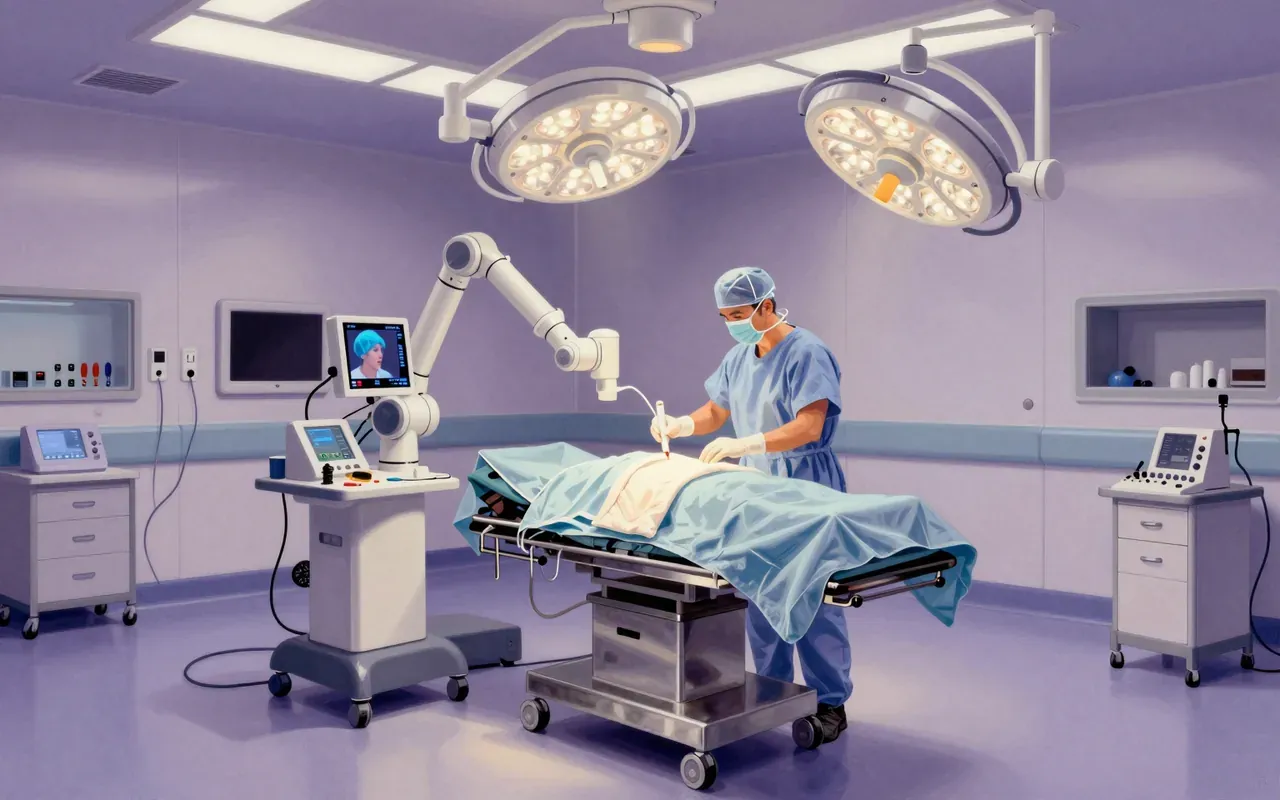
Intuitive Surgical did not invent robotic surgery. It licensed SRI’s late-1980s research, incorporated in 1995, refined the system into 'Lenny', tested it in 1997, launched in Europe in 1999, and secured staggered FDA approvals from 2000 onward. It delivers telemanipulated, minimally invasive surgery—but only where approved, only with a surgeon present, and only as hardware, not intelligence.
The da Vinci System began as SRI research—not Intuitive Surgical’s invention—and was licensed, not built from scratch.
2:21
Prototype: 'Lenny' in 1997
The prototype 'Lenny' was ready for testing in 1997—two years after the company formed and three years before FDA approval.
4:38
Approvals: Staged, Not Simultaneous
Regulatory approval came in stages: Europe first (1999), then US laparoscopy (2000), then prostate surgery (2001).
6:08
Business: Hardware, Not Algorithms
Intuitive Surgical develops, manufactures, and markets robotic products—not AI, not software platforms, but hardware systems for minimally invasive surgery.
Worth your time?
Yes. Study the whole thing.
3.5/ 5
What works
enables laparoscopic surgery with enhanced dexterity
provides FDA-authorised workflow for specific procedures
functions as a marketed product in Europe and the US
What does not
automate surgery
replace surgeons
reduce complications universally
Study it if
hospital procurement teams
surgical device regulators
health technology historians
Skip it if
AI researchers
software developers
patients seeking alternatives to open surgery
The written brief1 min read
What it is and the problem it solves
Intuitive Surgical is a company founded in 1995 to commercialise a robotic surgical system originally developed at SRI International. It solves the problem of limited dexterity and visual fidelity in laparoscopic surgery.
How it works
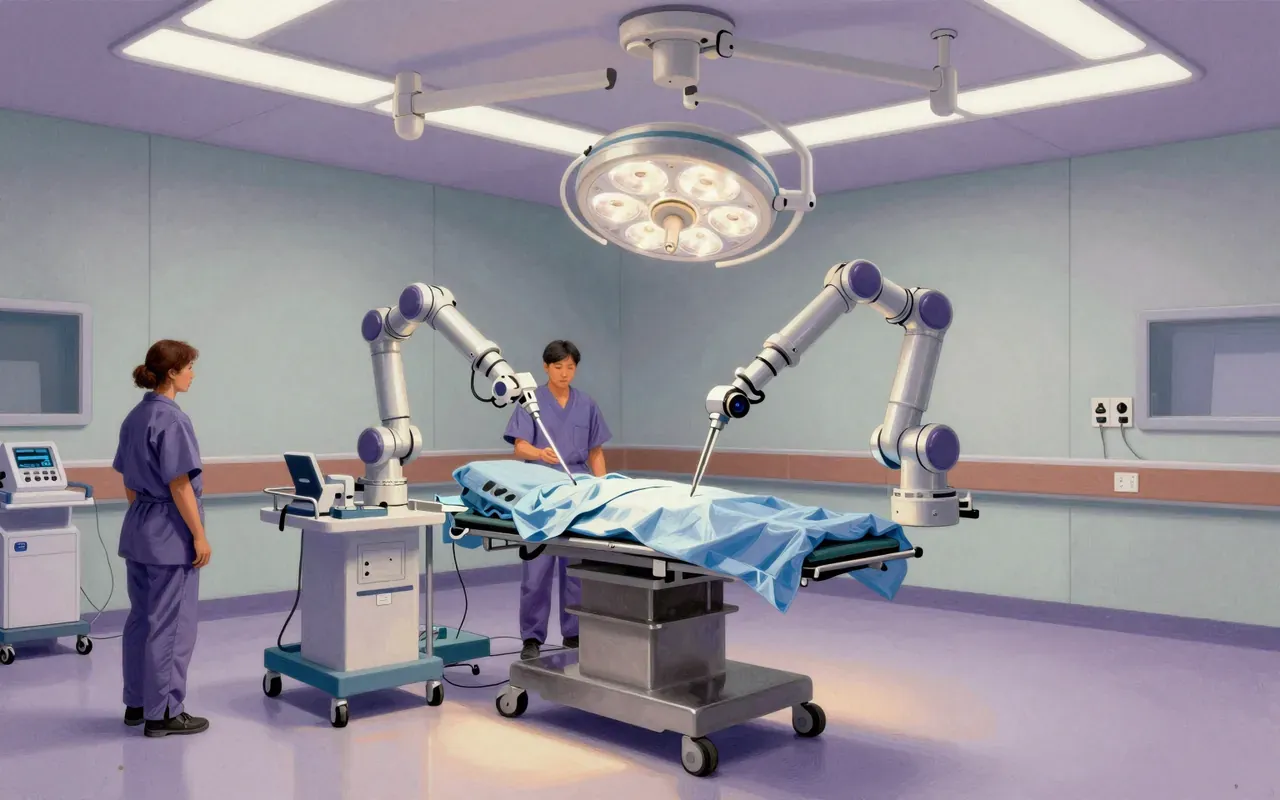
It is a robotic surgical system that translates a surgeon’s hand movements at a console into precise, real-time movements of instruments inside the patient’s body. It uses endoscopic video and wristed instruments to enable minimally invasive procedures.
What works
The da Vinci Surgical System works as a marketed, FDA-approved tool for specific minimally invasive procedures—including general laparoscopy (2000) and prostate surgery (2001). It functions in clinical settings in Europe (from 1999) and the US (post-2000).
What does not
It does not automate surgery. It does not replace the surgeon. It does not reduce complication rates across all procedures—no evidence of that appears in the source material.
What it changes
It changes the physical interface between surgeon and patient: replacing direct instrument handling with telemanipulation, and shifting visual input from laparoscopic monitors to a stereoscopic console view.
Is it worth your time
Yes—if you work in surgical device procurement, regulatory affairs, or hospital operations—because it established the first commercially viable robotic platform for laparoscopic, prostate, thoracoscopic, cardiac, and gynecologic surgery under FDA authorisation.