Saved
Topic

Patents

A temporary monopoly granted to encourage disclosure.

37
in technology
10:07
average
375 min
in total
71
across the network
Patents across the network →
All briefs37
9:38

3D printing

Chuck Hull

Chuck Hull’s stereolithography system is the origin point of digital additive manufacturing—not because it printed everything, but because it defined how digital models become physical things: via slicing, STL, and controlled solidification. It works for prototyping. It fails for production. Its legacy is infrastructural, not material.

10:56

Biotechnology

Biotechnology is not a future promise — it is a century-old industrial method that runs on bacteria, not buzzwords.
9:10

Fused filament fabrication

Crump

Fused filament fabrication is fused deposition modeling repackaged: same thermoplastic extrusion mechanism, same 1988 origin, same patent. RepRap renamed it to escape Stratasys’ trademark. Its real impact arrived only after the 2009 patent expiry enabled open hardware development. It delivers functional prototypes—not precision parts. It trades repeatability for accessibility.

9:32

Icemaker

Jacob Perkins

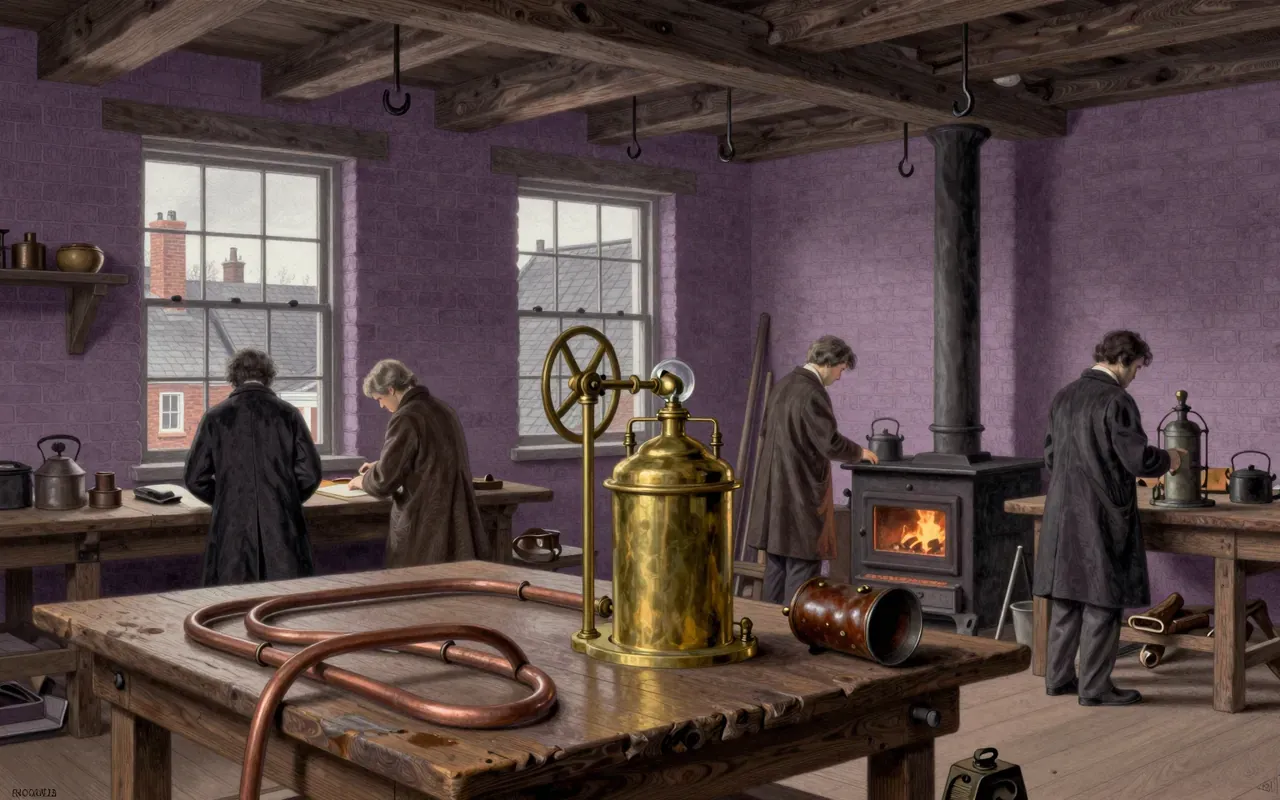
Perkins’s icemaker was the first working vapor compression refrigeration system. It used ether, not ammonia. It proved artificial cold could be generated mechanically — but produced no usable ice beyond lab-scale demonstration. Its legacy is procedural: it fixed the method before the market existed.

10:40

4G

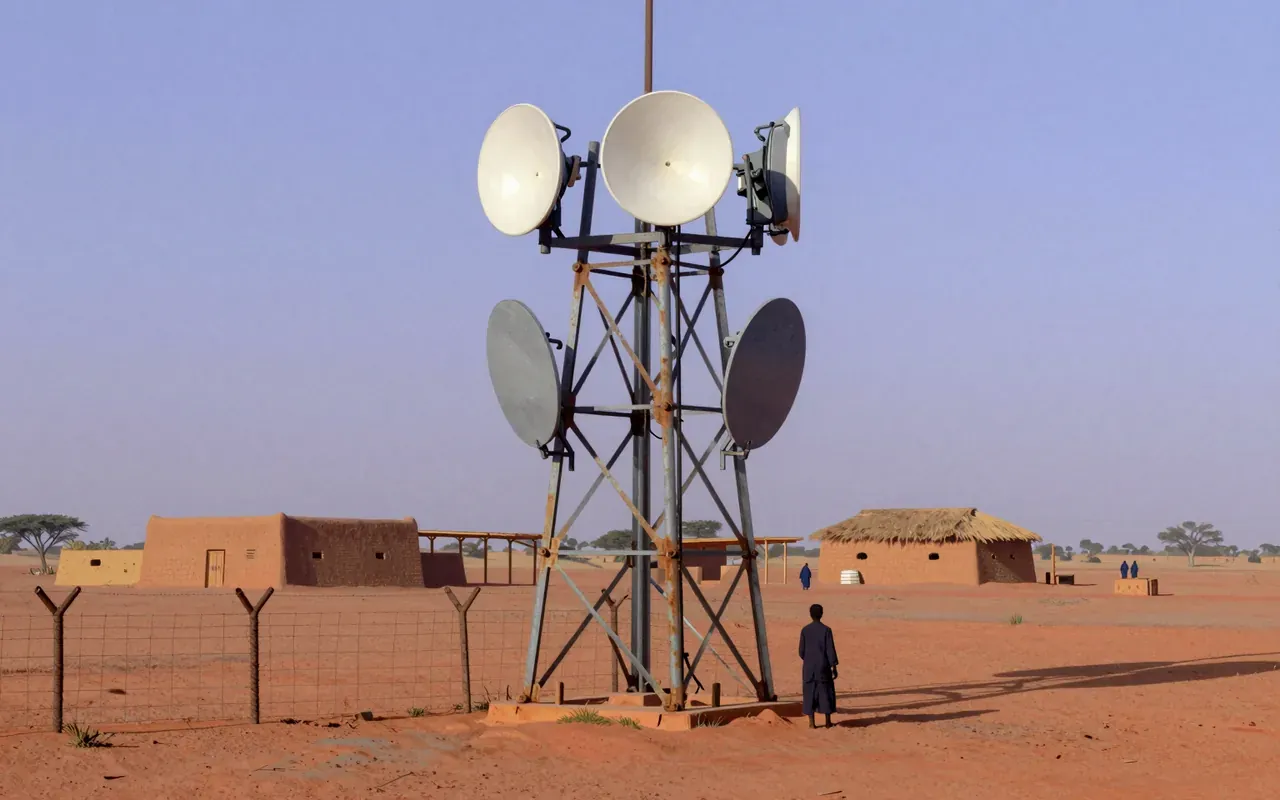
4G is not one technology—it’s a contested label awarded twice: first to stopgaps, then revoked when the real thing arrived.
10:33

NTT Docomo

NTT Docomo wasn’t a tech innovator in 1992—it was Japan’s first act of telecom privatisation theatre.
10:30

Qualcomm

Qualcomm doesn’t build networks—it builds the legal and technical tollbooths inside them.
10:31

T-Mobile US

A German rebranding of an American GSM carrier — not a tech leap, but the first step toward today’s T-Mobile.
11:54

Segway

Segway Inc.

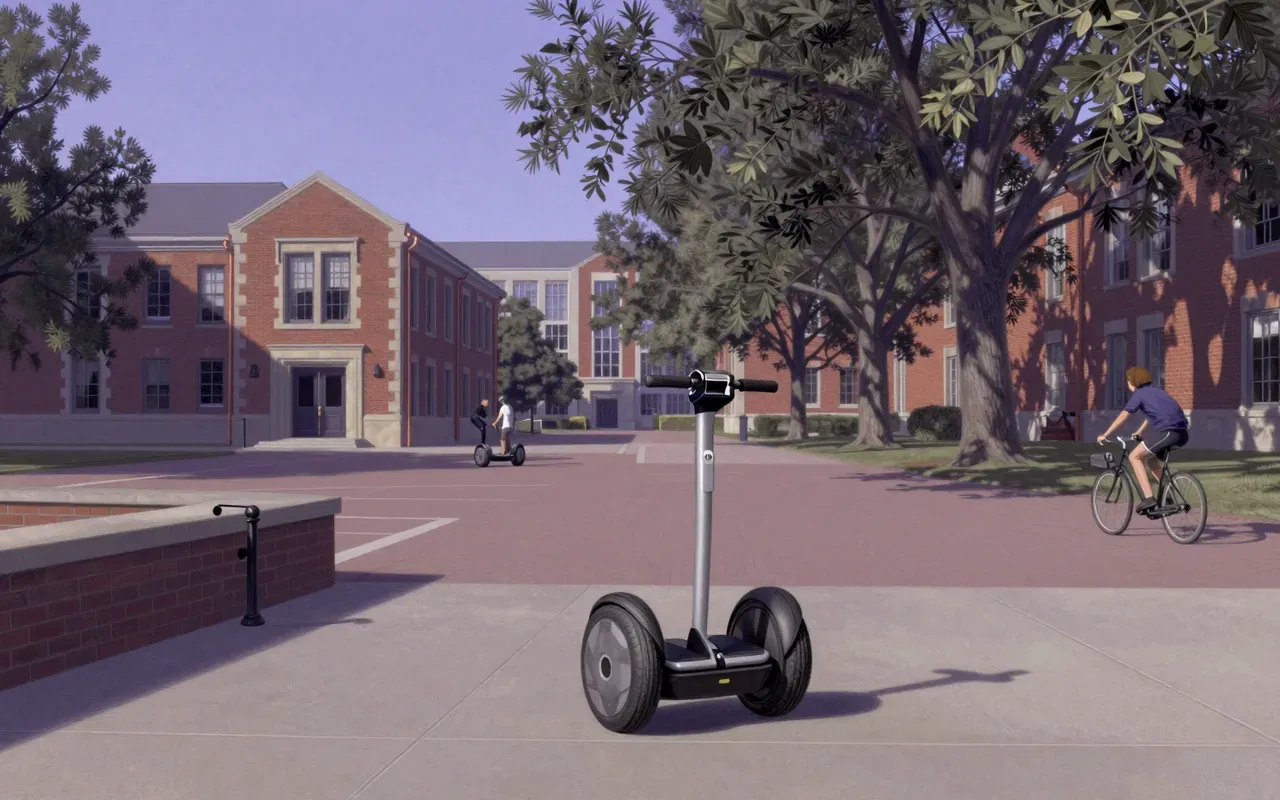
The Segway PT is a mechanically elegant, narrowly useful device born from medical robotics. It solved balance precisely, but failed to solve adoption. Its legacy is not in streets, but in patents, pivots, and the cautionary weight of overpromising hardware.

10:55

Western Digital

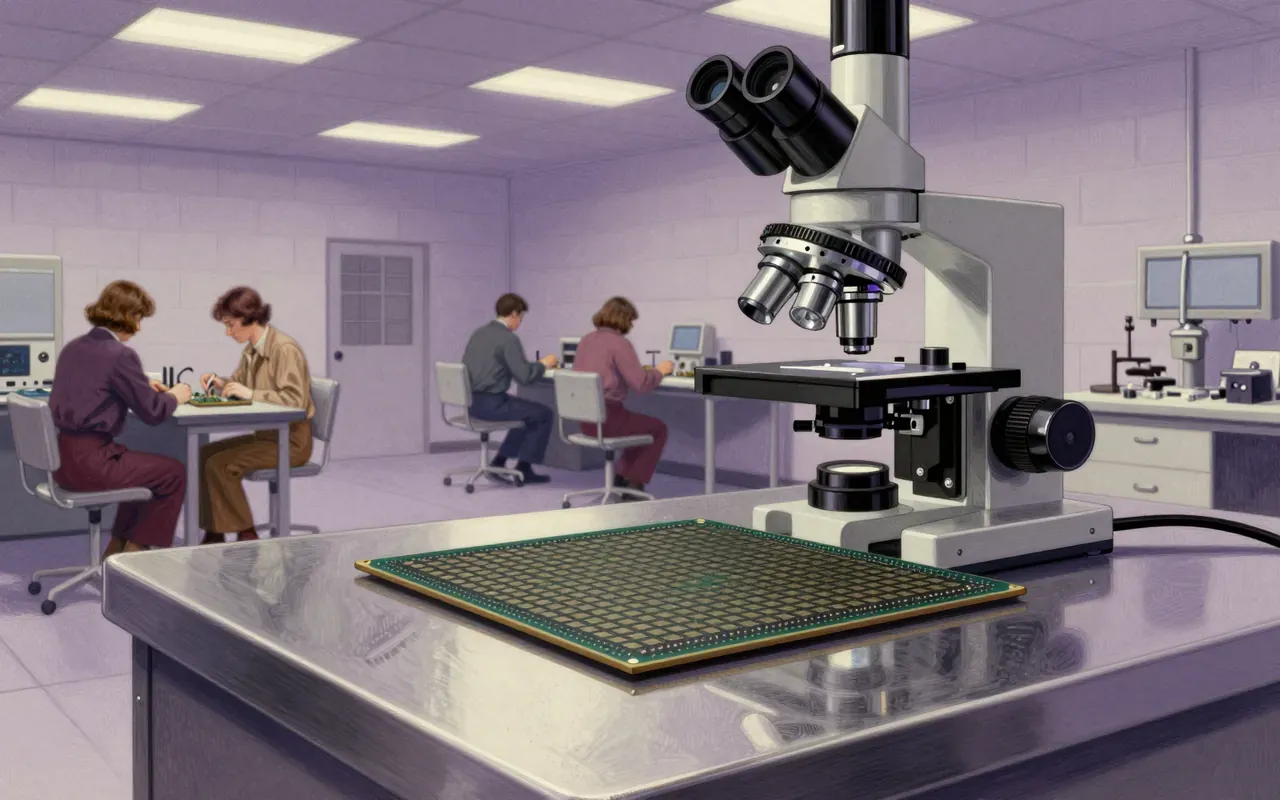
Western Digital wasn’t built to store data — it was built to test chips, and only stored bits after it stopped testing them.
9:54

5G

5G delivers real architectural upgrades—but only where operators invest in standalone cores, mid-band spectrum, and dense backhaul. Everywhere else, it’s 4G with a new logo.
9:24

Ericsson

Ericsson didn’t build the future—it built the switches, the standards, and the silence between promises and deployments.
8:58

GlobalFoundries

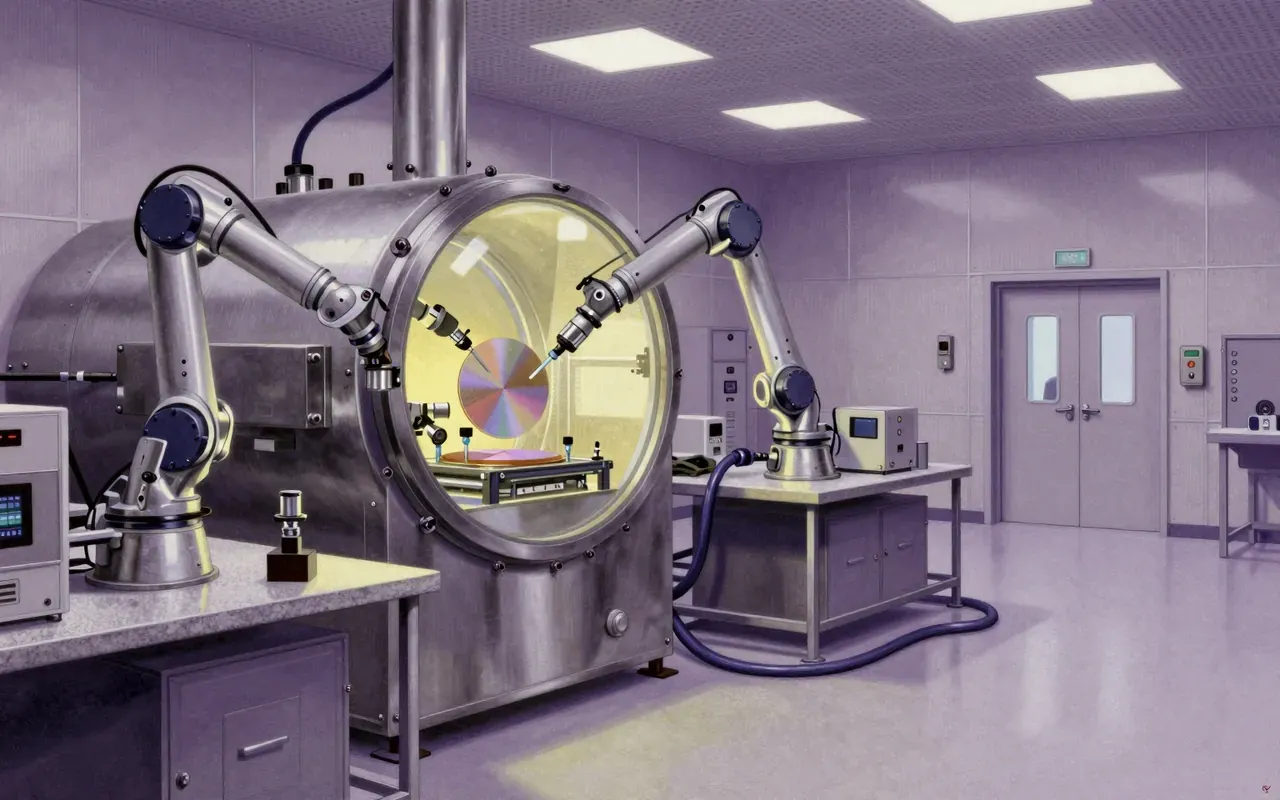
A foundry built to escape AMD’s balance sheet became a specialist anchor—just as the industry stopped chasing nanometres.
10:09

HDMI

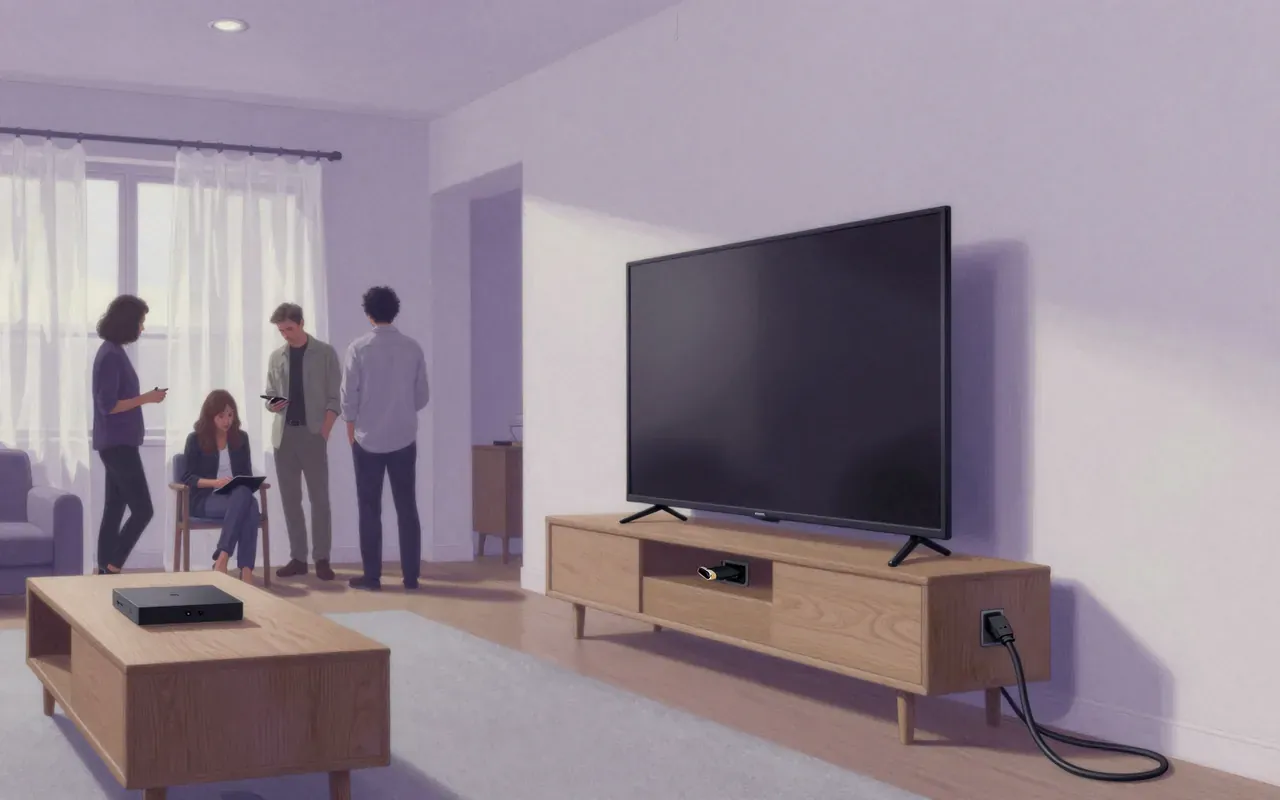
HDMI unified home AV—but at the cost of opacity, fragmentation, and control locked behind corporate gates.
10:28

Intuitive Surgical

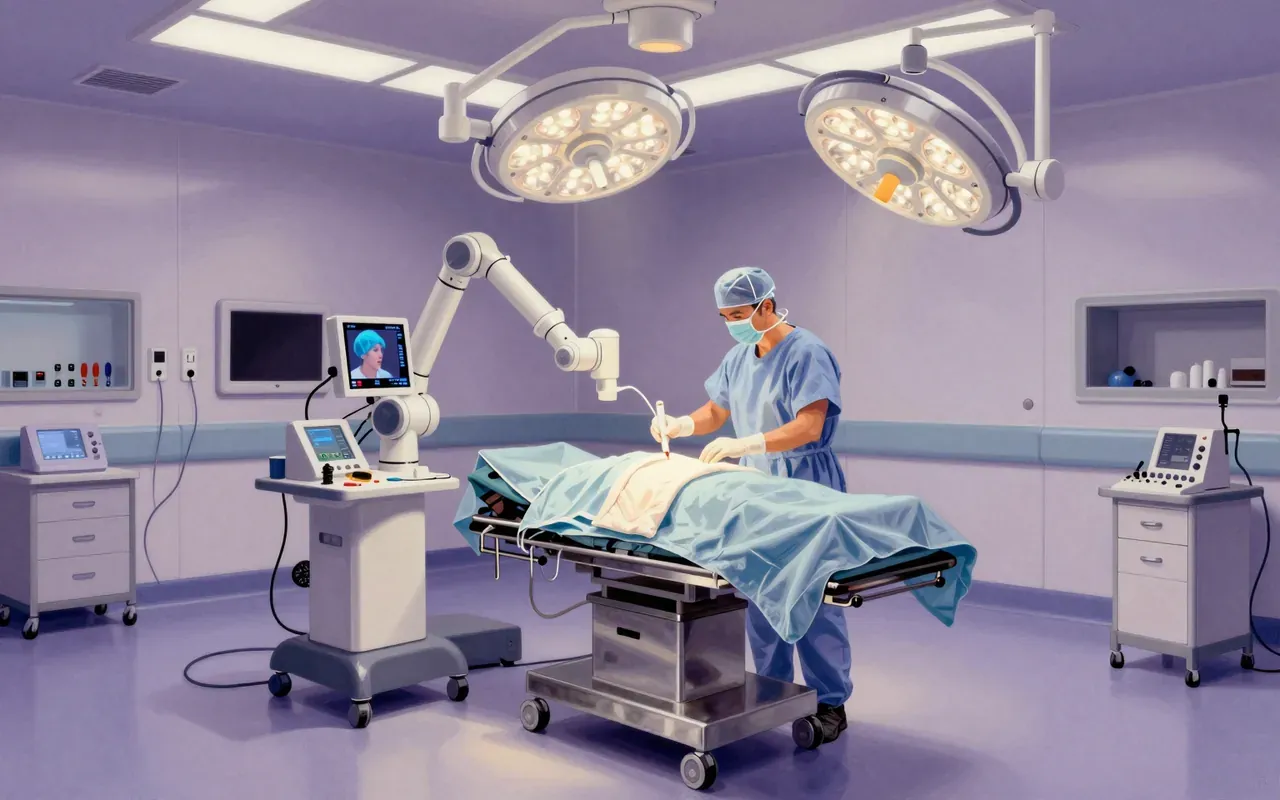
Robotic surgery didn’t start with autonomy—it started with a console, a licence, and a long wait for FDA approval.
10:57

PNG

Thomas Boutell · 1996

PNG is a specification, not a product. It is a response to legal constraint, not technical ambition. It works where it was designed to work — and fails where it was never meant to go.

9:52

Airplane

Wright Brothers · 1903

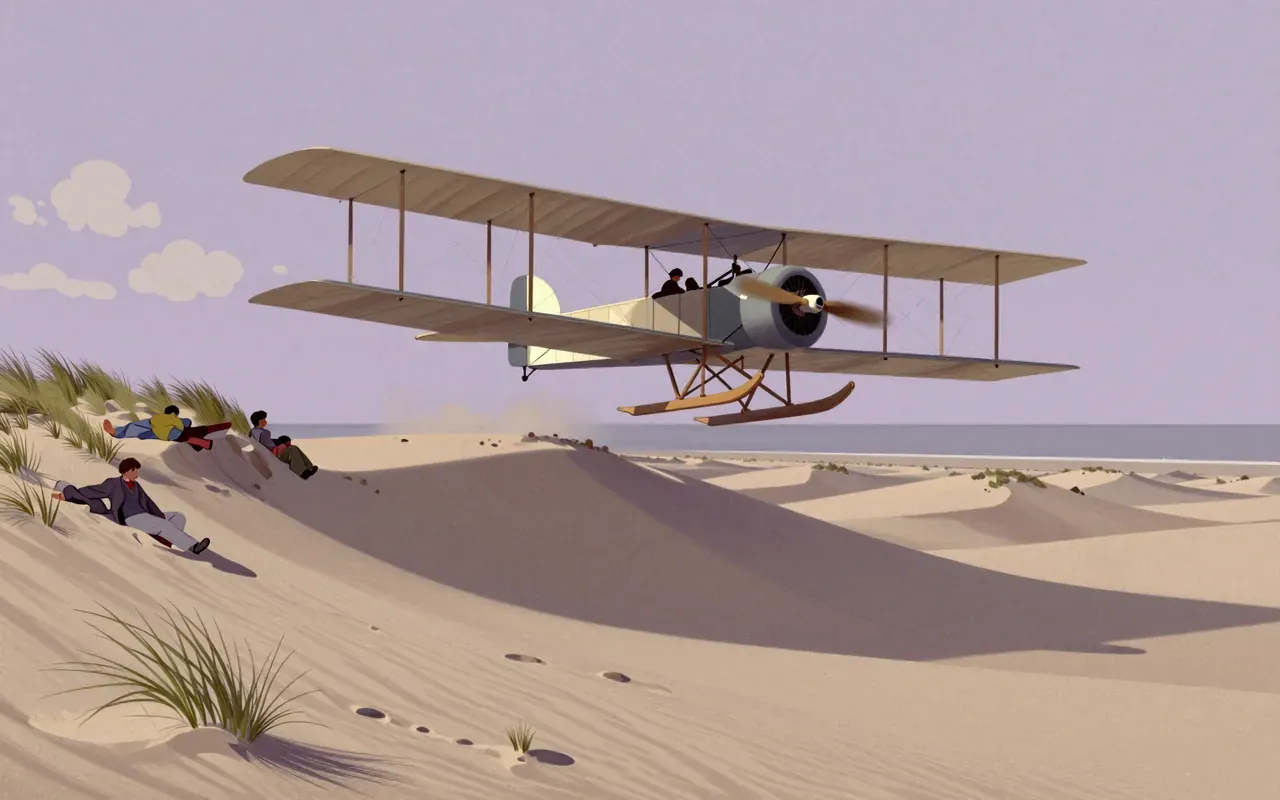
The Wright brothers solved the flying problem by inventing a three-axis control system—not an engine or airframe—but their patent, glider, and first flight all hinge on one insight: without reliable pilot control, powered flight is impossible.

10:17

History of the automobile

Karl Benz

The Benz Patent-Motorwagen is the first gasoline-powered automobile built in series and proven in extended real-world use. Its mechanism—four-stroke engine, belt-and-chain drive, evaporative cooling—was functional but limited. Its breakthrough was not theoretical elegance but empirical validation: Bertha Benz’s 1888 journey forced immediate, field-driven improvements. It changed nothing overnight—but it created the first reproducible template for what a car could be: a product, not a demonstration.

11:13

Barcode

Norman Joseph Woodland

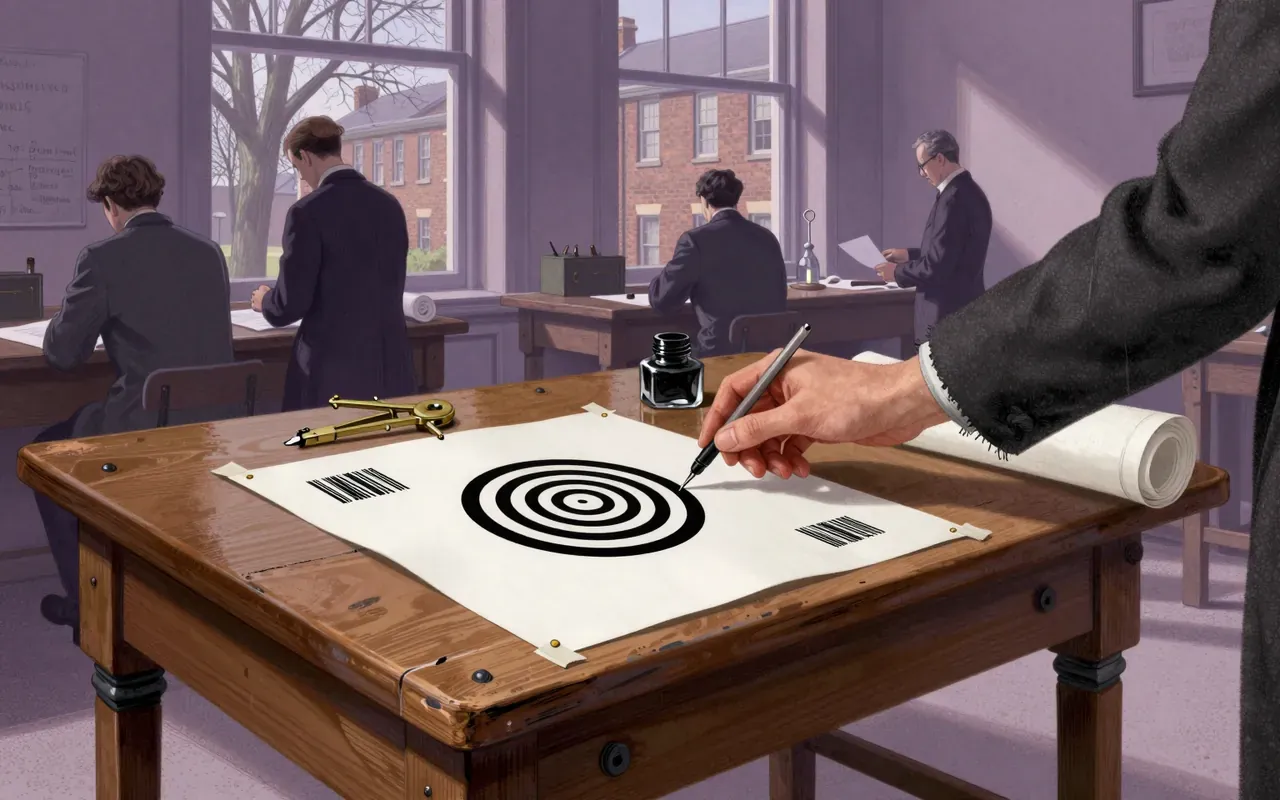
The barcode is a mechanically simple but commercially premature solution: a direct optical translation of Morse code into bars, read with repurposed cinema hardware. It worked in lab conditions but failed in practice—fading ink, no scanners, no standards, no buyers. Its value emerged only when retail infrastructure caught up, not because the invention matured.

10:31

Combine harvester

Hiram Moore

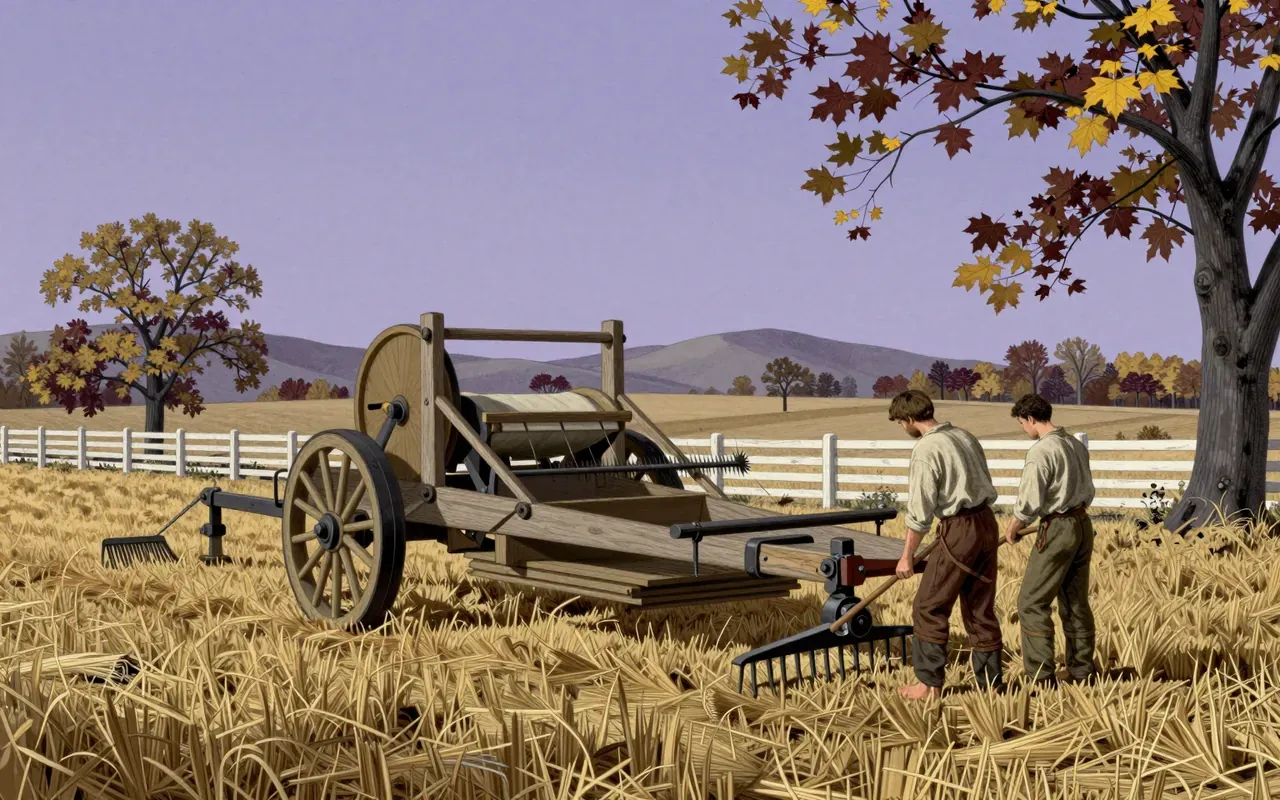
The 1835 Moore combine was a singular integration of three harvest operations — reaping, threshing, winnowing — in one horse-drawn machine. It proved the concept could function at scale (20+ ha by 1839) but introduced no labour savings, required massive animal power (20 horses), and left no operational legacy. Its importance is archival, not agronomic.

10:53

Escalator

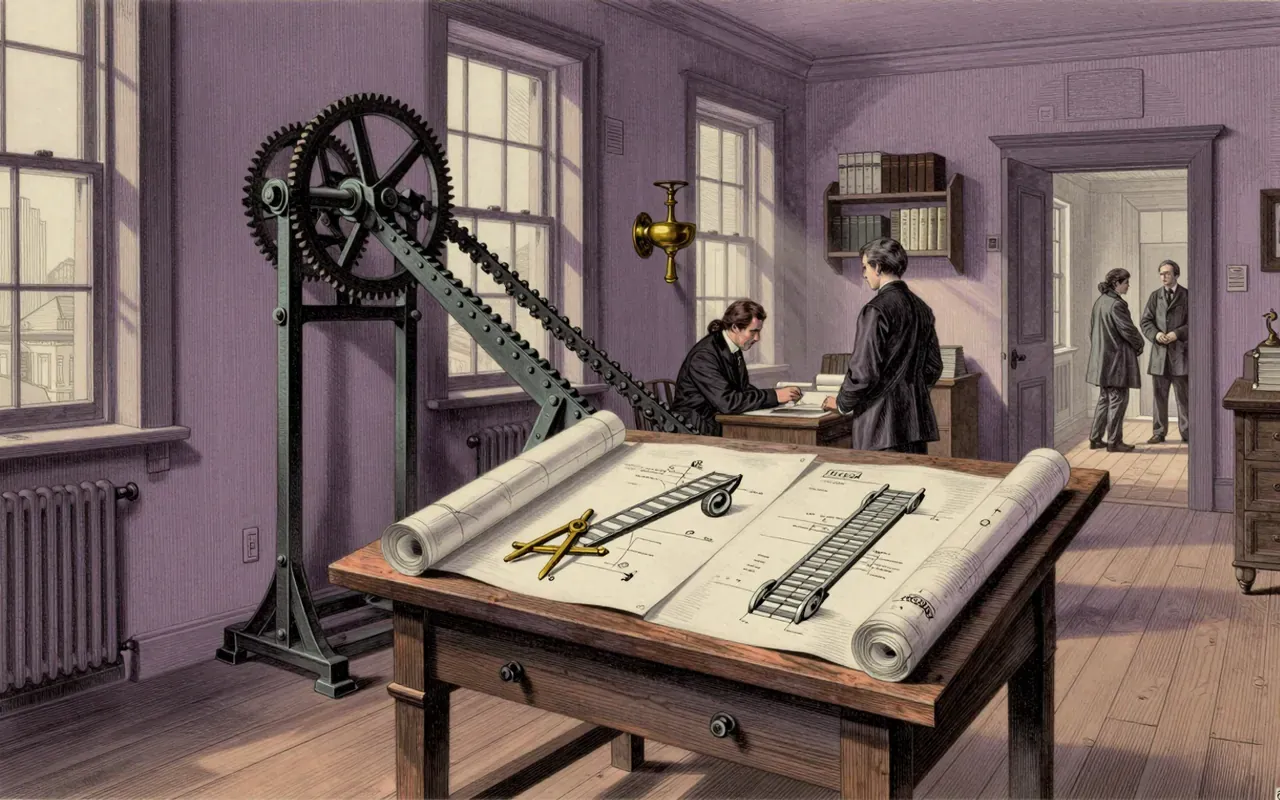
The escalator did not exist in 1891 — it was a series of failed patents, one working demo, and three years of silence before commerce.
10:12

Gas-turbine engine

John Barber · 1791

John Barber’s 1791 gas-turbine patent describes a continuous-flow internal combustion engine with compressor, combustor, and turbine — the first to integrate all three in a self-contained gas-generator core. It operates on the Brayton cycle. No evidence exists that it was built or ran. It changes how we classify engines — distinguishing true gas turbines from exhaust-driven devices — but delivers no working performance, no efficiency data, and no engineering resolution of ignition, heat tolerance, or rotational balance. Its significance is taxonomic, not operational.

9:36

Berliner Gramophone

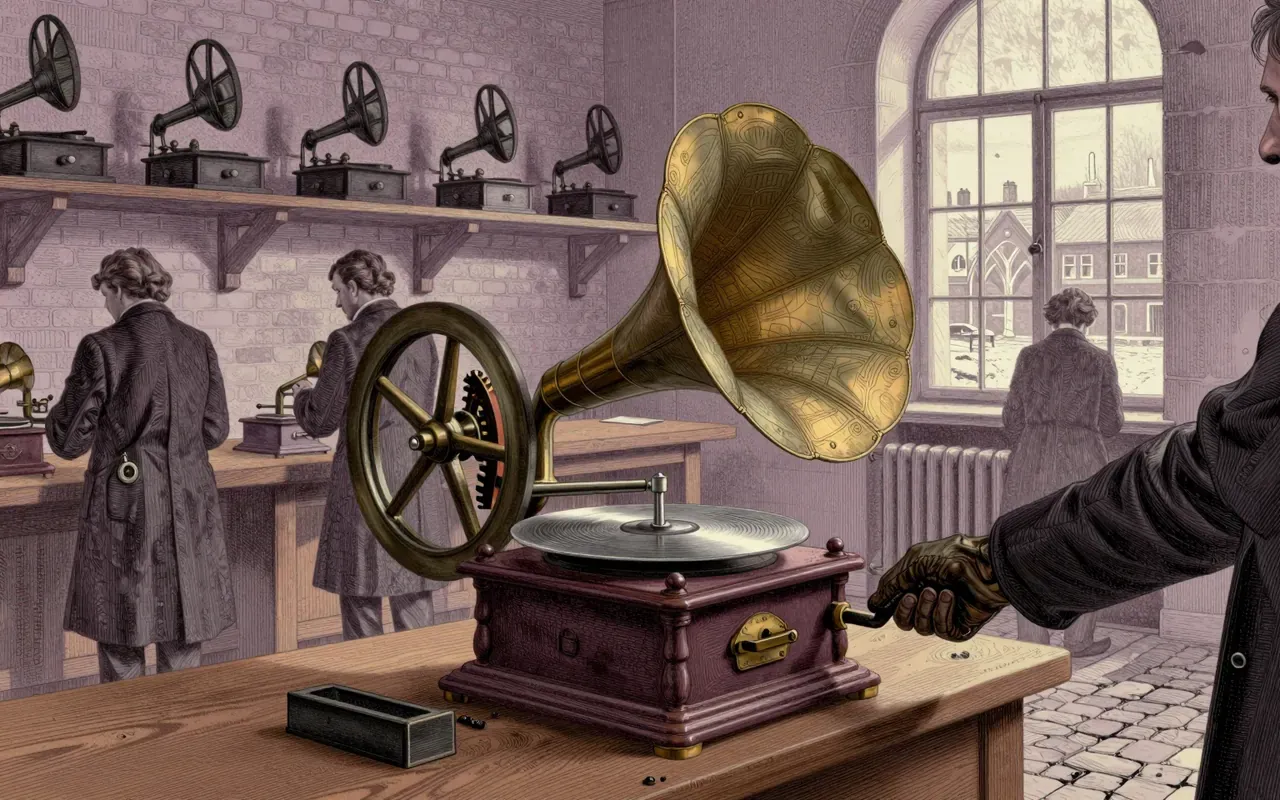
The Berliner Gramophone didn’t invent sound recording—but it invented the record label, the disc format, and the idea that music could be a stamped commodity.
8:39

Loudspeaker

Oliver Lodge

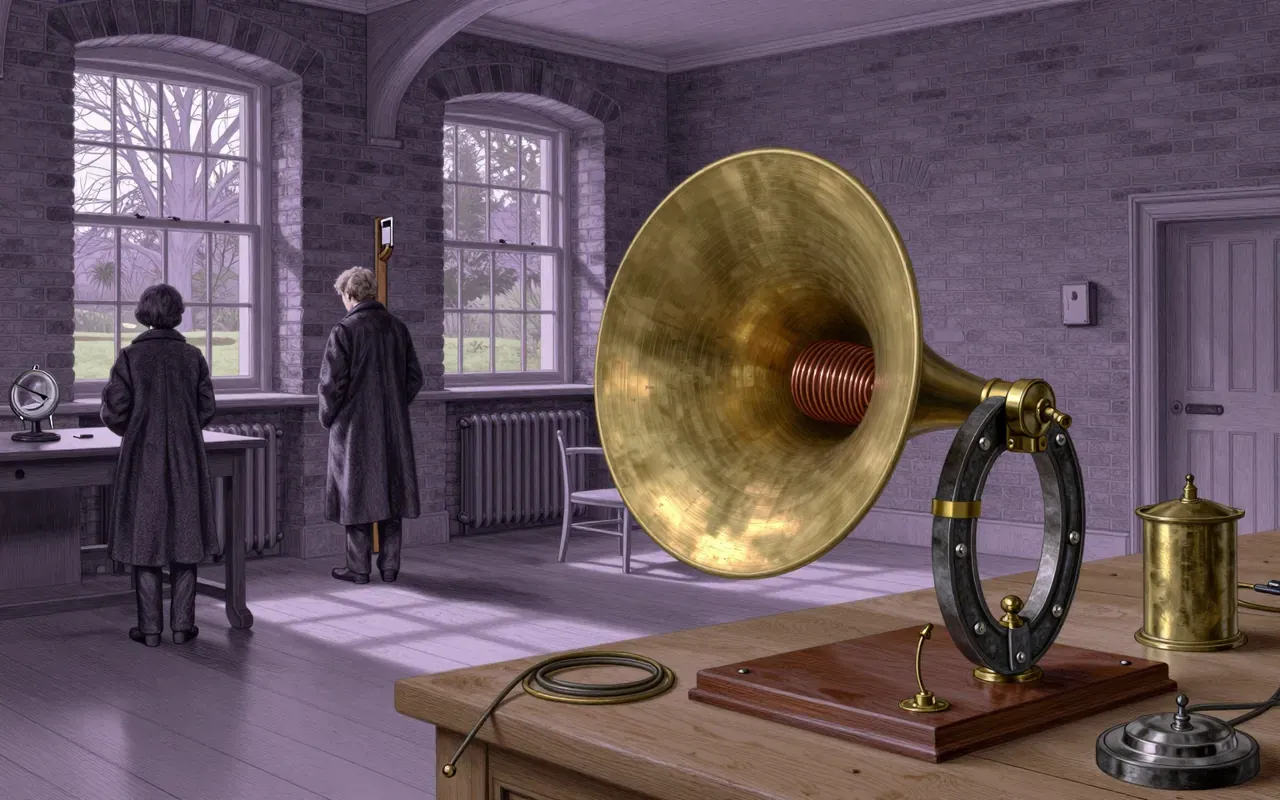
Lodge’s 1898 invention is the origin point of the moving-coil loudspeaker—but it was experimental, uncommercialised, and functionally limited. It proved electromagnetic transduction could move air. It did not solve amplification, fidelity, or scalability. Its value lies in principle, not performance.

8:31

Neon lamp

Georges Claude

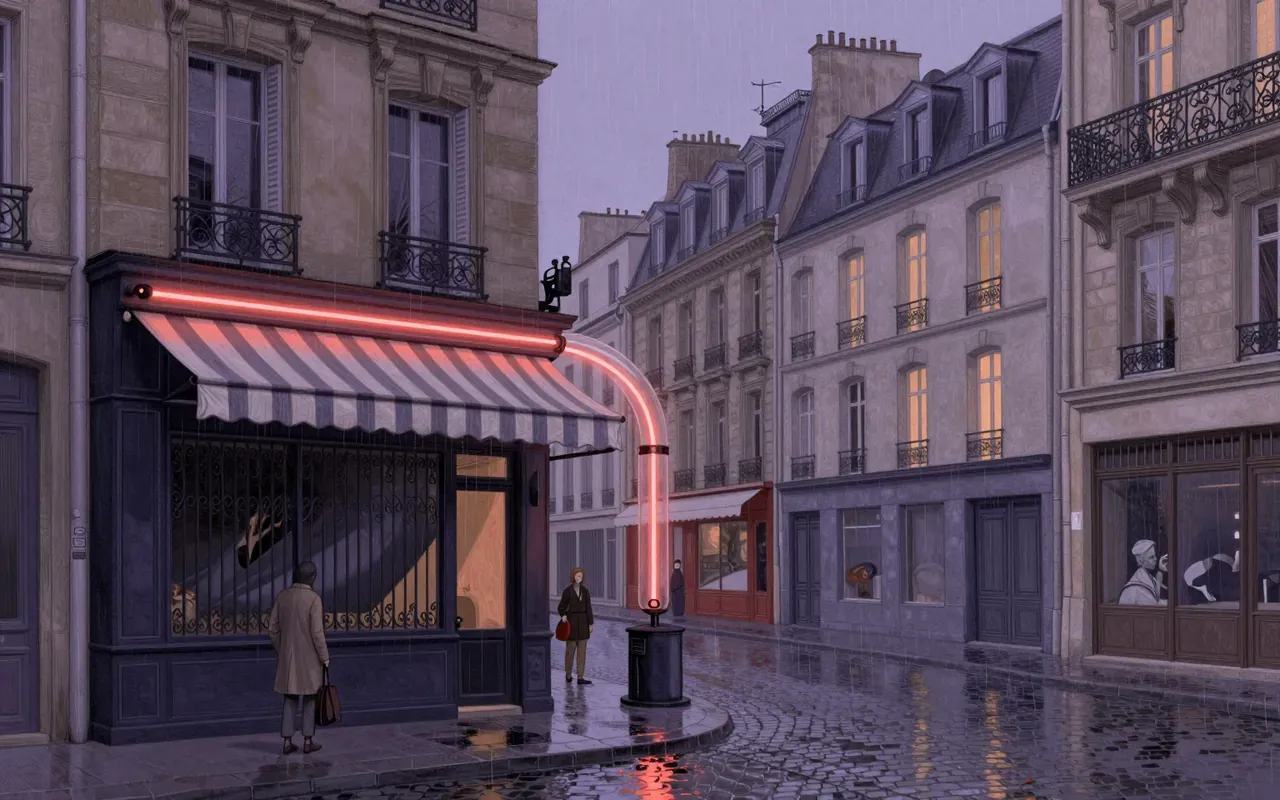
Claude’s neon tube lighting was not the first gas-discharge light—but it was the first commercially viable one. Its success hinged on solving two engineering problems: keeping neon pure inside a sealed tube, and stopping electrodes from eroding under electrical stress. It turned air liquefaction waste into revenue. It did not enable low-power indicators—that came later, with Moore’s coronal-discharge lamp. It did not eliminate maintenance—it deferred it. Its real innovation was industrial integration, not physics.

9:38

PH meter

Arnold Beckman

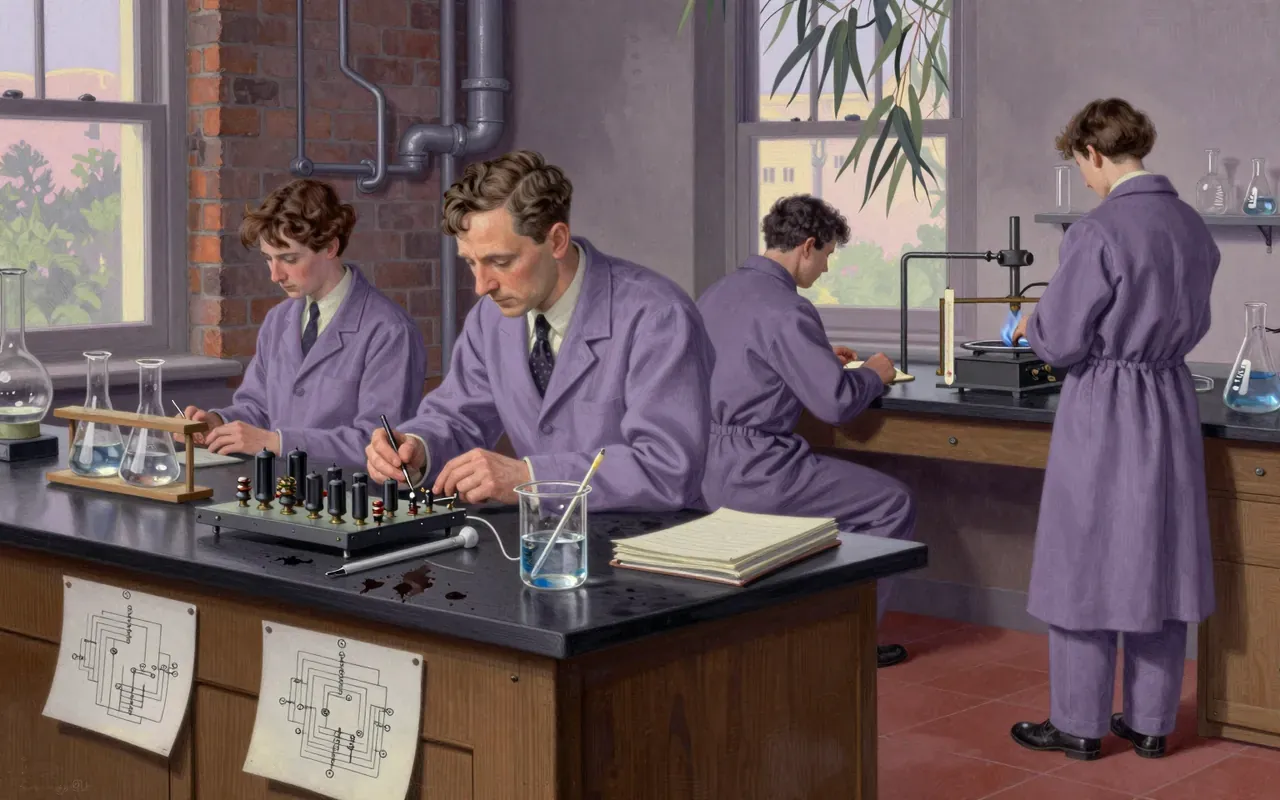
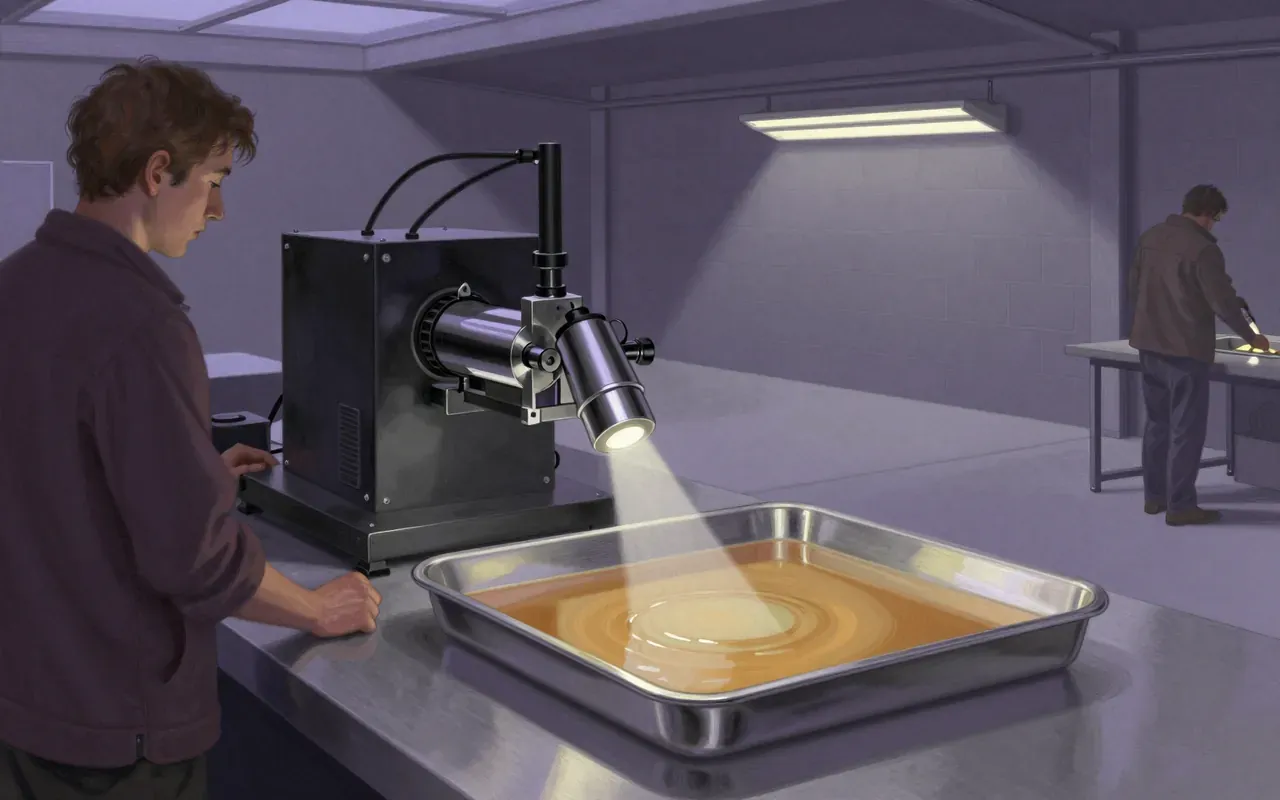
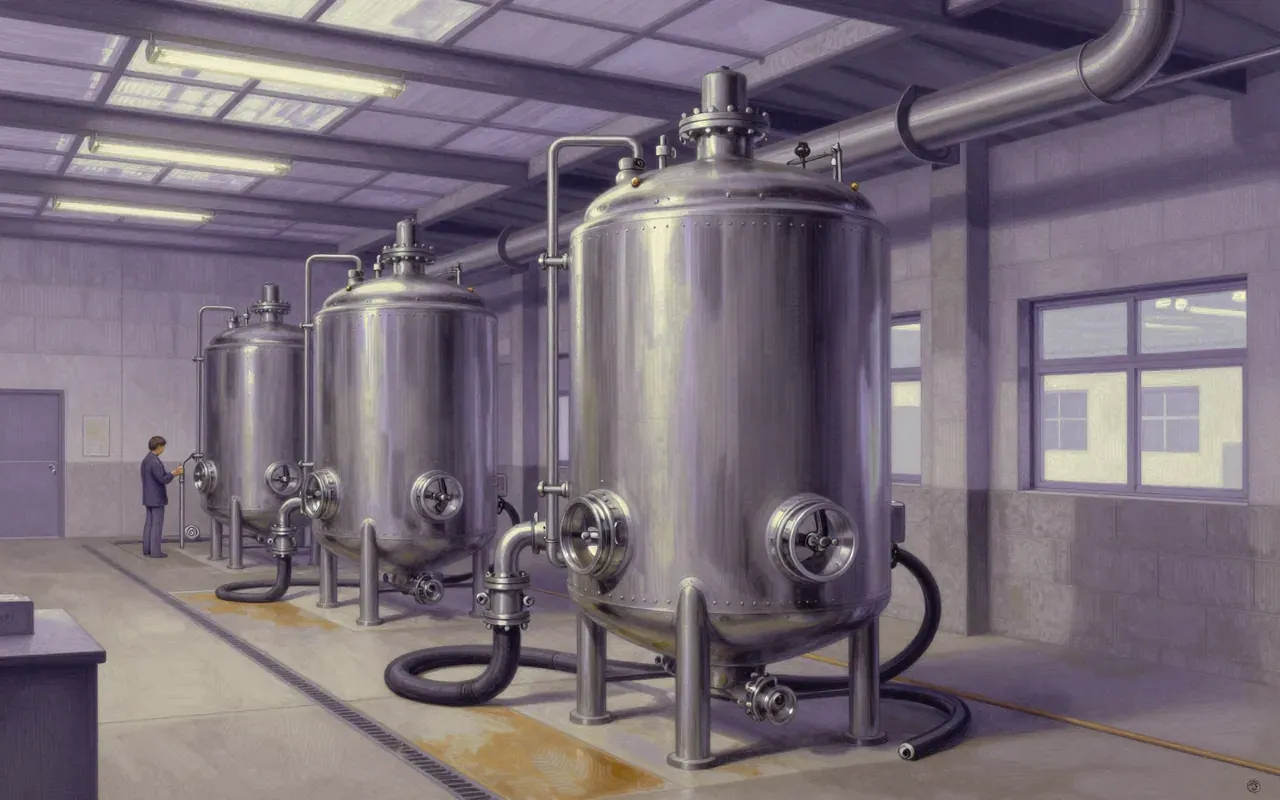
The Beckman pH meter is the first patented, commercially successful electronic instrument for measuring pH. It solved a specific industrial problem — Sunkist’s inability to track acidity during citric acid production due to sulfur dioxide interference — by amplifying fragile glass electrode signals via vacuum-tube circuitry. It worked reliably enough to displace bench-scale setups, generate $60,000 in sales by 1936, and establish the template for electronic chemical instrumentation. It did not solve electrode drift, temperature error, or field durability — those came later. Its value lies not in universality, but in proving that electronic amplification could make previously unmeasurable chemistry quantifiable in real-world conditions.
9:46

Photographic film

George Eastman

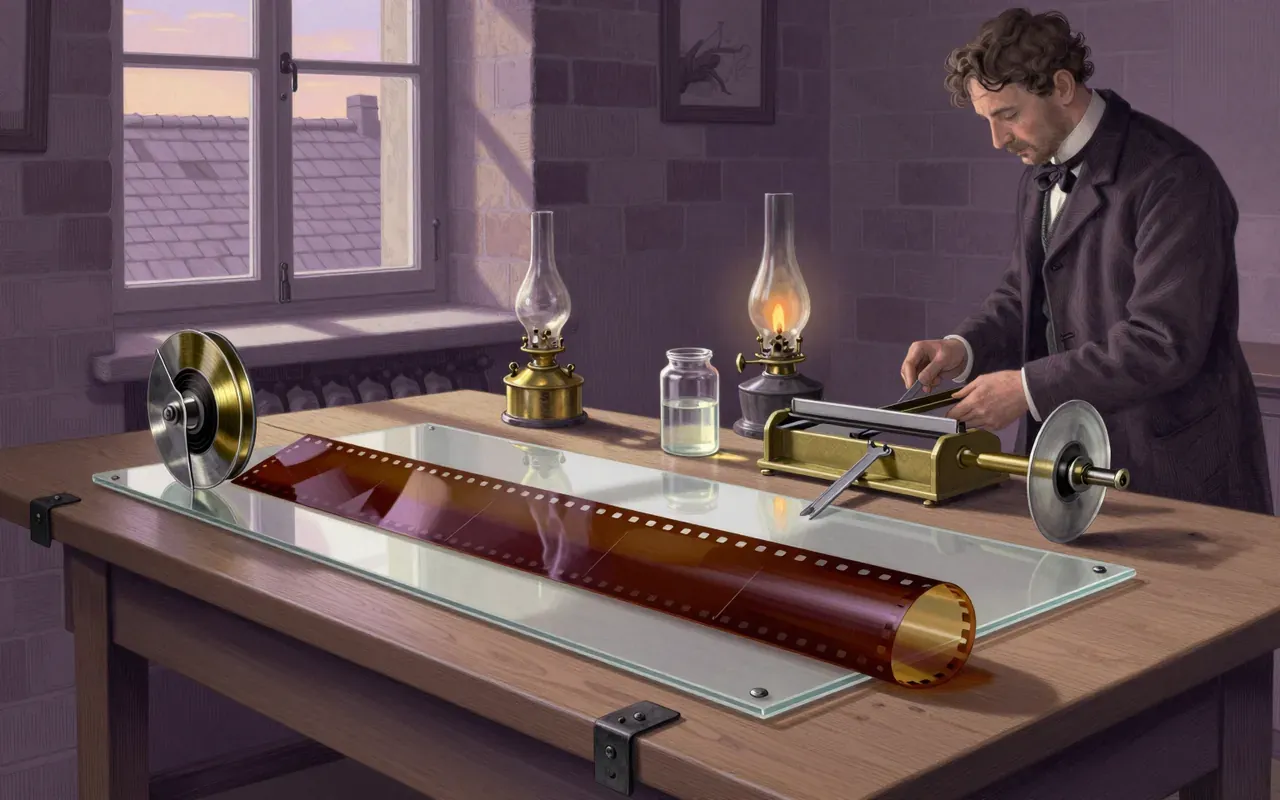
Eastman did not invent photography. He invented the first scalable, separable, service-integrated imaging system — and made it flammable, proprietary, and profitable.

9:40

Refrigerator

Carl von Linde · 1856

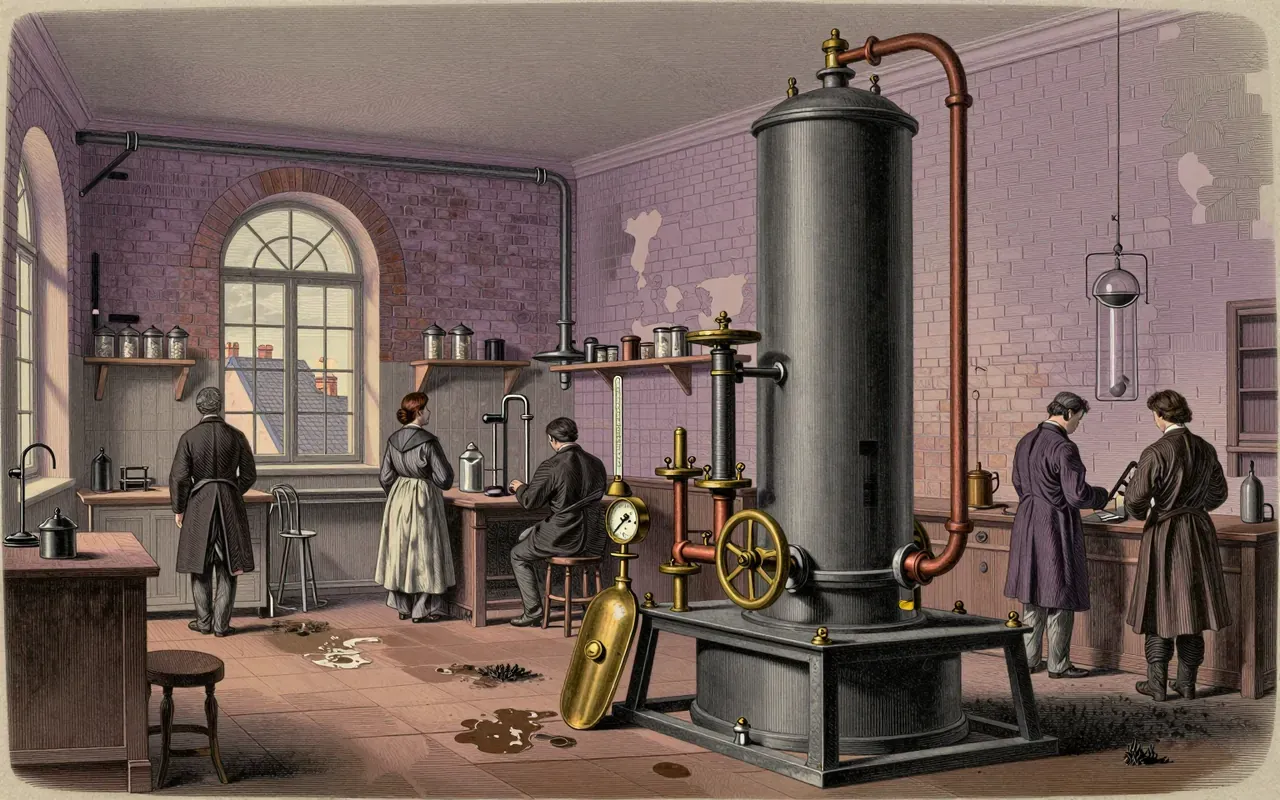
Linde’s 1876 compressed-ammonia refrigerator was the first practical, compact, and reliable vapor-compression system. It solved industrial spoilage by enabling stable low-temperature control — starting with the Spaten Brewery in 1873. Its mechanism relied on compression, condensation, expansion, and evaporation, later formalised as the refrigeration cycle in 1895. But it used toxic refrigerants without safeguards — a trade-off baked into its design. Its legacy is real: ammonia remains in industrial use today. Its failure is structural: safety was deferred, not designed.

9:58

Rotary printing press

Richard March Hoe

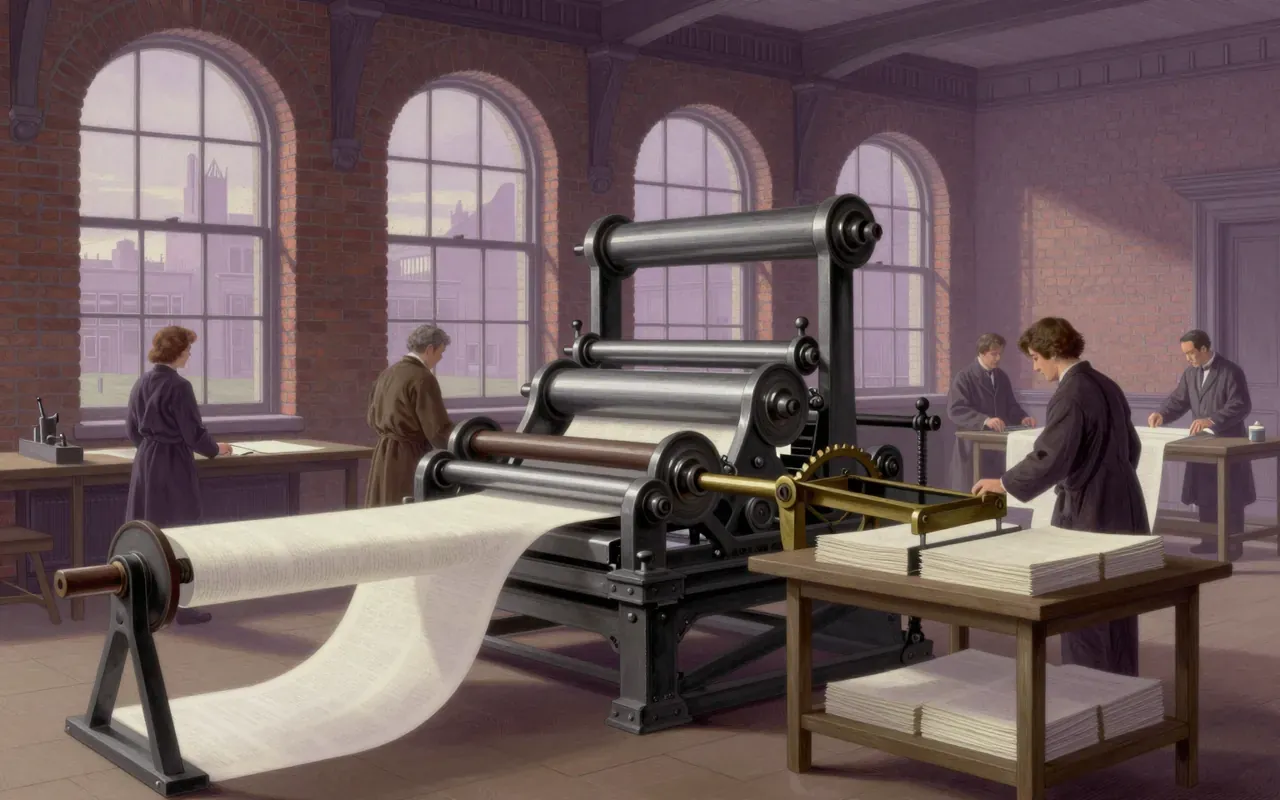
The rotary printing press solved the bottleneck of flatbed impression speed by rotating type cylinders against a fixed platform. It worked because rotation enabled stable, repeatable contact at scale. Its 1846 form was deployable; its 1870 web perfecting variant automated cutting and folding at 18,000 papers/hour. It did not eliminate manual feeding until the 1870 version. It changed publishing by making daily mass print economically viable. It matters for anyone studying how mechanical standardisation enables information scale.

10:26

Telephone

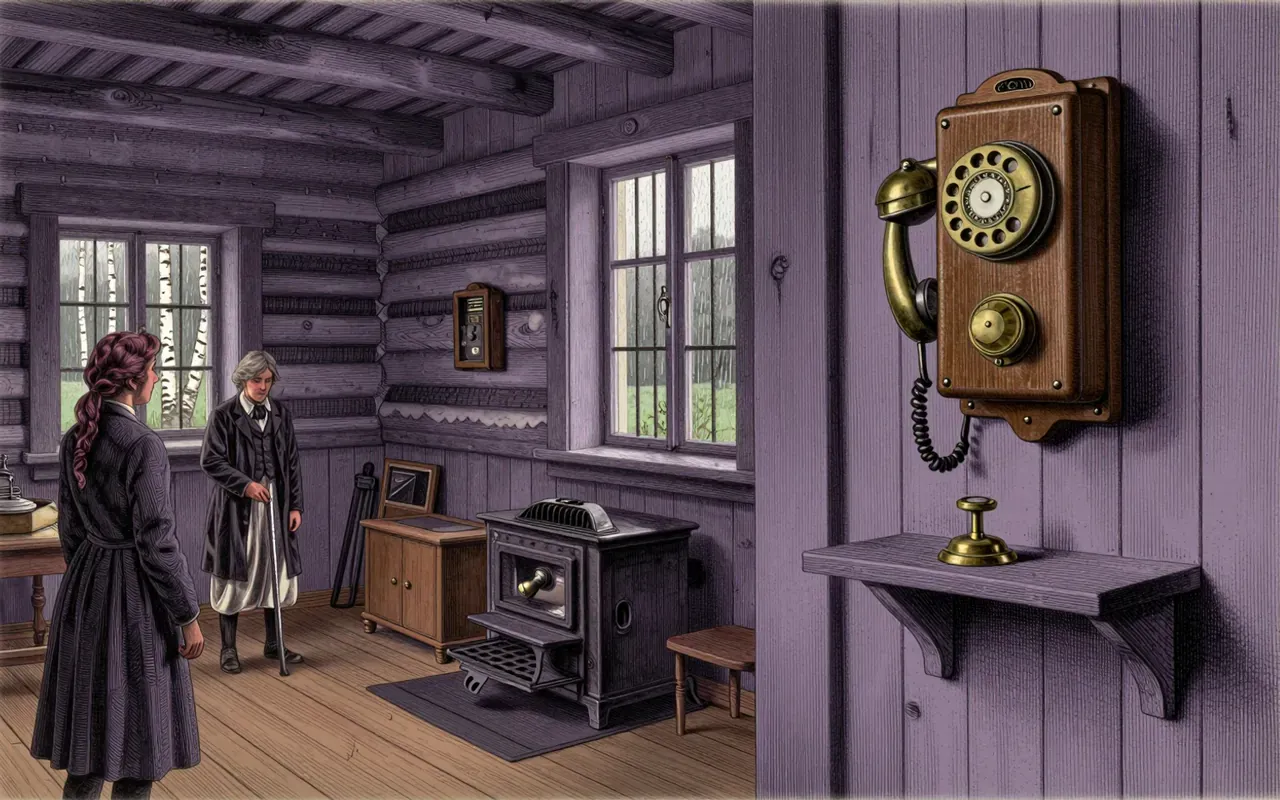
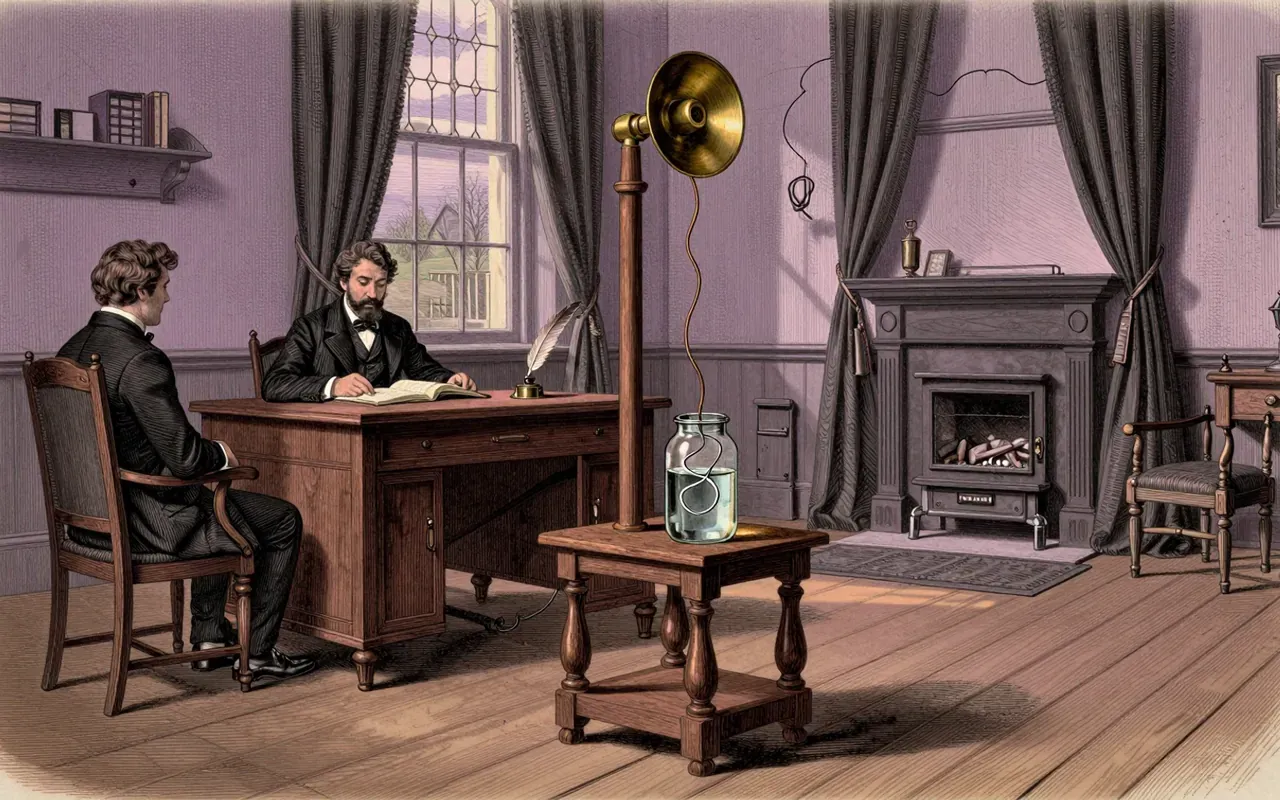
The telephone wasn’t invented in 1876—it was *specified*: a precise physical condition for intelligibility, not a finished product.
10:22

History of the telescope

Hans Lippershey

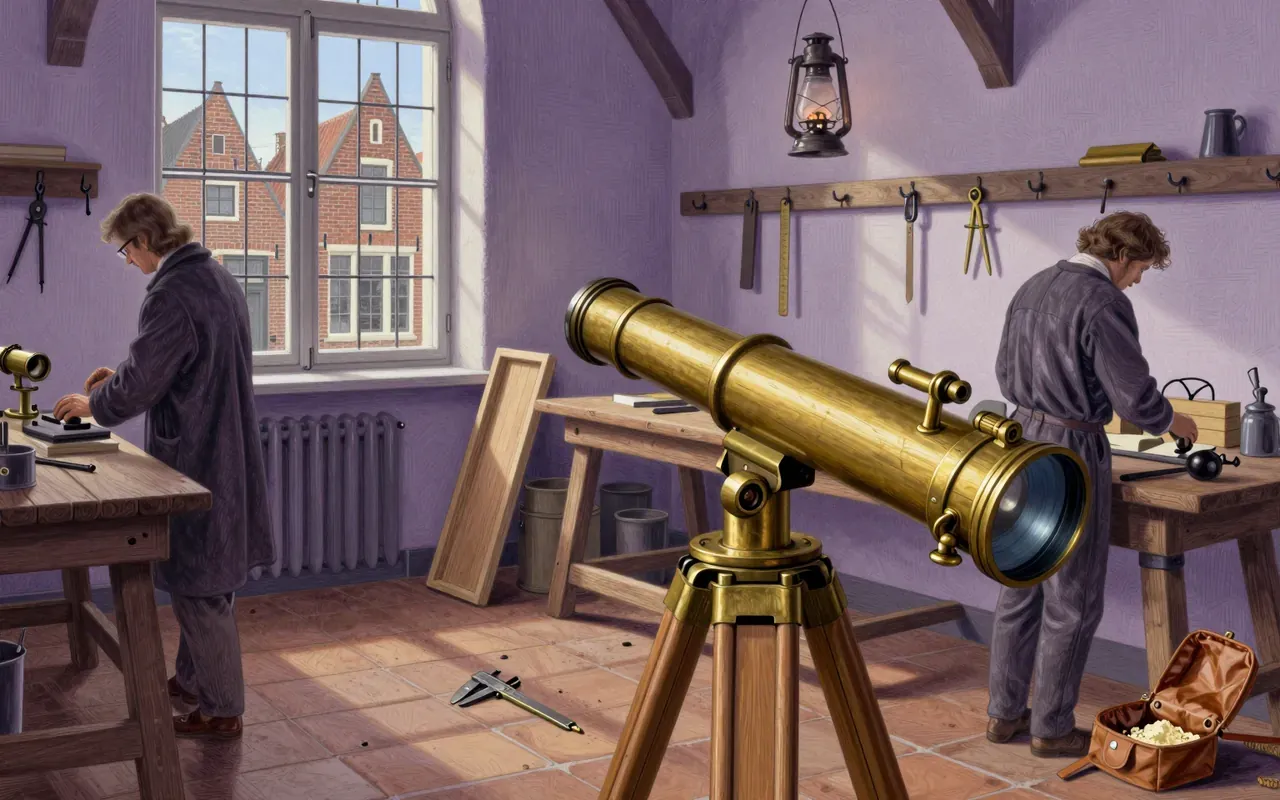
The Lippershey telescope is not the origin of astronomy—it is the origin of optical procurement. It works. It is limited. It was copied before it was patented. Its legacy is procedural, not optical.

8:37

Tractor

John Froelich

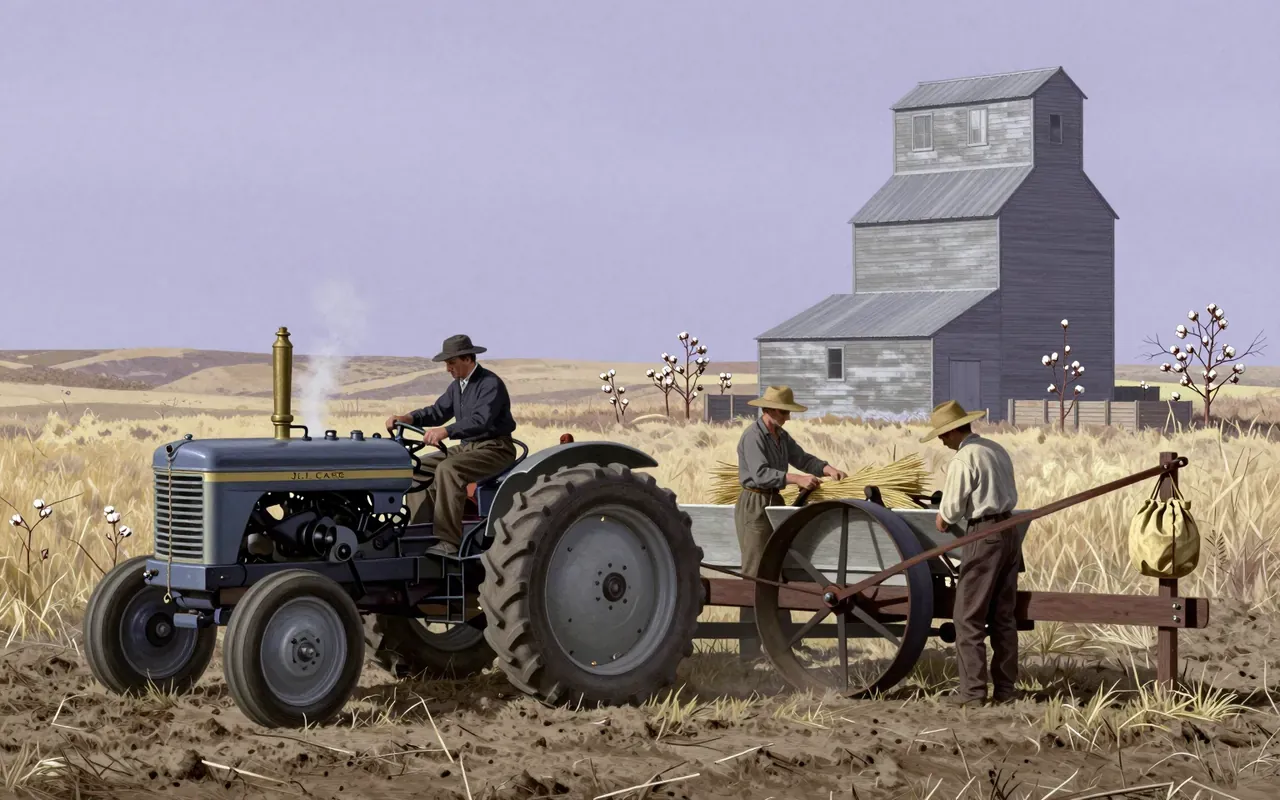
The 1892 Froelich tractor is a functional prototype — not a product, not a platform, not a pivot point. It works once, in one place, for one purpose. Its mechanism is clear. Its failure is documented. Its influence is retrospective mythmaking.

11:04

Turbocharger

Alfred Büchi

Alfred Büchi’s 1905 turbocharger patent established the axial turbine–compressor-on-common-shaft architecture still used today. It solved no immediate problem: the 1915 aircraft prototype failed. Its first functional applications were marine diesel engines in 1923 (1750 → 2500 hp) and stationary diesel engines in 1925 (1,300 → 1,860 kW, +40% efficiency). All verified successes occurred under Büchi’s direct supervision. No verified application existed outside large, slow-speed diesel systems before 1925.

10:23

Wi-Fi

Wi-Fi replaced cables with radio — but gave up control, security, and predictability to do it.