technologybriefs
9:38in productionCh. 1 · The lemon juice problem/ 9:38 · ceiling 15 min
Hardware · Tech history

PH meter

It didn’t measure pH better — it made pH measurable where it wasn’t before.

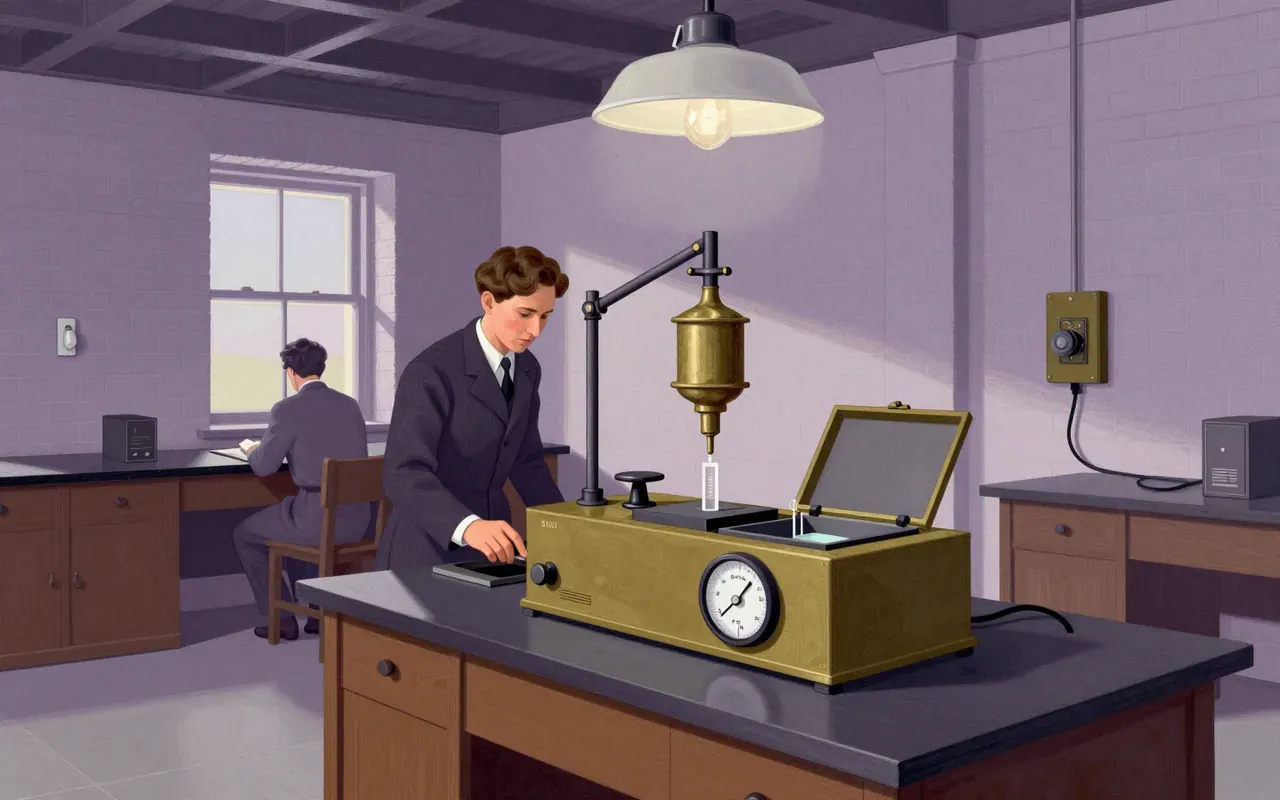
The Beckman pH meter is the first patented, commercially successful electronic instrument for measuring pH. It solved a specific industrial problem — Sunkist’s inability to track acidity during citric acid production due to sulfur dioxide interference — by amplifying fragile glass electrode signals via vacuum-tube circuitry. It worked reliably enough to displace bench-scale setups, generate $60,000 in sales by 1936, and establish the template for electronic chemical instrumentation. It did not solve electrode drift, temperature error, or field durability — those came later. Its value lies not in universality, but in proving that electronic amplification could make previously unmeasurable chemistry quantifiable in real-world conditions.

Chapters & takeaways4
  1. 0:50
    The lemon juice problem

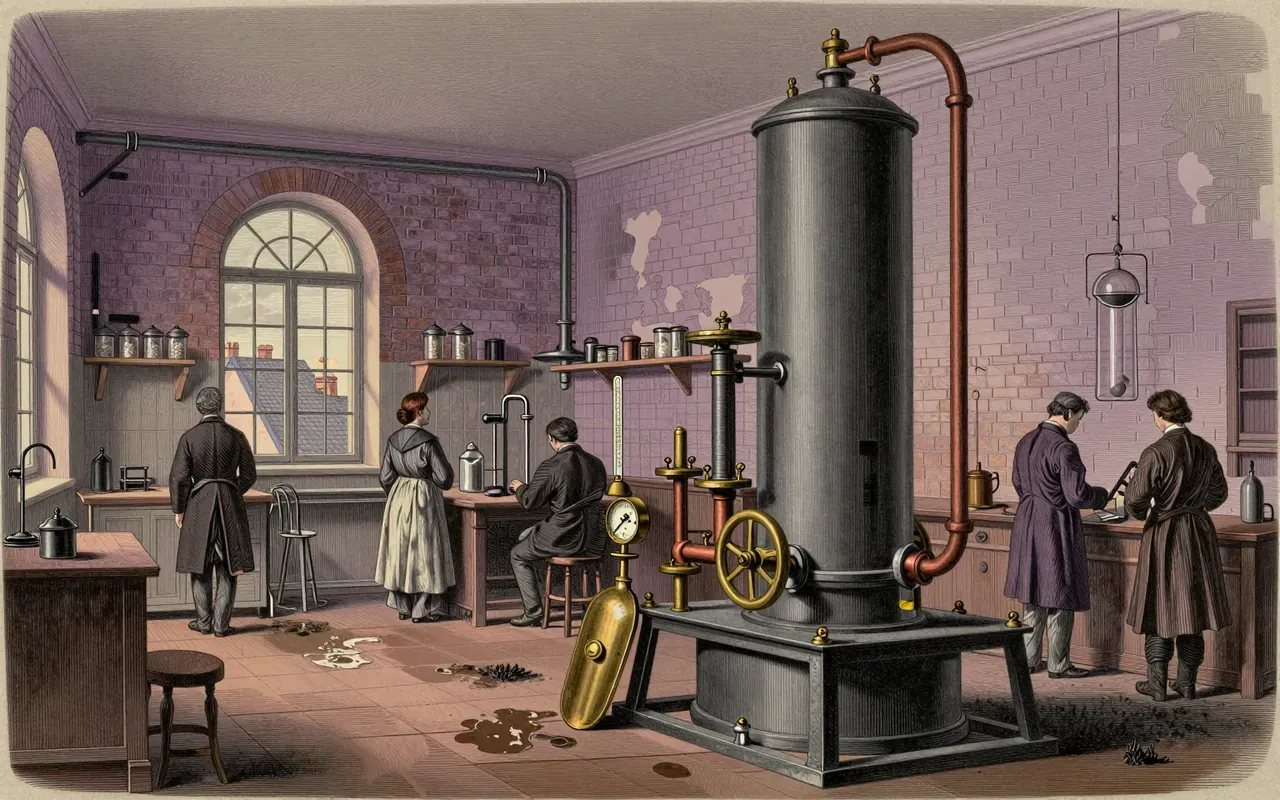
    Sunkist needed acidity data during citric acid production, but sulfur dioxide broke existing methods.

  2. 2:26
    Amplification over precision

    Beckman amplified the signal instead of chasing sensitivity — a glass electrode in a vacuum-tube grid circuit delivered usable voltage.

  3. 4:21
    From glitch to instrument

    A sealed glass bulb fixed depth-dependent readings; the final unit weighed 7 kg and replaced entire benches of gear.

  4. 6:00
    First sale, then standard

    By 1936, 444 units generated $60,000 in sales — the first electronic chemical instrument to achieve commercial scale.

Worth your time?

Yes. Study the whole thing.

4.5/ 5
What works
  • amplifies weak glass electrode signals
  • fixes immersion-depth error via sealed bulb
  • replaces benchfuls of gear with one portable unit
  • achieves commercial scale within two years
What does not
  • eliminate electrode drift
  • solve temperature dependence
  • deliver digital output
  • operate without vacuum tubes
Study it if
  • industrial process chemists
  • instrument designers
  • historians of scientific instrumentation
Skip it if
  • modern lab technicians expecting plug-and-play calibration
  • field biologists needing battery-powered gear
  • software developers seeking API integrations
The written brief1 min read

What it is and the problem it solves

It is the first patented, commercially successful electronic pH meter. It solves Sunkist’s need for reliable acidity measurement in citric acid production, where sulfur dioxide ruined colourimetric tests and damaged hydrogen electrodes.

How it works

It measures electrical potential difference between electrodes using potentiometric principles. Beckman placed a fragile glass electrode in the grid circuit of a vacuum-tube amplifier to boost its weak signal. He sealed the glass bulb to eliminate depth-dependent reading errors.

What works

The vacuum-tube amplification works: it converts a fragile, microvolt-level glass electrode signal into a stable, readable output. The sealed glass electrode works: it fixes immersion-depth errors. The portable 7-kg design works: it replaces cumbersome bench setups. Commercial adoption works: 444 units sold in 1936 for $60,000.

What does not

It does not eliminate electrode drift, temperature dependence, or calibration drift. It does not solve sulfur dioxide damage to hydrogen electrodes — it avoids them entirely by using glass. It does not deliver digital readouts, auto-calibration, or battery operation.

What it changes

It shifts acidity measurement from subjective, interference-prone colourimetry and unstable electrochemical setups to objective, amplified electronic signal capture. It establishes the commercial viability of integrated electronic chemical instruments.

Is it worth your time

Yes — if you work with acid-base chemistry in industrial or lab settings where interference, fragility, or portability undermined prior methods. It replaced benchfuls of equipment with a single 7-kg unit, but required vacuum-tube maintenance and skilled calibration.


Same field · Hardware4 of 111
Up next in Technology

Phonograph

Thomas Edison · 1877 · 10:16

The phonograph worked — but only once, and only just.

10:16