Linde’s 1876 compressed-ammonia refrigerator was the first practical, compact, and reliable vapor-compression system. It solved industrial spoilage by enabling stable low-temperature control — starting with the Spaten Brewery in 1873. Its mechanism relied on compression, condensation, expansion, and evaporation, later formalised as the refrigeration cycle in 1895. But it used toxic refrigerants without safeguards — a trade-off baked into its design. Its legacy is real: ammonia remains in industrial use today. Its failure is structural: safety was deferred, not designed.
Linde’s first system used dimethyl ether; he switched to ammonia within months to improve reliability.
1:41
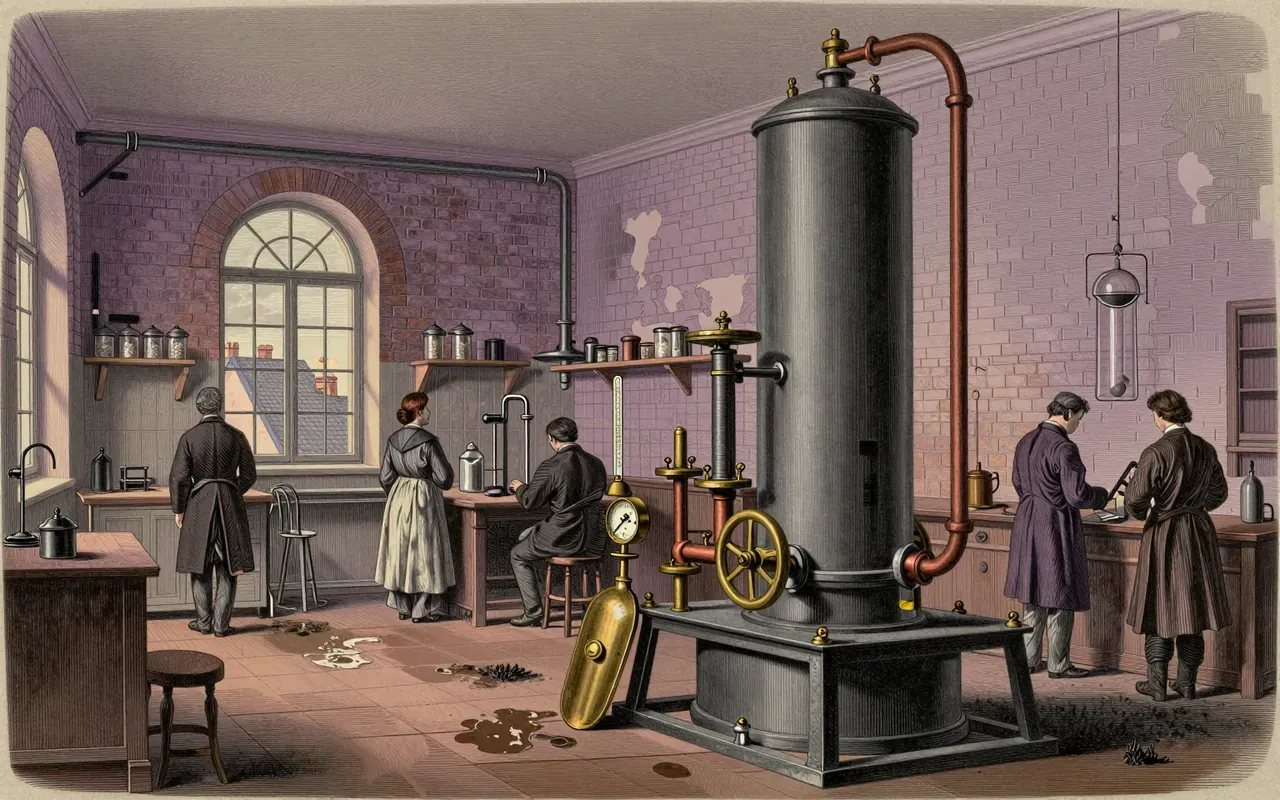
The first working refrigerator
The 1876 patent delivered the first practical, compact, compressed-ammonia refrigerator — not a prototype, but an installable machine.
3:18
Toxic by design
Ammonia, sulfur dioxide, and methyl chloride became standard refrigerants — widely used until the late 1920s, despite documented safety risks.
4:27
Cycle discovered late
The refrigeration cycle wasn’t discovered until 1895 — a decade after the first machines ran, proving engineering preceded theory.
5:56
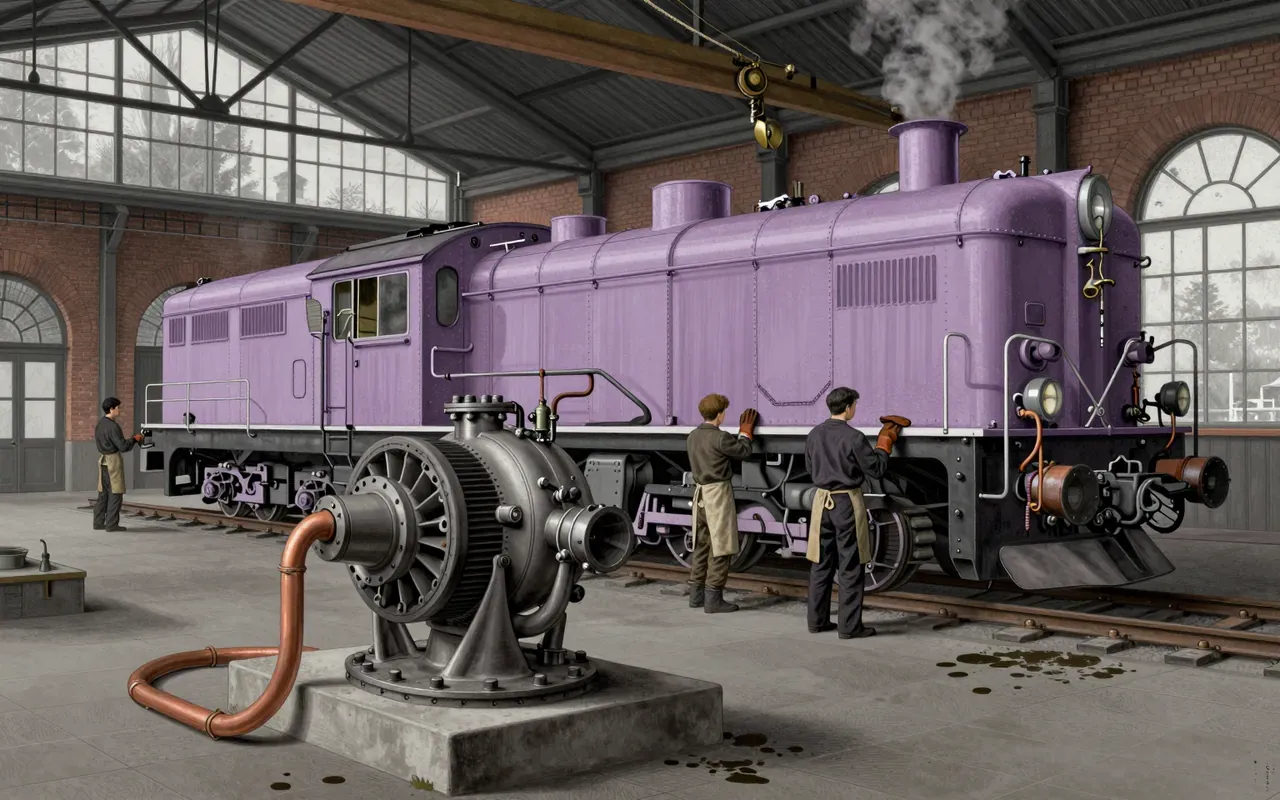
Heat exchange as infrastructure
Linde’s air liquefaction apparatus used the Joule–Thomson effect and counter-current heat exchange — core principles reused in his refrigerators.
2 more chaptersFewer chapters
Worth your time?
Yes. Study the whole thing.
4/ 5
What works
Delivers continuous, controllable cooling.
Enables industrial-scale fermentation and storage.
Validates vapor-compression as a repeatable thermodynamic process.
What does not
It does not eliminate refrigerant risk.
It does not scale safely to domestic use.
It does not include automatic pressure or leak safeguards.
Study it if
Industrial process engineers
Historians of thermal technology
Refrigerant safety researchers
Skip it if
Consumer appliance designers
HVAC software developers
Sustainability consultants focused on GWP
Who should study it, and who should skipHide who it is for
The written brief1 min read
What it is and the problem it solves
A practical, compact, compressed-ammonia refrigerator. It solves uncontrolled spoilage in industrial fermentation and storage by enabling stable low-temperature environments.
How it works
It uses vapor-compression refrigeration: compressing ammonia gas, condensing it to liquid, then expanding it to absorb heat. Linde’s 1876 patent improved gas liquefaction using compression and expansion — later formalised as the refrigeration cycle in 1895.
What works
The vapor-compression cycle works. Linde’s 1876 design was the first reliable and efficient version. His use of counter-current heat exchange and the Joule–Thomson effect — proven in air liquefaction by 1895 — validated the thermodynamic mechanism.
What does not
It does not solve refrigerant toxicity. Ammonia, sulfur dioxide, and methyl chloride were used despite known safety concerns — and no mitigation is described in the sources.
What it changes
It changes food preservation and brewing at industrial scale. The Spaten Brewery installed Linde’s first system in 1873; his 1876 ammonia refrigerator enabled reliable, compact, continuous cooling for factories and breweries.
Is it worth your time
Yes — if you work on industrial cooling systems, refrigerant safety, or legacy thermal infrastructure. Its ammonia-based design remains in use, but its toxicity and lack of built-in safety controls limit direct relevance to modern domestic or data-centre applications.