The phonograph established mechanical sound recording as possible — but delivered nothing usable. Its tinfoil medium broke, distorted, and wore out. Edison patented it in 1878 but shelved it for a decade. Only Bell’s wax-cylinder rival in the 1880s forced him to act.
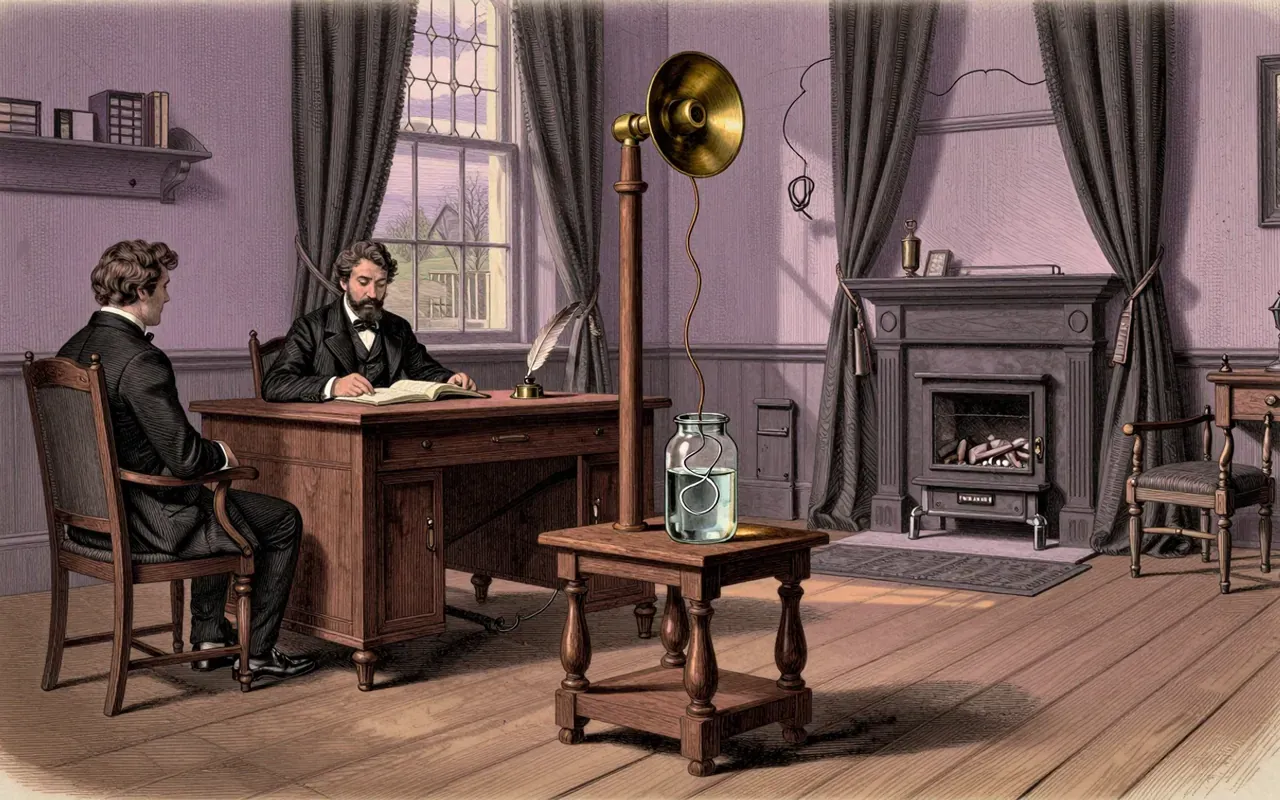
Edison conceived it from telegraphy — not music or speech — as a way to record and replay messages.
2:10
How it recorded
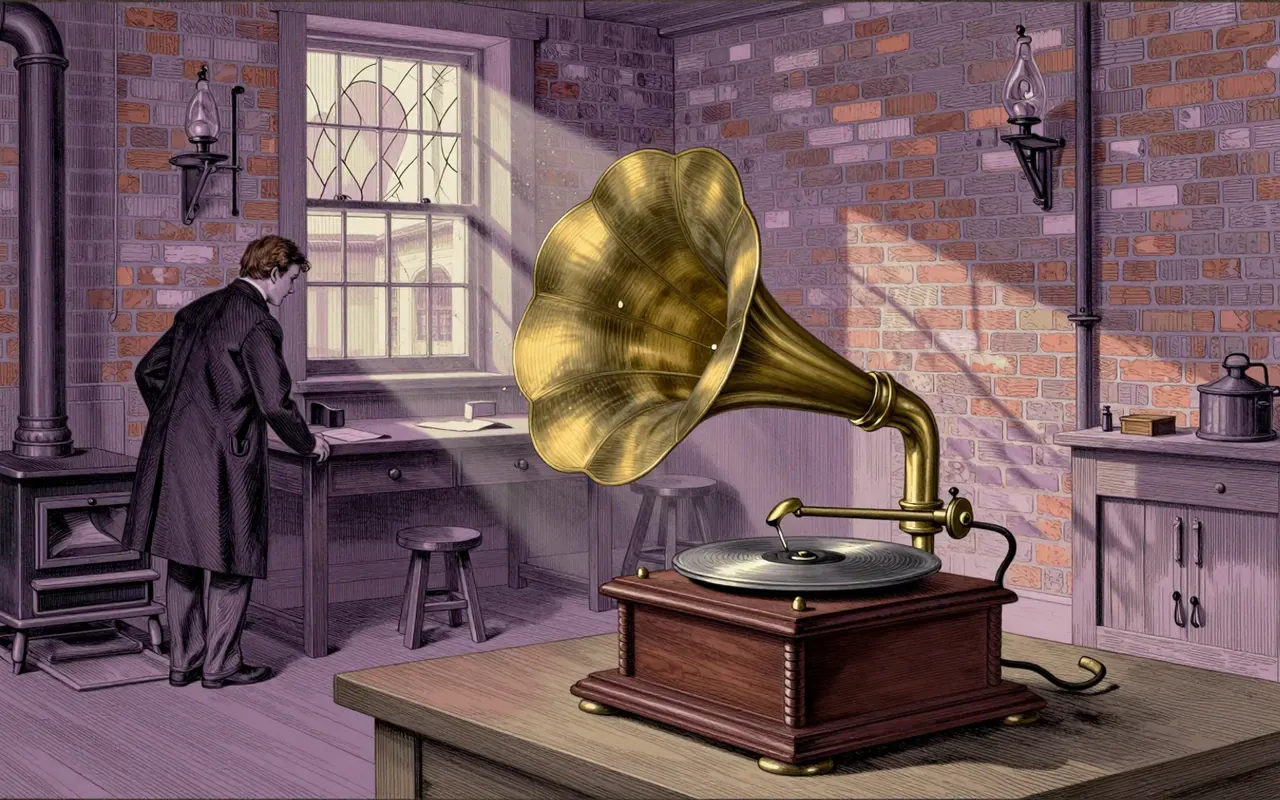
It indented tinfoil on a rotating grooved cylinder — a fragile, one-time medium.
3:16
Why it failed
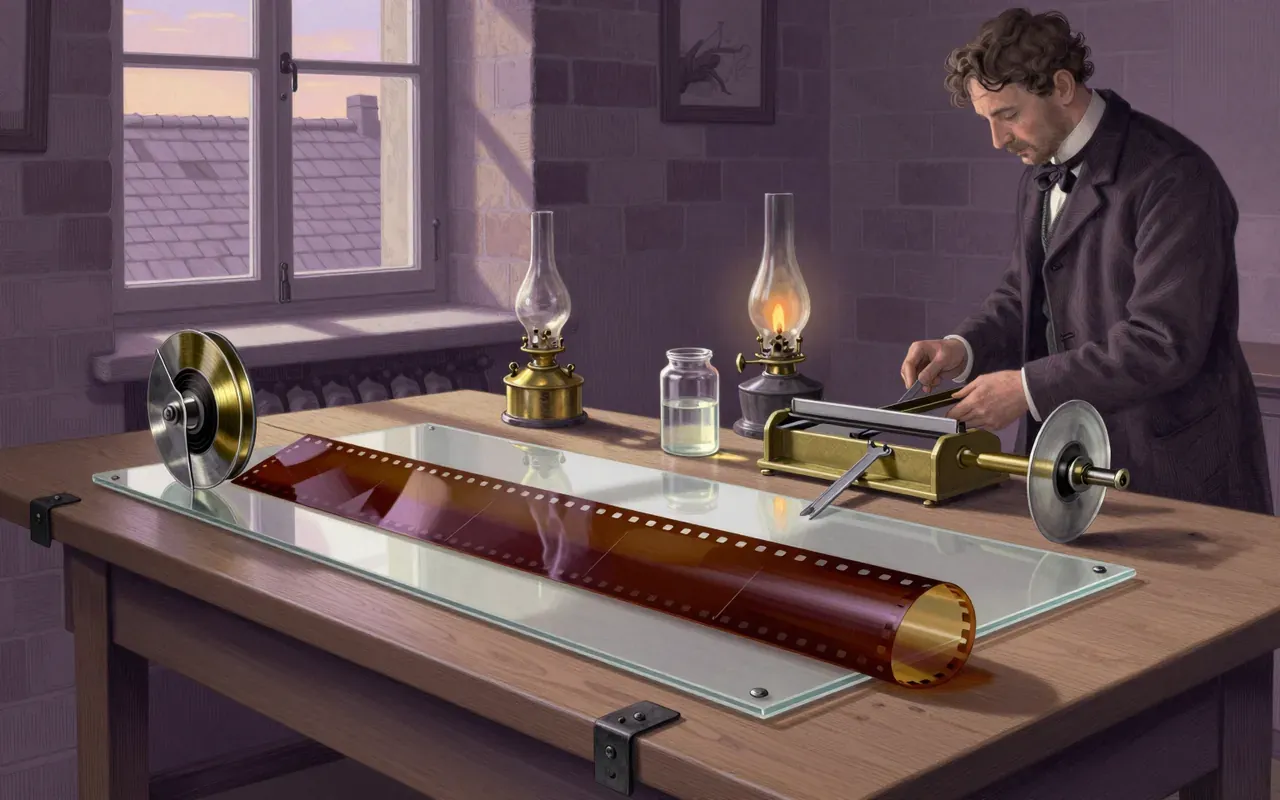
Tinfoil tore. Sound distorted. Playback degraded after a few attempts.
4:22
Public debut, then silence
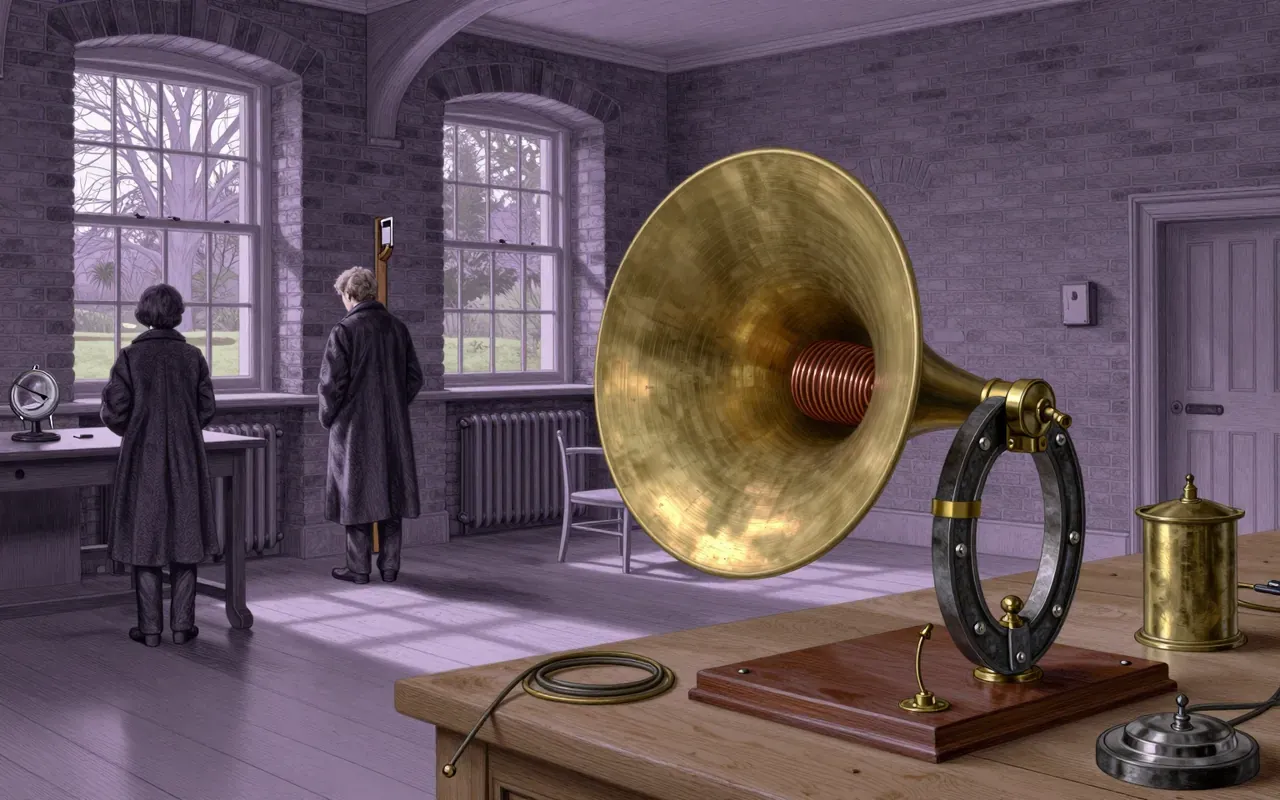
Edison announced it in November 1877 and demonstrated it at the National Academy of Sciences in April 1878 — then set it aside.
5:40
Delayed by competition
Edison patented it in 1878 but deferred commercialisation until Bell’s wax-cylinder rival emerged in the 1880s.
6:38
Fame without function
It made Edison famous — but not because it worked well, and not because it changed how people listened.
Worth your time?
No. The brief is enough.
2.5/ 5
What works
proves mechanical sound inscription is possible
enables single-play demonstration of voice reproduction
What does not
deliver durable playback
support repeated use
enable commercial adoption in 1877
Study it if
historians of invention
engineers studying early transduction
Skip it if
audio practitioners
product designers
media archivists
The written brief1 min read
What it is and the problem it solves
A mechanical device that records and replays sound. It solved the theoretical problem of capturing audible vibration in physical form.
How it works
It recorded sound by indenting tinfoil wrapped around a grooved cylinder as it rotated, using a diaphragm and stylus to translate vibrations into ‘hill-and-dale’ grooves.
What works
It proved the principle: sound could be inscribed and retrieved mechanically. Edison recited ‘Mary Had a Little Lamb’ and heard it back.
What does not
Tinfoil tore easily. Playback distorted the sound. Each recording lasted only a few plays.
What it changes
It changed public perception of Edison — giving him wider notice in 1877 — but not sound technology, which stalled until wax-cylinder rivals forced commercial development in the 1880s.
Is it worth your time
No — it was a proof-of-concept only, abandoned for a decade, with no practical utility in its original form.