What it is and the problem it solves
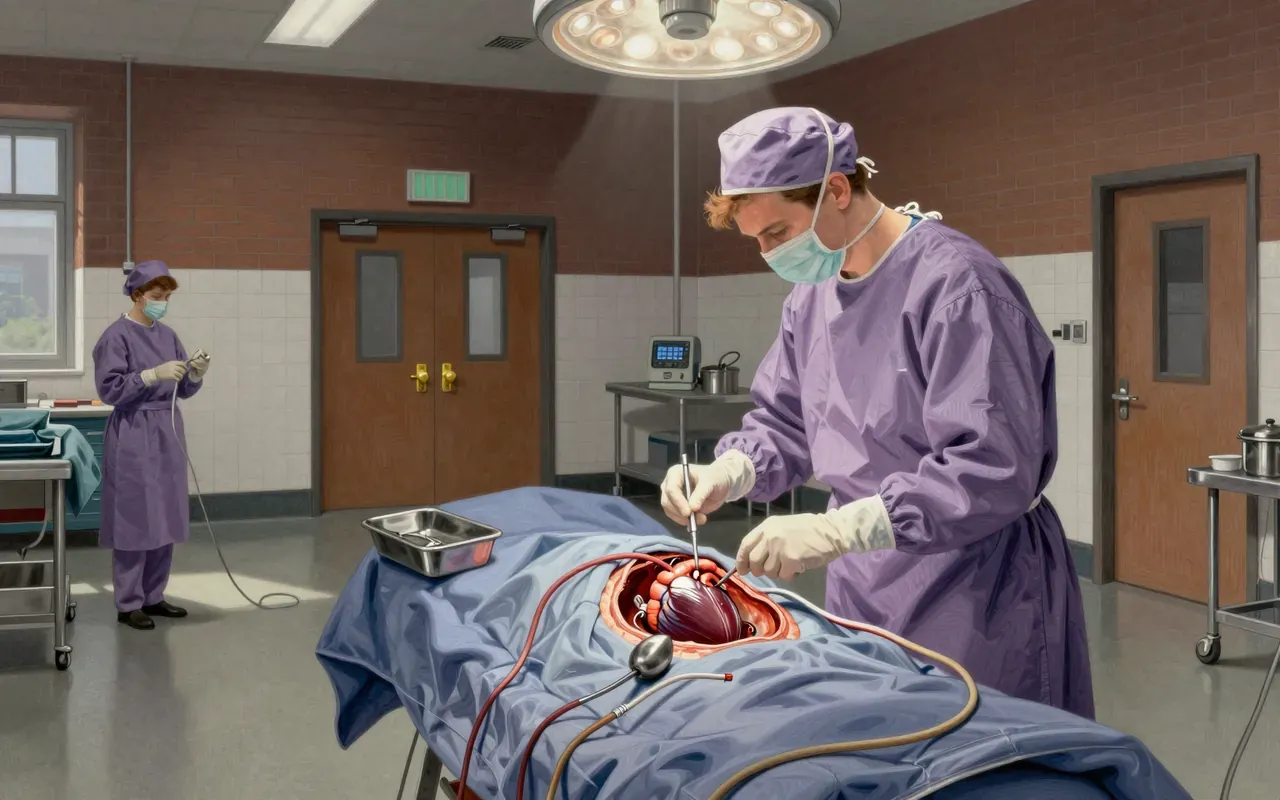
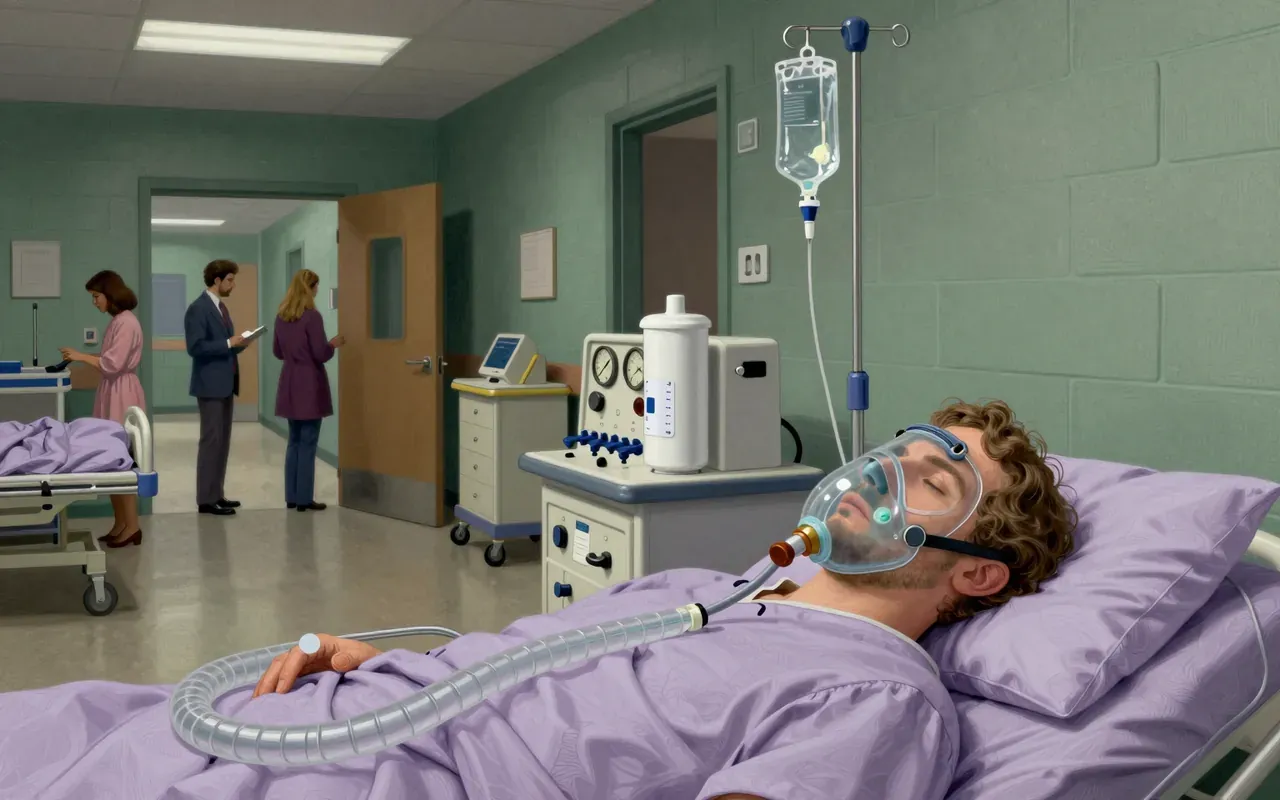
A ventilator is a safety-critical medical device that delivers mechanical ventilation via positive pressure. It solves the problem of insufficient or absent spontaneous breathing—keeping patients alive when their lungs cannot move enough air.
How it works
A ventilator delivers breaths by pneumatically compressing an air reservoir several times per minute. It uses air and oxygen supplies, valves, tubes, and a patient circuit. Exhalation is passive, relying on lung elasticity; exhaled air exits via a one-way valve—the patient manifold. Modern units use embedded systems to adjust pressure and flow precisely per patient. Some include manual backup for power loss; others have safety valves that open to atmosphere to prevent suffocation.
What works
Positive pressure delivery works. Passive exhalation via lung elasticity works. Embedded microprocessor control works for precise adaptation. Manual backup mechanisms and anti-suffocation valves work during power loss.
What does not
It does not breathe for the patient autonomously. It does not replace lung function—it only moves gas. It does not eliminate risk: power failure, valve malfunction, or calibration error can cause harm. It does not adapt without human configuration—even embedded control requires clinician input.
What it changes
It changes the threshold of survivability for acute respiratory failure. It shifts dependence from physiological capacity to engineered reliability. It introduces systemic vulnerability: every ventilator demands uninterrupted power, trained operators, and validated maintenance protocols.
Is it worth your time
Yes—if you work in critical care, biomedical engineering, or health infrastructure. Its reliability requirements, power dependency, and fail-safes directly impact clinical outcomes and system design decisions. It is not relevant to software, AI, or non-clinical hardware domains unless those intersect with life-support system integration or regulation.