What it is and the problem it solves
USB is an industry standard for digital data transmission and power delivery between electronics. It solves the problem of fragmented, non-interoperable PC peripheral interfaces that required separate cables, connectors, drivers, and configuration.
How it works
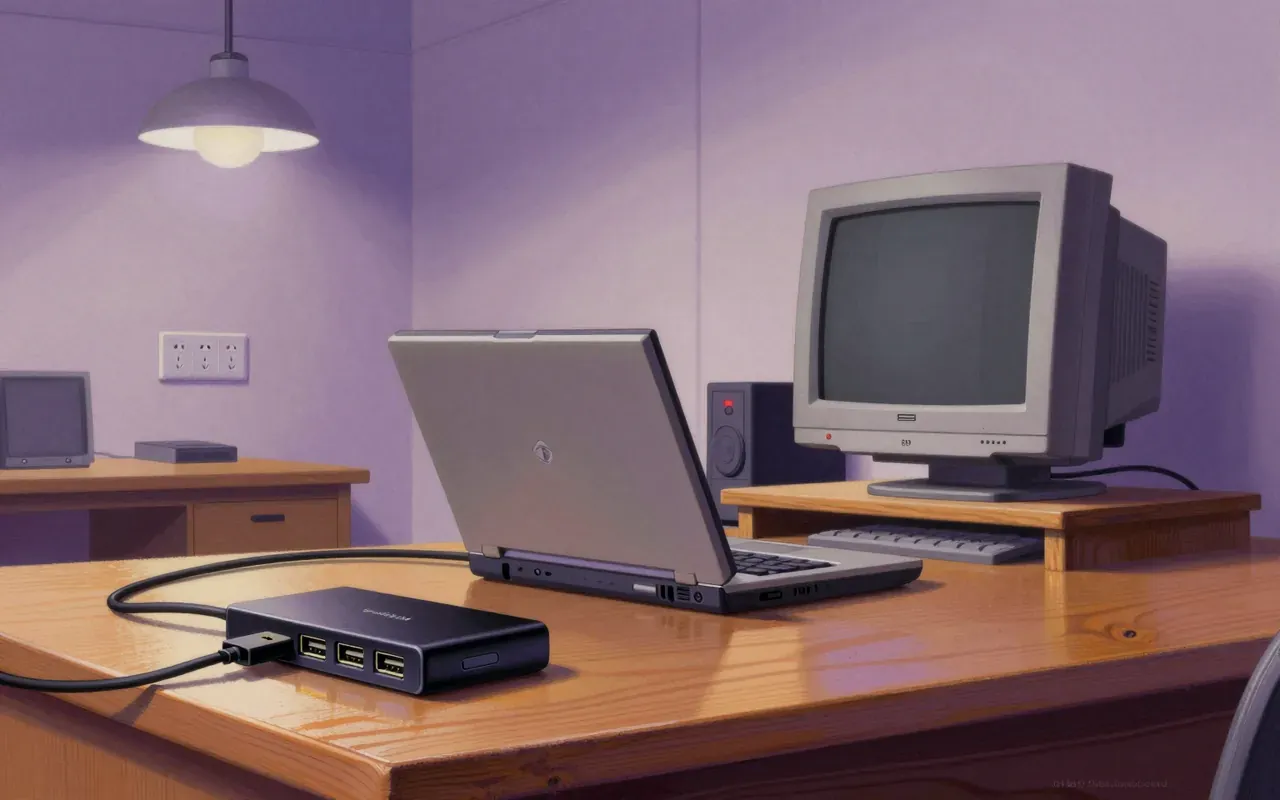
USB defines a standardised architecture, physical interface, and communication protocol for connecting peripherals to computers. It uses a tiered star topology with a host controller, hubs, and devices. Data travels in packets over differential signal pairs. Power is delivered on separate conductors, up to 5 V by default.
What works
Hot-plugging works. Cable interchangeability works across compliant devices. Power delivery up to 5 V / 900 mA (USB 2.0) works for keyboards, mice, and flash drives. The layered protocol stack—transaction, transfer, and device classes—enables functional interoperability without hardware redesign.
What does not
USB does not eliminate driver complexity. It does not guarantee plug-and-play without OS-level software support. It does not solve latency-sensitive timing for audio or industrial control without additional protocols (e.g., USB Audio Class, USB Device Class Definition for MIDI).
What it changes
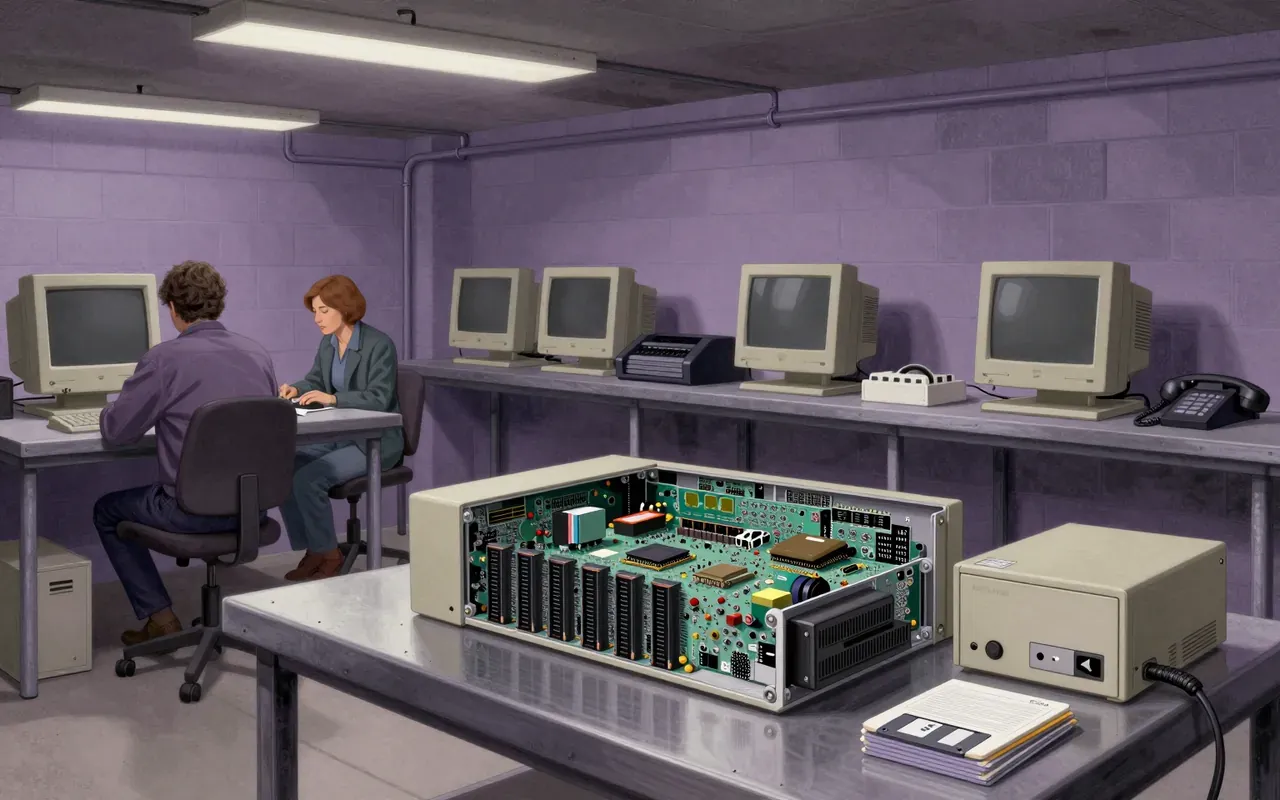
USB replaced five incompatible legacy ports—serial, parallel, game, ADB, and PS/2—with one physically and logically unified interface. It shifted peripheral design from bespoke cabling and custom controllers to a single specification-driven ecosystem.
Is it worth your time
Yes—if you connect peripherals to computers or design embedded systems. USB remains the dominant interface for low-to-mid bandwidth I/O, but its complexity and backward compatibility tax engineering effort and limit real-time determinism.