technologybriefs
9:18in productionCh. 1 · Silhouettes First/ 9:18 · ceiling 15 min
Tech history · Hardware

Television

Television wasn’t invented—it was fought over, line by line, tube by tube, until one standard won by default.

Television is a contested lineage of scanning technologies—not a single invention. Mechanical systems delivered the first public demonstrations; electronic ones delivered scalability. The gap between ‘first image’ and ‘first live camera’ was nine years. The gap between ‘first demo’ and ‘regular broadcast service’ was eleven. What changed was not vision, but synchronisation: the ability to impose a shared temporal frame across geography.

Chapters & takeaways5
  1. 1:09
    Silhouettes First

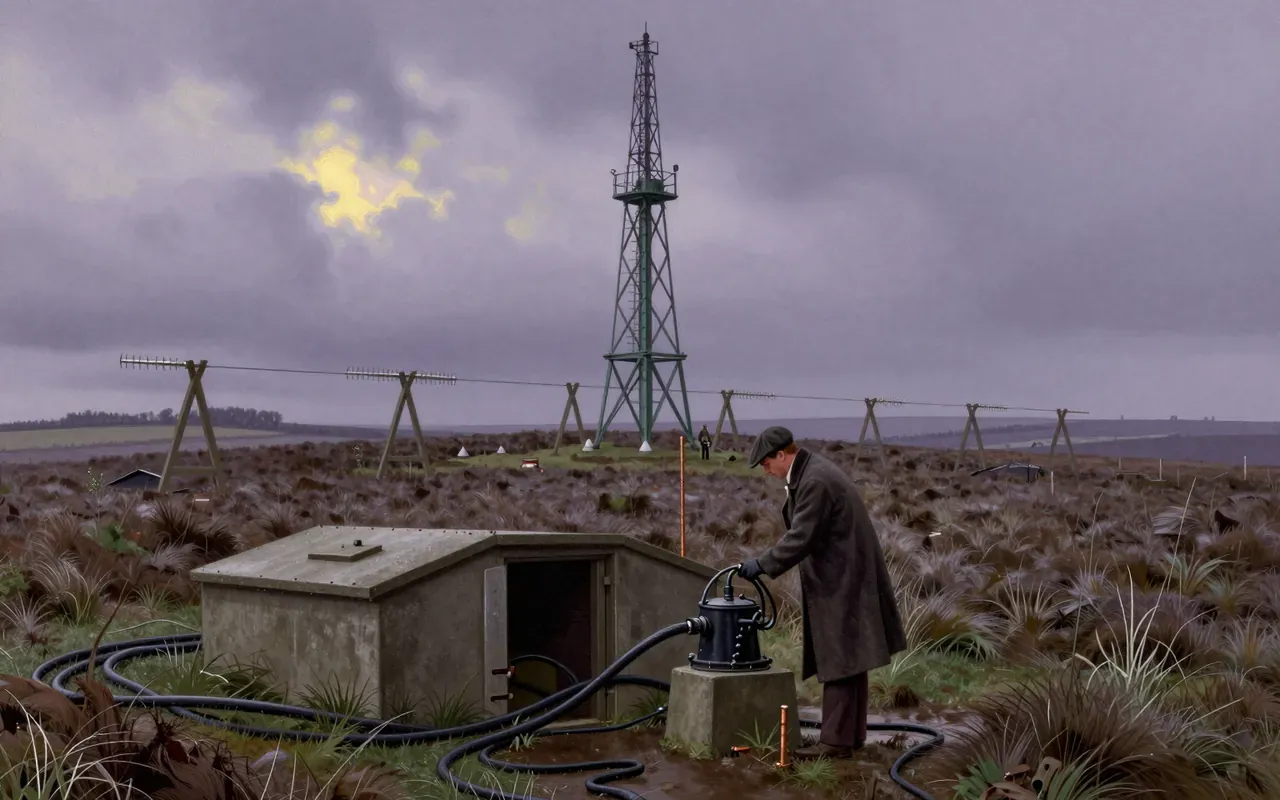
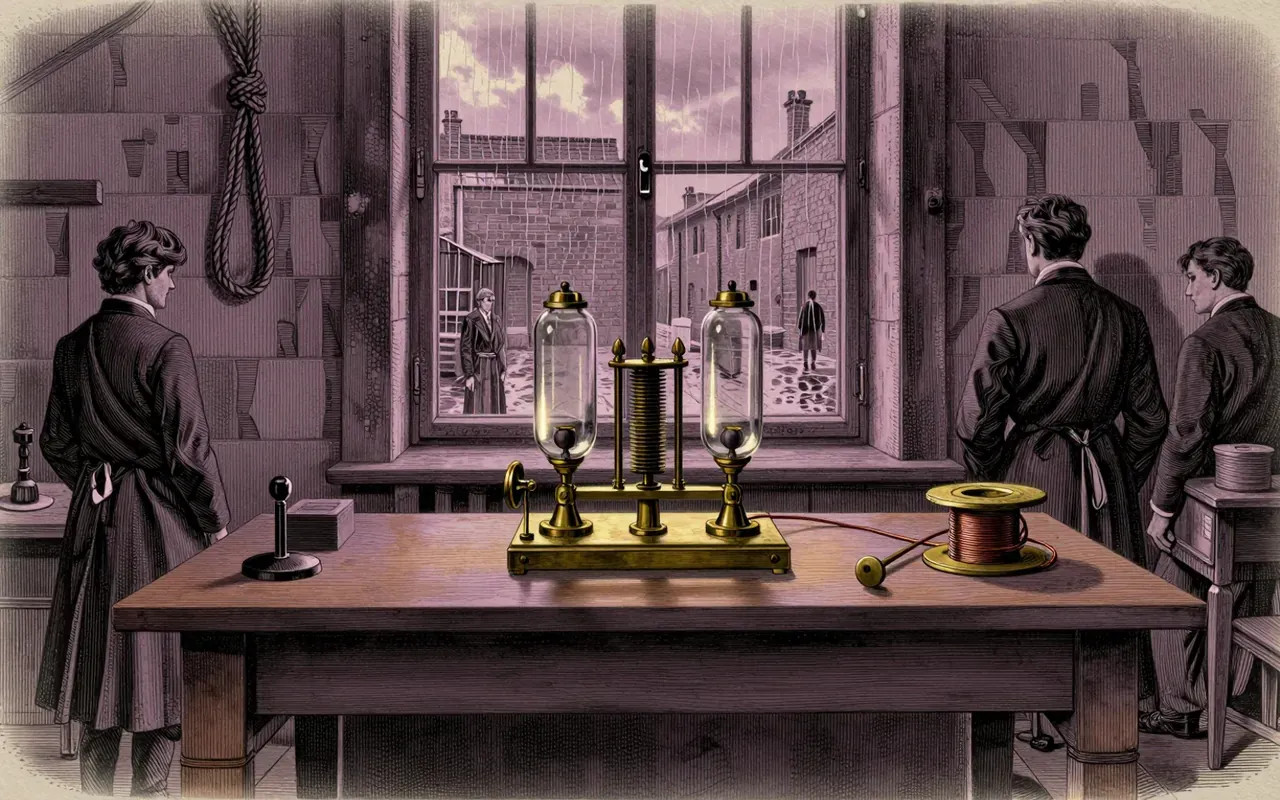
    Television began not with full images, but with silhouettes in motion—mechanical, crude, and public.

  2. 2:15
    Face in Motion

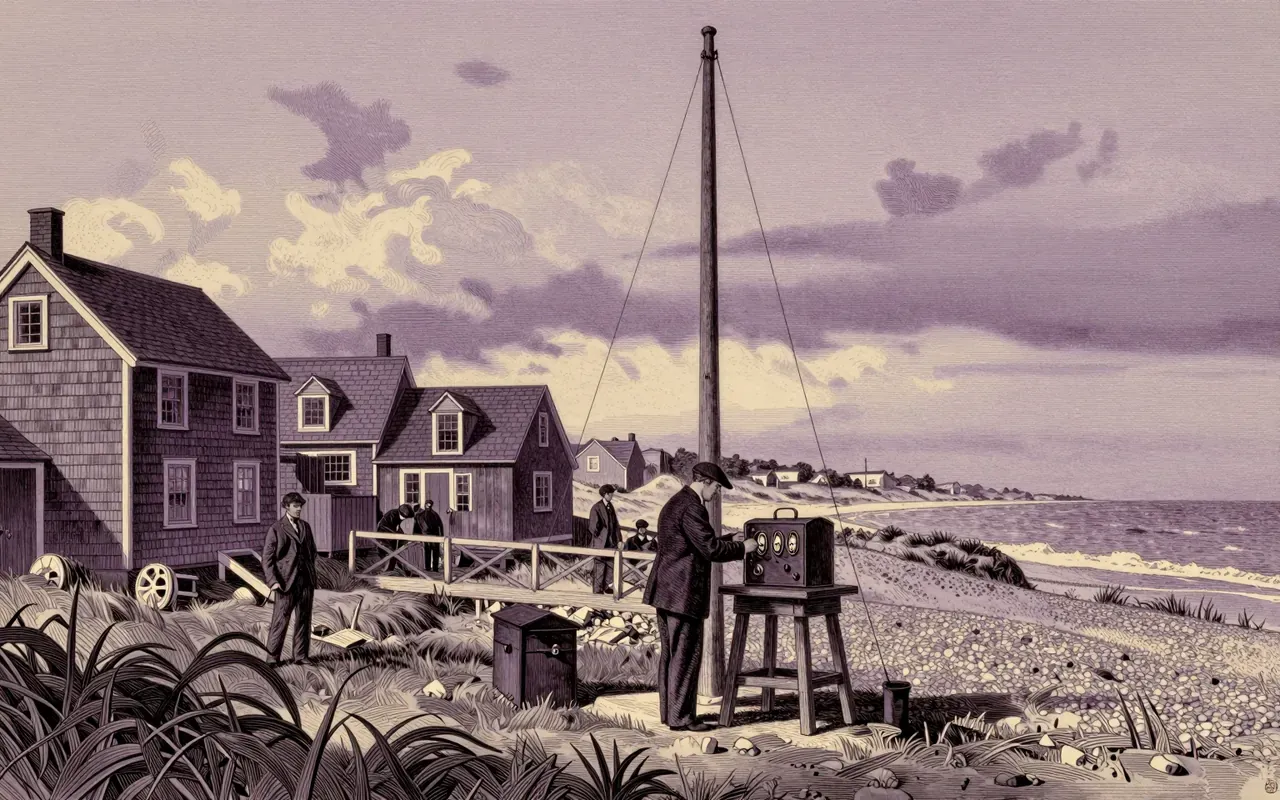
    The first true television demonstration showed facial detail—not just shape—but still relied on spinning disks and weak signal fidelity.

  3. 3:26
    No Motors, No Miracles

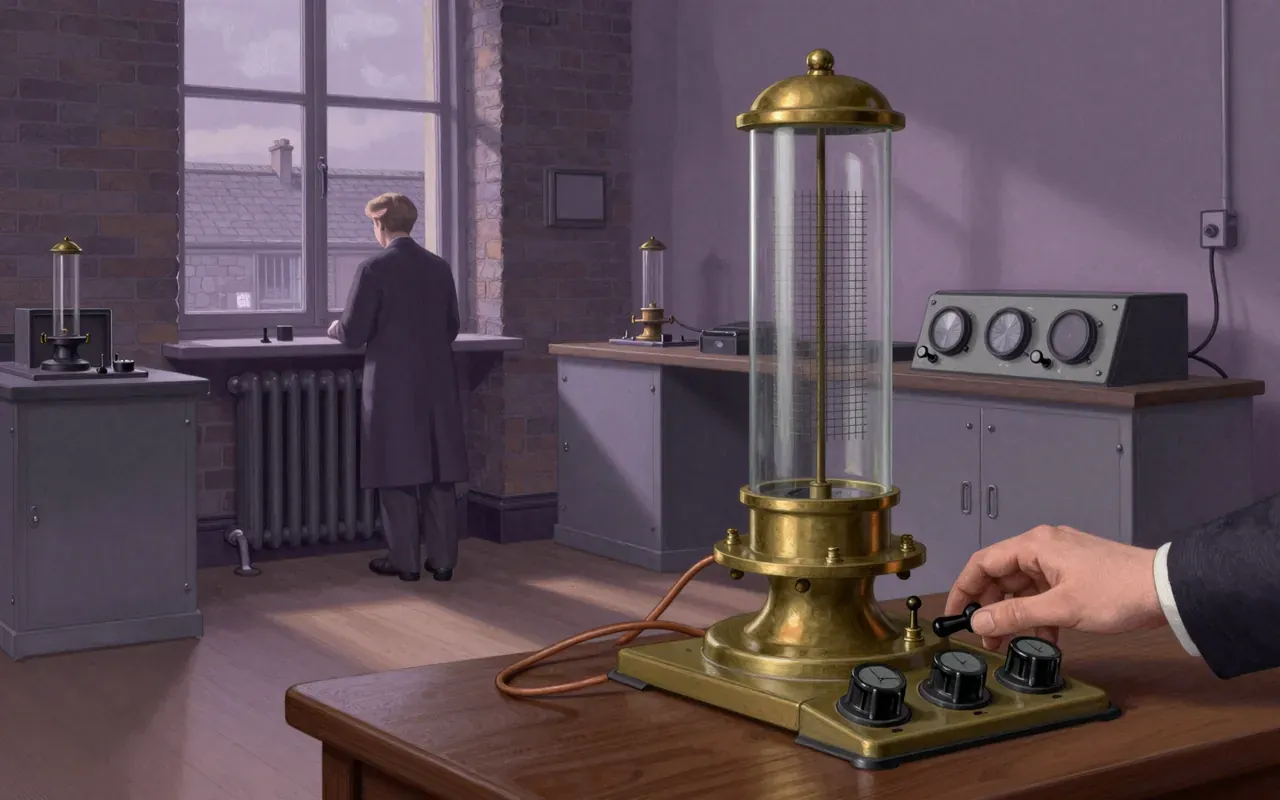
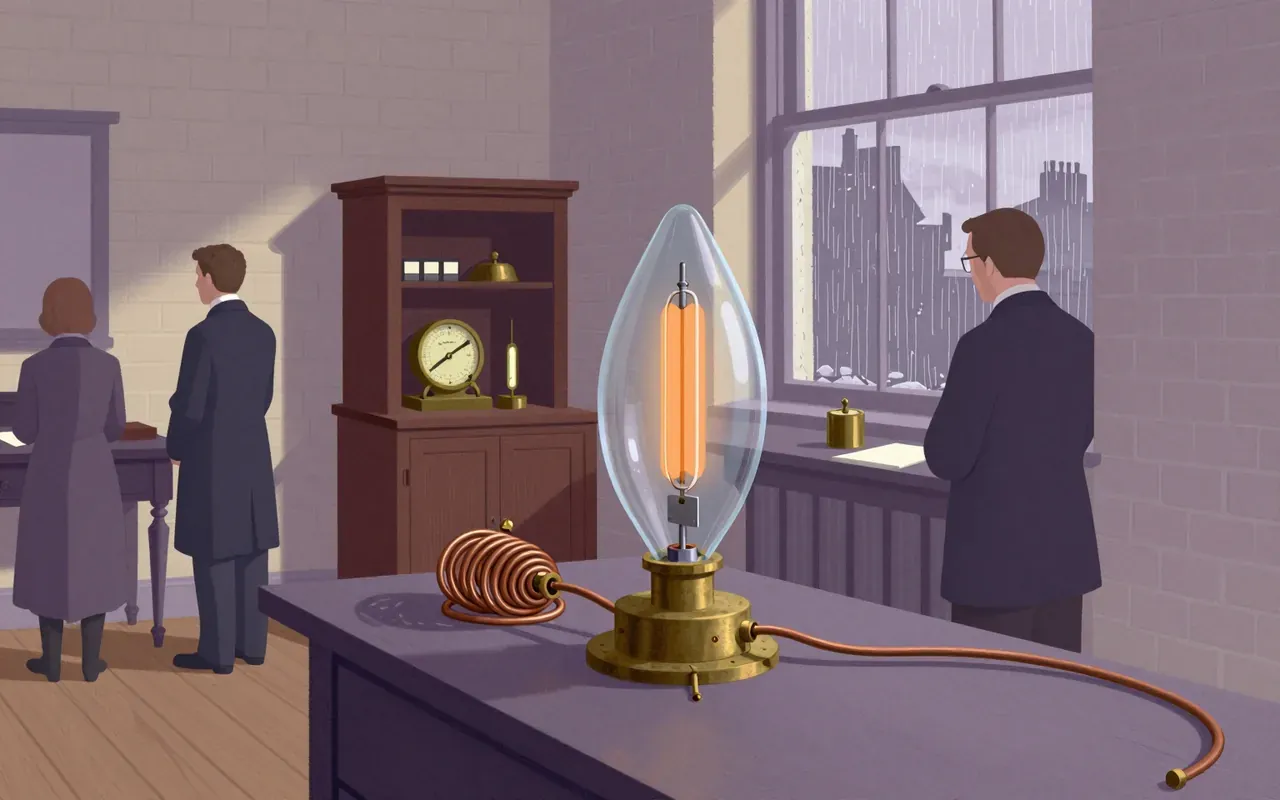
    Electronic television worked before it was practical: a straight line in 1927, press demos by 1928, no moving parts by 1929.

  4. 4:48
    Live Camera, Late Arrival

    All-electronic television with a live camera did not exist publicly until 1934—eight years after the first electronic image.

  5. 5:56
    Marketed After Proof

    Television reached consumers only after experimental forms matured—years after the first demonstrations, not alongside them.

Worth your time?

Yes. Study the whole thing.

4.5/ 5
What works
  • transmitting silhouette motion (1925)
  • showing facial detail live (1926)
  • capturing an electronic image (1927)
  • demonstrating all-electronic live capture (1934)
What does not
  • television was inevitable
  • television was a unified breakthrough
  • electronic television worked at scale before 1934
  • mechanical television was obsolete by 1929
Study it if
  • engineers assessing legacy interface constraints
  • historians tracing standards adoption
  • media designers studying synchronous broadcast assumptions
Skip it if
  • those seeking AI or algorithmic precedent
  • those assuming television was consumer-ready in the 1920s
  • those looking for cultural analysis without technical grounding
The written brief1 min read

What it is and the problem it solves

Television is a real-time electro-optical transmission system that solves the problem of remote visual presence. It does not transmit ‘reality’—it transmits scanned light gradients, reconstructed frame-by-frame for human perception.

How it works

Television converts light into electrical signals using mechanical scanning (Baird’s Nipkow disk) or electronic charge storage (Farnsworth’s image dissector), then reconstructs images on a cathode-ray tube. The cathode-ray tube was invented in 1897, but its use in television depended on charge storage principles introduced in 1926.

What works

Baird’s 1926 demonstration transmitted moving facial images with light, shade, and detail. Farnsworth’s 1927 image dissector captured a straight line electronically. By 1934, his all-electronic system with a live camera worked publicly.

What does not

Mechanical television could not scale to high-definition broadcasting. Electronic systems worked only after eliminating motor generators in 1929—and even then, required ten more years of refinement before public live-camera demonstration in 1934.

What it changes

It replaces point-to-point visual telegraphy with mass-synchronous image distribution. The 405-line standard launched in 1936 established the first regular high-definition television service—defining broadcast infrastructure before content or culture caught up.

Is it worth your time

Yes—if you need to understand how broadcast media emerged from contested, incremental engineering—not as a unified invention, but as competing mechanical and electronic paths with divergent trade-offs in resolution, reliability, and scalability.
Same field · Tech history4 of 139
Up next in Technology

Tesla Autopilot

· 11:37

Tesla Autopilot passes NHTSA’s test — but only because the test measures what Teslas do, not what drivers must still do.

11:37