technologybriefs
Topic

Radio

The first broadcast intimacy, still not superseded.

9
in technology
10:10
average
91 min
in total
30
across the network
Radio across the network →
All briefs9
9:24

Fleming valve

John Ambrose Fleming · 1904

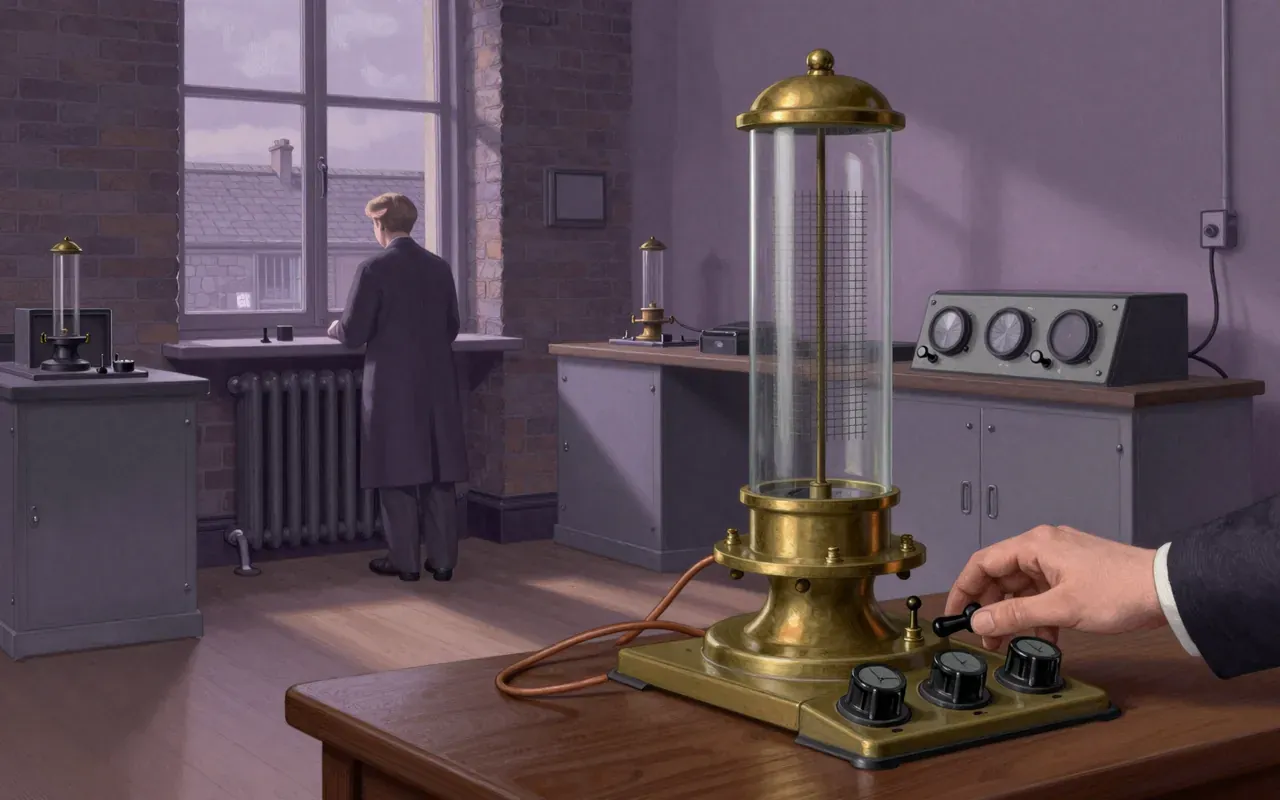
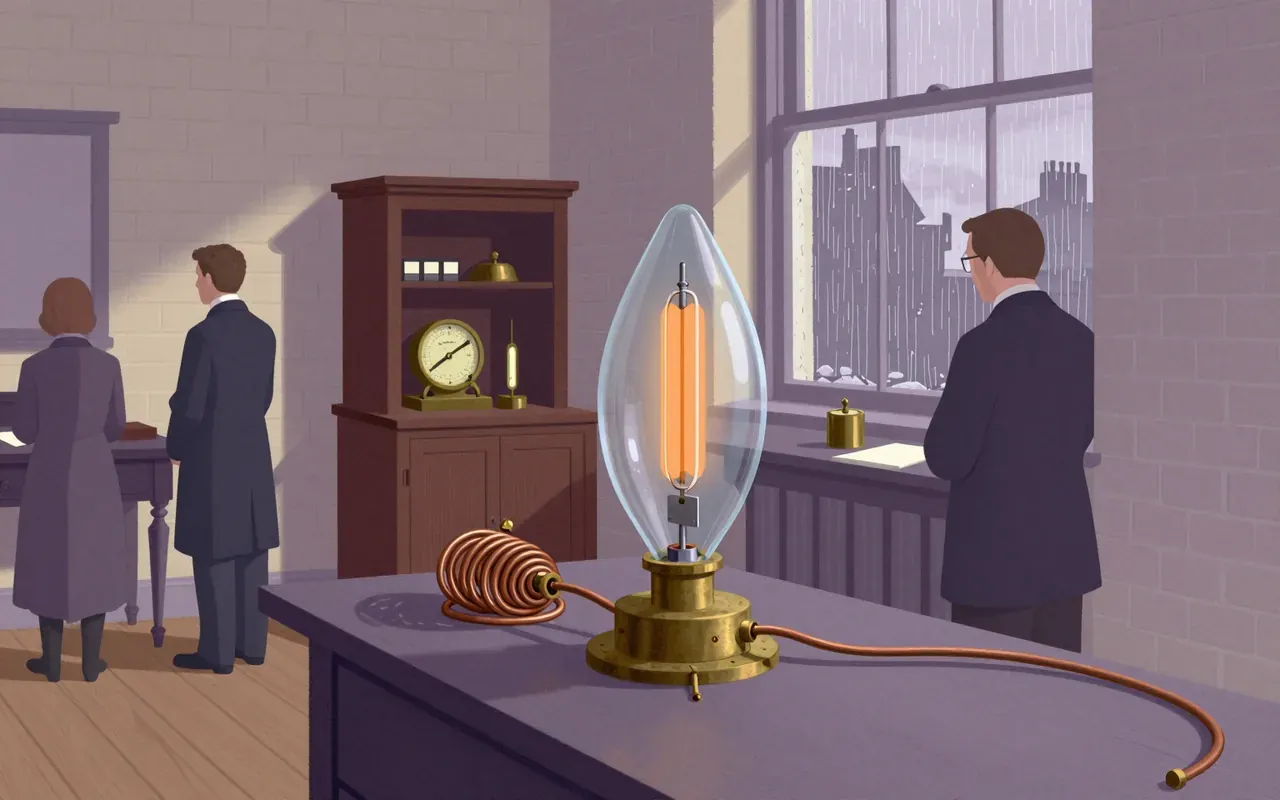
The Fleming valve is a two-electrode thermionic diode invented in 1904 to detect high-frequency radio signals in wireless telegraphy. It rectifies AC by permitting electron flow only from heated filament to positive anode — exploiting the Edison effect. It replaced the coherer in Marconi’s transatlantic receiver. It does not amplify. It requires continuous filament heating. It was used in radio and radar for over 50 years before being superseded by solid-state devices.

8:35

Valve amplifier

Lee de Forest

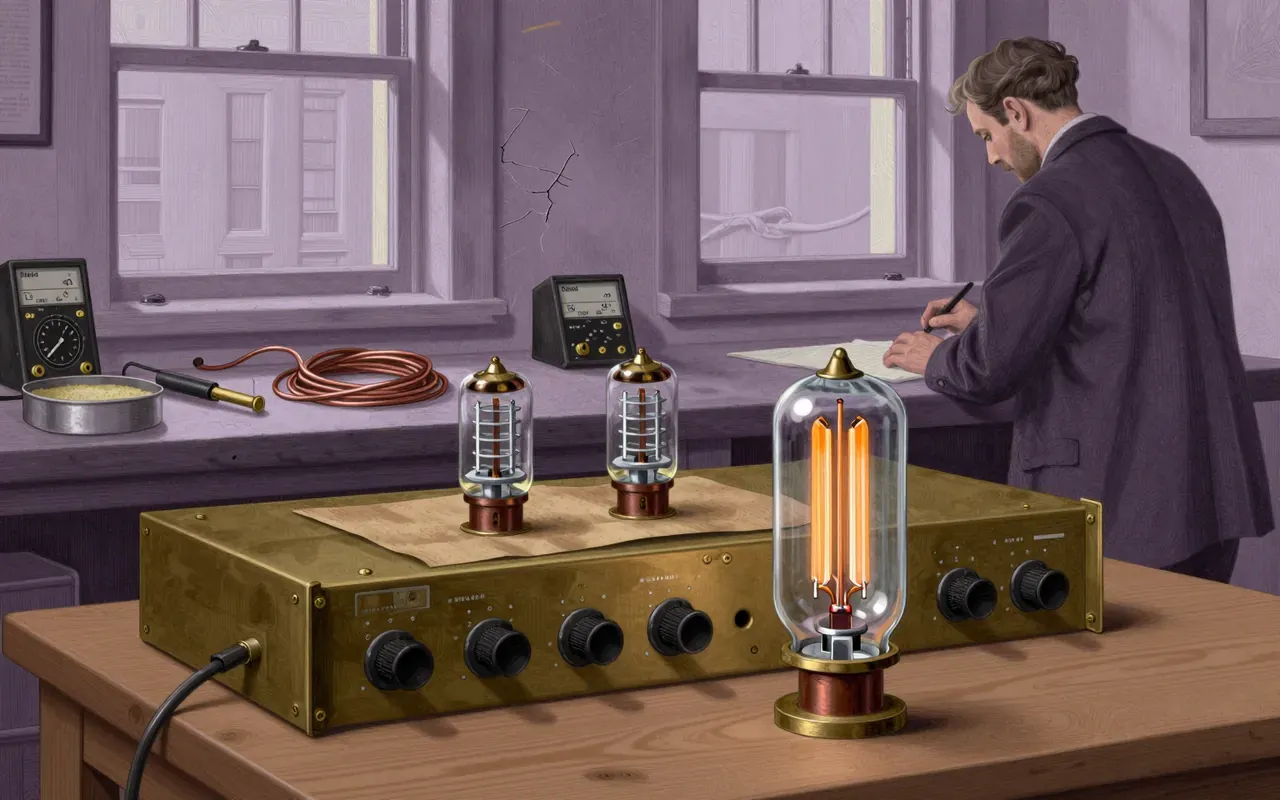
Lee de Forest’s triode valve amplifier is the first electronic amplifying device. It uses a control grid to modulate current flow. It first regenerated long-distance telephony signals. It amplified radio signals only slightly. It required residual gas and was initially unreliable. It enabled radio broadcasting, telephony, television, and computing.

11:43

FM broadcasting

Edwin Howard Armstrong

FM broadcasting is a noise-resilient analog transmission method that trades bandwidth for fidelity and static immunity. Armstrong engineered it deliberately—not as an evolution of AM, but as its functional alternative. Its mechanism works. Its early promise did not. Its regulatory impact did.

10:34

Radio broadcasting

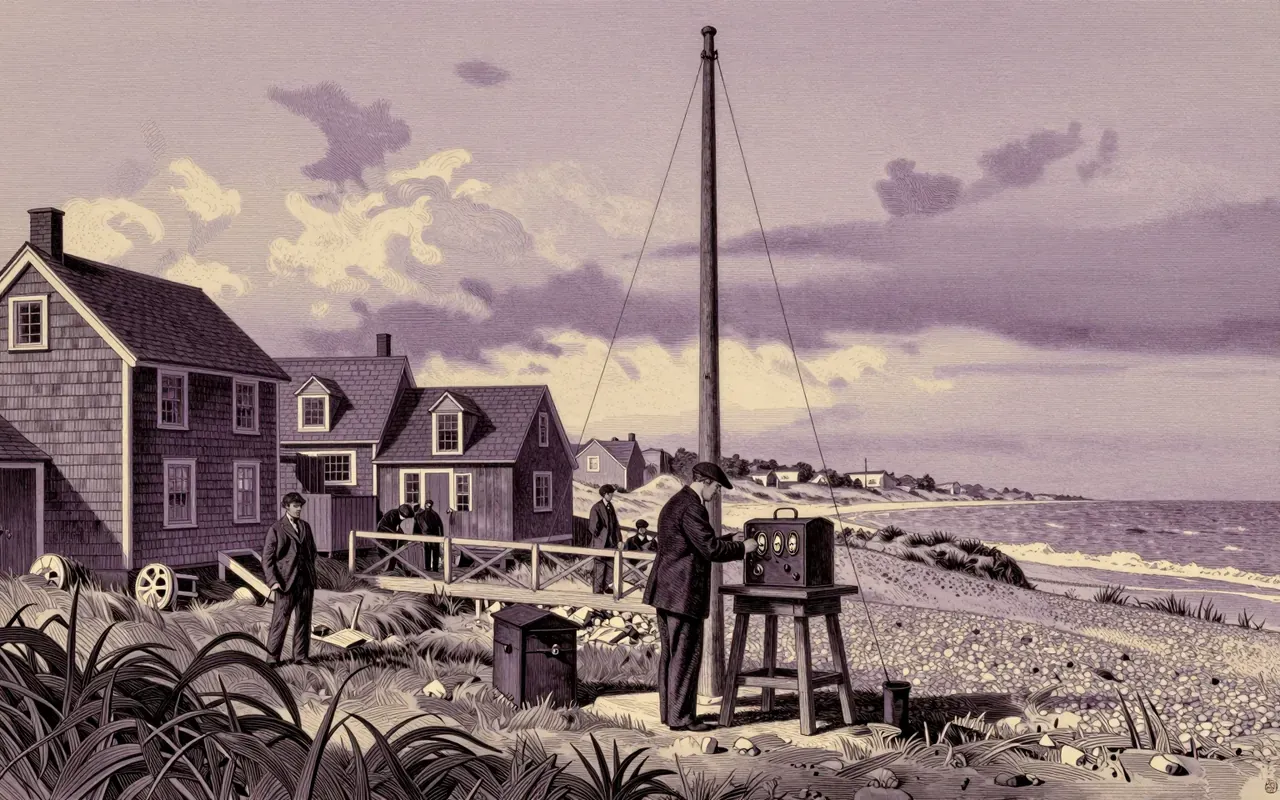
Radio broadcasting was not invented in 1895—it was reverse-engineered from telegraphy, then rebuilt twice before it worked at all.
10:03

Radar

Robert Watson-Watt

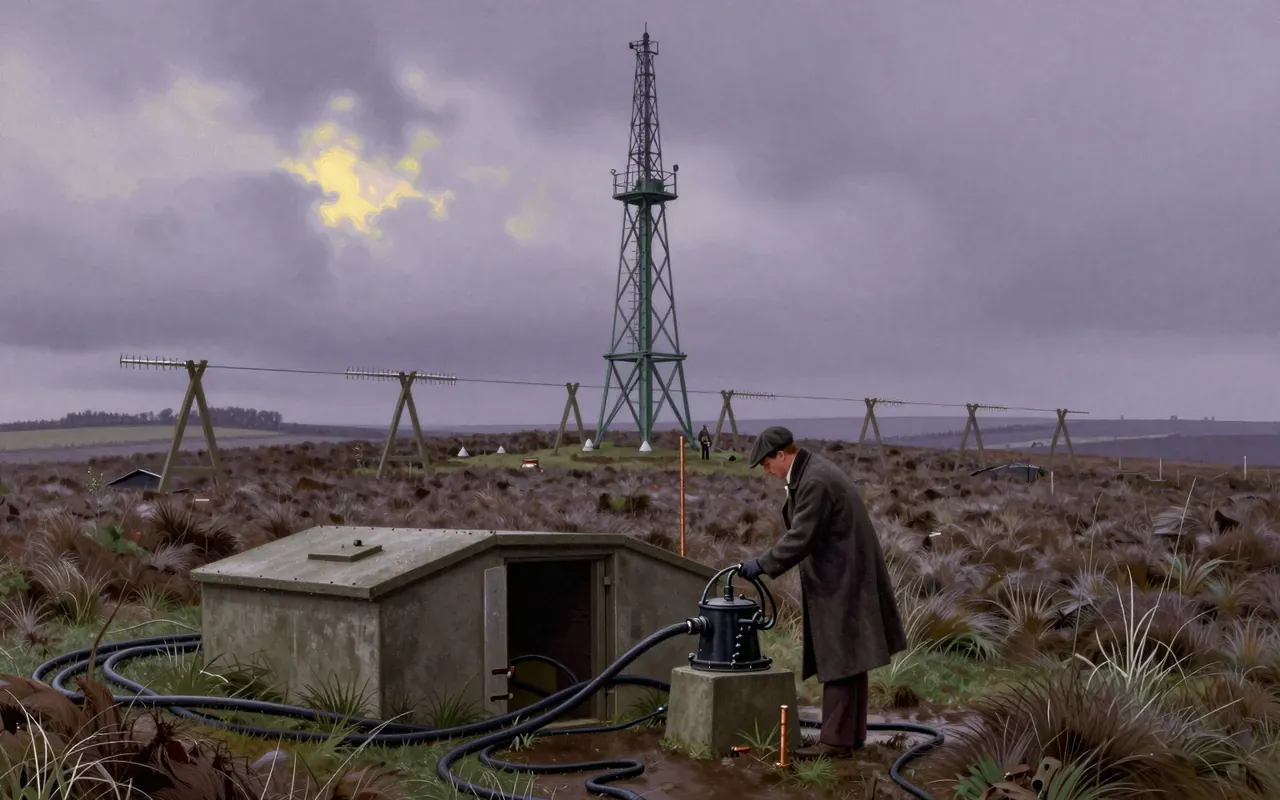
Radar is a radio reflection system for aircraft detection. It solved urgent air defence needs by replacing sound with electromagnetic sensing. Its mechanism is simple: transmit, reflect, receive, time. Its success hinged on rapid scaling — from 16 to 60 miles in months — and integration into a fixed coastal network. It fell short on low-altitude coverage, mobility, and precision tracking. It changed warfare by enabling interception over reaction. It is worth your time because it demonstrates how repurposing existing tools under constraint yields decisive capability — not through invention ex nihilo, but through disciplined redirection.

9:18

Television

Television wasn’t invented—it was fought over, line by line, tube by tube, until one standard won by default.
8:58

Radio

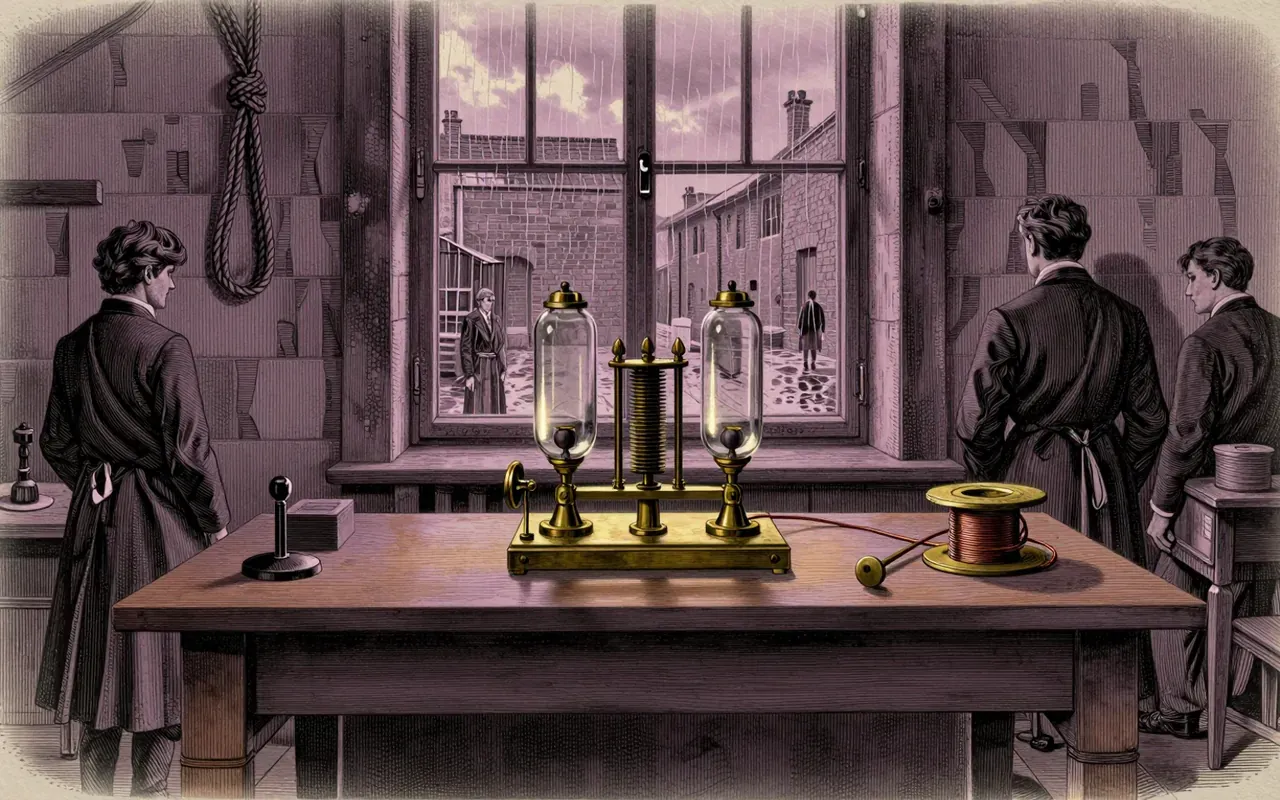
Radio in 1894 is not broadcasting — it’s Morse code jumping gaps in air, not voices crossing continents.
10:23

Wi-Fi

Wi-Fi replaced cables with radio — but gave up control, security, and predictability to do it.