technologybriefs
Topic

Acoustics

Why the room is an instrument.

10
in technology
10:10
average
102 min
in total
39
across the network
Acoustics across the network →
All briefs10
video still
9:02

MP3

MP3 is not a codec—it’s a decoder contract with a thousand incompatible encoders.
video still
9:59

Sonar

Paul Langevin

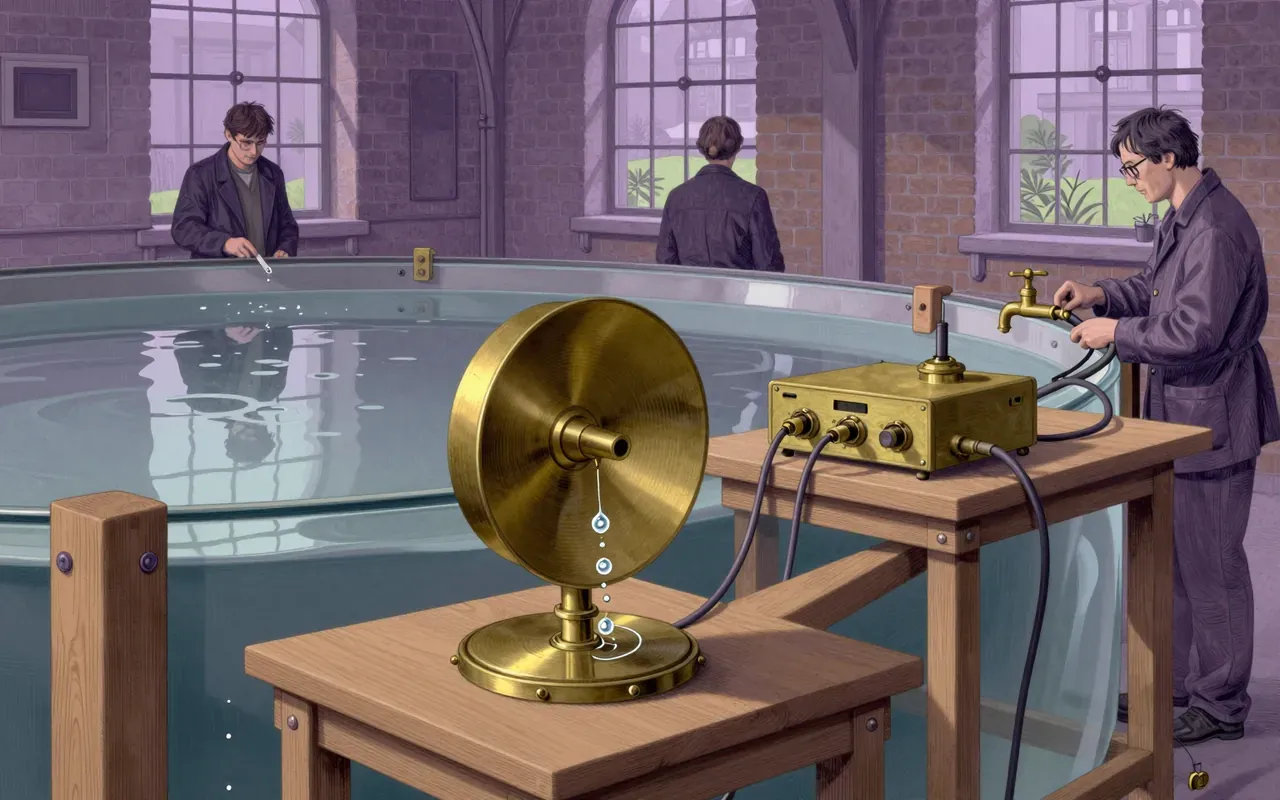
Langevin’s 1915 sonar was the first active underwater echo-ranging system. It used electrostatic and quartz piezoelectric transducers to send and receive ultrasound. Distance was calculated from signal time-of-flight. Though patented and physically demonstrated, it did not become operational before World War I ended. Electrostatic transducers were soon abandoned; quartz piezoelectric methods endured and scaled. The invention established the core mechanism of modern sonar — but delivered no tactical utility in its intended conflict.

video still
10:45

Cochlear implant

The cochlear implant didn’t restore hearing — it proved nerves could be wired like circuits, and that was enough to start a field.
video still
8:39

Loudspeaker

Oliver Lodge

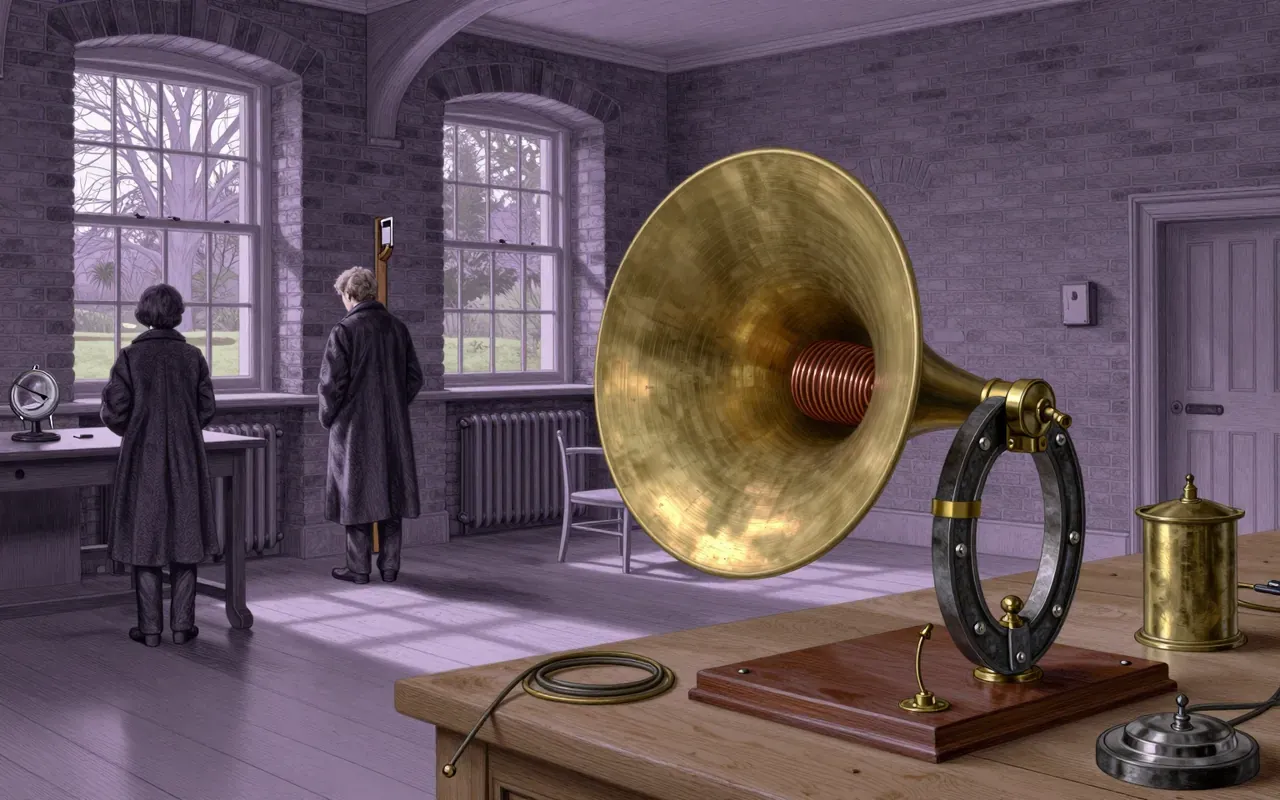
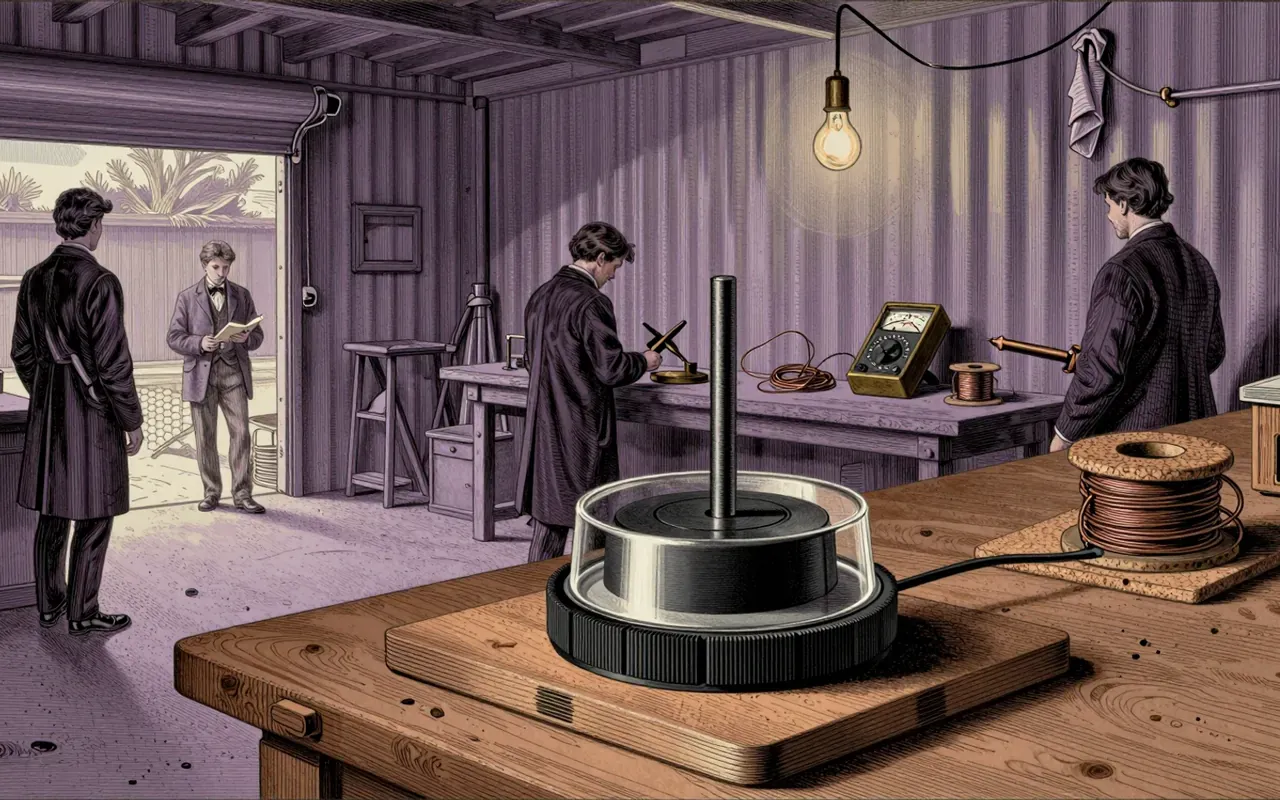
Lodge’s 1898 invention is the origin point of the moving-coil loudspeaker—but it was experimental, uncommercialised, and functionally limited. It proved electromagnetic transduction could move air. It did not solve amplification, fidelity, or scalability. Its value lies in principle, not performance.

video still
10:12

Microphone

The microphone is not a passive listener—it is an active interpreter, distorting every word before it leaves the room.
video still
10:41

Modem

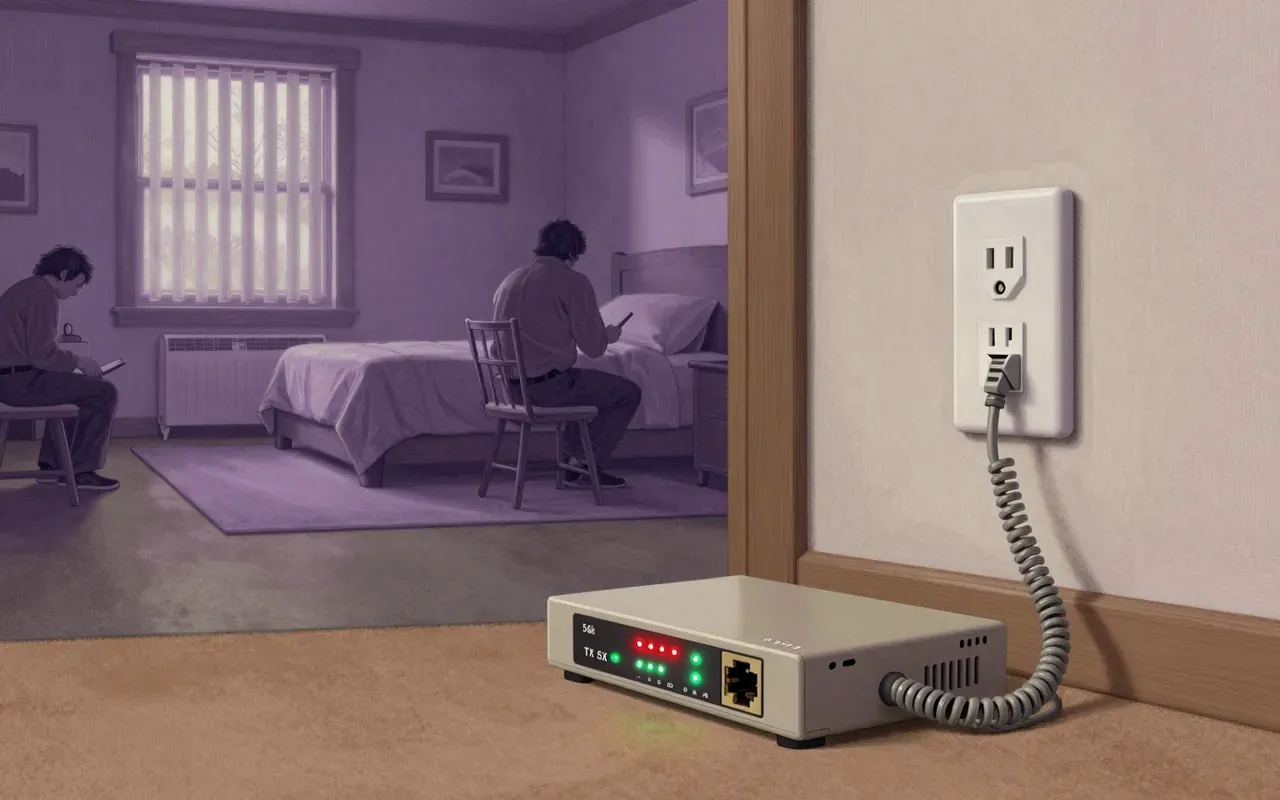
The modem didn’t connect the world—it stretched digital logic over analog duct tape until the tape snapped.
video still
10:16

Phonograph

Thomas Edison · 1877

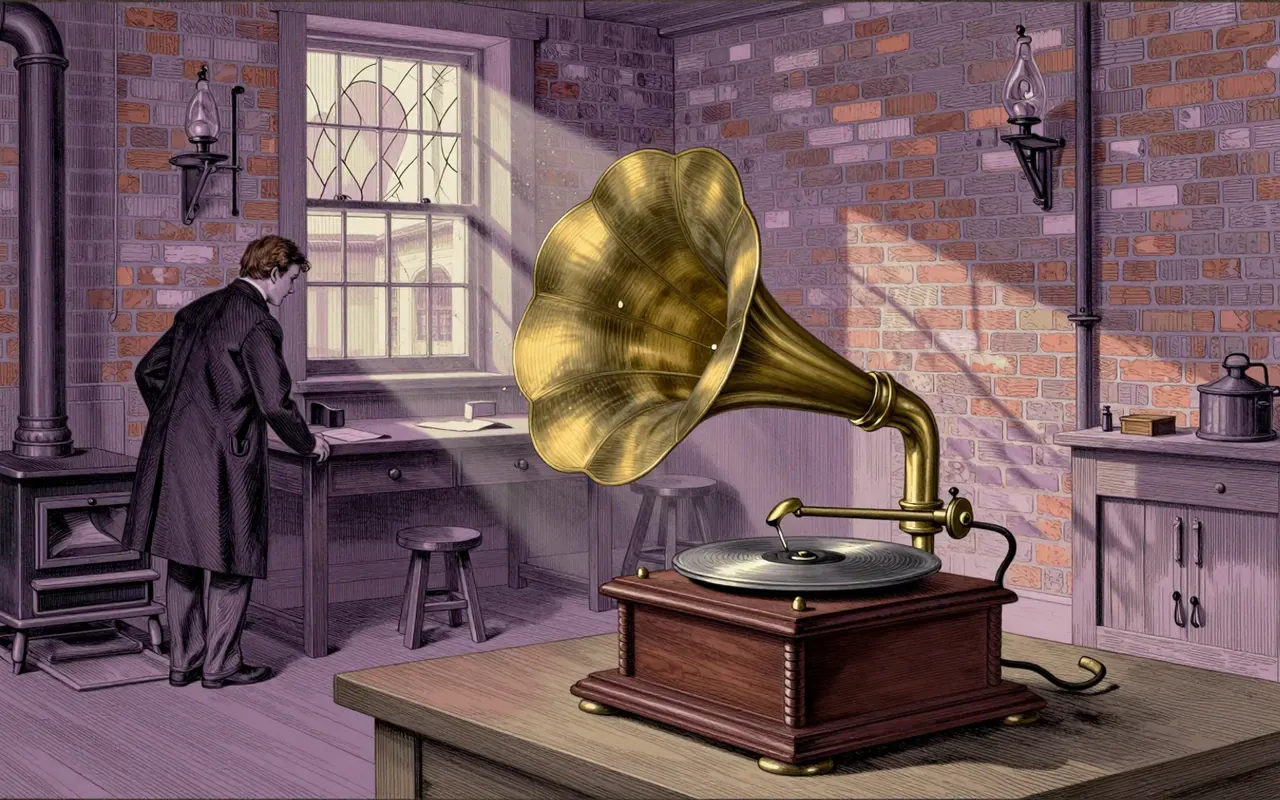
The phonograph established mechanical sound recording as possible — but delivered nothing usable. Its tinfoil medium broke, distorted, and wore out. Edison patented it in 1878 but shelved it for a decade. Only Bell’s wax-cylinder rival in the 1880s forced him to act.

video still
9:43

Potentiometer

Unknown · 1887

The potentiometer is a passive, mechanical voltage divider that converts position into voltage—or attenuates signals—with no power supply required. Its enduring utility lies in simplicity, analog continuity, and perceptual alignment. Its limits are thermal, mechanical, and topological: it cannot scale, self-calibrate, or handle power.

video still
10:26

Telephone

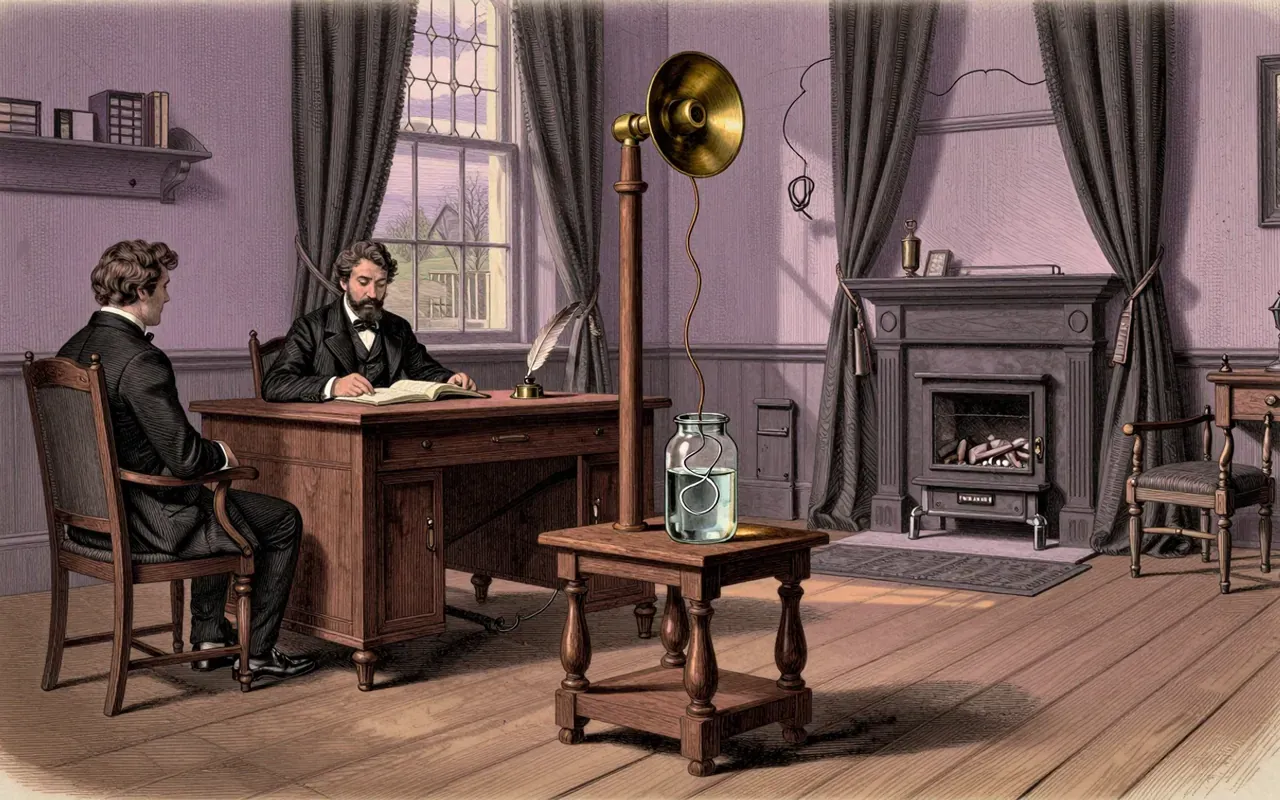
The telephone wasn’t invented in 1876—it was *specified*: a precise physical condition for intelligibility, not a finished product.