What it is and the problem it solves
REAPER is a cross-platform digital audio workstation, MIDI sequencer, and video editing application. It solves the problem of bloat: large installers, rigid UIs, and opaque licensing in professional audio software.
How it works
REAPER loads as a compact executable. It renders audio in real time using low-latency buffers. Plugins insert into tracks or the mixer. Automation writes parameter changes to envelopes. Video syncs to audio timeline via frame-accurate timecode.
What works
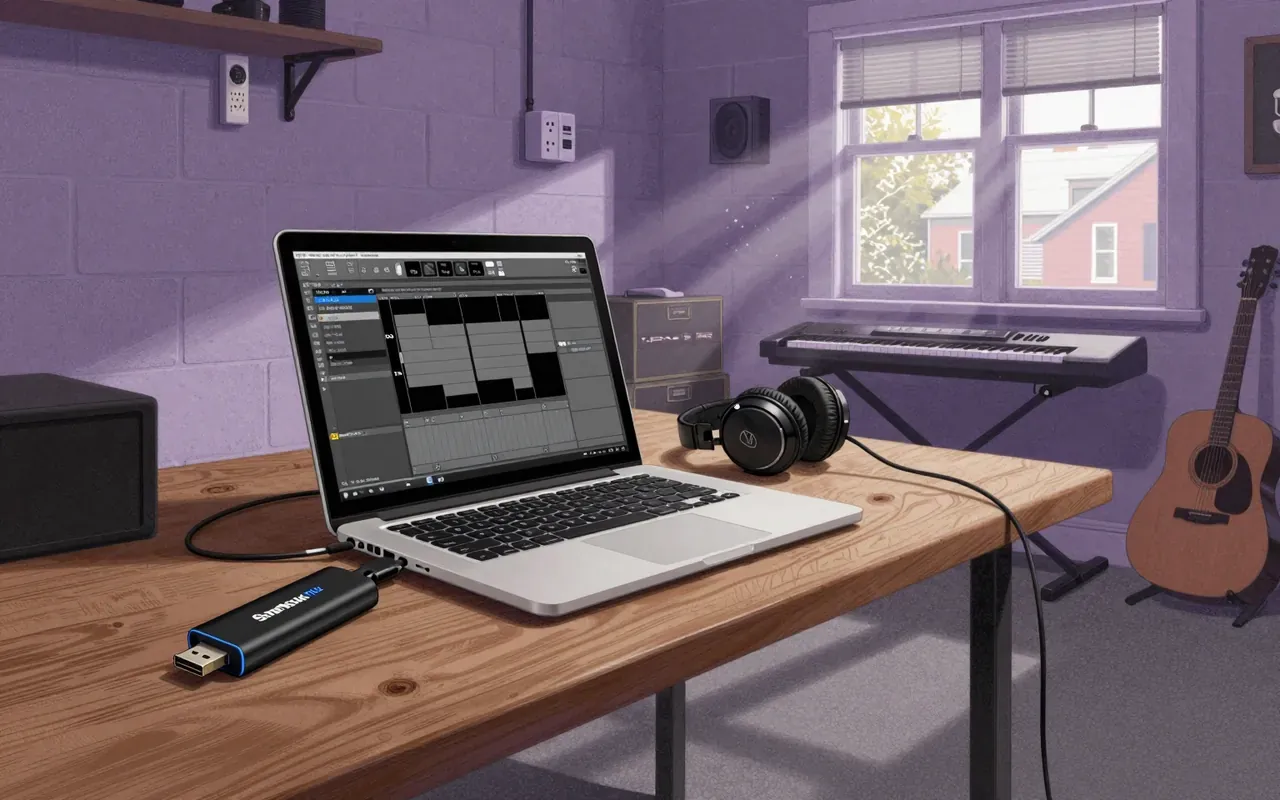
Its 2MB August 2006 shareware release ran off USB sticks. Nested tracks (v3), Zplane Elastique 2 time-stretching (v2), VST3 support (v5), and 200+ track performance (v6) all shipped and functioned as documented.
What does not
REAPER does not ship with built-in instruments or effects beyond basic gain, EQ, and reverb. It does not auto-configure audio interfaces. Its video engine lacks colour grading, multi-cam editing, or ProRes encoding.
What it changes
It shifts power from vendor-defined workflows to user-defined ones. It treats the DAW not as a fixed studio replica but as a programmable environment where routing, layout, and automation are editable code.
Is it worth your time
Yes—if you need a lightweight, scriptable DAW that runs on older hardware and tolerates deep customisation. No—if you rely on proprietary plugin ecosystems or require certified broadcast workflows.