Nanotechnology
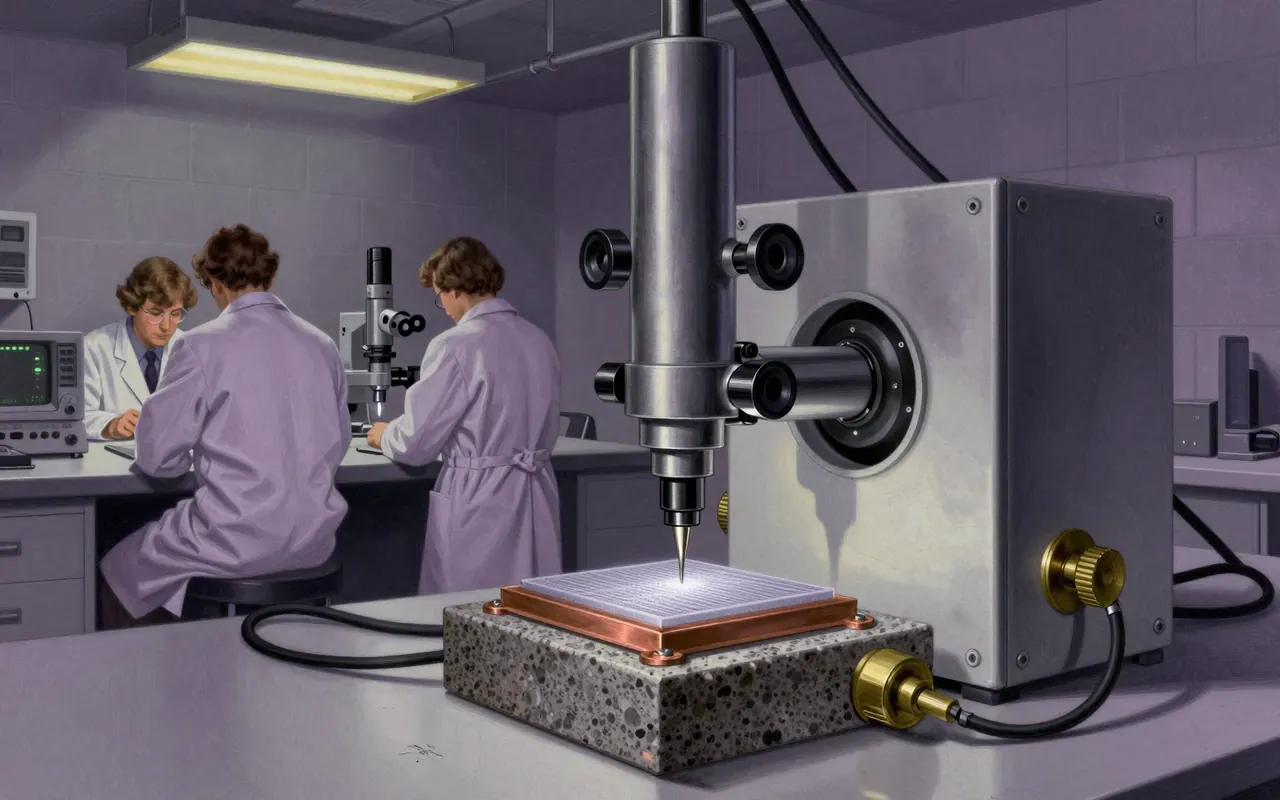
Nanotechnology is a scale-based definition—not an engineering discipline—and its real-world impact lies in bulk materials, not molecular machines.

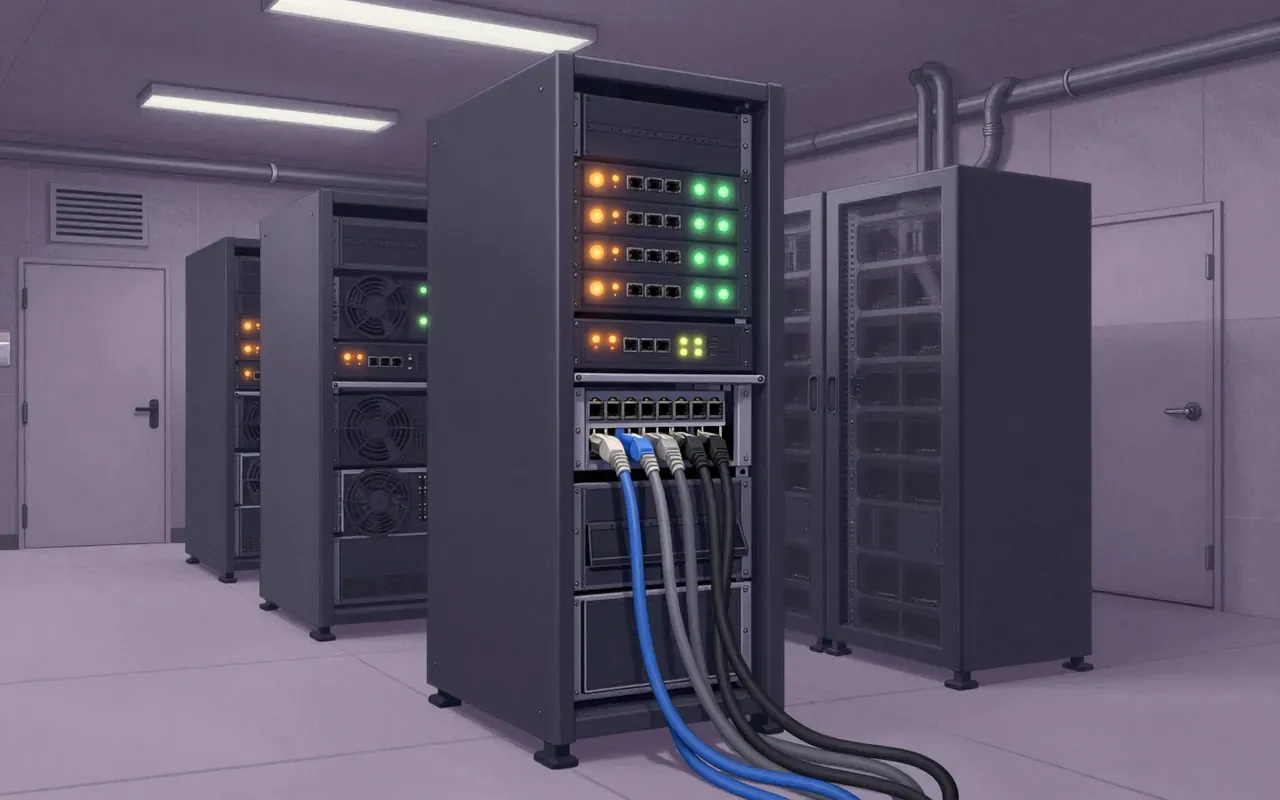
Go is a statically typed, compiled programming language designed in 2007 by Robert Griesemer, Rob Pike, and Ken Thompson at Google to improve programming productivity for multicore, networked machines and large codebases. It combines static typing and runtime efficiency like C, readability and usability like Python, and high-performance networking and multiprocessing. Publicly announced in November 2009 and released as version 1.0 in March 2012, Go emphasizes simplicity, safety, and developer tooling — especially around concurrency via goroutines and channels, packaging, testing, and deployment — while deliberately omitting features like inheritance, assertions, pointer arithmetic, and implicit type conversions. Its design reflects a focus on the software development process itself rather than just language syntax or semantics.

Grafana is open-source dashboard software that queries external data sources at render time. It unifies metrics, logs, and traces without storing data itself. Its JSON-based dashboards are versionable and composable. Since 2021, it uses AGPLv3 licensing. It originated from Graphite work at Orbitz and launched in January 2014. Its UI began as a fork of Kibana v3.


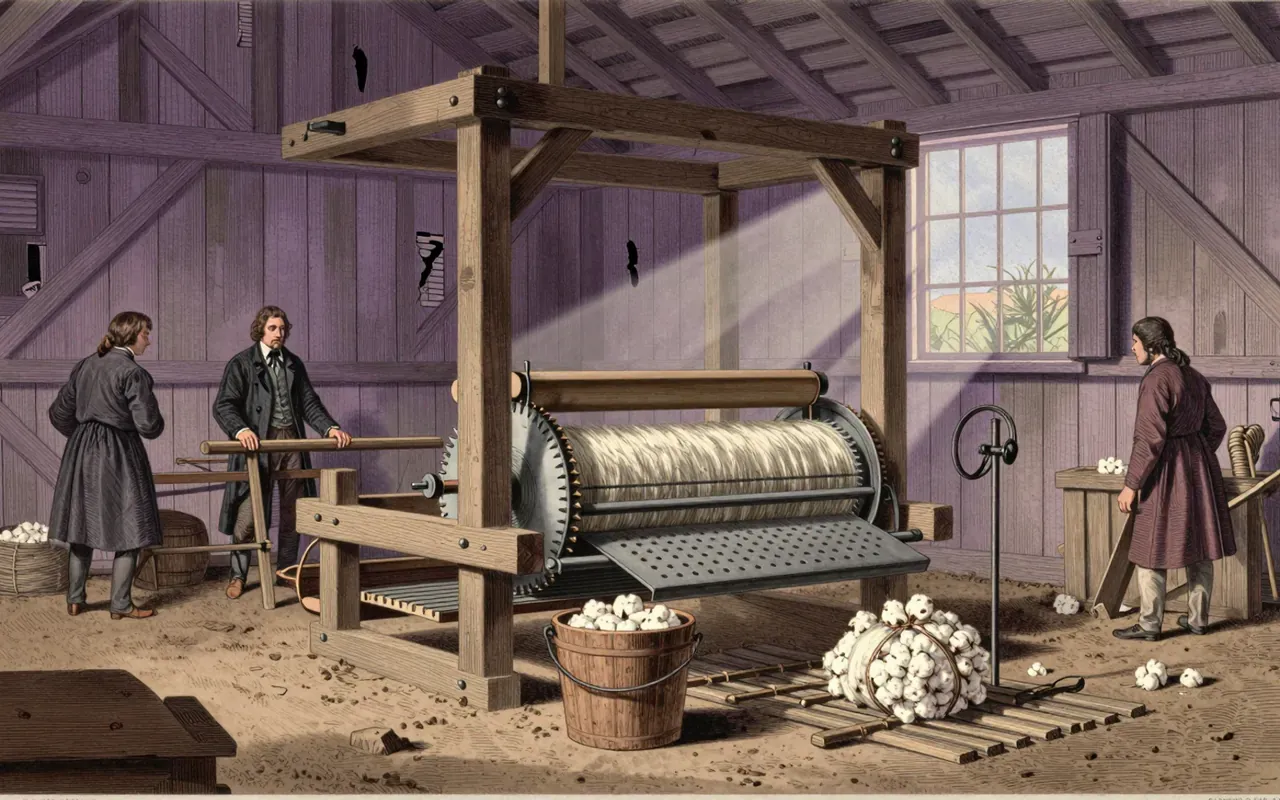
The cotton gin is a mechanical seed-removal device invented by Eli Whitney in 1793. It uses wire hooks on a rotating drum to pull cotton fibres through narrow ginning ribs, while a second rotating brush cylinder clears lint to prevent jams. It increased daily lint output from one pound (manual) to 50–55 pounds. This made cotton farming highly profitable, expanded U.S. cotton production, and catalysed a surge in exports—from under 500,000 pounds in 1793 to 93 million pounds by 1810. But it did not reduce overall labour demand. Instead, it shifted the bottleneck to field harvesting, intensifying reliance on enslaved people to pick cotton by hand. Its patent was granted in 1794 but not validated until 1807.
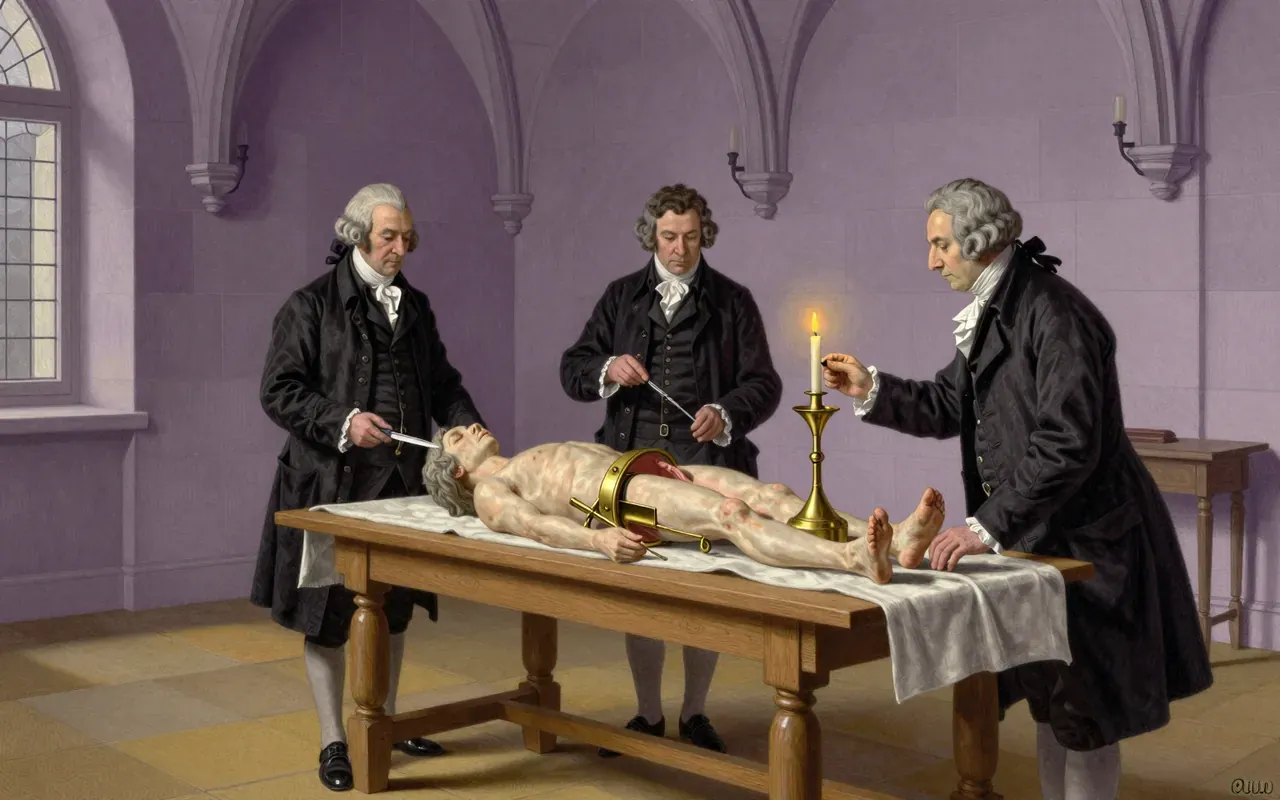
Bozzini’s Lichtleiter established endoscopy as a category: a purpose-built optical conduit for internal light and view. It worked technically in most cavities. It failed institutionally — blocked by authority, not physics. Its legacy is conceptual, not clinical.
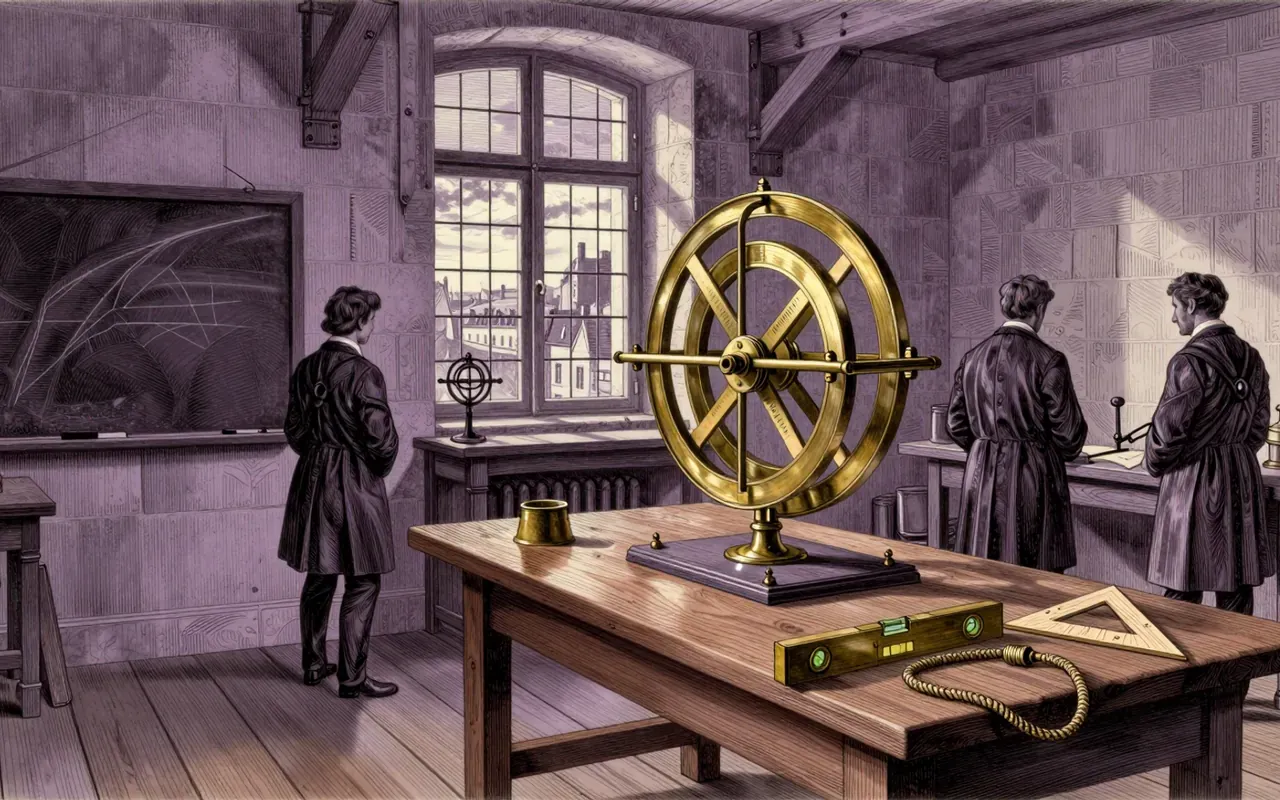
The gyroscope is a demonstration device, not a tool. It makes Earth’s rotation locally visible — for less than ten minutes — using nothing but inertia and friction. It changed pedagogy, not engineering.

Gauss’s 1833 magnetometer established absolute measurement of Earth’s magnetic field strength using oscillation frequency differences — a tenfold precision gain over predecessors. It was the first instrument to derive a non-mechanical quantity from mechanical fundamentals. It did not measure direction or local variation; it required stable conditions and assumed ideal magnetic and torsional behaviour. Its legacy is metrological, not operational.
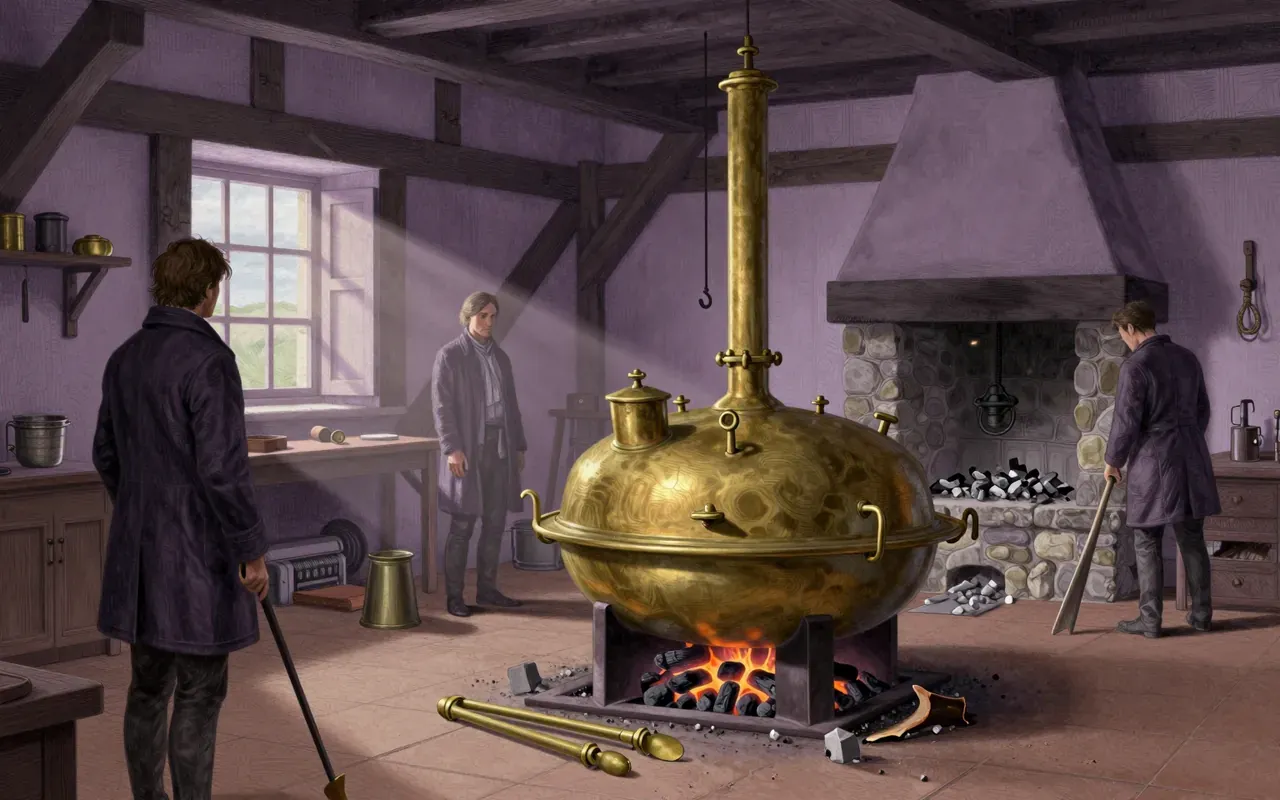
The steam digester is a 1679 experimental vessel that used trapped steam to raise boiling temperature and cut cooking time. It introduced the safety valve and demonstrated atmospheric pressure’s mechanical action — directly enabling Papin’s 1690 piston engine. It was never mass-produced, never used outside demonstration, and had no domestic adoption. Its value is archival and conceptual: it is the first device to treat pressure as a controllable variable in thermal systems.