What it is and the problem it solves
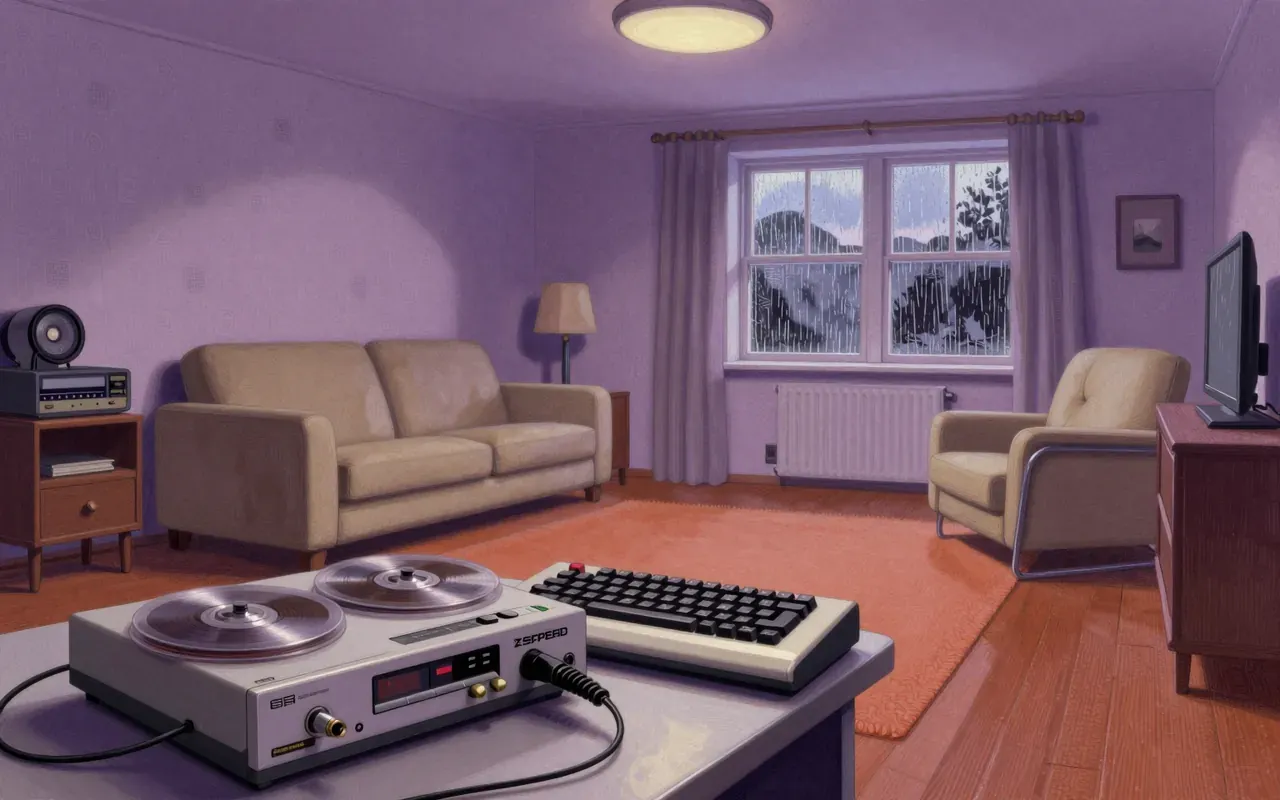
The ZX Spectrum is an 8-bit home computer launched by Sinclair Research on 23 April 1982. It solves the problem of computer access in a recession—by eliminating cost, complexity, and dedicated peripherals.
How it works
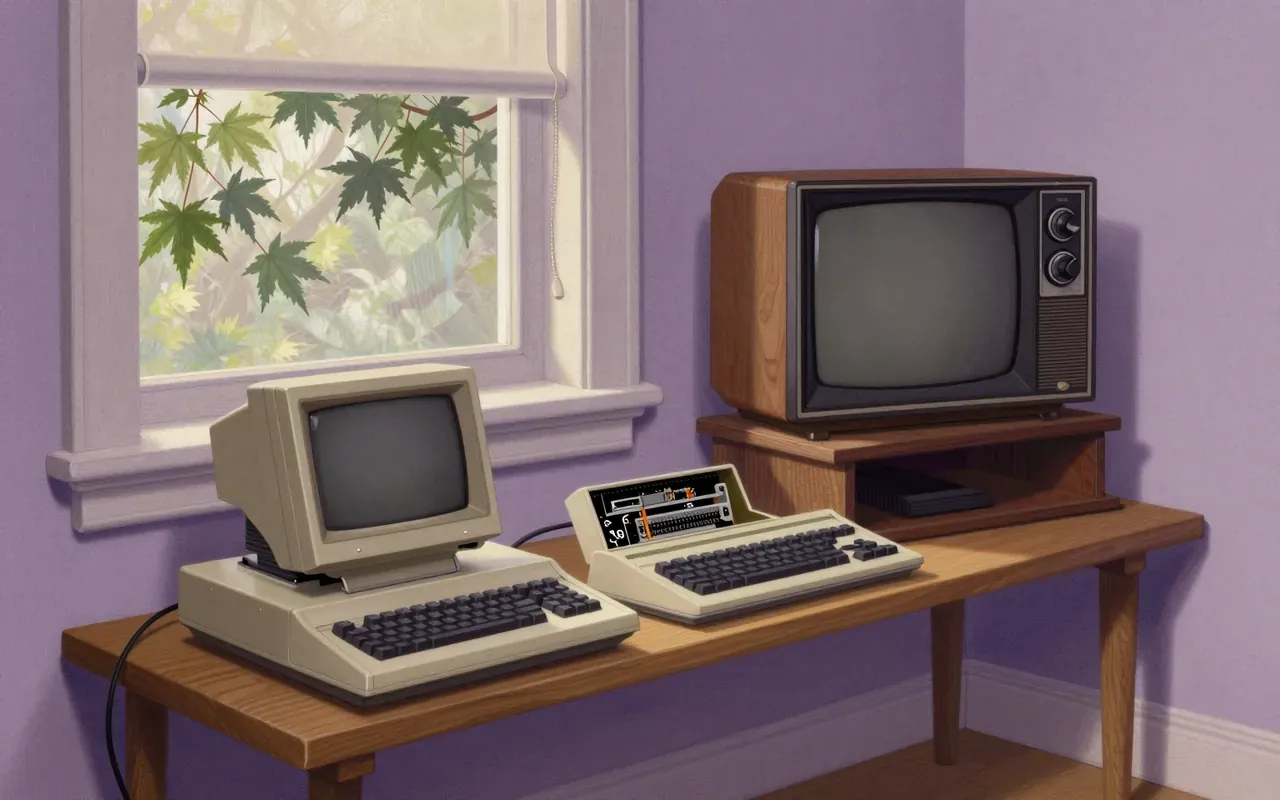
It uses a Zilog Z80 microprocessor running at 3.5 MHz. It outputs video to domestic television sets. It loads and saves software via audio cassettes. It reuses components from earlier Sinclair models to cut cost and speed development.
What works
Its colour display distinguishes it from the monochrome ZX81. Its £125 and £175 price points undercut the BBC Micro, VIC-20, and Apple II. Its rubber keyboard, rainbow motif, and compact case made it physically distinct and culturally legible. Its cassette-based software loading worked reliably enough for mass adoption.
What does not
It does not support high-resolution graphics or sound synthesis. It does not use floppy disks or dedicated monitors. It does not deliver productivity tools at scale—the claim was marketing, not outcome.
What it changes
It changes the UK’s relationship with computing: shifting ownership from institutions to teenagers, turning cassette decks into distribution infrastructure, and making game development a viable entry point for non-industrial programmers.
Is it worth your time
Yes—if you need a concise, evidence-based account of how low-cost hardware catalysed a national software culture. No—if you seek technical benchmarks, performance comparisons, or design lineage beyond what the sources confirm.