What it is and the problem it solves
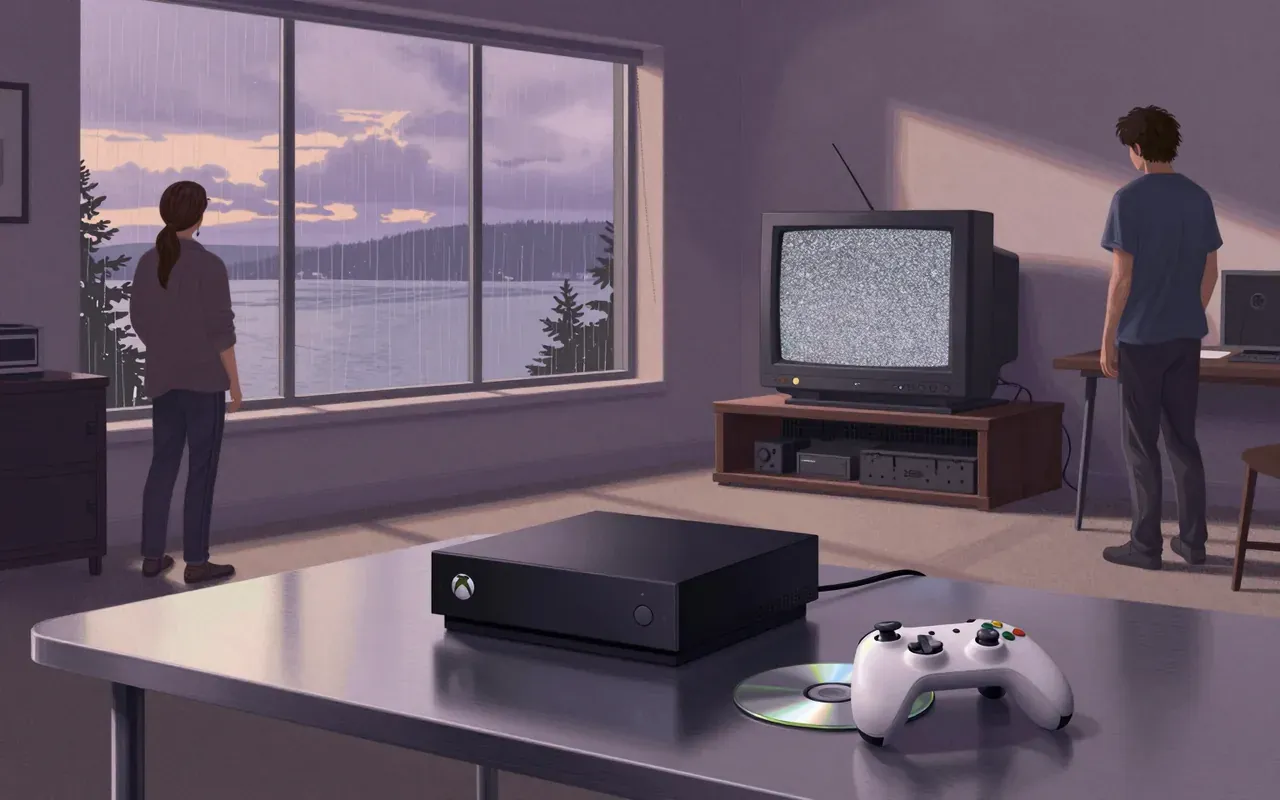
The Xbox is a Windows- and DirectX-based gaming console designed to lower developer barriers. It solved the problem of fragmented, high-friction console development by reusing PC components and APIs.
How it works
It used PC-derived hardware and ran a modified version of Windows with DirectX to run games. It integrated Xbox Live, a broadband-only online service launched in November 2002.
What works
Xbox Live succeeded due to robust servers, a functional buddy list, and Halo 2—its first killer app—which drove adoption and defined the template for console online services.
What does not
It did not solve offline interoperability, local multiplayer latency, or cross-platform play. It required broadband—a minority connection in 2002—and offered no dial-up fallback.
What it changes
It shifted console development from proprietary toolchains to PC-aligned stacks, proving that Windows-derived systems could deliver competitive gaming performance and persistent online identity.
Is it worth your time
Yes—if you build or operate online multiplayer services, the Xbox Live architecture remains a foundational case study in scaling social infrastructure for real-time play.