What it is and the problem it solves
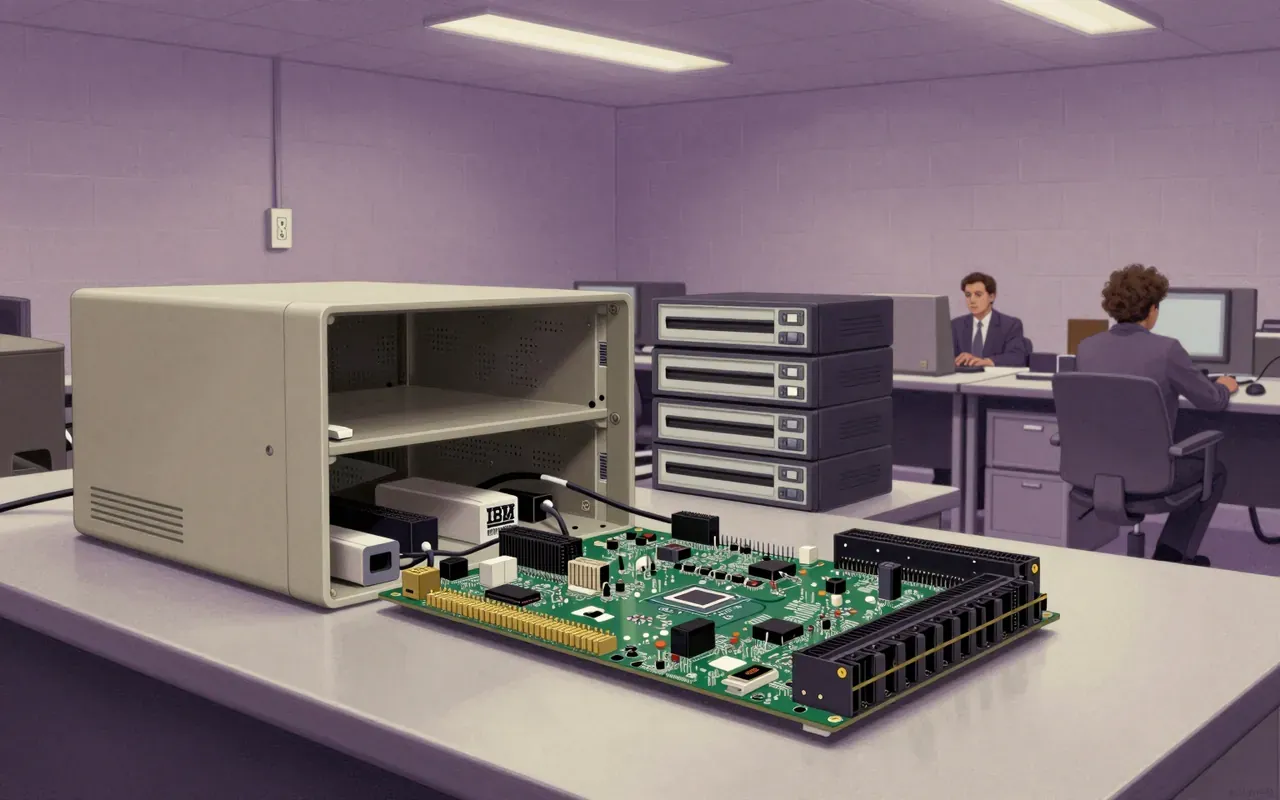
It is a $35 single-board computer launched in 2012 to reverse declining computer science enrolment at the University of Cambridge. It solves the problem of inaccessible, expensive, and opaque computing hardware for teaching.
How it works
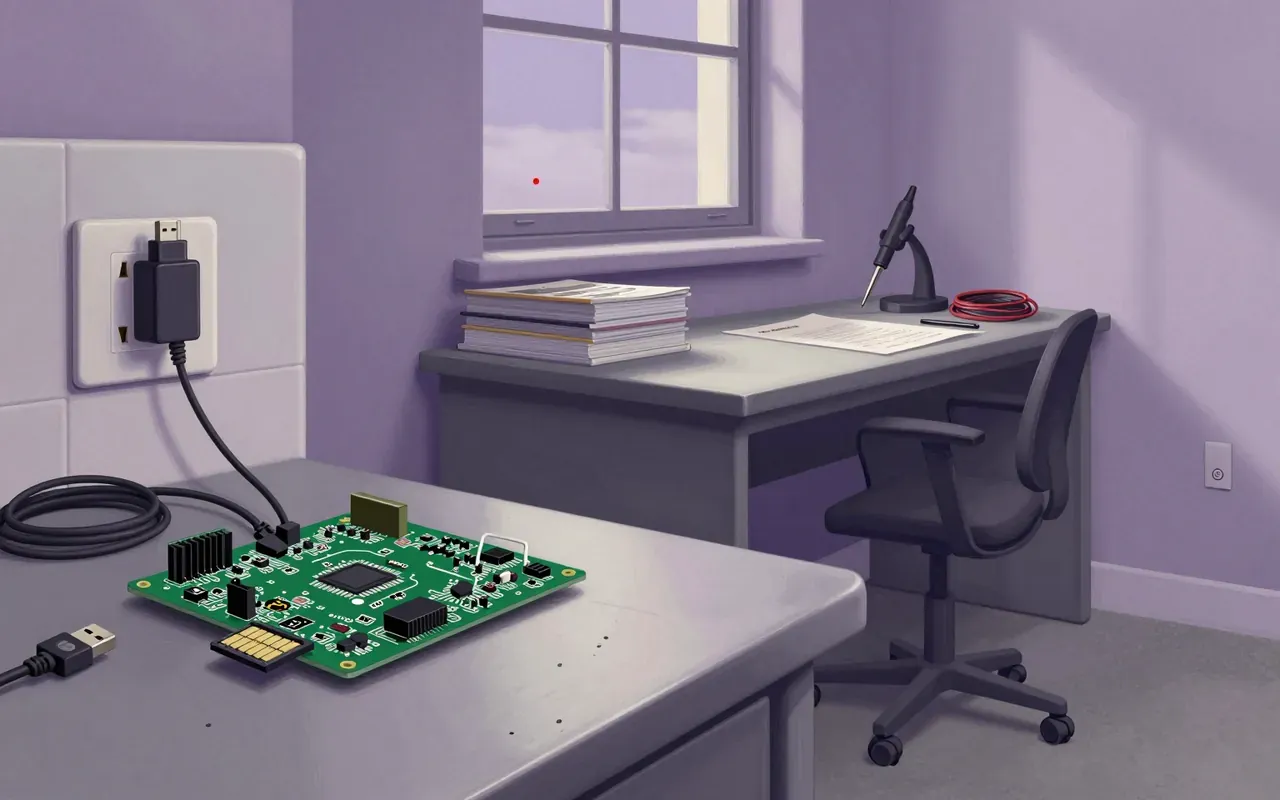
It is a credit-card-sized single-board computer with a Broadcom ARM processor, RAM, USB ports, HDMI output, and GPIO pins. It boots from an SD card loaded with a Linux-based operating system. It requires external power, storage, and peripherals to function.
What works
Its low cost, compact size, and flexibility enabled rapid adoption far beyond classrooms—into robotics, home automation, media centres, and network appliances—because it runs standard Linux and exposes hardware interfaces directly.
What does not
It was not designed for production-grade deployment. It lacks built-in redundancy, industrial temperature tolerance, long-term component supply guarantees, or vendor-supported firmware updates beyond the Foundation’s lifecycle.
What it changes
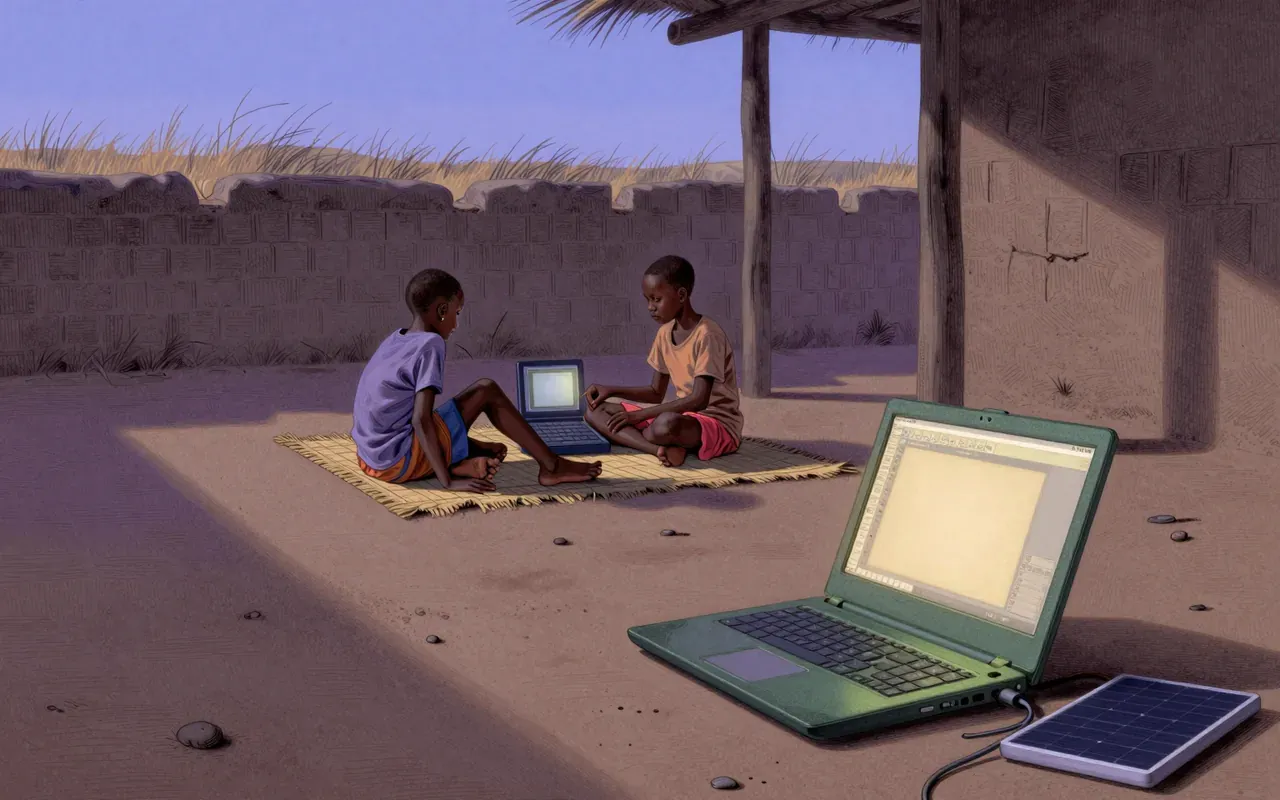
It changed who can access physical computing: students, hobbyists, and tinkerers gained affordable, open-hardware entry into systems programming, electronics integration, and OS-level experimentation.
Is it worth your time
Yes—if you need a low-cost, programmable, general-purpose computing platform for education, prototyping, or embedded tasks. No—if you require enterprise reliability, certified security, or plug-and-play desktop performance.