OLPC XO
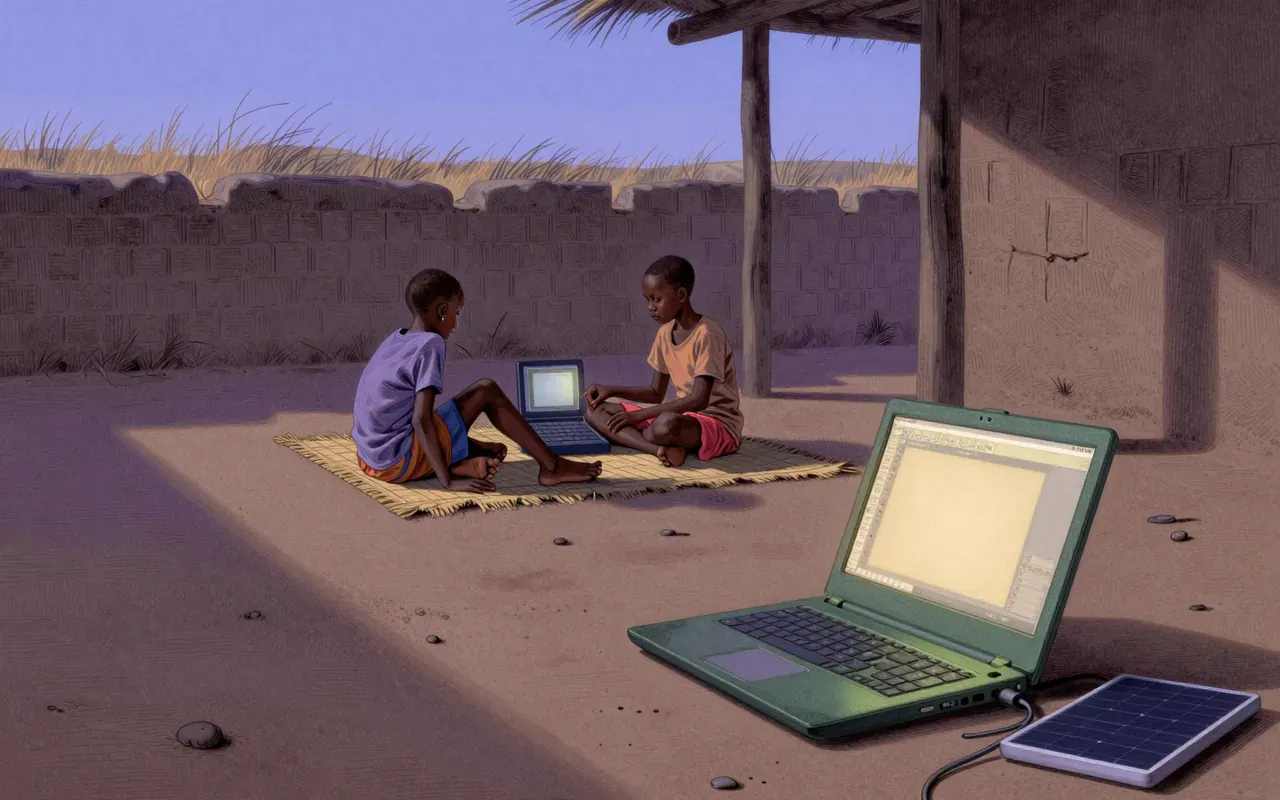
A noble failure: the XO delivered rugged, flash-based Linux laptops to children — but broke its core promises on price, power, and peer networking.
What a society decides the next lot needs to know.

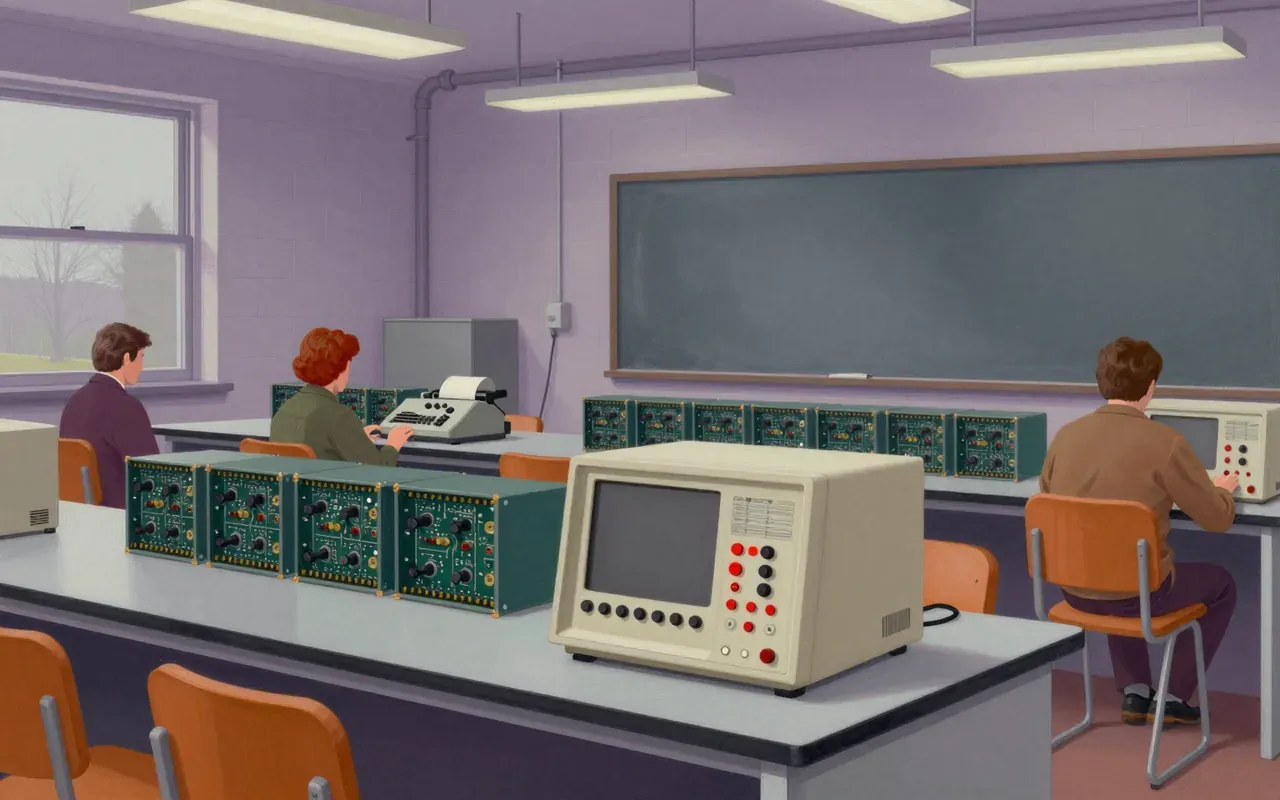
Smalltalk is a pure object-oriented language built for constructionist learning at Xerox PARC in the 1970s. Its first interpreter, Smalltalk-72, was written by Dan Ingalls in about 700 lines of BASIC for the Data General Nova in October 1972. It emerged from Alan Kay’s September 1972 bet that a message-passing core could fit on a page of code—and did so by the eighth morning. Smalltalk-80, released publicly in 1980, introduced foundational OOP ideas, featured an integrated development environment from inception, and established total reflection—both structural and computational. It has no primitive types: all values are objects, and all computation occurs via message passing. ANSI Smalltalk was ratified in 1998.
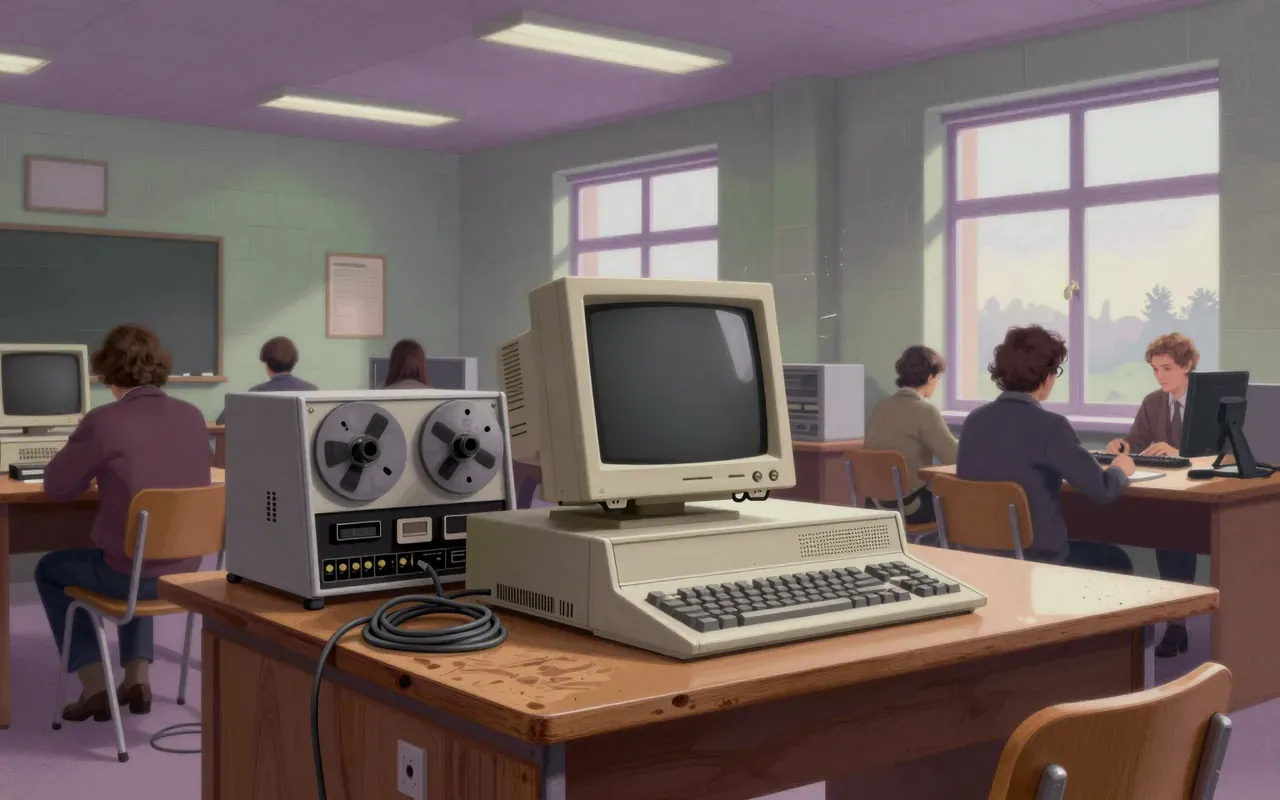
The BBC Micro was a procurement win first, an educational tool second. It succeeded because it met rigid broadcast and policy constraints—not because it was inherently superior to alternatives. Its architecture prioritised demonstrable compliance over user flexibility. Its dominance was guaranteed by subsidy rules, not market preference.
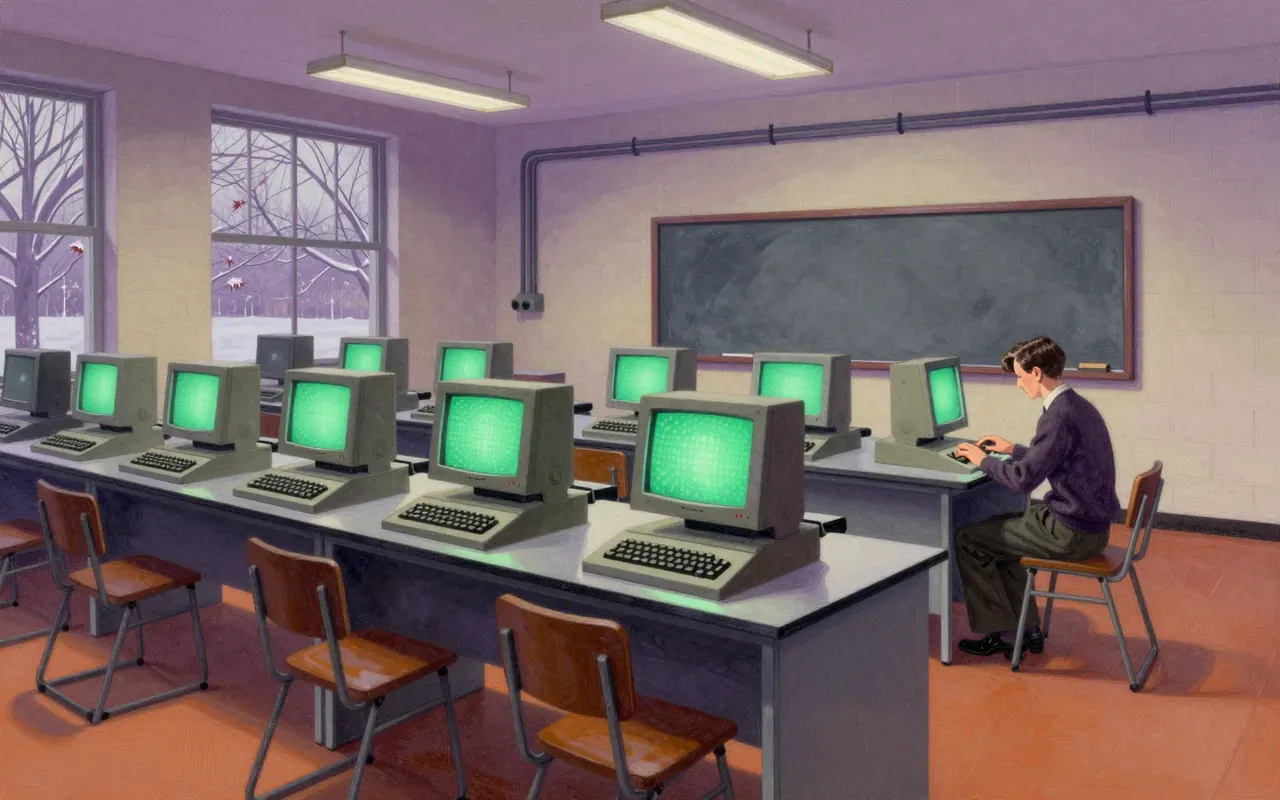
BASIC is a pedagogical tool, not a general-purpose language. It succeeded by narrowing scope — to Dartmouth, to undergraduates, to time-shared interaction, to FORTRAN II’s grammar stripped of complexity. Its value lies in what it excluded.