
Onsemi
onsemi doesn’t invent new physics — it industrialises Motorola’s legacy, one acquired wafer fab at a time.
Invisible until they break, then the only story.

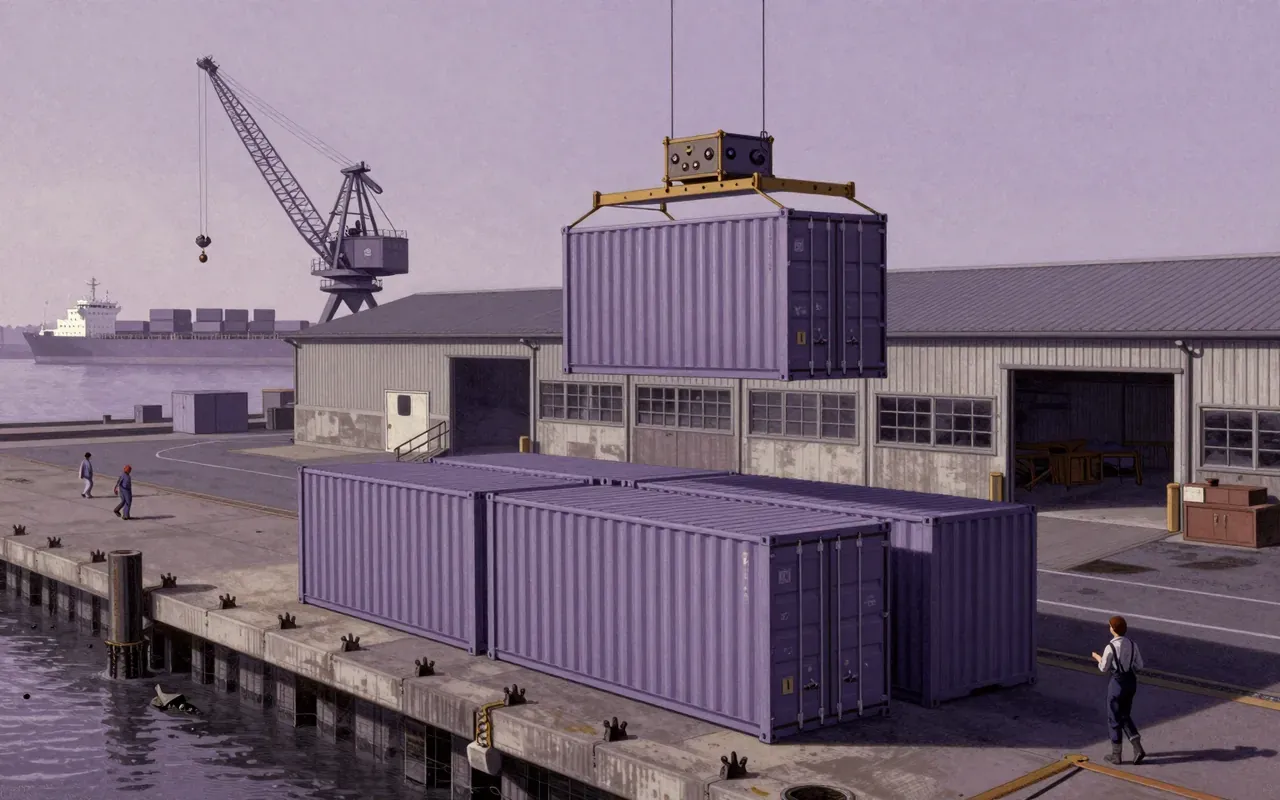
Containerization is the physical standardisation of cargo transport. It replaced break-bulk handling with sealed, stackable, crane-liftable steel boxes. McLean and Tantlinger designed it in 1955. Its twistlock corners enabled secure intermodal transfer. SeaLand released the patent in 1963. The design became the American and international standard in September 1965. It reduced cost and time. It displaced dock labour. It enabled just-in-time manufacturing. It remains the dominant form of non-bulk cargo transport.




The QR code is a pragmatic, narrowly scoped hardware interface — not a digital protocol or cultural platform. It solved a specific logistics bottleneck in Japanese automotive manufacturing. Its longevity stems from mechanical robustness and open licensing, not technical novelty or user experience.