Astronomy
Looking up, systematically, for four thousand years.
- 3
- in technology
- 9:44
- average
- 29 min
- in total
- 70
- across the network
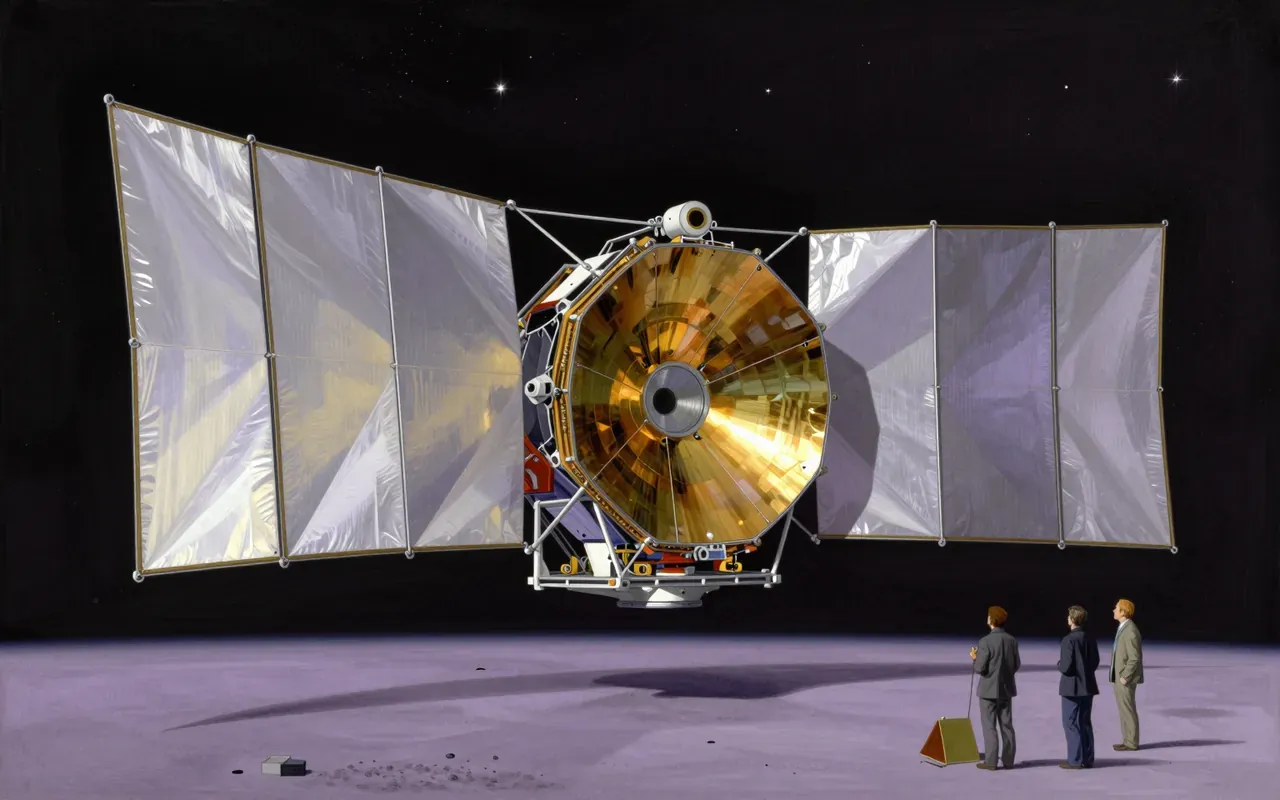
James Webb Space Telescope
Optical spectrometer
The Bunsen-Kirchhoff optical spectrometer is a precision tool for elemental identification via emission spectra. It builds directly on Fraunhofer’s 1814 design. It works only with incandescent sources and requires high-purity samples to yield unambiguous fingerprints. Its breakthrough was turning spectral lines into chemical evidence — for new elements on Earth and known elements in the Sun. It did not automate analysis; it demanded skilled interpretation, laborious purification, and physical alignment. Its value lies not in speed or scale, but in establishing a causal, reproducible link between light and atomic identity.
More from technology
All briefs →Amiga 500
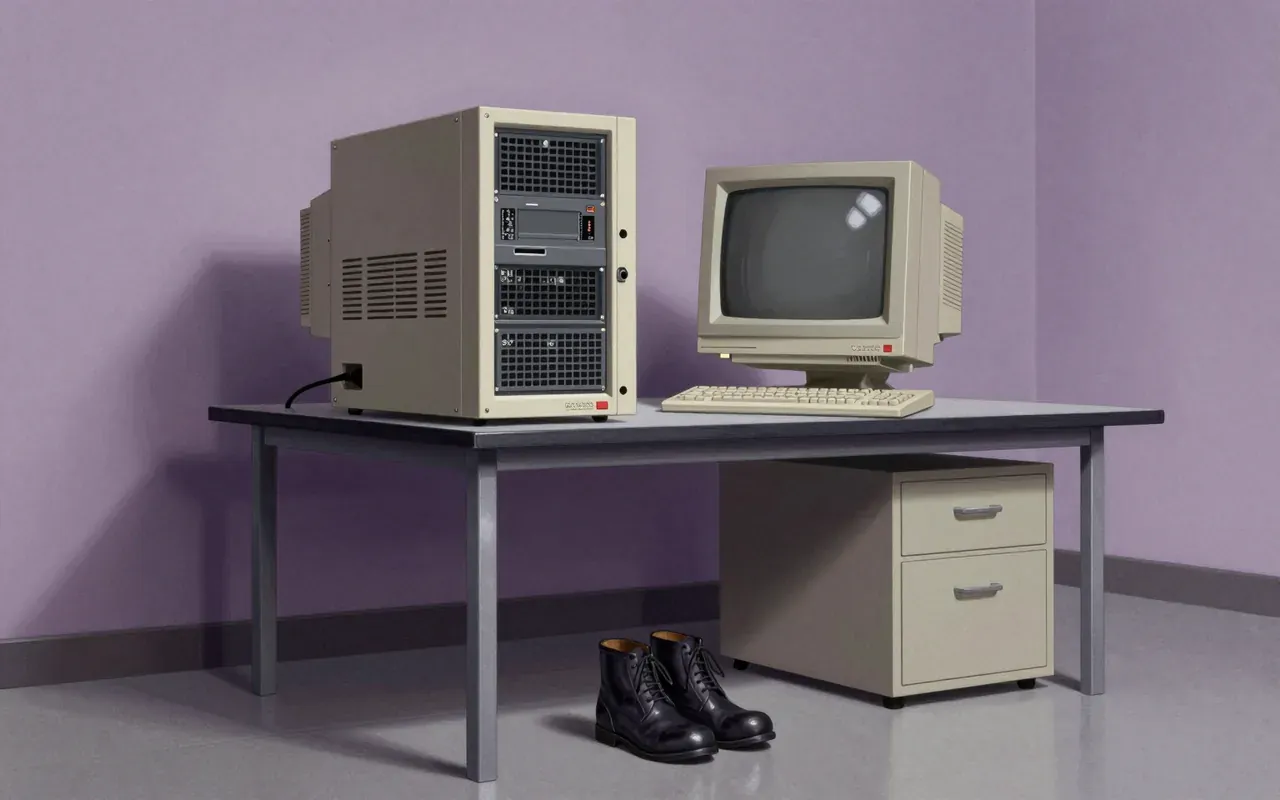
The Amiga 500 is a pivotal hardware milestone—not because it introduced new silicon, but because it delivered proven multitasking and colour graphics to mainstream retail at a time when competitors treated those features as optional or impossible in home systems. Its success relied on reuse, repackaging, and distribution—not invention.
BBC Micro
The BBC Micro was a procurement win first, an educational tool second. It succeeded because it met rigid broadcast and policy constraints—not because it was inherently superior to alternatives. Its architecture prioritised demonstrable compliance over user flexibility. Its dominance was guaranteed by subsidy rules, not market preference.