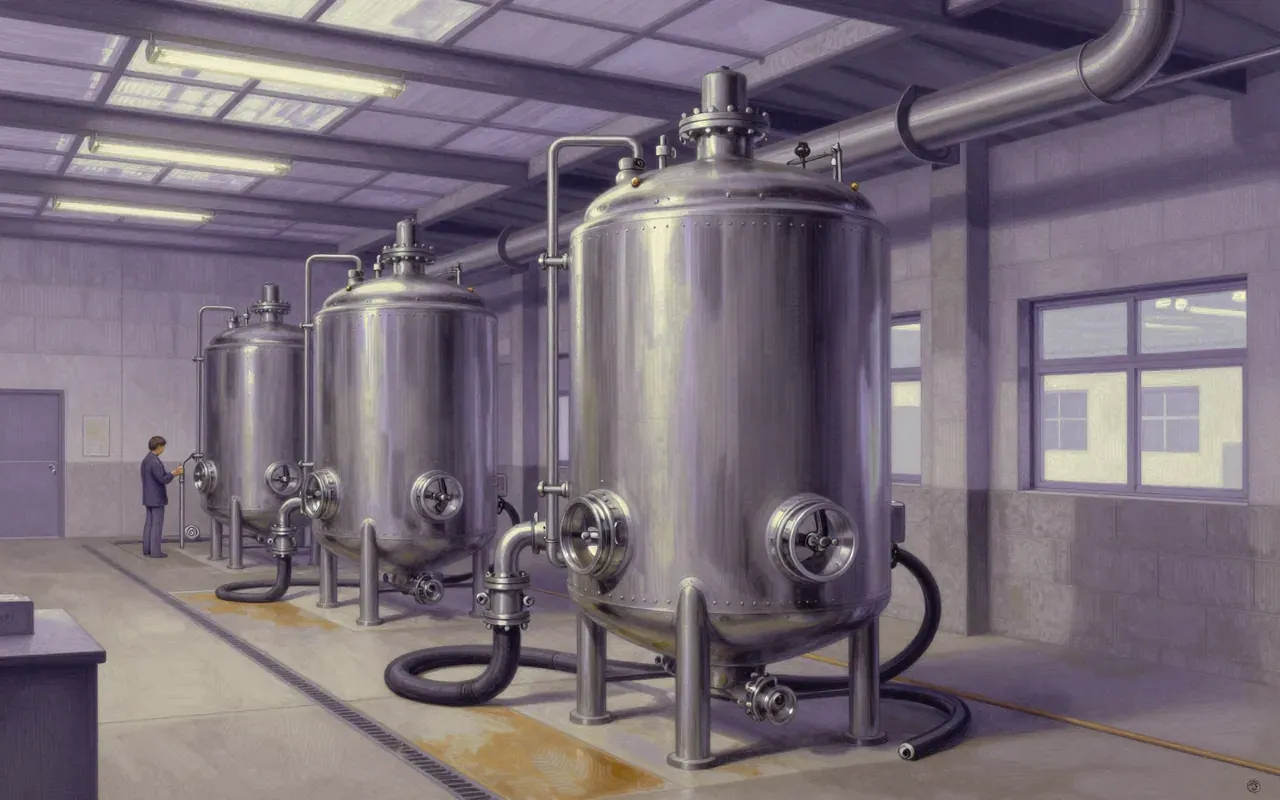
Biotechnology
Biotechnology is not a future promise — it is a century-old industrial method that runs on bacteria, not buzzwords.
Controlled rot, responsible for most of what people like.
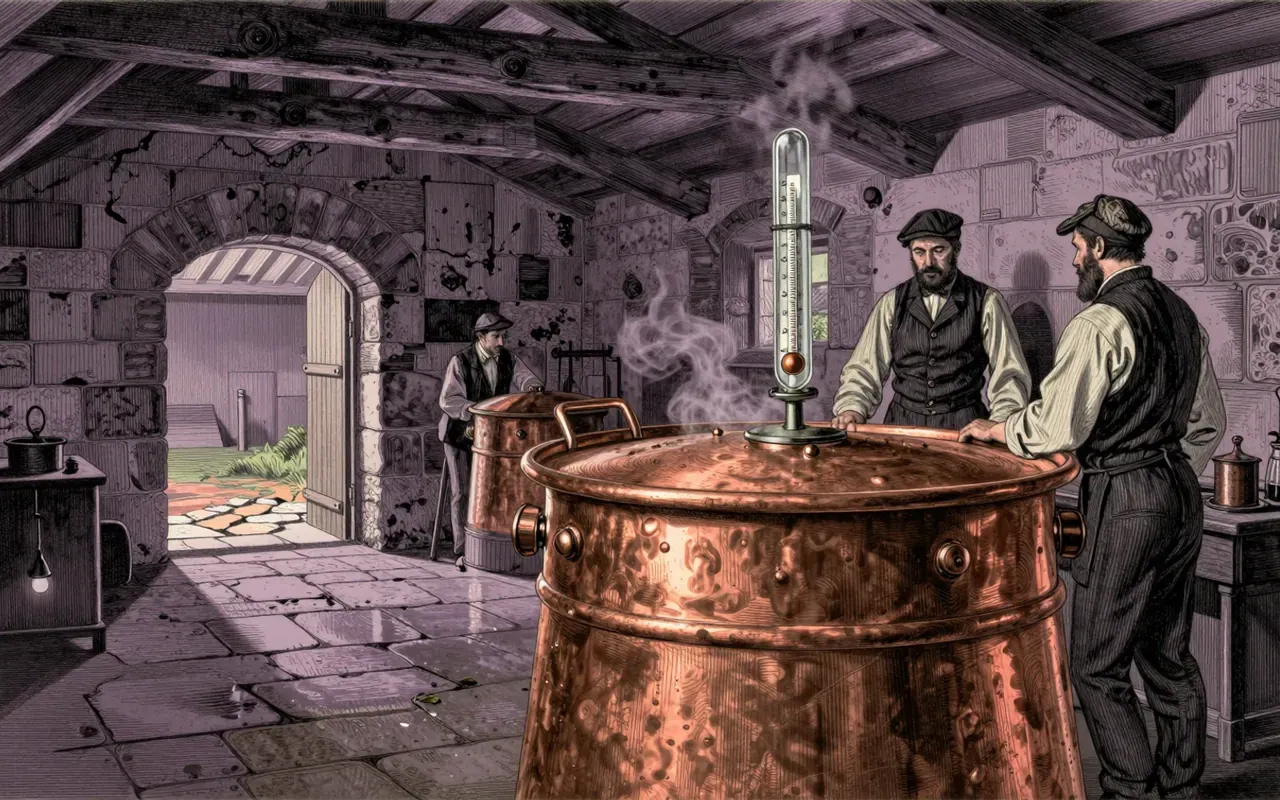
Pasteurization is a calibrated thermal intervention that stops microbial spoilage in liquids by killing vegetative bacteria and deactivating enzymes — without sterilising. It works because Pasteur proved microbes cause spoilage, not oxidation or time. Its limits are strict: spores survive, and efficacy depends on uniform heat delivery to every particle. It changed food safety from craft tradition to measurable process — but only where temperature can be controlled, verified, and sustained.




Silicon Graphics built the first practical hardware-accelerated 3D graphics systems. Its Geometry Engine — designed at Stanford under ARPA — delivered ~6 million geometry operations per second. It pioneered scalable cc-NUMA architectures in the mid-1990s. But its reliance on proprietary MIPS and failed transitions to Itanium and Xeon eroded its position as PC graphics commoditised. It filed for bankruptcy in 2009.