Saved
Topic

Food history

What was eaten, by whom, and how it got there.

4
in technology
10:32
average
42 min
in total
588
across the network
Food history across the network →
All briefs4
10:00

Canning

Nicolas Appert · 1810

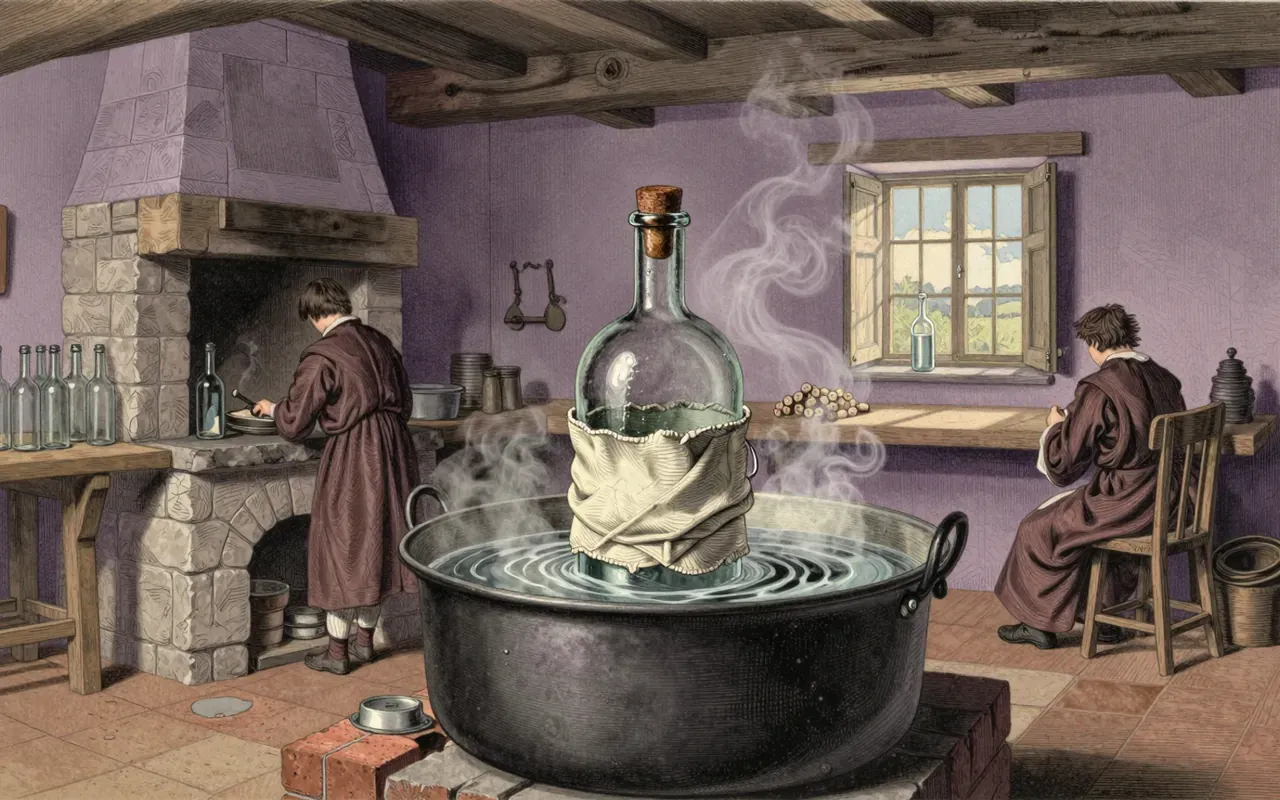
Appert’s canning was an empirical fix for spoilage: cook food inside a sealed glass jar, and it lasts — unless the seal leaks. He never knew why. He avoided tinplate. He boiled for variable times. He built the world’s first bottling factory in 1804. His 1810 prize recognised a working solution, not a scientific insight.
10:23

Pasteurization

Louis Pasteur · 1864

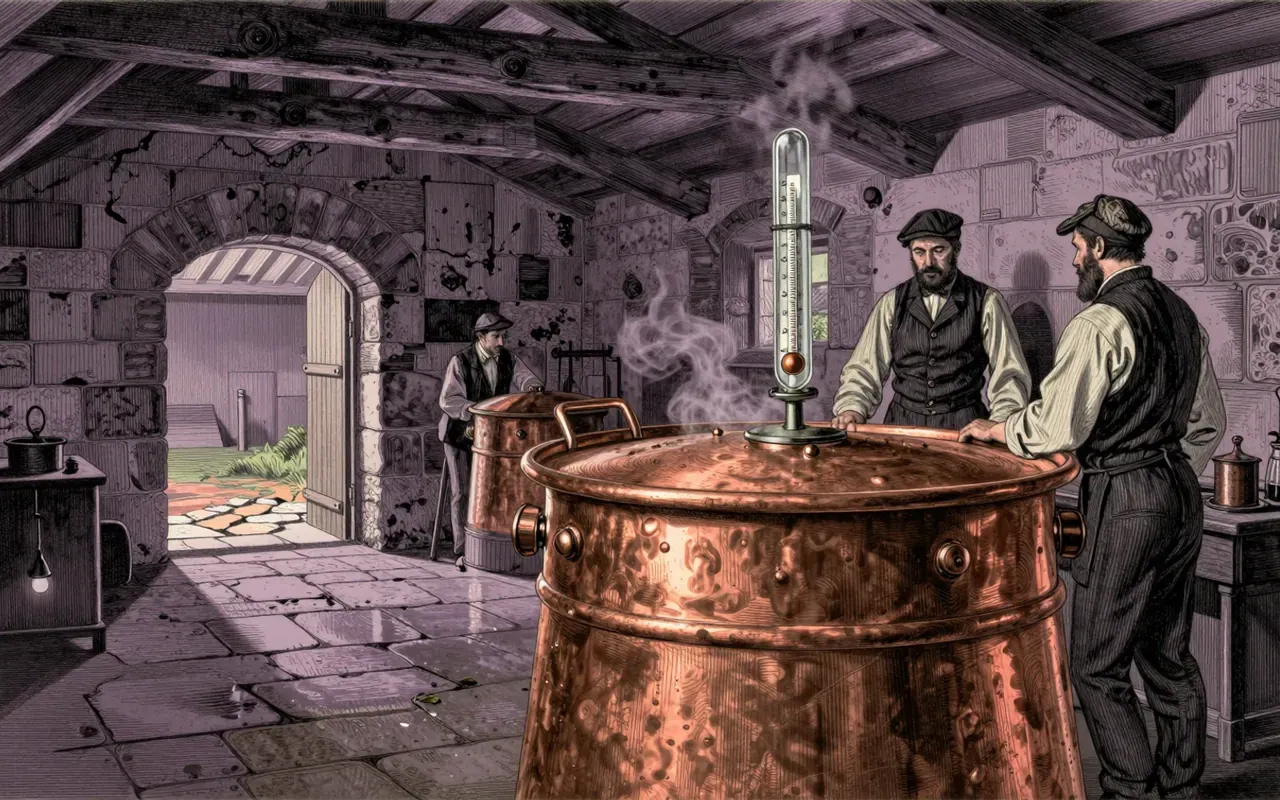
Pasteurization is a calibrated thermal intervention that stops microbial spoilage in liquids by killing vegetative bacteria and deactivating enzymes — without sterilising. It works because Pasteur proved microbes cause spoilage, not oxidation or time. Its limits are strict: spores survive, and efficacy depends on uniform heat delivery to every particle. It changed food safety from craft tradition to measurable process — but only where temperature can be controlled, verified, and sustained.

12:25

Cookie

There is no 'standard Cookie' — only a food item masquerading as infrastructure.
9:21

Microwave oven

Percy Spencer · 1945

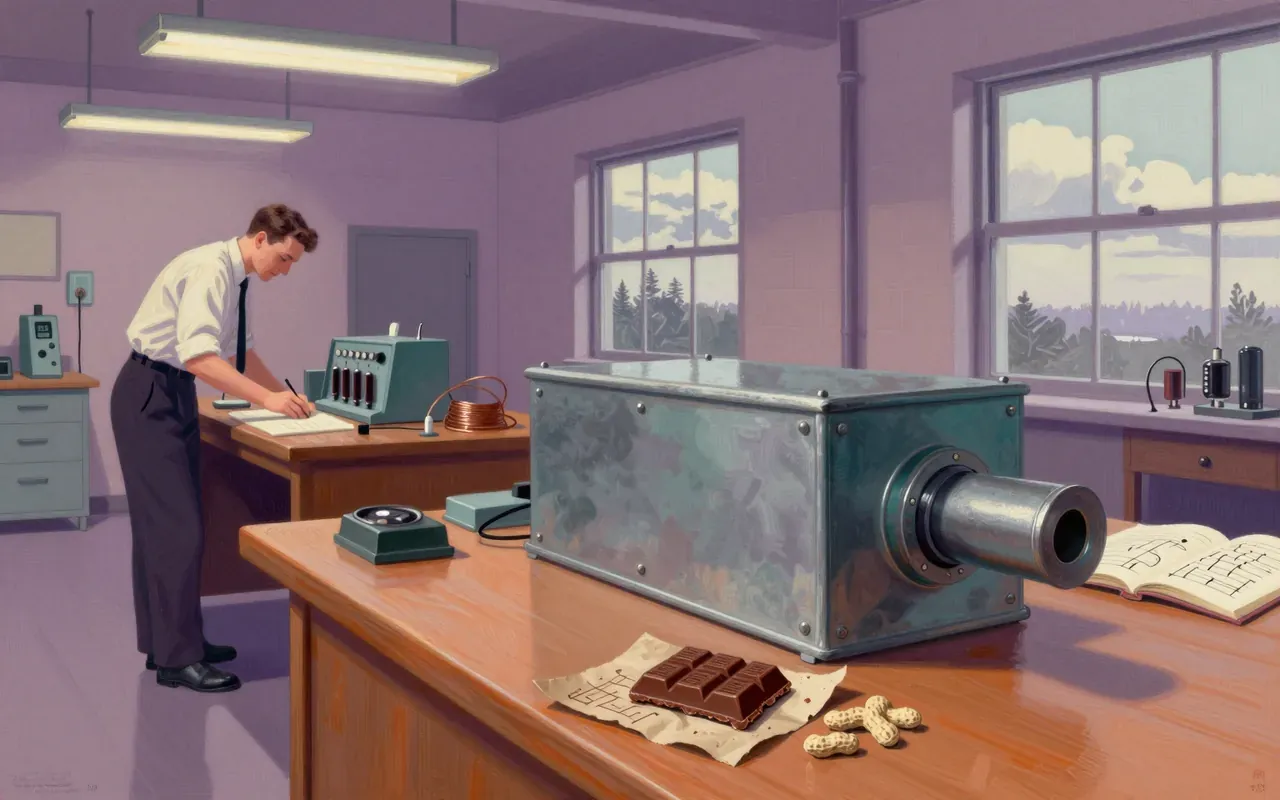
Percy Spencer’s 1945 microwave oven invention repurposed radar magnetrons for cooking. It works by dielectric heating in a sealed metal cavity. Popcorn and candy heat reliably. Eggs explode. The first commercial unit—the Radarange—arrived in 1947. No claim about speed, size, price, or adoption beyond what sources state.