CERN
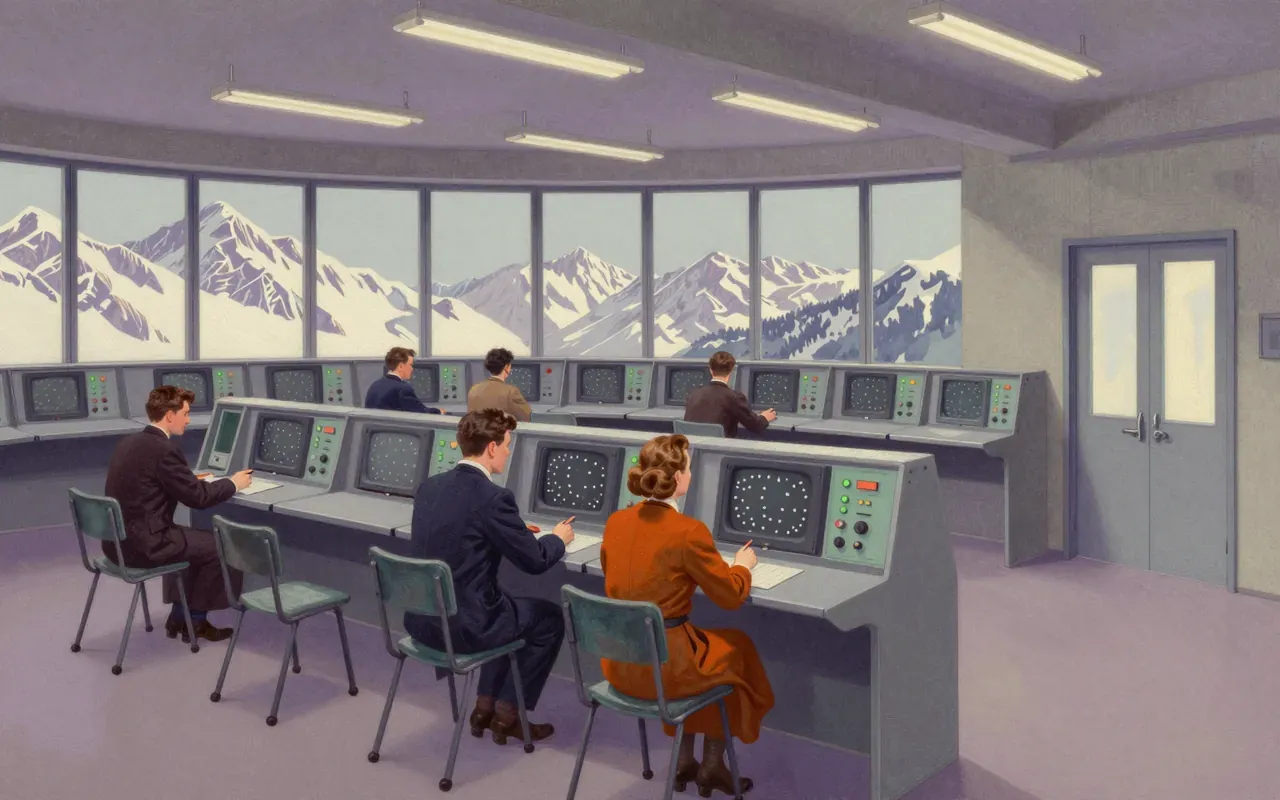
CERN is not a physics lab—it’s a treaty that turned particle collisions into diplomacy.
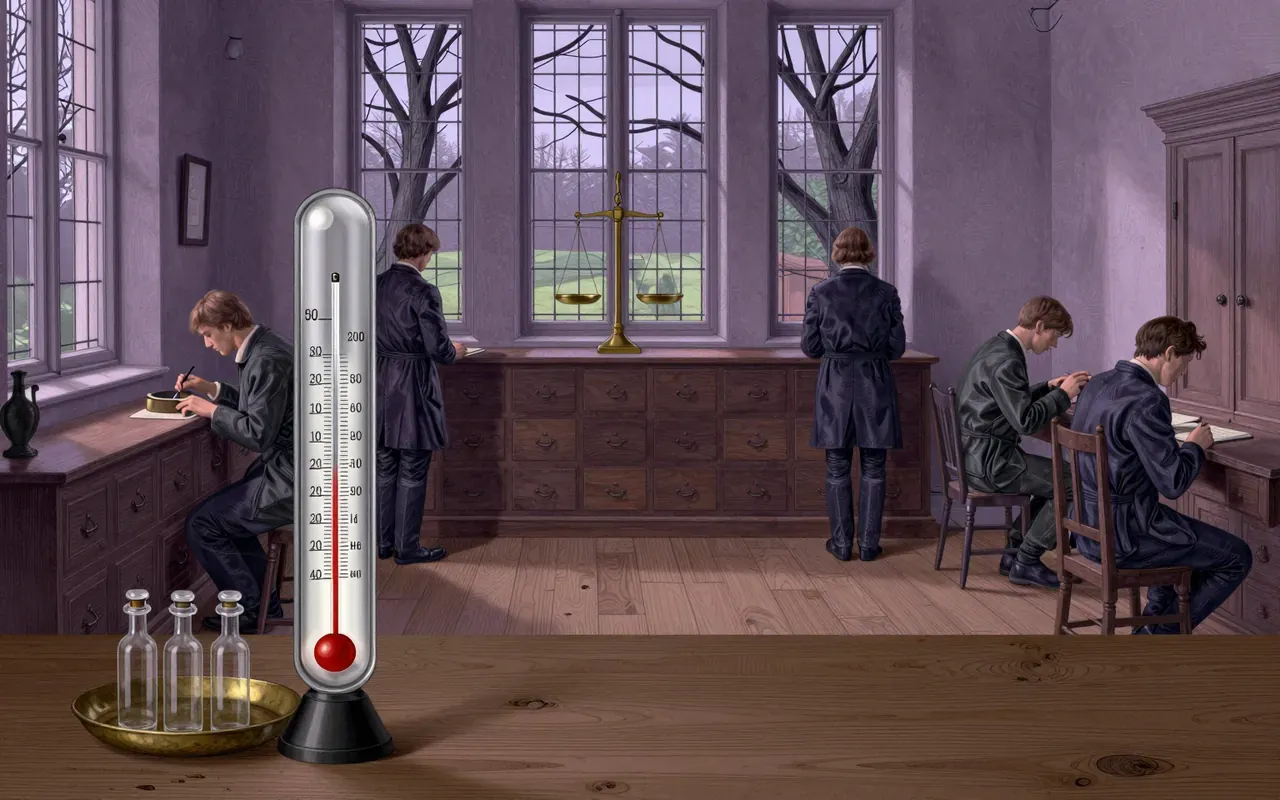
The procedure for being wrong less often, imperfectly followed.



The electromagnetic wave equation is the foundational PDE for classical electromagnetism. Maxwell derived it mathematically; Hertz verified it physically — not as a vision of wireless communication, but as proof that light is electromagnetic vibration. It works precisely where fields are classical and sources are macroscopic. It fails where quanta matter. Its value lies not in novelty but in necessity: every radio, radar, and optical system still obeys it.
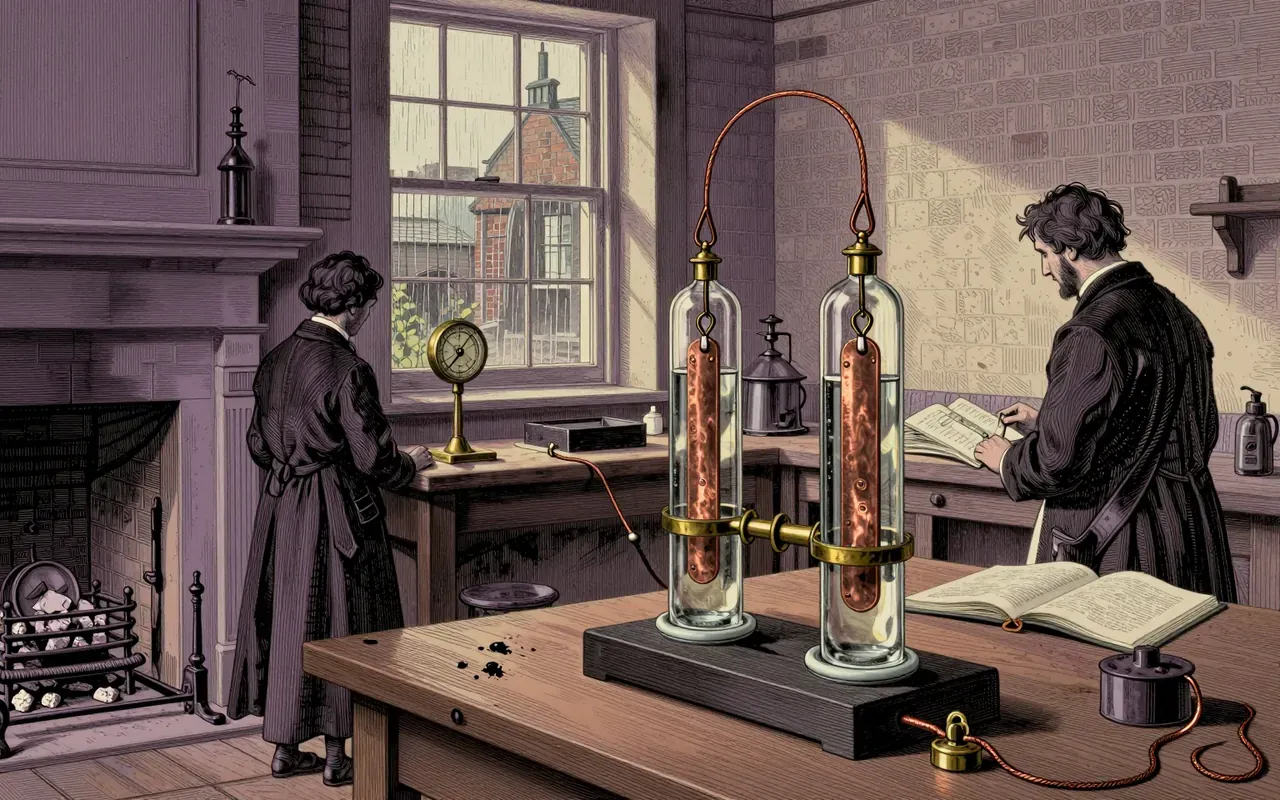
Grove’s fuel cell is a foundational experiment, not a functional technology. It demonstrated atomic reversibility, not power generation.
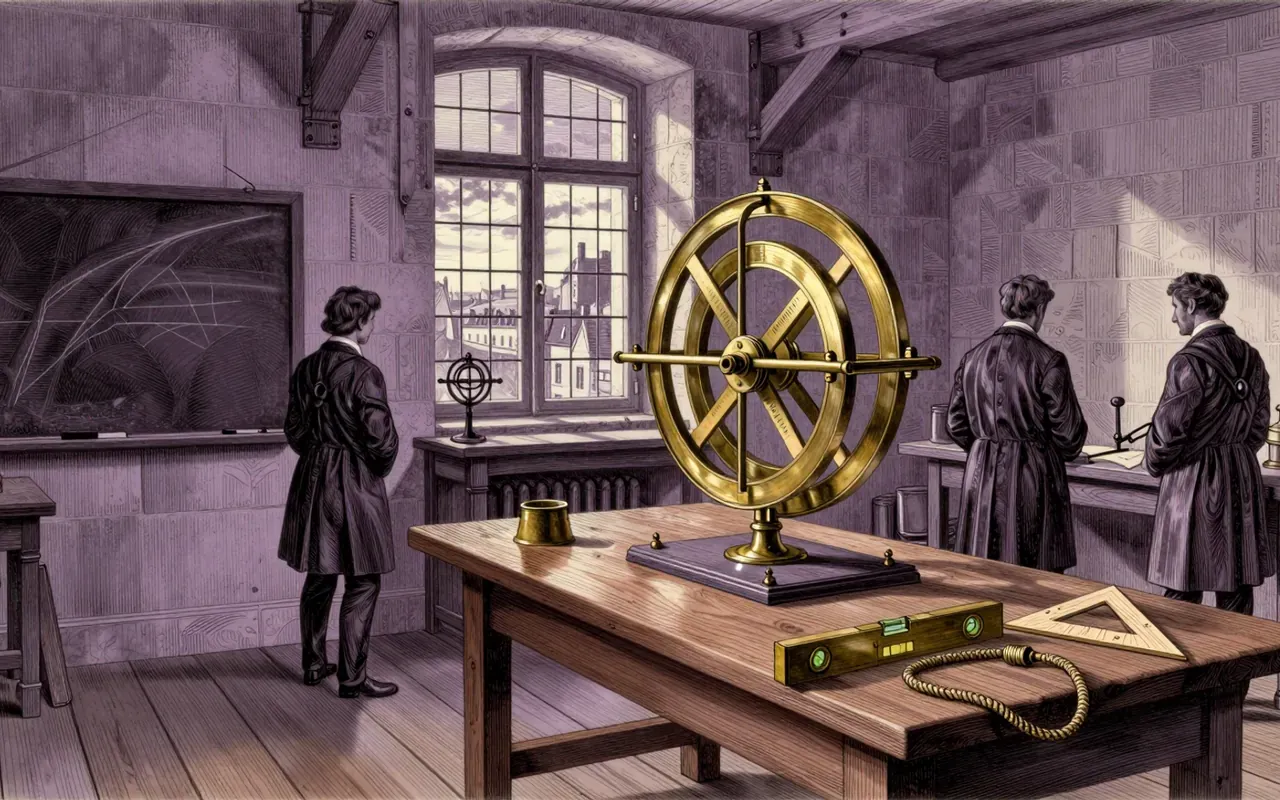
The gyroscope is a demonstration device, not a tool. It makes Earth’s rotation locally visible — for less than ten minutes — using nothing but inertia and friction. It changed pedagogy, not engineering.

Gauss’s 1833 magnetometer established absolute measurement of Earth’s magnetic field strength using oscillation frequency differences — a tenfold precision gain over predecessors. It was the first instrument to derive a non-mechanical quantity from mechanical fundamentals. It did not measure direction or local variation; it required stable conditions and assumed ideal magnetic and torsional behaviour. Its legacy is metrological, not operational.
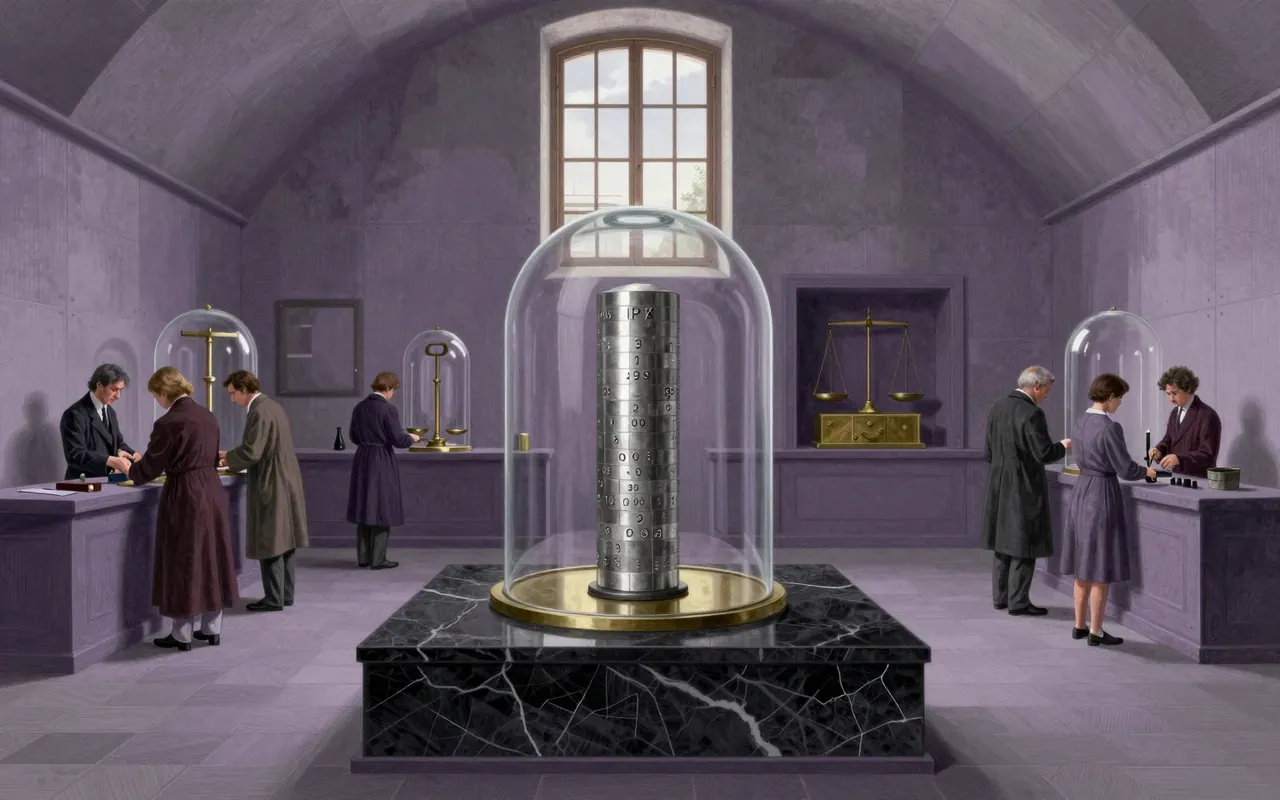
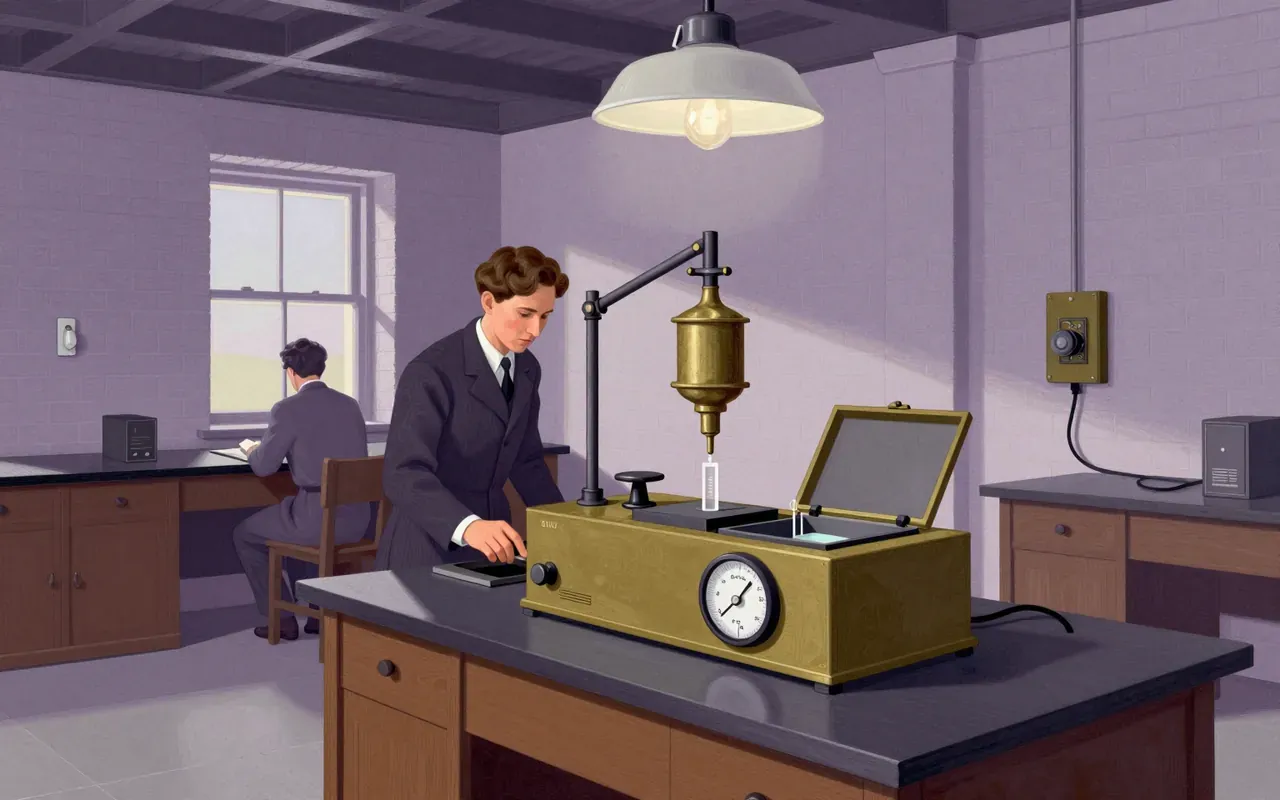
The DU spectrophotometer was not a leap in physics — it was a consolidation of optics, electronics, and procedure into one certified, usable tool. It replaced artisanal interpretation with repeatable numbers. Its value lies in enforced standardisation, not novelty.